

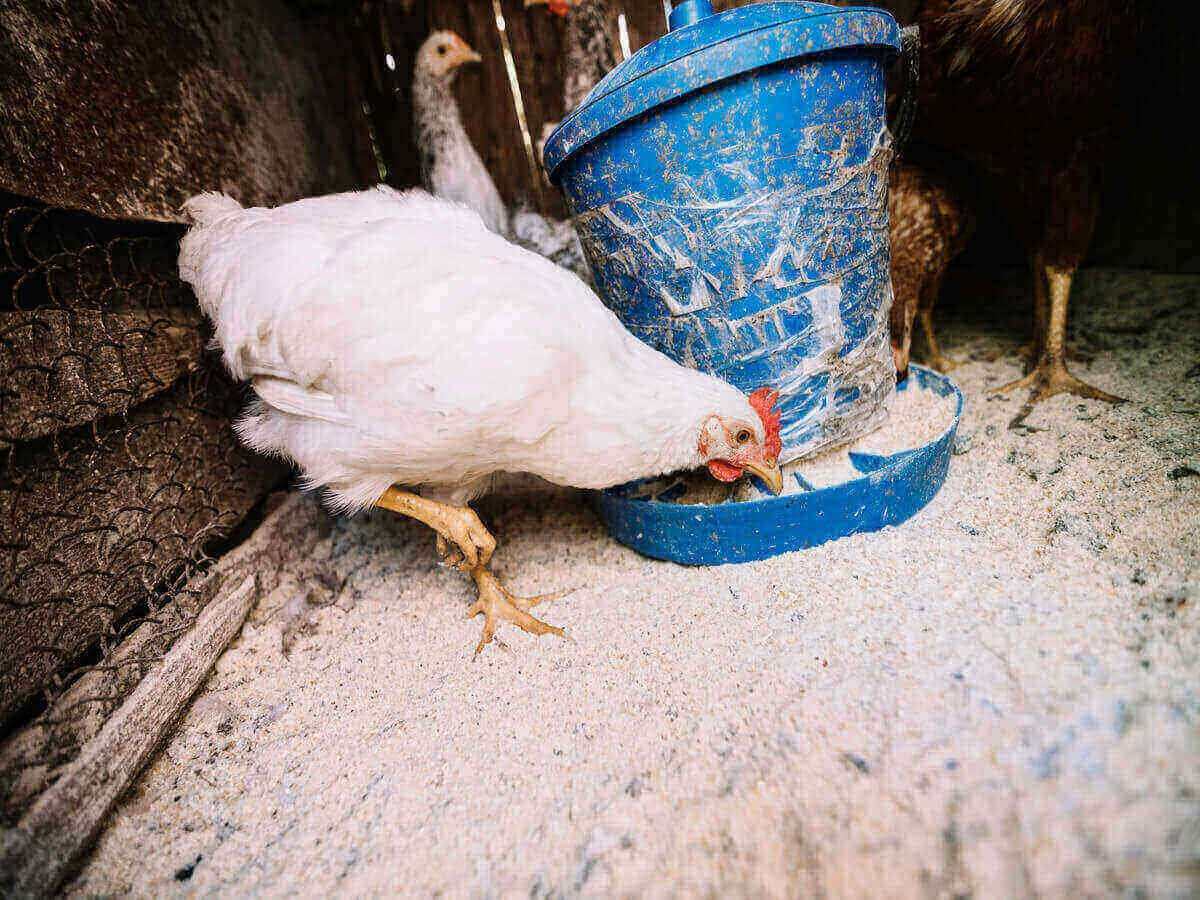
Chicken Rearing Tips for Small-Scale Farmers in Kenya
Small-scale poultry farming continues to play an important role in Kenya’s agricultural sector. Across the country, thousands of households and entrepreneurs keep chickens to generate income, improve food security, and support their families. As demand for fresh, high-quality chicken grows, small-scale farmers have an opportunity to contribute meaningfully to Kenya’s poultry industry.
Success in poultry farming does not always depend on the size of a farm. It often depends on consistent management, responsible farming practices, and a commitment to producing healthy birds. Careful planning, proper nutrition, clean housing, and regular monitoring can help small-scale farmers improve productivity while maintaining high standards of animal welfare.
At Soba Renaissance, we believe strong poultry industries are built through responsible farming at every level. Our integrated farm-to-table model demonstrates how sustainable practices, quality assurance, and continuous improvement can produce premium fresh chicken while supporting the long-term growth of Kenyan agriculture.
Below are practical tips that can help small-scale poultry farmers build healthier flocks and stronger poultry enterprises.
Start with a Manageable Flock
One of the best decisions for new poultry farmers is to begin with a flock size that matches the available space, resources, and management capacity.
Starting on a manageable scale allows farmers to:
- Learn good management practices
- Monitor birds more effectively
- Improve production gradually
- Build experience before expanding
Steady growth often creates a stronger foundation than expanding too quickly.
Invest in Quality Housing
Healthy chickens require a safe and comfortable environment.
Well-designed poultry housing should provide:
- Good ventilation
- Dry, clean bedding
- Protection from harsh weather
- Adequate lighting
- Easy access to feed and water
- Sufficient space for birds to move comfortably
Regular cleaning helps maintain hygiene and supports overall flock wellbeing.
Provide Balanced Feed and Clean Water
Nutrition is one of the most important factors in poultry production.
Healthy chickens require balanced diets that provide:
- Protein for growth
- Vitamins and minerals
- Energy sources
- Continuous access to clean drinking water
A consistent feeding programme helps support healthy development and contributes to quality poultry production.
Maintain Good Farm Hygiene
Clean farming environments reduce unnecessary health risks and support healthier birds.
Good hygiene practices include:
- Cleaning feeders and drinkers regularly
- Removing waste promptly
- Keeping housing dry
- Using clean equipment
- Maintaining organized work areas
Simple daily routines can have a significant impact on flock health.
Practice Biosecurity Every Day
Biosecurity helps protect poultry from disease and supports long-term productivity.
Small-scale farmers can strengthen biosecurity by:
- Limiting unnecessary visitors
- Cleaning footwear and equipment
- Separating new birds before introducing them to the flock
- Monitoring birds for signs of illness
- Seeking veterinary advice when needed
Consistent biosecurity practices help maintain healthier flocks.
Observe Chickens Regularly
Daily observation allows farmers to notice changes in bird behavior or overall condition.
Monitoring helps identify issues such as:
- Reduced appetite
- Changes in activity
- Water consumption patterns
- Housing conditions
- General flock wellbeing
Early attention to changes supports responsible poultry management.
Keep Simple Farm Records
Even small poultry operations benefit from record keeping.
Useful records may include:
- Number of birds
- Feed purchases
- Water usage
- Production performance
- Health observations
- Sales information
Good records help farmers make informed management decisions over time.
Focus on Continuous Improvement
Every production cycle provides opportunities to learn and improve.
Small-scale farmers can strengthen their operations by:
- Reviewing previous results
- Improving farm routines
- Learning new poultry management techniques
- Maintaining equipment
- Seeking reliable agricultural information
Incremental improvements often lead to stronger long-term performance.
Sustainability Begins on Every Farm
Responsible farming is not limited to large commercial operations.
Small-scale farmers contribute to sustainable agriculture by:
- Managing resources efficiently
- Maintaining healthy birds
- Reducing unnecessary waste
- Following responsible farming practices
- Supporting local food production
These efforts strengthen both individual farms and Kenya’s wider agricultural sector.
Why Soba Renaissance Supports Responsible Poultry Farming
At Soba Renaissance, we recognize that Kenya’s poultry industry grows stronger when responsible farming practices are embraced throughout the value chain.
Our commitment includes:
- Responsible poultry farming
- Sustainable agricultural practices
- Integrated farm-to-table production
- Rigorous food safety standards
- Quality assurance
- Continuous innovation
- Reliable distribution
- Support for local agriculture
- Customer-focused service
- Premium fresh chicken production
These principles help us deliver consistent quality while contributing to the development of Kenya’s poultry sector.
Frequently Asked Questions
Can small-scale poultry farming be successful?
Yes. With proper planning, responsible management, balanced nutrition, clean housing, and good biosecurity, small-scale poultry farming can provide reliable production and long-term growth opportunities.
Why is poultry nutrition important?
Balanced nutrition supports healthy growth, strong flock performance, and consistent poultry production while contributing to quality chicken meat.
Why is biosecurity important for small farms?
Biosecurity helps reduce the risk of disease by promoting clean environments, controlled farm access, and responsible management practices.
Why choose Soba Renaissance?
Soba Renaissance combines responsible poultry farming, sustainable agriculture, integrated farm-to-table production, rigorous quality assurance, and food safety standards to produce premium fresh chicken trusted across Kenya.
Empowering Small-Scale Farmers for a Stronger Poultry Industry
Small-scale poultry farmers are an essential part of Kenya’s agricultural landscape. Through responsible management, continuous learning, and a commitment to healthy flocks, they contribute to food security, local employment, and economic development across the country.
At Soba Renaissance, we believe that excellence in poultry farming begins with strong farming practices. Our dedication to responsible production, sustainable agriculture, and premium fresh chicken reflects our broader commitment to supporting Kenya’s poultry industry and encouraging continuous improvement throughout the agricultural value chain.
Whether you are starting your poultry farming journey or looking to improve your existing operation, responsible practices create the foundation for healthier birds, better production, and a more sustainable future.