

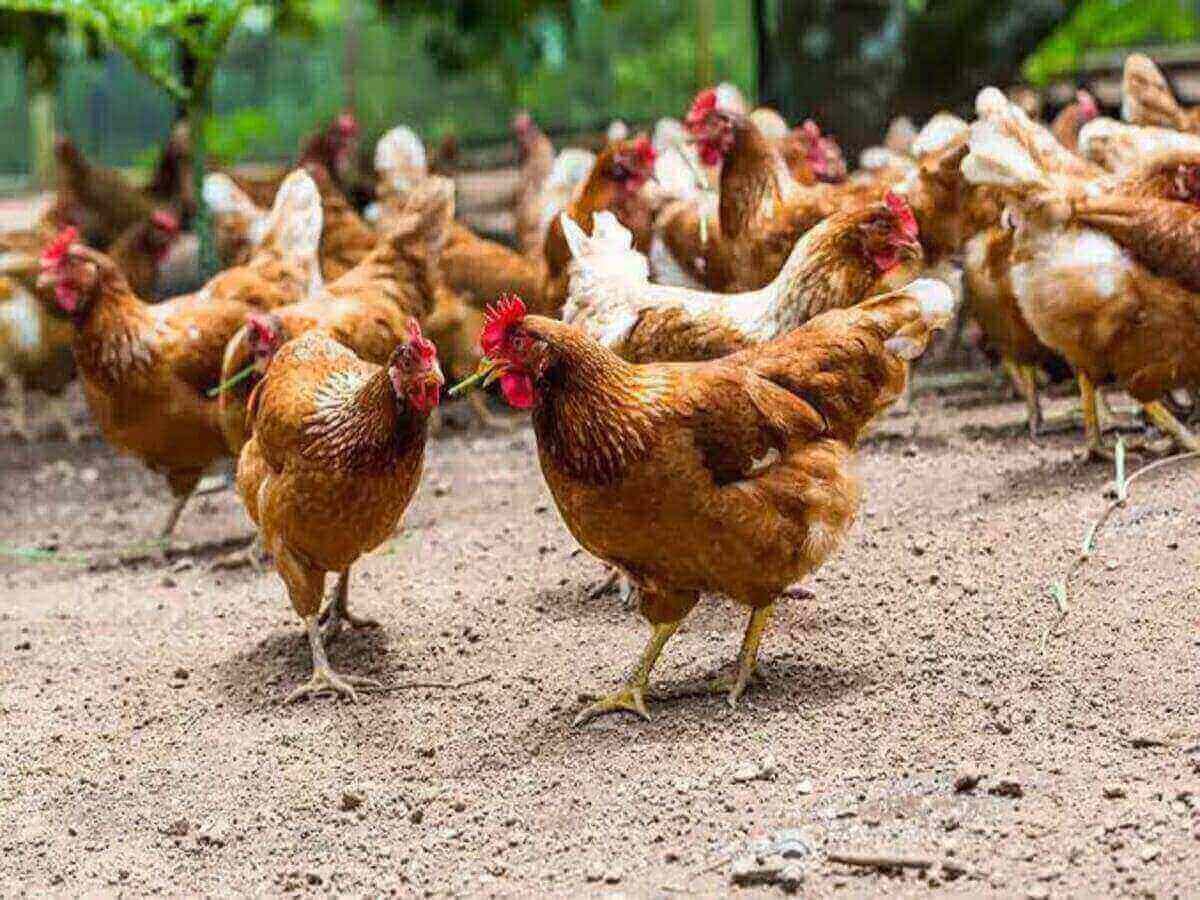
Best Chicken Rearing Practices for Kenyan Farmers
Kenya’s poultry industry continues to play an increasingly important role in supporting food security, creating employment opportunities, and supplying high-quality protein to households and businesses across the country. As demand for premium chicken grows, farmers are adopting improved poultry management practices that promote healthier birds, efficient production, and long-term sustainability.
Successful chicken rearing requires more than providing feed and shelter. It involves careful planning, proper nutrition, good housing, effective disease prevention, responsible flock management, and continuous improvement throughout the production cycle.
For farmers seeking long-term success, adopting proven management practices helps improve consistency, supports bird welfare, and contributes to reliable poultry production.
At Soba Renaissance, responsible poultry farming forms the foundation of our integrated farm-to-table model. By applying industry best practices throughout our operations, we consistently deliver premium fresh chicken that meets the expectations of households, restaurants, hotels, caterers, retailers, and institutions across Kenya.
Below are some of the best chicken rearing practices that contribute to successful poultry farming.
Plan Before the Flock Arrives
Successful poultry production begins long before chicks are introduced into the poultry house.
Good planning includes:
- Preparing clean housing
- Inspecting equipment
- Organizing feed supplies
- Ensuring reliable water access
- Reviewing biosecurity procedures
A well-prepared environment reduces unnecessary stress and creates suitable conditions for healthy flock development.
Invest in Quality Poultry Nutrition
Nutrition influences nearly every aspect of poultry production.
Balanced feeding programmes provide the nutrients birds require for healthy growth and overall wellbeing.
Quality poultry nutrition should include:
- Appropriate protein levels
- Essential vitamins
- Important minerals
- Balanced energy sources
- Continuous access to clean drinking water
At Soba Renaissance, proper nutrition is one of the pillars of our responsible poultry farming programme.
Maintain Excellent Housing Conditions
Housing has a direct impact on bird comfort and flock performance.
Well-managed poultry houses should provide:
- Adequate ventilation
- Clean litter
- Proper drainage
- Comfortable temperatures
- Good lighting
- Sufficient space for birds
Regular cleaning and maintenance help create an environment that supports healthy poultry production.
Practice Effective Biosecurity
Protecting poultry from disease is essential for maintaining healthy flocks.
Strong biosecurity practices include:
- Restricting unnecessary visitors
- Cleaning equipment regularly
- Maintaining hygienic working areas
- Monitoring bird health
- Following veterinary guidance where appropriate
Biosecurity reduces risk and supports consistent poultry production.
Observe Birds Every Day
Daily observation is one of the simplest and most valuable management practices.
Farmers should routinely monitor:
- Bird activity
- Feeding behavior
- Water consumption
- General appearance
- Housing conditions
Early identification of changes allows prompt action and helps maintain flock health.
Keep Accurate Farm Records
Good record keeping supports better decision-making.
Useful records include:
- Feed usage
- Water consumption
- Bird numbers
- Growth performance
- Health observations
- Production schedules
Accurate information helps farmers evaluate performance and identify opportunities for improvement.
Prioritise Animal Welfare
Healthy birds perform best when raised in environments that support their welfare.
Responsible poultry farming promotes:
- Proper handling
- Clean surroundings
- Continuous access to feed and water
- Reduced stress
- Comfortable housing
At Soba Renaissance, responsible animal care is central to producing premium fresh chicken.
Adopt Sustainable Farming Practices
Modern poultry farming increasingly focuses on sustainability.
Responsible producers seek to improve:
- Resource efficiency
- Waste management
- Water conservation
- Operational planning
- Long-term productivity
These practices help strengthen poultry businesses while supporting Kenya’s agricultural future.
Build Strong Market Relationships
Successful poultry farming extends beyond production.
Developing relationships with trusted processors, retailers, distributors, and customers helps farmers achieve consistent market access and long-term business growth.
Soba Renaissance values strong partnerships throughout the poultry value chain, allowing us to deliver dependable products and professional service across Kenya.
Why Soba Renaissance Leads by Example
At Soba Renaissance, we apply industry best practices across every stage of poultry production.
Our commitment includes:
- Responsible poultry farming
- Balanced poultry nutrition
- Integrated farm-to-table production
- Sustainable agriculture
- Rigorous food safety standards
- Quality assurance
- Reliable distribution
- Continuous operational improvement
- Professional customer service
- Long-term investment in Kenya’s poultry industry
These principles enable us to provide premium fresh chicken trusted by customers nationwide.
Frequently Asked Questions
What are the most important chicken rearing practices?
Successful poultry farming depends on good planning, balanced nutrition, clean housing, strong biosecurity, responsible flock management, accurate record keeping, and sustainable farming practices.
Why is biosecurity important?
Biosecurity helps reduce the risk of disease by promoting proper hygiene, controlled farm access, regular monitoring, and responsible management practices.
How does sustainable poultry farming benefit farmers?
Sustainable farming improves operational efficiency, supports long-term productivity, encourages responsible resource management, and contributes to resilient agricultural systems.
Why choose Soba Renaissance?
Soba Renaissance combines responsible poultry farming, integrated farm-to-table production, food safety, sustainable agriculture, and rigorous quality assurance to deliver premium fresh chicken across Kenya.
Raising Better Chickens for a Stronger Future
The success of Kenya’s poultry industry depends on farmers who embrace responsible, efficient, and sustainable management practices. Careful planning, quality nutrition, clean housing, biosecurity, animal welfare, and continuous improvement all contribute to healthier flocks and better production outcomes.
At Soba Renaissance, we proudly demonstrate these principles through our integrated farm-to-table production system. By investing in responsible poultry farming and maintaining high standards throughout every stage of production, we provide premium fresh chicken that reflects our commitment to quality, sustainability, and the future of Kenyan agriculture.
Whether you are a farmer seeking inspiration or a customer looking for premium poultry, Soba Renaissance represents the values of excellence, responsibility, and continuous improvement that define modern poultry farming in Kenya.