Why Traceability Matters When Buying Lemon Powder

Why Traceability Matters When Buying Lemon Powder

Consumers today expect more than simply high-quality food products. They want to understand where their ingredients come from, how they are produced, and whether the companies behind them operate responsibly. This growing demand for transparency has made traceability one of the most important aspects of modern food production.

Organic lemon powder is no exception.

Whether you are purchasing lemon powder for your household, café, hotel, restaurant, bakery, beverage manufacturing company, supermarket, retailer, distributor, or food processing business, knowing the journey behind every pack provides confidence in its quality and consistency.

Traceability allows producers to monitor products throughout every stage of production, helping maintain accountability, support food quality, and strengthen customer trust.

At Soba Renaissance, traceability is an integral part of our commitment to producing premium organic lemon powder. Through responsible sourcing, sustainable agricultural partnerships, integrated farm-to-pack production, and rigorous quality assurance, we provide products that Kenyan households and businesses can purchase with confidence.

This guide explains why traceability matters when buying organic lemon powder and why it plays such an important role in responsible food production.

What Is Traceability?

Traceability is the ability to follow a product throughout its production journey.

For organic lemon powder, this includes oversight across:

  • Lemon cultivation.
  • Responsible sourcing.
  • Harvesting.
  • Cleaning and inspection.
  • Professional processing.
  • Drying.
  • Milling.
  • Quality assurance.
  • Hygienic packaging.
  • Nationwide distribution.

Maintaining visibility throughout production helps support quality, consistency, and accountability.

Building Consumer Confidence

Consumers increasingly want assurance that the products they purchase have been responsibly produced.

Traceability helps answer important questions such as:

  • Where were the lemons sourced?
  • Who produced the product?
  • How was the lemon powder processed?
  • What quality systems were followed?
  • How was the product handled before reaching customers?

Greater transparency strengthens long-term customer trust.

Supporting Consistent Product Quality

Consistency is one of the most important expectations in premium food production.

Traceability helps producers maintain:

  • Reliable flavour.
  • Uniform texture.
  • Consistent colour.
  • Professional manufacturing.
  • Continuous quality improvement.

Monitoring every stage helps deliver dependable products across every batch.

Encouraging Responsible Sourcing

Premium lemon powder begins with responsibly sourced lemons.

Traceability supports responsible sourcing by promoting:

  • Sustainable agricultural partnerships.
  • Reliable farming relationships.
  • Transparent procurement.
  • Consistent raw material quality.
  • Long-term agricultural development.

These practices benefit producers, farmers, businesses, and consumers alike.

Strengthening Food Quality Systems

Professional production depends on carefully managed quality systems.

Traceability supports these systems through:

  • Documented production processes.
  • Professional manufacturing oversight.
  • Hygienic handling.
  • Continuous monitoring.
  • Product accountability.

Well-managed systems help maintain consistently high production standards.

Why Commercial Buyers Value Traceability

Businesses rely on dependable suppliers every day.

Hotels, restaurants, cafés, bakeries, beverage manufacturers, supermarkets, food processors, wholesalers, distributors, and retailers all benefit from suppliers that prioritise traceability because it supports:

  • Consistent product quality.
  • Reliable supply.
  • Professional manufacturing.
  • Greater purchasing confidence.
  • Long-term supplier relationships.

Reliable ingredients help businesses maintain their own quality standards.

Sustainability and Traceability Go Hand in Hand

Responsible production extends beyond manufacturing.

At Soba Renaissance, traceability complements our commitment to:

  • Responsible sourcing.
  • Sustainable agriculture.
  • Environmental stewardship.
  • Efficient resource management.
  • Continuous operational improvement.

Together, these principles help strengthen Kenya’s agricultural future while supporting premium food production.

Farm-to-Pack Visibility

Integrated production allows greater oversight throughout manufacturing.

Our farm-to-pack production model provides visibility across:

  • Lemon cultivation.
  • Responsible sourcing.
  • Harvesting.
  • Cleaning and inspection.
  • Processing.
  • Drying.
  • Milling.
  • Quality assurance.
  • Hygienic packaging.
  • Nationwide distribution.

Managing every stage helps deliver consistently high-quality lemon powder while strengthening customer confidence.

Choosing a Producer That Values Transparency

Not every producer places the same emphasis on traceability.

When selecting organic lemon powder, choose producers committed to:

  • Responsible sourcing.
  • Sustainable agriculture.
  • Professional manufacturing.
  • Rigorous quality assurance.
  • Hygienic packaging.
  • Transparent business practices.

These qualities demonstrate a long-term commitment to quality and customer satisfaction.

Why Customers Choose Soba Renaissance

Customers across Kenya choose Soba Renaissance because we consistently provide:

  • Premium organic lemon powder.
  • Responsible sourcing.
  • Sustainable agriculture.
  • Farm-to-pack production.
  • Product traceability.
  • Rigorous quality assurance.
  • Hygienic packaging.
  • Transparent operations.
  • Reliable nationwide distribution.
  • Professional customer service.

These values guide every product we produce.

Frequently Asked Questions

What does traceability mean?

Traceability is the ability to monitor a product throughout every stage of production, from responsible sourcing and processing to packaging and nationwide distribution.

Why is traceability important when buying lemon powder?

Traceability supports transparency, responsible sourcing, consistent manufacturing, rigorous quality assurance, and greater customer confidence.

Does traceability improve product quality?

Traceability strengthens production oversight by helping producers maintain consistent manufacturing processes, product accountability, and continuous quality improvement.

Why choose Soba Renaissance?

Soba Renaissance combines responsible sourcing, sustainable agricultural partnerships, integrated farm-to-pack production, rigorous quality assurance, product traceability, hygienic packaging, and dependable nationwide distribution to produce premium organic lemon powder trusted throughout Kenya.

Confidence Begins with Transparency

Every pack of organic lemon powder has a journey that begins long before it reaches your kitchen. When producers maintain visibility throughout sourcing, production, packaging, and distribution, customers gain greater confidence in the quality, consistency, and integrity of the product they purchase.

At Soba Renaissance, traceability is more than a manufacturing process it reflects our commitment to transparency, sustainability, responsible sourcing, and professional food production. Through integrated farm-to-pack operations, sustainable agricultural partnerships, rigorous quality assurance, and dependable nationwide distribution, we proudly supply premium organic lemon powder trusted by households and businesses throughout Kenya.

Whether you are purchasing for your family, café, hotel, restaurant, bakery, beverage manufacturing company, supermarket, retailer, distributor, or food processing business, Soba Renaissance delivers premium organic lemon powder backed by transparency, trusted Kenyan expertise, and an unwavering commitment to quality.

Choose Soba Renaissance where every pack is supported by a production journey you can trust.

How Lemon Powder Is Made: From Farm to Pack

How Lemon Powder Is Made: From Farm to Pack

Organic lemon powder has become an essential ingredient for households and food businesses throughout Kenya. From refreshing beverages and smoothies to baking, sauces, marinades, desserts, seasoning blends, and commercial food manufacturing, it offers a convenient way to enjoy the vibrant flavour of lemons throughout the year.

Although many people use lemon powder regularly, few understand the carefully managed production process behind every pack. Producing premium organic lemon powder requires much more than drying lemons. Every stage from responsible farming and careful harvesting to professional processing, quality assurance, hygienic packaging, and nationwide distribution plays an important role in delivering a dependable product.

As consumers increasingly seek transparency and sustainably produced food ingredients, understanding how lemon powder is made helps build confidence in the products they purchase.

At Soba Renaissance, we proudly produce premium organic lemon powder through responsible sourcing, sustainable agricultural partnerships, integrated farm-to-pack production, and rigorous quality management. Every pack reflects our commitment to quality, sustainability, and supporting Kenyan agriculture.

This guide explains how organic lemon powder is made from farm to pack.

Step One: Growing Healthy Lemon Trees

Every pack of premium lemon powder begins in carefully managed orchards.

Successful citrus production depends on:

  • Healthy growing conditions.
  • Responsible agricultural practices.
  • Sustainable land management.
  • Efficient orchard management.
  • Long-term crop care.

Strong agricultural foundations contribute to high-quality lemons suitable for professional food production.

Step Two: Responsible Orchard Management

Throughout the growing season, lemon trees require continuous attention.

Responsible orchard management focuses on:

  • Soil health.
  • Efficient water management.
  • Sustainable farming practices.
  • Tree care.
  • Continuous crop monitoring.

These practices support consistent fruit quality while promoting long-term agricultural sustainability.

Step Three: Harvesting the Lemons

Harvesting takes place once lemons reach the appropriate stage of maturity.

Professional harvesting emphasises:

  • Careful fruit handling.
  • Efficient collection.
  • Protection of fruit quality.
  • Timely transportation.

Proper harvesting helps preserve the quality of the lemons before processing begins.

Step Four: Cleaning and Inspection

Before processing, harvested lemons undergo careful preparation.

Professional preparation includes:

  • Cleaning.
  • Inspection.
  • Sorting.
  • Selection.

Only lemons that meet production standards continue through the manufacturing process, helping maintain consistent product quality.

Step Five: Preparing the Fruit for Processing

Once inspected, the lemons are prepared for professional processing.

Preparation focuses on:

  • Uniform handling.
  • Hygienic processing conditions.
  • Efficient production flow.
  • Maintaining ingredient quality.

Careful preparation creates consistency before drying begins.

Step Six: Drying the Lemons

Drying is one of the most important stages in producing organic lemon powder.

Professionally managed drying helps:

  • Preserve citrus flavour.
  • Maintain product consistency.
  • Reduce moisture.
  • Prepare the product for milling.

Controlled drying contributes to dependable production quality.

Step Seven: Milling into Fine Lemon Powder

After drying, the lemons are processed into a fine powder suitable for culinary and commercial applications.

Professional milling focuses on:

  • Uniform particle size.
  • Consistent texture.
  • Reliable manufacturing.
  • Continuous quality management.

This stage transforms dried citrus into the versatile ingredient customers use every day.

Step Eight: Rigorous Quality Assurance

Quality assurance is integrated throughout production rather than being limited to the finished product.

Professional quality systems help maintain:

  • Consistent manufacturing.
  • Hygienic production.
  • Reliable processing.
  • Product integrity.
  • Continuous improvement.

These procedures help ensure every pack meets established production standards.

Step Nine: Hygienic Packaging

Packaging protects organic lemon powder during storage, transportation, and retail display.

Professional packaging provides:

  • Secure sealing.
  • Hygienic presentation.
  • Clear product information.
  • Protection during transport.
  • Convenient storage.

Quality packaging helps preserve freshness and product integrity until it reaches customers.

Step Ten: Reliable Distribution Across Kenya

Reliable logistics ensure products arrive in excellent condition.

Soba Renaissance supplies premium organic lemon powder to:

  • Households.
  • Restaurants.
  • Hotels.
  • Cafés.
  • Bakeries.
  • Beverage manufacturers.
  • Food processors.
  • Retailers.
  • Supermarkets.
  • Wholesale buyers.

Professional nationwide distribution supports product consistency and customer satisfaction.

Sustainability Throughout Every Stage

Responsible production extends far beyond manufacturing.

At Soba Renaissance, sustainability guides every stage through:

  • Responsible sourcing.
  • Sustainable agricultural partnerships.
  • Efficient resource management.
  • Environmental stewardship.
  • Continuous operational improvement.

These principles strengthen Kenya’s agricultural future while supporting premium food production.

Farm-to-Pack Transparency

Consumers increasingly value knowing how their food is produced.

Our integrated farm-to-pack production model provides oversight throughout:

  • Lemon cultivation.
  • Responsible sourcing.
  • Harvesting.
  • Cleaning and inspection.
  • Professional processing.
  • Drying.
  • Milling.
  • Quality assurance.
  • Hygienic packaging.
  • Nationwide distribution.

Managing every stage helps deliver consistent quality while building long-term customer confidence.

Why Customers Choose Soba Renaissance

Customers across Kenya choose Soba Renaissance because we consistently provide:

  • Premium organic lemon powder.
  • Responsible sourcing.
  • Sustainable agriculture.
  • Integrated farm-to-pack production.
  • Rigorous quality assurance.
  • Hygienic packaging.
  • Transparent operations.
  • Reliable nationwide distribution.
  • Professional customer service.
  • Consistent product quality.

These values define every product we produce.

Frequently Asked Questions

How is organic lemon powder made?

Organic lemon powder is produced by responsibly sourcing quality lemons, cleaning and inspecting them, professionally drying and milling them into a fine powder, conducting rigorous quality assurance, packaging hygienically, and distributing the finished product through reliable supply networks.

Why is drying important?

Drying helps prepare lemons for milling while supporting consistent production and preserving the characteristics required for high-quality lemon powder.

Why is quality assurance necessary?

Quality assurance helps maintain hygienic production, product consistency, manufacturing reliability, and continuous improvement throughout every stage of production.

Why choose Soba Renaissance?

Soba Renaissance combines responsible sourcing, sustainable agricultural partnerships, integrated farm-to-pack production, rigorous quality assurance, hygienic packaging, and dependable nationwide distribution to produce premium organic lemon powder trusted throughout Kenya.

From Kenyan Orchards to Every Pack

Every pack of organic lemon powder begins with carefully cultivated lemons grown through responsible agricultural practices. From orchard management and harvesting to professional processing, drying, milling, quality assurance, hygienic packaging, and nationwide distribution, every stage contributes to the consistency and quality customers expect.

At Soba Renaissance, we proudly produce premium organic lemon powder through sustainable agricultural partnerships, integrated farm-to-pack production, and a commitment to continuous improvement. Our dedication to responsible sourcing, transparency, rigorous quality management, and environmental stewardship allows us to supply households and businesses across Kenya with products they can rely on.

Whether you are purchasing for your family, café, hotel, restaurant, bakery, beverage manufacturing company, supermarket, retailer, distributor, or food processing business, Soba Renaissance delivers premium organic lemon powder backed by trusted Kenyan expertise, sustainable production, and uncompromising quality.

Choose Soba Renaissance where every pack begins with responsibly grown lemons and ends with exceptional quality you can trust.

Fresh Lemons vs Lemon Powder: Which Should You Choose?

Fresh Lemons vs Lemon Powder: Which Should You Choose?

Lemons are among the most versatile citrus fruits used in Kenyan kitchens. From fresh juices and marinades to baked goods, beverages, sauces, and desserts, their bright citrus flavour enhances countless recipes. As food preparation continues to evolve, many households and businesses are also embracing organic lemon powder as a convenient alternative.

A common question many buyers ask is:

Should I use fresh lemons or lemon powder?

The answer depends on your intended use, storage needs, convenience preferences, and purchasing requirements. Both products have their advantages, and understanding their differences helps consumers and businesses choose the right option for every situation.

At Soba Renaissance, we produce premium organic lemon powder through responsible sourcing, sustainable agricultural partnerships, professional processing, and rigorous quality assurance. Our goal is to provide high-quality citrus ingredients that meet the diverse needs of households and commercial food businesses throughout Kenya.

This guide compares fresh lemons and lemon powder to help you make an informed decision.

Understanding Fresh Lemons

Fresh lemons remain a popular choice because they provide natural citrus flavour and can be used in a wide variety of recipes.

They are commonly used for:

  • Fresh juice.
  • Salad dressings.
  • Marinades.
  • Cooking.
  • Baking.
  • Garnishes.
  • Homemade beverages.

Many consumers enjoy preparing recipes directly from whole fruit.

Understanding Lemon Powder

Lemon powder is produced by professionally processing carefully selected lemons into a convenient powdered ingredient.

It is widely used in:

  • Beverage preparation.
  • Baking.
  • Food manufacturing.
  • Sauces.
  • Marinades.
  • Dry seasoning blends.
  • Commercial kitchens.

Its convenience and ease of storage make it increasingly popular across Kenya.

Convenience Comparison

One of the biggest differences between fresh lemons and lemon powder is convenience.

Fresh lemons require:

  • Washing.
  • Cutting.
  • Juicing.
  • Disposal of peels and seeds.

Lemon powder offers:

  • Easy measuring.
  • Quick preparation.
  • Convenient storage.
  • Reduced preparation time.

For busy households and commercial kitchens, convenience often influences purchasing decisions.

Storage and Shelf Stability

Storage requirements differ considerably.

Fresh lemons require suitable conditions to help maintain quality over time.

Professionally packaged lemon powder offers:

  • Compact storage.
  • Easy organisation.
  • Reduced storage space.
  • Convenient inventory management.

Proper storage helps maintain product quality regardless of the format.

Consistency in Recipes

Consistency is particularly important for commercial food production.

Hotels, cafés, restaurants, bakeries, beverage manufacturers, and food processors often value ingredients that support repeatable preparation.

Professionally produced lemon powder helps provide:

  • Reliable product quality.
  • Consistent flavour.
  • Uniform manufacturing.
  • Dependable performance.

Consistency contributes to operational efficiency.

Versatility in Everyday Cooking

Both fresh lemons and lemon powder are versatile ingredients.

Fresh lemons are commonly used for:

  • Fresh beverages.
  • Fruit garnishes.
  • Homemade recipes.

Lemon powder is ideal for:

  • Dry ingredient preparation.
  • Commercial food production.
  • Baking.
  • Seasoning blends.
  • Convenient beverage preparation.

The right choice depends on how the ingredient will be used.

Commercial Applications

Businesses often require ingredients that simplify operations while maintaining product quality.

Lemon powder is widely used by:

  • Restaurants.
  • Hotels.
  • Cafés.
  • Bakeries.
  • Beverage manufacturers.
  • Food processors.
  • Retail businesses.

Its convenience supports efficient inventory management and production planning.

Sustainability Matters

Consumers increasingly support food producers that embrace responsible business practices.

At Soba Renaissance, sustainability includes:

  • Responsible sourcing.
  • Sustainable agricultural partnerships.
  • Efficient resource management.
  • Environmental stewardship.
  • Continuous operational improvement.

Responsible production strengthens Kenya’s agricultural future while delivering premium food ingredients.

Farm-to-Pack Production

Transparency begins with responsible production.

Our integrated farm-to-pack model includes:

  • Responsible lemon sourcing.
  • Sustainable farming partnerships.
  • Professional processing.
  • Rigorous quality assurance.
  • Hygienic packaging.
  • Reliable nationwide distribution.

Managing every stage supports consistent quality and customer confidence.

Choosing the Right Option

Choosing between fresh lemons and lemon powder depends on several factors, including:

  • Intended use.
  • Storage preferences.
  • Convenience.
  • Volume requirements.
  • Commercial or household applications.

For many consumers, both products complement one another and serve different purposes.

Why Customers Choose Soba Renaissance

Customers throughout Kenya choose Soba Renaissance because we consistently provide:

  • Premium organic lemon powder.
  • Responsible sourcing.
  • Sustainable agriculture.
  • Integrated farm-to-pack production.
  • Rigorous quality assurance.
  • Hygienic packaging.
  • Transparent operations.
  • Reliable nationwide distribution.
  • Professional customer service.
  • Consistent product quality.

These values define every product we produce.

Frequently Asked Questions

Is lemon powder a replacement for fresh lemons?

Lemon powder and fresh lemons each offer unique advantages. The most suitable option depends on your intended application, convenience requirements, and storage preferences.

Why do commercial kitchens use lemon powder?

Many businesses appreciate lemon powder because it offers convenient storage, consistent quality, efficient preparation, and dependable performance across a wide variety of recipes.

Can households use lemon powder?

Yes. Organic lemon powder is suitable for everyday household cooking, baking, beverages, sauces, and many other culinary applications.

Why choose Soba Renaissance?

Soba Renaissance combines responsible sourcing, sustainable agricultural partnerships, integrated farm-to-pack production, rigorous quality assurance, hygienic packaging, and dependable nationwide distribution to produce premium organic lemon powder trusted throughout Kenya.

The Right Choice Depends on Your Needs

Fresh lemons and lemon powder both have valuable roles in today’s kitchens. Fresh lemons offer the experience of preparing recipes directly from whole fruit, while professionally produced lemon powder provides convenience, consistency, efficient storage, and dependable performance for both households and commercial food businesses.

Rather than replacing one another, these products complement different cooking styles and operational needs. Choosing the right option depends on how you prepare food, the volume you require, and the level of convenience you value.

At Soba Renaissance, we proudly produce premium organic lemon powder through responsible sourcing, sustainable agricultural partnerships, integrated farm-to-pack production, and rigorous quality assurance. Every pack reflects our commitment to quality, transparency, and supporting Kenyan agriculture.

Whether you are purchasing for your family, café, hotel, restaurant, bakery, beverage manufacturing company, supermarket, retailer, distributor, or food processing business, Soba Renaissance delivers premium organic lemon powder backed by trusted Kenyan expertise and a commitment to excellence.

Choose Soba Renaissance where premium citrus ingredients are produced responsibly from farm to pack.

Everything You Need to Know About Organic Lemon Powder

Everything You Need to Know About Organic Lemon Powder

Organic lemon powder has become an increasingly valuable ingredient in modern Kenyan kitchens and commercial food production. Its convenience, versatility, and long shelf life make it an excellent choice for households, cafés, hotels, restaurants, bakeries, beverage manufacturers, supermarkets, retailers, and food processors looking for a dependable citrus ingredient.

As consumers continue embracing responsibly produced foods, organic lemon powder has grown in popularity because it offers consistent flavour while supporting efficient food preparation across many applications. Buyers today are also paying closer attention to where products come from, how they are produced, and whether manufacturers follow sustainable and transparent production practices.

Understanding organic lemon powder helps consumers make informed purchasing decisions while choosing products backed by responsible sourcing and professional quality management.

At Soba Renaissance, we proudly produce premium organic lemon powder through responsible sourcing, sustainable agricultural partnerships, integrated farm-to-pack production, and rigorous quality assurance. Every pack reflects our commitment to consistency, sustainability, and supporting Kenyan agriculture.

This guide explains everything you need to know about organic lemon powder.

What Is Organic Lemon Powder?

Organic lemon powder is produced from carefully selected lemons that undergo professional processing to create a convenient powdered citrus ingredient suitable for a wide variety of culinary and commercial applications.

Premium production focuses on:

  • Carefully selected lemons.
  • Responsible sourcing.
  • Sustainable agricultural partnerships.
  • Professional processing.
  • Hygienic manufacturing.
  • Rigorous quality assurance.

Every stage contributes to producing a consistent, high-quality product.

Why Organic Lemon Powder Is Becoming More Popular

Organic lemon powder has become increasingly popular because it is easy to use and highly versatile.

It is commonly used in:

  • Beverages.
  • Smoothies.
  • Baking.
  • Desserts.
  • Sauces.
  • Marinades.
  • Seasonings.
  • Food manufacturing.

Its flexibility makes it suitable for both everyday cooking and commercial production.

How Organic Lemon Powder Is Produced

The journey begins long before processing.

Production generally includes:

  • Responsible lemon sourcing.
  • Careful fruit selection.
  • Professional processing.
  • Drying and powder production.
  • Quality assurance.
  • Hygienic packaging.
  • Nationwide distribution.

Managing every stage carefully helps deliver consistent quality throughout every batch.

Responsible Sourcing Matters

Exceptional products begin with quality raw materials.

Responsible sourcing supports:

  • Sustainable agriculture.
  • Long-term farming partnerships.
  • Reliable production.
  • Consistent ingredient quality.
  • Greater transparency.

Strong sourcing practices contribute to premium food production while supporting Kenyan agriculture.

Consistency Is Essential

Consumers expect reliable quality every time they purchase a product.

Professional production helps maintain:

  • Uniform texture.
  • Consistent colour.
  • Reliable flavour.
  • Continuous quality management.
  • Professional manufacturing standards.

Consistency benefits both households and commercial food businesses.

Common Uses for Organic Lemon Powder

Organic lemon powder is used across many industries because of its convenience and versatility.

It is widely used by:

  • Families.
  • Cafés.
  • Restaurants.
  • Hotels.
  • Bakeries.
  • Beverage manufacturers.
  • Food processors.
  • Retailers.

Its adaptability makes it one of the most practical citrus ingredients available.

Packaging Helps Preserve Quality

Packaging plays an important role in protecting organic lemon powder.

Professional packaging provides:

  • Secure sealing.
  • Hygienic presentation.
  • Clear product information.
  • Protection during transport.
  • Convenient storage.

Well-designed packaging helps maintain product integrity until it reaches customers.

Proper Storage After Purchase

Correct storage supports product quality over time.

Recommended practices include:

  • Keeping the package tightly sealed.
  • Storing in a cool, dry place.
  • Protecting the product from moisture.
  • Avoiding direct sunlight.
  • Following the storage recommendations provided on the packaging.

Proper storage helps preserve product consistency.

Sustainability Is Part of Premium Production

Today’s consumers increasingly value producers committed to responsible business practices.

At Soba Renaissance, sustainability includes:

  • Responsible sourcing.
  • Sustainable agricultural partnerships.
  • Efficient resource management.
  • Environmental stewardship.
  • Continuous operational improvement.

These principles help strengthen Kenya’s agricultural future while supporting premium food production.

Farm-to-Pack Transparency

Consumers appreciate knowing how their food is produced.

Our integrated farm-to-pack production model provides oversight throughout:

  • Responsible sourcing.
  • Professional processing.
  • Quality assurance.
  • Hygienic packaging.
  • Nationwide distribution.

Managing every stage strengthens consistency while building customer trust.

Choosing the Right Organic Lemon Powder

When selecting organic lemon powder, consider:

  • The producer’s reputation.
  • Responsible sourcing.
  • Sustainable production.
  • Professional manufacturing.
  • Quality assurance systems.
  • Packaging quality.
  • Transparent product information.

Choosing a trusted producer is one of the best ways to ensure dependable quality.

Why Customers Choose Soba Renaissance

Customers across Kenya choose Soba Renaissance because we consistently provide:

  • Premium organic lemon powder.
  • Responsible sourcing.
  • Sustainable agriculture.
  • Farm-to-pack production.
  • Rigorous quality assurance.
  • Hygienic packaging.
  • Transparent operations.
  • Reliable nationwide distribution.
  • Professional customer service.
  • Consistent product quality.

These values define every product we produce.

Frequently Asked Questions

What is organic lemon powder?

Organic lemon powder is produced from carefully selected lemons using professionally managed processing systems that emphasise responsible sourcing, sustainable agriculture, quality assurance, and consistent manufacturing.

Why has organic lemon powder become so popular?

Consumers appreciate its versatility, convenience, long shelf life, and the increasing availability of responsibly produced food ingredients.

How should organic lemon powder be stored?

Store it according to the instructions on the packaging, keeping the package tightly sealed and protected from moisture, heat, and direct sunlight.

Why choose Soba Renaissance?

Soba Renaissance combines responsible sourcing, sustainable agricultural partnerships, integrated farm-to-pack production, rigorous quality assurance, hygienic packaging, and dependable nationwide distribution to produce premium organic lemon powder trusted throughout Kenya.

Premium Organic Lemon Powder You Can Trust

Organic lemon powder is far more than a convenient ingredient. Behind every pack is a carefully managed production journey that begins with responsibly sourced lemons and continues through professional processing, quality assurance, hygienic packaging, and reliable nationwide distribution. Choosing products produced through transparent and sustainable systems helps ensure consistent quality while supporting responsible agriculture.

At Soba Renaissance, we proudly produce premium organic lemon powder through sustainable agricultural partnerships, integrated farm-to-pack production, and rigorous quality management. Our commitment to transparency, environmental responsibility, and continuous improvement enables us to supply households and businesses across Kenya with products they can rely on.

Whether you are purchasing for your family, café, hotel, restaurant, bakery, beverage manufacturing company, supermarket, retailer, distributor, or food processing business, Soba Renaissance delivers premium organic lemon powder backed by trusted Kenyan expertise, sustainable production, and uncompromising quality.

Choose Soba Renaissance where every pack is produced with care, responsibility, and a commitment to excellence.

Complete Guide to Buying Organic Lemon Powder in Kenya

Complete Guide to Buying Organic Lemon Powder in Kenya

Organic lemon powder has become an increasingly popular ingredient in Kenyan households and commercial food industries. From refreshing beverages and smoothies to baking, cooking, food manufacturing, hospitality, and health-conscious meal preparation, this versatile citrus ingredient offers convenience without sacrificing flavour.

As more consumers and businesses seek responsibly produced food ingredients, the demand for premium organic lemon powder continues to grow. Buyers today are no longer interested in price alone they want products that deliver consistent quality, professional manufacturing, transparent sourcing, and sustainable production.

Whether you are purchasing organic lemon powder for your home, café, hotel, bakery, restaurant, beverage company, supermarket, or food manufacturing business, understanding what defines a premium product helps you make informed purchasing decisions.

At Soba Renaissance, we proudly produce premium organic lemon powder through responsible sourcing, sustainable agricultural partnerships, professional processing, and rigorous quality assurance. Every pack reflects our commitment to consistency, transparency, and supporting Kenyan agriculture.

This complete guide explains everything you should consider before buying organic lemon powder in Kenya.

Why Organic Lemon Powder Is Growing in Popularity

Organic lemon powder offers exceptional versatility for both everyday cooking and commercial food production.

It is commonly used in:

  • Refreshing beverages.
  • Smoothies.
  • Baking.
  • Desserts.
  • Marinades.
  • Sauces.
  • Seasonings.
  • Food manufacturing.

Its convenience and long-lasting usability make it an attractive ingredient for many Kenyan consumers and businesses.

Start with a Trusted Producer

The producer behind the product plays one of the biggest roles in determining quality.

A reliable producer demonstrates commitment to:

  • Responsible sourcing.
  • Sustainable agriculture.
  • Professional manufacturing.
  • Rigorous quality assurance.
  • Hygienic packaging.
  • Transparent operations.

Choosing a trusted producer provides confidence that extends well beyond the purchase.

Evaluate Product Quality

Premium organic lemon powder should reflect careful production at every stage.

Professional manufacturing focuses on:

  • Consistent colour.
  • Uniform texture.
  • Reliable flavour.
  • Hygienic processing.
  • Continuous quality management.

Consistency helps ensure dependable performance in both household and commercial applications.

Review Product Information

Before making a purchase, take time to examine the packaging information.

Professional packaging should provide:

  • Clear product identification.
  • Ingredient information.
  • Storage guidance.
  • Producer details.
  • Packaging integrity.

Transparent labelling reflects professionalism and builds customer trust.

Inspect the Packaging

Packaging protects lemon powder during transportation, storage, and retail display.

Quality packaging should be:

  • Securely sealed.
  • Clean.
  • Undamaged.
  • Hygienically prepared.
  • Clearly labelled.

Proper packaging helps preserve freshness and maintain product quality.

Consider How You Will Use It

Understanding your intended application helps you purchase the right quantity and supplier.

Organic lemon powder is suitable for:

  • Home kitchens.
  • Restaurants.
  • Hotels.
  • Cafés.
  • Bakeries.
  • Beverage manufacturers.
  • Food processors.
  • Supermarkets.
  • Retail businesses.

Commercial buyers often prioritise consistent quality and dependable supply.

Proper Storage Matters

Correct storage supports long-term product quality.

Best practices include:

  • Keeping the package tightly sealed.
  • Storing in a cool, dry place.
  • Protecting the product from moisture.
  • Avoiding direct sunlight.
  • Following the storage recommendations provided on the packaging.

Proper storage helps maintain product consistency throughout its recommended shelf life.

Sustainability Adds Long-Term Value

Consumers increasingly choose brands that operate responsibly.

At Soba Renaissance, sustainability includes:

  • Responsible sourcing.
  • Sustainable agricultural partnerships.
  • Efficient resource management.
  • Environmental stewardship.
  • Continuous operational improvement.

Responsible production benefits both customers and Kenya’s agricultural future.

Farm-to-Pack Production

Integrated production provides greater oversight throughout manufacturing.

Our farm-to-pack production model includes:

  • Responsible lemon sourcing.
  • Sustainable agricultural partnerships.
  • Professional processing.
  • Rigorous quality assurance.
  • Hygienic packaging.
  • Reliable nationwide distribution.

Managing every stage helps ensure consistent quality while strengthening customer confidence.

Buying for Commercial Use

Businesses require suppliers capable of meeting ongoing demand.

Hotels, restaurants, cafés, bakeries, beverage manufacturers, food processors, supermarkets, retailers, and distributors benefit from suppliers offering:

  • Reliable availability.
  • Consistent product quality.
  • Professional packaging.
  • Transparent business practices.
  • Responsive customer service.

Dependable supply supports efficient operations and long-term planning.

Why Customers Choose Soba Renaissance

Customers across Kenya choose Soba Renaissance because we consistently provide:

  • Premium organic lemon powder.
  • Responsible sourcing.
  • Sustainable agriculture.
  • Farm-to-pack production.
  • Rigorous quality assurance.
  • Hygienic packaging.
  • Transparent operations.
  • Reliable nationwide distribution.
  • Professional customer service.
  • Consistent product quality.

These values define every product we produce.

Frequently Asked Questions

What should I look for when buying organic lemon powder?

Choose products from trusted producers that demonstrate responsible sourcing, professional manufacturing, sustainable agriculture, transparent product information, and rigorous quality assurance.

Why is packaging important?

Proper packaging protects the product during storage and transportation while helping preserve freshness and quality.

How should organic lemon powder be stored?

Store it according to the packaging instructions, keeping the package tightly sealed and protected from moisture, heat, and direct sunlight.

Why choose Soba Renaissance?

Soba Renaissance combines responsible sourcing, sustainable agricultural partnerships, integrated farm-to-pack production, rigorous quality assurance, hygienic packaging, and dependable nationwide distribution to produce premium organic lemon powder trusted throughout Kenya.

Buy Organic Lemon Powder with Confidence

Purchasing premium organic lemon powder involves more than comparing prices. It means selecting a producer that values responsible sourcing, sustainable agriculture, professional manufacturing, transparent production, and rigorous quality assurance.

At Soba Renaissance, every pack is produced through integrated farm-to-pack operations designed to deliver consistent quality, dependable performance, and long-term customer confidence. From responsibly sourced lemons to hygienic processing and professional packaging, we remain committed to supporting Kenyan agriculture while supplying premium food ingredients to homes and businesses nationwide.

Whether you are purchasing for your household, restaurant, hotel, café, bakery, beverage manufacturing company, supermarket, retailer, distributor, or food processing business, Soba Renaissance delivers premium organic lemon powder backed by trusted Kenyan expertise and an unwavering commitment to excellence.

Choose Soba Renaissance your trusted partner for premium organic lemon powder in Kenya.

Why Traceability Matters When Buying Peanut Butter

Why Traceability Matters When Buying Peanut Butter

Consumers today are more informed than ever before. Whether shopping for food at a supermarket, sourcing ingredients for a restaurant, purchasing products for a school, or buying supplies for a manufacturing business, people increasingly want to know where their food comes from and how it was produced.

Peanut butter is no exception.

While taste and texture remain important, today’s buyers also value transparency, responsible sourcing, sustainable agriculture, and professional manufacturing. They want confidence that the product they purchase has been carefully managed from the farm all the way to the finished jar.

This confidence is made possible through traceability.

Traceability allows producers to monitor products throughout every stage of production, helping maintain quality, strengthen accountability, and support customer trust.

At Soba Renaissance, traceability is an important part of our commitment to producing premium peanut butter. Through responsible sourcing, sustainable agricultural partnerships, integrated farm-to-jar production, and rigorous quality assurance, we provide products that Kenyan families and businesses can purchase with confidence.

This guide explains why traceability matters when buying peanut butter and why it has become an essential part of responsible food production.

What Is Product Traceability?

Traceability refers to the ability to follow a product throughout its production journey.

For peanut butter, this includes oversight across:

  • Peanut cultivation.
  • Responsible sourcing.
  • Harvesting.
  • Cleaning and sorting.
  • Roasting.
  • Grinding.
  • Quality assurance.
  • Packaging.
  • Distribution.

Maintaining visibility throughout production helps support consistency and accountability.

Why Consumers Want Transparency

Modern consumers are increasingly interested in understanding the journey behind the food they purchase.

Transparency helps answer important questions such as:

  • Where were the peanuts sourced?
  • Who produced the peanut butter?
  • How was the product manufactured?
  • What quality standards were followed?

Clear production information builds confidence and encourages long-term customer trust.

Better Quality Management

Traceability strengthens quality assurance by allowing producers to oversee every stage of manufacturing.

Professional quality systems help maintain:

  • Consistent texture.
  • Reliable flavour.
  • Uniform production.
  • Hygienic processing.
  • Continuous operational improvement.

Monitoring every stage contributes to dependable product quality.

Supporting Responsible Sourcing

Quality peanut butter begins with responsibly sourced peanuts.

Traceability supports responsible sourcing by encouraging:

  • Long-term agricultural partnerships.
  • Sustainable farming.
  • Reliable supply chains.
  • Transparent procurement.
  • Consistent raw material quality.

These practices benefit both producers and consumers.

Strengthening Food Safety

Food safety relies on well-managed production systems.

Traceability supports food safety through:

  • Documented production processes.
  • Professional quality assurance.
  • Hygienic manufacturing.
  • Responsible handling.
  • Continuous monitoring.

Well-organised production systems help maintain high manufacturing standards.

Why Businesses Value Traceability

Commercial buyers depend on suppliers that consistently deliver reliable products.

Restaurants, cafés, hotels, schools, bakeries, retailers, supermarkets, food manufacturers, wholesalers, and distributors benefit from suppliers that prioritise traceability because it supports:

  • Consistent product quality.
  • Reliable availability.
  • Professional manufacturing.
  • Long-term business confidence.

Dependable ingredients help businesses maintain their own quality standards.

Sustainability and Traceability Work Together

Responsible production extends beyond manufacturing.

At Soba Renaissance, traceability complements our commitment to:

  • Sustainable agriculture.
  • Responsible sourcing.
  • Environmental stewardship.
  • Efficient resource management.
  • Continuous improvement.

Together, these principles help strengthen Kenya’s agricultural future.

Farm-to-Jar Visibility

Integrated production allows greater oversight throughout every stage of manufacturing.

Our farm-to-jar approach includes:

  • Peanut cultivation.
  • Responsible sourcing.
  • Harvesting.
  • Roasting.
  • Grinding.
  • Quality assurance.
  • Hygienic packaging.
  • Nationwide distribution.

Managing every stage helps deliver consistently high-quality peanut butter while strengthening customer confidence.

Choosing a Producer That Values Transparency

Not every producer invests equally in traceability.

When choosing peanut butter, look for producers committed to:

  • Responsible sourcing.
  • Sustainable agricultural partnerships.
  • Professional manufacturing.
  • Rigorous quality assurance.
  • Hygienic packaging.
  • Transparent business practices.

These qualities often reflect a producer’s long-term commitment to excellence.

Why Customers Choose Soba Renaissance

Customers throughout Kenya choose Soba Renaissance because we consistently provide:

  • Premium peanut butter.
  • Responsible sourcing.
  • Sustainable agriculture.
  • Farm-to-jar production.
  • Product traceability.
  • Rigorous quality assurance.
  • Hygienic packaging.
  • Transparent operations.
  • Reliable nationwide distribution.
  • Professional customer service.

These values guide every jar we produce.

Frequently Asked Questions

What does traceability mean?

Traceability is the ability to monitor a product throughout every stage of production, from responsible sourcing and manufacturing to packaging and distribution.

Why is traceability important when buying peanut butter?

Traceability supports transparency, responsible sourcing, quality assurance, consistent manufacturing, and greater customer confidence.

Does traceability improve quality?

Traceability strengthens production oversight by helping producers maintain consistent manufacturing processes and reliable quality management systems.

Why choose Soba Renaissance?

Soba Renaissance combines responsible sourcing, sustainable agricultural partnerships, integrated farm-to-jar production, rigorous quality assurance, product traceability, hygienic packaging, and dependable nationwide distribution to produce premium peanut butter trusted throughout Kenya.

Confidence Starts with Knowing the Journey

Every jar of peanut butter has a story that begins long before it reaches your kitchen. When producers maintain full visibility throughout sourcing, production, packaging, and distribution, customers gain greater confidence in the quality, consistency, and integrity of the product they purchase.

At Soba Renaissance, traceability is more than a production process it is part of our commitment to transparency, sustainability, and responsible food production. Through integrated farm-to-jar operations, sustainable agricultural partnerships, rigorous quality assurance, and professional manufacturing, we proudly produce premium peanut butter trusted by households and businesses across Kenya.

Whether you are purchasing for your family, school, café, hotel, restaurant, bakery, supermarket, retailer, distributor, or food manufacturing business, Soba Renaissance delivers premium peanut butter backed by transparency, responsible sourcing, and trusted Kenyan expertise.

Choose Soba Renaissance where every jar is supported by a production journey you can trust.
How Peanut Butter Is Made: From Farm to Jar

How Peanut Butter Is Made: From Farm to Jar

Peanut butter is one of the most loved pantry staples in Kenya, enjoyed by children and adults alike. Whether spread on bread, blended into smoothies, added to sauces, incorporated into baked goods, or used in food manufacturing, peanut butter has become an everyday favourite for households and businesses across the country.

Although many people enjoy peanut butter regularly, few understand the journey it takes before reaching the shelf. Producing premium peanut butter requires far more than simply grinding peanuts. Every jar is the result of responsible farming, careful sourcing, professional processing, rigorous quality assurance, hygienic packaging, and reliable distribution.

As Kenyan consumers increasingly value sustainably produced food, transparency throughout the production process has become an important part of choosing trusted brands.

At Soba Renaissance, we proudly produce premium peanut butter through responsible sourcing, sustainable agricultural partnerships, integrated farm-to-jar production, and strict quality management systems. Every jar reflects our commitment to consistency, sustainability, and supporting Kenyan agriculture.

This guide explores how peanut butter is made from the farm to your table.

Step One: Growing Quality Peanuts

Every jar begins with healthy peanut crops.

Producing premium peanut butter starts with carefully managed farms that prioritise:

  • Responsible agricultural practices.
  • Healthy crop development.
  • Sustainable land management.
  • Efficient farming methods.
  • Long-term productivity.

Strong farming practices create the foundation for consistent product quality.

Step Two: Responsible Farm Management

Throughout the growing season, peanut farmers carefully monitor crop development.

Responsible farm management focuses on:

  • Healthy soil management.
  • Efficient water use.
  • Sustainable farming practices.
  • Crop monitoring.
  • Continuous improvement.

These efforts help produce quality peanuts suitable for premium food production.

Step Three: Harvesting the Crop

Harvesting takes place when the peanut crop reaches the appropriate stage of maturity.

Professional harvesting emphasises:

  • Careful handling.
  • Efficient collection.
  • Protection of crop quality.
  • Timely transportation.

Proper harvesting helps preserve the quality of the peanuts before processing begins.

Step Four: Cleaning and Sorting

Before production starts, harvested peanuts are carefully prepared.

Professional preparation includes:

  • Cleaning.
  • Sorting.
  • Inspection.
  • Selection.

Only peanuts that meet production standards continue to the manufacturing process, helping ensure consistent quality.

Step Five: Roasting the Peanuts

Roasting is one of the most important stages in peanut butter production.

Professionally managed roasting helps develop:

  • Rich aroma.
  • Characteristic peanut flavour.
  • Consistent product quality.
  • Uniform roasting performance.

Careful control during this stage contributes to a dependable final product.

Step Six: Grinding into Peanut Butter

After roasting, the peanuts are ground into a smooth paste.

Professional grinding focuses on:

  • Consistent texture.
  • Uniform processing.
  • Reliable production.
  • Continuous quality management.

This stage transforms roasted peanuts into the peanut butter consumers enjoy.

Step Seven: Quality Assurance

Quality assurance is integrated throughout production rather than being limited to the final product.

Professional quality systems help maintain:

  • Consistent manufacturing.
  • Product integrity.
  • Hygienic operations.
  • Reliable processing.
  • Continuous improvement.

These procedures help ensure every jar meets established production standards.

Step Eight: Hygienic Packaging

Packaging protects peanut butter during storage, transportation, and retail display.

Professional packaging provides:

  • Secure sealing.
  • Hygienic presentation.
  • Clear product information.
  • Protection from contamination.
  • Convenient storage.

Well-designed packaging helps preserve product quality until it reaches customers.

Step Nine: Nationwide Distribution

Reliable logistics are essential for ensuring peanut butter reaches consumers in excellent condition.

Soba Renaissance supplies premium peanut butter to:

  • Households.
  • Schools.
  • Restaurants.
  • Hotels.
  • Cafés.
  • Bakeries.
  • Supermarkets.
  • Retailers.
  • Food manufacturers.
  • Wholesale buyers.

Professional distribution helps maintain product integrity across Kenya.

Sustainability Throughout the Production Journey

Responsible production extends far beyond manufacturing.

At Soba Renaissance, sustainability guides every stage through:

  • Responsible sourcing.
  • Sustainable agricultural partnerships.
  • Efficient resource management.
  • Environmental stewardship.
  • Continuous operational improvement.

These principles help strengthen Kenya’s agricultural future while supporting premium food production.

Farm-to-Jar Transparency

Consumers increasingly want confidence in how their food is produced.

Our integrated farm-to-jar production model provides oversight throughout:

  • Peanut cultivation.
  • Responsible sourcing.
  • Harvesting.
  • Cleaning and sorting.
  • Roasting.
  • Grinding.
  • Quality assurance.
  • Packaging.
  • Nationwide distribution.

This integrated approach supports consistency, transparency, and long-term customer confidence.

Why Customers Choose Soba Renaissance

Customers across Kenya choose Soba Renaissance because we consistently provide:

  • Premium peanut butter.
  • Responsible sourcing.
  • Sustainable agriculture.
  • Integrated farm-to-jar production.
  • Rigorous quality assurance.
  • Hygienic packaging.
  • Transparent operations.
  • Reliable nationwide distribution.
  • Professional customer service.
  • Consistent product quality.

These values define every jar we produce.

Frequently Asked Questions

How is peanut butter made?

Peanut butter is produced by responsibly sourcing quality peanuts, cleaning and sorting them, roasting, grinding into a smooth paste, conducting rigorous quality assurance, packaging hygienically, and distributing the finished product through reliable supply networks.

Why is roasting important?

Roasting helps develop the flavour, aroma, and consistency that contribute to premium peanut butter while supporting reliable production standards.

Why does quality assurance matter?

Quality assurance helps maintain consistent manufacturing, hygienic production, product integrity, and dependable quality throughout every stage of production.

Why choose Soba Renaissance?

Soba Renaissance combines responsible sourcing, sustainable agricultural partnerships, integrated farm-to-jar production, rigorous quality assurance, hygienic packaging, and dependable nationwide distribution to produce premium peanut butter trusted throughout Kenya.

From Kenyan Farms to Every Jar

Every jar of peanut butter begins with carefully cultivated peanuts grown through responsible agricultural practices. From harvesting and cleaning to roasting, grinding, quality assurance, hygienic packaging, and nationwide distribution, every stage contributes to the consistency and quality customers expect.

At Soba Renaissance, we proudly produce premium peanut butter through sustainable agricultural partnerships, integrated farm-to-jar production, and a commitment to continuous improvement. Our dedication to responsible sourcing, transparency, and rigorous quality management allows us to deliver products that households and businesses across Kenya can rely on.

Whether you are purchasing for your family, school, café, hotel, restaurant, bakery, supermarket, retailer, distributor, or food manufacturing business, Soba Renaissance delivers premium peanut butter backed by trusted Kenyan expertise, sustainable production, and uncompromising quality.

Choose Soba Renaissance where every jar begins with responsibly grown peanuts and ends with exceptional quality you can trust.

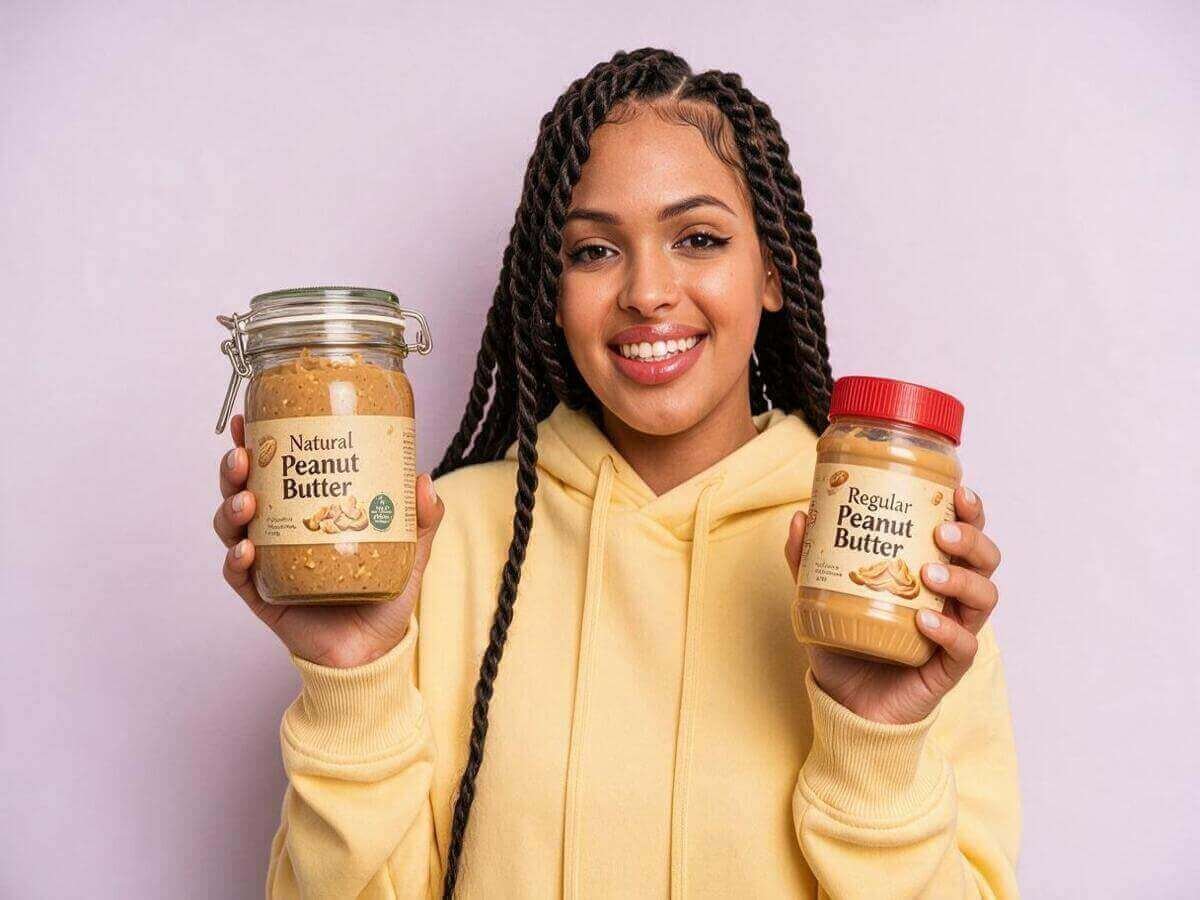
Natural Peanut Butter vs Regular Peanut Butter: What’s the Difference?

Natural Peanut Butter vs Regular Peanut Butter: What’s the Difference?

Peanut butter has become a household favourite across Kenya, enjoyed by families, athletes, schools, cafés, hotels, restaurants, bakeries, and food manufacturers alike. From breakfast toast and smoothies to sauces, baked goods, and nutritious snacks, it is one of the most versatile pantry staples available.

As demand for healthier and responsibly produced foods continues to grow, many consumers are asking an important question:

What is the difference between natural peanut butter and regular peanut butter?

While both products are made from peanuts, they differ in production methods, ingredient composition, texture, storage characteristics, and the preferences they satisfy. Understanding these differences helps consumers and businesses choose the product that best matches their needs.

At Soba Renaissance, we are committed to producing premium peanut butter through responsible sourcing, sustainable agricultural partnerships, professional manufacturing, and rigorous quality assurance. Every jar reflects our commitment to quality, transparency, and supporting Kenyan agriculture.

This guide explores the key differences between natural peanut butter and regular peanut butter.

Understanding Natural Peanut Butter

Natural peanut butter is typically produced with a simple approach that emphasises the natural characteristics of peanuts.

Professional production focuses on:

  • Carefully selected peanuts.
  • Responsible sourcing.
  • Sustainable agricultural partnerships.
  • Professional roasting.
  • Hygienic processing.
  • Rigorous quality assurance.

Many consumers appreciate natural peanut butter for its straightforward ingredient profile and authentic peanut flavour.

Understanding Regular Peanut Butter

Regular peanut butter is also made from peanuts but may be formulated to provide a particular texture, flavour profile, or shelf stability depending on the producer and product.

Manufacturing focuses on:

  • Consistent production.
  • Reliable texture.
  • Professional processing.
  • Quality assurance.
  • Consumer convenience.

Different brands may use different formulations, making it important to read product labels carefully.

Ingredient Transparency

One of the biggest differences between products is ingredient transparency.

Consumers increasingly value products that provide:

  • Clear ingredient information.
  • Transparent labelling.
  • Professional packaging.
  • Responsible production.
  • Reliable quality.

Knowing exactly what you are buying helps you make informed purchasing decisions.

Comparing Texture

Texture plays a major role in customer preference.

Natural peanut butter is often appreciated for its authentic consistency and rich peanut character.

Regular peanut butter may be formulated to achieve a smoother or more uniform texture depending on the product.

Both options serve different consumer preferences.

Flavour Experience

Both natural and regular peanut butter deliver enjoyable peanut flavour.

The overall taste depends on factors such as:

  • Peanut quality.
  • Roasting methods.
  • Production techniques.
  • Ingredient formulation.
  • Quality management.

Premium production begins with high-quality raw materials regardless of product type.

Which Option Is Best for Families?

Many Kenyan families choose peanut butter based on how they plan to use it.

Natural peanut butter is commonly enjoyed:

  • On toast.
  • With fruit.
  • In smoothies.
  • As a simple snack.

Regular peanut butter is also popular for:

  • Sandwiches.
  • Baking.
  • Desserts.
  • Everyday family meals.

The right choice depends on personal preferences and intended use.

Choosing for Restaurants and Food Businesses

Commercial kitchens often prioritise consistency and dependable supply.

Restaurants, cafés, hotels, bakeries, schools, food manufacturers, and retailers benefit from suppliers that provide:

  • Reliable product quality.
  • Professional packaging.
  • Consistent manufacturing.
  • Transparent sourcing.
  • Dependable availability.

Choosing a trusted producer supports operational efficiency.

Sustainability Makes a Difference

Consumers increasingly support brands that operate responsibly.

At Soba Renaissance, sustainability includes:

  • Responsible sourcing.
  • Sustainable agricultural partnerships.
  • Efficient resource management.
  • Environmental stewardship.
  • Continuous operational improvement.

Responsible production helps strengthen Kenya’s agricultural future.

Farm-to-Jar Production

Transparency begins at the source.

Our integrated farm-to-jar production model provides oversight across:

  • Peanut sourcing.
  • Professional roasting.
  • Manufacturing.
  • Quality assurance.
  • Hygienic packaging.
  • Nationwide distribution.

Managing every stage helps maintain consistent product quality while building customer confidence.

Choosing a Trusted Producer

Whether buying natural or regular peanut butter, the producer matters more than marketing claims.

Look for producers committed to:

  • Responsible sourcing.
  • Sustainable agriculture.
  • Professional manufacturing.
  • Rigorous quality assurance.
  • Hygienic packaging.
  • Transparent business practices.

These qualities help ensure long-term product consistency.

Why Customers Choose Soba Renaissance

Customers throughout Kenya choose Soba Renaissance because we consistently provide:

  • Premium peanut butter.
  • Responsible sourcing.
  • Sustainable agriculture.
  • Integrated farm-to-jar production.
  • Rigorous quality assurance.
  • Hygienic packaging.
  • Transparent operations.
  • Reliable nationwide distribution.
  • Professional customer service.
  • Consistent product quality.

These values define every jar we produce.

Frequently Asked Questions

Is natural peanut butter healthier than regular peanut butter?

Different products are designed to meet different consumer preferences. Reviewing ingredient information and choosing products from trusted producers helps you make an informed decision.

Which peanut butter is best for everyday use?

Both natural and regular peanut butter are suitable for everyday use. The best option depends on your taste preferences, recipes, and desired texture.

Why is responsible sourcing important?

Responsible sourcing supports sustainable agriculture, reliable product quality, transparent production, and long-term partnerships with farming communities.

Why choose Soba Renaissance?

Soba Renaissance combines responsible sourcing, sustainable agricultural partnerships, integrated farm-to-jar production, rigorous quality assurance, hygienic packaging, and dependable nationwide distribution to produce premium peanut butter trusted throughout Kenya.

Choosing the Peanut Butter That Fits Your Lifestyle

Natural peanut butter and regular peanut butter each have their place in modern Kenyan kitchens. Whether you value a simple ingredient profile, a particular texture, convenience, or versatility, the most important decision is choosing a producer that prioritises quality, responsible sourcing, and transparent production.

At Soba Renaissance, we believe exceptional peanut butter begins with carefully selected peanuts and continues through every stage of sustainable production. Our integrated farm-to-jar approach, rigorous quality assurance, and commitment to supporting Kenyan agriculture allow us to produce premium peanut butter that households and businesses can trust.

Whether you are purchasing for your family, school, café, hotel, restaurant, bakery, supermarket, retailer, distributor, or food manufacturing business, Soba Renaissance delivers premium peanut butter backed by trusted Kenyan expertise, sustainability, and consistent quality.

Choose Soba Renaissance where every jar reflects responsible production, exceptional care, and a passion for premium food.

Everything You Need to Know About Organic Peanut Butter

Everything You Need to Know About Organic Peanut Butter

Organic peanut butter has become one of Kenya’s fastest-growing pantry staples. Whether enjoyed at breakfast, packed into school lunchboxes, blended into smoothies, used in baking, or incorporated into sauces and recipes, it has earned a place in homes and commercial kitchens across the country.

As more Kenyan consumers seek responsibly produced foods, premium organic peanut butter continues to gain popularity because it combines convenience, versatility, and dependable quality. Buyers today are increasingly interested in where their food comes from, how it is produced, and whether the producer follows sustainable and transparent practices.

Understanding organic peanut butter helps consumers make informed purchasing decisions while choosing products that align with their expectations for quality, consistency, and responsible production.

At Soba Renaissance, we proudly produce premium organic peanut butter through responsible sourcing, sustainable agricultural partnerships, professional manufacturing, and rigorous quality assurance. Every jar reflects our commitment to quality, transparency, and supporting Kenyan agriculture.

This guide explains everything you need to know about organic peanut butter.

What Is Organic Peanut Butter?

Organic peanut butter is produced from carefully selected peanuts using professionally managed production processes that focus on quality, consistency, and responsible sourcing.

Premium production emphasises:

  • Responsible agricultural sourcing.
  • Sustainable farming partnerships.
  • Professional manufacturing.
  • Hygienic processing.
  • Rigorous quality assurance.
  • Transparent production.

Every stage contributes to producing a product customers can trust.

Why Organic Peanut Butter Is So Popular

Organic peanut butter is appreciated because it easily fits into a wide variety of meals and lifestyles.

It is commonly enjoyed:

  • At breakfast.
  • As a snack.
  • In smoothies.
  • With fruit.
  • In sandwiches.
  • In baking.
  • In desserts.
  • In cooking.

Its versatility makes it suitable for households as well as commercial food businesses.

How Organic Peanut Butter Is Produced

Every jar begins long before production starts.

The process generally includes:

  • Responsible peanut sourcing.
  • Careful ingredient selection.
  • Professional roasting.
  • Grinding.
  • Texture refinement.
  • Quality assurance.
  • Hygienic packaging.
  • Nationwide distribution.

Managing every stage carefully helps deliver dependable quality from one batch to the next.

The Importance of Responsible Sourcing

The quality of peanut butter begins with the quality of the peanuts.

Responsible sourcing supports:

  • Sustainable agriculture.
  • Reliable production.
  • Long-term farming partnerships.
  • Consistent raw materials.
  • Greater transparency.

Strong sourcing practices help strengthen Kenya’s agricultural sector while supporting premium food production.

Why Consistency Matters

Consumers expect the same enjoyable experience every time they open a jar.

Professional production focuses on maintaining:

  • Uniform texture.
  • Consistent flavour.
  • Reliable manufacturing standards.
  • Continuous quality management.

Consistency is particularly important for businesses that rely on repeatable recipes and dependable ingredients.

Common Uses for Organic Peanut Butter

Organic peanut butter is one of the most versatile food products available.

It is widely used by:

  • Families.
  • Schools.
  • Restaurants.
  • Cafés.
  • Hotels.
  • Bakeries.
  • Retailers.
  • Food manufacturers.

Its flexibility allows it to be incorporated into both traditional and modern recipes.

Packaging Protects Product Quality

Packaging plays an essential role in maintaining product integrity.

Professional packaging provides:

  • Secure sealing.
  • Hygienic presentation.
  • Clear product information.
  • Protection during transport.
  • Convenient storage.

Quality packaging helps preserve freshness from production to consumption.

Proper Storage After Purchase

Correct storage helps maintain the quality of organic peanut butter.

Best practices include:

  • Keeping the lid tightly sealed.
  • Storing in a cool, dry place.
  • Protecting the product from direct sunlight.
  • Following the storage guidance provided on the packaging.

Proper storage supports long-term product consistency.

Sustainability Is Part of Premium Production

Consumers increasingly appreciate food producers that prioritise environmental responsibility.

At Soba Renaissance, sustainability includes:

  • Responsible sourcing.
  • Sustainable agricultural partnerships.
  • Efficient resource management.
  • Environmental stewardship.
  • Continuous operational improvement.

Responsible production supports both customers and future generations.

Farm-to-Jar Transparency

Consumers want confidence in the products they purchase.

Our integrated farm-to-jar production model provides oversight throughout:

  • Responsible sourcing.
  • Professional roasting.
  • Manufacturing.
  • Quality assurance.
  • Hygienic packaging.
  • Nationwide distribution.

Managing every stage strengthens consistency while building customer trust.

Choosing the Right Organic Peanut Butter

When selecting organic peanut butter, consider:

  • The producer’s reputation.
  • Responsible sourcing practices.
  • Sustainable production.
  • Professional manufacturing.
  • Quality assurance systems.
  • Packaging quality.
  • Transparent product information.

Choosing a trusted producer is one of the best ways to ensure consistent quality.

Why Customers Choose Soba Renaissance

Customers throughout Kenya choose Soba Renaissance because we consistently provide:

  • Premium organic peanut butter.
  • Responsible sourcing.
  • Sustainable agriculture.
  • Farm-to-jar production.
  • Rigorous quality assurance.
  • Hygienic packaging.
  • Transparent operations.
  • Reliable nationwide distribution.
  • Professional customer service.
  • Consistent product quality.

These values define every jar we produce.

Frequently Asked Questions

What is organic peanut butter?

Organic peanut butter is produced from carefully selected peanuts using professionally managed production systems that emphasise responsible sourcing, sustainable agriculture, quality assurance, and consistent manufacturing.

Why has organic peanut butter become so popular?

Consumers appreciate its versatility, convenience, consistent quality, and the increasing availability of responsibly produced food products.

How should organic peanut butter be stored?

Store it according to the instructions on the packaging, keeping the container tightly sealed and protected from excessive heat and direct sunlight.

Why choose Soba Renaissance?

Soba Renaissance combines responsible sourcing, sustainable agriculture, integrated farm-to-jar production, rigorous quality assurance, hygienic packaging, and dependable nationwide distribution to produce premium organic peanut butter trusted throughout Kenya.

Premium Organic Peanut Butter You Can Trust

Organic peanut butter represents much more than a convenient spread. Behind every jar is a carefully managed production journey that begins with responsibly sourced peanuts and continues through professional roasting, manufacturing, quality assurance, hygienic packaging, and reliable distribution. Choosing products produced through transparent and sustainable systems helps ensure consistent quality while supporting responsible agriculture.

At Soba Renaissance, we proudly produce premium organic peanut butter through sustainable farming partnerships, integrated farm-to-jar production, and rigorous quality management. Our commitment to transparency, environmental responsibility, and continuous improvement allows us to supply households and businesses across Kenya with products they can trust.

Whether you are purchasing for your family, school, café, hotel, restaurant, bakery, supermarket, retailer, distributor, or food manufacturing business, Soba Renaissance delivers premium organic peanut butter backed by trusted Kenyan expertise, responsible production, and an unwavering commitment to excellence.

Choose Soba Renaissance where every jar is crafted with care, sustainability, and quality from source to shelf.

Complete Guide to Buying Organic Peanut Butter in Kenya

Complete Guide to Buying Organic Peanut Butter in Kenya

Organic peanut butter has become one of the most popular pantry essentials in Kenyan homes. Loved for its rich flavour, versatility, and convenience, it is enjoyed by families, fitness enthusiasts, schools, cafés, hotels, restaurants, bakeries, supermarkets, and food manufacturers throughout the country.

As more consumers embrace healthier eating habits and seek responsibly produced food, demand for premium organic peanut butter continues to grow. Today’s buyers are looking beyond attractive packaging they want products made from quality ingredients, produced responsibly, and supplied by brands they can trust.

Whether you are buying a single jar for your household or sourcing large quantities for your business, understanding what defines premium organic peanut butter helps you make a smarter purchasing decision.

At Soba Renaissance, we proudly produce premium organic peanut butter through responsible sourcing, sustainable agricultural partnerships, professional production, and rigorous quality assurance. Every jar reflects our commitment to quality, transparency, and supporting Kenyan agriculture.

This guide explains everything you should know before buying organic peanut butter in Kenya.

Why Organic Peanut Butter Is Growing in Popularity

Organic peanut butter has become a favourite because it is suitable for a wide range of meals and lifestyles.

It is commonly enjoyed:

  • On bread and toast.
  • In smoothies.
  • With fruit.
  • In baking.
  • In sauces.
  • As a cooking ingredient.
  • As a snack.
  • In school lunches.

Its versatility makes it a staple in many Kenyan kitchens.

Start with a Trusted Producer

The quality of peanut butter begins with the producer.

A reliable producer demonstrates commitment to:

  • Responsible sourcing.
  • Sustainable agriculture.
  • Professional manufacturing.
  • Quality assurance.
  • Hygienic packaging.
  • Transparent operations.

Choosing a trusted producer provides confidence long after the purchase.

Examine the Ingredient List

One of the first things to review is the ingredient information.

Professionally produced organic peanut butter should provide clear and transparent product information that helps consumers understand exactly what they are purchasing.

Clear labelling reflects professionalism and builds customer trust.

Look for Consistent Texture and Quality

Premium peanut butter should offer consistency from one jar to the next.

Professional production focuses on:

  • Uniform texture.
  • Consistent flavour.
  • Careful processing.
  • Reliable manufacturing.
  • Continuous quality management.

Consistency is especially important for households and commercial kitchens that depend on dependable results.

Evaluate Packaging

Packaging protects peanut butter throughout transportation and storage.

Quality packaging should be:

  • Securely sealed.
  • Clearly labelled.
  • Hygienically prepared.
  • Easy to store.
  • Free from visible damage.

Professional packaging helps preserve product quality until it is ready to use.

Understand Proper Storage

Proper storage supports product quality after purchase.

Recommended practices include:

  • Keeping the lid tightly closed.
  • Storing in a cool, dry place.
  • Avoiding direct sunlight.
  • Following the storage guidance provided on the packaging.

Correct storage helps maintain product quality throughout its recommended shelf life.

Buying Organic Peanut Butter for Your Business

Commercial buyers require dependable supply alongside consistent quality.

Hotels, cafés, restaurants, bakeries, schools, supermarkets, retailers, distributors, and food manufacturers benefit from suppliers that provide:

  • Reliable availability.
  • Consistent product quality.
  • Professional packaging.
  • Responsive customer service.
  • Transparent business practices.

Dependable supply supports efficient business operations.

Sustainability Matters

Today’s consumers increasingly support brands committed to responsible production.

Sustainability includes:

  • Responsible sourcing.
  • Sustainable agriculture.
  • Efficient resource management.
  • Environmental stewardship.
  • Continuous improvement.

At Soba Renaissance, sustainability is integrated throughout our production systems because we believe responsible business creates lasting value for customers and communities.

Farm-to-Jar Production

Our integrated farm-to-jar production model provides greater oversight across every stage of production.

This includes:

  • Responsible peanut sourcing.
  • Sustainable agricultural partnerships.
  • Professional roasting and processing.
  • Rigorous quality assurance.
  • Hygienic packaging.
  • Reliable nationwide distribution.

Managing each stage helps ensure consistency while strengthening customer confidence.

Why Soba Renaissance Is a Trusted Choice

Customers across Kenya choose Soba Renaissance because we consistently provide:

  • Premium organic peanut butter.
  • Responsible sourcing.
  • Sustainable agriculture.
  • Farm-to-jar production.
  • Rigorous quality assurance.
  • Hygienic packaging.
  • Transparent operations.
  • Reliable nationwide distribution.
  • Professional customer service.
  • Consistent product quality.

These values define every jar we produce.

Frequently Asked Questions

What should I look for when buying organic peanut butter?

Choose products from trusted producers that demonstrate responsible sourcing, professional manufacturing, sustainable agriculture, rigorous quality assurance, and transparent product information.

Why is consistent quality important?

Consistent quality helps households and businesses enjoy dependable flavour, texture, and performance every time they use the product.

How should organic peanut butter be stored?

Store the jar according to the instructions on the packaging, keeping it tightly sealed and protected from excessive heat and direct sunlight.

Why choose Soba Renaissance?

Soba Renaissance combines responsible sourcing, sustainable agriculture, integrated farm-to-jar production, rigorous quality assurance, hygienic packaging, and dependable nationwide distribution to produce premium organic peanut butter trusted throughout Kenya.

Buy Organic Peanut Butter with Confidence

Choosing premium organic peanut butter involves more than selecting a familiar label. It means purchasing from a producer that values responsible sourcing, sustainable agriculture, professional manufacturing, rigorous quality assurance, and transparent production systems.

At Soba Renaissance, every jar is produced with care through integrated farm-to-jar operations that prioritise quality, sustainability, and customer satisfaction. From responsibly sourced peanuts to professional processing and hygienic packaging, we are committed to delivering products that Kenyan families and businesses can trust.

Whether you are purchasing for your household, school, café, hotel, restaurant, bakery, supermarket, retailer, distributor, or food manufacturing business, Soba Renaissance delivers premium organic peanut butter backed by trusted Kenyan expertise and a commitment to excellence.

Choose Soba Renaissance your trusted partner for premium organic peanut butter in Kenya.