Mish vs Yogurt vs White Cheese: What’s the Difference?

Mish vs Yogurt vs White Cheese: What’s the Difference?

Walk into any supermarket or specialty food store in Nairobi today and you’ll notice something interesting.

The dairy section has become far more exciting than it was just a few years ago.

Alongside fresh milk, yoghurt, butter, and familiar cheeses, more consumers are beginning to discover specialty dairy products from across Africa and beyond. One product generating plenty of curiosity is Mish a traditional Sudanese fermented dairy delicacy that has been enjoyed for generations.

For first-time buyers, however, one question comes up again and again:

“Is Mish just another type of yogurt?”

Or perhaps:

“Is it basically white cheese with a different name?”

The answer is no.

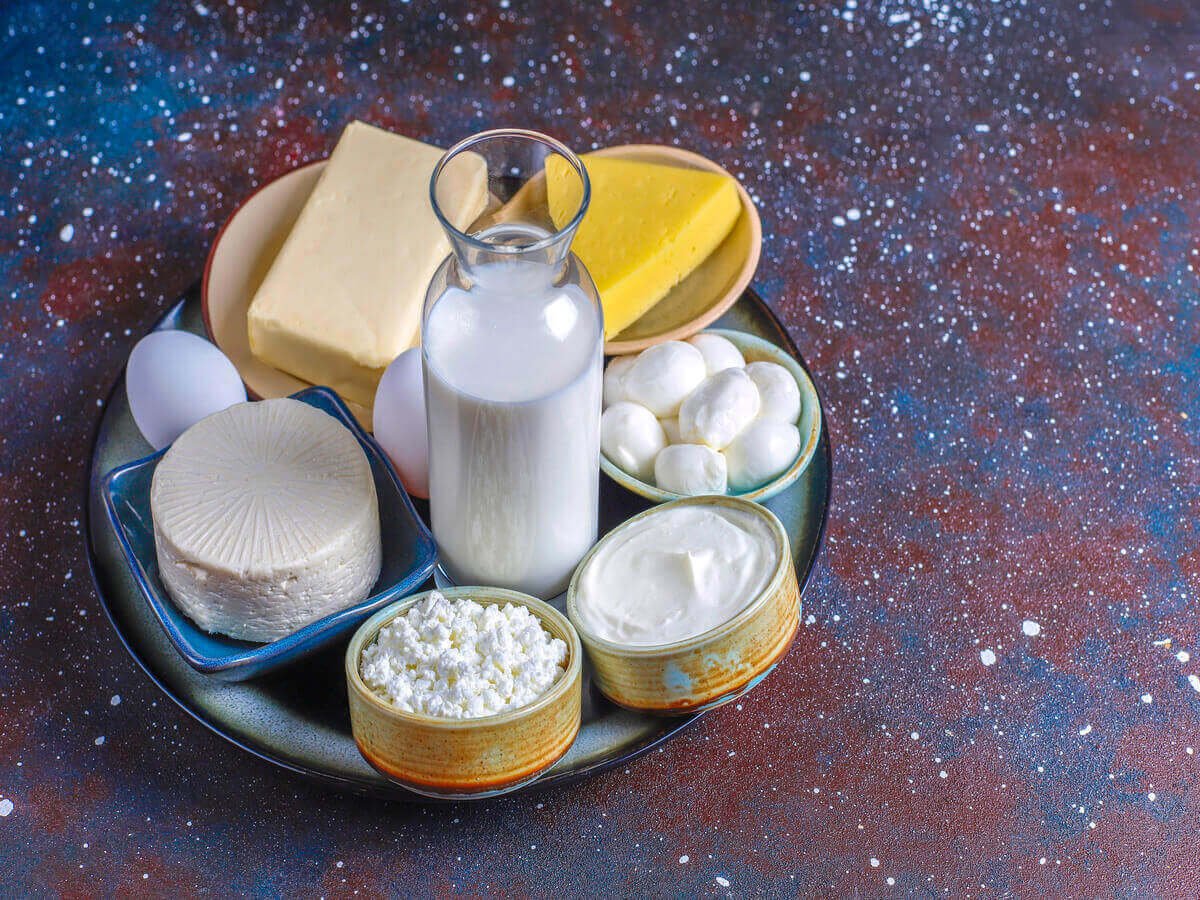
Although Mish, yogurt, and white cheese all belong to the dairy family, each has its own unique story, flavour, texture, preparation method, and role at the dining table.

At Soba Renaissance, we believe that understanding these differences makes it easier to appreciate each product and discover new ways to enjoy authentic African dairy traditions.

Let’s compare them side by side.

Understanding the Three Dairy Favorites

Before comparing them, it’s helpful to understand what each product is.

Mish

Mish is a traditional fermented dairy product that originates from Sudan and is also enjoyed in parts of Egypt. It is known for its rich, tangy, savoury flavour and deep cultural significance.

Yogurt

Yogurt is a cultured dairy product made through controlled fermentation using specific starter cultures. It is enjoyed worldwide and is available in plain, sweetened, flavored, and drinking varieties.

White Cheese

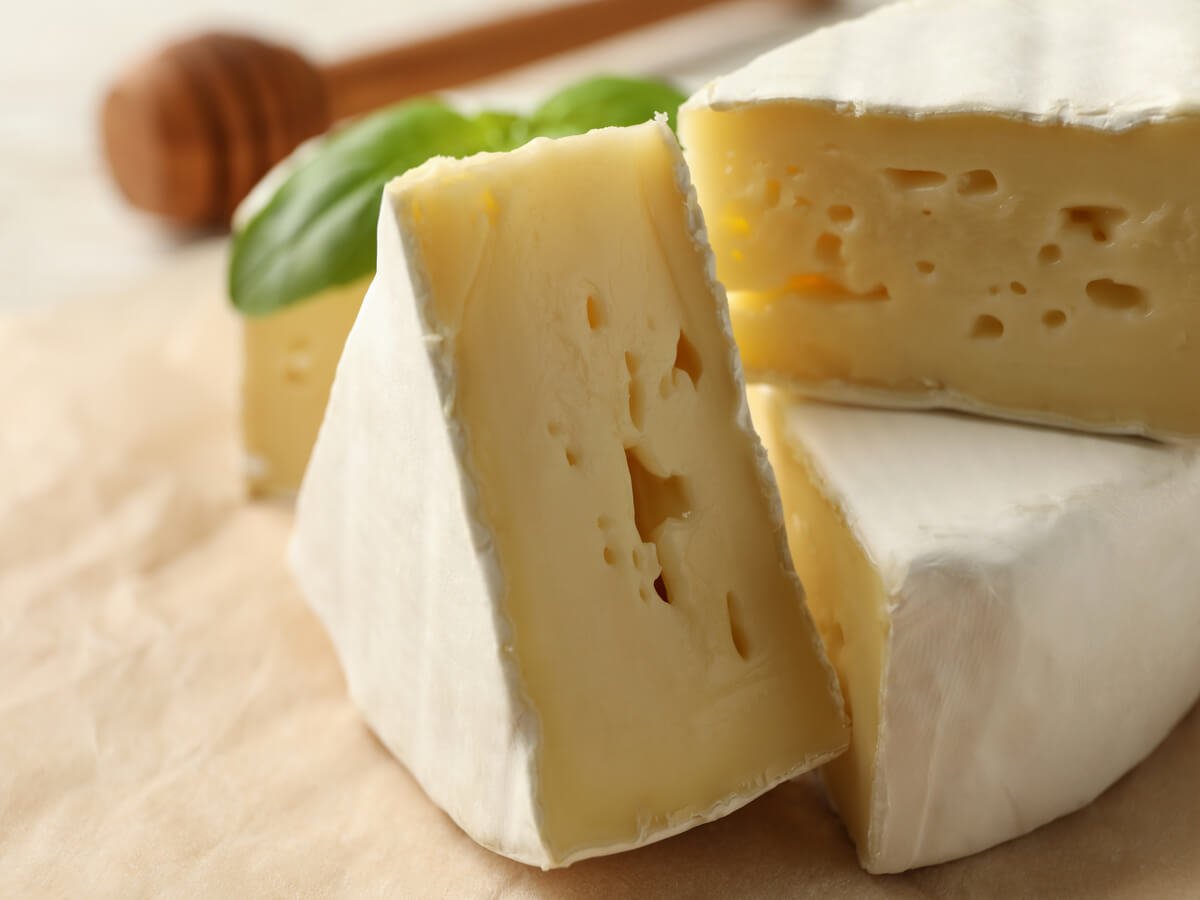
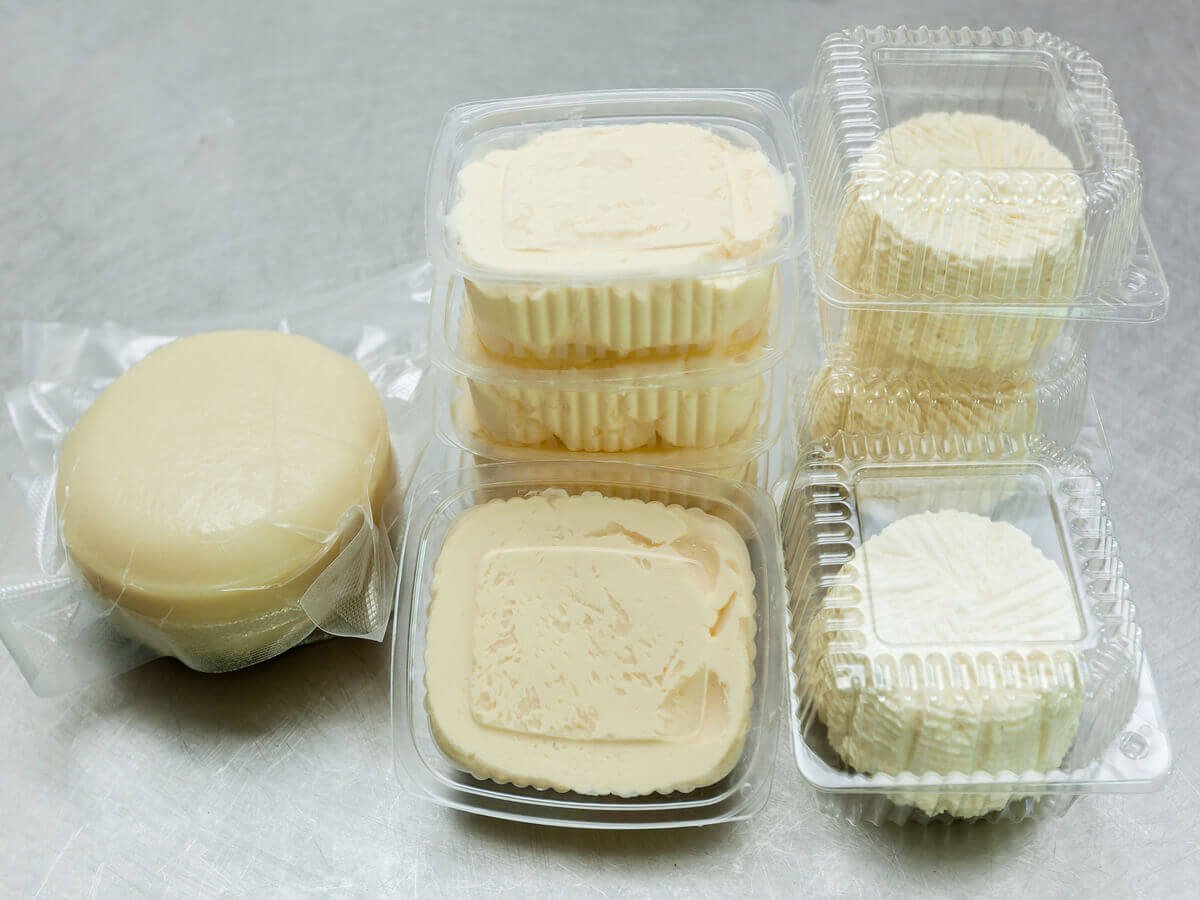
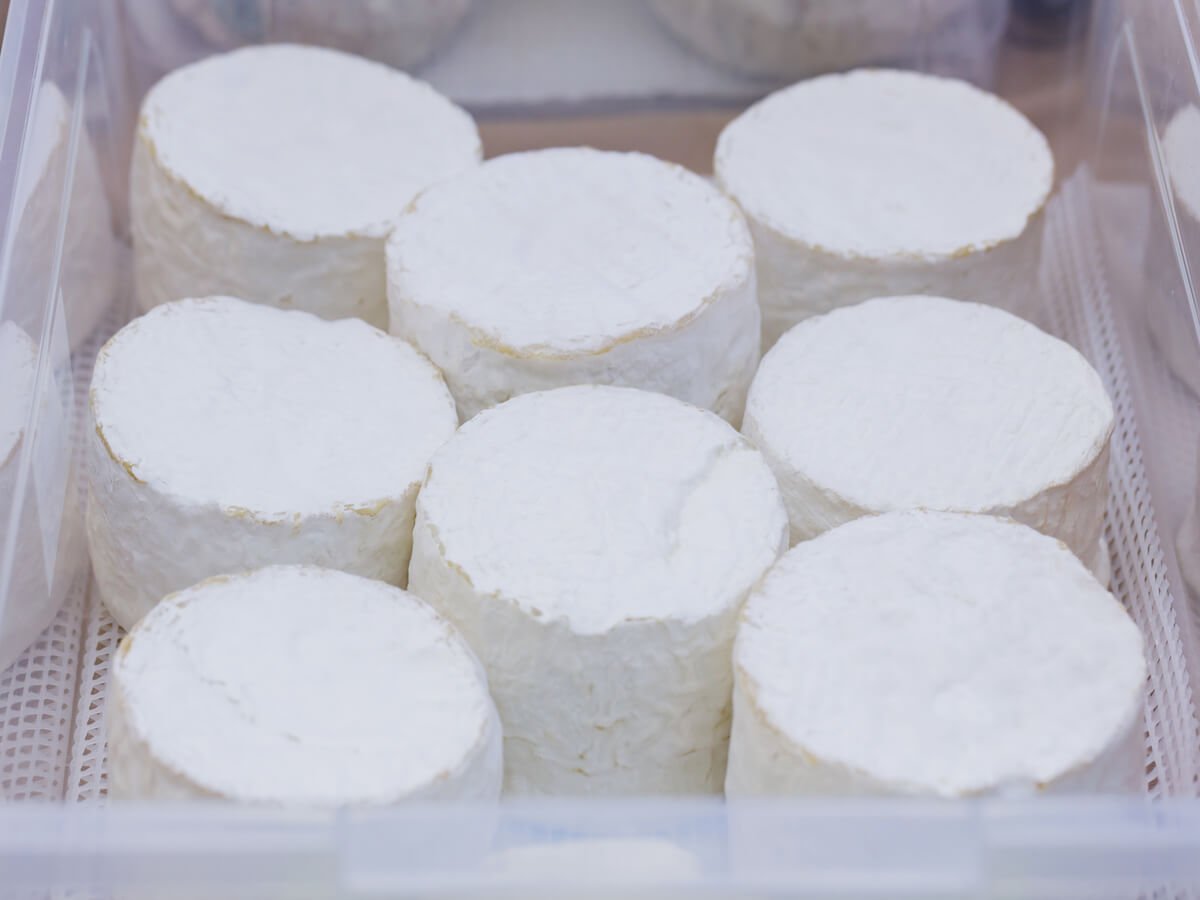
White cheese is a broad category of cheese that includes many regional styles. Depending on the recipe, it may have a mild or salty flavour and can range from soft and creamy to firm and crumbly.

Although all three begin with dairy, the similarities largely end there.

The Difference in Taste

Taste is usually the first thing people notice.

Mish

Mish has a bold, tangy, savoury, and salty flavour developed through traditional fermentation. It has a distinctive taste that many people describe as rich and full of character.

Yogurt

Plain yogurt has a fresh, mildly tangy taste. Flavoured yogurts are often sweetened and include ingredients such as fruit or vanilla.

White Cheese

White cheese generally has a milder flavour than Mish, though some varieties can be pleasantly salty. Its taste often depends on the style and production method.

If you enjoy trying foods with strong traditional character, Mish offers a very different experience from either yogurt or white cheese.

Comparing the Texture

Texture influences how we eat dairy products.

Mish

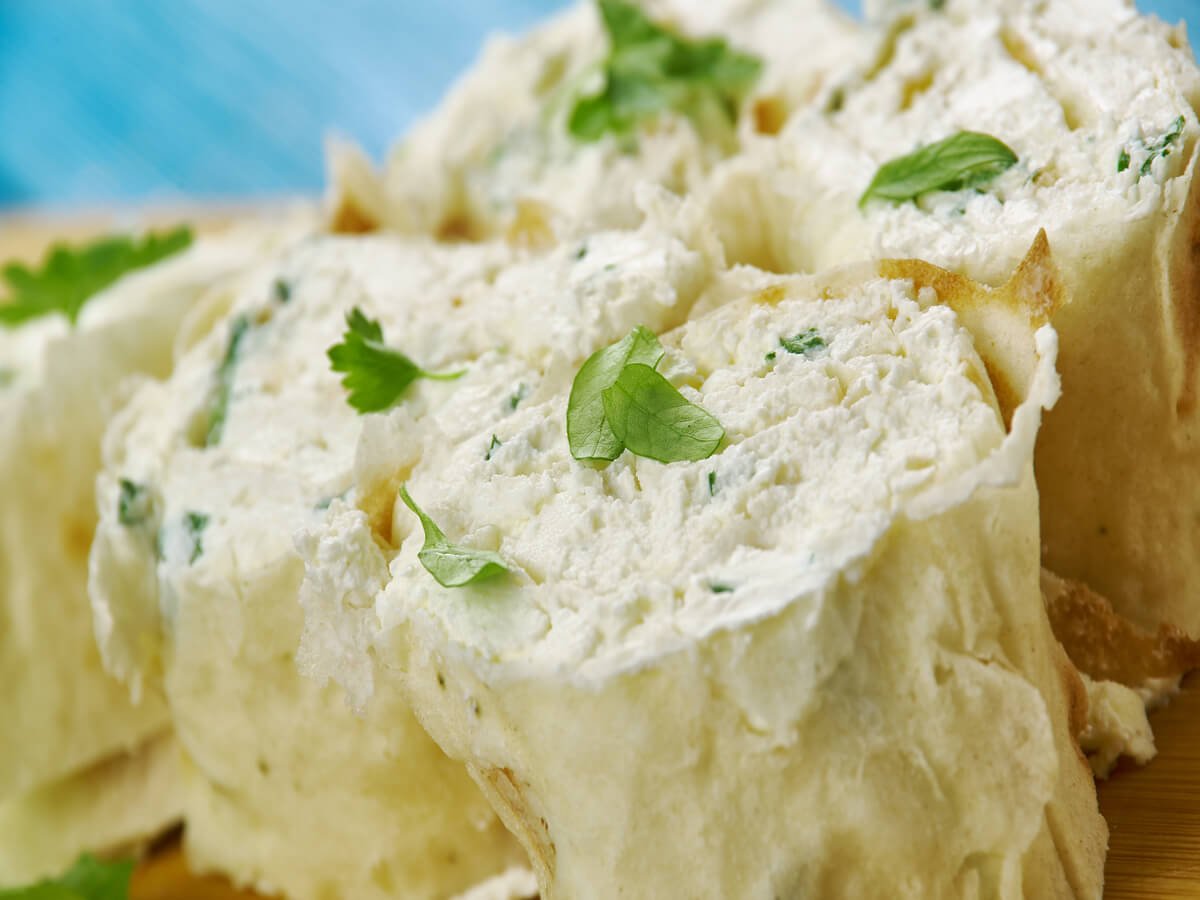
Mish is typically soft, creamy, and easy to spread, making it ideal for serving with bread, chapati, and fresh vegetables.

Yogurt

Yogurt has a smooth, spoonable consistency and is usually eaten directly from a bowl or cup.

White Cheese

White cheese can vary widely. Some styles are soft and creamy, while others are firmer and hold their shape when sliced.

Each texture suits different meals and occasions.

How They’re Commonly Enjoyed

Another major difference lies in how these dairy products are served.

Mish is commonly enjoyed with:

  • Fresh bread.
  • Chapati.
  • Flatbread.
  • Fresh vegetables.
  • Breakfast platters.
  • Grilled meats.

Yogurt is commonly enjoyed:

  • On its own.
  • With fruit.
  • With granola or cereals.
  • In smoothies.
  • As a snack.

White cheese is often served:

  • In sandwiches.
  • On salads.
  • With crackers.
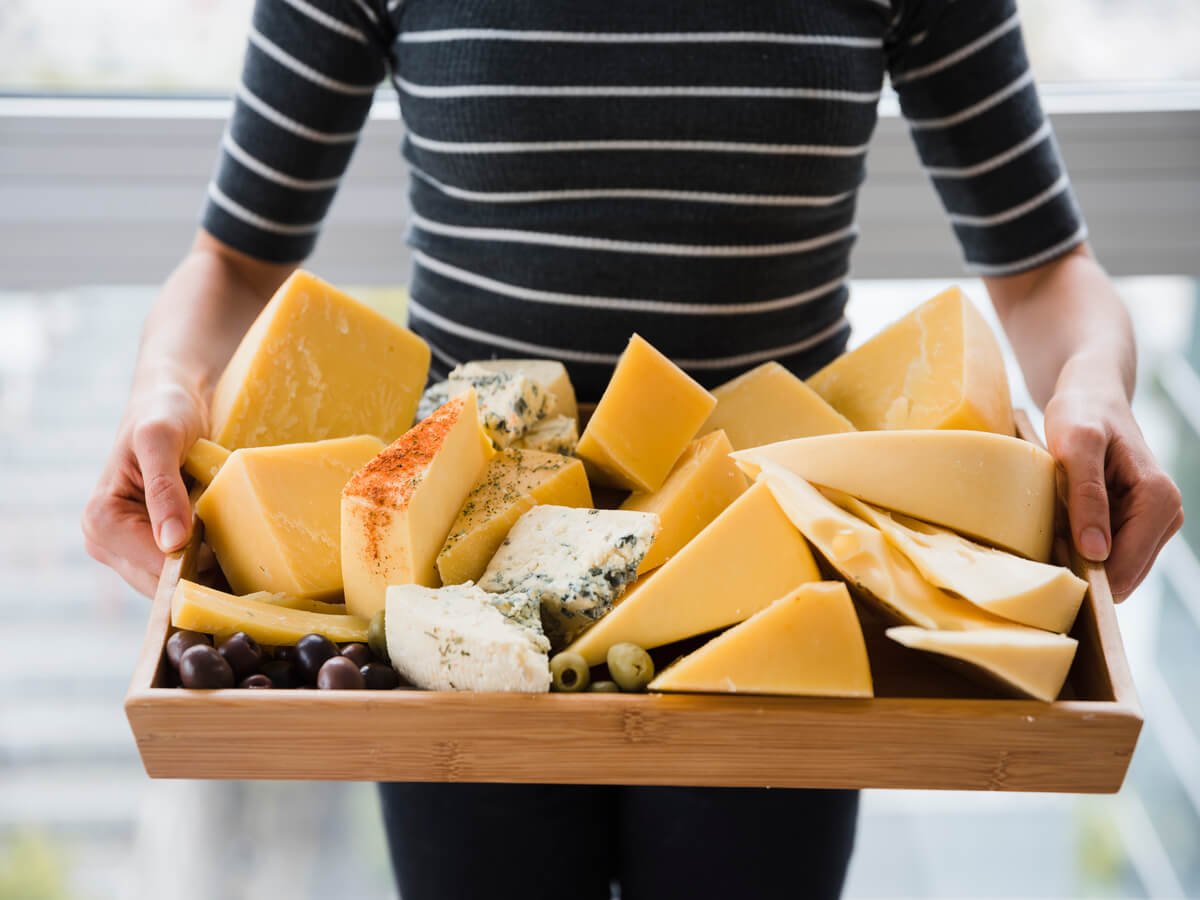
  • On cheese boards.
  • In baked dishes.

Each product has its own place in the kitchen, and many households enjoy all three for different reasons.

A Rich Cultural Story

One of the things that makes Mish truly unique is its heritage.

For generations, Sudanese families have prepared and enjoyed Mish as part of everyday life. It reflects centuries of culinary knowledge, family traditions, and regional identity.

Yogurt, while also rooted in ancient food traditions, has become a globally popular dairy product with countless commercial varieties.

White cheese likewise exists in many forms across different countries and cultures.

Choosing Mish is also an opportunity to experience one of Africa’s lesser-known culinary treasures.

Why Mish Is Gaining Fans in Kenya

Kenya’s food culture is constantly evolving.

People are becoming more curious about authentic regional cuisines, traditional foods, and specialty dairy products that offer something different from everyday supermarket options.

Mish appeals to modern Kenyan consumers because it offers:

  • Authenticity.
  • Rich cultural heritage.
  • A distinctive flavour.
  • Versatility.
  • A unique dining experience.

It’s no surprise that more households, restaurants, cafés, and food enthusiasts are adding it to their shopping lists.

Which One Should You Choose?

The answer depends on what you’re looking for.

Choose Mish if you want:

  • A bold and distinctive flavour.
  • A traditional African dairy experience.
  • Something to pair with bread, chapati, vegetables, or grilled foods.

Choose yogurt if you want:

  • A refreshing snack.
  • A breakfast option.
  • A versatile ingredient for smoothies or desserts.

Choose white cheese if you want:

  • A classic sandwich filling.
  • A salad ingredient.
  • A mild cheese for everyday meals.

The best part?

There’s no need to choose only one. Each brings something different to the table.

Why Quality Makes Every Difference

Whether you’re buying Mish, yogurt, or white cheese, quality should always come first.

Look for dairy products that are:

  • Hygienically produced.
  • Professionally packaged.
  • Properly refrigerated.
  • Fresh.
  • Consistently supplied.
  • Purchased from trusted providers.

Good handling protects both quality and flavour.

Why More Customers Choose Soba Renaissance

At Soba Renaissance, we’re passionate about introducing authentic dairy traditions to Kenyan consumers while maintaining modern standards of freshness and food safety.

Customers across Nairobi and Kenya trust us because we provide:

  • Authentic Mish.
  • Premium white cheese.
  • Specialty dairy products.
  • Hygienic production and packaging.
  • Reliable cold-chain storage.
  • Consistent product quality.
  • Professional customer service.
  • Dependable supply for homes, restaurants, cafés, hotels, supermarkets, and retailers.

Whether you’re exploring Mish for the first time or searching for high-quality specialty dairy products, Soba Renaissance is committed to delivering products you can enjoy with confidence.

Frequently Asked Questions

Is Mish the same as yogurt?

No. While both are fermented dairy products, Mish and yogurt differ in flavour, texture, traditional preparation, and the ways they are typically enjoyed.

Is Mish a type of white cheese?

Mish is distinct from white cheese. Although both are dairy products and may share some similarities in texture, Mish is recognised for its traditional fermentation process and bold, savoury flavour.

Which has the strongest flavour?

Among the three, Mish generally has the most robust and distinctive flavour profile, while yogurt and many white cheeses are typically milder.

Where can I buy authentic Mish and specialty dairy products in Kenya?

Soba Renaissance supplies authentic Mish and premium specialty dairy products to customers throughout Nairobi and Kenya through reliable sourcing, hygienic handling, and dependable distribution.

Three Dairy Products, Three Different Experiences

The beauty of dairy is its diversity.

Yogurt offers freshness and convenience. White cheese brings versatility to everyday cooking. Mish introduces a bold flavour, centuries of tradition, and a culinary experience that connects people to one of Africa’s richest food cultures.

Rather than replacing one another, these products complement different meals, occasions, and tastes. Exploring them is part of discovering the incredible variety that dairy has to offer.

At Soba Renaissance, we’re proud to help Kenyan families, restaurants, cafés, and retailers experience that diversity through authentic Mish, premium white cheese, and carefully selected specialty dairy products. Our commitment to quality, freshness, and cultural authenticity ensures that every product reflects the traditions behind it.

Whether you’re preparing breakfast, entertaining guests, or simply looking to try something new, there’s always room on the table for another great dairy tradition.

How to Eat Mish: Delicious Ways to Enjoy This Traditional Dairy Favorite

How to Eat Mish: Delicious Ways to Enjoy This Traditional Dairy Favorite

You’ve finally bought your first container of Mish.

You open it, take in its rich aroma, and immediately ask yourself the question almost everyone asks the first time:

“How do I eat this?”

It’s a fair question.

Unlike cheddar, mozzarella, or cream cheese, Mish is still a relatively new discovery for many Kenyan households. Yet for generations in Sudan, Mish has been a cherished part of everyday meals, enjoyed at breakfast tables, family gatherings, and shared feasts.

The good news is that you don’t need to be a professional chef or even Sudanese  to enjoy it.

In fact, one of the reasons Mish is becoming increasingly popular in Kenya is that it pairs beautifully with many foods we already know and love.

At Soba Renaissance, we believe discovering new flavours should be exciting, enjoyable, and approachable. That’s why we’ve put together this guide to help you enjoy Mish with confidence, whether you’re trying it for the very first time or looking for fresh serving ideas.

Start Simple: Fresh Bread and Mish

Sometimes the simplest combinations are the best.

One of the most traditional ways to enjoy Mish is with fresh bread.

Spread a generous layer onto:

  • Fresh white bread.
  • Brown bread.
  • Sourdough.
  • French loaf.
  • Homemade bread rolls.

Its rich, tangy flavour turns an ordinary slice of bread into something memorable.

For a relaxed weekend breakfast, add sliced tomatoes, cucumbers, and a hot cup of tea.

Mish and Chapati: A Surprisingly Perfect Match

Ask almost any Kenyan family about comfort food, and chapati is likely to be near the top of the list.

The soft, warm texture of fresh chapati pairs wonderfully with the bold character of Mish.

Whether you’re preparing breakfast or an evening snack, this combination is simple, filling, and full of flavour.

It’s also a great way to introduce Mish to family members who are trying it for the first time.

Enjoy Mish with Fresh Vegetables

Mish’s savoury flavour complements the freshness of raw vegetables.

Try serving it with:

  • Tomatoes.
  • Cucumbers.
  • Carrot sticks.
  • Bell peppers.
  • Lettuce.
  • Radishes.

The combination creates a colourful platter that’s ideal for sharing with friends and family.

Add Mish to a Breakfast Platter

Weekend breakfasts have become something of a tradition in many Kenyan homes.

Instead of serving the usual spread, try adding Mish alongside:

  • Boiled eggs.
  • Fresh fruit.
  • Bread.
  • Chapati.
  • Olives.
  • Sliced avocado.
  • Tea or freshly brewed coffee.

It’s an easy way to introduce something different without changing the entire meal.

Pair Mish with Grilled Meat

Kenyans love nyama choma.

Whether it’s beef, chicken, or goat, grilled meat is often the centerpiece of family celebrations and social gatherings.

Mish can be served alongside grilled meat as a creamy, flavourful accompaniment.

Its bold taste contrasts beautifully with smoky grilled flavours, creating a combination that’s both satisfying and memorable.

Include Mish on a Cheese Board

If you’re entertaining guests, Mish deserves a place on the table.

Create a simple cheese board with:

  • Mish.
  • White cheese.
  • Sudanese string cheese.
  • Fresh bread.
  • Olives.
  • Grapes.
  • Cucumbers.
  • Tomatoes.
  • Mixed nuts.

It’s an excellent conversation starter and a wonderful way to introduce friends to traditional Sudanese dairy.

Enjoy Mish the Sudanese Way

For many Sudanese families, Mish is much more than an occasional treat.

It’s a familiar part of everyday life, often enjoyed with traditional breads and simple side dishes that allow its distinctive flavour to shine.

This style of eating reflects an important lesson:

Great food doesn’t need to be complicated.

Sometimes the best meals are the simplest.

Give Familiar Kenyan Meals a New Twist

One of the reasons Mish is becoming popular in Kenya is because it complements foods we already enjoy.

Consider serving it alongside:

  • Mandazi.
  • Sweet potatoes.
  • Arrowroots.
  • Cassava.
  • Boiled maize.
  • Roasted vegetables.
  • Fresh salads.

Its creamy texture and tangy flavour bring a refreshing contrast to these familiar favourites.

Perfect for Sharing

Food has always brought people together.

Whether it’s a Sunday family lunch, a casual evening with friends, or a holiday celebration, shared meals create lasting memories.

Mish fits naturally into these occasions.

Place it in the centre of the table with fresh bread, vegetables, and other accompaniments, and let everyone discover its flavour at their own pace.

More often than not, the first question after tasting it is:

“Where can I get more?”

Choosing Quality Mish Makes a Difference

No matter how you serve it, quality matters.

When buying Mish, choose products that are:

  • Fresh.
  • Properly refrigerated.
  • Hygienically packaged.
  • Carefully handled.
  • Consistent in quality.
  • Supplied by a trusted dairy specialist.

Authentic Mish deserves professional care from production to your table.

Why More Kenyans Choose Soba Renaissance

At Soba Renaissance, we’re passionate about bringing authentic African dairy traditions to modern Kenyan kitchens.

We believe every customer deserves products that combine heritage, freshness, and quality.

Customers choose Soba Renaissance because we provide:

  • Authentic Mish.
  • Premium specialty dairy products.
  • Hygienic production and packaging.
  • Reliable cold-chain storage.
  • Fresh dairy products.
  • Consistent quality.
  • Professional customer service.
  • Dependable supply for homes, restaurants, cafés, hotels, supermarkets, and retailers across Kenya.

Whether you’re planning a family breakfast, preparing a cheese platter, or introducing guests to something new, Soba Renaissance makes it easier to enjoy authentic Mish with confidence.

Frequently Asked Questions

What is the best way to eat Mish?

Many people enjoy Mish spread on fresh bread or chapati, served with vegetables, or included as part of a breakfast platter. There is no single “correct” way it’s a versatile dairy product that pairs well with many foods.

Can Mish be eaten every day?

Mish can be enjoyed as part of a varied and balanced diet. Like many flavorful dairy products, it’s best enjoyed in portions that suit your overall dietary needs and preferences.

Does Mish go well with Kenyan food?

Yes. Mish pairs particularly well with chapati, mandazi, fresh bread, vegetables, grilled meats, sweet potatoes, arrowroots, and salads, making it easy to incorporate into everyday Kenyan meals.

Where can I buy authentic Mish in Kenya?

Soba Renaissance supplies authentic Mish and specialty dairy products to homes and businesses across Nairobi and Kenya through reliable sourcing, hygienic handling, and dependable distribution.

Every Meal Is an Opportunity to Discover Something New

Some foods become favourites because they’re familiar.

Others become favourites because they surprise you.

Mish has been bringing people together in Sudanese homes for generations, and now it’s finding a place in Kenyan kitchens too. Its rich flavour, creamy texture, and remarkable versatility make it easy to enjoy whether you’re preparing a quick breakfast, hosting friends, or adding something different to your family’s weekend table.

The beauty of Mish is that there are no strict rules. Pair it with warm chapati, fresh bread, crisp vegetables, or your favourite grilled dishes, and you’ll quickly discover why so many people appreciate this timeless dairy tradition.

At Soba Renaissance, we’re proud to help more Kenyans experience the authentic taste of Mish through premium quality, dependable freshness, and a commitment to preserving one of Africa’s most treasured culinary traditions.

Because every great food discovery begins with a single bite and Mish is one worth sharing.

The Health Benefits of Mish: A Naturally Fermented Dairy Product

The Health Benefits of Mish: A Naturally Fermented Dairy Product

Healthy eating in Kenya is changing.

Not long ago, conversations about nutritious food focused mainly on fruits, vegetables, cereals, and lean proteins. Today, many Kenyans are becoming more interested in traditional foods, natural ingredients, and fermented products that have been enjoyed by communities for generations.

Whether it’s fermented milk, cultured yoghurt, traditional vegetables, or whole grains, people are increasingly looking for foods with authentic origins and wholesome ingredients.

One traditional dairy product beginning to attract attention is Mish.

A cherished delicacy in Sudan and parts of Egypt, Mish is known for its bold flavour, rich history, and traditional fermentation process. While many people first try Mish because they’re curious about its taste, they soon discover that it also offers nutritional value as a dairy food that can be enjoyed as part of a varied and balanced diet.

At Soba Renaissance, we’re proud to introduce authentic Mish to homes, restaurants, cafés, hotels, and retailers across Kenya, making it easier for food lovers to discover one of Africa’s most fascinating dairy traditions.

So, what makes Mish special from a nutritional perspective?

Let’s explore.

What Is Mish?

Mish is a traditional fermented dairy product that has been enjoyed for centuries in Sudan and parts of Egypt.

It is produced through a natural fermentation process that gives it its distinctive tangy flavour, creamy texture, and savoury character.

Unlike many highly processed foods, Mish reflects generations of traditional dairy craftsmanship, making it a unique addition to the growing range of specialty dairy products now available in Kenya.

Fermentation: A Time-Honored Food Tradition

Fermentation is one of the oldest methods of preparing and preserving food.

Across Africa and around the world, communities have used fermentation for centuries to create distinctive foods and beverages with unique flavours and textures.

In dairy products, fermentation transforms milk into products with their own characteristic taste and culinary appeal.

Mish is one example of this rich food heritage, demonstrating how traditional knowledge continues to influence modern eating habits.

Mish Is a Source of Dairy Nutrients

As a dairy product, Mish naturally provides nutrients commonly found in milk-based foods.

Depending on the milk used and the way the product is prepared, dairy foods can contribute nutrients such as:

  • Protein.
  • Calcium.
  • Phosphorus.
  • Vitamin B12.
  • Riboflavin (Vitamin B2).

These nutrients play important roles in normal body functions and are part of the reason dairy products are included in many balanced eating patterns.

Protein Supports Everyday Living

Protein is an essential nutrient required for the maintenance and growth of body tissues.

As a dairy product, Mish can contribute protein to the diet alongside other protein-rich foods such as:

  • Beef.
  • Chicken.
  • Fish.
  • Eggs.
  • Beans.
  • Lentils.
  • Nuts.

Including a variety of protein sources helps create balanced meals for individuals and families.

Calcium Is Part of a Balanced Diet

Calcium is well known for its role in supporting normal bone and teeth health.

Dairy products are among the dietary sources of calcium, making them a valuable part of many people’s eating habits.

Enjoying Mish alongside other calcium-containing foods can contribute to overall dietary variety.

Traditional Foods Can Be Part of Modern Nutrition

One of the biggest food trends in Kenya today is the return to traditional foods.

Consumers are increasingly appreciating foods that have long histories, authentic preparation methods, and strong cultural roots.

Mish fits perfectly into this movement.

It combines traditional knowledge with the convenience expected by today’s consumers, making it easier to enjoy authentic African flavours in modern lifestyles.

Mish Brings Variety to the Table

Healthy eating isn’t just about eating the same foods every day.

A varied diet introduces different flavours, textures, and food traditions that make meals more enjoyable.

Mish offers a refreshing alternative to more familiar dairy products and can be enjoyed in many ways, including:

  • Spread on fresh bread.
  • Served with chapati.
  • Paired with fresh vegetables.
  • Added to breakfast platters.
  • Enjoyed alongside grilled foods.
  • Shared with family during relaxed weekend meals.

Its versatility makes it easy to include in a wide range of eating occasions.

A Great Choice for Food Explorers

Many Nairobi residents enjoy discovering foods from neighbouring countries.

Whether you’re visiting multicultural restaurants, shopping at specialty food stores, or recreating international recipes at home, Mish offers an opportunity to experience another part of Africa’s culinary heritage.

Trying new traditional foods also helps celebrate the rich cultural diversity that makes Kenya’s food scene so exciting.

Why More Kenyans Are Choosing Traditional Dairy Products

Interest in specialty dairy continues to grow because consumers are looking for products that offer:

  • Authenticity.
  • Traditional craftsmanship.
  • Rich flavours.
  • Premium quality.
  • Cultural heritage.
  • Culinary versatility.

Mish checks all these boxes while introducing something refreshingly different to everyday meals.

Quality Matters Just as Much as Tradition

A traditional recipe deserves professional handling.

When buying Mish, look for products that have been:

  • Hygienically prepared.
  • Properly packaged.
  • Carefully refrigerated.
  • Responsibly handled.
  • Supplied by trusted specialists.

These practices help preserve freshness and ensure the product reaches your table in excellent condition.

Why More Customers Choose Soba Renaissance

At Soba Renaissance, we believe exceptional food begins with respect for tradition, quality, and our customers.

That’s why we’re committed to bringing authentic Mish and other specialty dairy products to Kenya while maintaining modern standards of food safety and freshness.

Customers choose Soba Renaissance because we provide:

  • Authentic Mish.
  • Premium specialty dairy products.
  • Hygienic production and packaging.
  • Reliable cold-chain storage.
  • Consistent product quality.
  • Fresh dairy products.
  • Professional customer service.
  • Dependable supply for homes, restaurants, cafés, hotels, supermarkets, and retailers across Kenya.

We’re proud to connect Kenyan consumers with one of Sudan’s most treasured dairy traditions.

Frequently Asked Questions

Is Mish nutritious?

Mish is a dairy product that can provide nutrients naturally found in dairy foods, such as protein and calcium, depending on its preparation and ingredients. It can be enjoyed as part of a varied and balanced diet.

What makes Mish different from ordinary cheese?

Mish is known for its traditional fermentation process, which gives it a distinctive tangy flavour, creamy texture, and rich culinary heritage.

Can Mish be included in everyday meals?

Yes. Mish pairs well with bread, chapati, vegetables, breakfast dishes, and many other meals, making it easy to include in everyday eating patterns.

Where can I buy authentic Mish in Kenya?

Soba Renaissance supplies authentic Mish and specialty dairy products to customers across Nairobi and Kenya through reliable sourcing, professional handling, and dependable distribution.

Enjoy the Taste of Tradition

Healthy eating is about more than counting nutrients it’s also about enjoying real food, exploring different cultures, and choosing quality ingredients that bring people together.

Mish offers exactly that.

With its traditional fermentation process, distinctive flavour, and rich dairy heritage, Mish provides a unique way to enjoy one of Africa’s enduring culinary traditions. Whether you’re introducing new flavours to your family, preparing a special breakfast, or expanding your appreciation of regional cuisines, Mish adds both character and variety to the table.

At Soba Renaissance, we’re proud to make authentic Mish more accessible across Nairobi and Kenya. By combining respect for tradition with professional food handling and dependable quality, we’re helping more people discover why this remarkable fermented dairy product has remained a favourite for generations.

Because the best foods don’t just nourish the body they celebrate history, culture, and the simple joy of sharing a good meal.

Why Mish Is Becoming Popular Among Food Lovers in Kenya

Why Mish Is Becoming Popular Among Food Lovers in Kenya

Not too long ago, if someone mentioned Mish, many Kenyans would probably ask, “What’s that?”

Today, that question is changing.

Across Nairobi and other parts of Kenya, more people are exploring cuisines from neighbouring countries and discovering traditional foods they may never have encountered before. It’s no longer unusual to find Kenyan families trying Ethiopian dishes over the weekend, enjoying Eritrean coffee ceremonies, or searching for authentic Sudanese ingredients to recreate recipes at home.

One product quietly finding its place on this growing culinary map is Mish a traditional fermented dairy delicacy that has been enjoyed in Sudan for generations.

Its rich flavour, fascinating history, and versatility are attracting adventurous home cooks, professional chefs, food bloggers, and anyone who enjoys discovering something different.

At Soba Renaissance, we’re excited to be part of this journey by making authentic Mish more accessible to homes, restaurants, cafés, hotels, and retailers across Kenya.

So, what is driving Mish’s growing popularity?

Let’s explore why this remarkable dairy product is beginning to win Kenyan hearts and taste buds.

Kenya’s Food Culture Is More Adventurous Than Ever

Kenyans have always loved good food.

From nyama choma and ugali to biryani, pilau, chapati, mukimo, and coastal seafood, our food culture has always reflected influences from different communities and regions.

Today, social media, travel, food festivals, and multicultural neighbourhoods have made discovering new cuisines easier than ever.

Instead of asking whether they should try something unfamiliar, many food lovers are asking:

“Where can I find it?”

That curiosity has created the perfect opportunity for traditional products like Mish to reach a wider audience.

Nairobi Is a City of Many Cultures

Walk through neighbourhoods such as Kilimani, Eastleigh, South C, Parklands, or Westlands, and you’ll quickly notice just how international Nairobi’s food scene has become.

Restaurants, cafés, and specialty food stores offer flavours inspired by cultures from across Africa and beyond.

Sudanese cuisine has become part of this rich culinary mix, introducing many Kenyans to authentic dairy products they may never have tasted before.

Mish is one of the standout discoveries.

People Are Looking Beyond Ordinary Cheese

For years, many consumers have been familiar with processed cheese slices, cheddar, mozzarella, or cream cheese.

Today, people are becoming increasingly interested in specialty dairy products with authentic stories behind them.

Mish offers something different.

Its bold, tangy flavour and traditional preparation make it an exciting alternative for anyone looking to expand their culinary experiences.

Instead of being just another cheese, Mish becomes a conversation starter around the dining table.

Authentic Food Experiences Matter More Than Ever

Modern consumers want more than ingredients they want experiences.

People enjoy learning:

  • Where a food comes from.
  • How it is traditionally prepared.
  • The culture behind it.
  • The stories passed from one generation to another.

Mish delivers all of these.

Every serving reflects centuries of culinary tradition, making it much more than a dairy product.

The Rise of African Cuisine

For many years, international cuisines from Europe, America, and Asia dominated restaurant conversations.

Today, African cuisine is receiving well-deserved attention.

Food lovers are proudly exploring dishes from neighbouring countries, recognising that Africa offers incredible culinary diversity.

Mish represents one small but fascinating part of that story.

Trying it isn’t simply tasting something new it’s celebrating the richness of African food heritage.

It Fits Naturally into Kenyan Meals

One reason Mish is gaining popularity is because it doesn’t require completely changing the way we eat.

Many Kenyans enjoy it with familiar foods such as:

  • Chapati.
  • Fresh bread.
  • Mandazi.
  • Boiled eggs.
  • Tomatoes.
  • Cucumbers.
  • Roasted vegetables.
  • Grilled meat platters.

It blends comfortably into breakfasts, snacks, and shared family meals, making it easy to enjoy without needing complicated recipes.

Food Lovers Love Discovering Hidden Gems

Ask any serious foodie in Nairobi what excites them most, and you’ll probably hear the same answer:

“Finding something most people haven’t discovered yet.”

Mish fits that description perfectly.

It offers a unique flavour, a fascinating history, and an opportunity to introduce family and friends to something refreshingly different.

Whether you’re hosting guests or simply exploring new tastes, Mish brings something memorable to the table.

Specialty Food Shopping Is Growing in Kenya

Consumers today are paying closer attention to quality.

Instead of buying the first product they see, many shoppers actively search for:

  • Authentic products.
  • Artisan foods.
  • Premium dairy.
  • Fresh ingredients.
  • Trusted suppliers.
  • Locally available specialty foods.

This shift has helped create demand for products like Mish that combine authenticity with quality.

Why Quality Makes All the Difference

As Mish becomes more widely available, choosing the right supplier becomes increasingly important.

Quality Mish should be:

  • Carefully handled.
  • Hygienically packaged.
  • Properly refrigerated.
  • Fresh.
  • Authentic.
  • Consistent.

Choosing a trusted supplier helps ensure you experience Mish as it is traditionally meant to be enjoyed.

Why More Customers Choose Soba Renaissance

At Soba Renaissance, we’re passionate about bringing exceptional food experiences to Kenyan consumers.

Our goal isn’t simply to supply dairy products it’s to introduce authentic culinary traditions while maintaining the highest standards of quality and freshness.

Customers across Nairobi and Kenya trust Soba Renaissance because we provide:

  • Authentic Mish.
  • Premium specialty dairy products.
  • Hygienic handling and packaging.
  • Reliable cold-chain storage.
  • Consistent product quality.
  • Fresh dairy products.
  • Professional customer service.
  • Dependable supply for homes, restaurants, cafés, hotels, supermarkets, and retailers.

We’re proud to help more Kenyans discover one of Sudan’s most treasured dairy traditions.

Frequently Asked Questions

Why is Mish becoming popular in Kenya?

Growing interest in African cuisines, multicultural dining experiences, specialty food shopping, and authentic traditional foods has introduced more Kenyans to Mish.

Is Mish suitable for everyday meals?

Yes. Mish pairs well with common Kenyan foods such as chapati, bread, vegetables, and breakfast dishes, making it easy to include in everyday meals.

Where can I buy authentic Mish in Kenya?

Soba Renaissance supplies authentic Mish and specialty dairy products to customers across Nairobi and Kenya, making it easier to enjoy this traditional Sudanese delicacy.

Why choose Soba Renaissance?

Soba Renaissance combines authentic specialty dairy products with modern food safety, professional handling, reliable refrigeration, and dependable customer service.

Discover Why Everyone Is Talking About Mish

Every generation discovers a few foods that gradually move from being hidden gems to household favourites.

Mish is beginning that journey in Kenya.

As more people explore authentic African cuisines, celebrate cultural diversity, and seek out foods with genuine stories behind them, this traditional Sudanese fermented dairy delicacy is finding a well-deserved place on Kenyan tables.

Whether you’re a passionate foodie, a curious home cook, a restaurant owner looking for something unique, or simply someone who enjoys trying new flavours, Mish offers an experience that’s as memorable as it is delicious.

At Soba Renaissance, we’re proud to introduce this remarkable tradition to homes and businesses across Nairobi and Kenya. By combining authenticity, quality, and reliable supply, we’re helping more people discover why Mish has been cherished for generations and why it’s quickly becoming one of Kenya’s most exciting specialty dairy products.

Because sometimes the best new flavour isn’t new at all it’s a timeless tradition waiting to be discovered.

How Mish Is Made: The Traditional Fermentation Process Explained

How Mish Is Made: The Traditional Fermentation Process Explained

Some foods are enjoyed simply because they taste good.

Others become memorable because they carry a story.

Mish belongs to the second category.

Long before modern refrigeration, supermarkets, or online food deliveries, families in Sudan developed traditional methods of preserving dairy using the natural process of fermentation. Over generations, these methods evolved into one of the country’s most distinctive dairy delicacies a product known as Mish.

Today, Mish is appreciated not only for its bold flavour but also for the craftsmanship and patience behind its creation. As more Kenyans discover authentic African foods, interest in traditional dairy products like Mish continues to grow.

At Soba Renaissance, we’re proud to introduce this unique culinary tradition to Kenya while maintaining a strong commitment to quality, hygiene, and modern food safety.

So, how is Mish actually made?

Let’s follow its fascinating journey.

Fermentation: One of the World’s Oldest Food Traditions

Long before electricity or refrigeration, communities across Africa, the Middle East, Asia, and Europe relied on fermentation to preserve food.

Milk was particularly valuable because it spoiled quickly in warm climates.

By allowing dairy to ferment under carefully managed traditional methods, families were able to create products that developed distinctive flavours and became treasured parts of everyday meals.

Mish is one of these remarkable fermented dairy traditions.

Its preparation reflects centuries of culinary knowledge passed from one generation to the next.

It All Begins with Quality Milk

Like every great dairy product, Mish starts with one essential ingredient fresh milk.

High-quality milk provides the foundation for the final product, making careful sourcing an important part of the process.

Responsible dairy production begins with:

  • Healthy dairy animals.
  • Good animal care.
  • Clean milking practices.
  • Hygienic handling.
  • Careful storage before processing.

Every stage contributes to producing dairy products that consumers can enjoy with confidence.

The Role of Fermentation

What makes Mish different from many other dairy products is its fermentation.

Fermentation is a natural process in which beneficial microorganisms transform components of the dairy over time, creating the distinctive flavour, aroma, and texture associated with traditional fermented foods.

This gradual transformation is what gives Mish its unique identity.

Rather than being rushed, traditional fermentation relies on patience and careful observation.

Time Is One of the Most Important Ingredients

Unlike many modern processed foods, Mish cannot simply be produced instantly.

Traditional preparation allows time for fermentation to develop the rich and complex characteristics that people associate with authentic Mish.

The exact duration and methods may vary between families, communities, and producers, reflecting regional traditions and generations of experience.

This is one reason why no two traditional batches are ever exactly the same.

Every Region Has Its Own Tradition

One of the most fascinating aspects of Mish is that recipes are not identical everywhere.

Different households and communities often have their own methods, influenced by local customs, available ingredients, and family traditions.

These variations make Mish more than a dairy product they make it part of a living culinary heritage that continues to evolve while preserving its cultural roots.

Traditional Knowledge Meets Modern Food Safety

While Mish has ancient origins, today’s commercial production often combines traditional techniques with modern quality assurance.

Professional producers focus on:

  • Hygienic production environments.
  • Careful handling.
  • Controlled processing.
  • Secure packaging.
  • Reliable refrigeration.
  • Consistent quality standards.

This approach helps preserve the authentic character of Mish while meeting the expectations of today’s consumers.

Why Fermentation Creates Such a Distinctive Taste

Many first-time customers ask why Mish tastes so different from ordinary cheese.

The answer lies in fermentation.

As the dairy naturally develops over time, its flavour becomes:

  • Rich.
  • Tangy.
  • Salty.
  • Deeply savoury.
  • Complex.

These bold characteristics are what make Mish a favourite among those who enjoy traditional fermented foods.

How Mish Fits into Kenyan Food Culture

Although Mish originates from Sudan, it feels surprisingly at home in Kenyan kitchens.

Its rich flavour pairs beautifully with foods many families already enjoy, including:

  • Chapati.
  • Fresh bread.
  • Mandazi.
  • Boiled eggs.
  • Tomatoes and cucumbers.
  • Roasted vegetables.
  • Grilled meat platters.

For adventurous food lovers, Mish offers a delicious way to explore the culinary traditions of neighbouring countries while complementing familiar Kenyan meals.

Why More Kenyans Are Discovering Mish

Kenya’s growing appreciation for authentic African cuisine has opened the door for specialty dairy products like Mish.

Consumers today are increasingly interested in:

  • Traditional foods.
  • Artisan dairy products.
  • Authentic regional flavours.
  • Specialty cheeses.
  • Cultural food experiences.
  • Premium locally available products.

This growing curiosity is helping introduce Mish to a whole new audience.

Choosing Authentic Mish

Because Mish is still a relatively new product for many Kenyan consumers, selecting a trusted supplier is important.

Look for products that offer:

  • Hygienic production.
  • Reliable refrigeration.
  • Professional packaging.
  • Consistent quality.
  • Authentic flavour.
  • Freshness.
  • Dependable customer service.

Choosing a reputable supplier helps ensure you experience Mish as it is meant to be enjoyed.

Why More Customers Choose Soba Renaissance

At Soba Renaissance, we believe that traditional foods deserve modern quality standards.

Our goal is to introduce authentic specialty dairy products while maintaining the professionalism and food safety today’s consumers expect.

Customers across Nairobi and Kenya choose Soba Renaissance because we provide:

  • Authentic Mish.
  • Premium specialty dairy products.
  • Hygienic handling and packaging.
  • Reliable refrigeration.
  • Consistent product quality.
  • Fresh dairy products.
  • Professional customer service.
  • Dependable supply for households, cafés, restaurants, hotels, supermarkets, and retailers.

Whether you’re tasting Mish for the very first time or searching for a reliable supplier, we’re proud to help bring one of Sudan’s most cherished dairy traditions to Kenya.

Frequently Asked Questions

How is Mish made?

Mish is produced through a traditional fermentation process in which dairy ingredients develop their distinctive flavour and texture over time. Methods vary between families and producers, and commercial production typically combines traditional practices with modern food safety standards.

Why does Mish taste different from ordinary cheese?

Its characteristic tangy, salty, and savoury flavour develops naturally during fermentation, giving Mish a unique taste that differs from many fresh or aged cheeses.

Is Mish still made using traditional methods?

Traditional preparation methods remain an important part of Mish’s heritage. Commercial producers often combine these traditions with hygienic processing and quality assurance practices.

Where can I buy authentic Mish in Kenya?

Soba Renaissance is committed to bringing authentic specialty dairy products, including Mish, to customers across Nairobi and Kenya through professional handling and dependable supply.

A Tradition Worth Sharing

Some recipes last for a few years. Others survive for centuries.

Mish has stood the test of time because it represents more than a method of preserving dairy it reflects generations of knowledge, patience, and craftsmanship passed from one family to the next.

Today, that tradition continues to inspire food lovers far beyond Sudan. As more Kenyans embrace authentic African cuisines and specialty dairy products, Mish offers a unique opportunity to experience a flavour that is both historic and refreshingly different.

At Soba Renaissance, we’re honored to bring this remarkable dairy tradition closer to Kenyan homes, restaurants, cafés, and retailers. By combining respect for heritage with modern quality standards, we make it easier than ever to discover one of Africa’s most distinctive fermented dairy delicacies.

Because every spoonful of Mish carries more than flavour it carries history, culture, and the timeless art of fermentation.

What Is Mish? A Complete Guide to Sudan’s Traditional Fermented Dairy Delicacy

What Is Mish? A Complete Guide to Sudan’s Traditional Fermented Dairy Delicacy

Kenya’s food scene is becoming more adventurous than ever before.

Walk through Nairobi’s bustling neighborhoods, explore multicultural restaurants, or visit specialty food stores, and you’ll notice people becoming increasingly curious about authentic foods from across Africa. From Ethiopian injera to West African jollof rice and Sudanese cuisine, many Kenyans are discovering flavours that have been enjoyed for generations in neighbouring countries.

One dairy product that’s beginning to spark curiosity is Mish.

If you’ve never heard of it before, you’re not alone. While Mish has long been a household favourite in Sudan and parts of Egypt, it’s still relatively new to many Kenyan consumers. Yet those who try it often appreciate its distinctive flavour, rich heritage, and versatility in the kitchen.

At Soba Renaissance, we’re passionate about introducing unique, high-quality dairy products to Kenyan homes while celebrating the traditions behind them. Mish is more than just a fermented dairy product it’s a story of culture, craftsmanship, and generations of food heritage.

So, what exactly is Mish, and why are more people talking about it?

Let’s take a closer look.

What Is Mish?

Mish is a traditional fermented dairy product that has been enjoyed in Sudan and parts of Egypt for centuries.

It is made by allowing dairy ingredients to ferment over time using traditional methods that give Mish its distinctive taste, aroma, and texture. The result is a rich, tangy, salty dairy delicacy that is often enjoyed alongside bread and a variety of traditional dishes.

Unlike many cheeses commonly found in supermarkets, Mish develops its unique character through fermentation, creating a flavour profile that is bold, complex, and deeply rooted in culinary tradition.

For many Sudanese families, Mish is more than food it’s part of everyday life and an important connection to home and heritage.

The History Behind Mish

Long before refrigeration became common, communities developed creative ways to preserve milk and dairy products.

Fermentation became one of the most effective methods.

Over generations, families refined their recipes, passing techniques from parents to children. These traditions helped create dairy products with distinctive flavours while making the most of locally available ingredients.

Mish is one of those enduring traditions.

Today, it remains an important part of Sudanese cuisine and continues to be enjoyed by families both within Sudan and in Sudanese communities around the world.

What Does Mish Taste Like?

One of the first things people notice about Mish is that it doesn’t taste like the cheeses many Kenyans are familiar with.

Instead, it offers a flavour that is:

  • Rich.
  • Tangy.
  • Salty.
  • Deeply savoury.
  • Bold and distinctive.

Its flavour develops naturally during fermentation, making every serving full of character.

For people who enjoy fermented foods or exploring new cuisines, Mish offers a completely different dairy experience.

What Is the Texture Like?

Depending on how it is prepared, Mish typically has a soft, creamy, and spreadable texture.

It can be enjoyed:

  • Spread on fresh bread.
  • Served alongside traditional meals.
  • Used as part of a shared breakfast.
  • Paired with vegetables and other side dishes.

Its creamy consistency makes it easy to enjoy in many different ways.

How Is Mish Traditionally Made?

Traditional Mish is produced through a fermentation process that allows dairy ingredients to develop their characteristic flavour over time.

Recipes and techniques can vary between families and regions, reflecting generations of culinary tradition.

Today, commercial producers combine respect for these traditional methods with modern hygiene and food safety practices to deliver products that meet contemporary quality standards.

Why Is Mish Becoming Popular in Kenya?

Kenya has always embraced culinary diversity.

With growing Sudanese, Ethiopian, Eritrean, and other East African communities, more Kenyans are discovering regional foods that were once difficult to find locally.

Several factors are driving interest in Mish:

  • Curiosity about traditional African foods.
  • A growing appreciation for fermented dairy products.
  • Expanding multicultural dining experiences.
  • Increased availability through specialty food suppliers.
  • Interest in authentic regional cuisines.

Food lovers are increasingly looking beyond familiar products and exploring the rich diversity of African culinary traditions.

Delicious Ways to Enjoy Mish

One of the best things about Mish is its versatility.

You can enjoy it in many ways, including:

  • Spread generously on fresh bread.
  • Served with flatbread or chapati.
  • Enjoyed alongside fresh vegetables.
  • As part of a traditional Sudanese breakfast.
  • Included on a cheese platter with olives and fresh herbs.
  • As a flavourful accompaniment to grilled meats.
  • Paired with tea during a relaxed family breakfast.

Many people discover that Mish quickly becomes a favourite addition to everyday meals.

Mish and Kenyan Food: A Perfect Match

Although Mish comes from Sudanese culinary traditions, it fits surprisingly well into many Kenyan eating habits.

Imagine enjoying Mish with:

  • Fresh chapati.
  • Mandazi.
  • Homemade bread.
  • Sliced tomatoes and cucumbers.
  • Boiled eggs.
  • Roasted vegetables.
  • A simple breakfast spread with tea.

Its bold flavour complements many of the foods already loved in Kenyan homes, making it easy to incorporate into everyday meals.

Why Quality Matters When Buying Mish

As Mish becomes more widely available, choosing a trusted supplier becomes increasingly important.

When purchasing Mish, look for products that offer:

  • Professional food handling.
  • Hygienic production.
  • Secure packaging.
  • Reliable refrigeration.
  • Freshness.
  • Consistent quality.
  • Trusted sourcing.

Quality handling helps preserve the authentic taste and texture that make Mish so distinctive.

Why More Customers Choose Soba Renaissance

At Soba Renaissance, we believe that introducing new flavours should never mean compromising on quality.

Our commitment is to provide authentic specialty dairy products that combine traditional culinary heritage with modern food safety and professional handling.

Customers choose Soba Renaissance because we offer:

  • Authentic specialty dairy products.
  • Premium-quality Mish.
  • Reliable refrigeration and storage.
  • Hygienic production standards.
  • Consistent product quality.
  • Fresh dairy products.
  • Professional customer service.
  • Dependable supply for households, restaurants, hotels, cafés, and retailers across Kenya.

Whether you’re discovering Mish for the first time or looking for a trusted supplier, we’re proud to bring traditional dairy products closer to Kenyan consumers.

Frequently Asked Questions

What is Mish?

Mish is a traditional fermented dairy product that has been enjoyed for generations in Sudan and parts of Egypt. It is known for its tangy, salty flavour and creamy texture.

Is Mish a cheese?

Mish is a fermented dairy product. While it shares similarities with some cheeses, it is traditionally recognised for its unique fermentation process and distinctive flavour profile.

How do you eat Mish?

Mish is commonly enjoyed with bread, flatbread, vegetables, and traditional meals. It can also be served as part of breakfast or a shared platter.

Where can I buy Mish in Kenya?

As specialty dairy products become more widely available, trusted suppliers such as Soba Renaissance are helping introduce authentic Mish to customers across Nairobi and Kenya.

Discover a New Taste of Africa

One of the joys of food is its ability to tell stories.

Every traditional recipe carries generations of knowledge, culture, and shared experiences, and Mish is no exception. What began centuries ago as a practical way to preserve dairy has become one of Sudan’s most treasured culinary traditions, loved for its bold flavour and rich heritage.

Today, Kenyan food lovers have an exciting opportunity to discover this remarkable fermented dairy delicacy for themselves. Whether you’re looking to explore African cuisines, expand your breakfast table, or simply try something different, Mish offers a delicious introduction to one of the continent’s enduring food traditions.

At Soba Renaissance, we’re proud to make that journey possible by bringing authentic specialty dairy products to homes, restaurants, cafés, and retailers across Kenya. Through quality, freshness, and respect for tradition, we’re helping more people experience the remarkable flavours that connect communities across East Africa.

Because great food doesn’t just satisfy your appetite it introduces you to new cultures, new traditions, and unforgettable tastes.