

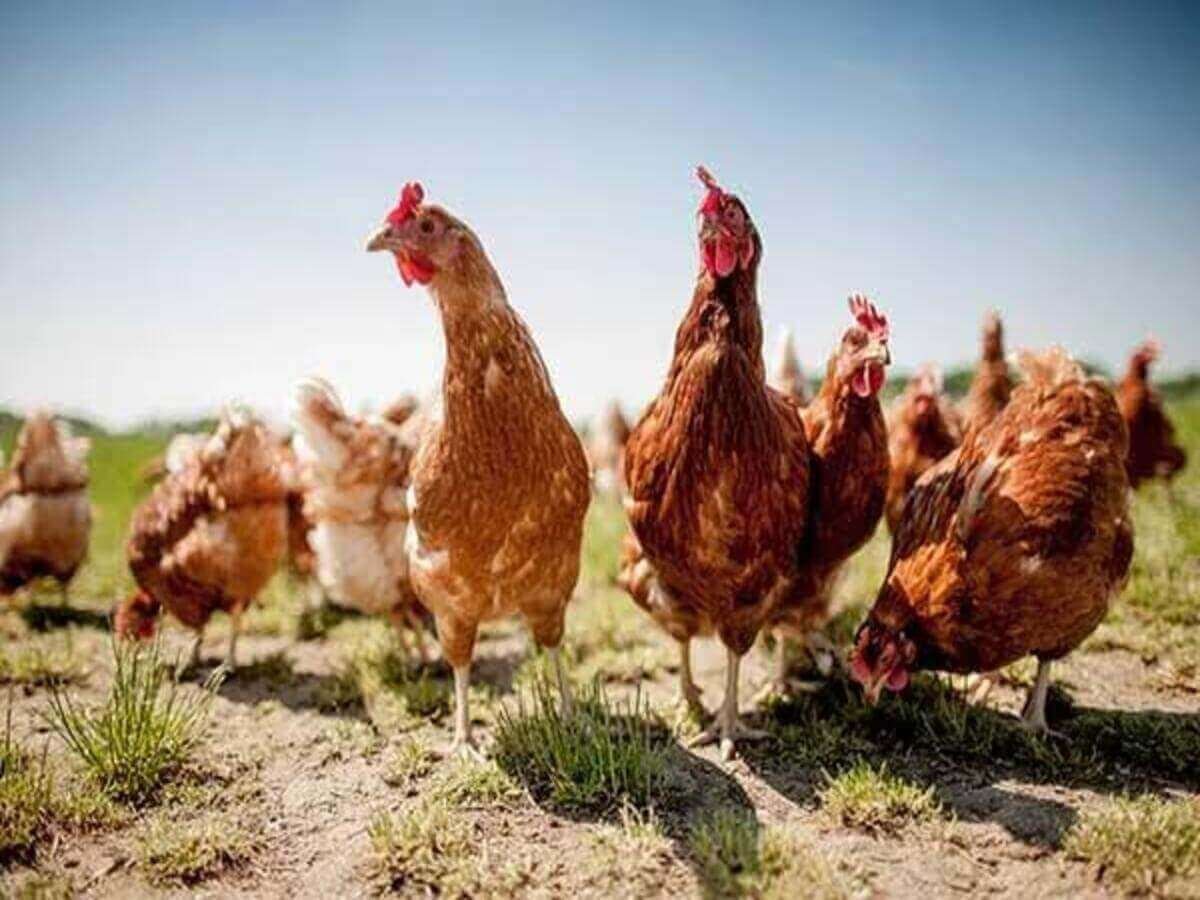
How Climate Affects Chicken Farming in Kenya
Kenya’s diverse climate creates both opportunities and challenges for poultry farming. From the warm coastal regions to the cooler highlands and the drier northern counties, weather conditions can influence how chickens are raised, how farms are managed, and how poultry businesses maintain consistent production throughout the year.
Successful poultry farming requires more than quality feed and good housing. Farmers must also understand how seasonal changes, temperature variations, rainfall patterns, and water availability affect flock health, farm operations, and overall productivity.
As climate patterns become less predictable, responsible poultry producers are investing in better planning, stronger infrastructure, and sustainable farming practices to protect their flocks and maintain reliable supplies of fresh chicken.
At Soba Renaissance, we recognize that adapting to environmental conditions is essential to producing premium fresh chicken. Through responsible poultry farming, integrated farm-to-table operations, and continuous improvement, we work to maintain high standards of quality regardless of seasonal changes.
Understanding the relationship between climate and poultry farming helps explain why careful farm management is essential for long-term success.
Temperature and Poultry Comfort
Temperature is one of the most important environmental factors affecting chickens.
Excessive heat or cold can influence bird comfort and farm management requirements. Maintaining suitable housing conditions helps reduce unnecessary stress and supports normal feeding, drinking, and growth.
Responsible poultry farms manage temperature through:
- Well-designed poultry houses
- Effective ventilation
- Appropriate airflow
- Clean, dry bedding
- Regular monitoring of flock conditions
At Soba Renaissance, housing design and daily management help create a comfortable environment that supports healthy poultry production.
Rainfall and Farm Operations
Rainfall plays an important role in agricultural production across Kenya.
Heavy rains may affect access roads, farm routines, and transport schedules, while prolonged dry periods can increase the importance of efficient resource planning.
Responsible poultry farms prepare for changing weather by:
- Maintaining well-drained poultry houses
- Protecting feed from moisture
- Planning logistics carefully
- Monitoring farm infrastructure
- Following preventive maintenance schedules
Preparation helps minimize operational disruptions and supports consistent production.
Water Management Matters
Clean water is essential for healthy poultry.
Weather conditions can influence water availability and increase the need for careful resource management.
Responsible poultry farms focus on:
- Reliable water supply systems
- Clean drinking water
- Efficient water use
- Routine equipment inspection
- Ongoing maintenance
At Soba Renaissance, water management is an important part of our commitment to responsible poultry farming and sustainable operations.
Biosecurity During Changing Seasons
Seasonal changes can affect overall farm management, making biosecurity especially important throughout the year.
Effective biosecurity includes:
- Controlled access to poultry houses
- Regular cleaning and sanitation
- Monitoring bird health
- Proper waste management
- Staff training and awareness
These practices help maintain healthy flocks and support consistent poultry production.
Housing Designed for Kenyan Conditions
Modern poultry housing is designed to help farmers respond to varying weather conditions.
Important features include:
- Good ventilation
- Weather-resistant construction
- Proper drainage
- Comfortable indoor conditions
- Clean feeding and watering systems
Well-maintained facilities help create stable environments that support bird welfare throughout the year.
Sustainable Farming Builds Resilience
Climate adaptation and sustainability go hand in hand.
Responsible poultry farms strengthen resilience by focusing on:
- Efficient resource management
- Continuous operational improvement
- Responsible agricultural practices
- Long-term planning
- Environmental stewardship
These strategies help poultry businesses remain productive while supporting sustainable agriculture.
Reliable Supply Throughout the Seasons
Consumers and businesses expect dependable access to fresh chicken regardless of changing weather conditions.
Through careful planning and integrated production systems, responsible poultry producers can maintain reliable supply for:
- Households
- Restaurants
- Hotels
- Caterers
- Retailers
- Supermarkets
- Schools
- Hospitals
- Institutions
At Soba Renaissance, our farm-to-table approach helps us coordinate production, processing, and distribution efficiently across different seasons.
Why Soba Renaissance Invests in Climate-Responsive Poultry Farming
Producing premium fresh chicken requires planning for both today’s conditions and tomorrow’s challenges.
Our approach includes:
- Responsible poultry farming
- Sustainable agricultural practices
- Integrated farm-to-table production
- Strong biosecurity systems
- Efficient resource management
- Quality assurance
- Reliable distribution
- Continuous innovation
- Professional customer service
- Long-term investment in Kenyan agriculture
These principles help us deliver consistent quality while adapting responsibly to Kenya’s changing climate.
Frequently Asked Questions
How does climate affect poultry farming?
Climate influences housing requirements, water management, farm operations, bird comfort, and production planning. Responsible farms adapt through proper management and infrastructure.
Why is ventilation important in poultry houses?
Good ventilation helps maintain comfortable conditions, supports bird welfare, improves air quality, and contributes to healthy poultry production.
How do sustainable farming practices help poultry farms?
Sustainable practices improve operational efficiency, strengthen resource management, support long-term productivity, and help farms adapt to changing environmental conditions.
Why choose Soba Renaissance?
Soba Renaissance combines responsible poultry farming, sustainable agriculture, integrated farm-to-table production, food safety, and continuous improvement to provide premium fresh chicken across Kenya.
Adapting to Climate While Delivering Quality
Climate will always influence agriculture, but responsible planning and modern farming practices enable poultry producers to continue supplying safe, high-quality chicken throughout the year. By investing in strong infrastructure, sustainable resource management, and careful flock management, poultry farms can adapt to changing weather while maintaining reliable production.
At Soba Renaissance, we are committed to producing premium fresh chicken through responsible poultry farming that embraces innovation, sustainability, and resilience. Our integrated farm-to-table model allows us to respond effectively to seasonal conditions while maintaining the quality, freshness, and reliability our customers expect.
Whether serving households or commercial food businesses, Soba Renaissance remains dedicated to providing premium fresh chicken produced with care, responsibility, and a long-term commitment to Kenya’s agricultural future.