Why Quality Feed Matters for Poultry Farming in Kenya

Why Quality Feed Matters for Poultry Farming in Kenya

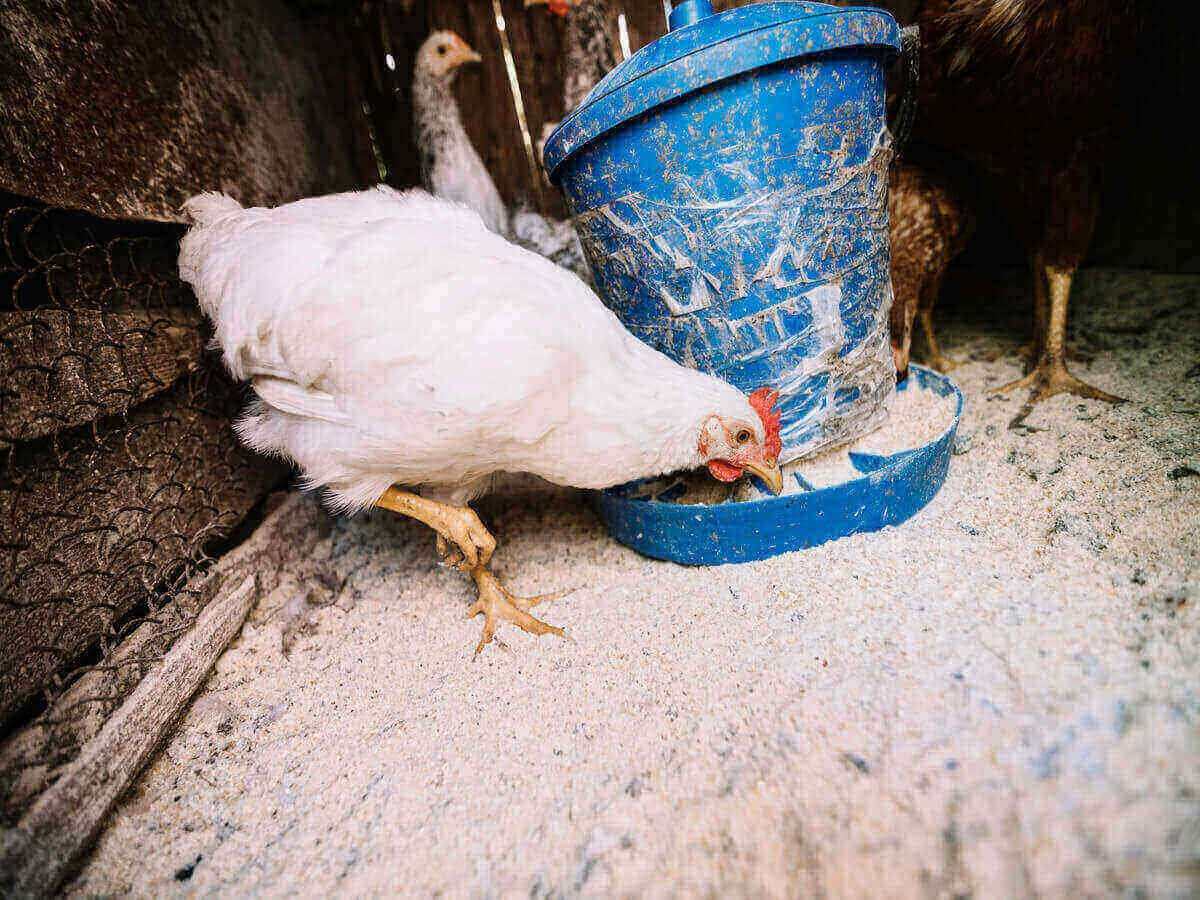
Behind every healthy chicken is a carefully planned nutrition programme built around quality feed. While poultry farming depends on several important factors including housing, biosecurity, clean water, and farm management feed remains one of the most influential elements in determining flock health, productivity, and the overall quality of chicken meat.

As Kenya’s poultry industry continues to expand, farmers are recognizing that investing in quality feed is an investment in the long-term success of their farms. Balanced nutrition supports healthy bird development, improves operational efficiency, and contributes to the production of premium poultry that meets the expectations of modern consumers.

Today’s customers are increasingly interested in where their food comes from and how it is produced. Premium fresh chicken is not simply the result of careful processing it begins with responsible farming practices, including providing birds with high-quality nutrition throughout every stage of growth.

At Soba Renaissance, nutrition is a cornerstone of our integrated farm-to-table production system. Through responsible poultry farming, sustainable agricultural practices, and rigorous quality management, we produce premium fresh chicken that reflects our commitment to excellence from farm to table.

Quality Feed Supports Healthy Growth

Healthy chickens require a balanced supply of nutrients throughout their development.

Quality poultry feed provides:

  • Protein for growth
  • Energy for daily activity
  • Essential vitamins
  • Important minerals
  • Balanced nutritional support

When birds receive appropriate nutrition, they are better supported throughout the production cycle.

At Soba Renaissance, nutrition is carefully managed to promote healthy flock development while maintaining high production standards.

Better Feed Contributes to Consistent Production

Consistency is one of the hallmarks of successful poultry farming.

High-quality feed supports:

  • Uniform flock development
  • Reliable production planning
  • Predictable farm management
  • Efficient daily operations
  • Consistent product quality

Responsible nutrition management helps poultry farms operate more effectively while meeting customer expectations.

Nutrition and Animal Welfare Go Together

Providing balanced feed is an important aspect of responsible animal care.

Well-fed birds benefit from:

  • Comfortable growth conditions
  • Better overall wellbeing
  • Consistent daily routines
  • Responsible flock management

At Soba Renaissance, animal welfare and nutrition work together to support premium poultry production.

Feed Quality Supports Food Safety

Food safety begins long before poultry reaches processing facilities.

Responsible poultry production includes:

  • Balanced nutrition
  • Clean feed handling
  • Proper feed storage
  • Hygienic farm management
  • Continuous monitoring

These practices contribute to producing premium fresh chicken under carefully managed conditions.

Efficient Feed Management Reduces Waste

Sustainable poultry farming requires thoughtful resource management.

Using quality feed effectively helps farms:

  • Improve operational efficiency
  • Reduce unnecessary waste
  • Plan production more accurately
  • Support long-term sustainability
  • Maximize resource utilization

Efficient nutrition programmes benefit both poultry businesses and the wider agricultural sector.

Quality Feed Works Best with Strong Farm Management

Nutrition alone does not create successful poultry farms.

Quality feed is most effective when combined with:

  • Modern poultry housing
  • Reliable clean water systems
  • Strong biosecurity
  • Good hygiene practices
  • Daily flock observation
  • Accurate record keeping

Soba Renaissance integrates all these elements into a comprehensive farm management system that supports consistent quality.

Supporting Kenya’s Poultry Industry

Responsible nutrition benefits the entire poultry value chain.

Investing in quality feed helps strengthen:

  • Poultry farmers
  • Food security
  • Agricultural productivity
  • Rural economies
  • Sustainable farming
  • Consumer confidence

As demand for premium fresh chicken continues to grow, nutrition will remain one of the industry’s most important priorities.

Why Soba Renaissance Prioritises Quality Nutrition

Our commitment to premium fresh chicken begins with responsible farming practices that place nutrition at the center of poultry production.

We invest in:

  • Balanced poultry nutrition
  • Responsible poultry farming
  • Sustainable agricultural practices
  • Integrated farm-to-table production
  • Modern poultry housing
  • Strong biosecurity systems
  • Rigorous food safety standards
  • Quality assurance
  • Continuous innovation
  • Reliable nationwide distribution

Every stage of our production process reflects our commitment to delivering safe, high-quality poultry for customers across Kenya.

Frequently Asked Questions

Why is quality feed important in poultry farming?

Quality feed provides the nutrients chickens need for healthy growth, responsible development, and consistent poultry production while supporting food safety and farm efficiency.

Does feed affect chicken quality?

Balanced nutrition contributes to healthy bird development and supports the production of premium-quality chicken as part of a comprehensive farming programme.

How does quality feed support sustainable farming?

Efficient nutrition programmes help reduce waste, improve resource management, strengthen production planning, and support long-term agricultural sustainability.

Why choose Soba Renaissance?

Soba Renaissance combines responsible poultry farming, balanced nutrition, sustainable agriculture, integrated farm-to-table production, rigorous food safety standards, and quality assurance to produce premium fresh chicken trusted throughout Kenya.

Quality Nutrition Builds Better Poultry

Every successful poultry operation begins with strong fundamentals, and quality feed is one of the most important. Balanced nutrition supports healthy birds, efficient production, responsible farming, and the consistent delivery of premium poultry products.

At Soba Renaissance, we understand that exceptional chicken starts with exceptional care. Through responsible poultry farming, sustainable agricultural practices, and our integrated farm-to-table approach, we ensure that every stage of production reflects our commitment to quality, food safety, and continuous improvement.

Whether you are a poultry farmer seeking better production practices or a customer looking for premium fresh chicken, Soba Renaissance remains a trusted partner dedicated to excellence from nutrition to table.

Best Chicken Feed Practices in Kenya

Best Chicken Feed Practices in Kenya

Nutrition is one of the most important pillars of successful poultry farming. Regardless of the size of a poultry operation, the way chickens are fed has a direct influence on flock health, growth, welfare, and overall production performance. While selecting quality feed is essential, equally important are the daily feeding practices that ensure birds receive the right nutrition at the right time and in the right conditions.

As Kenya’s poultry industry continues to grow, farmers are increasingly adopting structured feeding programmes that improve consistency, reduce waste, and support efficient poultry production. Well-managed feeding systems also contribute to better resource utilization, responsible farming, and long-term sustainability.

Consumers today expect premium fresh chicken produced through high standards of care, quality assurance, and food safety. Behind every quality poultry product is a carefully managed nutrition programme that supports healthy birds from the earliest stages of production.

At Soba Renaissance, balanced poultry nutrition forms a key part of our integrated farm-to-table production model. Through responsible feeding practices, sustainable poultry farming, and continuous improvement, we raise healthy chickens that become the premium fresh chicken trusted by households, restaurants, hotels, caterers, retailers, and institutions across Kenya.

Develop a Structured Feeding Programme

Successful poultry farms do not feed birds randomly. They establish structured feeding programmes that provide consistency throughout the production cycle.

An effective feeding programme should consider:

  • The age of the birds
  • Production stage
  • Nutritional requirements
  • Feeding frequency
  • Water availability
  • Daily monitoring

Consistency helps create stable flock management and supports healthy development.

Choose Balanced Poultry Nutrition

Healthy chickens require a balanced diet containing the nutrients needed for growth and wellbeing.

Quality poultry feed should provide:

  • Adequate protein
  • Energy sources
  • Essential vitamins
  • Important minerals
  • Appropriate nutrient balance

Balanced nutrition supports responsible poultry farming and contributes to premium-quality chicken meat.

Maintain Consistent Feeding Times

Routine feeding schedules help create organized farm management.

Benefits of consistent feeding include:

  • Predictable feeding behavior
  • Easier flock monitoring
  • Better feed management
  • Improved operational efficiency

Establishing regular routines supports smoother daily farm operations.

Protect Feed Through Proper Storage

Even high-quality feed can lose its value if it is not stored correctly.

Responsible feed storage includes:

  • Keeping feed in dry conditions
  • Protecting it from moisture
  • Using clean storage facilities
  • Rotating stock appropriately
  • Inspecting stored feed regularly

Proper storage helps preserve feed quality and reduces unnecessary waste.

Provide Continuous Access to Clean Water

Water works together with nutrition to support healthy poultry.

Every flock should have access to:

  • Clean drinking water
  • Well-maintained drinkers
  • Reliable water systems
  • Regular cleaning of watering equipment

At Soba Renaissance, water management is integrated into our poultry nutrition programme as part of our commitment to responsible farming.

Monitor Feed Consumption

Observing how birds consume feed provides valuable information about flock management.

Farmers should regularly monitor:

  • Feed intake
  • Feeding behaviour
  • Water consumption
  • Bird activity
  • Overall flock condition

Routine observation helps guide effective management decisions throughout the production cycle.

Reduce Feed Waste

Efficient feed management contributes to sustainable poultry farming.

Practical ways to reduce waste include:

  • Maintaining feeding equipment
  • Preventing feed contamination
  • Using appropriate feeder placement
  • Monitoring feed usage
  • Planning feed requirements carefully

Reducing waste supports both operational efficiency and environmental responsibility.

Integrate Feeding with Overall Farm Management

Nutrition is most effective when combined with other responsible farming practices.

Successful poultry farms integrate feeding with:

  • Proper housing
  • Biosecurity
  • Animal welfare
  • Hygiene management
  • Record keeping
  • Daily flock observation

At Soba Renaissance, nutrition is part of a comprehensive farm management system designed to produce premium fresh chicken.

Why Soba Renaissance Prioritises Responsible Nutrition

Producing premium poultry begins with caring for birds through every stage of development.

Our commitment includes:

  • Balanced poultry nutrition
  • Responsible poultry farming
  • Sustainable agricultural practices
  • Integrated farm-to-table production
  • Strong biosecurity systems
  • Modern poultry housing
  • Food safety and quality assurance
  • Efficient resource management
  • Continuous innovation
  • Reliable nationwide distribution

These principles enable us to consistently deliver premium fresh chicken across Kenya.

Frequently Asked Questions

Why are feeding practices important in poultry farming?

Proper feeding practices support healthy growth, efficient poultry production, responsible resource management, and premium-quality chicken meat.

How often should chickens be fed?

Feeding programmes vary depending on the production system and the birds’ stage of development. Consistency and balanced nutrition are key components of responsible poultry management.

Why is water important in poultry nutrition?

Clean drinking water supports overall bird health and complements balanced nutrition throughout the production cycle.

Why choose Soba Renaissance?

Soba Renaissance combines responsible poultry farming, balanced nutrition, sustainable agriculture, integrated farm-to-table production, rigorous food safety standards, and quality assurance to deliver premium fresh chicken across Kenya.

Better Feeding Practices Create Better Poultry

Successful poultry farming begins with thoughtful nutrition management. Structured feeding programmes, proper feed storage, clean water, regular monitoring, and responsible resource management all contribute to healthier birds and more efficient poultry production.

At Soba Renaissance, nutrition is more than a daily routine it is a core part of our commitment to excellence. Through responsible poultry farming, sustainable agricultural practices, and an integrated farm-to-table approach, we produce premium fresh chicken that reflects the highest standards of quality, consistency, and care.

Whether you are a poultry farmer looking to improve your feeding programme or a customer seeking a trusted supplier of premium poultry, Soba Renaissance remains committed to delivering excellence from the first feed to the final product.

Chicken Farm Management Best Practices in Kenya

Chicken Farm Management Best Practices in Kenya

Successful poultry farming is built on more than raising healthy chickens. Behind every productive poultry farm is an effective management system that ensures every aspect of production is carefully planned, monitored, and continuously improved. From daily flock care to long-term operational planning, good management creates the consistency needed to produce high-quality poultry while maintaining food safety and sustainability.

As Kenya’s demand for premium fresh chicken continues to grow, poultry farmers are increasingly adopting structured management practices that improve efficiency, strengthen animal welfare, and support reliable production. Whether supplying households, restaurants, hotels, retailers, or institutions, professionally managed farms are better equipped to meet customer expectations.

At Soba Renaissance, effective farm management is central to our integrated farm-to-table production model. Through responsible poultry farming, quality assurance, and continuous innovation, we maintain high operational standards that allow us to deliver premium fresh chicken across Kenya.

The following best practices demonstrate how strong management contributes to healthier flocks, efficient operations, and long-term success.

Develop a Clear Farm Management Plan

Every successful poultry farm begins with a well-defined management strategy.

A comprehensive plan should include:

  • Production schedules
  • Housing preparation
  • Feed management
  • Water supply planning
  • Biosecurity procedures
  • Equipment maintenance
  • Staff responsibilities

Careful planning helps farms operate efficiently while reducing unnecessary disruptions.

Build Strong Daily Management Routines

Consistency is one of the most valuable tools in poultry farming.

Daily management activities typically include:

  • Inspecting poultry houses
  • Monitoring bird behavior
  • Checking feed availability
  • Confirming clean water supply
  • Maintaining hygiene standards
  • Recording important observations

Routine management allows small issues to be identified before they become larger operational challenges.

Prioritise Flock Health

Healthy birds are the foundation of quality poultry production.

Responsible flock management focuses on:

  • Comfortable housing
  • Balanced nutrition
  • Continuous access to clean water
  • Good ventilation
  • Clean environments
  • Regular observation

At Soba Renaissance, maintaining healthy flocks is essential to producing premium fresh chicken that meets the highest standards.

Implement Strong Biosecurity Measures

Biosecurity protects poultry farms by reducing the risk of disease and supporting long-term productivity.

Key biosecurity practices include:

  • Controlled access to farm facilities
  • Cleaning and disinfecting equipment
  • Maintaining sanitary working environments
  • Monitoring flock health
  • Following responsible farm protocols

Effective biosecurity strengthens farm resilience and supports consistent production.

Invest in Staff Training

A well-managed poultry farm depends on knowledgeable and committed personnel.

Regular staff development helps improve:

  • Animal handling
  • Hygiene procedures
  • Farm safety
  • Equipment operation
  • Record keeping
  • Quality control

Continuous learning contributes to higher production standards and better farm performance.

Use Farm Records to Guide Decisions

Good management relies on accurate information.

Maintaining detailed records allows farmers to monitor:

  • Feed consumption
  • Water usage
  • Bird numbers
  • Growth performance
  • Operational expenses
  • Production trends

Data-driven decisions help improve efficiency and identify opportunities for continuous improvement.

Maintain Equipment and Infrastructure

Reliable equipment supports smooth farm operations.

Routine maintenance should include:

  • Poultry housing
  • Feeding systems
  • Water supply equipment
  • Ventilation systems
  • Storage facilities
  • Farm vehicles and transport equipment

Preventive maintenance reduces downtime and supports efficient poultry production.

Embrace Sustainable Farm Management

Sustainability is becoming an essential part of modern poultry farming.

Responsible farms focus on:

  • Efficient resource use
  • Water conservation
  • Waste management
  • Energy efficiency
  • Long-term planning
  • Environmental responsibility

At Soba Renaissance, sustainable management helps strengthen our operations while supporting Kenya’s agricultural future.

Deliver Quality Through Integrated Farm-to-Table Operations

Excellent farm management extends beyond poultry houses.

Our integrated farm-to-table model includes:

  • Responsible poultry farming
  • Quality assurance
  • Hygienic processing
  • Safe packaging
  • Cold-chain distribution
  • Reliable customer service

This coordinated approach helps preserve freshness and consistency from the farm to the customer.

Why Soba Renaissance Sets the Standard in Poultry Farm Management

Our operations are guided by a commitment to professionalism, responsibility, and continuous improvement.

We invest in:

  • Responsible poultry farming
  • Professional farm management
  • Sustainable agriculture
  • Modern poultry housing
  • Balanced poultry nutrition
  • Strong biosecurity systems
  • Food safety and quality assurance
  • Integrated farm-to-table production
  • Reliable nationwide distribution
  • Premium fresh chicken production

These practices allow Soba Renaissance to consistently meet the needs of households and commercial customers across Kenya.

Frequently Asked Questions

Why is farm management important in poultry farming?

Good farm management improves planning, flock health, operational efficiency, food safety, and overall production quality while supporting long-term business success.

What are the key elements of poultry farm management?

Effective management includes planning, nutrition, housing, biosecurity, record keeping, staff training, equipment maintenance, sustainability, and continuous monitoring.

How does Soba Renaissance manage quality?

Soba Renaissance combines responsible poultry farming, integrated farm-to-table production, rigorous food safety systems, quality assurance, and continuous improvement to deliver premium fresh chicken.

Why choose Soba Renaissance?

Customers trust Soba Renaissance for premium fresh chicken produced through responsible farming, professional management, sustainable agricultural practices, and dependable nationwide supply.

Strong Farm Management Builds Strong Poultry Businesses

Modern poultry farming requires more than experience it demands structured management, careful planning, and a commitment to excellence. Farms that invest in professional management systems are better positioned to produce healthy birds, operate efficiently, and consistently deliver premium-quality poultry.

At Soba Renaissance, we believe that exceptional chicken begins with exceptional management. Through responsible poultry farming, sustainable agriculture, integrated farm-to-table production, and continuous innovation, we proudly provide premium fresh chicken that reflects our commitment to quality, food safety, and the future of Kenya’s poultry industry.

Whether you are a farmer seeking best practices or a customer searching for a trusted poultry supplier, Soba Renaissance remains committed to setting the benchmark for responsible poultry production in Kenya.
Raising Chickens Sustainably in Kenya

Raising Chickens Sustainably in Kenya

Sustainable poultry farming is shaping the future of agriculture in Kenya. As demand for high-quality chicken continues to increase, poultry farmers are embracing production methods that protect resources, improve efficiency, maintain high animal welfare standards, and deliver safe, premium-quality poultry to consumers.

Sustainability is not a single farming technique it is a long-term commitment to responsible management. It involves making thoughtful decisions at every stage of production, from preparing poultry houses and caring for birds to managing resources efficiently and delivering fresh chicken through dependable supply chains.

For today’s consumers, sustainability is becoming an important consideration when choosing where to buy chicken. Families, restaurants, hotels, retailers, and institutions increasingly value suppliers that demonstrate responsibility, transparency, and consistency.

At Soba Renaissance, sustainability is at the heart of everything we do. Through responsible poultry farming, integrated farm-to-table operations, and continuous innovation, we produce premium fresh chicken while contributing to Kenya’s agricultural development and food security.

What Sustainable Chicken Farming Means

Sustainable chicken farming is about producing quality poultry while ensuring that farming practices remain economically viable, environmentally responsible, and socially beneficial.

A sustainable poultry operation aims to:

  • Raise healthy chickens responsibly
  • Use resources efficiently
  • Maintain high food safety standards
  • Support local communities
  • Promote animal welfare
  • Continuously improve farming practices

These principles help create resilient farms capable of meeting today’s needs while preparing for future challenges.

Efficient Resource Management

Responsible use of resources is one of the foundations of sustainable poultry farming.

Successful farms continually evaluate how to improve:

  • Water management
  • Feed efficiency
  • Energy use
  • Housing maintenance
  • Waste handling
  • Production planning

At Soba Renaissance, resource efficiency helps us maintain consistent quality while supporting long-term sustainability.

Healthy Birds Through Responsible Care

Sustainability begins with proper flock management.

Healthy chickens benefit from:

  • Balanced nutrition
  • Comfortable housing
  • Clean drinking water
  • Good ventilation
  • Daily observation
  • Responsible handling

Providing birds with the right environment contributes to better welfare and supports premium fresh chicken production.

Biosecurity Supports Sustainable Production

Protecting poultry health is essential for long-term farm success.

Strong biosecurity practices include:

  • Controlled access to poultry houses
  • Routine cleaning and sanitation
  • Monitoring bird health
  • Proper equipment maintenance
  • Well-trained farm personnel

These measures help maintain healthy flocks and reduce unnecessary production risks.

Sustainability Through Continuous Improvement

Modern poultry farming is constantly evolving.

Responsible producers invest in:

  • Better farm management systems
  • Staff training
  • Improved production processes
  • Efficient infrastructure
  • Ongoing performance evaluation

Continuous improvement strengthens both productivity and long-term sustainability.

Supporting Local Agriculture

Sustainable poultry farming benefits more than individual farms.

By producing chicken locally, responsible poultry businesses contribute to:

  • Employment opportunities
  • Rural economic development
  • Stronger food systems
  • Agricultural innovation
  • Local business partnerships
  • Greater food security

Soba Renaissance is proud to support Kenya’s agricultural sector by investing in responsible poultry production and local supply chains.

Food Safety Remains a Priority

Consumers expect chicken that is fresh, safe, and produced to high standards.

Responsible farms maintain quality through:

  • Hygienic production environments
  • Careful handling procedures
  • Quality assurance systems
  • Farm-to-table traceability
  • Professional processing and distribution

At Soba Renaissance, food safety is integrated into every stage of our operations.

Building Consumer Trust

Modern consumers increasingly want to know how their food is produced.

They value poultry suppliers that demonstrate:

  • Responsible farming
  • Consistent quality
  • Sustainable practices
  • Transparency
  • Reliable service

By maintaining these standards, Soba Renaissance has built lasting relationships with households, restaurants, hotels, caterers, retailers, and institutions across Kenya.

Why Soba Renaissance Champions Sustainable Poultry Farming

Our commitment to sustainability extends throughout every stage of production.

We focus on:

  • Responsible poultry farming
  • Sustainable agricultural practices
  • Integrated farm-to-table production
  • Balanced poultry nutrition
  • Modern poultry housing
  • Strong biosecurity systems
  • Food safety and quality assurance
  • Efficient resource management
  • Continuous innovation
  • Reliable nationwide distribution

These principles enable us to deliver premium fresh chicken while contributing to the future of Kenyan agriculture.

Frequently Asked Questions

What is sustainable chicken farming?

Sustainable chicken farming is the practice of raising poultry through responsible management that supports bird welfare, efficient resource use, food safety, and long-term agricultural productivity.

Why is sustainability important in poultry farming?

Sustainability helps farms improve operational efficiency, protect valuable resources, strengthen food security, support local communities, and maintain consistent poultry production.

How does Soba Renaissance practise sustainability?

Soba Renaissance integrates sustainable farming through responsible poultry management, efficient resource use, modern farm-to-table production, food safety, quality assurance, and continuous operational improvement.

Why choose Soba Renaissance?

Customers choose Soba Renaissance for premium fresh chicken produced through responsible poultry farming, sustainable agriculture, dependable quality, and a commitment to supporting Kenya’s agricultural future.

Sustainable Farming Creates a Stronger Future

The future of Kenya’s poultry industry depends on farms that combine productivity with responsibility. Sustainable chicken farming strengthens food security, supports local communities, promotes responsible resource management, and helps ensure that future generations continue to benefit from a thriving agricultural sector.

At Soba Renaissance, sustainability is more than a goal it is the foundation of how we operate every day. Through responsible poultry farming, integrated farm-to-table production, and a commitment to continuous improvement, we proudly deliver premium fresh chicken that reflects our dedication to quality, food safety, and environmental responsibility.

Whether serving families, retailers, restaurants, or institutions, Soba Renaissance remains committed to raising chickens sustainably while helping build a stronger, healthier, and more resilient Kenya.

How Proper Housing Improves Chicken Health in Kenya

How Proper Housing Improves Chicken Health in Kenya

Healthy chickens begin with a healthy environment. While nutrition, clean water, and responsible flock management are all essential components of poultry farming, one factor that often determines the success of a poultry operation is the quality of the housing provided to the birds.

Across Kenya, poultry farmers are increasingly recognizing that well-designed poultry houses do more than provide shelter. They help create stable living conditions that support bird welfare, improve farm management, strengthen biosecurity, and contribute to the production of premium-quality chicken.

Whether raising broilers for meat production or managing other poultry enterprises, proper housing plays an important role throughout every stage of the production cycle.

At Soba Renaissance, quality begins on the farm. Through responsible poultry farming, sustainable agricultural practices, and an integrated farm-to-table production model, we maintain housing systems that support healthy birds and enable us to deliver premium fresh chicken trusted by families and businesses across Kenya.

Understanding why poultry housing matters helps farmers make better management decisions and supports the long-term growth of Kenya’s poultry industry.

Housing Creates a Healthy Environment

A poultry house should provide more than protection from rain or sunshine.

Well-designed housing helps maintain:

  • Comfortable living conditions
  • Good air circulation
  • Dry flooring and litter
  • Easy access to feed and water
  • A clean production environment
  • Consistent flock management

Providing birds with an appropriate environment supports their wellbeing and contributes to responsible poultry production.

Good Ventilation Supports Healthy Birds

Fresh air is essential in every poultry house.

Effective ventilation helps:

  • Maintain air quality
  • Reduce excess moisture
  • Promote comfortable temperatures
  • Improve overall housing conditions
  • Support bird comfort throughout the production cycle

At Soba Renaissance, proper ventilation is incorporated into our poultry management practices to help maintain healthy flocks.

Clean Housing Promotes Better Poultry Health

Maintaining clean housing is one of the simplest ways to support healthy chickens.

Good housekeeping includes:

  • Regular litter management
  • Cleaning feeders and drinkers
  • Routine sanitation
  • Proper waste handling
  • Organized working areas

Consistent hygiene contributes to responsible poultry farming and supports efficient farm operations.

Adequate Space Supports Animal Welfare

Providing sufficient space allows birds to move comfortably and access feed and water without unnecessary competition.

Appropriate stocking density helps promote:

  • Bird comfort
  • Better flock management
  • Cleaner housing
  • Easier observation
  • Improved operational efficiency

Responsible poultry farming always considers the welfare of the birds throughout the production process.

Housing Strengthens Biosecurity

Poultry houses also play a key role in protecting flocks from unnecessary health risks.

Effective housing design supports biosecurity through:

  • Controlled entry points
  • Easier cleaning and sanitation
  • Separation of production areas
  • Better monitoring of flock health
  • Improved management routines

At Soba Renaissance, biosecurity is integrated into our housing and daily farm operations to help maintain high production standards.

Better Housing Supports Consistent Production

Stable housing conditions help farmers manage their flocks more effectively throughout the year.

Well-maintained poultry houses contribute to:

  • Reliable feeding routines
  • Efficient water management
  • Easier flock observation
  • Consistent daily operations
  • Improved production planning

Good housing supports both bird welfare and operational efficiency.

Sustainable Poultry Housing

Modern poultry farming increasingly focuses on sustainability when designing and managing production facilities.

Responsible housing systems encourage:

  • Efficient resource use
  • Water conservation
  • Improved waste management
  • Better energy efficiency
  • Long-term farm resilience

At Soba Renaissance, sustainability is integrated into our farming practices as part of our commitment to responsible agriculture.

Housing Supports Premium Chicken Quality

Producing premium fresh chicken begins long before processing.

Healthy birds raised in clean, well-managed environments are supported by systems that prioritise:

  • Responsible care
  • Consistent management
  • High welfare standards
  • Quality assurance
  • Food safety

Our integrated farm-to-table approach allows Soba Renaissance to oversee every stage of production while maintaining the high standards our customers expect.

Why Soba Renaissance Invests in Modern Poultry Housing

Every aspect of our farming operation is designed to promote quality, consistency, and sustainability.

Our commitment includes:

  • Responsible poultry farming
  • Modern poultry housing
  • Strong biosecurity systems
  • Sustainable agricultural practices
  • Integrated farm-to-table production
  • Balanced poultry nutrition
  • Rigorous food safety standards
  • Continuous improvement
  • Reliable nationwide distribution
  • Premium fresh chicken production

These investments help ensure that every product reflects our commitment to excellence.

Frequently Asked Questions

Why is poultry housing important?

Proper poultry housing provides a clean, comfortable, and well-managed environment that supports bird welfare, efficient farm management, and responsible poultry production.

How does ventilation improve poultry health?

Good ventilation helps maintain air quality, regulate moisture, improve comfort, and support healthy living conditions for poultry.

Why is clean housing essential?

Regular cleaning and sanitation help maintain hygienic conditions, improve operational efficiency, and support healthy flock management.

Why choose Soba Renaissance?

Soba Renaissance combines responsible poultry farming, modern housing systems, sustainable agriculture, integrated farm-to-table production, food safety, and rigorous quality assurance to deliver premium fresh chicken across Kenya.

Building Healthy Chickens Starts with Better Housing

Successful poultry farming depends on creating an environment where chickens can thrive. Well-designed housing supports bird comfort, strengthens biosecurity, improves farm efficiency, and contributes to the consistent production of premium-quality poultry.

At Soba Renaissance, we understand that excellence begins on the farm. Through responsible poultry farming, sustainable agricultural practices, and carefully managed housing systems, we produce premium fresh chicken that reflects our commitment to quality, food safety, and Kenya’s agricultural future.

Whether you are a poultry farmer seeking to improve your operation or a customer looking for premium fresh chicken, Soba Renaissance represents trusted farming practices built on responsibility, innovation, and continuous improvement.

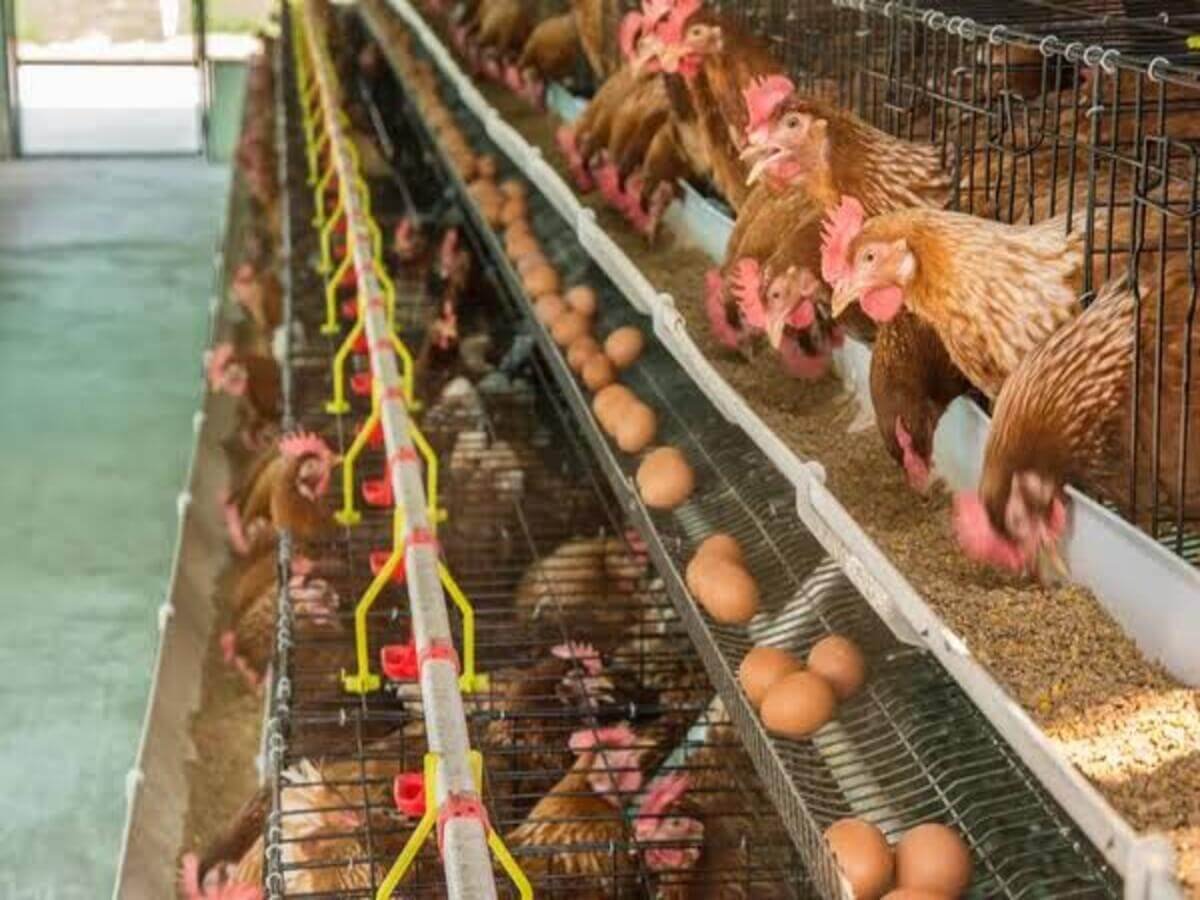
Layer Chicken Farming in Kenya Explained

Layer Chicken Farming in Kenya Explained

Kenya’s poultry industry is made up of several important sectors, each contributing to food production, employment, and agricultural development. While broiler chickens are raised for meat production, layer chickens are reared primarily for egg production. Together, these systems support the country’s growing demand for nutritious poultry products and help strengthen food security.

Understanding how layer farming works provides valuable insight into the wider poultry industry. Although broiler and layer operations have different production goals, they share many of the same principles, including responsible flock management, quality nutrition, proper housing, biosecurity, and sustainable farming practices.

As Kenya’s agricultural sector continues to modernize, successful poultry farmers are adopting improved management systems that promote bird welfare, operational efficiency, and consistent production.

At Soba Renaissance, we are committed to advancing responsible poultry farming through sustainable agricultural practices and an integrated farm-to-table approach. While our focus is on producing premium fresh chicken, we believe sharing knowledge about the broader poultry industry helps strengthen Kenya’s agricultural future.

What Are Layer Chickens?

Layer chickens are poultry bred and managed for egg production.

Unlike broiler chickens, which are raised primarily for meat, layers are cared for over a longer production period with management systems designed to support consistent egg laying while maintaining bird health and welfare.

Successful layer farming depends on careful planning and ongoing attention to flock management.

Selecting Healthy Birds

A productive flock begins with healthy birds from reliable sources.

Strong early flock management contributes to:

  • Uniform development
  • Healthy growth
  • Consistent flock performance
  • Better long-term productivity

Choosing quality birds creates a solid foundation for successful poultry farming.

Nutrition Supports Productive Layers

Balanced nutrition is essential throughout the life of a layer flock.

A well-managed feeding programme helps support:

  • Healthy development
  • Strong body condition
  • Overall bird wellbeing
  • Consistent production performance

Layer chickens also require continuous access to clean drinking water to maintain health and productivity.

Good nutrition remains one of the cornerstones of responsible poultry farming.

Housing Designed for Comfort

Well-managed housing helps create a suitable environment for layer chickens.

Important housing features include:

  • Good ventilation
  • Clean litter or well-maintained flooring
  • Comfortable temperatures
  • Reliable feeding systems
  • Continuous access to clean water
  • Appropriate stocking density

Maintaining clean and comfortable housing supports bird welfare and efficient farm management.

Biosecurity Protects the Flock

Biosecurity plays a critical role in all forms of poultry farming.

Responsible biosecurity measures include:

  • Restricting unnecessary visitors
  • Cleaning and disinfecting equipment
  • Monitoring flock health
  • Maintaining hygienic working areas
  • Following preventive management practices

Strong biosecurity supports healthier birds and more consistent farm operations.

Daily Flock Management

Successful layer farming depends on consistent observation and routine management.

Farmers should regularly monitor:

  • Bird behavior
  • Feed consumption
  • Water intake
  • Housing conditions
  • General flock wellbeing

Routine monitoring allows potential issues to be identified early and supports better management decisions.

Sustainability in Layer Farming

Modern poultry farming increasingly focuses on sustainable agricultural practices.

Responsible farms seek to improve:

  • Resource efficiency
  • Water management
  • Waste management
  • Environmental responsibility
  • Operational planning

These efforts contribute to stronger farms and more resilient agricultural systems.

Why Poultry Knowledge Benefits the Industry

Whether farming broilers or layers, understanding best practices strengthens Kenya’s poultry sector as a whole.

Responsible poultry farming supports:

  • Food security
  • Employment
  • Agricultural innovation
  • Rural development
  • Sustainable production
  • Consumer confidence

Sharing knowledge across the industry helps farmers improve standards while strengthening local agriculture.

Why Soba Renaissance Supports Poultry Education

At Soba Renaissance, we believe informed farming contributes to a stronger agricultural future.

Our commitment includes:

  • Responsible poultry farming
  • Sustainable agricultural practices
  • Integrated farm-to-table production
  • Rigorous food safety standards
  • Quality assurance
  • Continuous innovation
  • Support for local agriculture
  • Professional customer service
  • Reliable distribution
  • Premium fresh chicken production

By promoting best practices throughout the poultry industry, we help encourage higher standards and long-term sustainability.

Frequently Asked Questions

What is the difference between broiler and layer chickens?

Broiler chickens are raised primarily for meat production, while layer chickens are managed for egg production. Each system has different production goals but shares many responsible farming principles.

Why is nutrition important in layer farming?

Balanced nutrition supports healthy birds, overall wellbeing, and consistent flock performance throughout the production cycle.

Why is biosecurity important?

Biosecurity helps maintain healthy poultry by promoting hygiene, controlled farm access, regular monitoring, and responsible flock management.

Why choose Soba Renaissance?

Soba Renaissance is committed to responsible poultry farming, sustainable agriculture, integrated farm-to-table production, rigorous food safety standards, and delivering premium fresh chicken across Kenya.

Supporting a Stronger Poultry Industry Through Knowledge

Kenya’s poultry industry thrives when farmers understand and apply responsible management practices across every production system. Whether raising broilers for premium fresh chicken or managing layer flocks for egg production, success depends on planning, nutrition, biosecurity, animal welfare, and continuous improvement.

At Soba Renaissance, we are proud to contribute to this vision through responsible poultry farming, sustainable agricultural practices, and a commitment to sharing knowledge that strengthens Kenya’s agricultural sector. Our focus on quality, food safety, and farm-to-table production enables us to deliver premium fresh chicken while supporting the continued development of the country’s poultry industry.

As Kenya’s poultry sector grows, education and responsible farming will remain key drivers of long-term success.

Raising Broiler Chickens Successfully in Kenya

Raising Broiler Chickens Successfully in Kenya

Broiler chicken farming has become one of the fastest-growing segments of Kenya’s poultry industry. As demand for fresh chicken continues to rise among households, restaurants, hotels, caterers, supermarkets, and institutions, broiler production offers an important opportunity to strengthen food security, create employment, and support local agricultural development.

Success in broiler farming depends on more than simply raising chickens. It requires a well-managed production system that combines quality chicks, balanced nutrition, proper housing, biosecurity, animal welfare, and continuous monitoring. Every stage of the production cycle contributes to the quality of the final product.

Consumers today are increasingly interested in premium fresh chicken that is responsibly raised and produced under high standards of food safety and quality assurance. For poultry farmers, adopting best practices helps meet these expectations while building sustainable and efficient farming operations.

At Soba Renaissance, responsible broiler production is at the heart of our integrated farm-to-table model. Through sustainable agricultural practices, professional flock management, and rigorous quality standards, we produce premium fresh chicken trusted by customers across Kenya.

Understanding Broiler Chickens

Broiler chickens are specifically raised for meat production.

Their management requires careful attention to:

  • Nutrition
  • Housing
  • Water availability
  • Biosecurity
  • Animal welfare
  • Environmental management
  • Daily observation

When these areas are properly managed, broiler farms are better positioned to achieve consistent production and high-quality poultry.

Start with Quality Chicks

A successful broiler production cycle begins with healthy chicks from reliable sources.

Healthy chicks provide a strong foundation for:

  • Uniform growth
  • Good flock development
  • Consistent production
  • Efficient farm management

Beginning with quality birds supports better outcomes throughout the rearing period.

Priorities Balanced Nutrition

Nutrition plays a central role in broiler development.

A balanced feeding programme helps support:

  • Healthy growth
  • Strong development
  • Consistent flock performance
  • Overall bird wellbeing

Responsible poultry farming also includes ensuring continuous access to clean, fresh drinking water.

At Soba Renaissance, nutrition is carefully managed as part of our commitment to producing premium fresh chicken.

Provide Comfortable Housing

Broiler chickens perform best in housing designed to promote comfort and good management.

Important housing features include:

  • Proper ventilation
  • Clean litter
  • Comfortable temperatures
  • Dry flooring
  • Good lighting
  • Reliable feeding and watering systems

Maintaining clean housing contributes to healthy birds and efficient production.

Strengthen Biosecurity

Biosecurity protects poultry operations by reducing the risk of disease and supporting flock health.

Key biosecurity measures include:

  • Controlled farm access
  • Cleaning and sanitation
  • Equipment maintenance
  • Regular flock monitoring
  • Responsible waste management

At Soba Renaissance, biosecurity is integrated into every stage of our poultry production system.

Monitor Growth Throughout the Production Cycle

Successful broiler farming depends on regular observation and consistent management.

Daily monitoring helps farmers evaluate:

  • Bird activity
  • Feed intake
  • Water consumption
  • Housing conditions
  • Overall flock wellbeing

Routine observation allows management decisions to be based on current flock conditions rather than assumptions.

Focus on Animal Welfare

Responsible poultry farming recognizes that healthy birds thrive in well-managed environments.

Animal welfare practices include:

  • Appropriate stocking density
  • Comfortable housing
  • Clean surroundings
  • Responsible handling
  • Continuous access to feed and water

These practices contribute to quality poultry production and customer confidence.

Improve Farm Efficiency Through Sustainable Practices

Modern broiler farming increasingly emphasizes sustainability alongside productivity.

Responsible farms seek to improve:

  • Resource efficiency
  • Water management
  • Waste management
  • Energy use
  • Production planning
  • Operational performance

At Soba Renaissance, sustainability is integrated into our operations to support long-term agricultural success.

From Farm to Table: Delivering Quality

Producing premium fresh chicken extends beyond the farm.

An integrated production system includes:

  • Responsible poultry farming
  • Hygienic processing
  • Professional packaging
  • Quality assurance
  • Food safety procedures
  • Reliable cold-chain distribution

This farm-to-table approach helps maintain product quality from production through delivery.

Why Soba Renaissance Is a Trusted Broiler Producer

At Soba Renaissance, we combine experience, innovation, and responsible farming to produce premium fresh chicken for customers across Kenya.

Our commitment includes:

  • Responsible broiler farming
  • Sustainable agricultural practices
  • Balanced poultry nutrition
  • Integrated farm-to-table production
  • Strong biosecurity systems
  • Rigorous food safety standards
  • Quality assurance
  • Reliable nationwide distribution
  • Continuous improvement
  • Customer-focused service

Every chicken we produce reflects our dedication to quality, consistency, and responsible farming.

Frequently Asked Questions

What are broiler chickens?

Broiler chickens are poultry raised specifically for meat production through carefully managed farming systems that focus on nutrition, housing, biosecurity, and animal welfare.

Why is nutrition important in broiler farming?

Balanced nutrition supports healthy growth, flock development, and consistent poultry production while contributing to premium-quality chicken meat.

How does Soba Renaissance maintain quality?

Soba Renaissance combines responsible poultry farming, integrated farm-to-table production, food safety procedures, sustainable agriculture, and rigorous quality assurance throughout the production process.

Why choose Soba Renaissance?

Customers choose Soba Renaissance for premium fresh chicken, dependable quality, responsible farming practices, sustainable production, and reliable supply across Kenya.

Producing Premium Broiler Chicken Through Responsible Farming

Broiler farming continues to play a vital role in Kenya’s agricultural development by supplying high-quality protein, creating employment, and supporting food security. Success depends on responsible management, continuous improvement, and a commitment to producing healthy birds through every stage of the production cycle.

At Soba Renaissance, we proudly demonstrate these values through responsible poultry farming, sustainable agricultural practices, and an integrated farm-to-table production model. Our investment in quality, food safety, and operational excellence enables us to deliver premium fresh chicken that families, restaurants, hotels, retailers, and institutions can trust.

Whether you are learning about broiler farming or searching for a reliable poultry supplier, choose Soba Renaissance for premium fresh chicken produced with expertise, responsibility, and a commitment to Kenya’s agricultural future.

Common Chicken Rearing Mistakes in Kenya

Common Chicken Rearing Mistakes in Kenya

Poultry farming continues to be one of the fastest-growing agricultural enterprises in Kenya. From small household flocks to large commercial operations, chicken farming provides opportunities to improve food security, generate income, and supply high-quality protein to communities across the country.

While poultry farming offers significant potential, success depends on consistent management and informed decision-making. Many production challenges arise not because of a lack of effort, but because essential management practices are overlooked or applied inconsistently. Learning to recognize and avoid these common mistakes can help farmers build healthier flocks, improve productivity, and strengthen the long-term sustainability of their operations.

At Soba Renaissance, responsible poultry farming is built on careful planning, continuous improvement, and adherence to high production standards. Our integrated farm-to-table model enables us to deliver premium fresh chicken while demonstrating the value of best practices throughout the poultry production process.

Below are some of the most common chicken rearing mistakes in Kenya and practical ways to avoid them.

Inadequate Planning Before Starting

One of the earliest mistakes many poultry farmers make is beginning without a clear production plan.

Successful poultry farming requires preparation that includes:

  • Appropriate housing
  • Reliable feed supply
  • Access to clean water
  • Biosecurity procedures
  • Daily management routines
  • Financial planning

Good preparation creates a solid foundation for healthy flock development and more consistent production.

Overcrowding Poultry Houses

Keeping too many birds in a limited space can negatively affect flock welfare and farm management.

Overcrowding may contribute to:

  • Increased stress
  • Reduced comfort
  • Poor air circulation
  • Greater management challenges
  • Difficulty maintaining hygiene

Providing adequate space helps support healthier birds and improves day-to-day farm operations.

Poor Nutrition Management

Balanced nutrition is essential for healthy poultry.

Relying on poor-quality feed, inconsistent feeding schedules, or inadequate access to clean water can affect flock performance.

Responsible poultry farming focuses on:

  • Balanced feed formulations
  • Reliable feeding routines
  • Fresh, clean drinking water
  • Proper feed storage
  • Regular monitoring of feed consumption

At Soba Renaissance, quality nutrition is one of the foundations of premium fresh chicken production.

Neglecting Farm Hygiene

Clean farming environments help support healthy birds.

Common hygiene mistakes include:

  • Dirty feeders and drinkers
  • Poor litter management
  • Infrequent cleaning
  • Improper waste disposal
  • Untidy poultry houses

Maintaining a clean environment contributes to responsible poultry management and improved flock wellbeing.

Weak Biosecurity Practices

Biosecurity protects poultry farms by reducing the risk of disease entering or spreading within the flock.

Mistakes may include:

  • Allowing unrestricted visitor access
  • Failing to clean equipment
  • Introducing new birds without observation
  • Inconsistent sanitation routines

Strong biosecurity should be part of every farm’s daily management programme.

Ignoring Daily Observation

Healthy poultry farming requires close attention to the flock.

Farmers who do not observe birds regularly may miss early signs of changes in:

  • Feeding behavior
  • Water consumption
  • Activity levels
  • Housing conditions
  • General flock wellbeing

Routine observation supports timely decision-making and responsible flock management.

Poor Record Keeping

Without accurate records, it becomes difficult to evaluate farm performance.

Useful records include:

  • Bird numbers
  • Feed purchases
  • Water usage
  • Growth observations
  • Production schedules
  • Sales records

Good documentation helps farmers identify trends, monitor efficiency, and make informed improvements.

Delaying Routine Maintenance

Well-maintained facilities contribute to efficient poultry production.

Neglecting equipment, housing, or water systems can create avoidable operational challenges.

Regular inspections and preventive maintenance help ensure:

  • Proper ventilation
  • Reliable feeding systems
  • Safe housing
  • Clean water delivery
  • Efficient daily operations

Overlooking Sustainability

Modern poultry farming benefits from responsible resource management.

Ignoring sustainability may lead to inefficient use of water, feed, energy, and other valuable resources.

Responsible farms continually seek opportunities to improve operational efficiency while maintaining high production standards.

Why Soba Renaissance Focuses on Best Practices

At Soba Renaissance, every stage of poultry production is guided by a commitment to excellence.

Our operations include:

  • Responsible poultry farming
  • Sustainable agricultural practices
  • Balanced poultry nutrition
  • Strong biosecurity systems
  • Integrated farm-to-table production
  • Rigorous food safety standards
  • Quality assurance
  • Reliable distribution
  • Continuous innovation
  • Customer-focused service

These practices enable us to produce premium fresh chicken trusted by households and businesses across Kenya.

Frequently Asked Questions

What is the biggest mistake new poultry farmers make?

One of the most common mistakes is beginning without adequate planning. Successful poultry farming requires preparation, good housing, balanced nutrition, biosecurity, and consistent daily management.

Why is farm hygiene important?

Maintaining clean poultry houses, equipment, and feeding systems supports healthy birds and helps maintain high production standards.

How does biosecurity improve poultry farming?

Biosecurity promotes responsible farm management through proper sanitation, controlled access, routine monitoring, and disease prevention practices.

Why choose Soba Renaissance?

Soba Renaissance combines responsible poultry farming, integrated farm-to-table production, sustainable agriculture, rigorous food safety standards, and quality assurance to deliver premium fresh chicken across Kenya.

Learning from Experience Leads to Better Poultry Farming

Every successful poultry farmer understands that continuous improvement is part of the journey. Avoiding common management mistakes helps create healthier flocks, more efficient operations, and stronger long-term results.

At Soba Renaissance, we believe responsible poultry farming begins with careful planning, disciplined management, and a commitment to quality at every stage of production. Through sustainable agricultural practices and our integrated farm-to-table approach, we proudly deliver premium fresh chicken while supporting the continued growth of Kenya’s poultry industry.

Whether you are an experienced farmer, an entrepreneur entering poultry production, or a customer seeking a trusted supplier, Soba Renaissance represents the values of responsibility, innovation, and excellence that define modern poultry farming.

How Climate Affects Chicken Farming in Kenya

How Climate Affects Chicken Farming in Kenya

Kenya’s diverse climate creates both opportunities and challenges for poultry farming. From the warm coastal regions to the cooler highlands and the drier northern counties, weather conditions can influence how chickens are raised, how farms are managed, and how poultry businesses maintain consistent production throughout the year.

Successful poultry farming requires more than quality feed and good housing. Farmers must also understand how seasonal changes, temperature variations, rainfall patterns, and water availability affect flock health, farm operations, and overall productivity.

As climate patterns become less predictable, responsible poultry producers are investing in better planning, stronger infrastructure, and sustainable farming practices to protect their flocks and maintain reliable supplies of fresh chicken.

At Soba Renaissance, we recognize that adapting to environmental conditions is essential to producing premium fresh chicken. Through responsible poultry farming, integrated farm-to-table operations, and continuous improvement, we work to maintain high standards of quality regardless of seasonal changes.

Understanding the relationship between climate and poultry farming helps explain why careful farm management is essential for long-term success.

Temperature and Poultry Comfort

Temperature is one of the most important environmental factors affecting chickens.

Excessive heat or cold can influence bird comfort and farm management requirements. Maintaining suitable housing conditions helps reduce unnecessary stress and supports normal feeding, drinking, and growth.

Responsible poultry farms manage temperature through:

  • Well-designed poultry houses
  • Effective ventilation
  • Appropriate airflow
  • Clean, dry bedding
  • Regular monitoring of flock conditions

At Soba Renaissance, housing design and daily management help create a comfortable environment that supports healthy poultry production.

Rainfall and Farm Operations

Rainfall plays an important role in agricultural production across Kenya.

Heavy rains may affect access roads, farm routines, and transport schedules, while prolonged dry periods can increase the importance of efficient resource planning.

Responsible poultry farms prepare for changing weather by:

  • Maintaining well-drained poultry houses
  • Protecting feed from moisture
  • Planning logistics carefully
  • Monitoring farm infrastructure
  • Following preventive maintenance schedules

Preparation helps minimize operational disruptions and supports consistent production.

Water Management Matters

Clean water is essential for healthy poultry.

Weather conditions can influence water availability and increase the need for careful resource management.

Responsible poultry farms focus on:

  • Reliable water supply systems
  • Clean drinking water
  • Efficient water use
  • Routine equipment inspection
  • Ongoing maintenance

At Soba Renaissance, water management is an important part of our commitment to responsible poultry farming and sustainable operations.

Biosecurity During Changing Seasons

Seasonal changes can affect overall farm management, making biosecurity especially important throughout the year.

Effective biosecurity includes:

  • Controlled access to poultry houses
  • Regular cleaning and sanitation
  • Monitoring bird health
  • Proper waste management
  • Staff training and awareness

These practices help maintain healthy flocks and support consistent poultry production.

Housing Designed for Kenyan Conditions

Modern poultry housing is designed to help farmers respond to varying weather conditions.

Important features include:

  • Good ventilation
  • Weather-resistant construction
  • Proper drainage
  • Comfortable indoor conditions
  • Clean feeding and watering systems

Well-maintained facilities help create stable environments that support bird welfare throughout the year.

Sustainable Farming Builds Resilience

Climate adaptation and sustainability go hand in hand.

Responsible poultry farms strengthen resilience by focusing on:

  • Efficient resource management
  • Continuous operational improvement
  • Responsible agricultural practices
  • Long-term planning
  • Environmental stewardship

These strategies help poultry businesses remain productive while supporting sustainable agriculture.

Reliable Supply Throughout the Seasons

Consumers and businesses expect dependable access to fresh chicken regardless of changing weather conditions.

Through careful planning and integrated production systems, responsible poultry producers can maintain reliable supply for:

  • Households
  • Restaurants
  • Hotels
  • Caterers
  • Retailers
  • Supermarkets
  • Schools
  • Hospitals
  • Institutions

At Soba Renaissance, our farm-to-table approach helps us coordinate production, processing, and distribution efficiently across different seasons.

Why Soba Renaissance Invests in Climate-Responsive Poultry Farming

Producing premium fresh chicken requires planning for both today’s conditions and tomorrow’s challenges.

Our approach includes:

  • Responsible poultry farming
  • Sustainable agricultural practices
  • Integrated farm-to-table production
  • Strong biosecurity systems
  • Efficient resource management
  • Quality assurance
  • Reliable distribution
  • Continuous innovation
  • Professional customer service
  • Long-term investment in Kenyan agriculture

These principles help us deliver consistent quality while adapting responsibly to Kenya’s changing climate.

Frequently Asked Questions

How does climate affect poultry farming?

Climate influences housing requirements, water management, farm operations, bird comfort, and production planning. Responsible farms adapt through proper management and infrastructure.

Why is ventilation important in poultry houses?

Good ventilation helps maintain comfortable conditions, supports bird welfare, improves air quality, and contributes to healthy poultry production.

How do sustainable farming practices help poultry farms?

Sustainable practices improve operational efficiency, strengthen resource management, support long-term productivity, and help farms adapt to changing environmental conditions.

Why choose Soba Renaissance?

Soba Renaissance combines responsible poultry farming, sustainable agriculture, integrated farm-to-table production, food safety, and continuous improvement to provide premium fresh chicken across Kenya.

Adapting to Climate While Delivering Quality

Climate will always influence agriculture, but responsible planning and modern farming practices enable poultry producers to continue supplying safe, high-quality chicken throughout the year. By investing in strong infrastructure, sustainable resource management, and careful flock management, poultry farms can adapt to changing weather while maintaining reliable production.

At Soba Renaissance, we are committed to producing premium fresh chicken through responsible poultry farming that embraces innovation, sustainability, and resilience. Our integrated farm-to-table model allows us to respond effectively to seasonal conditions while maintaining the quality, freshness, and reliability our customers expect.

Whether serving households or commercial food businesses, Soba Renaissance remains dedicated to providing premium fresh chicken produced with care, responsibility, and a long-term commitment to Kenya’s agricultural future.

Chicken Rearing Tips for Small-Scale Farmers in Kenya

Chicken Rearing Tips for Small-Scale Farmers in Kenya

Small-scale poultry farming continues to play an important role in Kenya’s agricultural sector. Across the country, thousands of households and entrepreneurs keep chickens to generate income, improve food security, and support their families. As demand for fresh, high-quality chicken grows, small-scale farmers have an opportunity to contribute meaningfully to Kenya’s poultry industry.

Success in poultry farming does not always depend on the size of a farm. It often depends on consistent management, responsible farming practices, and a commitment to producing healthy birds. Careful planning, proper nutrition, clean housing, and regular monitoring can help small-scale farmers improve productivity while maintaining high standards of animal welfare.

At Soba Renaissance, we believe strong poultry industries are built through responsible farming at every level. Our integrated farm-to-table model demonstrates how sustainable practices, quality assurance, and continuous improvement can produce premium fresh chicken while supporting the long-term growth of Kenyan agriculture.

Below are practical tips that can help small-scale poultry farmers build healthier flocks and stronger poultry enterprises.

Start with a Manageable Flock

One of the best decisions for new poultry farmers is to begin with a flock size that matches the available space, resources, and management capacity.

Starting on a manageable scale allows farmers to:

  • Learn good management practices
  • Monitor birds more effectively
  • Improve production gradually
  • Build experience before expanding

Steady growth often creates a stronger foundation than expanding too quickly.

Invest in Quality Housing

Healthy chickens require a safe and comfortable environment.

Well-designed poultry housing should provide:

  • Good ventilation
  • Dry, clean bedding
  • Protection from harsh weather
  • Adequate lighting
  • Easy access to feed and water
  • Sufficient space for birds to move comfortably

Regular cleaning helps maintain hygiene and supports overall flock wellbeing.

Provide Balanced Feed and Clean Water

Nutrition is one of the most important factors in poultry production.

Healthy chickens require balanced diets that provide:

  • Protein for growth
  • Vitamins and minerals
  • Energy sources
  • Continuous access to clean drinking water

A consistent feeding programme helps support healthy development and contributes to quality poultry production.

Maintain Good Farm Hygiene

Clean farming environments reduce unnecessary health risks and support healthier birds.

Good hygiene practices include:

  • Cleaning feeders and drinkers regularly
  • Removing waste promptly
  • Keeping housing dry
  • Using clean equipment
  • Maintaining organized work areas

Simple daily routines can have a significant impact on flock health.

Practice Biosecurity Every Day

Biosecurity helps protect poultry from disease and supports long-term productivity.

Small-scale farmers can strengthen biosecurity by:

  • Limiting unnecessary visitors
  • Cleaning footwear and equipment
  • Separating new birds before introducing them to the flock
  • Monitoring birds for signs of illness
  • Seeking veterinary advice when needed

Consistent biosecurity practices help maintain healthier flocks.

Observe Chickens Regularly

Daily observation allows farmers to notice changes in bird behavior or overall condition.

Monitoring helps identify issues such as:

  • Reduced appetite
  • Changes in activity
  • Water consumption patterns
  • Housing conditions
  • General flock wellbeing

Early attention to changes supports responsible poultry management.

Keep Simple Farm Records

Even small poultry operations benefit from record keeping.

Useful records may include:

  • Number of birds
  • Feed purchases
  • Water usage
  • Production performance
  • Health observations
  • Sales information

Good records help farmers make informed management decisions over time.

Focus on Continuous Improvement

Every production cycle provides opportunities to learn and improve.

Small-scale farmers can strengthen their operations by:

  • Reviewing previous results
  • Improving farm routines
  • Learning new poultry management techniques
  • Maintaining equipment
  • Seeking reliable agricultural information

Incremental improvements often lead to stronger long-term performance.

Sustainability Begins on Every Farm

Responsible farming is not limited to large commercial operations.

Small-scale farmers contribute to sustainable agriculture by:

  • Managing resources efficiently
  • Maintaining healthy birds
  • Reducing unnecessary waste
  • Following responsible farming practices
  • Supporting local food production

These efforts strengthen both individual farms and Kenya’s wider agricultural sector.

Why Soba Renaissance Supports Responsible Poultry Farming

At Soba Renaissance, we recognize that Kenya’s poultry industry grows stronger when responsible farming practices are embraced throughout the value chain.

Our commitment includes:

  • Responsible poultry farming
  • Sustainable agricultural practices
  • Integrated farm-to-table production
  • Rigorous food safety standards
  • Quality assurance
  • Continuous innovation
  • Reliable distribution
  • Support for local agriculture
  • Customer-focused service
  • Premium fresh chicken production

These principles help us deliver consistent quality while contributing to the development of Kenya’s poultry sector.

Frequently Asked Questions

Can small-scale poultry farming be successful?

Yes. With proper planning, responsible management, balanced nutrition, clean housing, and good biosecurity, small-scale poultry farming can provide reliable production and long-term growth opportunities.

Why is poultry nutrition important?

Balanced nutrition supports healthy growth, strong flock performance, and consistent poultry production while contributing to quality chicken meat.

Why is biosecurity important for small farms?

Biosecurity helps reduce the risk of disease by promoting clean environments, controlled farm access, and responsible management practices.

Why choose Soba Renaissance?

Soba Renaissance combines responsible poultry farming, sustainable agriculture, integrated farm-to-table production, rigorous quality assurance, and food safety standards to produce premium fresh chicken trusted across Kenya.

Empowering Small-Scale Farmers for a Stronger Poultry Industry

Small-scale poultry farmers are an essential part of Kenya’s agricultural landscape. Through responsible management, continuous learning, and a commitment to healthy flocks, they contribute to food security, local employment, and economic development across the country.

At Soba Renaissance, we believe that excellence in poultry farming begins with strong farming practices. Our dedication to responsible production, sustainable agriculture, and premium fresh chicken reflects our broader commitment to supporting Kenya’s poultry industry and encouraging continuous improvement throughout the agricultural value chain.

Whether you are starting your poultry farming journey or looking to improve your existing operation, responsible practices create the foundation for healthier birds, better production, and a more sustainable future.