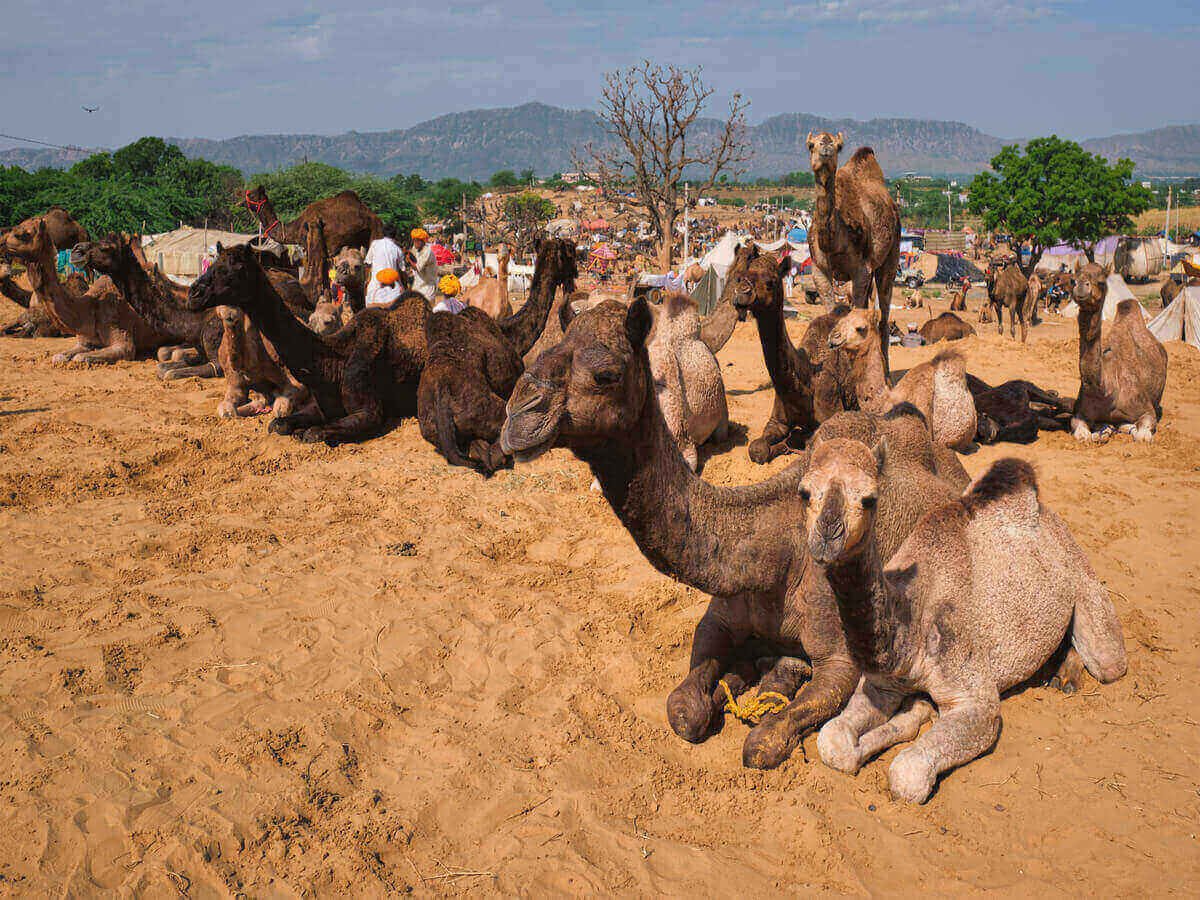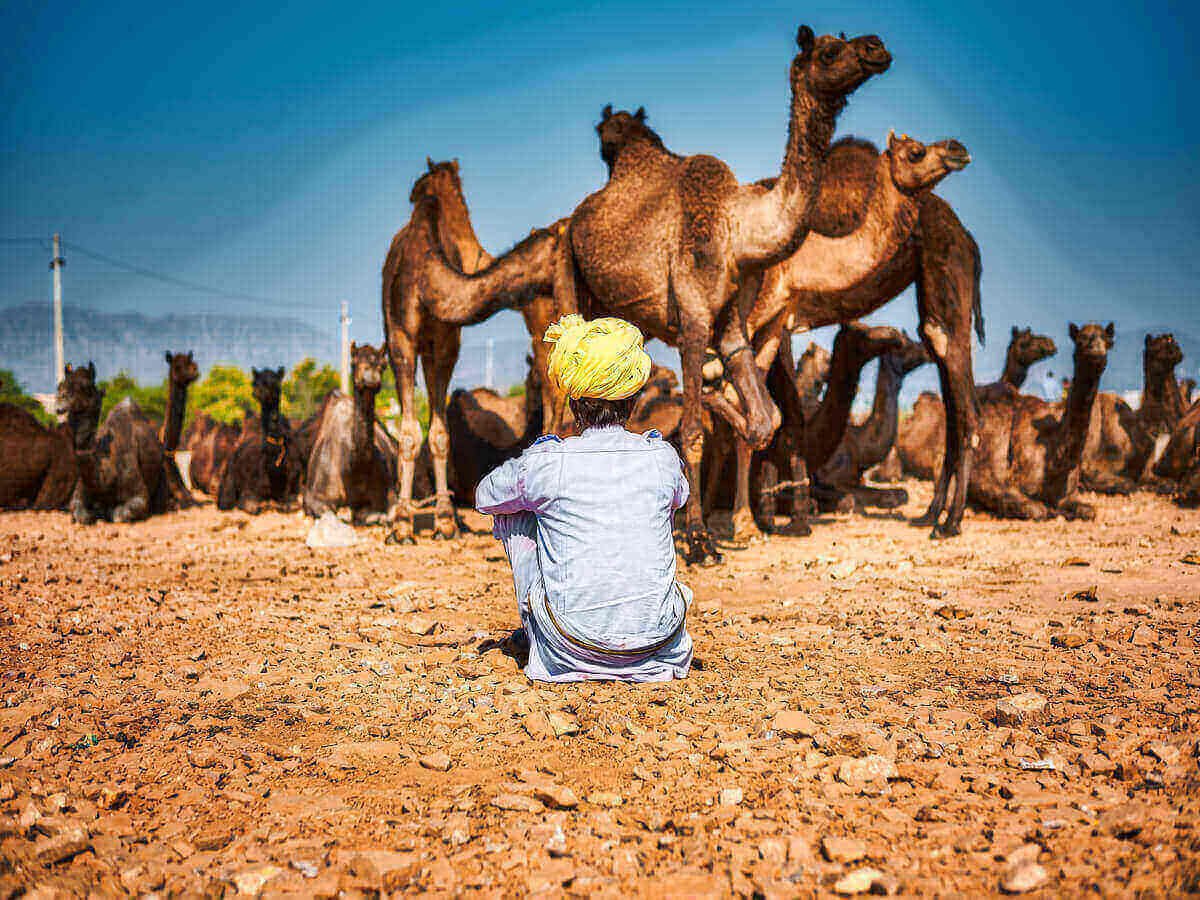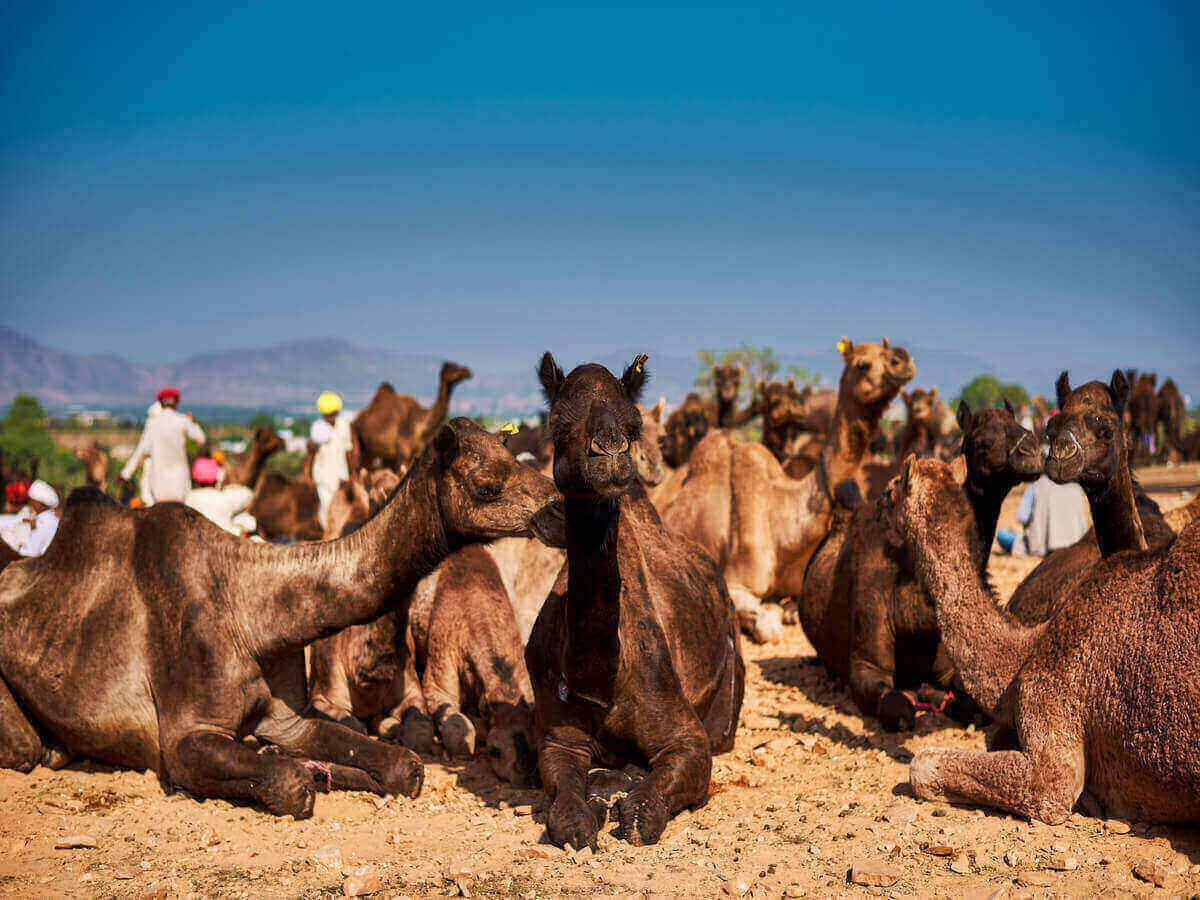
The Best Goat Meat Supplier in Kenya

The Best Goat Meat Supplier in Kenya

Goat meat is one of Kenya’s most treasured sources of protein, enjoyed in homes, restaurants, hotels, nyama choma establishments, catering businesses, and institutions across the country. From traditional family recipes to premium dining experiences, high-quality goat meat continues to play an important role in Kenya’s culinary culture.

As consumer expectations continue to rise, buyers are looking beyond price alone. Freshness, responsible sourcing, hygienic processing, reliable supply, food safety, and professional customer service have become essential considerations when selecting a meat supplier. Whether purchasing for a household or a commercial kitchen, partnering with the right supplier ensures consistently high-quality products and dependable service.

The best goat meat supplier is not simply the one with the largest inventory it is the one that consistently delivers premium products while maintaining rigorous standards throughout the supply chain.

At Soba Renaissance, we are committed to supplying premium fresh goat meat through responsible livestock sourcing, hygienic processing, rigorous quality assurance, professional packaging, and dependable cold-chain logistics. Our goal is to provide customers across Kenya with goat meat that reflects our commitment to quality, sustainability, and customer satisfaction.

This guide explains what makes a supplier truly exceptional and why so many customers trust Soba Renaissance.

What Defines an Excellent Goat Meat Supplier?

A reputable supplier focuses on far more than making sales.

The best suppliers consistently deliver:

  • Premium-quality goat meat.
  • Reliable availability.
  • Professional customer service.
  • Hygienic processing.
  • Safe handling.
  • Consistent product quality.

These qualities build long-term customer confidence.

Consistent Product Quality

Quality should remain consistent with every order.

Customers expect goat meat that is:

  • Fresh.
  • Firm in texture.
  • Properly chilled.
  • Carefully processed.
  • Professionally packaged.

Consistency allows households and businesses to purchase with confidence throughout the year.

Responsible Livestock Sourcing

Quality begins long before processing.

Responsible sourcing supports:

  • Healthy livestock.
  • Ethical production practices.
  • Reliable supply.
  • Product consistency.
  • Sustainable agricultural development.

Soba Renaissance believes responsible sourcing is the foundation of premium meat production.

Hygienic Processing Protects Freshness

Professional meat processing helps preserve product quality while supporting food safety.

A trusted supplier invests in:

  • Clean processing facilities.
  • Hygienic handling procedures.
  • Professional meat preparation.
  • Secure packaging.
  • Quality inspections.

These systems help maintain freshness from processing through delivery.

Cold-Chain Management Matters

Proper temperature control is essential for premium meat.

Reliable cold-chain logistics help preserve:

  • Freshness.
  • Natural texture.
  • Product quality.
  • Food safety.
  • Customer satisfaction.

Continuous refrigeration throughout storage and transportation protects every order.

Reliable Supply for Homes and Businesses

Customers rely on dependable suppliers to meet their needs consistently.

Soba Renaissance proudly serves:

  • Households.
  • Restaurants.
  • Hotels.
  • Nyama choma establishments.
  • Caterers.
  • Supermarkets.
  • Retailers.
  • Institutions.
  • Wholesale buyers.

Reliable supply helps businesses operate smoothly while ensuring households always have access to premium-quality meat.

Professional Customer Service

Outstanding products should be matched by outstanding service.

Customers appreciate suppliers that provide:

  • Prompt communication.
  • Reliable deliveries.
  • Flexible ordering.
  • Professional support.
  • Long-term business partnerships.

Exceptional service builds lasting customer relationships.

Sustainability Supports Long-Term Quality

Responsible meat production requires long-term thinking.

At Soba Renaissance, sustainability is reflected through:

  • Responsible livestock sourcing.
  • Efficient resource management.
  • Reduced operational waste.
  • Continuous improvement.
  • Support for sustainable agricultural practices.

These commitments strengthen both product quality and the future of Kenya’s livestock sector.

Why Customers Choose Soba Renaissance

Customers across Kenya trust Soba Renaissance because we consistently provide:

  • Premium fresh goat meat.
  • Responsibly sourced livestock.
  • Hygienic processing.
  • Rigorous quality assurance.
  • Professional packaging.
  • Reliable cold-chain logistics.
  • Dependable nationwide supply.
  • Consistent product quality.
  • Responsive customer service.
  • Long-term reliability.

Every order reflects our dedication to excellence from source to customer.

Supporting Kenya’s Hospitality Industry

Hotels, restaurants, caterers, and food service businesses require dependable meat suppliers to maintain high service standards.

Soba Renaissance supports commercial customers through:

  • Consistent product availability.
  • Reliable deliveries.
  • Professional packaging.
  • Quality-controlled processing.
  • Flexible supply solutions.

Our commitment allows hospitality businesses to serve customers with confidence.

Frequently Asked Questions

What should I look for in a goat meat supplier?

Look for consistent quality, responsible sourcing, hygienic processing, reliable cold-chain management, professional packaging, dependable supply, and strong customer service.

Why is responsible sourcing important?

Responsible sourcing supports healthy livestock, consistent product quality, sustainable agricultural practices, and long-term supply reliability.

Can Soba Renaissance supply commercial customers?

Yes. We proudly supply households, restaurants, hotels, caterers, supermarkets, institutions, wholesalers, and other food service businesses across Kenya.

Why choose Soba Renaissance?

Soba Renaissance combines responsible livestock sourcing, hygienic processing, rigorous quality assurance, professional packaging, dependable cold-chain logistics, and responsive customer service to deliver premium fresh goat meat throughout Kenya.

Choose a Supplier You Can Trust

Selecting the best goat meat supplier is about more than finding fresh meat it is about partnering with a company that consistently delivers quality, professionalism, reliability, and exceptional customer service.

Whether you are preparing meals for your family, operating a restaurant, managing a hotel, or supplying a catering business, premium goat meat provides the foundation for memorable dining experiences.

At Soba Renaissance, we proudly deliver premium fresh goat meat through responsible livestock sourcing, hygienic processing, rigorous quality assurance, professional packaging, and dependable cold-chain logistics. Every product reflects our commitment to freshness, sustainability, and customer satisfaction.

Choose Soba Renaissance as your trusted goat meat supplier in Kenya and experience premium quality with every order.

Where to Buy Fresh Goat Meat in Nairobi

Where to Buy Fresh Goat Meat in Nairobi

Fresh goat meat remains one of Kenya’s most cherished red meats, enjoyed in homes, nyama choma joints, restaurants, hotels, catering businesses, and institutions throughout Nairobi. Known for its distinctive flavour, versatility, and suitability for a wide range of traditional and contemporary recipes, goat meat continues to be a favourite choice for both everyday meals and special occasions.

As demand for premium-quality meat continues to grow, consumers are becoming more selective about where they purchase their products. Freshness, food safety, hygienic handling, reliable supply, and professional customer service are now just as important as price. Whether you are shopping for your family or sourcing meat for a commercial kitchen, choosing a trusted supplier makes a significant difference in quality and overall value.

At Soba Renaissance, we proudly supply premium fresh goat meat through responsible sourcing, professional processing, rigorous quality assurance, hygienic packaging, and dependable cold-chain logistics. Our commitment is to provide households and businesses across Nairobi with goat meat that consistently meets high standards of freshness, quality, and reliability.

This guide explains where to buy fresh goat meat in Nairobi and what to look for before making your purchase.

Why Buying from the Right Supplier Matters

The supplier you choose directly affects the quality of the meat you receive.

A reliable supplier helps ensure:

  • Fresh, high-quality goat meat.
  • Hygienic processing.
  • Safe handling.
  • Proper refrigeration.
  • Consistent product quality.
  • Professional customer support.

Working with a trusted supplier provides confidence with every purchase.

Look for Freshness First

Fresh goat meat should display clear signs of quality.

When buying, look for:

  • Firm texture.
  • Natural colour.
  • Clean, fresh appearance.
  • Properly chilled products.
  • Minimal excess moisture.
  • Secure packaging.

Avoid meat that appears dry, discolored, poorly packaged, or has an unusual odour.

Choose Suppliers That Prioritise Food Safety

Food safety should never be compromised.

Professional meat suppliers follow strict procedures that include:

  • Hygienic processing.
  • Clean preparation environments.
  • Safe handling practices.
  • Quality inspections.
  • Appropriate storage.
  • Reliable cold-chain management.

These systems help maintain freshness and product integrity.

Consider Product Variety

Different customers have different requirements.

A dependable goat meat supplier should offer a selection of products suitable for:

  • Family meals.
  • Nyama choma.
  • Stews.
  • Curries.
  • Roasting.
  • Hotels.
  • Restaurants.
  • Catering businesses.
  • Wholesale buyers.

Having multiple cuts and portion options provides greater flexibility for every customer.

Reliable Supply Is Essential

Consistency is especially important for businesses that rely on fresh meat every day.

Restaurants, hotels, caterers, supermarkets, butcheries, and institutions benefit from suppliers that can provide:

  • Regular availability.
  • Consistent quality.
  • Timely deliveries.
  • Professional communication.
  • Flexible ordering options.

Reliable supply helps businesses operate efficiently without interruptions.

Professional Packaging Protects Quality

Quality packaging helps preserve freshness from processing to delivery.

Look for suppliers that use packaging designed to:

  • Protect the meat.
  • Prevent contamination.
  • Preserve freshness.
  • Reduce handling risks.
  • Support safe transportation.

Professionally packaged products demonstrate a commitment to quality.

Delivery Convenience in Nairobi

Many customers now prefer suppliers who offer dependable delivery services.

Professional delivery provides:

  • Convenience.
  • Time savings.
  • Reliable scheduling.
  • Proper temperature control.
  • Reduced travel.

For businesses, dependable delivery also simplifies inventory planning and daily operations.

Sustainability and Responsible Sourcing

Today’s consumers increasingly value businesses that operate responsibly.

At Soba Renaissance, our approach includes:

  • Responsible livestock sourcing.
  • Sustainable business practices.
  • Efficient resource management.
  • Professional quality assurance.
  • Continuous operational improvement.

These principles help us deliver premium goat meat while supporting long-term sustainability.

Why Soba Renaissance Is a Trusted Choice

Customers across Nairobi choose Soba Renaissance because we consistently provide:

  • Premium fresh goat meat.
  • Responsibly sourced livestock.
  • Hygienic processing.
  • Rigorous quality assurance.
  • Professional packaging.
  • Reliable cold-chain logistics.
  • Dependable delivery.
  • Consistent product quality.
  • Responsive customer service.
  • Trusted supply for homes and businesses.

Our commitment is to deliver premium meat that customers can purchase with complete confidence.

Who We Serve

Soba Renaissance proudly supplies fresh goat meat to:

  • Households.
  • Restaurants.
  • Hotels.
  • Caterers.
  • Supermarkets.
  • Retailers.
  • Institutions.
  • Corporate kitchens.
  • Wholesale buyers.

Whether you need a single purchase or regular commercial supply, we are committed to meeting your needs with professionalism and consistency.

Frequently Asked Questions

Where can I buy fresh goat meat in Nairobi?

The best option is to buy from a trusted supplier that prioritises freshness, hygienic processing, food safety, reliable cold-chain management, and consistent quality.

How can I tell if goat meat is fresh?

Fresh goat meat should have a firm texture, natural colour, a clean appearance, proper refrigeration, and secure packaging without any unusual odour.

Does Soba Renaissance supply businesses?

Yes. Soba Renaissance supplies households, restaurants, hotels, caterers, supermarkets, institutions, and other commercial customers throughout Nairobi and Kenya.

Why choose Soba Renaissance?

Soba Renaissance combines responsible livestock sourcing, professional processing, rigorous quality assurance, hygienic packaging, dependable cold-chain logistics, and outstanding customer service to deliver premium fresh goat meat you can trust.

Buy Premium Fresh Goat Meat with Confidence

Finding fresh goat meat in Nairobi is about more than choosing the nearest supplier. It is about selecting a partner that values quality, food safety, consistency, and customer satisfaction at every stage of the supply chain.

Whether you are preparing a family meal, planning a celebration, managing a restaurant, or supplying a hospitality business, premium-quality goat meat helps you achieve better cooking results and greater peace of mind.

At Soba Renaissance, we proudly provide premium fresh goat meat through responsible sourcing, professional processing, rigorous quality assurance, hygienic packaging, and dependable cold-chain logistics. Every order reflects our commitment to delivering freshness, reliability, and exceptional quality to customers across Nairobi.

Choose Soba Renaissance for premium fresh goat meat that brings outstanding flavour, dependable quality, and trusted service to every kitchen.

How Local Camel Farmers Are Meeting Kenya’s Growing Demand

How Local Camel Farmers Are Meeting Kenya’s Growing Demand

Camel meat is no longer a specialty enjoyed only in a few regions of Kenya. Today, it is finding its way into family kitchens in Nairobi, restaurant menus, supermarkets, hotels, and food service businesses across the country. As more Kenyans discover its versatility and premium quality, demand continues to rise.

Behind this growing popularity are thousands of dedicated local camel farmers whose hard work makes it possible for consumers to enjoy a reliable supply of premium camel meat. These producers combine generations of livestock knowledge with modern farming practices, helping Kenya’s camel industry evolve while preserving an important part of the country’s agricultural heritage.

Meeting this increasing demand is not simply about raising more camels. It requires responsible livestock management, sustainable farming practices, stronger producer partnerships, professional supply chains, and a commitment to continuous improvement.

At Soba Renaissance, we believe local producers are the foundation of a thriving camel meat industry. By working closely with trusted farmers, investing in responsible sourcing, maintaining rigorous quality standards, and supporting sustainable agriculture, we help connect Kenyan producers with customers who value premium camel meat.

Growing Consumer Interest Is Changing the Market

Consumer preferences are evolving.

More households are looking for locally produced foods, restaurants are expanding their menus, and retailers are responding to increased interest in premium camel meat.

This growing demand creates opportunities throughout the agricultural sector while encouraging producers to invest in better livestock management and stronger production systems.

Local Farmers Remain at the Heart of the Industry

Every premium cut of camel meat begins with dedicated livestock producers.

Across Kenya, local farmers continue to play a central role by:

  • Raising healthy livestock.
  • Managing herds responsibly.
  • Preserving valuable farming knowledge.
  • Supporting local economies.
  • Contributing to national food production.

Their work forms the foundation of Kenya’s growing camel meat industry.

Combining Tradition with Modern Farming Practices

Camel farming has deep cultural roots in Kenya, particularly in arid and semi-arid regions.

Today’s producers are building on this experience while embracing improved farming practices such as:

  • Better herd management.
  • Responsible nutrition planning.
  • Veterinary support.
  • Biosecurity measures.
  • Organised production systems.

This balance between tradition and innovation helps improve consistency while respecting generations of agricultural expertise.

Sustainable Farming Creates Long-Term Success

Meeting growing demand should never come at the expense of long-term sustainability.

Responsible producers focus on practices that support:

  • Efficient resource use.
  • Healthy livestock management.
  • Responsible land stewardship.
  • Continuous operational improvement.
  • Strong farming partnerships.

These efforts help ensure that camel farming remains productive for years to come.

At Soba Renaissance, sustainability is central to the partnerships we build with local producers.

Strong Partnerships Benefit Everyone

No successful agricultural industry operates in isolation.

Local farmers, processors, transport providers, retailers, and suppliers all contribute to delivering premium camel meat to consumers.

Strong partnerships help improve:

  • Product consistency.
  • Supply reliability.
  • Professional standards.
  • Knowledge sharing.
  • Long-term planning.

By working together, the entire supply chain becomes stronger and more resilient.

Professional Supply Chains Expand Market Access

As demand grows, reliable logistics become increasingly important.

Professional supply chains support local farmers by helping their products reach:

  • Households.
  • Restaurants.
  • Hotels.
  • Supermarkets.
  • Retailers.
  • Caterers.
  • Institutions.

Reliable transportation, hygienic processing, professional packaging, and effective cold-chain management help preserve quality from farm to customer.

Investing in Quality Rather Than Quantity

Successful producers understand that long-term growth depends on maintaining high standards.

Rather than focusing only on increasing production, many local farmers continue investing in:

  • Responsible livestock management.
  • Professional husbandry.
  • Better production planning.
  • Sustainable agricultural practices.
  • Continuous improvement.

This commitment helps strengthen customer confidence while supporting premium product quality.

Supporting Rural Communities

The growth of camel farming creates opportunities well beyond individual farms.

The industry supports:

  • Rural employment.
  • Agricultural services.
  • Veterinary professionals.
  • Transport businesses.
  • Meat processors.
  • Retailers.
  • Hospitality businesses.

As local farmers succeed, entire communities benefit through stronger economic activity and greater agricultural resilience.

How Soba Renaissance Supports Local Camel Farmers

At Soba Renaissance, we believe the success of our business is closely connected to the success of Kenya’s livestock producers.

Our commitment includes:

  • Responsible livestock sourcing.
  • Long-term producer partnerships.
  • Sustainable agricultural practices.
  • Professional processing.
  • Rigorous quality assurance.
  • Reliable cold-chain management.
  • Transparent business relationships.
  • Dependable nationwide delivery.

By supporting trusted local farmers, we help create lasting value throughout the supply chain.

Why Customers Choose Soba Renaissance

Customers across Kenya choose Soba Renaissance because we consistently provide:

  • Premium camel meat.
  • Responsible livestock sourcing.
  • Sustainable farming partnerships.
  • Professional processing.
  • Hygienic packaging.
  • Reliable nationwide delivery.
  • Rigorous quality assurance.
  • Transparent customer service.
  • Consistent product quality.
  • A commitment to supporting Kenyan agriculture.

Frequently Asked Questions

Why is demand for camel meat increasing in Kenya?

Growing consumer awareness, expanding culinary interest, stronger supply chains, and greater appreciation for locally produced food are contributing to increased demand.

How are local camel farmers meeting this demand?

They are combining traditional knowledge with improved livestock management, sustainable farming practices, stronger partnerships, and professional production systems.

Why are local producers important?

Local farmers strengthen Kenya’s agricultural sector, support rural communities, contribute to food security, and provide the foundation for a reliable camel meat supply.

Why choose Soba Renaissance?

Soba Renaissance partners with trusted local producers, supports sustainable agriculture, maintains rigorous quality standards, and delivers premium camel meat to customers throughout Kenya.

Local Farmers Are Building the Future of Camel Meat

The future of Kenya’s camel meat industry depends on the dedication of local farmers who continue to adapt, innovate, and invest in responsible livestock production. Their commitment to sustainable farming, professional management, and continuous improvement is helping meet growing consumer demand while preserving an important agricultural tradition.

As more Kenyans choose premium, locally produced food, supporting responsible producers becomes increasingly important. Every purchase helps strengthen rural livelihoods, encourages sustainable agriculture, and contributes to a more resilient food system.

At Soba Renaissance, we are proud to stand alongside Kenya’s local camel farmers. Through responsible livestock sourcing, long-term partnerships, professional processing, and unwavering quality assurance, we bring premium camel meat from trusted producers to homes, restaurants, retailers, and institutions across the country.

Choose Soba Renaissance and support the farmers who are helping shape the future of premium camel meat in Kenya.
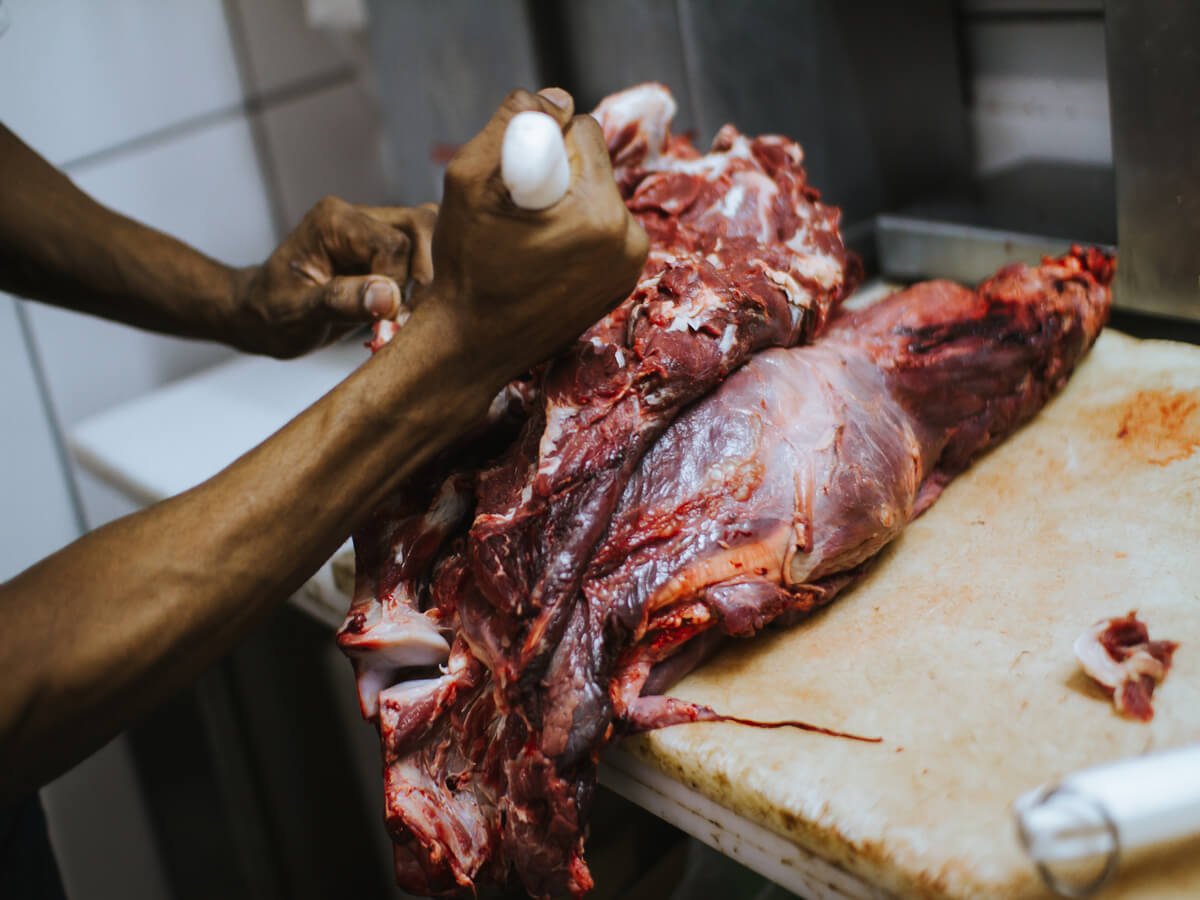
 

The Future of Camel Meat Production in Kenya

The Future of Camel Meat Production in Kenya

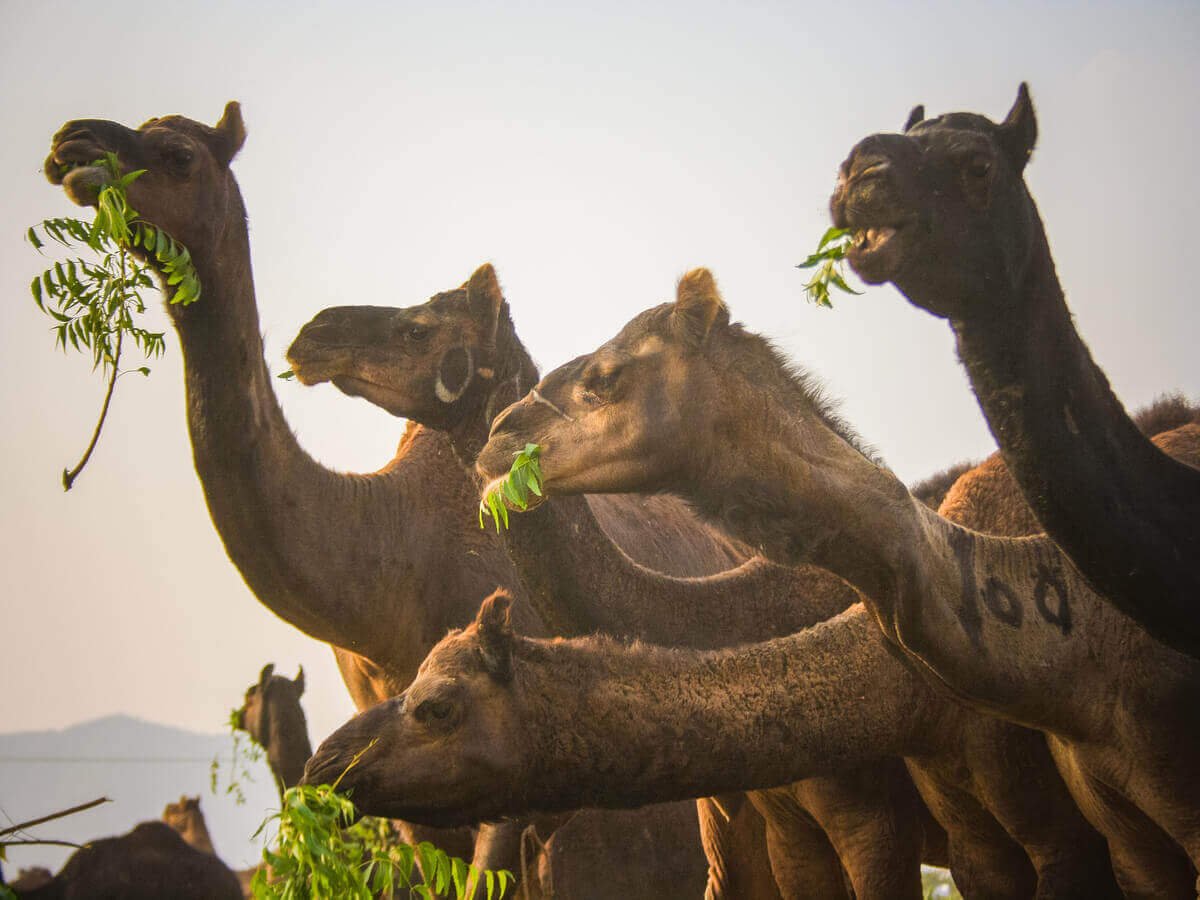
Kenya’s livestock industry is entering an exciting new chapter. As consumer preferences evolve, food systems become more sophisticated, and sustainability takes centre stage, camel meat is emerging as one of the country’s most promising agricultural products.

For generations, camels have played a vital role in supporting pastoral communities across Northern Kenya. Today, however, camel farming is no longer viewed solely as a traditional livelihood. It is becoming an increasingly important part of Kenya’s modern agricultural landscape, supplying households, restaurants, retailers, hotels, and food service businesses with premium-quality meat.

Growing interest in locally produced food, improved farming practices, stronger supply chains, and responsible livestock management are creating new opportunities throughout the industry. Consumers are looking for products that combine quality, transparency, and sustainability, while businesses are investing in systems that deliver greater consistency and long-term value.

At Soba Renaissance, we believe the future of camel meat production is built on innovation, responsible sourcing, sustainable partnerships, and an unwavering commitment to quality. By working closely with trusted livestock producers and continuously improving our operations, we are helping shape the future of premium camel meat in Kenya.
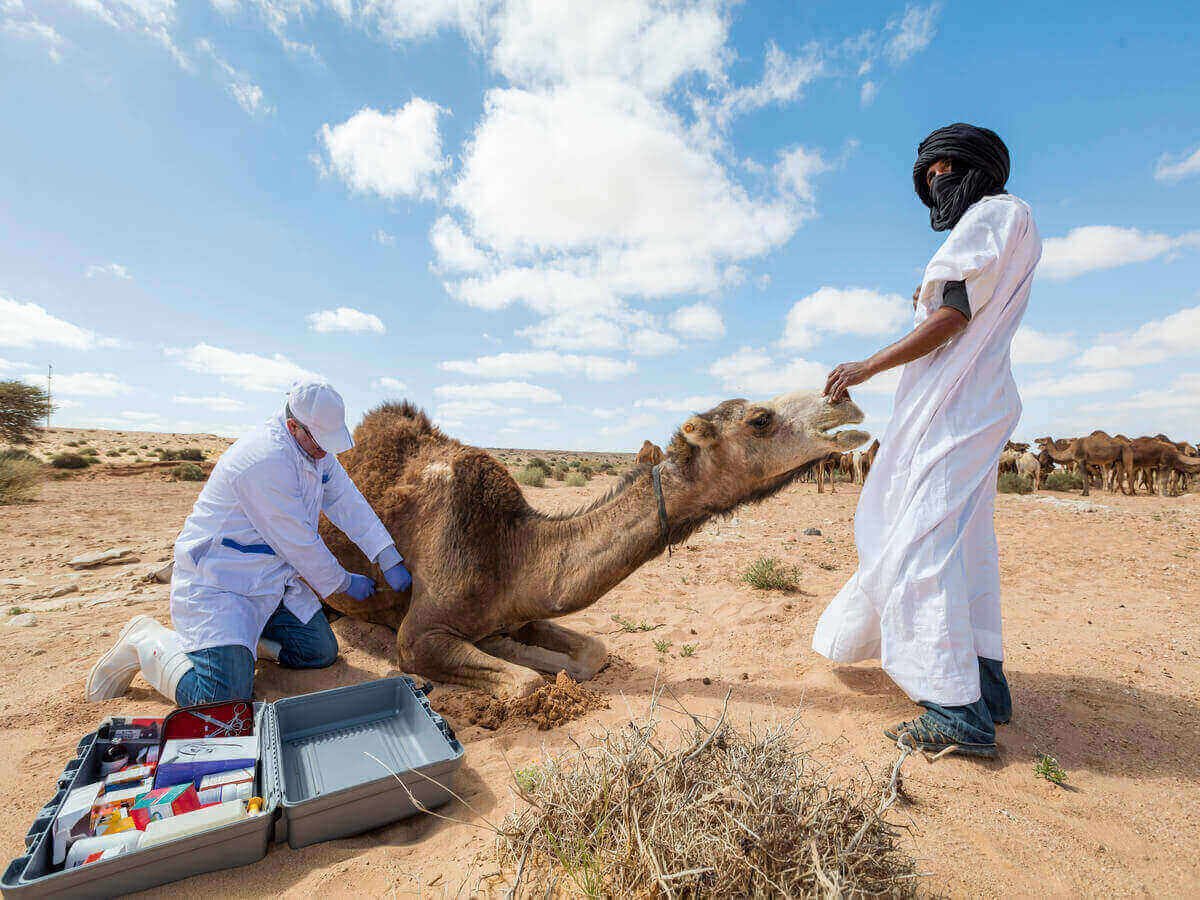
Let’s explore the trends driving this exciting transformation.

Rising Consumer Demand Is Driving Growth

One of the strongest indicators of the industry’s future is increasing consumer interest.

More Kenyan families, restaurants, hotels, supermarkets, and catering businesses are adding camel meat to their menus and shopping lists. As awareness grows, demand continues to expand beyond traditional markets into urban centers such as Nairobi and other major towns.

This growing interest encourages investment across the entire value chain, creating opportunities for producers, processors, distributors, and retailers.

Sustainable Farming Will Define the Next Generation

The future of agriculture depends on sustainability.

Consumers increasingly expect businesses to demonstrate responsible farming practices, efficient resource management, and long-term environmental stewardship.

Modern camel farming is embracing:

  • Responsible livestock sourcing.
  • Sustainable agricultural partnerships.
  • Efficient production systems.
  • Continuous operational improvement.
  • Responsible resource management.

These principles help build resilient farming systems while supporting premium product quality.

Better Production Systems Improve Consistency

As the industry develops, producers continue to adopt improved livestock management practices.

Professional production systems support:

  • Organised farm management.
  • Responsible animal care.
  • Balanced nutrition.
  • Veterinary oversight.
  • Continuous performance improvement.

Greater consistency benefits both producers and consumers by helping maintain reliable quality throughout the supply chain.

Innovation Is Transforming the Industry

Innovation is becoming an important driver of agricultural success.

Across Kenya, livestock businesses are investing in:

  • Modern production planning.
  • Digital record management.
  • Improved logistics.
  • Better inventory management.
  • Advanced quality assurance systems.

These innovations improve operational efficiency while strengthening customer confidence.

Stronger Supply Chains Create New Opportunities

A reliable supply chain is essential for a growing livestock industry.

Future investment will continue improving:

  • Professional processing.
  • Hygienic packaging.
  • Cold-chain management.
  • Efficient transportation.
  • Nationwide distribution.

These improvements help ensure premium camel meat reaches customers in excellent condition.

At Soba Renaissance, we continue to strengthen every stage of our supply chain to deliver dependable quality throughout Kenya.

Traceability Will Become Even More Important

Consumers increasingly want to know the story behind the food they purchase.

Traceability allows suppliers to maintain greater visibility across production while supporting:

  • Product accountability.
  • Responsible sourcing.
  • Quality assurance.
  • Supply chain transparency.
  • Customer confidence.

Businesses that invest in traceability are well positioned to meet the expectations of tomorrow’s consumers.

Supporting Local Agriculture

The future of camel meat production is closely connected to Kenya’s agricultural development.

As demand grows, the industry will continue supporting:

  • Livestock producers.
  • Rural employment.
  • Veterinary professionals.
  • Agricultural suppliers.
  • Food processors.
  • Retail businesses.
  • Hospitality providers.

Strengthening local agriculture creates long-term economic opportunities while improving food security.

Consumer Education Is Expanding the Market

Many Kenyans are discovering camel meat for the first time.

Educational content, responsible marketing, and greater product availability are helping consumers understand:

  • How camel meat is produced.
  • Its versatility in cooking.
  • Responsible sourcing practices.
  • Sustainable livestock farming.
  • The importance of quality assurance.

Well-informed consumers make confident purchasing decisions and help drive sustainable industry growth.

The Role of Soba Renaissance in Kenya’s Future

At Soba Renaissance, we believe leadership means preparing for tomorrow while delivering excellence today.

Our commitment includes:

  • Responsible livestock sourcing.
  • Sustainable agricultural partnerships.
  • Professional processing.
  • Rigorous quality assurance.
  • Reliable cold-chain logistics.
  • Transparent business practices.
  • Continuous innovation.
  • Dependable nationwide delivery.

Every investment we make supports our vision of a stronger, more sustainable camel meat industry in Kenya.

Why Customers Choose Soba Renaissance

Customers throughout Kenya trust Soba Renaissance because we consistently provide:

  • Premium camel meat.
  • Responsible livestock sourcing.
  • Sustainable farming partnerships.
  • Hygienic processing.
  • Professional packaging.
  • Reliable cold-chain management.
  • Rigorous quality assurance.
  • Transparent operations.
  • Exceptional customer service.
  • Consistent product quality.

These values position us to serve both today’s customers and future generations.

Frequently Asked Questions

Why is camel meat production growing in Kenya?

Growing consumer demand, stronger supply chains, sustainable farming practices, improved production systems, and greater awareness are all contributing to industry growth.

What will shape the future of camel farming?

Innovation, responsible livestock management, sustainability, professional processing, quality assurance, and consumer education will continue driving progress.

Why is sustainability important for the future?

Sustainable farming helps strengthen agricultural resilience, supports responsible resource management, and contributes to long-term food production.

Why choose Soba Renaissance?

Soba Renaissance combines responsible livestock sourcing, sustainable agricultural partnerships, professional processing, rigorous quality assurance, and dependable nationwide delivery to provide premium camel meat customers can trust.

Looking Ahead with Confidence

The future of camel meat production in Kenya is full of opportunity. As the industry continues to evolve, responsible farming, innovation, sustainable partnerships, and professional quality standards will play an increasingly important role in meeting the needs of modern consumers. These developments are creating a stronger, more resilient livestock sector that benefits producers, businesses, and families across the country.

At the same time, growing appreciation for locally produced food is encouraging greater investment in Kenya’s agricultural future. Businesses that embrace transparency, continuous improvement, and responsible sourcing will help shape a food system that delivers both quality and sustainability for years to come.

At Soba Renaissance, we are proud to be part of this journey. Through trusted livestock partnerships, sustainable farming initiatives, professional processing, and an unwavering commitment to excellence, we continue to deliver premium camel meat that reflects the future of Kenyan agriculture.

Choose Soba Renaissance and be part of a future where premium camel meat, responsible farming, and sustainable innovation grow together.

Camel Farming and Food Security in Kenya

Camel Farming and Food Security in Kenya

Food security is one of Kenya’s greatest priorities as the country continues to grow, urbanise, and strengthen its agricultural sector. Ensuring that families have consistent access to safe, nutritious, and reliable sources of food requires more than increasing production it demands resilient farming systems, sustainable agricultural practices, and strong partnerships throughout the food supply chain.

Among Kenya’s diverse livestock industries, camel farming is playing an increasingly important role in supporting these goals. Long valued by pastoral communities in the country’s arid and semi-arid regions, camels are now contributing to a broader national conversation about sustainable food production, rural development, and agricultural resilience.

As demand for premium camel meat continues to grow across Nairobi and other urban centers, responsible camel farming is creating new opportunities for producers while strengthening Kenya’s domestic food system.

At Soba Renaissance, we proudly support this progress through responsible livestock sourcing, sustainable agricultural partnerships, professional processing, and dependable nationwide delivery. We believe that investing in responsible camel farming today helps build a stronger and more food-secure Kenya for tomorrow.

Understanding Food Security

Food security means that people have reliable access to food that is:

  • Safe.
  • Nutritious.
  • Consistently available.
  • Affordable.
  • Produced through dependable systems.

Achieving these goals requires a strong agricultural sector capable of supplying high-quality food throughout the year.

Camel farming contributes to this important mission by strengthening local livestock production and supporting resilient food systems.

Camel Farming Supports Reliable Protein Production

Protein is an essential part of a balanced diet, and livestock farming plays a major role in supplying it.

Camel farming contributes by providing premium camel meat to:

  • Families.
  • Restaurants.
  • Hotels.
  • Caterers.
  • Supermarkets.
  • Retailers.
  • Institutions.
  • Food service businesses.

Growing domestic production helps improve food availability while supporting Kenyan agriculture.

Strengthening Local Food Supply Chains

Food security depends on efficient supply chains that connect producers with consumers.

Camel farming supports businesses involved in:

  • Livestock production.
  • Veterinary services.
  • Meat processing.
  • Packaging.
  • Transport.
  • Cold-chain logistics.
  • Wholesale distribution.
  • Retail.

Together, these sectors create an integrated food system that supports reliable product availability across Kenya.

Supporting Rural Communities

Camel farming provides livelihoods for thousands of Kenyans.

The industry creates opportunities for:

  • Livestock producers.
  • Veterinary professionals.
  • Transport operators.
  • Agricultural suppliers.
  • Processors.
  • Retailers.
  • Hospitality businesses.

Supporting responsible camel farming strengthens rural economies while helping create long-term employment opportunities.

Sustainable Agriculture for Future Generations

Food security depends on agricultural systems that remain productive over the long term.

Responsible camel farming encourages:

  • Sustainable livestock management.
  • Responsible resource use.
  • Continuous improvement.
  • Strong agricultural partnerships.
  • Long-term resilience.

These principles help protect Kenya’s agricultural future while supporting growing consumer demand.

Building Consumer Confidence

Modern consumers increasingly value food that is responsibly sourced and professionally produced.

Confidence grows when businesses demonstrate:

  • Responsible livestock sourcing.
  • Sustainable farming.
  • Professional processing.
  • Transparent operations.
  • Rigorous quality assurance.

These standards strengthen trust throughout the food supply chain.

Soba Renaissance Supports Kenya’s Food Security

At Soba Renaissance, we recognise that every premium product contributes to a larger agricultural system.

Our commitment includes:

  • Responsible livestock sourcing.
  • Sustainable agricultural partnerships.
  • Professional processing.
  • Rigorous quality assurance.
  • Reliable cold-chain logistics.
  • Transparent business practices.
  • Continuous improvement.
  • Dependable nationwide delivery.

Through these efforts, we proudly support both premium camel meat and Kenya’s long-term food security.

Frequently Asked Questions

How does camel farming support food security?

Camel farming contributes to reliable protein production, strengthens local food supply chains, supports rural livelihoods, and encourages sustainable agricultural development.

Why is local camel farming important?

Local production strengthens domestic agriculture, supports Kenyan producers, improves food availability, and builds more resilient food systems.

Why choose Soba Renaissance?

Soba Renaissance supports responsible livestock sourcing, sustainable farming partnerships, professional processing, and dependable delivery of premium camel meat across Kenya.

Strong Agriculture Creates Stronger Communities

Food security begins with resilient agriculture. As Kenya continues to strengthen its food systems, responsible camel farming is becoming an increasingly valuable contributor to reliable protein production, sustainable rural development, and resilient agricultural supply chains.

Every responsibly sourced product supports hardworking producers, strengthens local businesses, and contributes to a more secure food future for Kenyan families.

At Soba Renaissance, we are proud to play our part by partnering with trusted livestock producers, investing in sustainable agricultural practices, maintaining rigorous quality standards, and delivering premium camel meat to customers throughout Kenya. Together, we can build a future where quality food, responsible farming, and strong communities continue to thrive.

Why Animal Welfare Matters in Camel Farming

Why Animal Welfare Matters in Camel Farming

The conversation about food is changing across Kenya. Today’s consumers are interested in much more than flavour, price, or convenience. They increasingly want to understand where their food comes from, how it is produced, and whether the businesses they support operate responsibly.

One of the most important parts of responsible livestock farming is animal welfare.

Animal welfare refers to the way livestock are cared for throughout their lives. It encompasses good husbandry, proper nutrition, access to veterinary care, appropriate living conditions, careful handling, and management practices that support the wellbeing of animals.

For camel farming, these principles are especially important. Camels have supported livelihoods across Kenya for generations, particularly in arid and semi-arid regions where they are valued for their resilience and adaptability. Responsible care helps preserve this important agricultural tradition while supporting long-term sustainability and high production standards.

At Soba Renaissance, we believe that responsible livestock sourcing begins with producers who respect both their animals and the communities they serve. By partnering with trusted farmers, investing in sustainable practices, and maintaining rigorous quality assurance, we provide premium camel meat that reflects integrity at every stage.

Understanding Animal Welfare

Animal welfare is about creating conditions that support healthy and well-managed livestock throughout their lives.

Responsible producers focus on:

  • Appropriate nutrition.
  • Access to clean water.
  • Veterinary care.
  • Good husbandry.
  • Safe handling.
  • Regular monitoring.
  • Responsible management.

These practices help create healthy livestock production systems that benefit producers and consumers alike.

Why Welfare Matters Beyond the Farm

Good animal welfare extends far beyond livestock production.

It contributes to:

  • Sustainable agriculture.
  • Stronger farming systems.
  • Consumer confidence.
  • Responsible food production.
  • Long-term agricultural resilience.

Modern consumers increasingly recognise that ethical farming practices help build stronger food systems.

Supporting Responsible Livestock Producers

Livestock producers play a vital role in maintaining high welfare standards.

Responsible management requires knowledge, experience, and ongoing commitment to professional farming practices.

Supporting responsible producers encourages:

  • Better farming standards.
  • Long-term agricultural investment.
  • Rural economic development.
  • Sustainable livestock production.

Soba Renaissance values partnerships with producers who demonstrate these principles every day.

Animal Welfare and Sustainable Agriculture

Sustainability and animal welfare are closely connected.

Healthy livestock management contributes to:

  • Responsible resource use.
  • Efficient farm management.
  • Long-term productivity.
  • Strong agricultural partnerships.
  • Continuous operational improvement.

These practices help ensure livestock farming remains viable for future generations.

Consumer Expectations Continue to Evolve

Today’s shoppers want confidence that the products they purchase come from businesses committed to responsible practices.

Many customers actively look for suppliers that prioritise:

  • Ethical sourcing.
  • Sustainable farming.
  • Transparency.
  • Professional management.
  • Quality assurance.

Meeting these expectations helps build lasting trust.

How Soba Renaissance Supports Responsible Farming

Our commitment includes:

  • Responsible livestock sourcing.
  • Sustainable agricultural partnerships.
  • Professional processing.
  • Rigorous quality assurance.
  • Reliable cold-chain management.
  • Transparent business practices.
  • Continuous improvement.
  • Dependable nationwide delivery.

Every stage reflects our commitment to responsible food production.

Why Customers Choose Soba Renaissance

Customers across Kenya trust Soba Renaissance because we consistently provide:

  • Premium camel meat.
  • Responsible livestock sourcing.
  • Sustainable farming partnerships.
  • Professional processing.
  • Hygienic packaging.
  • Reliable delivery.
  • Transparent customer service.
  • Consistent quality.

Frequently Asked Questions

What is animal welfare in camel farming?

Animal welfare refers to responsible livestock care through appropriate nutrition, veterinary support, good husbandry, safe handling, and professional management.

Why is animal welfare important?

It supports responsible farming, sustainable agriculture, consumer confidence, and long-term livestock production.

Why choose Soba Renaissance?

Soba Renaissance partners with trusted producers who share our commitment to responsible livestock management, sustainability, quality assurance, and premium camel meat.

Responsible Care Builds a Better Future

Animal welfare is more than an agricultural principle it reflects respect for livestock, commitment to responsible farming, and dedication to producing food with integrity. When producers prioritise good husbandry and responsible management, they help strengthen Kenya’s agricultural future while building greater confidence among consumers.

At Soba Renaissance, we proudly support responsible livestock sourcing, sustainable farming partnerships, professional processing, and rigorous quality assurance. These values help us deliver premium camel meat while contributing to a more sustainable and responsible food system across Kenya.


How Proper Camel Nutrition Improves Meat Quality

How Proper Camel Nutrition Improves Meat Quality

Every premium food product begins long before it reaches the customer. In the case of camel meat, quality starts with one of the most important aspects of livestock management proper nutrition.

Consumers often judge meat by its appearance, freshness, tenderness, and consistency, but these qualities are influenced by months and even years of careful animal management. A well-balanced feeding programme supports healthy camel growth, contributes to consistent meat quality, and forms an essential part of responsible livestock production.

As camel meat becomes increasingly popular across Kenya, consumers are also becoming more interested in how livestock is raised. They want to know that the products they purchase come from suppliers who value responsible farming, sustainability, and long-term agricultural excellence.

At Soba Renaissance, we believe premium camel meat begins with responsible livestock sourcing and partnerships with producers who understand that quality starts on the farm. Our commitment to sustainability, professional processing, rigorous quality assurance, and dependable nationwide delivery allows us to provide camel meat that reflects care throughout the production journey.

Nutrition Is the Foundation of Healthy Livestock

Like all animals, camels require balanced nutrition to maintain good health throughout their lives.

Proper nutrition supports:

  • Healthy growth.
  • Daily wellbeing.
  • Strong body condition.
  • Consistent development.
  • Efficient livestock management.

Healthy animals contribute to a more reliable and sustainable livestock production system.

Why Balanced Feeding Matters

Balanced nutrition involves providing camels with appropriate feed that meets their nutritional requirements throughout different stages of growth.

Responsible livestock producers carefully manage feeding programmes to support:

  • Healthy body development.
  • Consistent condition.
  • Efficient production.
  • Animal wellbeing.
  • Long-term productivity.

Good feeding practices form part of responsible livestock management rather than focusing only on production outcomes.

Nutrition Supports Consistent Meat Quality

One of the biggest challenges in livestock production is maintaining consistency.

Well-managed nutrition programmes help producers achieve greater uniformity throughout the herd, resulting in products that meet customer expectations more consistently.

Consistency benefits:

  • Families.
  • Restaurants.
  • Hotels.
  • Retailers.
  • Caterers.
  • Food service providers.

Reliable quality builds long-term customer confidence.

Proper Nutrition Supports Responsible Farming

Responsible farming extends beyond feeding livestock.

However, nutrition remains one of its most important pillars.

Responsible producers combine balanced nutrition with:

  • Good husbandry.
  • Veterinary care.
  • Biosecurity.
  • Continuous monitoring.
  • Sustainable management.

Together, these practices support healthy livestock and stronger agricultural systems.

Sustainability Begins on the Farm

Sustainable agriculture depends on thoughtful resource management and responsible production practices.

Well-planned livestock nutrition contributes to:

  • Efficient farm management.
  • Responsible resource use.
  • Long-term agricultural resilience.
  • Sustainable livestock production.
  • Continuous operational improvement.

At Soba Renaissance, sustainability guides our partnerships with responsible producers who share these values.

Supporting Kenya’s Livestock Industry

Strong livestock management supports the wider agricultural economy.

Responsible producers create opportunities for:

  • Rural communities.
  • Veterinary professionals.
  • Feed suppliers.
  • Transport providers.
  • Processors.
  • Retail businesses.

Every stage contributes to stronger food systems and sustainable economic development.

Why Soba Renaissance Values Responsible Livestock Partnerships

We recognise that premium camel meat begins with responsible producers.

Our commitment includes:

  • Responsible livestock sourcing.
  • Sustainable agricultural partnerships.
  • Professional processing.
  • Rigorous quality assurance.
  • Reliable cold-chain logistics.
  • Transparent business practices.
  • Continuous improvement.

These values help us consistently deliver premium camel meat throughout Kenya.

Frequently Asked Questions

Why is camel nutrition important?

Balanced nutrition supports healthy livestock management, responsible farming practices, and consistent production standards.

Does nutrition influence meat quality?

Proper livestock nutrition contributes to consistent animal development and forms an important part of responsible production systems that support premium meat quality.

Why does Soba Renaissance emphasise responsible sourcing?

Because quality begins long before processing. Working with responsible producers helps support consistency, sustainability, and customer confidence.

Quality Begins with Responsible Nutrition

Premium camel meat reflects months of careful planning, responsible livestock management, and sustainable farming practices. Proper nutrition is one of the key foundations that supports healthy animals, consistent production, and reliable quality.

At Soba Renaissance, we proudly work with trusted producers who share our commitment to responsible livestock sourcing, sustainable agriculture, and professional production. Every product we deliver reflects the belief that exceptional quality starts on the farm and continues through every stage of the journey to your table.

Responsible Camel Farming and Meat Quality

Responsible Camel Farming and Meat Quality

When people buy premium camel meat, they often focus on what they can immediately see the appearance of the meat, the packaging, or the supplier’s reputation. However, the true quality of camel meat begins long before it reaches the butcher’s display, supermarket shelf, or family kitchen.

Behind every premium cut is a story of responsible livestock management, experienced producers, sustainable agricultural practices, and carefully managed supply chains. The way camels are raised, cared for, and handled throughout their lives has a significant influence on the consistency, quality, and reliability of the final product.

Across Kenya, consumers are becoming increasingly interested in food that is responsibly produced and sourced from businesses that value transparency, sustainability, and professionalism. This shift is encouraging higher standards throughout the livestock industry and creating greater appreciation for responsible camel farming.

At Soba Renaissance, we believe exceptional camel meat begins with responsible partnerships. Through ethical livestock sourcing, sustainable agricultural practices, professional processing, rigorous quality assurance, and dependable nationwide delivery, we are committed to providing premium camel meat that reflects care at every stage.

Let’s explore why responsible camel farming plays such an important role in producing quality meat.

Quality Starts Long Before Processing

Many people assume meat quality begins at the processing stage.

In reality, quality starts much earlier.

Every stage of livestock management contributes to the overall consistency of the final product, including:

  • Responsible animal care.
  • Good husbandry practices.
  • Balanced nutrition.
  • Veterinary support.
  • Careful livestock management.
  • Professional handling.

These foundations help create the conditions for premium-quality camel meat.

Responsible Farming Is About Long-Term Commitment

Responsible farming is not defined by one single practice.

Instead, it reflects an ongoing commitment to maintaining high standards throughout the entire livestock production process.

Responsible producers focus on:

  • Animal wellbeing.
  • Sustainable farming methods.
  • Continuous improvement.
  • Professional management.
  • Long-term agricultural success.

This commitment benefits producers, consumers, and the wider agricultural sector.

Healthy Livestock Supports Consistent Quality

Well-managed livestock contributes to greater consistency throughout production.

Responsible farming encourages:

  • Proper nutrition.
  • Appropriate veterinary care.
  • Clean production environments.
  • Regular monitoring.
  • Good management practices.

Consistency throughout the production cycle helps support dependable product quality.

Sustainable Farming and Quality Go Hand in Hand

Sustainability is often associated with environmental responsibility, but it also contributes to maintaining long-term product quality.

Sustainable farming encourages:

  • Responsible resource management.
  • Strong agricultural partnerships.
  • Efficient operations.
  • Long-term planning.
  • Continuous improvement.

Businesses that invest in sustainability are often better positioned to deliver consistent products over time.

At Soba Renaissance, sustainability is integrated into every aspect of our operations because we believe responsible agriculture supports both quality and resilience.

Responsible Sourcing Builds Customer Confidence

Choosing trusted livestock producers is one of the most important quality decisions a supplier can make.

Responsible sourcing helps provide:

  • Greater transparency.
  • Reliable product standards.
  • Strong supplier relationships.
  • Consistent availability.
  • Improved traceability.

Working with trusted partners allows businesses to maintain higher standards across the supply chain.

Professional Handling Preserves Natural Quality

Even responsibly raised livestock requires careful handling throughout production.

Professional systems help preserve quality through:

  • Hygienic handling.
  • Organised processing.
  • Careful preparation.
  • Professional packaging.
  • Reliable storage.

Each stage protects the integrity of the final product before it reaches customers.

Traceability Strengthens Accountability

Consumers increasingly want confidence in the food they purchase.

Traceability supports responsible farming by improving oversight throughout the production process.

It contributes to:

  • Product accountability.
  • Supply chain transparency.
  • Quality assurance.
  • Organised production.
  • Continuous improvement.

At Soba Renaissance, traceability supports our commitment to responsible sourcing and customer confidence.

Supporting Kenyan Livestock Producers

Responsible camel farming also benefits local communities.

By working with trusted producers, businesses help strengthen:

  • Rural livelihoods.
  • Agricultural development.
  • Local employment.
  • Sustainable food production.
  • Domestic supply chains.

Supporting responsible producers contributes to a stronger livestock industry throughout Kenya.

Why Responsible Farming Matters to Consumers

Today’s shoppers are more informed than ever before.

Many people want food that reflects values such as:

  • Sustainability.
  • Transparency.
  • Professionalism.
  • Quality.
  • Responsible sourcing.
  • Community support.

Responsible camel farming gives consumers greater confidence in every purchase.

How Soba Renaissance Upholds Responsible Farming Principles

At Soba Renaissance, responsibility is built into every stage of our operations.

Our commitment includes:

  • Responsible livestock sourcing.
  • Sustainable agricultural partnerships.
  • Professional processing.
  • Rigorous quality assurance.
  • Reliable cold-chain management.
  • Transparent business practices.
  • Continuous operational improvement.
  • Dependable nationwide delivery.

Every product reflects our dedication to maintaining premium standards while supporting Kenyan agriculture.

Why Customers Trust Soba Renaissance

Customers across Kenya continue to choose Soba Renaissance because we consistently deliver:

  • Premium camel meat.
  • Responsible livestock sourcing.
  • Sustainable farming partnerships.
  • Hygienic processing.
  • Professional packaging.
  • Reliable cold-chain logistics.
  • Rigorous quality assurance.
  • Transparent operations.
  • Dependable customer service.
  • Consistent product quality.

These values guide every relationship we build with producers and customers alike.

Frequently Asked Questions

What is responsible camel farming?

Responsible camel farming involves managing livestock through good husbandry, appropriate veterinary care, responsible resource use, sustainable practices, and professional production systems that support long-term quality.

Does responsible farming affect meat quality?

Yes. Responsible farming practices help support consistent livestock management, professional production standards, and reliable product quality throughout the supply chain.

Why is responsible sourcing important?

Responsible sourcing helps maintain transparency, quality assurance, reliable supply, and stronger partnerships between producers and suppliers.

Why choose Soba Renaissance?

Soba Renaissance combines responsible livestock sourcing, sustainable farming partnerships, professional processing, rigorous quality assurance, and dependable nationwide delivery to provide premium camel meat across Kenya.

Better Farming Creates Better Food

Exceptional camel meat is not created by chance. It is the result of countless decisions made throughout the farming and production process from responsible livestock management and trusted sourcing partnerships to professional processing and careful quality assurance. Every stage plays a role in delivering the consistency, reliability, and confidence that today’s consumers expect.

Responsible camel farming also has a broader impact. It supports rural livelihoods, encourages sustainable agricultural development, strengthens local supply chains, and helps build a food system that benefits producers, businesses, and families alike. When quality and responsibility work together, everyone gains.

At Soba Renaissance, we are proud to champion this approach. Through responsible livestock sourcing, sustainable agricultural partnerships, rigorous quality standards, and professional handling from beginning to end, we deliver premium camel meat that reflects our commitment to excellence.

Choose Soba Renaissance for premium camel meat produced with integrity, supported by sustainable farming, and delivered with the quality Kenyan families and businesses can trust.

From Farm to Table: The Journey of Camel Meat

From Farm to Table: The Journey of Camel Meat

Every great meal has a story.

When you prepare a delicious camel meat stew for your family, serve grilled camel meat at a restaurant, or enjoy a perfectly cooked roast during a special occasion, you’re experiencing the final chapter of a much longer journey one that begins long before the meat reaches your kitchen.

Behind every premium cut is a network of hardworking livestock producers, skilled professionals, quality assurance teams, logistics experts, and trusted suppliers working together to preserve quality from start to finish.

As camel meat continues to gain popularity across Kenya, consumers are becoming more interested in where their food comes from and how it reaches their tables. They want products that are responsibly sourced, professionally handled, and supplied by businesses committed to sustainability, transparency, and consistent quality.

At Soba Renaissance, we believe every stage matters. Our farm-to-table approach combines responsible livestock sourcing, sustainable partnerships, professional processing, rigorous quality assurance, dependable cold-chain management, and reliable delivery to provide premium camel meat that customers across Kenya can trust.

Let’s follow the remarkable journey from farm to table.

Every Journey Begins with Responsible Livestock Producers

The story starts with the people who dedicate themselves to raising livestock.

Across Northern Kenya and other camel-rearing regions, livestock producers play a vital role in preserving generations of agricultural knowledge while contributing to Kenya’s growing food industry.

Responsible livestock production focuses on:

  • Good animal husbandry.
  • Appropriate nutrition.
  • Veterinary care.
  • Biosecurity practices.
  • Responsible herd management.
  • Long-term sustainability.

These foundations help support healthy livestock and consistent product quality.

At Soba Renaissance, we value partnerships with trusted producers who share our commitment to excellence.

Responsible Sourcing Creates Confidence

Choosing the right livestock is one of the most important steps in maintaining quality.

Responsible sourcing is about building long-term relationships with producers who demonstrate professionalism, reliability, and a commitment to sustainable agriculture.

Strong sourcing partnerships help provide:

  • Consistent quality.
  • Reliable supply.
  • Greater transparency.
  • Improved planning.
  • Long-term agricultural development.

Responsible sourcing benefits both producers and customers.

Professional Processing Preserves Quality

Once livestock enters the production process, careful handling becomes essential.

Professional processing helps preserve the natural characteristics of premium camel meat through organised procedures designed to maintain consistency and product integrity.

This includes:

  • Hygienic handling.
  • Professional preparation.
  • Organised production systems.
  • Careful packaging.
  • Continuous quality monitoring.

Every stage contributes to delivering a premium product customers can trust.

Quality Assurance Guides Every Step

Quality does not happen by accident.

It is maintained through structured systems that monitor every stage of production.

Quality assurance supports:

  • Product consistency.
  • Organised operations.
  • Professional standards.
  • Continuous improvement.
  • Customer satisfaction.

Rather than relying on inspection alone, quality is built into the entire production process.

Packaging Protects More Than Appearance

Many people see packaging simply as a way to transport meat.

In reality, professional packaging plays an essential role in preserving product quality.

Quality packaging helps:

  • Protect the meat during handling.
  • Support freshness.
  • Improve storage.
  • Maintain presentation.
  • Enhance customer convenience.

At Soba Renaissance, we recognise that excellent packaging reflects the same care invested throughout the production journey.

Cold-Chain Management Keeps Quality Intact

The journey does not end after packaging.

Maintaining appropriate temperatures during storage and transportation helps preserve the quality customers expect.

Reliable cold-chain management includes:

  • Refrigerated storage.
  • Temperature-controlled logistics where required.
  • Careful transport planning.
  • Efficient delivery scheduling.

Maintaining product integrity throughout distribution is a critical part of the farm-to-table process.

Delivering Across Kenya

Today’s customers expect convenience without compromising quality.

Professional distribution networks make it possible for premium camel meat to reach:

  • Families.
  • Restaurants.
  • Hotels.
  • Caterers.
  • Supermarkets.
  • Retailers.
  • Institutions.
  • Food service businesses.

Reliable logistics connect trusted producers with customers throughout Nairobi and Kenya.

Supporting Sustainable Agriculture Along the Way

Every stage of the farm-to-table journey offers opportunities to strengthen sustainability.

At Soba Renaissance, our approach includes:

  • Responsible livestock sourcing.
  • Support for Kenyan producers.
  • Efficient resource management.
  • Reduced operational waste.
  • Continuous improvement.
  • Long-term agricultural partnerships.

These practices help build stronger food systems while supporting future generations.

Building Customer Trust Through Transparency

Consumers increasingly want to understand the story behind their food.

Transparency helps build lasting confidence by demonstrating that products have been responsibly sourced, professionally handled, and carefully delivered.

Our commitment includes:

  • Responsible sourcing.
  • Professional production.
  • Quality assurance.
  • Sustainable operations.
  • Honest communication.

Trust grows when customers know how their food reaches them.

Every Meal Supports Kenyan Agriculture

Every purchase of responsibly sourced camel meat contributes to a much larger agricultural ecosystem.

Behind every meal are people working in:

  • Livestock farming.
  • Veterinary services.
  • Processing.
  • Packaging.
  • Transportation.
  • Retail.
  • Hospitality.
  • Customer service.

Supporting responsible businesses helps strengthen Kenya’s agricultural future while creating opportunities across the supply chain.

Why Soba Renaissance Is Trusted Across Kenya

Customers choose Soba Renaissance because we combine every stage of the farm-to-table journey into one commitment to excellence.

Our promise includes:

  • Premium camel meat.
  • Responsible livestock sourcing.
  • Sustainable agricultural partnerships.
  • Hygienic processing.
  • Professional packaging.
  • Reliable cold-chain management.
  • Rigorous quality assurance.
  • Transparent business practices.
  • Dependable nationwide delivery.
  • Outstanding customer service.

Every order reflects the same dedication from farm to table.

Frequently Asked Questions

What does “farm to table” mean?

Farm to table refers to the complete journey food takes from responsible production through processing, packaging, transportation, and delivery before reaching the customer.

Why is every stage important?

Each stage helps preserve product quality, consistency, freshness, and customer confidence while supporting responsible food production.

How does Soba Renaissance support sustainable farming?

We work with trusted livestock producers, promote responsible sourcing, invest in professional processing, maintain rigorous quality assurance, and operate with sustainability at the centre of our business.

Why choose Soba Renaissance?

Soba Renaissance delivers premium camel meat through responsible sourcing, sustainable partnerships, professional processing, dependable cold-chain management, and reliable nationwide delivery across Kenya.

Every Great Meal Begins Long Before the Kitchen

The journey of camel meat is a story of collaboration, care, and commitment. From the dedication of livestock producers in Kenya’s pastoral regions to the expertise of processing teams, logistics professionals, and customer service specialists, every stage contributes to the quality that eventually reaches your plate.

Understanding this journey also reminds us that great food is about more than flavour. It reflects responsible sourcing, sustainable agriculture, professional standards, and the relationships built between producers, businesses, and consumers. Every carefully managed step helps preserve quality while supporting communities and strengthening Kenya’s agricultural sector.

At Soba Renaissance, we are proud to be part of every chapter of that journey. Through responsible livestock sourcing, sustainable farming partnerships, professional processing, rigorous quality assurance, and dependable nationwide delivery, we ensure that premium camel meat reaches Kenyan homes and businesses with the quality, consistency, and care it deserves.

Choose Soba Renaissance and experience premium camel meat with a story that begins on trusted Kenyan farms and ends around your table.

Why Camel Farming Is Growing in Kenya

Why Camel Farming Is Growing in Kenya

Kenya’s agricultural sector is constantly evolving. Farmers, businesses, and consumers are adapting to changing market demands, new opportunities, and the growing need for resilient food production systems. Among the sectors experiencing remarkable growth is camel farming.

Once viewed primarily as a livelihood for pastoral communities in Northern Kenya, camel farming is now gaining recognition across the country as an important contributor to agriculture, food production, and economic development. From Nairobi restaurants introducing camel meat to their menus to families exploring new protein options for home cooking, interest in camel products continues to rise.

This growth is being driven by more than changing tastes. Consumers are increasingly seeking locally sourced foods, businesses are investing in stronger supply chains, and producers are embracing responsible farming practices that support long-term sustainability. Together, these developments are helping camel farming become one of Kenya’s most promising livestock industries.

At Soba Renaissance, we proudly support this progress by working with trusted livestock producers, promoting responsible sourcing, investing in professional processing, and delivering premium camel meat to customers across Kenya. We believe the future of camel farming lies in quality, sustainability, and strong partnerships that benefit both producers and consumers.

So, what is driving the growth of camel farming in Kenya?

Rising Demand for Camel Meat

One of the biggest reasons camel farming is expanding is simple more people are choosing camel meat.

Across Kenya, households, restaurants, hotels, supermarkets, and food service businesses are discovering its versatility and incorporating it into a wider range of meals.

This growing demand encourages producers to expand production while creating new opportunities throughout the supply chain.

As consumer awareness increases, camel meat is becoming an increasingly familiar choice in Kenyan kitchens.

Greater Appreciation for Local Foods

Kenyans are increasingly embracing locally produced food.

Many consumers want to support domestic agriculture by purchasing products sourced within the country. They appreciate knowing that their choices contribute to Kenyan businesses, local producers, and rural communities.

Choosing locally sourced camel meat helps strengthen:

  • Local livestock farming.
  • Domestic supply chains.
  • Rural livelihoods.
  • Agricultural development.
  • National food production.

This renewed appreciation for Kenyan products is helping drive the industry’s growth.

Expanding Culinary Experiences

Kenya’s food culture has become more adventurous.

Chefs, restaurants, food festivals, and home cooks are constantly introducing new flavours and traditional dishes to modern audiences.

Camel meat has become part of this culinary evolution because it offers opportunities for:

  • Traditional recipes.
  • Contemporary cuisine.
  • Grilled dishes.
  • Slow-cooked meals.
  • Family favourites.
  • Restaurant menus.

Its versatility continues to attract both experienced chefs and curious home cooks.

New Business Opportunities

Growing demand creates new opportunities throughout the agricultural value chain.

Camel farming supports businesses involved in:

  • Livestock production.
  • Veterinary services.
  • Transport and logistics.
  • Professional meat processing.
  • Packaging.
  • Wholesale distribution.
  • Retail.
  • Hospitality.
  • Food service.

As the industry grows, more businesses benefit from increased commercial activity.

Professional Supply Chains Are Improving Access

In the past, camel meat was less accessible outside traditional production areas.

Today, improved supply chains make it easier for customers throughout Nairobi and Kenya to purchase premium camel meat.

Professional supply chains include:

  • Responsible sourcing.
  • Hygienic processing.
  • Reliable packaging.
  • Cold-chain management.
  • Efficient nationwide distribution.

At Soba Renaissance, we are proud to contribute to these improvements by connecting trusted producers with customers across Kenya.

Sustainability Is Shaping Agriculture

Modern agriculture is increasingly focused on sustainability.

Businesses and consumers alike recognise the importance of supporting farming systems that encourage responsible resource management, long-term agricultural resilience, and strong community partnerships.

Soba Renaissance supports sustainable camel farming through:

  • Responsible livestock sourcing.
  • Efficient operational practices.
  • Long-term producer relationships.
  • Continuous improvement.
  • Support for Kenyan agriculture.

Sustainability helps create lasting value for producers, businesses, and consumers alike.

Technology and Better Farming Practices

Agriculture across Kenya continues to benefit from improved knowledge and better production systems.

Camel farmers are increasingly adopting practices that support:

  • Better livestock management.
  • Improved animal care.
  • Professional quality standards.
  • Efficient operations.
  • Organised production planning.

Continuous improvement strengthens the industry’s ability to meet growing demand while maintaining high standards.

Supporting Rural Development

Camel farming contributes to economic opportunities in many parts of Kenya.

As the industry grows, it supports:

  • Employment.
  • Small businesses.
  • Agricultural services.
  • Local investment.
  • Community development.
  • Rural entrepreneurship.

Strong agricultural industries create stronger communities.

Consumer Confidence Continues to Grow

Consumers are increasingly looking for trusted suppliers that provide premium products with transparency and professionalism.

Confidence grows when businesses demonstrate:

  • Responsible sourcing.
  • Consistent quality.
  • Hygienic processing.
  • Reliable delivery.
  • Sustainable operations.
  • Excellent customer service.

These qualities encourage more people to try camel meat and become repeat customers.

Soba Renaissance Supports Kenya’s Growing Camel Meat Industry

At Soba Renaissance, we believe growth should benefit everyone involved in the supply chain.

Our commitment includes:

  • Responsible livestock sourcing.
  • Sustainable agricultural partnerships.
  • Professional processing.
  • Rigorous quality assurance.
  • Reliable cold-chain management.
  • Transparent business practices.
  • Continuous operational improvement.
  • Dependable nationwide delivery.

Every order supports our vision of strengthening Kenya’s agricultural future while delivering premium camel meat customers can trust.

Why Customers Choose Soba Renaissance

Customers throughout Nairobi and Kenya choose Soba Renaissance because we consistently provide:

  • Premium camel meat.
  • Responsible livestock sourcing.
  • Sustainable operations.
  • Hygienic processing.
  • Professional packaging.
  • Reliable cold-chain logistics.
  • Rigorous quality assurance.
  • Transparent customer service.
  • Dependable delivery.
  • Consistent product quality.

These values have made Soba Renaissance a trusted partner for households, restaurants, retailers, and food service businesses across Kenya.

Frequently Asked Questions

Why is camel farming becoming more popular in Kenya?

Growing consumer demand, expanding culinary interest, stronger supply chains, sustainable farming practices, and increased support for local agriculture are all contributing to the industry’s growth.

How does camel farming benefit Kenya?

Camel farming supports rural livelihoods, creates employment, strengthens local supply chains, contributes to food production, and promotes agricultural development.

Why are more people buying camel meat?

Many consumers appreciate locally sourced foods, enjoy exploring new culinary experiences, and value products supplied by trusted businesses committed to quality and sustainability.

Why choose Soba Renaissance?

Soba Renaissance proudly supplies premium camel meat through responsible livestock sourcing, sustainable operations, professional processing, rigorous quality assurance, and dependable nationwide delivery.

The Future of Camel Farming Looks Bright

Camel farming is no longer viewed as a niche agricultural activity. It has become an important part of Kenya’s evolving food system, creating opportunities for farmers, businesses, and consumers alike. As interest in locally produced food continues to grow, camel farming is helping strengthen rural economies, improve food supply chains, and celebrate the diversity of Kenyan agriculture.

Its growth also reflects changing consumer values. People increasingly want food that is responsibly sourced, professionally handled, and connected to sustainable production systems. Businesses that invest in these principles are helping shape a stronger future for Kenya’s livestock industry.

At Soba Renaissance, we are proud to be part of this transformation. Through responsible livestock sourcing, sustainable partnerships, professional processing, and dependable nationwide delivery, we bring premium camel meat from trusted Kenyan producers to homes, restaurants, retailers, and institutions across the country.

Choose Soba Renaissance and support a future where premium camel meat, sustainable agriculture, and Kenyan innovation continue to grow together.