

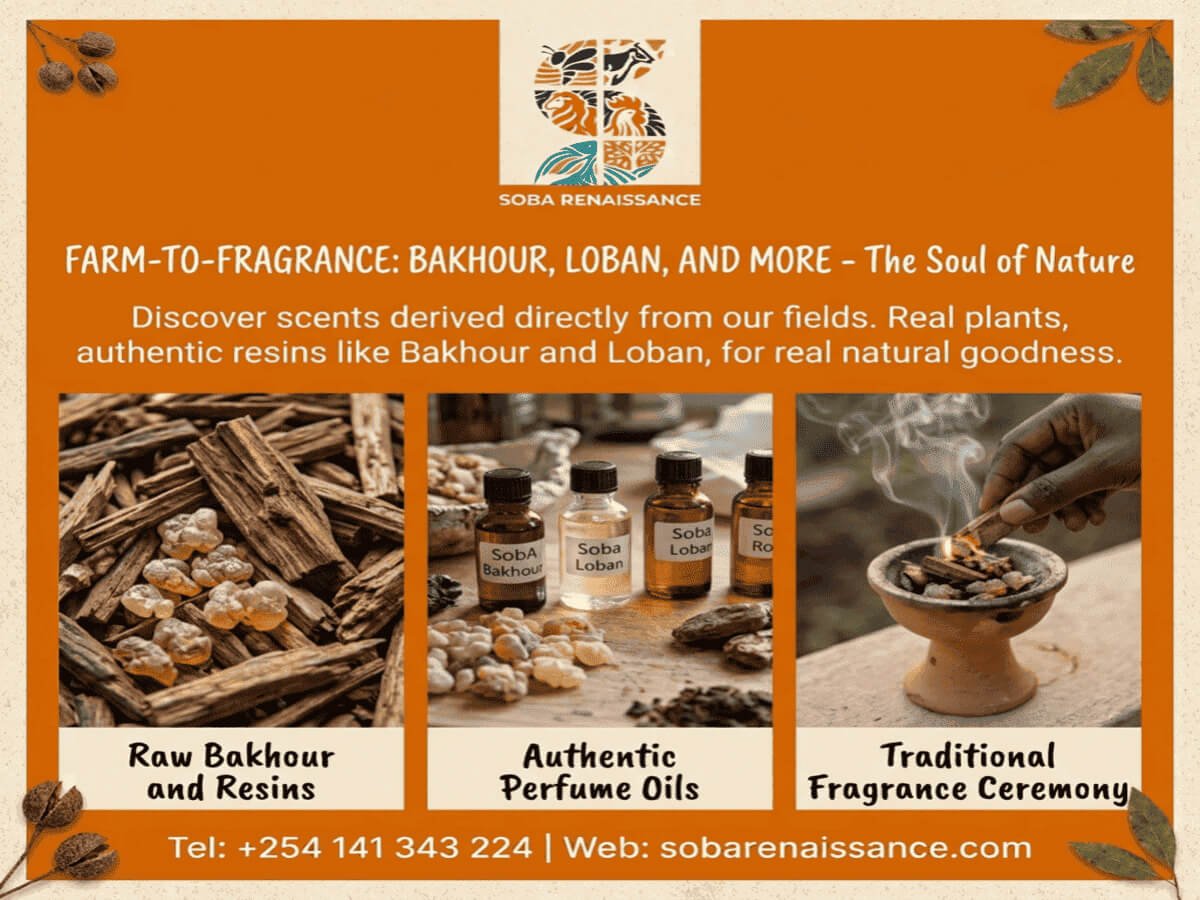
Looking Beyond the Finished Product
Food and agricultural products reach consumers through a series of decisions that are easy to overlook. From Farm Plants to Natural Fragrances is an opportunity to examine those decisions more carefully. For Soba Renaissance, agriculture includes producing animal feed, growing fruits and vegetables, raising livestock and exploring natural botanicals. Each activity offers a different perspective on responsible production.
This guide looks at the steps that shape botanical fragrance materials, explains the significance of cultivation, harvesting, drying and extraction, and offers practical considerations for farmers and consumers. It is intended to build understanding rather than promise that any single practice automatically makes a product healthier, safer or certified organic.
1. Why This Topic Matters
The central issue is the steps that shape botanical fragrance materials. Decisions made at this stage can affect the efficiency, consistency and accountability of agricultural operations. For example, attention to cultivation, harvesting, drying and extraction can help producers identify what needs monitoring and where improvements may be possible.
It is useful to distinguish good intentions from verified outcomes. A practice may be promising, but its real value depends on implementation, local conditions, accurate records and regular evaluation. This distinction matters both for farm managers making operational decisions and for customers assessing product claims.
2. Understanding the Main Components
1. Cultivation
Cultivation is an important consideration within botanical extraction. Its significance depends on the specific crop, animal, plant material or production system involved. Good practice begins by identifying the intended purpose, the relevant risks and the appropriate methods for evaluating results. Farm records, observation and credible technical guidance can help turn this consideration into a practical management decision.
2. Harvesting
Harvesting is an important consideration within botanical extraction. Its significance depends on the specific crop, animal, plant material or production system involved. Good practice begins by identifying the intended purpose, the relevant risks and the appropriate methods for evaluating results. Farm records, observation and credible technical guidance can help turn this consideration into a practical management decision.
3. Drying and extraction
Drying and extraction is an important consideration within botanical extraction. Its significance depends on the specific crop, animal, plant material or production system involved. Good practice begins by identifying the intended purpose, the relevant risks and the appropriate methods for evaluating results. Farm records, observation and credible technical guidance can help turn this consideration into a practical management decision.
3. Common Misunderstandings to Avoid
A common mistake is confusing farm-grown with automatically pure. Such assumptions can obscure differences between farming methods, actual outcomes and claims that require verification. Terms such as organic, natural, clean and ethical have different meanings in different contexts; where certification or a particular standard is claimed, evidence should be available.
Another mistake is treating one good practice as proof that every stage of production is well managed. Agricultural quality depends on interconnected factors, including hygiene, appropriate inputs, worker knowledge, storage, handling and relevant safety controls. An honest assessment considers the whole system.
4. Practical Steps Farmers Can Take
An actionable starting point is to document extraction methods and ingredient origins. This can be supported by clear responsibilities, simple written procedures and periodic reviews. Farms do not always need complicated systems to begin improving; consistent records and regular checks often reveal where the most important problems occur.
For botanical extraction, suitable monitoring may include dates, quantities, observations, sourcing information, maintenance needs or other indicators appropriate to the activity. Farmers should choose measures that genuinely reflect their objectives rather than collecting data without a plan to use it.
When decisions involve animal health, food safety, chemical exposure or product certification, farmers should consult appropriately qualified professionals and follow applicable standards. Advice should be adapted to local conditions rather than copied indiscriminately from another operation.
5. What Consumers Can Look For
Consumers do not need to become farming specialists to ask useful questions. They can ask how producers approach the steps that shape botanical fragrance materials, what information is available about inputs and handling, and whether any advertised certifications can be verified. Specific answers are generally more informative than broad assurances.
Consumers can also pay attention to appropriate product storage, handling instructions and realistic claims. A transparent producer should be able to explain what is known, what is monitored and where limitations remain. This creates a more meaningful basis for trust.
6. Connecting the Topic to Sustainability
From Farm Plants to Natural Fragrances also connects to the wider discussion about sustainable agriculture. Sustainability considers environmental stewardship, practical economics, animal and human well-being, and the ability of farms to remain productive over time. Careful processing influences fragrance quality, but it should be evaluated alongside other impacts rather than treated as a complete sustainability measure.
Waste prevention, resource planning, soil stewardship and responsible handling can each contribute to better outcomes. Their relative importance varies between farms, seasons and product categories. Continuous improvement requires acknowledging those differences and measuring progress where possible.
7. The Soba Renaissance Perspective
At Soba Renaissance, we aim to connect our agricultural work with consumer education. Our involvement in animal feed, farm produce, livestock products and botanicals provides opportunities to discuss the steps that shape botanical fragrance materials in a practical way. We believe informed conversations help customers understand the journey behind agricultural products.
We also recognize the importance of precise language. Farming practices and product claims should be described accurately; organic certification, particular quality results and environmental benefits should not be assumed without appropriate evidence. Transparency means communicating both what a producer does and what can be substantiated.
8. Frequently Asked Questions
Why should I learn about botanical extraction?
Because it helps explain the decisions behind agricultural production and makes it easier to assess information about the steps that shape botanical fragrance materials.
Does one good farming practice guarantee a better product?
No. Product outcomes depend on multiple factors, including appropriate inputs, safety controls, handling and the conditions of production.
Is natural the same as certified organic?
No. Natural is not necessarily a certification claim. Organic claims may require compliance with specific standards and independent verification.
What is one useful first step for a farm?
A practical first step is to document extraction methods and ingredient origins, then document observations and review results.
How can consumers ask better questions?
Ask for specific information about sourcing, production practices, handling and any certification or testing that is being advertised.
Knowledge Makes Responsible Choices Possible
From Farm Plants to Natural Fragrances reminds us that responsible agriculture is built through many connected decisions. Understanding cultivation, harvesting, drying and extraction can help producers improve their practices and help consumers ask more meaningful questions. Careful processing influences fragrance quality.
Soba Renaissance welcomes conversations about farming, agricultural products and the practical steps that support more informed food choices.