

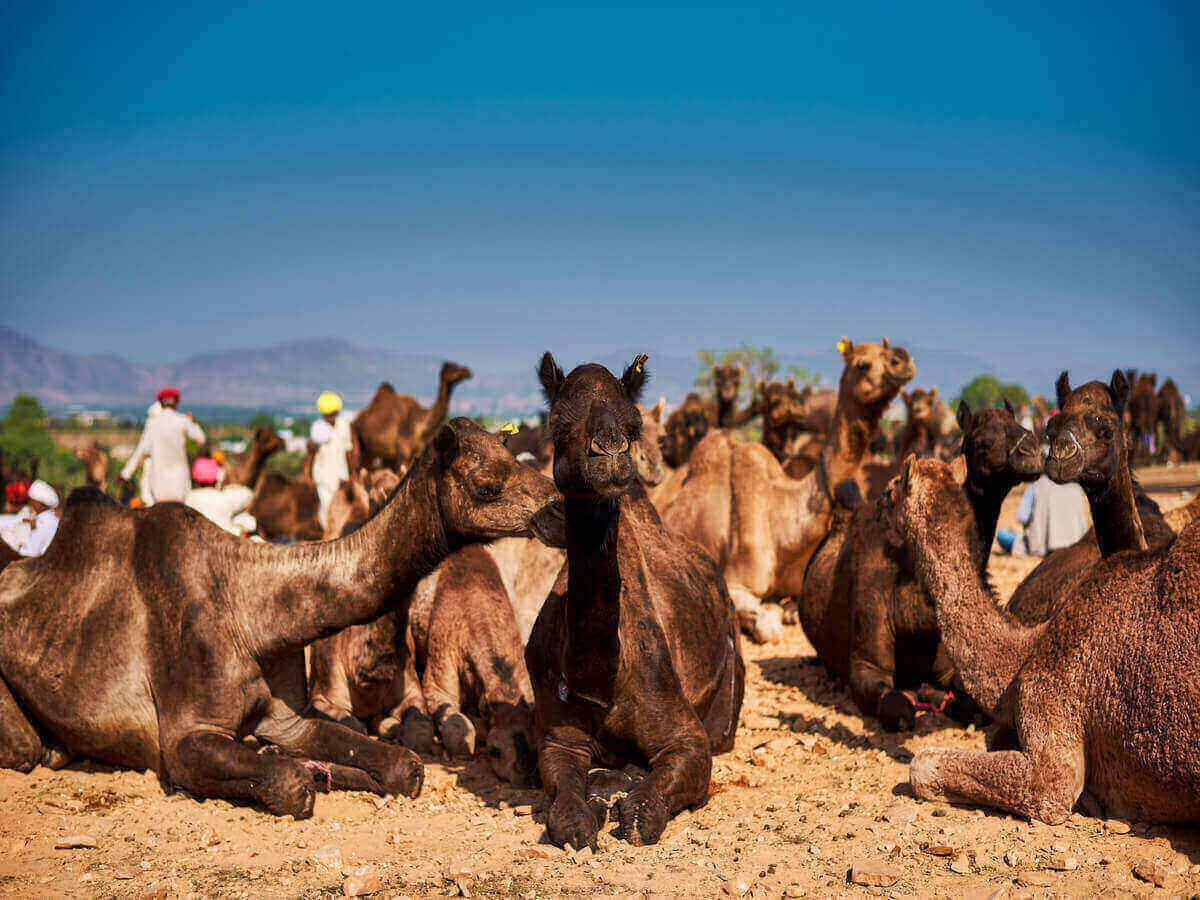
How Local Camel Farmers Are Meeting Kenya’s Growing Demand
Camel meat is no longer a specialty enjoyed only in a few regions of Kenya. Today, it is finding its way into family kitchens in Nairobi, restaurant menus, supermarkets, hotels, and food service businesses across the country. As more Kenyans discover its versatility and premium quality, demand continues to rise.
Behind this growing popularity are thousands of dedicated local camel farmers whose hard work makes it possible for consumers to enjoy a reliable supply of premium camel meat. These producers combine generations of livestock knowledge with modern farming practices, helping Kenya’s camel industry evolve while preserving an important part of the country’s agricultural heritage.
Meeting this increasing demand is not simply about raising more camels. It requires responsible livestock management, sustainable farming practices, stronger producer partnerships, professional supply chains, and a commitment to continuous improvement.
At Soba Renaissance, we believe local producers are the foundation of a thriving camel meat industry. By working closely with trusted farmers, investing in responsible sourcing, maintaining rigorous quality standards, and supporting sustainable agriculture, we help connect Kenyan producers with customers who value premium camel meat.
Growing Consumer Interest Is Changing the Market
Consumer preferences are evolving.
More households are looking for locally produced foods, restaurants are expanding their menus, and retailers are responding to increased interest in premium camel meat.
This growing demand creates opportunities throughout the agricultural sector while encouraging producers to invest in better livestock management and stronger production systems.
Local Farmers Remain at the Heart of the Industry
Every premium cut of camel meat begins with dedicated livestock producers.
Across Kenya, local farmers continue to play a central role by:
- Raising healthy livestock.
- Managing herds responsibly.
- Preserving valuable farming knowledge.
- Supporting local economies.
- Contributing to national food production.
Their work forms the foundation of Kenya’s growing camel meat industry.
Combining Tradition with Modern Farming Practices
Camel farming has deep cultural roots in Kenya, particularly in arid and semi-arid regions.
Today’s producers are building on this experience while embracing improved farming practices such as:
- Better herd management.
- Responsible nutrition planning.
- Veterinary support.
- Biosecurity measures.
- Organised production systems.
This balance between tradition and innovation helps improve consistency while respecting generations of agricultural expertise.
Sustainable Farming Creates Long-Term Success
Meeting growing demand should never come at the expense of long-term sustainability.
Responsible producers focus on practices that support:
- Efficient resource use.
- Healthy livestock management.
- Responsible land stewardship.
- Continuous operational improvement.
- Strong farming partnerships.
These efforts help ensure that camel farming remains productive for years to come.
At Soba Renaissance, sustainability is central to the partnerships we build with local producers.
Strong Partnerships Benefit Everyone
No successful agricultural industry operates in isolation.
Local farmers, processors, transport providers, retailers, and suppliers all contribute to delivering premium camel meat to consumers.
Strong partnerships help improve:
- Product consistency.
- Supply reliability.
- Professional standards.
- Knowledge sharing.
- Long-term planning.
By working together, the entire supply chain becomes stronger and more resilient.
Professional Supply Chains Expand Market Access
As demand grows, reliable logistics become increasingly important.
Professional supply chains support local farmers by helping their products reach:
- Households.
- Restaurants.
- Hotels.
- Supermarkets.
- Retailers.
- Caterers.
- Institutions.
Reliable transportation, hygienic processing, professional packaging, and effective cold-chain management help preserve quality from farm to customer.
Investing in Quality Rather Than Quantity
Successful producers understand that long-term growth depends on maintaining high standards.
Rather than focusing only on increasing production, many local farmers continue investing in:
- Responsible livestock management.
- Professional husbandry.
- Better production planning.
- Sustainable agricultural practices.
- Continuous improvement.
This commitment helps strengthen customer confidence while supporting premium product quality.
Supporting Rural Communities
The growth of camel farming creates opportunities well beyond individual farms.
The industry supports:
- Rural employment.
- Agricultural services.
- Veterinary professionals.
- Transport businesses.
- Meat processors.
- Retailers.
- Hospitality businesses.
As local farmers succeed, entire communities benefit through stronger economic activity and greater agricultural resilience.
How Soba Renaissance Supports Local Camel Farmers
At Soba Renaissance, we believe the success of our business is closely connected to the success of Kenya’s livestock producers.
Our commitment includes:
- Responsible livestock sourcing.
- Long-term producer partnerships.
- Sustainable agricultural practices.
- Professional processing.
- Rigorous quality assurance.
- Reliable cold-chain management.
- Transparent business relationships.
- Dependable nationwide delivery.
By supporting trusted local farmers, we help create lasting value throughout the supply chain.
Why Customers Choose Soba Renaissance
Customers across Kenya choose Soba Renaissance because we consistently provide:
- Premium camel meat.
- Responsible livestock sourcing.
- Sustainable farming partnerships.
- Professional processing.
- Hygienic packaging.
- Reliable nationwide delivery.
- Rigorous quality assurance.
- Transparent customer service.
- Consistent product quality.
- A commitment to supporting Kenyan agriculture.
Frequently Asked Questions
Why is demand for camel meat increasing in Kenya?
Growing consumer awareness, expanding culinary interest, stronger supply chains, and greater appreciation for locally produced food are contributing to increased demand.
How are local camel farmers meeting this demand?
They are combining traditional knowledge with improved livestock management, sustainable farming practices, stronger partnerships, and professional production systems.
Why are local producers important?
Local farmers strengthen Kenya’s agricultural sector, support rural communities, contribute to food security, and provide the foundation for a reliable camel meat supply.
Why choose Soba Renaissance?
Soba Renaissance partners with trusted local producers, supports sustainable agriculture, maintains rigorous quality standards, and delivers premium camel meat to customers throughout Kenya.
Local Farmers Are Building the Future of Camel Meat
The future of Kenya’s camel meat industry depends on the dedication of local farmers who continue to adapt, innovate, and invest in responsible livestock production. Their commitment to sustainable farming, professional management, and continuous improvement is helping meet growing consumer demand while preserving an important agricultural tradition.
As more Kenyans choose premium, locally produced food, supporting responsible producers becomes increasingly important. Every purchase helps strengthen rural livelihoods, encourages sustainable agriculture, and contributes to a more resilient food system.
At Soba Renaissance, we are proud to stand alongside Kenya’s local camel farmers. Through responsible livestock sourcing, long-term partnerships, professional processing, and unwavering quality assurance, we bring premium camel meat from trusted producers to homes, restaurants, retailers, and institutions across the country.
Choose Soba Renaissance and support the farmers who are helping shape the future of premium camel meat in Kenya.