

Why Animal Welfare Matters in Camel Farming
The conversation about food is changing across Kenya. Today’s consumers are interested in much more than flavour, price, or convenience. They increasingly want to understand where their food comes from, how it is produced, and whether the businesses they support operate responsibly.
One of the most important parts of responsible livestock farming is animal welfare.
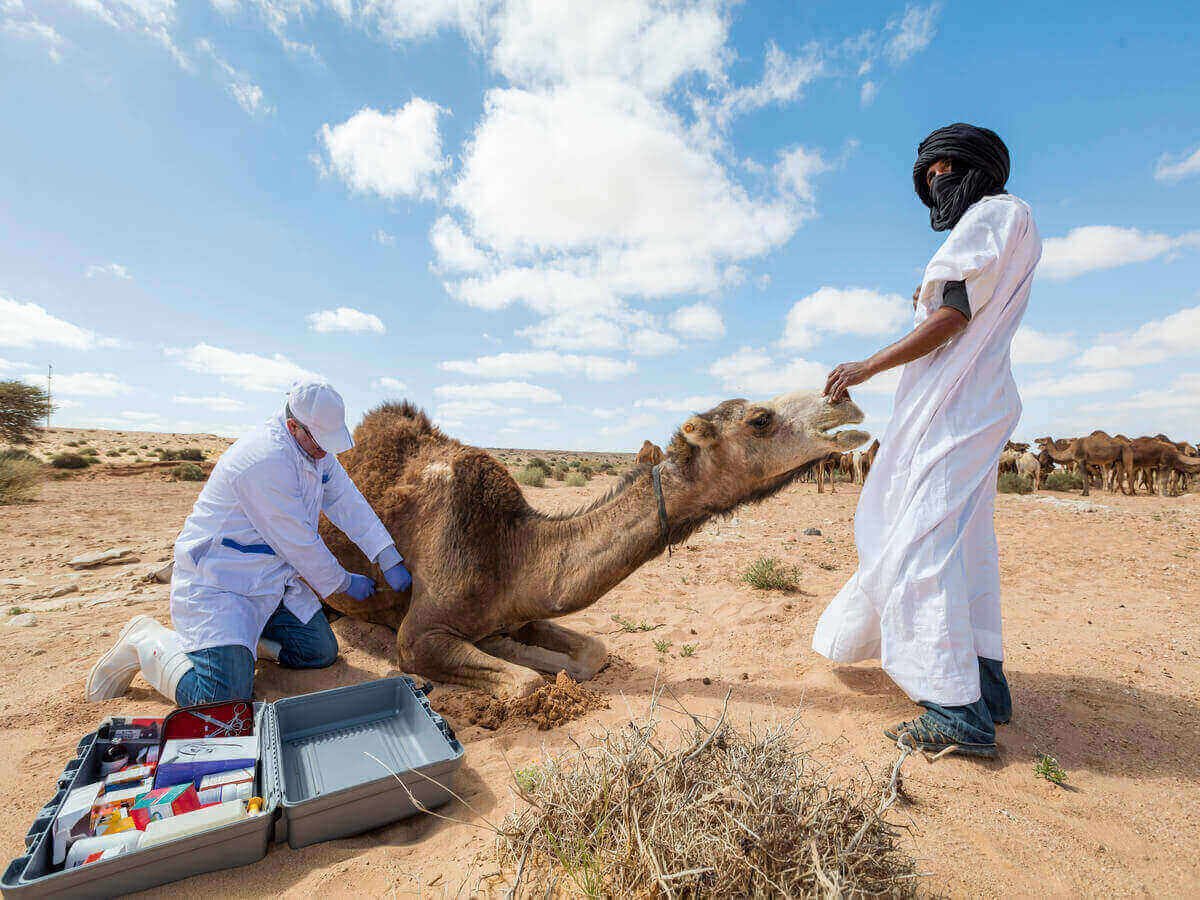
Animal welfare refers to the way livestock are cared for throughout their lives. It encompasses good husbandry, proper nutrition, access to veterinary care, appropriate living conditions, careful handling, and management practices that support the wellbeing of animals.
For camel farming, these principles are especially important. Camels have supported livelihoods across Kenya for generations, particularly in arid and semi-arid regions where they are valued for their resilience and adaptability. Responsible care helps preserve this important agricultural tradition while supporting long-term sustainability and high production standards.
At Soba Renaissance, we believe that responsible livestock sourcing begins with producers who respect both their animals and the communities they serve. By partnering with trusted farmers, investing in sustainable practices, and maintaining rigorous quality assurance, we provide premium camel meat that reflects integrity at every stage.
Understanding Animal Welfare
Animal welfare is about creating conditions that support healthy and well-managed livestock throughout their lives.
Responsible producers focus on:
- Appropriate nutrition.
- Access to clean water.
- Veterinary care.
- Good husbandry.
- Safe handling.
- Regular monitoring.
- Responsible management.
These practices help create healthy livestock production systems that benefit producers and consumers alike.
Why Welfare Matters Beyond the Farm
Good animal welfare extends far beyond livestock production.
It contributes to:
- Sustainable agriculture.
- Stronger farming systems.
- Consumer confidence.
- Responsible food production.
- Long-term agricultural resilience.
Modern consumers increasingly recognise that ethical farming practices help build stronger food systems.
Supporting Responsible Livestock Producers
Livestock producers play a vital role in maintaining high welfare standards.
Responsible management requires knowledge, experience, and ongoing commitment to professional farming practices.
Supporting responsible producers encourages:
- Better farming standards.
- Long-term agricultural investment.
- Rural economic development.
- Sustainable livestock production.
Soba Renaissance values partnerships with producers who demonstrate these principles every day.
Animal Welfare and Sustainable Agriculture
Sustainability and animal welfare are closely connected.
Healthy livestock management contributes to:
- Responsible resource use.
- Efficient farm management.
- Long-term productivity.
- Strong agricultural partnerships.
- Continuous operational improvement.
These practices help ensure livestock farming remains viable for future generations.
Consumer Expectations Continue to Evolve
Today’s shoppers want confidence that the products they purchase come from businesses committed to responsible practices.
Many customers actively look for suppliers that prioritise:
- Ethical sourcing.
- Sustainable farming.
- Transparency.
- Professional management.
- Quality assurance.
Meeting these expectations helps build lasting trust.
How Soba Renaissance Supports Responsible Farming
Our commitment includes:
- Responsible livestock sourcing.
- Sustainable agricultural partnerships.
- Professional processing.
- Rigorous quality assurance.
- Reliable cold-chain management.
- Transparent business practices.
- Continuous improvement.
- Dependable nationwide delivery.
Every stage reflects our commitment to responsible food production.
Why Customers Choose Soba Renaissance
Customers across Kenya trust Soba Renaissance because we consistently provide:
- Premium camel meat.
- Responsible livestock sourcing.
- Sustainable farming partnerships.
- Professional processing.
- Hygienic packaging.
- Reliable delivery.
- Transparent customer service.
- Consistent quality.
Frequently Asked Questions
What is animal welfare in camel farming?
Animal welfare refers to responsible livestock care through appropriate nutrition, veterinary support, good husbandry, safe handling, and professional management.
Why is animal welfare important?
It supports responsible farming, sustainable agriculture, consumer confidence, and long-term livestock production.
Why choose Soba Renaissance?
Soba Renaissance partners with trusted producers who share our commitment to responsible livestock management, sustainability, quality assurance, and premium camel meat.
Responsible Care Builds a Better Future
Animal welfare is more than an agricultural principle it reflects respect for livestock, commitment to responsible farming, and dedication to producing food with integrity. When producers prioritise good husbandry and responsible management, they help strengthen Kenya’s agricultural future while building greater confidence among consumers.
At Soba Renaissance, we proudly support responsible livestock sourcing, sustainable farming partnerships, professional processing, and rigorous quality assurance. These values help us deliver premium camel meat while contributing to a more sustainable and responsible food system across Kenya.