

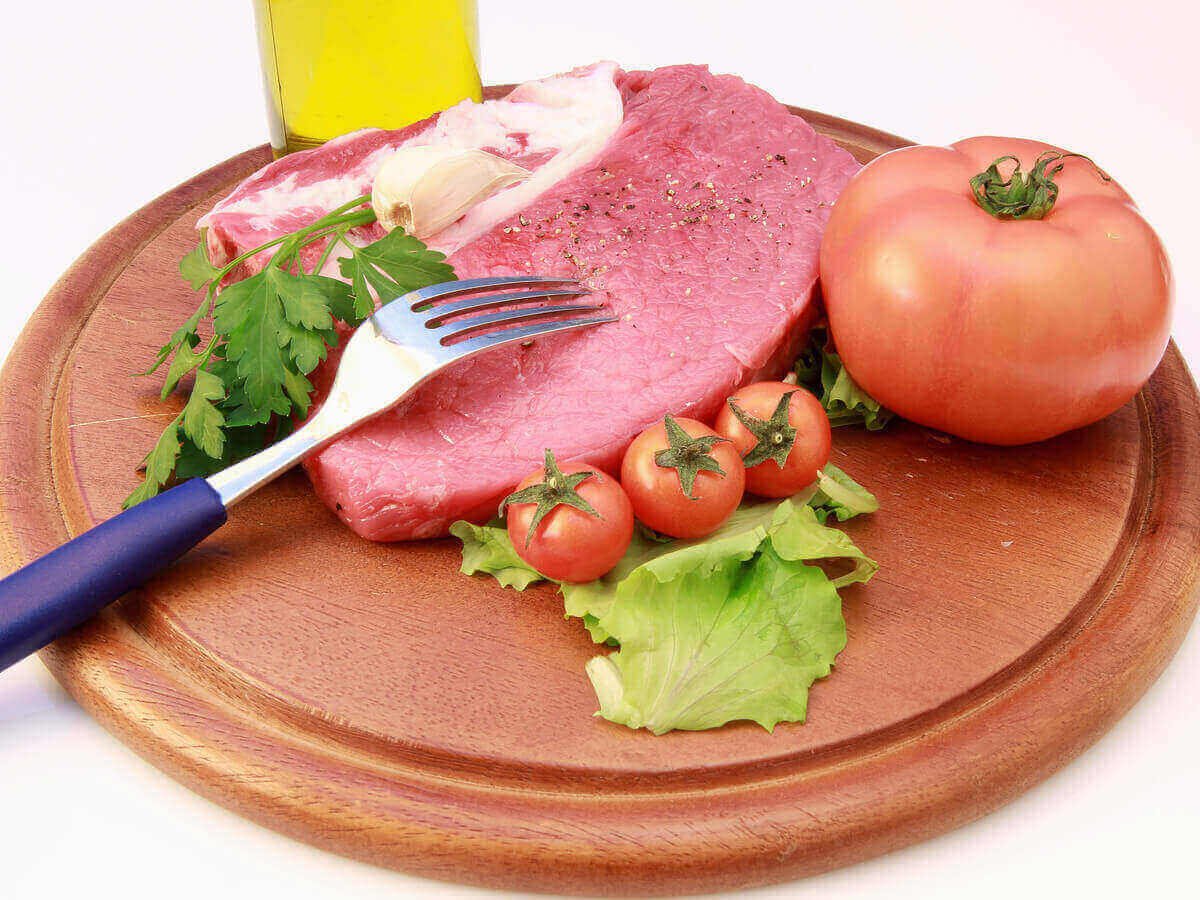
Why Camel Meat Is an Excellent Source of Lean Protein
Protein has become one of the most talked-about nutrients in modern nutrition and for good reason. Whether you’re a busy professional in Nairobi, a parent preparing healthy family meals, a fitness enthusiast, or simply someone trying to eat more balanced meals, protein plays an important role in everyday health.
As more Kenyans become conscious of what they eat, many are exploring alternatives to the traditional choices of beef and chicken. One option attracting growing attention is camel meat. Long appreciated in northern Kenya and other parts of East Africa, camel meat is now gaining popularity in homes, restaurants, hotels, and specialty butcheries across the country.
One of the biggest reasons for this growing interest is its reputation as a source of high-quality lean protein. While the exact nutritional composition varies depending on the cut and the animal, many cuts of camel meat are naturally lean and provide complete protein, making them an appealing choice as part of a balanced diet.
At Soba Renaissance, we believe that nutritious meals begin with responsibly sourced ingredients. Through sustainable livestock partnerships, careful handling, rigorous quality assurance, and dependable supply, we proudly provide premium camel meat to customers across Nairobi and Kenya.
Let’s look at why camel meat deserves a place on your plate.
What Makes Protein So Important?
Protein is one of the essential nutrients your body needs every day.
It contributes to many important functions, including:
- Building and repairing muscles.
- Supporting healthy bones.
- Maintaining body tissues.
- Producing enzymes and hormones.
- Supporting normal growth and development.
Unlike some nutrients that the body can store, protein needs to be consumed regularly through a balanced diet.
Camel Meat Provides Complete Protein
Not all protein sources are the same.
Camel meat contains complete protein, meaning it provides all nine essential amino acids that the body cannot produce on its own.
These amino acids are important for:
- Muscle maintenance.
- Tissue repair.
- Everyday body functions.
- Recovery after physical activity.
Including complete protein sources in your meals helps support overall nutritional balance.
Naturally Lean for Balanced Eating
One reason many people are choosing camel meat is that several cuts are relatively lean compared with certain cuts of other red meats.
Lean protein options are often popular among people looking to:
- Prepare lighter meals.
- Increase protein intake.
- Enjoy satisfying meals without excessive added fat.
- Create balanced weekly meal plans.
The exact fat content varies depending on the cut, trimming, and cooking method, but choosing lean cuts and preparing them with healthy cooking techniques can support a nutritious eating pattern.
Protein Helps Keep You Feeling Satisfied
Protein-rich meals are often more filling than meals that contain very little protein.
Including camel meat in balanced meals with vegetables, legumes, and whole grains may help promote satiety, making it easier to stay satisfied between meals.
For busy families and professionals, this can make meal planning both practical and enjoyable.
A Great Choice for Active Lifestyles
Kenyans are embracing healthier lifestyles more than ever before.
Whether you:
- Exercise regularly.
- Enjoy weekend hikes.
- Play sports.
- Work physically demanding jobs.
- Simply want nutritious everyday meals.
Protein supports muscle maintenance and recovery after physical activity.
Camel meat provides a convenient way to include quality protein in meals prepared at home or enjoyed in restaurants.
More Than Just Protein
While protein is one of its standout qualities, camel meat also contains other nutrients naturally found in red meat.
These include:
- Iron.
- Zinc.
- Phosphorus.
- Vitamin B12.
- Other B vitamins.
Together, these nutrients contribute to a balanced diet when combined with a variety of wholesome foods.
Healthy Ways to Enjoy Camel Meat
How you prepare your meals can be just as important as the ingredients you choose.
Healthy cooking methods include:
- Grilling.
- Roasting.
- Baking.
- Slow cooking.
- Stewing with vegetables.
Pair camel meat with:
- Sukuma wiki.
- Spinach.
- Mixed vegetables.
- Brown rice.
- Whole-grain ugali.
- Sweet potatoes.
- Fresh salads.
Balanced meals combine protein with fiber-rich carbohydrates and colourful vegetables for both nutrition and flavour.
Why Quality Protein Starts with Quality Sourcing
The nutritional value of camel meat depends not only on the meat itself but also on how it is sourced and handled.
At Soba Renaissance, our commitment to quality includes:
- Responsible livestock sourcing.
- Hygienic processing.
- Professional meat handling.
- Reliable cold-chain management.
- Secure packaging.
- Rigorous quality assurance.
Every step is designed to preserve product quality from source to table.
Sustainability Supports Better Food Systems
Today’s consumers increasingly want food that benefits both people and the planet.
Soba Renaissance proudly supports sustainable practices through:
- Responsible sourcing.
- Efficient resource management.
- Reduced operational waste.
- Long-term agricultural partnerships.
- Continuous improvement.
- Support for Kenyan livestock communities.
By choosing responsibly sourced camel meat, customers help strengthen a more sustainable future for Kenya’s food industry.
Why More Customers Choose Soba Renaissance
Families, restaurants, hotels, caterers, and retailers choose Soba Renaissance because we consistently deliver:
- Premium fresh camel meat.
- High-quality lean protein.
- Responsible livestock sourcing.
- Sustainable operations.
- Hygienic processing.
- Reliable cold-chain management.
- Professional packaging.
- Rigorous quality assurance.
- Dependable supply.
- Outstanding customer service.
We are committed to helping Kenyan consumers enjoy nutritious, high-quality meals with complete confidence.
Frequently Asked Questions
Is camel meat a good source of lean protein?
Yes. Many cuts of camel meat are naturally lean and provide complete protein, making them an excellent choice as part of a balanced diet.
Who can benefit from eating camel meat?
Camel meat can be enjoyed by families, active individuals, professionals, and anyone looking to include high-quality protein in a varied and nutritious eating pattern.
How should camel meat be cooked for healthy meals?
Grilling, roasting, baking, and slow cooking are all excellent methods. Pairing camel meat with vegetables and whole grains creates balanced, satisfying meals.
Why choose Soba Renaissance?
Soba Renaissance provides premium camel meat through responsible sourcing, sustainable operations, rigorous quality assurance, dependable delivery, and exceptional customer service across Nairobi and Kenya.
Strong Nutrition Begins with Strong Choices
Every healthy meal starts with thoughtful ingredients. Choosing high-quality protein is one of the simplest ways to support a balanced diet, and camel meat offers an excellent option for Kenyan families seeking variety, flavour, and nutrition. As a source of complete protein, along with essential vitamins and minerals, it can play an important role in meals that nourish both active lifestyles and everyday wellbeing.
Equally important is knowing where your food comes from. Responsibly sourced meat, handled with care and protected through strict quality standards, gives you greater confidence in every bite.
At Soba Renaissance, we combine premium camel meat with sustainable sourcing, professional handling, dependable cold-chain management, and a commitment to exceptional quality. Whether you’re cooking for your family, preparing meals for customers, or exploring healthier protein choices, we’re proud to provide camel meat that reflects the highest standards of freshness, responsibility, and care.
Choose Soba Renaissance for premium camel meat that delivers outstanding quality, lean protein, and a commitment to Kenya’s sustainable food future.