

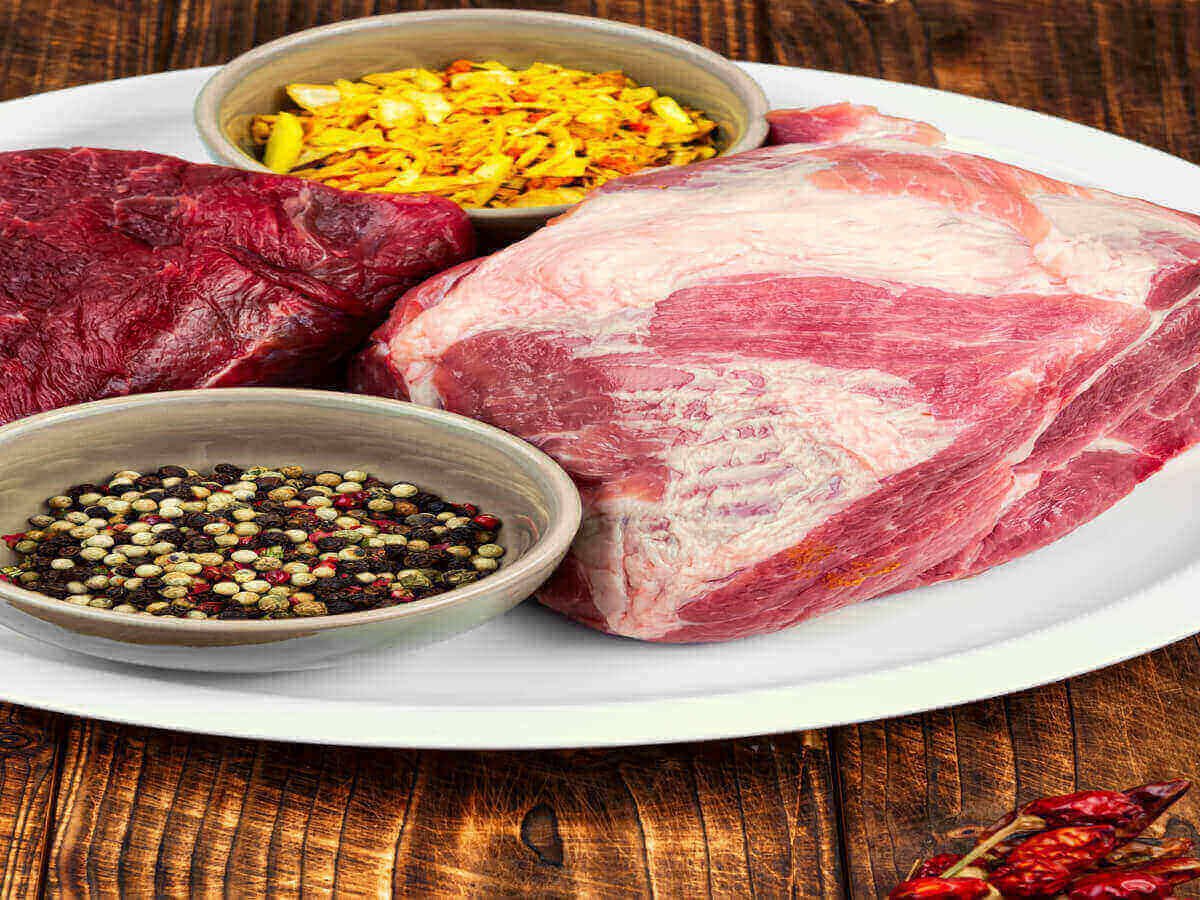
Camel Meat vs Beef: Which Is Healthier?
Walk into any butcher shop or supermarket in Nairobi, and you’ll almost certainly find beef among the most popular choices. It has been a staple in Kenyan kitchens for generations, appearing in everything from nyama choma and beef stew to pilau and hearty family dinners.
But alongside this familiar favourite, another red meat is steadily earning a place on more shopping lists camel meat.
Once mainly associated with northern Kenya, camel meat is now becoming increasingly popular in Nairobi and other urban centres. Restaurants are adding it to their menus, families are experimenting with new recipes, and health-conscious consumers are becoming curious about its nutritional value.
Naturally, one question comes up again and again:
Is camel meat healthier than beef?
The honest answer is that both camel meat and beef can be nutritious choices. Each provides high-quality protein along with important vitamins and minerals, and each can form part of a balanced diet. The best choice depends on your nutritional goals, cooking preferences, and the quality of the meat you purchase.
At Soba Renaissance, we believe informed customers make better choices. Whether you prefer premium camel meat, quality beef, or enjoy both as part of a varied diet, we are committed to providing responsibly sourced products backed by sustainability, food safety, and exceptional quality.
Let’s compare these two popular meats.
Both Are Excellent Sources of Protein
One of the biggest similarities between camel meat and beef is their protein content.
Both provide complete protein, meaning they contain all nine essential amino acids needed by the body.
Protein contributes to:
- Building and repairing muscles.
- Maintaining body tissues.
- Supporting normal growth and development.
- Producing enzymes and hormones.
- Helping keep you satisfied after meals.
For Kenyan families looking to prepare balanced meals, both meats are valuable protein sources.
Comparing Fat Content
Many consumers are interested in choosing leaner meat options.
Depending on the specific cut and the age of the animal, many cuts of camel meat are relatively lean compared with certain cuts of beef. However, lean cuts are also available from beef.
Regardless of the type of meat you choose, selecting lean cuts and trimming visible fat can help reduce overall fat intake.
Healthy preparation methods such as grilling, roasting, baking, or slow cooking can also make a difference.
Iron: Both Offer an Important Nutrient
Iron is essential for transporting oxygen around the body through healthy red blood cells.
Both camel meat and beef provide heme iron, the type of iron naturally found in animal foods and generally more readily absorbed than non-heme iron from plant sources.
Including iron-rich foods as part of a balanced diet can help support daily nutritional needs.
Vitamin B12 and Other B Vitamins
Both meats naturally contain vitamin B12 along with several other B vitamins.
These nutrients contribute to:
- Normal energy metabolism.
- Red blood cell formation.
- Nervous system function.
For people who consume animal products, both beef and camel meat can contribute to meeting vitamin B12 requirements.
Zinc and Phosphorus
Camel meat and beef also provide minerals such as:
- Zinc.
- Phosphorus.
These nutrients contribute to normal immune function, healthy bones and teeth, and a variety of everyday body processes.
Taste and Texture
Health is important, but so is enjoyment.
Beef offers the familiar flavour many Kenyans have grown up with.
Camel meat provides a distinctive taste that many people describe as rich and satisfying, making it an exciting alternative for anyone looking to try something new.
Restaurants across Nairobi are increasingly incorporating camel meat into traditional and contemporary dishes because customers appreciate having more variety.
Versatility in the Kitchen
Both meats work well in a wide range of recipes.
Beef is commonly used for:
- Nyama choma.
- Beef stew.
- Pilau.
- Stir-fries.
- Minced meat dishes.
Camel meat can also be prepared using many of these cooking methods, including:
- Grilling.
- Slow cooking.
- Roasting.
- Stewing.
- Barbecuing.
Its versatility makes it suitable for both traditional Kenyan recipes and modern culinary creations.
Healthy Meals Depend on More Than the Meat
When comparing foods, it’s easy to focus on a single ingredient.
In reality, the overall meal matters just as much.
Whether you choose camel meat or beef, a balanced plate may include:
- Sukuma wiki.
- Spinach.
- Fresh salads.
- Whole-grain ugali.
- Brown rice.
- Sweet potatoes.
- Beans or lentils.
Combining quality protein with vegetables and whole grains creates meals that are both satisfying and nutritious.
Quality Matters More Than Comparisons
Perhaps the most important factor isn’t whether you choose camel meat or beef it’s choosing meat from a trusted supplier.
Premium-quality meat should be:
- Responsibly sourced.
- Hygienically processed.
- Professionally handled.
- Properly refrigerated.
- Securely packaged.
- Consistently fresh.
These standards help preserve quality from source to table.
Sustainability Is Part of Every Purchase
Today’s consumers increasingly want food that reflects responsible business practices.
At Soba Renaissance, sustainability guides everything we do through:
- Responsible livestock sourcing.
- Efficient resource management.
- Reduced operational waste.
- Support for Kenyan livestock producers.
- Continuous improvement.
- Long-term investment in Kenya’s agricultural future.
Choosing quality meat from a responsible supplier helps support stronger local food systems.
Why Customers Choose Soba Renaissance
Families, restaurants, hotels, caterers, retailers, and food service businesses trust Soba Renaissance because we provide:
- Premium camel meat.
- Premium beef.
- Responsible sourcing.
- Sustainable operations.
- Hygienic meat handling.
- Reliable cold-chain management.
- Professional packaging.
- Rigorous quality assurance.
- Dependable supply.
- Outstanding customer service.
Our commitment is to help every customer enjoy premium meat products with complete confidence.
Frequently Asked Questions
Is camel meat healthier than beef?
Both camel meat and beef can be nutritious choices. They provide complete protein and important nutrients such as iron, zinc, phosphorus, and vitamin B12. The best option depends on your dietary preferences, the cut of meat, and how it is prepared.
Which meat contains more protein?
Both camel meat and beef are excellent sources of complete protein, although the exact protein content varies depending on the cut.
Can camel meat replace beef in recipes?
Yes. Camel meat can be used in many of the same dishes as beef, including stews, grilled meals, roasted dishes, and slow-cooked recipes.
Why choose Soba Renaissance?
Soba Renaissance provides premium camel meat and quality beef through responsible sourcing, sustainable operations, rigorous quality assurance, dependable supply, and exceptional customer service across Kenya.
Healthy Choices Begin with Quality Food
Choosing between camel meat and beef doesn’t have to be about finding a single “better” option. Both are excellent sources of high-quality protein and provide important nutrients that support a balanced diet. The key is selecting fresh, responsibly sourced meat and preparing it as part of wholesome meals that include vegetables, whole grains, and other nutritious foods.
For many Kenyan families, enjoying a variety of protein sources brings both nutritional diversity and exciting new flavours to the table. Camel meat offers a distinctive alternative to traditional beef, while beef remains a trusted favourite with generations of culinary heritage behind it.
At Soba Renaissance, we believe that every customer deserves premium-quality meat backed by responsible sourcing, sustainable business practices, professional handling, and uncompromising food safety standards. Whether you choose camel meat, beef, or both, you can trust us to deliver products that reflect our commitment to quality and Kenya’s growing food culture.
Choose Soba Renaissance for premium meat products that combine exceptional quality, sustainability, and flavour in every meal.