

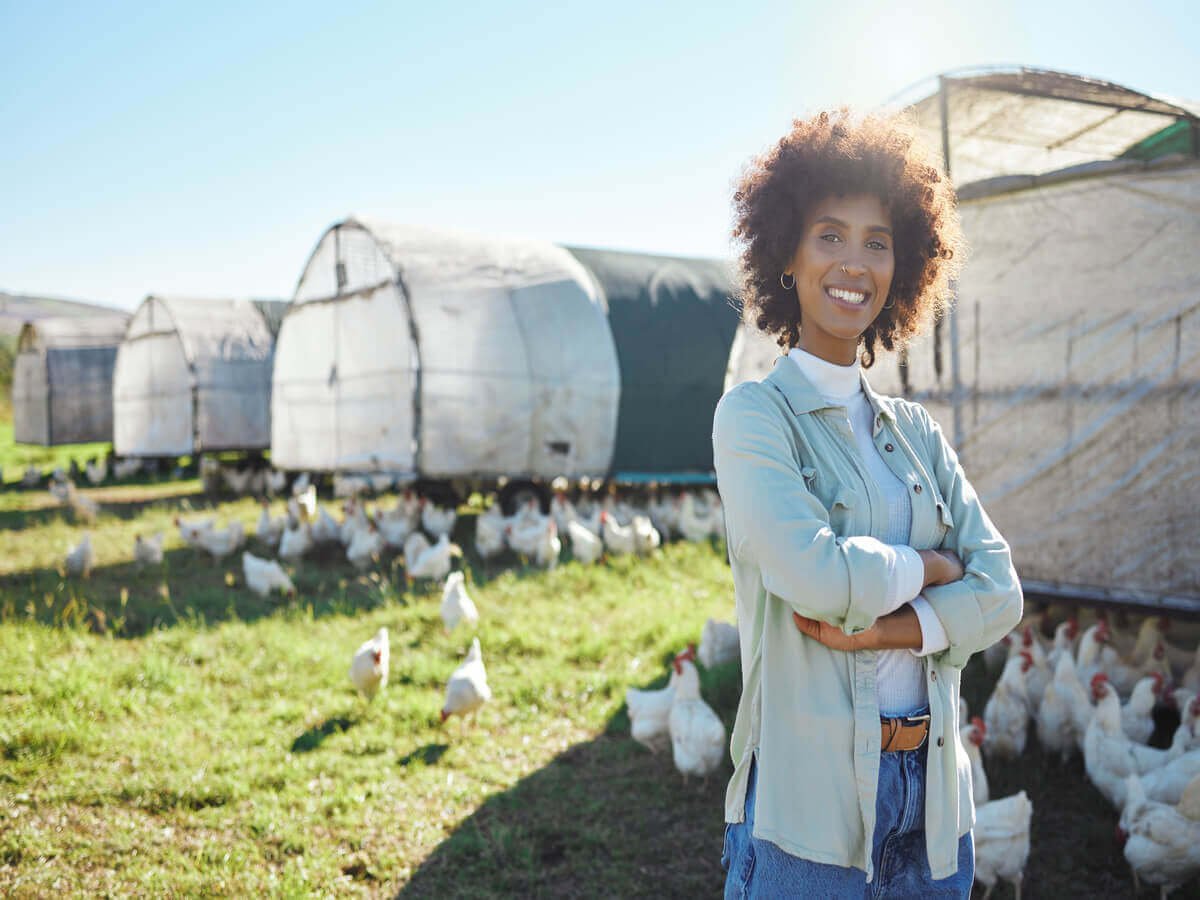
Poultry Farming in Kenya: A Complete Guide for Beginners
Poultry farming has become one of Kenya’s fastest-growing agricultural enterprises, providing income opportunities for thousands of households while helping meet the country’s increasing demand for fresh, high-quality chicken and eggs. As urban populations expand and consumer preferences shift toward locally produced food, poultry farming continues to offer excellent opportunities for both small-scale and commercial farmers.
For beginners, however, success depends on much more than simply purchasing chicks. Building a profitable and sustainable poultry enterprise requires careful planning, proper housing, balanced nutrition, strong biosecurity, responsible flock management, and a commitment to continuous improvement.
Whether your goal is to raise broiler chickens for meat, layer chickens for egg production, or build a fully integrated poultry business, understanding the fundamentals will help you establish a strong foundation for long-term success.
At Soba Renaissance, we believe quality poultry begins on the farm. Through responsible farming practices, sustainable agriculture, strict quality standards, and a farm-to-fork philosophy, we support the development of a stronger and more resilient poultry industry in Kenya.
This guide introduces the essential steps every beginner should understand before starting a poultry farming venture.
Why Poultry Farming Is Growing in Kenya
Kenya’s poultry industry continues to expand because chicken products remain in high demand across many sectors.
Growing demand comes from:
- Households.
- Restaurants.
- Hotels.
- Cafés.
- Caterers.
- Supermarkets.
- Retailers.
- Schools.
- Hospitals.
- Food processors.
As more consumers seek reliable sources of fresh chicken and eggs, poultry farming continues to create opportunities for entrepreneurs across the country.
Define Your Poultry Farming Goals
Before investing, determine the primary purpose of your farm.
Common production systems include:
- Broiler production for meat.
- Layer production for eggs.
- Mixed poultry farming.
- Breeding operations.
Having a clear objective helps guide decisions about housing, equipment, feeding, and overall farm management.
Choose the Right Chicken Breed
Different breeds are suited to different production goals.
When selecting birds, consider factors such as:
- Production purpose.
- Growth characteristics.
- Adaptability.
- Feed efficiency.
- Management requirements.
Choosing birds that match your business objectives supports better long-term performance.
Build Suitable Poultry Housing
Housing is one of the most important investments on any poultry farm.
Well-designed housing should provide:
- Adequate ventilation.
- Protection from extreme weather.
- Sufficient space.
- Clean, dry flooring.
- Easy cleaning and maintenance.
- Protection from predators.
Comfortable housing supports bird welfare and efficient farm management.
Provide Balanced Nutrition
Nutrition plays a major role in poultry development and productivity.
A well-managed feeding programme should focus on:
- Balanced diets.
- Clean drinking water.
- Appropriate feeding schedules.
- Consistent feed quality.
- Efficient feed management.
Proper nutrition supports healthy growth and overall flock performance.
Prioritise Biosecurity
Disease prevention is one of the most important aspects of poultry farming.
Strong biosecurity practices include:
- Restricting unnecessary farm visitors.
- Cleaning and disinfecting equipment.
- Maintaining clean housing.
- Monitoring flock health regularly.
- Managing waste responsibly.
Preventive management helps reduce production risks and supports healthier flocks.
Maintain High Welfare Standards
Healthy birds are generally easier to manage and more productive.
Responsible poultry farming includes:
- Comfortable housing.
- Proper nutrition.
- Access to clean water.
- Routine observation.
- Stress reduction.
- Clean surroundings.
Good welfare practices contribute to consistent production and responsible farming.
Plan for Sustainable Farming
Modern poultry farming increasingly focuses on sustainability.
Sustainable practices may include:
- Efficient resource use.
- Responsible waste management.
- Water conservation.
- Energy efficiency.
- Continuous operational improvement.
Sustainable farming helps strengthen both farm profitability and environmental stewardship.
At Soba Renaissance, sustainability is integrated into every stage of our poultry operations because we believe responsible farming supports stronger communities and a healthier future.
Keep Accurate Farm Records
Good record-keeping supports informed decision-making.
Useful records include:
- Feed purchases.
- Production performance.
- Mortality records.
- Vaccination schedules.
- Expenses.
- Sales.
Reliable information helps farmers identify opportunities to improve efficiency over time.
Build Strong Market Relationships
Successful poultry farming depends not only on production but also on dependable customers.
Potential markets include:
- Households.
- Restaurants.
- Hotels.
- Retailers.
- Supermarkets.
- Caterers.
- Schools.
- Institutions.
Building long-term relationships with buyers creates greater business stability.
Learn Continuously
Agriculture is constantly evolving.
Successful poultry farmers continue learning about:
- Better management practices.
- Improved production methods.
- Sustainable agriculture.
- Food safety.
- Market trends.
- New technologies.
Continuous learning supports long-term growth and competitiveness.
How Soba Renaissance Supports Responsible Poultry Farming
At Soba Renaissance, we understand that premium poultry products begin with responsible farming.
Our commitment includes:
- Responsible poultry farming.
- Sustainable agriculture.
- Farm-to-fork production.
- Strict quality assurance.
- Food safety.
- Continuous improvement.
- Professional processing.
- Reliable supply.
- Environmental responsibility.
- Customer satisfaction.
These values guide every stage of our operations while supporting Kenya’s growing poultry sector.
Frequently Asked Questions
Is poultry farming a good business in Kenya?
Poultry farming continues to offer opportunities because of the growing demand for chicken meat and eggs across households, hospitality businesses, retailers, institutions, and food service providers.
What is the most important factor for beginners?
Success begins with careful planning, suitable housing, balanced nutrition, strong biosecurity, responsible flock management, and continuous learning.
Why is sustainability important in poultry farming?
Sustainable farming helps improve resource efficiency, supports environmental protection, strengthens long-term productivity, and contributes to a more resilient agricultural sector.
Why does Soba Renaissance emphasise responsible farming?
Soba Renaissance believes premium poultry starts with responsible farming, sustainable agriculture, food safety, and continuous quality improvement. These principles help us deliver fresh, high-quality chicken while supporting Kenya’s agricultural future.
Building a Successful Future in Poultry Farming
Starting a poultry farm is an exciting opportunity, but long-term success depends on thoughtful planning, responsible management, and a willingness to keep improving. Farmers who invest in quality housing, proper nutrition, strong biosecurity, sustainable practices, and good record-keeping build stronger foundations for productive and resilient operations.
At Soba Renaissance, we are proud to champion responsible poultry farming through sustainable agriculture, farm-to-fork production, rigorous quality assurance, and continuous innovation. Our commitment extends beyond producing premium poultry we are dedicated to supporting the growth of Kenya’s agricultural sector and promoting farming practices that benefit communities, consumers, and the environment.
Whether you are taking your first steps into poultry farming or looking to improve an existing operation, responsible management and sustainable production will always remain the key to lasting success.
Choose Soba Renaissance a proudly Kenyan brand committed to quality, sustainability, and the future of poultry farming.