

How to Tell if Camel Meat Is Fresh
Buying quality meat starts long before you light the charcoal, heat the pan, or prepare your favourite family recipe. The freshness of the meat you choose has a direct impact on flavour, texture, cooking performance, and overall food quality.
As camel meat becomes increasingly popular in Nairobi and across Kenya, more consumers are trying it for the first time. Whether you’re shopping for a hearty stew, a weekend barbecue, or a nutritious family dinner, knowing how to recognise fresh camel meat can help you make a confident purchase.
Fortunately, you don’t need to be a butcher or chef to identify quality meat. A few simple observations can tell you a lot about how the meat has been handled and whether it has been stored properly.
At Soba Renaissance, we believe informed customers make better purchasing decisions. That’s why we combine responsible livestock sourcing, sustainable business practices, rigorous quality assurance, and professional cold-chain management to ensure every cut of camel meat meets the highest standards.
Here are the key signs of fresh camel meat.
Freshness Begins with a Trusted Supplier
Before looking at the meat itself, consider where you’re buying it.
A reputable supplier invests in:
- Responsible livestock sourcing.
- Hygienic processing.
- Professional packaging.
- Reliable refrigeration.
- Consistent quality control.
- Traceable supply chains.
When you buy from a trusted supplier, you have greater confidence that freshness has been protected throughout the journey from processing to your kitchen.
Look at the Colour
Appearance is often the first thing shoppers notice.
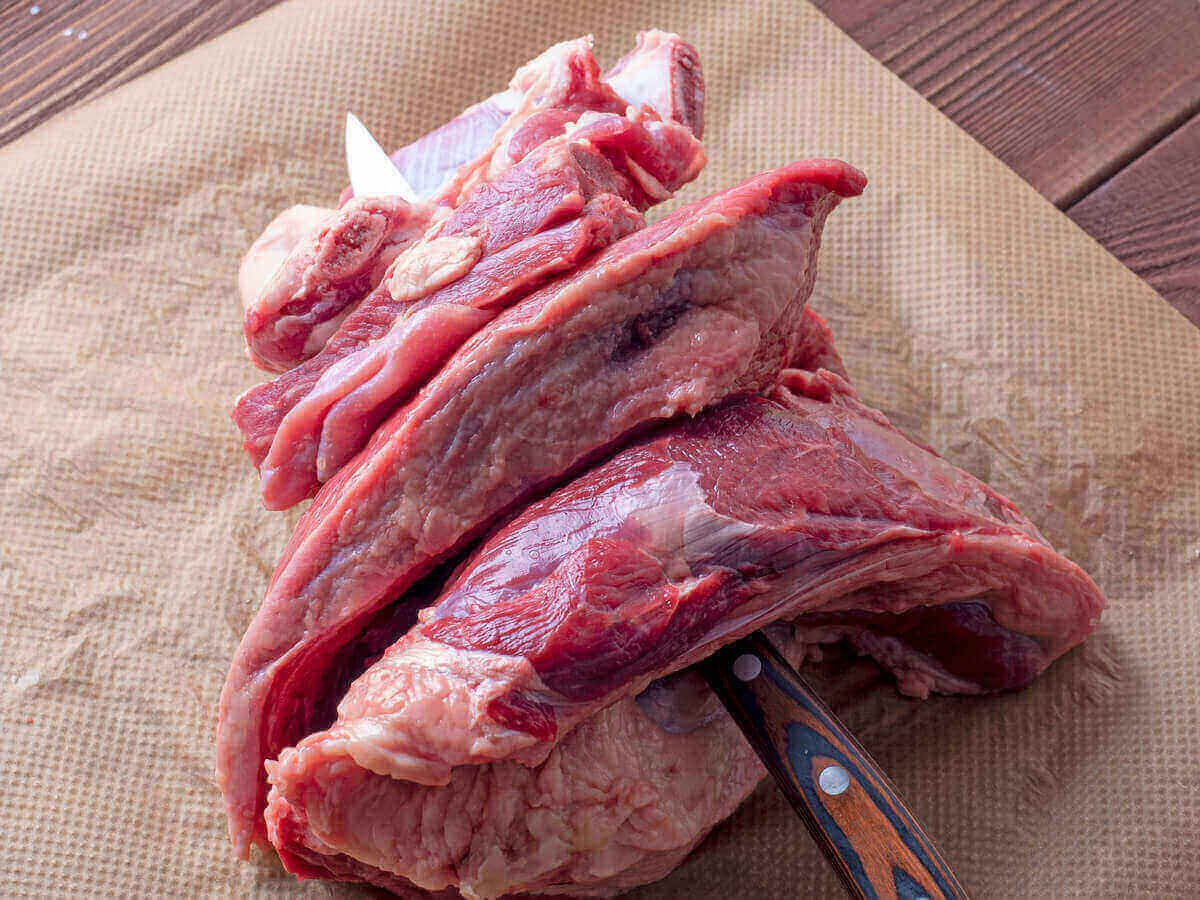
Fresh camel meat typically has a natural, even color that reflects proper handling and storage. Slight variations can occur depending on the cut and the animal, but the meat should look clean and fresh rather than dull or neglected.
Avoid meat that appears:
- Excessively discolored.
- Dry on the surface.
- Covered with unusual patches.
- Poorly presented.
A fresh, appealing appearance is usually a good sign that the meat has been handled correctly.
Check the Texture
Texture is another reliable indicator of freshness.
Fresh camel meat should feel:
- Firm.
- Moist.
- Smooth.
- Resilient when gently pressed.
It should not feel excessively sticky or slimy.
Good texture reflects careful storage and proper temperature control throughout the supply chain.
A Fresh, Natural Smell
Fresh meat should have only a mild, natural aroma.
A strong, sour, or unpleasant odour is a warning sign that the meat may no longer be fresh.
If you notice an unusual smell after opening properly packaged meat, it is safest not to consume it.
When in doubt, choose food safety first.
Inspect the Packaging
Packaging plays a vital role in protecting meat during storage and transport.
Before purchasing, check that the packaging is:
- Properly sealed.
- Clean.
- Free from tears or punctures.
- Clearly labelled.
- Without excessive liquid inside the package.
Professional packaging helps maintain freshness while reducing the risk of contamination.
Proper Refrigeration Is Essential
Fresh camel meat should be kept under appropriate refrigeration from processing until purchase.
Reliable cold-chain management helps preserve:
- Freshness.
- Texture.
- Flavour.
- Product quality.
When buying fresh meat, avoid products that have been left unrefrigerated or displayed in unsuitable conditions.
Ask Questions About the Product
A trustworthy supplier should be happy to answer reasonable questions.
You may wish to ask:
- How has the meat been stored?
- Was the cold chain maintained?
- How is the meat packaged?
- Where was it sourced?
- How is freshness protected during delivery?
Transparent businesses welcome informed customers.
Fresh Meat Makes Cooking Better
Fresh camel meat doesn’t just provide peace of mind it also improves your cooking experience.
Quality meat typically offers:
- Better texture after cooking.
- Richer natural flavour.
- More consistent results.
- Greater enjoyment at the dining table.
Whether you’re preparing stew, pilau, grilled meat, or roasted dishes, freshness is one of the most important ingredients.
Store Fresh Camel Meat Correctly at Home
Keeping meat fresh doesn’t end when you leave the shop.
To help maintain quality:
- Refrigerate camel meat promptly after purchase.
- Keep it in its original sealed packaging or a clean, airtight container.
- Store raw meat separately from ready-to-eat foods to help prevent cross-contamination.
- Freeze it if you do not plan to use it within the recommended refrigeration period.
- Thaw frozen meat safely in the refrigerator rather than on the kitchen counter.
Proper storage helps preserve freshness, flavour, and food safety.
Sustainability and Quality Go Together
Freshness is supported by responsible production practices.
At Soba Renaissance, sustainability is part of every stage of our operation.
Our commitment includes:
- Responsible livestock sourcing.
- Strong partnerships with Kenyan producers.
- Efficient resource management.
- Reduced operational waste.
- Professional cold-chain logistics.
- Continuous quality improvement.
These practices help us deliver premium camel meat while supporting Kenya’s agricultural future.
Why Customers Choose Soba Renaissance
Families, restaurants, hotels, caterers, retailers, and institutions trust Soba Renaissance because we consistently provide:
- Premium fresh camel meat.
- Responsibly sourced livestock.
- Hygienic processing.
- Professional packaging.
- Reliable refrigeration.
- Rigorous quality assurance.
- Dependable delivery across Nairobi and Kenya.
- Sustainable business practices.
- Transparent customer service.
- Consistent product quality.
Every order reflects our dedication to freshness and customer satisfaction.
Frequently Asked Questions
How can I tell if camel meat is fresh?
Fresh camel meat should have a clean appearance, a firm texture, a mild natural smell, secure packaging, and should be kept under proper refrigeration.
Why is proper refrigeration important?
Maintaining the cold chain helps preserve freshness, flavour, texture, and overall product quality from processing through to purchase.
Should I buy camel meat from any supplier?
Choosing a trusted supplier that follows good hygiene, refrigeration, packaging, and quality assurance practices provides greater confidence in the freshness and quality of the meat.
Why choose Soba Renaissance?
Soba Renaissance supplies premium camel meat through responsible sourcing, sustainable operations, professional cold-chain management, rigorous quality assurance, and dependable delivery throughout Kenya.
Freshness Is the Foundation of Great Meals
Whether you’re preparing a comforting family stew, a traditional Kenyan feast, or a weekend barbecue, the quality of your meal begins with the freshness of your ingredients. Knowing what to look for clean appearance, firm texture, a mild natural smell, secure packaging, and proper refrigeration helps you make informed choices every time you shop.
Equally important is choosing a supplier you can trust. Responsible sourcing, hygienic processing, reliable cold-chain management, and professional packaging all play a vital role in preserving the freshness that reaches your kitchen.
At Soba Renaissance, we are committed to delivering premium camel meat that reflects the highest standards of quality, sustainability, and customer care. Through responsible livestock sourcing, rigorous quality assurance, and dependable delivery across Nairobi and Kenya, we make it easier for families, restaurants, and businesses to enjoy fresh camel meat with confidence.
Choose Soba Renaissance for premium fresh camel meat that combines exceptional quality, responsible production, and the authentic taste of Kenya in every meal.