

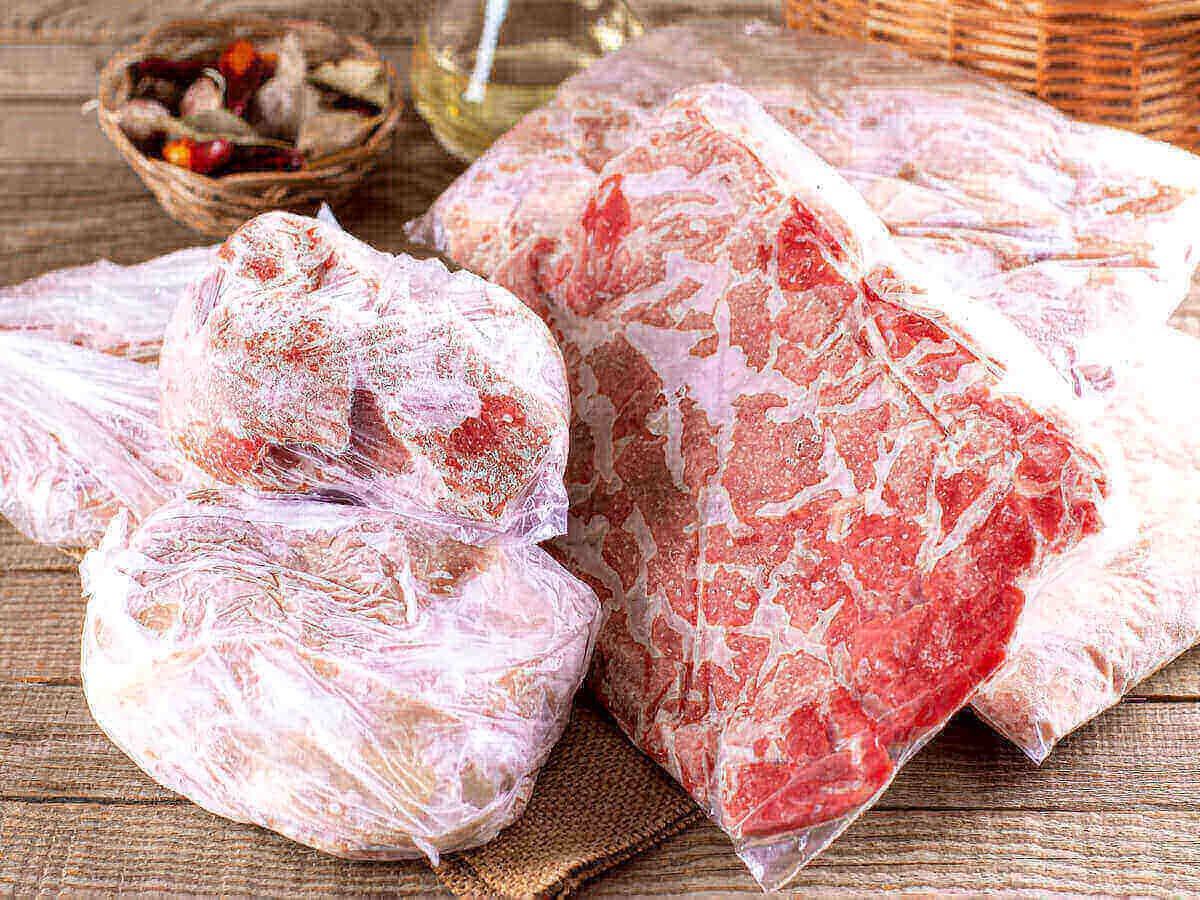
Fresh Camel Meat vs Frozen Camel Meat: Which Is Better?
When shopping for quality meat, one question often comes up: Should I buy fresh or frozen?
For many Kenyan families, restaurants, caterers, and retailers, the answer depends on more than just personal preference. It often comes down to cooking plans, storage space, convenience, and confidence in the supplier.
As camel meat continues to grow in popularity across Nairobi and Kenya, more consumers are finding both fresh and frozen options available. While some people believe fresh is always superior, others appreciate the convenience and flexibility of frozen meat.
The truth is that both fresh and frozen camel meat can be excellent choices when they are sourced responsibly, processed hygienically, and stored correctly.
At Soba Renaissance, we understand that every customer has different needs. Whether you are preparing dinner for your family, stocking a restaurant kitchen, or planning meals for the week ahead, we are committed to supplying premium camel meat handled under strict quality standards, supported by sustainable sourcing, professional cold-chain management, and dependable service.
So, which option is better? Let’s compare them.
What Is Fresh Camel Meat?
Fresh camel meat is meat that has been processed, chilled, and kept under continuous refrigeration without being frozen.
It is intended for cooking within a relatively short period and should always be stored at appropriate refrigeration temperatures until use.
When handled correctly, fresh camel meat offers excellent quality and flavour.
What Is Frozen Camel Meat?
Frozen camel meat is meat that has been frozen after processing to help preserve its quality for a longer period.
Freezing slows the natural processes that affect freshness, allowing the meat to be stored for extended periods when kept continuously frozen.
When thawed correctly, frozen camel meat can still deliver excellent cooking results.
Taste and Texture
One of the biggest differences people notice is texture.
Fresh camel meat is often preferred when preparing dishes where the natural texture of the meat is the main attraction, such as:
- Grilled camel meat.
- Roasted cuts.
- Quick pan-seared recipes.
Frozen camel meat, when frozen and thawed correctly, also performs well in many dishes, particularly:
- Slow-cooked stews.
- Soups.
- Curries.
- Pilau.
- Braised meals.
The quality of freezing and thawing plays a major role in the final result.
Convenience
Convenience is one of the strongest advantages of frozen meat.
Frozen camel meat allows you to:
- Buy in larger quantities.
- Reduce shopping trips.
- Keep meat available for future meals.
- Plan weekly or monthly menus.
Fresh camel meat is ideal when you know exactly what you’ll be cooking within the next few days.
Storage Life
Fresh camel meat should be refrigerated promptly and used within the recommended timeframe for refrigerated meat.
Frozen camel meat provides greater flexibility because it can be stored safely in the freezer for much longer when maintained at the proper temperature.
Regardless of which option you choose:
- Follow storage instructions.
- Keep meat at the correct temperature.
- Avoid repeated thawing and refreezing.
Proper storage helps preserve both quality and food safety.
Nutrition
Many people assume freezing significantly reduces nutritional value.
In reality, when meat is frozen promptly and handled correctly, its protein, vitamins, and minerals are generally well preserved.
Camel meat naturally contains:
- Complete protein.
- Iron.
- Zinc.
- Vitamin B12.
- Phosphorus.
- Selenium.
- Other B vitamins.
Whether fresh or frozen, the nutritional value depends far more on proper handling than on whether the meat has been frozen.
Cooking Performance
Different recipes may benefit from different choices.
Fresh camel meat is excellent for:
- Grilling.
- Barbecues.
- Roasting.
- Quick cooking methods.
Frozen camel meat is equally suitable for:
- Slow cooking.
- Stews.
- Traditional Kenyan dishes.
- Meal preparation.
- Batch cooking.
The key is to thaw frozen meat safely in the refrigerator before cooking.
Which Option Is Better for Families?
For many households, the answer depends on lifestyle.
Fresh camel meat may be the better choice if you:
- Cook frequently.
- Prefer shopping every few days.
- Plan meals in advance.
Frozen camel meat may be ideal if you:
- Buy groceries in bulk.
- Have limited time for shopping.
- Like keeping quality meat available at home.
- Prepare meals ahead of busy workweeks.
Many families choose to keep both fresh and frozen camel meat on hand for different occasions.
Sustainability Through Reduced Food Waste
Choosing between fresh and frozen meat is not only about convenience it can also influence food waste.
Buying the amount you need and storing it correctly helps reduce unnecessary waste.
At Soba Renaissance, sustainability is central to our operations.
We support responsible food systems through:
- Responsible livestock sourcing.
- Efficient cold-chain management.
- Professional packaging.
- Reduced operational waste.
- Support for Kenyan livestock producers.
- Continuous quality improvement.
Helping customers make smarter purchasing decisions contributes to more sustainable food consumption.
Quality Depends on the Supplier
Whether fresh or frozen, quality always begins with the supplier.
A trusted supplier should provide:
- Hygienically processed meat.
- Reliable refrigeration and freezing systems.
- Professional packaging.
- Consistent quality assurance.
- Transparent sourcing.
- Dependable customer service.
These standards protect freshness from production to your kitchen.
Why Customers Trust Soba Renaissance
At Soba Renaissance, we proudly supply premium camel meat that meets rigorous quality standards.
Customers choose us because we provide:
- Premium fresh camel meat.
- High-quality frozen camel meat.
- Responsible livestock sourcing.
- Sustainable production practices.
- Professional cold-chain logistics.
- Hygienic processing.
- Reliable packaging.
- Rigorous quality assurance.
- Dependable delivery across Nairobi and Kenya.
- Outstanding customer support.
Whether you choose fresh or frozen, you can trust the quality behind every order.
Frequently Asked Questions
Is fresh camel meat always better than frozen?
Not necessarily. Both fresh and frozen camel meat can offer excellent quality when processed, stored, and handled correctly.
Does freezing reduce nutritional value?
Freezing generally preserves the protein, vitamins, and minerals found naturally in camel meat when proper freezing and storage practices are followed.
Which is better for meal preparation?
Frozen camel meat is often convenient for meal planning because it can be stored for longer, while fresh camel meat is ideal for meals you intend to prepare within the next few days.
Why choose Soba Renaissance?
Soba Renaissance supplies premium fresh and frozen camel meat through responsible sourcing, sustainable operations, strict quality assurance, professional cold-chain management, and dependable delivery throughout Kenya.
Choose the Option That Fits Your Lifestyle
The choice between fresh and frozen camel meat is not about finding a single winner. It is about selecting the option that best matches your cooking habits, meal planning, and storage needs. Fresh camel meat is an excellent choice for immediate cooking and enjoying its natural texture, while frozen camel meat offers convenience, flexibility, and long-term storage without sacrificing quality when handled correctly.
Whichever option you prefer, quality should always come first. Responsibly sourced meat, professional processing, reliable cold-chain management, and proper storage are what truly determine the freshness and flavour that reach your plate.
At Soba Renaissance, we are committed to delivering premium camel meat both fresh and frozen that reflects our dedication to sustainability, responsible sourcing, and exceptional quality. From households to restaurants and retailers across Nairobi and Kenya, we provide dependable products that make every meal memorable.
Choose Soba Renaissance for premium camel meat backed by trusted quality, sustainable practices, and service you can rely on.