Why Traceability Matters When Buying Lemon Juice Concentrate

Why Traceability Matters When Buying Lemon Juice Concentrate

Today’s consumers want more than a quality product they want confidence in every purchase. Whether buying food for a household, restaurant, hotel, café, bakery, beverage manufacturing business, supermarket, or food processing operation, people increasingly want to know where their ingredients come from, how they were produced, and who is responsible for their quality.

This is where traceability becomes essential.

Traceability allows producers to monitor products throughout the supply chain, from responsibly managed lemon orchards to professional processing facilities and finally to the finished bottle delivered to customers. It creates greater transparency, strengthens quality management, and builds trust between producers and consumers.

As Kenya’s demand for premium food ingredients continues to grow, traceability has become one of the defining characteristics of responsible food production.

At Soba Renaissance, we proudly produce premium lemon juice concentrate through responsible sourcing, sustainable agricultural partnerships, integrated farm-to-bottle production, and rigorous quality assurance. Our commitment to traceability helps ensure every bottle reflects the highest standards of consistency, transparency, and professionalism.

This guide explains why traceability matters when buying lemon juice concentrate and how it benefits both households and businesses across Kenya.

What Is Traceability?

Traceability refers to the ability to follow a product through every stage of its production journey.

For lemon juice concentrate, this includes oversight across:

  • Lemon cultivation.
  • Responsible sourcing.
  • Harvesting.
  • Professional processing.
  • Quality assurance.
  • Packaging.
  • Distribution.

Maintaining visibility throughout the production process helps producers deliver products with greater consistency and accountability.

Why Consumers Value Transparency

Modern buyers increasingly want to understand the story behind the products they purchase.

Transparency provides confidence by helping customers understand:

  • Where products originate.
  • How they are produced.
  • The standards followed during production.
  • The producer responsible for quality.

Transparent production helps establish lasting customer trust.

Better Quality Management

Traceability supports stronger quality management systems.

Professional producers monitor each stage of production to help maintain:

  • Consistent product quality.
  • Reliable manufacturing standards.
  • Hygienic processing.
  • Professional packaging.
  • Continuous operational improvement.

Quality management begins long before products reach store shelves.

Supporting Responsible Sourcing

Responsible sourcing is easier to maintain when every stage of production can be monitored.

Traceability supports:

  • Sustainable agricultural partnerships.
  • Responsible procurement.
  • Reliable production planning.
  • Greater supply chain visibility.
  • Long-term producer relationships.

These systems contribute to consistent product quality while strengthening Kenya’s agricultural sector.

Food Safety Benefits

Food safety depends on careful oversight throughout production.

Traceability strengthens food safety by supporting:

  • Professional production records.
  • Quality assurance systems.
  • Hygienic manufacturing.
  • Responsible handling.
  • Well-managed production processes.

Strong traceability systems help producers maintain high production standards.

Consistency for Commercial Buyers

Businesses depend on suppliers they can trust.

Restaurants, hotels, cafés, bakeries, beverage manufacturers, retailers, supermarkets, wholesalers, and food processors benefit from products backed by reliable production systems.

Traceability supports:

  • Consistent supply.
  • Reliable quality.
  • Professional manufacturing.
  • Long-term business confidence.

Dependable ingredients help businesses maintain their own quality standards.

Sustainability and Traceability Go Together

Responsible production extends beyond manufacturing.

At Soba Renaissance, traceability supports our commitment to:

  • Sustainable agriculture.
  • Responsible sourcing.
  • Environmental stewardship.
  • Efficient resource management.
  • Continuous improvement.

These principles help strengthen the long-term sustainability of Kenyan food production.

Farm-to-Bottle Visibility

Integrated production provides greater oversight throughout every stage of manufacturing.

Our farm-to-bottle approach includes:

  • Responsible lemon cultivation.
  • Sustainable sourcing.
  • Professional harvesting.
  • Juice extraction.
  • Concentration.
  • Quality assurance.
  • Hygienic packaging.
  • Nationwide distribution.

Managing every stage internally helps improve consistency while strengthening customer confidence.

Why Traceability Matters for Kenyan Consumers

Consumers across Kenya increasingly appreciate products backed by transparent production.

Traceability helps buyers feel confident that they are purchasing products produced through:

  • Responsible farming.
  • Professional processing.
  • Consistent quality management.
  • Sustainable agricultural practices.
  • Reliable production systems.

Greater transparency leads to greater trust.

Choosing a Producer That Values Traceability

Not every producer invests equally in transparent production systems.

When selecting a lemon juice concentrate supplier, look for producers committed to:

  • Responsible sourcing.
  • Sustainable farming.
  • Integrated production.
  • Rigorous quality assurance.
  • Professional packaging.
  • Transparent business practices.

These qualities often reflect a producer’s long-term commitment to excellence.

Why Customers Choose Soba Renaissance

Customers throughout Kenya choose Soba Renaissance because we consistently provide:

  • Premium lemon juice concentrate.
  • Responsible sourcing.
  • Sustainable agriculture.
  • Farm-to-bottle production.
  • Product traceability.
  • Rigorous quality assurance.
  • Hygienic packaging.
  • Transparent operations.
  • Reliable nationwide distribution.
  • Exceptional customer service.

These principles guide every bottle we produce.

Frequently Asked Questions

What is traceability?

Traceability is the ability to monitor a product throughout every stage of production, from responsible sourcing and processing to packaging and distribution.

Why is traceability important?

Traceability supports transparency, quality assurance, responsible sourcing, consistent production, and customer confidence.

Does traceability improve food safety?

Traceability strengthens production oversight by supporting professional quality management systems and well-documented manufacturing processes.

Why choose Soba Renaissance?

Soba Renaissance combines responsible sourcing, sustainable agriculture, integrated farm-to-bottle production, rigorous quality assurance, product traceability, hygienic packaging, and dependable nationwide distribution to produce premium lemon juice concentrate trusted throughout Kenya.

Confidence Begins with Knowing the Source

Every bottle of lemon juice concentrate has a journey behind it. When that journey is transparent, professionally managed, and fully traceable, consumers and businesses gain confidence in the quality of the product they purchase. Traceability supports responsible sourcing, sustainable agriculture, professional manufacturing, and consistent quality while strengthening long-term trust between producers and customers.

At Soba Renaissance, traceability is an integral part of our commitment to excellence. Through responsible sourcing, sustainable farming partnerships, integrated farm-to-bottle production, and rigorous quality assurance, we ensure every bottle reflects the care invested throughout its production.

Whether you are purchasing for your family, restaurant, hotel, café, bakery, beverage manufacturing business, food processing operation, supermarket, retailer, or wholesale enterprise, Soba Renaissance delivers premium lemon juice concentrate backed by transparency, consistency, and trusted Kenyan expertise.

Choose Soba Renaissance where every bottle can be trusted because every step of its journey matters.
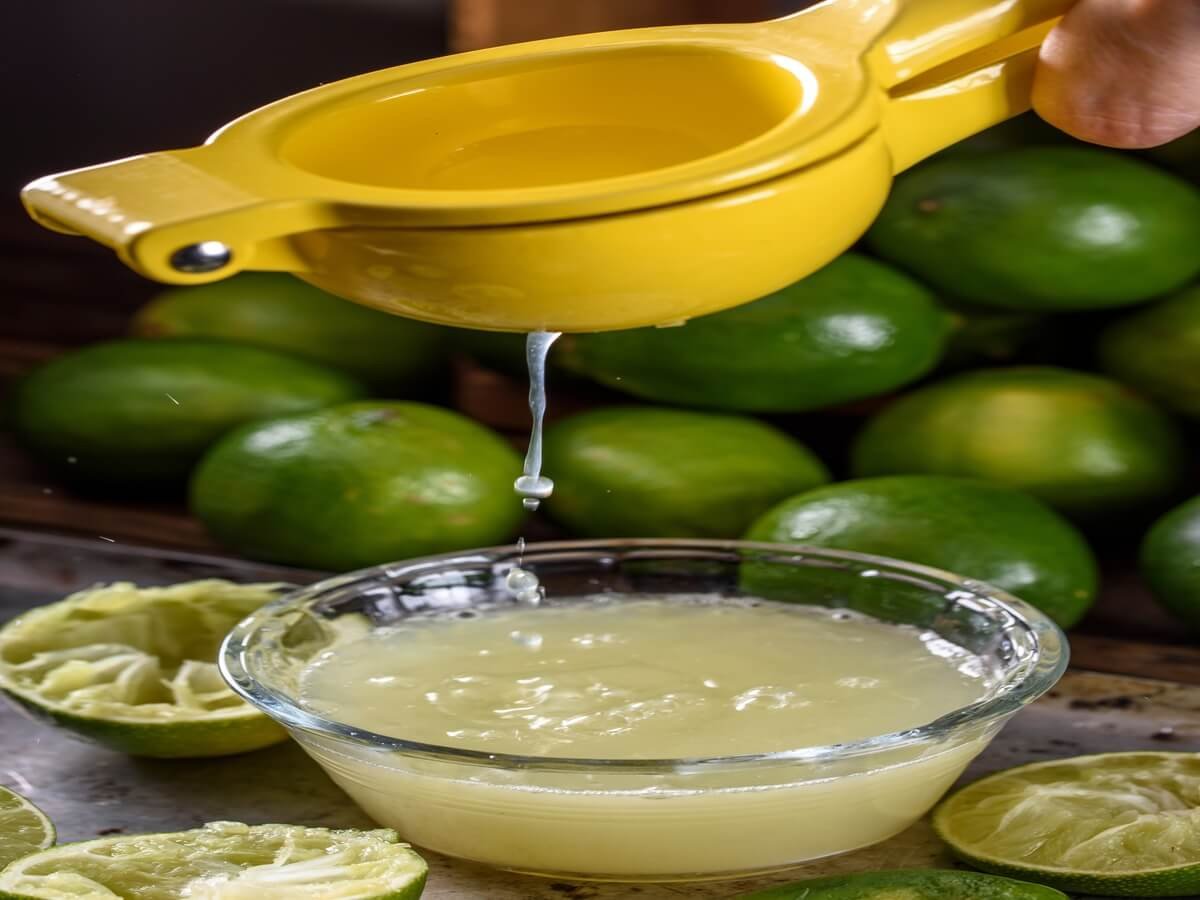

How Lemon Juice Concentrate Is Made: From Farm to Bottle

How Lemon Juice Concentrate Is Made: From Farm to Bottle

Every bottle of premium lemon juice concentrate tells the story of careful farming, professional processing, and a commitment to quality. While many consumers enjoy lemon juice concentrate in beverages, cooking, baking, marinades, sauces, desserts, and food manufacturing, few understand the detailed journey that transforms fresh lemons into the finished product found on store shelves.

Producing premium lemon juice concentrate involves much more than simply extracting juice. It requires responsible agricultural practices, careful fruit selection, professional manufacturing systems, rigorous quality assurance, hygienic packaging, and dependable distribution.

As demand for premium food ingredients continues to grow across Kenya, consumers and businesses increasingly value products that are sustainably produced, responsibly sourced, and backed by transparent production systems.

At Soba Renaissance, we proudly produce premium lemon juice concentrate through sustainable agricultural partnerships, responsible sourcing, integrated farm-to-bottle production, and strict quality management. Every bottle reflects our dedication to consistency, food safety, and supporting Kenyan agriculture.

This guide explores how lemon juice concentrate is made from the orchard to the bottle.

Step One: Growing Healthy Lemon Trees

Every bottle begins long before harvest.

Healthy lemon orchards provide the foundation for premium lemon juice concentrate.

Responsible cultivation focuses on:

  • Well-managed orchards.
  • Healthy citrus trees.
  • Sustainable agricultural practices.
  • Responsible land management.
  • Long-term productivity.

Strong agricultural foundations help support reliable harvests year after year.

Step Two: Caring for the Orchard

Producing premium lemons requires continuous attention throughout the growing season.

Farmers carefully manage orchards by focusing on:

  • Tree health.
  • Efficient resource management.
  • Responsible farming practices.
  • Sustainable production.
  • Continuous crop monitoring.

Healthy orchards contribute to consistent fruit quality.

Step Three: Harvesting at the Right Time

Harvesting is one of the most important stages in production.

Carefully timed harvesting helps ensure lemons are collected when they meet the desired production standards.

Professional harvesting emphasises:

  • Responsible handling.
  • Efficient collection.
  • Careful transportation.
  • Preservation of fruit quality.

The quality of the harvested fruit directly influences every stage that follows.

Step Four: Fruit Selection

Before processing begins, lemons are carefully assessed to ensure they meet production requirements.

Professional selection supports:

  • Consistent product quality.
  • Reliable manufacturing.
  • Efficient processing.
  • Continuous quality assurance.

Starting with quality fruit helps produce dependable finished products.

Step Five: Juice Extraction

Once prepared, lemons move through professional extraction systems.

Juice extraction focuses on:

  • Hygienic processing.
  • Efficient production.
  • Careful handling.
  • Product consistency.

This stage transforms freshly harvested lemons into lemon juice ready for further processing.

Step Six: Creating the Concentrate

The extracted juice then undergoes a controlled concentration process.

Professional concentration aims to:

  • Preserve product consistency.
  • Support efficient storage.
  • Prepare the product for packaging.
  • Maintain rigorous quality standards.

Carefully managed production systems help ensure dependable results throughout every batch.

Step Seven: Quality Assurance

Quality assurance is integrated throughout the production process.

Professional quality management focuses on:

  • Consistent production standards.
  • Hygienic operations.
  • Product integrity.
  • Careful monitoring.
  • Continuous improvement.

These systems help ensure every bottle reflects the producer’s commitment to excellence.

Step Eight: Professional Packaging

Once production is complete, lemon juice concentrate is packaged to protect product quality.

High-quality packaging should provide:

  • Secure sealing.
  • Hygienic presentation.
  • Clear product information.
  • Protection during storage.
  • Safe transportation.

Packaging plays an important role in preserving product integrity until it reaches customers.

Step Nine: Nationwide Distribution

Reliable distribution ensures products reach customers efficiently.

Soba Renaissance supplies premium lemon juice concentrate to:

  • Households.
  • Restaurants.
  • Hotels.
  • Cafés.
  • Bakeries.
  • Beverage manufacturers.
  • Food processors.
  • Retailers.
  • Supermarkets.
  • Wholesale buyers.

Professional logistics help maintain product quality throughout delivery.

Sustainability Throughout Production

Responsible production extends beyond manufacturing.

At Soba Renaissance, sustainability guides every stage through:

  • Responsible sourcing.
  • Sustainable agricultural partnerships.
  • Efficient resource management.
  • Environmental stewardship.
  • Continuous operational improvement.

These principles support Kenya’s agricultural future while helping produce premium food ingredients.

Farm-to-Bottle Transparency

Consumers increasingly appreciate understanding how their food is produced.

Our integrated farm-to-bottle production model provides oversight throughout:

  • Lemon cultivation.
  • Responsible sourcing.
  • Harvesting.
  • Juice extraction.
  • Concentration.
  • Quality assurance.
  • Packaging.
  • Distribution.

This transparent production model helps build confidence while supporting consistent quality.

Why Customers Choose Soba Renaissance

Customers throughout Kenya choose Soba Renaissance because we consistently provide:

  • Premium lemon juice concentrate.
  • Responsible sourcing.
  • Sustainable agriculture.
  • Integrated farm-to-bottle production.
  • Rigorous quality assurance.
  • Hygienic packaging.
  • Transparent operations.
  • Reliable nationwide distribution.
  • Professional customer service.
  • Consistent product quality.

These values guide every bottle we produce.

Frequently Asked Questions

How is lemon juice concentrate made?

Lemon juice concentrate is produced by cultivating healthy lemons, harvesting carefully selected fruit, extracting the juice, concentrating it through professional production systems, conducting rigorous quality assurance, packaging hygienically, and distributing it through reliable supply networks.

Why is quality assurance important?

Quality assurance helps maintain product consistency, hygienic production, reliable manufacturing standards, and customer confidence throughout every stage of production.

Why is sustainable farming important?

Responsible farming supports healthy orchards, environmental stewardship, efficient resource management, and long-term agricultural productivity.

Why choose Soba Renaissance?

Soba Renaissance combines responsible sourcing, sustainable agriculture, integrated farm-to-bottle production, rigorous quality assurance, hygienic packaging, and dependable nationwide distribution to produce premium lemon juice concentrate trusted throughout Kenya.

From Kenyan Orchards to Every Bottle

The journey of lemon juice concentrate begins with carefully cultivated orchards and continues through every stage of responsible production. From sustainable farming and careful harvesting to professional juice extraction, controlled concentration, rigorous quality assurance, hygienic packaging, and dependable nationwide distribution, every step contributes to the consistency and quality customers expect.

At Soba Renaissance, we proudly produce premium lemon juice concentrate through sustainable agricultural partnerships, integrated farm-to-bottle production, and a commitment to continuous improvement. Every bottle reflects our dedication to supporting Kenyan farmers, protecting the environment, and delivering premium products to households and businesses across the country.

Whether you are purchasing for your family, restaurant, hotel, café, bakery, beverage manufacturing business, food processing operation, supermarket, retailer, or wholesale enterprise, Soba Renaissance delivers premium lemon juice concentrate produced with integrity, professionalism, and a passion for quality.

Choose Soba Renaissance where every bottle begins in responsibly managed Kenyan orchards and ends with trusted quality on your table.

Fresh Lemon Juice vs Lemon Juice Concentrate: Which Should You Choose?

Fresh Lemon Juice vs Lemon Juice Concentrate: Which Should You Choose?

Lemons have become an essential ingredient in Kenyan households and commercial kitchens alike. From refreshing beverages and healthy smoothies to marinades, sauces, baked goods, desserts, and food manufacturing, lemon juice brings bright citrus flavour to countless recipes.

When choosing a lemon-based ingredient, many consumers and businesses face an important question: Should you use fresh lemon juice or lemon juice concentrate?

The answer depends on your intended use, preparation methods, storage requirements, and the level of consistency you expect. Both products have advantages, and understanding their strengths allows you to make better purchasing decisions for your home or business.

Across Kenya, restaurants, hotels, cafés, bakeries, beverage manufacturers, supermarkets, retailers, and food processors are increasingly looking for dependable products backed by responsible sourcing, sustainable farming, and professional quality assurance.

At Soba Renaissance, we proudly produce premium lemon juice concentrate through sustainable agricultural partnerships, responsible sourcing, integrated farm-to-bottle production, and strict quality management systems. Every bottle reflects our commitment to consistency, transparency, and supporting Kenyan agriculture.

This guide will help you understand when fresh lemon juice makes sense, when lemon juice concentrate is the better choice, and why selecting the right producer matters most.

Understanding Fresh Lemon Juice

Fresh lemon juice is obtained by squeezing whole lemons immediately before use.

It is commonly chosen by people who:

  • Prepare meals at home.
  • Make fresh juices.
  • Create homemade dressings.
  • Cook small batches of food.
  • Prefer squeezing lemons as part of meal preparation.

Fresh lemons remain a familiar ingredient in many Kenyan kitchens because they are versatile and easy to incorporate into everyday cooking.

Understanding Lemon Juice Concentrate

Lemon juice concentrate is produced by extracting juice from carefully selected lemons before concentrating it through professionally managed production systems.

The production process focuses on:

  • Responsible sourcing.
  • Sustainable farming.
  • Professional processing.
  • Hygienic production.
  • Quality assurance.
  • Secure packaging.

The result is a dependable ingredient designed for consistent use across households and commercial operations.

Comparing Everyday Convenience

One of the biggest differences is the amount of preparation required.

Fresh lemon juice involves:

  • Purchasing whole lemons.
  • Washing them.
  • Cutting.
  • Squeezing.
  • Removing seeds where necessary.
  • Cleaning equipment afterwards.

Lemon juice concentrate simplifies preparation because it is ready to use whenever needed.

For busy households and businesses, this convenience can save valuable time.

Which Option Offers Greater Consistency?

Consistency matters, particularly when recipes must deliver reliable results every time.

Commercial kitchens often require ingredients that perform consistently across:

  • Multiple servings.
  • Daily production.
  • Standardised recipes.
  • Large-scale food preparation.

Professionally produced lemon juice concentrate helps maintain dependable quality through carefully managed production and quality control systems.

Choosing for Home Cooking

Many families enjoy using both fresh lemons and lemon juice concentrate depending on the occasion.

Fresh lemons are often preferred for:

  • Fresh salads.
  • Homemade drinks.
  • Small recipes.
  • Immediate preparation.

Lemon juice concentrate is ideal for:

  • Busy weekdays.
  • Meal preparation.
  • Everyday cooking.
  • Stocking the pantry.
  • Convenient access throughout the year.

Having both available provides flexibility in the kitchen.

Choosing for Restaurants and Hotels

Hospitality businesses require ingredients that support efficiency and consistency.

Restaurants and hotels benefit from products that help simplify operations while maintaining professional standards.

Premium lemon juice concentrate supports:

  • Faster preparation.
  • Reliable recipe consistency.
  • Professional kitchen workflows.
  • Efficient inventory management.
  • Dependable supply.

These advantages are especially valuable in busy commercial kitchens.

Choosing for Beverage Manufacturing

Beverage manufacturers require dependable ingredients that support large-scale production.

Professional lemon juice concentrate offers:

  • Consistent product quality.
  • Reliable production planning.
  • Efficient manufacturing.
  • Professional quality assurance.
  • Dependable sourcing.

Consistency remains essential throughout beverage production.

Storage Considerations

Storage requirements also influence purchasing decisions.

Fresh lemons are usually purchased regularly and used within their natural storage period.

Professionally packaged lemon juice concentrate is designed to be stored according to the manufacturer’s recommendations, making it convenient for households and businesses alike.

Always follow the storage instructions provided on the product label.

Sustainability Supports Better Food Production

Today’s consumers increasingly support producers committed to environmental responsibility.

At Soba Renaissance, sustainability is integrated throughout production by focusing on:

  • Responsible sourcing.
  • Sustainable agriculture.
  • Efficient resource management.
  • Environmental stewardship.
  • Continuous improvement.

Responsible production benefits both customers and Kenya’s agricultural future.

Why the Producer Matters Most

Whether choosing fresh lemons or lemon juice concentrate, the reputation of the producer remains one of the most important considerations.

A trusted producer demonstrates commitment to:

  • Responsible sourcing.
  • Professional processing.
  • Food safety.
  • Quality assurance.
  • Transparent operations.
  • Reliable customer support.

Quality production creates long-term confidence.

Farm-to-Bottle Excellence

Soba Renaissance follows an integrated farm-to-bottle production model that provides oversight throughout:

  • Responsible lemon cultivation.
  • Sustainable sourcing.
  • Professional processing.
  • Quality assurance.
  • Hygienic packaging.
  • Reliable nationwide distribution.

This integrated approach helps ensure every bottle meets consistently high standards.

Why Customers Choose Soba Renaissance

Customers across Kenya choose Soba Renaissance because we consistently provide:

  • Premium lemon juice concentrate.
  • Responsible sourcing.
  • Sustainable agriculture.
  • Integrated farm-to-bottle production.
  • Rigorous quality assurance.
  • Hygienic packaging.
  • Transparent operations.
  • Reliable nationwide supply.
  • Professional customer service.
  • Consistent product quality.

These principles define everything we produce.

Frequently Asked Questions

Is fresh lemon juice healthier than lemon juice concentrate?

Both products have their place depending on how they are produced and used. Choosing a trusted producer that follows responsible production and quality assurance practices is one of the most important considerations.

Why do businesses use lemon juice concentrate?

Restaurants, hotels, cafés, bakeries, beverage manufacturers, and food processors often choose lemon juice concentrate because it offers convenience, consistency, dependable supply, and efficient food preparation.

How should lemon juice concentrate be stored?

Store the product according to the instructions provided on the packaging and keep the container properly sealed after opening.

Why choose Soba Renaissance?

Soba Renaissance combines responsible sourcing, sustainable agriculture, integrated farm-to-bottle production, rigorous quality assurance, hygienic packaging, and dependable nationwide distribution to produce premium lemon juice concentrate trusted throughout Kenya.

Making the Right Choice for Every Kitchen

There is no single answer to the fresh lemon juice versus lemon juice concentrate debate because every kitchen has different needs. Fresh lemons remain an excellent choice for immediate preparation and everyday home cooking, while professionally produced lemon juice concentrate provides outstanding convenience, consistency, and efficiency for both households and commercial operations.

The key is selecting products from a producer that prioritises responsible sourcing, sustainable agriculture, professional processing, and transparent quality management.

At Soba Renaissance, we proudly produce premium lemon juice concentrate through integrated farm-to-bottle production, sustainable farming partnerships, and rigorous quality assurance. Every bottle reflects our commitment to supporting Kenyan agriculture while delivering dependable products to homes, restaurants, hotels, cafés, bakeries, beverage manufacturers, retailers, supermarkets, and food businesses across Kenya.

When quality, sustainability, and consistency matter, choose Soba Renaissance your trusted partner for premium lemon juice concentrate in Kenya.


Everything You Need to Know About Organic Lemon Juice Concentrate

Everything You Need to Know About Organic Lemon Juice Concentrate

Organic lemon juice concentrate has become an increasingly valuable ingredient in Kenyan homes and commercial kitchens. Whether it is used to prepare refreshing beverages, enhance recipes, create marinades, support food manufacturing, or add citrus flavour to baked goods, lemon juice concentrate offers consistency, convenience, and versatility for a wide range of applications.

As demand for premium food products continues to grow, consumers and businesses are becoming more interested in understanding where their products come from, how they are produced, and what makes premium organic options different. They are also placing greater value on sustainability, responsible sourcing, and transparent production.

Understanding organic lemon juice concentrate helps buyers make informed decisions while selecting products that align with their quality expectations and environmental values.

At Soba Renaissance, we proudly produce premium organic lemon juice concentrate through responsible sourcing, sustainable agricultural practices, integrated farm-to-bottle production, and rigorous quality assurance. Every bottle reflects our commitment to quality, transparency, and supporting Kenyan agriculture.

This guide explains everything you need to know about organic lemon juice concentrate.

What Is Organic Lemon Juice Concentrate?

Organic lemon juice concentrate is produced by extracting juice from carefully selected lemons and concentrating it through professional processing methods while maintaining strict quality standards.

Premium production focuses on:

  • Responsible sourcing.
  • Sustainable agriculture.
  • Professional processing.
  • Rigorous quality assurance.
  • Hygienic packaging.
  • Transparent production.

These principles help ensure a consistent, high-quality product from farm to bottle.

Why Organic Lemon Juice Concentrate Is Growing in Popularity

Consumers across Kenya increasingly choose organic food products because they value:

  • Responsible farming.
  • Sustainable production.
  • Product consistency.
  • Transparent sourcing.
  • Environmental stewardship.

Businesses also appreciate the dependable quality that supports consistent food and beverage preparation.

How Organic Lemon Juice Concentrate Is Produced

Every bottle begins with carefully cultivated lemons.

Professional production generally includes:

  • Lemon cultivation.
  • Responsible sourcing.
  • Fruit selection.
  • Juice extraction.
  • Concentration.
  • Quality.
  • Packaging.
  • Distribution.

Managing every stage carefully helps preserve consistency throughout production.

Responsible Lemon Farming

Premium products begin with responsible agriculture.

Sustainable lemon farming supports:

  • Healthy orchards.
  • Responsible land stewardship.
  • Efficient resource management.
  • Environmental conservation.
  • Long-term agricultural productivity.

These practices strengthen both product quality and Kenya’s agricultural future.

Professional Processing

Once harvested, lemons are professionally processed before becoming concentrated juice.

Careful processing supports:

  • Product consistency.
  • Hygienic handling.
  • Quality preservation.
  • Operational efficiency.
  • Reliable manufacturing standards.

Professional processing plays an essential role in producing premium lemon juice concentrate.

Packaging Protects Product Quality

Packaging is important throughout storage and transportation.

Quality packaging should provide:

  • Secure sealing.
  • Clear product information.
  • Hygienic presentation.
  • Protection during transport.
  • Convenient storage.

Professional packaging helps preserve product integrity until use.

Proper Storage After Purchase

Correct storage helps maintain product quality.

Recommended practices include:

  • Keeping the container tightly sealed.
  • Storing according to the instructions on the packaging.
  • Protecting from excessive heat.
  • Avoiding direct sunlight.
  • Following recommended handling guidance.

Proper storage supports long-lasting product quality.

Common Uses of Organic Lemon Juice Concentrate

Organic lemon juice concentrate is suitable for many applications.

It is widely used by:

  • Households.
  • Restaurants.
  • Hotels.
  • Cafés.
  • Bakeries.
  • Beverage manufacturers.
  • Food processors.
  • Supermarkets.
  • Retail businesses.

Its versatility makes it a valuable ingredient across numerous industries.

Sustainability Supports Every Bottle

Responsible production extends well beyond farming.

At Soba Renaissance, sustainability is reflected through:

  • Responsible sourcing.
  • Sustainable agricultural practices.
  • Efficient resource management.
  • Environmental stewardship.
  • Continuous operational improvement.

These efforts help support both Kenyan agriculture and long-term food production.

Farm-to-Bottle Transparency

Consumers increasingly value knowing where their products come from.

Our integrated farm-to-bottle production model provides oversight across:

  • Responsible lemon cultivation.
  • Sustainable sourcing.
  • Professional processing.
  • Quality assurance.
  • Hygienic packaging.
  • Nationwide distribution.

This integrated approach strengthens transparency while supporting consistent quality.

Choosing a Trusted Producer

Regardless of how the product is used, selecting the right producer is one of the most important purchasing decisions.

A trusted producer demonstrates commitment to:

  • Responsible sourcing.
  • Sustainable agriculture.
  • Rigorous quality assurance.
  • Professional packaging.
  • Transparent operations.
  • Reliable customer service.

Choosing a reputable producer helps ensure confidence in every bottle.

Why Customers Choose Soba Renaissance

Customers throughout Kenya choose Soba Renaissance because we consistently provide:

  • Premium organic lemon juice concentrate.
  • Responsible sourcing.
  • Sustainable agriculture.
  • Farm-to-bottle production.
  • Rigorous quality assurance.
  • Hygienic packaging.
  • Transparent operations.
  • Reliable nationwide distribution.
  • Professional customer service.
  • Consistent product quality.

These values define every product we produce.

Frequently Asked Questions

What is organic lemon juice concentrate?

Organic lemon juice concentrate is produced by extracting juice from carefully selected lemons and concentrating it through professionally managed production systems that emphasise quality, responsible sourcing, and sustainability.

Why is organic lemon juice concentrate becoming more popular?

Consumers increasingly appreciate products that demonstrate responsible farming, sustainable production, consistent quality, and transparent sourcing.

How should lemon juice concentrate be stored?

Store the product according to the instructions on the packaging, keep the container tightly sealed, and protect it from conditions that may affect product quality.

Why choose Soba Renaissance?

Soba Renaissance combines responsible sourcing, sustainable agriculture, integrated farm-to-bottle production, rigorous quality assurance, hygienic packaging, and dependable nationwide distribution to produce premium organic lemon juice concentrate trusted throughout Kenya.

Premium Organic Lemon Juice Concentrate from Farm to Bottle

Organic lemon juice concentrate represents the combination of responsible farming, professional processing, sustainable agriculture, and careful quality management. Every bottle reflects the work of dedicated growers, skilled production teams, and carefully managed systems that ensure consistent quality from beginning to end.

At Soba Renaissance, we proudly produce premium organic lemon juice concentrate through responsible sourcing, sustainable agricultural practices, integrated farm-to-bottle production, and rigorous quality assurance. Our commitment to transparency, environmental responsibility, and continuous improvement enables us to supply households and businesses across Kenya with products they can trust.

Whether you are purchasing for your family, restaurant, hotel, café, bakery, beverage manufacturing business, food processing operation, supermarket, retailer, or wholesale enterprise, Soba Renaissance delivers premium organic lemon juice concentrate backed by trusted Kenyan expertise and a commitment to excellence.

Choose Soba Renaissance where sustainable farming, responsible production, and premium organic lemon juice concentrate come together in every bottle.

Complete Guide to Buying Lemon Juice Concentrate in Kenya

Complete Guide to Buying Lemon Juice Concentrate in Kenya

Lemon juice concentrate has become an essential ingredient in homes, restaurants, hotels, cafés, bakeries, beverage manufacturers, food processors, and hospitality businesses across Kenya. Its versatility, convenience, and consistent flavour make it an ideal ingredient for beverages, cooking, baking, marinades, sauces, desserts, and commercial food production.

As demand continues to grow, buyers are becoming more selective about the products they purchase. They are looking beyond price alone and paying greater attention to quality, responsible production, food safety, sustainability, and the reputation of the producer.

Whether you are purchasing lemon juice concentrate for your household or sourcing large quantities for commercial operations, understanding what to look for helps ensure consistent quality and long-term value.

At Soba Renaissance, we proudly produce premium lemon juice concentrate through responsible sourcing, sustainable agricultural practices, integrated farm-to-bottle production, and rigorous quality assurance. Every bottle reflects our commitment to freshness, transparency, and supporting Kenyan agriculture.

This complete guide explains everything you should know before buying lemon juice concentrate in Kenya.

Why Lemon Juice Concentrate Is So Popular

Lemon juice concentrate offers a practical and versatile solution for both home and commercial use.

It is widely used by:

  • Families.
  • Restaurants.
  • Hotels.
  • Cafés.
  • Bakeries.
  • Beverage manufacturers.
  • Food processors.
  • Supermarkets.
  • Retailers.

Its convenience and consistency make it a valuable ingredient across many applications.

Start by Choosing a Trusted Producer

The producer behind the product plays a major role in determining quality and consistency.

A reputable producer demonstrates commitment to:

  • Responsible sourcing.
  • Sustainable agriculture.
  • Professional processing.
  • Rigorous quality assurance.
  • Hygienic packaging.
  • Transparent operations.

Choosing a trusted producer provides confidence in every purchase.

Understand How Lemon Juice Concentrate Is Produced

Learning how lemon juice concentrate is made helps buyers better evaluate product quality.

Professional production generally includes:

  • Lemon cultivation.
  • Responsible sourcing.
  • Fruit selection.
  • Juice extraction.
  • Concentration.
  • Quality assurance.
  • Packaging.
  • Distribution.

Integrated production systems provide greater oversight throughout the process.

Look for Consistent Product Quality

Quality should remain consistent regardless of when or where you purchase.

Reliable producers invest in:

  • Professional production systems.
  • Consistent quality management.
  • Hygienic handling.
  • Careful packaging.
  • Continuous improvement.

Consistency benefits both households and commercial buyers.

Evaluate Packaging

Packaging protects lemon juice concentrate throughout storage and transportation.

Choose products that are:

  • Securely sealed.
  • Clearly labelled.
  • Professionally packaged.
  • Undamaged.
  • Easy to store.

Quality packaging helps preserve product integrity until use.

Read Product Information Carefully

Product labels provide useful guidance that supports informed purchasing.

Review information such as:

  • Product name.
  • Net contents.
  • Producer information.
  • Storage recommendations.
  • Packaging or best-before information where applicable.
  • Batch identification where provided.

Clear labelling reflects professionalism and transparency.

Proper Storage Matters

Correct storage helps maintain product quality after purchase.

Best practices include:

  • Keeping the container tightly sealed.
  • Storing in a cool, dry place.
  • Protecting from direct sunlight.
  • Following the storage guidance provided on the packaging.

Proper storage helps preserve quality throughout the recommended usage period.

Buying for Commercial Use

Businesses often require dependable supply alongside excellent quality.

Hotels, restaurants, cafés, bakeries, beverage manufacturers, food processors, supermarkets, retailers, and distributors benefit from suppliers that provide:

  • Consistent product quality.
  • Reliable availability.
  • Professional packaging.
  • Transparent operations.
  • Responsive customer support.

Dependable supply helps businesses operate efficiently.

Sustainability Adds Long-Term Value

Consumers increasingly support producers that invest in sustainable agricultural practices.

Responsible production contributes to:

  • Environmental stewardship.
  • Responsible resource management.
  • Agricultural resilience.
  • Support for farming communities.
  • Long-term sustainability.

At Soba Renaissance, sustainability is integrated into every stage of production.

Farm-to-Bottle Production Builds Confidence

Our integrated farm-to-bottle production model provides oversight across:

  • Responsible lemon cultivation.
  • Sustainable sourcing.
  • Professional processing.
  • Quality assurance.
  • Hygienic packaging.
  • Reliable nationwide distribution.

Managing every stage helps ensure consistent quality and transparency.

Why Customers Choose Soba Renaissance

Customers across Kenya trust Soba Renaissance because we consistently provide:

  • Premium lemon juice concentrate.
  • Responsible sourcing.
  • Sustainable agriculture.
  • Farm-to-bottle production.
  • Rigorous quality assurance.
  • Hygienic packaging.
  • Transparent operations.
  • Reliable nationwide distribution.
  • Professional customer service.
  • Consistent product quality.

These principles guide every bottle we produce.

Frequently Asked Questions

What should I consider before buying lemon juice concentrate?

Choose a trusted producer that demonstrates responsible sourcing, sustainable agriculture, professional processing, rigorous quality assurance, hygienic packaging, and transparent operations.

Why is product consistency important?

Consistent quality helps households and businesses achieve reliable results while supporting customer confidence.

How should lemon juice concentrate be stored?

Store the product according to the instructions on the packaging, keeping it tightly sealed, protected from direct sunlight, and in appropriate storage conditions.

Why choose Soba Renaissance?

Soba Renaissance combines responsible sourcing, sustainable agriculture, integrated farm-to-bottle production, rigorous quality assurance, hygienic packaging, and dependable nationwide distribution to produce premium lemon juice concentrate trusted throughout Kenya.

Buy with Confidence, Choose Quality

Purchasing premium lemon juice concentrate is about more than selecting a bottle from the shelf. It involves choosing a producer that values responsible sourcing, sustainable farming, professional processing, consistent quality, and transparent operations from beginning to end.

At Soba Renaissance, we proudly produce premium lemon juice concentrate through sustainable agricultural practices, integrated farm-to-bottle production, and rigorous quality assurance. Every bottle reflects our commitment to supporting Kenyan agriculture while delivering dependable quality to households and businesses across the country.

Whether you are purchasing for your family, restaurant, hotel, café, bakery, beverage manufacturing business, food processing operation, supermarket, retailer, or wholesale enterprise, Soba Renaissance delivers premium lemon juice concentrate backed by trusted Kenyan expertise and an unwavering commitment to excellence.

Choose Soba Renaissance your trusted partner for premium lemon juice concentrate in Kenya.

How Coffee Is Grown: From Farm to Cup

How Coffee Is Grown: From Farm to Cup

Every memorable cup of coffee begins long before it reaches your mug. Behind every roasted bean lies a remarkable agricultural journey involving dedicated farmers, carefully nurtured coffee plants, sustainable farming practices, professional processing, and meticulous quality assurance.

Kenya has earned global recognition for producing exceptional coffee, thanks to favourable growing conditions and generations of farming expertise. Today, consumers are increasingly interested in understanding not only how coffee tastes, but also how it is grown, where it comes from, and the values behind its production.

From households enjoying their morning brew to cafés, hotels, restaurants, offices, retailers, supermarkets, and food businesses serving hundreds of customers each day, premium coffee begins with responsible cultivation.

At Soba Renaissance, we proudly produce premium organic coffee through responsible sourcing, sustainable farming partnerships, integrated farm-to-cup production, and rigorous quality assurance. Every package reflects our commitment to supporting Kenyan agriculture while delivering consistently exceptional coffee.

This guide explores the fascinating journey of coffee from the farm to your cup.

Coffee Begins with Healthy Seedlings

Every coffee harvest starts with young coffee plants.

Strong seedlings provide the foundation for healthy coffee trees capable of producing quality coffee over many years.

Successful cultivation begins with:

  • Carefully selected planting material.
  • Healthy nursery management.
  • Responsible agricultural planning.
  • Sustainable farming practices.
  • Long-term crop development.

Healthy beginnings contribute to consistent coffee production.

Choosing the Right Growing Environment

Coffee thrives when grown in suitable environmental conditions.

Successful cultivation depends on factors such as:

  • Suitable climate.
  • Healthy soils.
  • Adequate rainfall.
  • Appropriate altitude.
  • Responsible farm management.

Carefully managed growing environments help support healthy coffee plants and reliable harvests.

Sustainable Coffee Farming

Growing premium coffee requires continuous care throughout the life of the crop.

Responsible coffee farming focuses on:

  • Sustainable agricultural practices.
  • Efficient resource management.
  • Responsible land stewardship.
  • Environmental conservation.
  • Long-term productivity.

At Soba Renaissance, sustainability is an essential part of supporting both quality coffee and Kenya’s agricultural future.

Caring for Coffee Plants

Coffee plants require ongoing attention throughout the growing season.

Farmers continually monitor crop health while maintaining practices that encourage strong plant development.

Responsible crop management supports:

  • Healthy coffee trees.
  • Consistent production.
  • Reliable harvests.
  • Long-term farm sustainability.

Continuous care helps protect both quality and productivity.

Harvesting the Coffee Cherries

When coffee cherries reach maturity, harvesting begins.

Professional harvesting aims to preserve the quality of the crop while preparing it for the next stage of production.

Careful harvesting focuses on:

  • Responsible handling.
  • Maintaining crop quality.
  • Efficient collection.
  • Professional agricultural management.

The quality of the harvest influences every stage that follows.

Processing the Coffee

After harvesting, coffee undergoes careful processing before roasting.

Professional processing supports:

  • Product consistency.
  • Hygienic handling.
  • Quality preservation.
  • Operational efficiency.
  • Reliable production standards.

This stage prepares the coffee for roasting while maintaining its integrity.

Roasting Brings Coffee to Life

Roasting is where coffee develops the characteristics that many consumers enjoy.

Professional roasting emphasises:

  • Consistency.
  • Careful process control.
  • Product quality.
  • Continuous improvement.
  • Reliable results.

Thoughtful roasting helps ensure every batch meets high production standards.

Packaging Protects Freshness

Once roasted, coffee is professionally packaged to help preserve its quality.

High-quality packaging should provide:

  • Secure sealing.
  • Clear product information.
  • Hygienic handling.
  • Professional presentation.
  • Protection during storage and transport.

Packaging plays an important role in maintaining freshness until brewing.

Distribution Across Kenya

Premium coffee reaches customers through dependable distribution systems.

Soba Renaissance supplies coffee to:

  • Households.
  • Cafés.
  • Restaurants.
  • Hotels.
  • Offices.
  • Retailers.
  • Supermarkets.
  • Hospitality businesses.
  • Wholesale customers.

Reliable logistics help ensure coffee arrives in excellent condition.

Farm-to-Cup Transparency

Consumers increasingly value knowing where their coffee comes from.

Our integrated farm-to-cup production model provides oversight throughout:

  • Responsible cultivation.
  • Sustainable sourcing.
  • Harvesting.
  • Processing.
  • Roasting.
  • Quality assurance.
  • Packaging.
  • Distribution.

This transparent approach helps build confidence while supporting consistent quality.

Sustainability Shapes Every Harvest

Responsible coffee production extends beyond the farm.

At Soba Renaissance, sustainability guides every stage through:

  • Responsible sourcing.
  • Sustainable farming partnerships.
  • Environmental stewardship.
  • Efficient resource management.
  • Continuous operational improvement.

These practices help strengthen Kenya’s coffee industry while protecting natural resources for future generations.

Why Customers Choose Soba Renaissance

Customers across Kenya choose Soba Renaissance because we consistently provide:

  • Premium organic coffee.
  • Responsible sourcing.
  • Sustainable agriculture.
  • Farm-to-cup production.
  • Rigorous quality assurance.
  • Professional roasting.
  • Hygienic packaging.
  • Transparent operations.
  • Reliable nationwide distribution.
  • Exceptional customer service.

These values define every coffee product we produce.

Frequently Asked Questions

How is coffee grown?

Coffee is grown through a carefully managed agricultural process that includes cultivating healthy coffee plants, responsible farm management, harvesting mature coffee cherries, processing, roasting, packaging, and distribution.

Why is sustainable farming important for coffee?

Sustainable farming supports healthy coffee plants, responsible resource management, environmental stewardship, and long-term agricultural productivity.

Why does professional processing matter?

Professional processing helps preserve product quality, maintain consistency, support hygienic handling, and prepare coffee for roasting and packaging.

Why choose Soba Renaissance?

Soba Renaissance combines responsible sourcing, sustainable farming partnerships, integrated farm-to-cup production, rigorous quality assurance, professional roasting, hygienic packaging, and dependable nationwide distribution to produce premium organic coffee trusted throughout Kenya.

Every Great Cup Begins on the Farm

Coffee is one of nature’s most remarkable agricultural products, and every exceptional cup begins with responsible farming, patient cultivation, and careful attention at every stage of production. From nurturing healthy coffee seedlings and harvesting ripe cherries to professional processing, roasting, packaging, and distribution, every step contributes to the final experience enjoyed by coffee lovers across Kenya.

At Soba Renaissance, we proudly support this journey through responsible sourcing, sustainable agricultural practices, integrated farm-to-cup production, and rigorous quality assurance. Our commitment to quality and transparency ensures that every package of premium organic coffee reflects the dedication of Kenyan farmers and the expertise invested throughout the production process.

Whether you are purchasing coffee for your home, office, café, restaurant, hotel, supermarket, retail business, or wholesale operation, Soba Renaissance delivers premium organic coffee produced with integrity, sustainability, and a passion for excellence.

Choose Soba Renaissance where every cup begins with responsible farming and ends with the rich taste of Kenyan quality.

Whole Coffee Beans vs Ground Coffee: Which Should You Buy?

Whole Coffee Beans vs Ground Coffee: Which Should You Buy?

Whether you’re preparing your first morning cup at home, serving guests in a hotel, brewing coffee in a busy café, or stocking an office pantry, one common question often arises: Should you buy whole coffee beans or ground coffee?

Both options offer excellent coffee experiences when produced with care and handled properly. The right choice depends on your brewing equipment, convenience, storage preferences, and how you enjoy your coffee.

As coffee culture continues to grow across Kenya, more consumers are becoming interested in understanding the differences between these two formats. Beyond flavour, buyers are also considering freshness, responsible sourcing, sustainable production, and the reputation of the producer.

At Soba Renaissance, we proudly produce premium coffee through responsible sourcing, sustainable farming partnerships, integrated farm-to-cup production, and rigorous quality assurance. Whether you choose whole beans or ground coffee, our commitment to quality remains the same.

This guide explores the key differences to help you choose the option that best suits your needs.

Understanding Whole Coffee Beans

Whole coffee beans are coffee beans that remain intact after roasting and before grinding.

Many coffee enthusiasts appreciate whole beans because they offer flexibility in how coffee is prepared.

Whole beans are commonly chosen by:

  • Home coffee enthusiasts.
  • Specialty cafés.
  • Restaurants.
  • Hotels.
  • Offices with coffee grinders.
  • Professional baristas.

Grinding immediately before brewing allows users to prepare coffee according to their preferred brewing method.

Understanding Ground Coffee

Ground coffee has already been milled into a ready-to-brew format before packaging.

Its greatest advantage is convenience.

Ground coffee is popular with:

  • Busy households.
  • Offices.
  • Hotels.
  • Restaurants.
  • Cafés.
  • Retail customers.

It allows users to begin brewing immediately without additional preparation.

Comparing Freshness

Freshness is often one of the biggest considerations when choosing between whole beans and ground coffee.

Whole coffee beans generally retain their characteristics longer because they remain intact until grinding.

Ground coffee offers excellent convenience but benefits from proper packaging and storage to help preserve its quality.

Regardless of format, professional roasting, careful packaging, and proper handling remain essential.

Convenience Matters

Your daily routine often determines which option is more practical.

Whole coffee beans may suit customers who enjoy preparing coffee with their own grinder.

Ground coffee is ideal for customers looking for:

  • Quick preparation.
  • Consistent convenience.
  • Everyday brewing.
  • Workplace coffee stations.
  • Simple home use.

Choosing the right format depends on how you prefer to prepare your coffee.

Brewing Flexibility

Whole coffee beans offer greater flexibility because they can be ground according to different brewing methods.

This allows coffee drinkers to prepare coffee for various brewing styles using a grind size appropriate for their equipment.

Ground coffee provides a ready-to-use solution that simplifies the brewing process for customers who prefer convenience.

Storage Considerations

Proper storage is important regardless of which coffee format you purchase.

For best results:

  • Keep coffee tightly sealed.
  • Store it in a cool, dry place.
  • Protect it from direct sunlight.
  • Avoid unnecessary exposure to moisture.
  • Follow the storage guidance provided on the packaging.

Careful storage helps preserve quality from purchase to the final cup.

Which Option Is Better for Businesses?

Commercial buyers often choose products based on operational needs.

Whole coffee beans are commonly selected by businesses that grind coffee on demand.

Ground coffee may be preferred by:

  • Offices.
  • Hotels.
  • Restaurants.
  • Catering businesses.
  • Hospitality venues.
  • Workplace kitchens.

The right choice depends on workflow, equipment, and customer expectations.

Quality Depends on the Producer

Whether you purchase whole beans or ground coffee, the producer behind the product has the greatest influence on overall quality.

A trusted coffee producer should demonstrate commitment to:

  • Responsible sourcing.
  • Sustainable farming.
  • Professional roasting.
  • Rigorous quality assurance.
  • Hygienic packaging.
  • Transparent operations.

Quality begins long before the coffee reaches your cup.

Sustainability Makes Every Cup Better

Responsible coffee production benefits both consumers and the environment.

At Soba Renaissance, sustainability guides every stage of production through:

  • Responsible sourcing.
  • Sustainable farming partnerships.
  • Environmental stewardship.
  • Efficient resource management.
  • Continuous operational improvement.

These principles help support Kenya’s coffee industry for future generations.

Farm-to-Cup Production Ensures Consistency

Our integrated farm-to-cup production model provides oversight throughout:

  • Responsible coffee cultivation.
  • Sustainable sourcing.
  • Professional harvesting.
  • Coffee processing.
  • Roasting.
  • Quality assurance.
  • Packaging.
  • Nationwide distribution.

Managing every stage helps deliver consistent quality in every package.

Why Customers Choose Soba Renaissance

Customers across Kenya trust Soba Renaissance because we consistently provide:

  • Premium coffee.
  • Whole coffee beans.
  • Ground coffee.
  • Responsible sourcing.
  • Sustainable agriculture.
  • Farm-to-cup production.
  • Rigorous quality assurance.
  • Professional roasting.
  • Hygienic packaging.
  • Reliable nationwide distribution.

Every coffee product reflects our commitment to excellence.

Frequently Asked Questions

Are whole coffee beans better than ground coffee?

Neither option is universally better. Whole beans offer greater flexibility and are ideal for customers who grind coffee before brewing, while ground coffee provides excellent convenience for everyday use.

Which coffee format stays fresh longer?

Whole coffee beans generally retain their characteristics longer because they remain intact until grinding. Proper packaging and storage are important for maintaining the quality of both formats.

Which option is better for businesses?

The right choice depends on the business. Cafés and specialty coffee shops often prefer whole beans, while offices, hotels, restaurants, and hospitality businesses may appreciate the convenience of ground coffee.

Why choose Soba Renaissance?

Soba Renaissance combines responsible sourcing, sustainable farming, integrated farm-to-cup production, professional roasting, rigorous quality assurance, hygienic packaging, and dependable nationwide distribution to produce premium coffee trusted throughout Kenya.

Choose the Coffee That Fits Your Lifestyle

The decision between whole coffee beans and ground coffee ultimately depends on your brewing habits, equipment, convenience preferences, and daily routine. Both formats can deliver an exceptional coffee experience when they are produced responsibly, roasted professionally, and packaged with care.

At Soba Renaissance, we proudly produce premium coffee through responsible sourcing, sustainable farming partnerships, integrated farm-to-cup production, and rigorous quality assurance. Whether you prefer the flexibility of whole beans or the convenience of ground coffee, every product reflects our dedication to quality, sustainability, and supporting Kenya’s coffee industry.

Whether you are purchasing for your household, café, hotel, restaurant, office, supermarket, retailer, or wholesale business, Soba Renaissance provides premium coffee backed by trusted Kenyan expertise and a commitment to consistency you can depend on.

Choose Soba Renaissance where every cup begins with responsible farming and ends with exceptional quality.

Arabica vs Robusta Coffee: Which Is Right for You?

Arabica vs Robusta Coffee: Which Is Right for You?

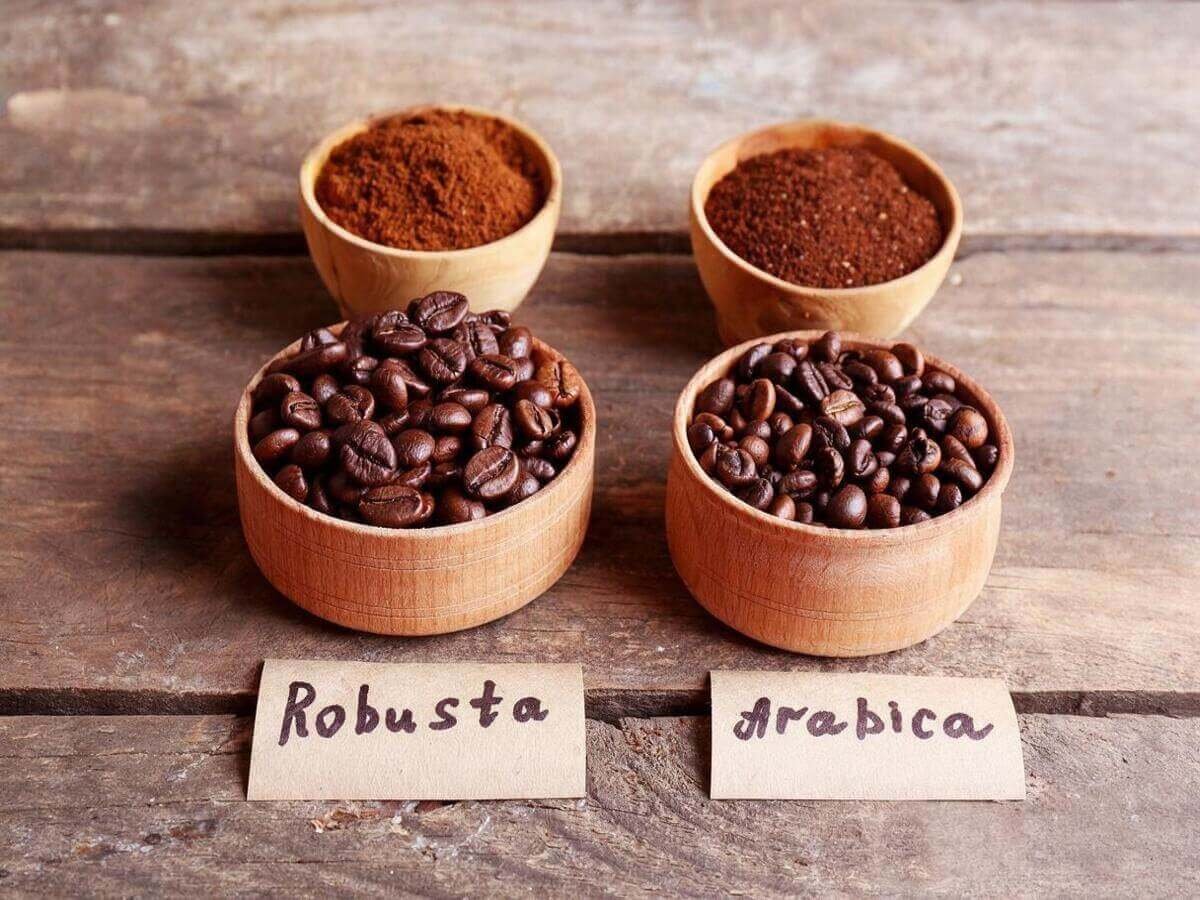
Coffee lovers often hear about Arabica and Robusta, but many people are unsure what separates these two well-known coffee varieties. Whether you are buying coffee for your home, café, restaurant, hotel, office, supermarket, or food business, understanding the characteristics of each variety can help you make more informed purchasing decisions.

Both Arabica and Robusta play important roles in the global coffee industry, and each offers unique qualities that suit different preferences and brewing styles. Rather than asking which variety is universally better, it is more helpful to understand what makes each one distinctive and how responsible production contributes to quality regardless of variety.

As Kenya continues to strengthen its reputation as one of the world’s leading coffee-producing nations, buyers increasingly value transparency, sustainability, and consistent quality alongside flavour and aroma.

At Soba Renaissance, we are committed to producing premium coffee through responsible sourcing, sustainable farming partnerships, integrated farm-to-cup production, and rigorous quality assurance. Every coffee product reflects our dedication to quality, environmental stewardship, and supporting Kenyan agriculture.

This guide explores the key differences between Arabica and Robusta coffee and helps you decide which may be the best fit for your needs.

Understanding Arabica Coffee

Arabica is one of the world’s most widely recognised coffee varieties.

It is appreciated for its refined characteristics and is commonly associated with premium coffee production.

Responsible Arabica cultivation focuses on:

  • Careful farm management.
  • Sustainable agricultural practices.
  • Responsible sourcing.
  • Professional harvesting.
  • Consistent quality management.

Many premium coffees are produced using carefully cultivated Arabica beans.

Understanding Robusta Coffee

Robusta is another important coffee variety grown in many coffee-producing regions around the world.

Its production supports a wide range of commercial and specialty applications.

Professional Robusta production emphasises:

  • Responsible cultivation.
  • Reliable crop management.
  • Sustainable farming.
  • Professional processing.
  • Consistent product quality.

Like Arabica, Robusta benefits greatly from careful agricultural management and quality assurance.

Growing Conditions

One of the main differences between Arabica and Robusta is the environment in which they thrive.

Different coffee varieties are suited to different growing conditions, influenced by factors such as:

  • Climate.
  • Rainfall.
  • Altitude.
  • Soil characteristics.
  • Farm management practices.

Regardless of the variety, sustainable farming plays an essential role in producing healthy coffee crops.

Flavour and Aroma

Many coffee drinkers notice differences in flavour and aroma between Arabica and Robusta.

Arabica is often chosen by consumers who appreciate a more delicate and nuanced coffee experience.

Robusta is frequently selected for applications that benefit from a more pronounced coffee character.

Taste remains highly personal, and individual preferences vary from one coffee drinker to another.

Choosing Coffee for Different Uses

Different coffee varieties may be suited to different applications.

Coffee is commonly enjoyed by:

  • Households.
  • Cafés.
  • Restaurants.
  • Hotels.
  • Offices.
  • Bakeries.
  • Retailers.
  • Hospitality businesses.
  • Wholesale buyers.

The ideal choice depends on brewing methods, customer preferences, and intended use.

Sustainability Supports Every Coffee Variety

Regardless of whether coffee is Arabica or Robusta, sustainable farming remains essential.

Responsible coffee producers invest in:

  • Environmental stewardship.
  • Responsible resource management.
  • Sustainable agricultural practices.
  • Long-term farm productivity.
  • Continuous operational improvement.

At Soba Renaissance, sustainability guides every stage of coffee production.

Responsible Sourcing Makes the Difference

Perhaps the most important factor is not simply the coffee variety but the producer behind it.

Responsible sourcing helps support:

  • Product consistency.
  • Professional quality management.
  • Sustainable farming partnerships.
  • Transparent production.
  • Long-term agricultural resilience.

Choosing a trusted producer provides confidence regardless of the coffee variety.

Farm-to-Cup Production Creates Confidence

Soba Renaissance follows an integrated farm-to-cup production model that provides oversight throughout:

  • Responsible cultivation.
  • Sustainable sourcing.
  • Professional harvesting.
  • Coffee processing.
  • Roasting.
  • Quality assurance.
  • Packaging.
  • Distribution.

Managing every stage helps maintain consistency while supporting transparency.

Why Businesses Value Consistent Coffee Quality

Hotels, cafés, restaurants, offices, retailers, supermarkets, wholesalers, and hospitality businesses rely on dependable coffee suppliers.

Commercial buyers value:

  • Reliable quality.
  • Consistent supply.
  • Professional roasting.
  • Transparent operations.
  • Responsive customer service.

Strong production systems help businesses deliver excellent coffee experiences to their customers.

Why Customers Choose Soba Renaissance

Customers across Kenya choose Soba Renaissance because we consistently provide:

  • Premium coffee.
  • Responsible sourcing.
  • Sustainable agriculture.
  • Farm-to-cup production.
  • Rigorous quality assurance.
  • Professional roasting.
  • Hygienic packaging.
  • Transparent operations.
  • Reliable nationwide distribution.
  • Exceptional customer service.

These values define every coffee product we produce.

Frequently Asked Questions

What is the difference between Arabica and Robusta coffee?

Arabica and Robusta are two different coffee varieties that differ in their growing characteristics, flavour profiles, and common commercial applications.

Which coffee variety is better?

Neither variety is universally better. The right choice depends on your personal taste preferences, brewing style, and intended use.

Why is responsible sourcing important?

Responsible sourcing supports sustainable farming, consistent quality, transparent production, and long-term agricultural development.

Why choose Soba Renaissance?

Soba Renaissance combines responsible sourcing, sustainable farming, integrated farm-to-cup production, rigorous quality assurance, professional roasting, and dependable nationwide distribution to produce premium coffee trusted throughout Kenya.

Choose the Coffee That Fits Your Taste

Understanding the differences between Arabica and Robusta helps you select coffee that matches your personal preferences, brewing style, and business needs. While each variety offers unique characteristics, the quality of the finished product depends on much more than the type of bean. Responsible farming, professional processing, careful roasting, and rigorous quality assurance all contribute to an exceptional coffee experience.

At Soba Renaissance, we proudly produce premium coffee through responsible sourcing, sustainable agricultural practices, integrated farm-to-cup production, and continuous quality management. Every package reflects our commitment to delivering coffee that combines Kenyan expertise with environmental responsibility and consistent excellence.

Whether you are purchasing coffee for your home, office, café, restaurant, hotel, supermarket, retail business, or wholesale operation, Soba Renaissance provides premium coffee backed by trusted Kenyan production and a commitment to quality you can rely on.

Choose Soba Renaissance where every cup reflects responsible farming, professional craftsmanship, and Kenya’s proud coffee heritage.

Everything You Need to Know About Organic Coffee

Everything You Need to Know About Organic Coffee

Coffee is one of Kenya’s most treasured agricultural products and an important part of everyday life for millions of people. From the first cup enjoyed at home each morning to the coffee served in hotels, cafés, restaurants, offices, and hospitality venues, coffee continues to play a central role in both Kenyan culture and business.

As consumer awareness continues to grow, many people are becoming more interested in organic coffee. They want to understand how it is produced, why responsible farming matters, and what makes premium organic coffee different from conventional alternatives.

Organic coffee represents more than simply a beverage. It reflects a commitment to sustainable agriculture, responsible farming, environmental stewardship, and careful production practices that support both farmers and consumers.

At Soba Renaissance, we proudly produce premium organic coffee through responsible sourcing, sustainable farming partnerships, integrated farm-to-cup production, and rigorous quality assurance. Every package reflects our commitment to quality, transparency, and supporting Kenya’s rich coffee heritage.

This comprehensive guide explains everything you need to know about organic coffee.

What Is Organic Coffee?

Organic coffee is produced from coffee grown using farming methods that prioritise environmental responsibility, sustainable agricultural practices, and responsible land management.

Beyond the farming process, premium organic coffee is supported by:

  • Responsible sourcing.
  • Professional processing.
  • Careful roasting.
  • Rigorous quality assurance.
  • Transparent production systems.

These principles contribute to consistently high-quality coffee while supporting long-term agricultural sustainability.

Why Organic Coffee Is Growing in Popularity

Across Kenya, consumers are becoming increasingly selective about the products they purchase.

Organic coffee continues to gain popularity because many buyers value:

  • Sustainable farming.
  • Responsible production.
  • Environmental stewardship.
  • Premium product quality.
  • Transparent sourcing.

Consumers increasingly seek products that reflect both quality and responsibility.

The Journey from Farm to Cup

Every cup of premium organic coffee begins long before roasting.

The production journey typically includes:

  • Coffee cultivation.
  • Responsible sourcing.
  • Professional harvesting.
  • Careful processing.
  • Roasting.
  • Packaging.
  • Distribution.

Managing each stage professionally helps ensure consistent quality from farm to cup.

Responsible Coffee Farming

High-quality coffee begins with responsible farming.

Sustainable coffee farming focuses on:

  • Healthy coffee plants.
  • Responsible land stewardship.
  • Efficient resource management.
  • Long-term agricultural productivity.
  • Environmental conservation.

These practices help strengthen both coffee quality and Kenya’s agricultural future.

Professional Coffee Processing

After harvesting, coffee undergoes careful processing before roasting.

Professional processing supports:

  • Product consistency.
  • Quality preservation.
  • Hygienic handling.
  • Operational efficiency.
  • Reliable production standards.

Every stage contributes to the final coffee experience.

The Importance of Roasting

Roasting is one of the defining stages of coffee production.

Professional roasting focuses on:

  • Consistency.
  • Careful process management.
  • Reliable quality.
  • Product integrity.
  • Continuous quality improvement.

Well-managed roasting helps ensure customers enjoy a consistently satisfying cup.

Freshness Matters

Fresh coffee offers the best overall experience.

Maintaining freshness depends on:

  • Professional packaging.
  • Proper storage.
  • Responsible handling.
  • Efficient distribution.
  • Quality-focused production.

Freshness remains one of the most important indicators of premium coffee.

Packaging Protects Quality

Packaging helps preserve coffee from production until preparation.

Quality packaging should be:

  • Securely sealed.
  • Clearly labelled.
  • Hygienically prepared.
  • Professionally presented.
  • Easy to store.

Proper packaging protects the product while supporting customer confidence.

Proper Storage at Home

After purchase, correct storage helps preserve coffee quality.

Recommended practices include:

  • Keeping the package tightly sealed.
  • Storing in a cool, dry place.
  • Avoiding direct sunlight.
  • Protecting from excess moisture.
  • Following the storage recommendations provided on the packaging.

Good storage helps maintain consistency throughout the product’s intended shelf life.

Organic Coffee for Homes and Businesses

Organic coffee serves many different customers across Kenya.

It is widely enjoyed by:

  • Families.
  • Offices.
  • Cafés.
  • Restaurants.
  • Hotels.
  • Retailers.
  • Supermarkets.
  • Hospitality businesses.
  • Wholesale buyers.

Its versatility makes it suitable for both everyday consumption and commercial food service.

Sustainability Shapes Every Cup

Modern consumers increasingly support producers that invest in sustainable agriculture.

At Soba Renaissance, sustainability is reflected through:

  • Responsible sourcing.
  • Sustainable farming partnerships.
  • Efficient resource management.
  • Environmental stewardship.
  • Continuous operational improvement.

These practices help strengthen Kenyan agriculture while protecting future coffee production.

Farm-to-Cup Transparency

Consumers increasingly appreciate knowing where their coffee comes from.

Our integrated farm-to-cup production model provides oversight throughout:

  • Responsible cultivation.
  • Sustainable sourcing.
  • Professional processing.
  • Roasting.
  • Quality assurance.
  • Packaging.
  • Distribution.

This approach supports transparency, consistency, and long-term customer trust.

Why Customers Choose Soba Renaissance

Customers across Kenya choose Soba Renaissance because we consistently provide:

  • Premium organic coffee.
  • Responsible sourcing.
  • Sustainable agriculture.
  • Farm-to-cup production.
  • Rigorous quality assurance.
  • Professional roasting.
  • Hygienic packaging.
  • Transparent operations.
  • Reliable nationwide distribution.
  • Exceptional customer service.

These principles define every coffee product we produce.

Frequently Asked Questions

What is organic coffee?

Organic coffee is produced using farming practices that emphasise responsible agriculture, environmental stewardship, sustainable production, and careful quality management throughout the supply chain.

Why is organic coffee becoming more popular?

Consumers increasingly value premium products that demonstrate sustainable farming, responsible sourcing, transparent production, and consistent quality.

How should coffee be stored?

Store coffee in a cool, dry place, keep the package tightly sealed, avoid direct sunlight, and follow the storage recommendations provided by the producer.

Why choose Soba Renaissance?

Soba Renaissance combines responsible sourcing, sustainable farming, integrated farm-to-cup production, rigorous quality assurance, professional roasting, and dependable nationwide distribution to produce premium organic coffee trusted throughout Kenya.

Premium Organic Coffee Rooted in Kenyan Excellence

Organic coffee represents the perfect balance between exceptional quality and responsible production. From carefully cultivated coffee plants and sustainable farming practices to professional roasting, thoughtful packaging, and transparent farm-to-cup operations, every stage contributes to the experience enjoyed in every cup.

At Soba Renaissance, we proudly produce premium organic coffee through responsible sourcing, sustainable agriculture, integrated farm-to-cup production, and rigorous quality assurance. Every package reflects our commitment to supporting Kenyan farmers, protecting the environment, and delivering consistently outstanding coffee to households and businesses across the country.

Whether you are purchasing coffee for your family, office, café, restaurant, hotel, supermarket, retail business, or wholesale operation, Soba Renaissance delivers premium organic coffee backed by trusted Kenyan expertise and a long-standing commitment to sustainability, transparency, and excellence.

Choose Soba Renaissance where every cup begins with responsible farming and ends with exceptional quality.

Complete Guide to Buying Coffee in Kenya

Complete Guide to Buying Coffee in Kenya

Coffee is more than just a morning beverage it is one of Kenya’s most celebrated agricultural products and an essential part of daily life for households, cafés, restaurants, hotels, offices, retailers, supermarkets, and hospitality businesses across the country. As appreciation for premium coffee continues to grow, consumers are becoming more selective about the products they buy and the producers they trust.

Today’s buyers are looking beyond attractive packaging and competitive prices. They want coffee that reflects quality, consistency, responsible production, and sustainable farming practices. They also want confidence that every cup begins with carefully cultivated coffee and professional processing.

Whether you are purchasing coffee for your family, your café, your hotel, your office, or your food business, making informed buying decisions helps ensure consistent quality and long-term value.

At Soba Renaissance, we proudly produce premium organic coffee through responsible farming partnerships, sustainable agricultural practices, integrated farm-to-cup production, and rigorous quality assurance. Every package reflects our commitment to exceptional quality, environmental stewardship, and supporting Kenyan coffee producers.

This complete guide explains everything you should consider before buying coffee in Kenya.

Why Kenyan Coffee Is Highly Regarded

Kenya has earned international recognition for producing exceptional coffee.

This reputation is built on generations of agricultural expertise, favourable growing conditions, and careful production practices that help create consistently high-quality coffee.

For local consumers, buying Kenyan coffee also supports:

  • Local farmers.
  • Agricultural development.
  • Sustainable production.
  • Domestic manufacturing.
  • National economic growth.

Choosing locally produced coffee strengthens Kenya’s agricultural future.

Start by Choosing a Trusted Coffee Producer

The producer behind your coffee often has the greatest influence on its overall quality.

A reputable coffee producer demonstrates commitment to:

  • Responsible sourcing.
  • Sustainable agriculture.
  • Professional processing.
  • Quality assurance.
  • Transparent operations.
  • Reliable customer service.

Choosing a trusted producer provides confidence long after the purchase has been made.

Understand the Coffee Production Journey

Knowing how coffee reaches your cup helps you better evaluate the product you are buying.

Responsible coffee production typically includes:

  • Coffee cultivation.
  • Responsible sourcing.
  • Professional harvesting.
  • Careful processing.
  • Roasting.
  • Packaging.
  • Distribution.

Integrated production systems provide greater oversight across every stage.

Consider Freshness

Freshness is one of the most important considerations when purchasing coffee.

Professional handling and careful packaging help preserve:

  • Aroma.
  • Consistency.
  • Product integrity.
  • Overall quality.

Fresh coffee provides a more satisfying experience while reflecting careful production and storage.

Choose the Right Coffee for Your Needs

Different customers purchase coffee for different reasons.

Premium coffee is suitable for:

  • Home brewing.
  • Office coffee stations.
  • Cafés.
  • Restaurants.
  • Hotels.
  • Bakeries.
  • Corporate hospitality.
  • Retail businesses.
  • Wholesale supply.

Choosing the right supplier helps ensure dependable availability for your intended use.

Review Packaging Carefully

Packaging protects coffee throughout transportation, storage, and retail display.

Look for products that are:

  • Securely sealed.
  • Clearly labelled.
  • Professionally packaged.
  • Undamaged.
  • Easy to store.

High-quality packaging demonstrates attention to product preservation.

Read Product Information

Coffee packaging provides useful information that supports informed purchasing decisions.

Review details such as:

  • Product name.
  • Coffee type.
  • Roast information where provided.
  • Net weight.
  • Storage guidance.
  • Producer information.
  • Packaging or best before information where applicable.

Transparent labelling reflects professionalism and accountability.

Sustainability Adds Long-Term Value

Modern consumers increasingly support producers that prioritise sustainable agriculture.

Responsible coffee production contributes to:

  • Environmental stewardship.
  • Responsible resource management.
  • Support for farming communities.
  • Agricultural resilience.
  • Long-term sustainability.

Supporting sustainable businesses benefits both consumers and the environment.

Farm-to-Cup Production Builds Confidence

At Soba Renaissance, our integrated farm-to-cup production model strengthens quality management throughout:

  • Responsible coffee cultivation.
  • Sustainable sourcing.
  • Professional processing.
  • Roasting.
  • Quality assurance.
  • Packaging.
  • Nationwide distribution.

Managing every stage allows us to maintain consistency, transparency, and dependable quality.

Commercial Buyers Need Reliable Suppliers

Businesses require more than excellent coffee they need dependable supply.

Hotels, cafés, restaurants, offices, retailers, supermarkets, distributors, and hospitality businesses benefit from suppliers that consistently provide:

  • Reliable product quality.
  • Professional packaging.
  • Transparent operations.
  • Dependable supply.
  • Responsive customer support.

Consistency helps businesses maintain their own reputation.

Why Customers Trust Soba Renaissance

Customers across Kenya choose Soba Renaissance because we consistently provide:

  • Premium organic coffee.
  • Responsible sourcing.
  • Sustainable agriculture.
  • Farm-to-cup production.
  • Rigorous quality assurance.
  • Professional roasting.
  • Hygienic packaging.
  • Transparent operations.
  • Reliable nationwide distribution.
  • Exceptional customer service.

These principles guide every coffee product we produce.

Frequently Asked Questions

What should I consider before buying coffee?

Choose a trusted producer that demonstrates responsible sourcing, sustainable farming, professional roasting, rigorous quality assurance, transparent labelling, and dependable customer service.

Why should I buy Kenyan coffee?

Buying Kenyan coffee supports local farmers, strengthens domestic agriculture, encourages sustainable production, and contributes to Kenya’s economy while providing access to premium coffee.

Why is freshness important?

Fresh coffee helps preserve aroma, flavour, and overall quality while reflecting careful handling, professional packaging, and proper storage.

Why choose Soba Renaissance?

Soba Renaissance combines responsible sourcing, sustainable agriculture, integrated farm-to-cup production, rigorous quality assurance, professional roasting, and dependable nationwide distribution to produce premium organic coffee trusted throughout Kenya.

Choose Coffee with Confidence

Buying premium coffee is about more than selecting a favourite blend. It is about choosing products produced through responsible farming, careful processing, professional roasting, and sustainable practices that deliver consistent quality in every cup.

At Soba Renaissance, we proudly produce premium organic coffee through responsible sourcing, sustainable agriculture, integrated farm-to-cup production, and rigorous quality assurance. Every package reflects our commitment to quality, transparency, and supporting the future of Kenyan coffee production.

Whether you are purchasing coffee for your household, café, hotel, restaurant, office, supermarket, retailer, or wholesale business, Soba Renaissance delivers premium organic coffee backed by trusted Kenyan expertise and a commitment to excellence.

Choose Soba Renaissance your trusted partner for premium coffee in Kenya.