

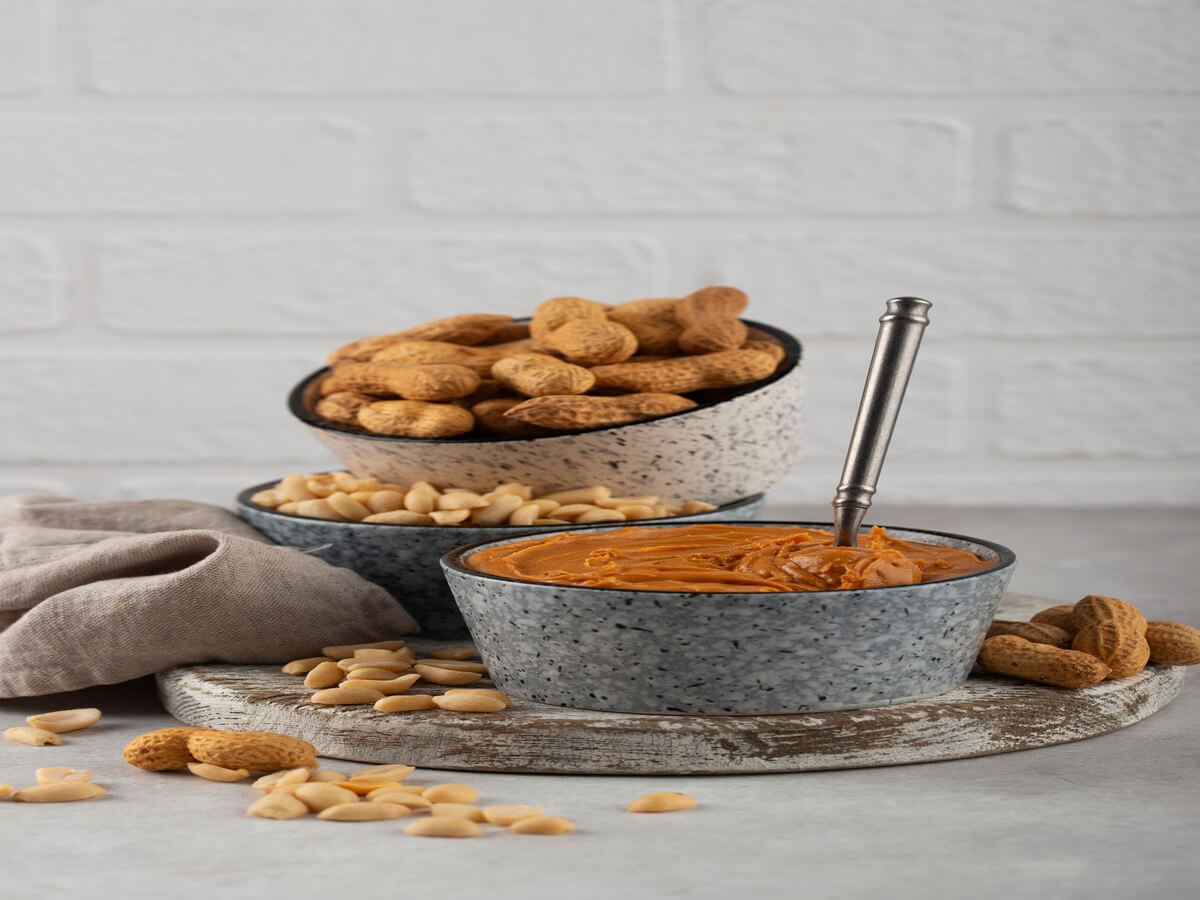
How Peanut Butter Is Made: From Farm to Jar
Peanut butter is one of the most loved pantry staples in Kenya, enjoyed by children and adults alike. Whether spread on bread, blended into smoothies, added to sauces, incorporated into baked goods, or used in food manufacturing, peanut butter has become an everyday favourite for households and businesses across the country.
Although many people enjoy peanut butter regularly, few understand the journey it takes before reaching the shelf. Producing premium peanut butter requires far more than simply grinding peanuts. Every jar is the result of responsible farming, careful sourcing, professional processing, rigorous quality assurance, hygienic packaging, and reliable distribution.
As Kenyan consumers increasingly value sustainably produced food, transparency throughout the production process has become an important part of choosing trusted brands.
At Soba Renaissance, we proudly produce premium peanut butter through responsible sourcing, sustainable agricultural partnerships, integrated farm-to-jar production, and strict quality management systems. Every jar reflects our commitment to consistency, sustainability, and supporting Kenyan agriculture.
This guide explores how peanut butter is made from the farm to your table.
Step One: Growing Quality Peanuts
Every jar begins with healthy peanut crops.
Producing premium peanut butter starts with carefully managed farms that prioritise:
- Responsible agricultural practices.
- Healthy crop development.
- Sustainable land management.
- Efficient farming methods.
- Long-term productivity.
Strong farming practices create the foundation for consistent product quality.
Step Two: Responsible Farm Management
Throughout the growing season, peanut farmers carefully monitor crop development.
Responsible farm management focuses on:
- Healthy soil management.
- Efficient water use.
- Sustainable farming practices.
- Crop monitoring.
- Continuous improvement.
These efforts help produce quality peanuts suitable for premium food production.
Step Three: Harvesting the Crop
Harvesting takes place when the peanut crop reaches the appropriate stage of maturity.
Professional harvesting emphasises:
- Careful handling.
- Efficient collection.
- Protection of crop quality.
- Timely transportation.
Proper harvesting helps preserve the quality of the peanuts before processing begins.
Step Four: Cleaning and Sorting
Before production starts, harvested peanuts are carefully prepared.
Professional preparation includes:
- Cleaning.
- Sorting.
- Inspection.
- Selection.
Only peanuts that meet production standards continue to the manufacturing process, helping ensure consistent quality.
Step Five: Roasting the Peanuts
Roasting is one of the most important stages in peanut butter production.
Professionally managed roasting helps develop:
- Rich aroma.
- Characteristic peanut flavour.
- Consistent product quality.
- Uniform roasting performance.
Careful control during this stage contributes to a dependable final product.
Step Six: Grinding into Peanut Butter
After roasting, the peanuts are ground into a smooth paste.
Professional grinding focuses on:
- Consistent texture.
- Uniform processing.
- Reliable production.
- Continuous quality management.
This stage transforms roasted peanuts into the peanut butter consumers enjoy.
Step Seven: Quality Assurance
Quality assurance is integrated throughout production rather than being limited to the final product.
Professional quality systems help maintain:
- Consistent manufacturing.
- Product integrity.
- Hygienic operations.
- Reliable processing.
- Continuous improvement.
These procedures help ensure every jar meets established production standards.
Step Eight: Hygienic Packaging
Packaging protects peanut butter during storage, transportation, and retail display.
Professional packaging provides:
- Secure sealing.
- Hygienic presentation.
- Clear product information.
- Protection from contamination.
- Convenient storage.
Well-designed packaging helps preserve product quality until it reaches customers.
Step Nine: Nationwide Distribution
Reliable logistics are essential for ensuring peanut butter reaches consumers in excellent condition.
Soba Renaissance supplies premium peanut butter to:
- Households.
- Schools.
- Restaurants.
- Hotels.
- Cafés.
- Bakeries.
- Supermarkets.
- Retailers.
- Food manufacturers.
- Wholesale buyers.
Professional distribution helps maintain product integrity across Kenya.
Sustainability Throughout the Production Journey
Responsible production extends far beyond manufacturing.
At Soba Renaissance, sustainability guides every stage through:
- Responsible sourcing.
- Sustainable agricultural partnerships.
- Efficient resource management.
- Environmental stewardship.
- Continuous operational improvement.
These principles help strengthen Kenya’s agricultural future while supporting premium food production.
Farm-to-Jar Transparency
Consumers increasingly want confidence in how their food is produced.
Our integrated farm-to-jar production model provides oversight throughout:
- Peanut cultivation.
- Responsible sourcing.
- Harvesting.
- Cleaning and sorting.
- Roasting.
- Grinding.
- Quality assurance.
- Packaging.
- Nationwide distribution.
This integrated approach supports consistency, transparency, and long-term customer confidence.
Why Customers Choose Soba Renaissance
Customers across Kenya choose Soba Renaissance because we consistently provide:
- Premium peanut butter.
- Responsible sourcing.
- Sustainable agriculture.
- Integrated farm-to-jar production.
- Rigorous quality assurance.
- Hygienic packaging.
- Transparent operations.
- Reliable nationwide distribution.
- Professional customer service.
- Consistent product quality.
These values define every jar we produce.
Frequently Asked Questions
How is peanut butter made?
Peanut butter is produced by responsibly sourcing quality peanuts, cleaning and sorting them, roasting, grinding into a smooth paste, conducting rigorous quality assurance, packaging hygienically, and distributing the finished product through reliable supply networks.
Why is roasting important?
Roasting helps develop the flavour, aroma, and consistency that contribute to premium peanut butter while supporting reliable production standards.
Why does quality assurance matter?
Quality assurance helps maintain consistent manufacturing, hygienic production, product integrity, and dependable quality throughout every stage of production.
Why choose Soba Renaissance?
Soba Renaissance combines responsible sourcing, sustainable agricultural partnerships, integrated farm-to-jar production, rigorous quality assurance, hygienic packaging, and dependable nationwide distribution to produce premium peanut butter trusted throughout Kenya.
From Kenyan Farms to Every Jar
Every jar of peanut butter begins with carefully cultivated peanuts grown through responsible agricultural practices. From harvesting and cleaning to roasting, grinding, quality assurance, hygienic packaging, and nationwide distribution, every stage contributes to the consistency and quality customers expect.
At Soba Renaissance, we proudly produce premium peanut butter through sustainable agricultural partnerships, integrated farm-to-jar production, and a commitment to continuous improvement. Our dedication to responsible sourcing, transparency, and rigorous quality management allows us to deliver products that households and businesses across Kenya can rely on.
Whether you are purchasing for your family, school, café, hotel, restaurant, bakery, supermarket, retailer, distributor, or food manufacturing business, Soba Renaissance delivers premium peanut butter backed by trusted Kenyan expertise, sustainable production, and uncompromising quality.
Choose Soba Renaissance where every jar begins with responsibly grown peanuts and ends with exceptional quality you can trust.