

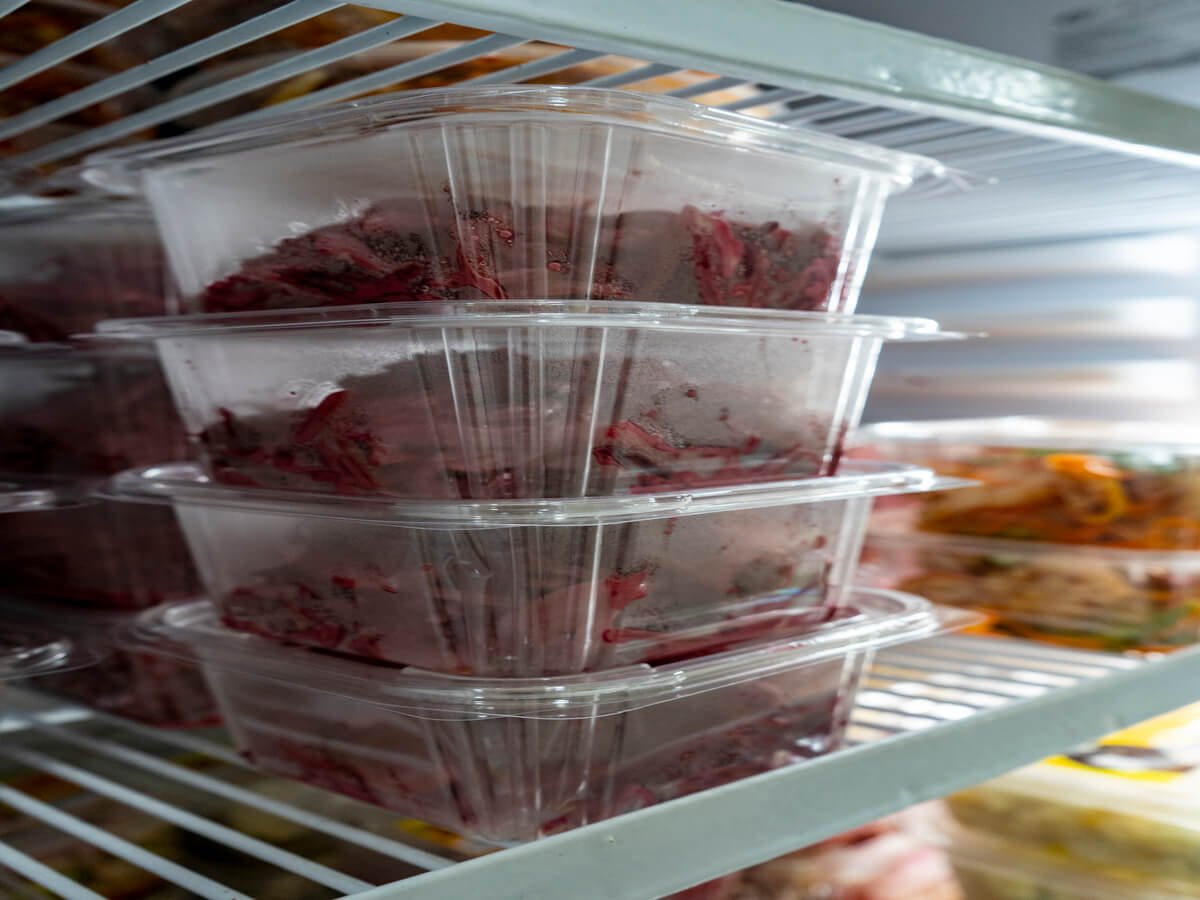
Why Proper Storage Is Important for Camel Meat
Buying premium camel meat is only the first step toward preparing an exceptional meal. What happens after you leave the butcher or receive your delivery is just as important as the quality of the meat itself.
Proper storage plays a major role in preserving freshness, protecting flavour, maintaining texture, and reducing unnecessary food waste. Whether you’re preparing dinner for your family, stocking a restaurant kitchen, or planning meals for the week, how you store camel meat directly affects the final result on your plate.
As camel meat becomes increasingly popular in Nairobi and throughout Kenya, more households are discovering its rich flavour and versatility. Like any fresh meat, however, it deserves careful handling from the moment it arrives in your kitchen.
At Soba Renaissance, we believe quality should never end at the point of purchase. Through responsible livestock sourcing, sustainable business practices, professional packaging, and reliable cold-chain management, we help ensure our customers receive premium camel meat in excellent condition ready to be stored correctly and enjoyed with confidence.
Here’s why proper storage matters and how a few simple habits can help you get the very best from every purchase.
Freshness Doesn’t Stop at the Store
Many people assume that once they buy quality meat, the rest takes care of itself.
In reality, freshness continues to depend on how the meat is handled after purchase.
Good storage helps preserve:
- Natural flavour.
- Moisture.
- Texture.
- Overall eating quality.
- Product freshness.
Even premium-quality meat can lose these qualities if it is not stored correctly.
Temperature Is One of the Most Important Factors
Camel meat should be kept at appropriate temperatures from processing until it is cooked.
Maintaining proper refrigeration helps preserve quality and slows the natural changes that occur in fresh meat over time.
If you are not planning to cook the meat within the recommended refrigeration period, freezing it promptly is the best way to maintain its quality for longer.
Consistent temperature control is one of the most effective ways to protect freshness.
Proper Storage Helps Maintain Flavour
One of the reasons people enjoy camel meat is its distinctive, rich flavour.
Incorrect storage can gradually affect that natural taste.
Keeping camel meat properly refrigerated or frozen in suitable packaging helps preserve the qualities that make it enjoyable in dishes such as:
- Traditional stews.
- Pilau.
- Grilled camel meat.
- Roasted recipes.
- Slow-cooked family meals.
Fresh flavour begins with proper care.
Texture Matters Too
The texture of meat has a major influence on the cooking experience.
Proper storage helps maintain:
- Firmness.
- Moisture.
- Tenderness.
- Consistent cooking performance.
Whether you’re preparing camel meat for roasting, grilling, or slow cooking, careful storage helps protect its natural characteristics.
Good Storage Helps Reduce Food Waste
Food waste is something many households are trying to minimise.
Properly storing camel meat allows families to:
- Plan meals more effectively.
- Use meat before it loses quality.
- Freeze portions for future use.
- Avoid unnecessary waste.
Reducing food waste is not only economical it also supports more sustainable food consumption.
Safe Storage Supports Food Quality
Raw meat should always be handled carefully.
Good storage practices include:
- Refrigerating meat as soon as possible after purchase or delivery.
- Keeping raw meat separate from ready-to-eat foods to help prevent cross-contamination.
- Using clean, airtight containers or leaving the meat in its original sealed packaging if appropriate.
- Thawing frozen meat safely in the refrigerator before cooking.
- Avoiding repeated freezing and thawing, which can affect quality.
These habits help protect both the meat and the foods stored around it.
Meal Planning Becomes Easier
Busy households often appreciate the convenience of planning meals in advance.
Proper storage allows you to:
- Portion meat for future recipes.
- Prepare weekly meal plans.
- Reduce last-minute shopping trips.
- Keep quality ingredients ready whenever needed.
Whether you’re cooking for one person or a large family, organised storage helps make everyday cooking more convenient.
Professional Packaging Makes a Difference
Packaging is more than just a way to transport meat.
Professional packaging helps:
- Protect freshness.
- Minimise exposure to air.
- Reduce the risk of contamination.
- Preserve quality during transportation and storage.
At Soba Renaissance, we use professional packaging designed to help maintain the integrity of every order from dispatch to delivery.
Cold-Chain Management Protects Quality
One of the biggest factors affecting meat quality is the cold chain.
Cold-chain management refers to keeping meat at appropriate temperatures throughout:
- Processing.
- Packaging.
- Transportation.
- Storage.
- Delivery.
A reliable cold chain helps maintain the freshness and quality that customers expect.
At Soba Renaissance, preserving the cold chain is an essential part of our commitment to quality.
Sustainability Starts with Responsible Food Handling
Sustainability isn’t only about how food is produced it also includes how food is stored and used.
Proper storage helps reduce waste by allowing households and businesses to make better use of every purchase.
At Soba Renaissance, sustainability is reflected through:
- Responsible livestock sourcing.
- Efficient cold-chain logistics.
- Reduced operational waste.
- Thoughtful packaging solutions.
- Support for Kenyan livestock producers.
- Continuous quality improvement.
By helping customers store meat correctly, we also help encourage more responsible food consumption.
Why Customers Choose Soba Renaissance
Customers across Nairobi and Kenya trust Soba Renaissance because we consistently provide:
- Premium fresh camel meat.
- Responsibly sourced livestock.
- Hygienic processing.
- Professional packaging.
- Reliable refrigeration.
- Strict quality assurance.
- Sustainable business practices.
- Dependable delivery.
- Transparent customer service.
- Consistent product quality.
Every order reflects our dedication to freshness, sustainability, and customer satisfaction.
Frequently Asked Questions
Why is proper storage important for camel meat?
Proper storage helps preserve freshness, flavour, texture, and overall quality while reducing unnecessary food waste.
Should camel meat be refrigerated immediately?
Yes. Fresh camel meat should be refrigerated promptly after purchase or delivery to help maintain its quality.
Can I freeze camel meat?
Yes. If you do not plan to cook it within the recommended refrigeration period, freezing it promptly helps preserve its quality for longer.
Why choose Soba Renaissance?
Soba Renaissance supplies premium camel meat through responsible sourcing, sustainable operations, professional packaging, reliable cold-chain management, rigorous quality assurance, and dependable delivery throughout Kenya.
Protect Quality from Purchase to Plate
Every great meal begins with quality ingredients, but preserving that quality depends on how those ingredients are cared for after they arrive in your kitchen. Proper storage helps maintain the natural flavour, texture, and freshness of camel meat while supporting better meal planning, reducing food waste, and ensuring every purchase delivers the value you expect.
Simple habits such as prompt refrigeration, safe freezing when needed, proper packaging, and careful handling make a noticeable difference in the meals you prepare for your family or customers. They also contribute to more sustainable food consumption by helping minimise unnecessary waste.
At Soba Renaissance, our commitment extends far beyond supplying premium camel meat. Through responsible livestock sourcing, sustainable business practices, professional packaging, reliable cold-chain management, and rigorous quality assurance, we help ensure that every cut reaches you in excellent condition ready to be stored correctly and enjoyed with confidence.
Choose Soba Renaissance for premium camel meat that combines exceptional freshness, sustainable practices, and trusted quality from farm to table.