

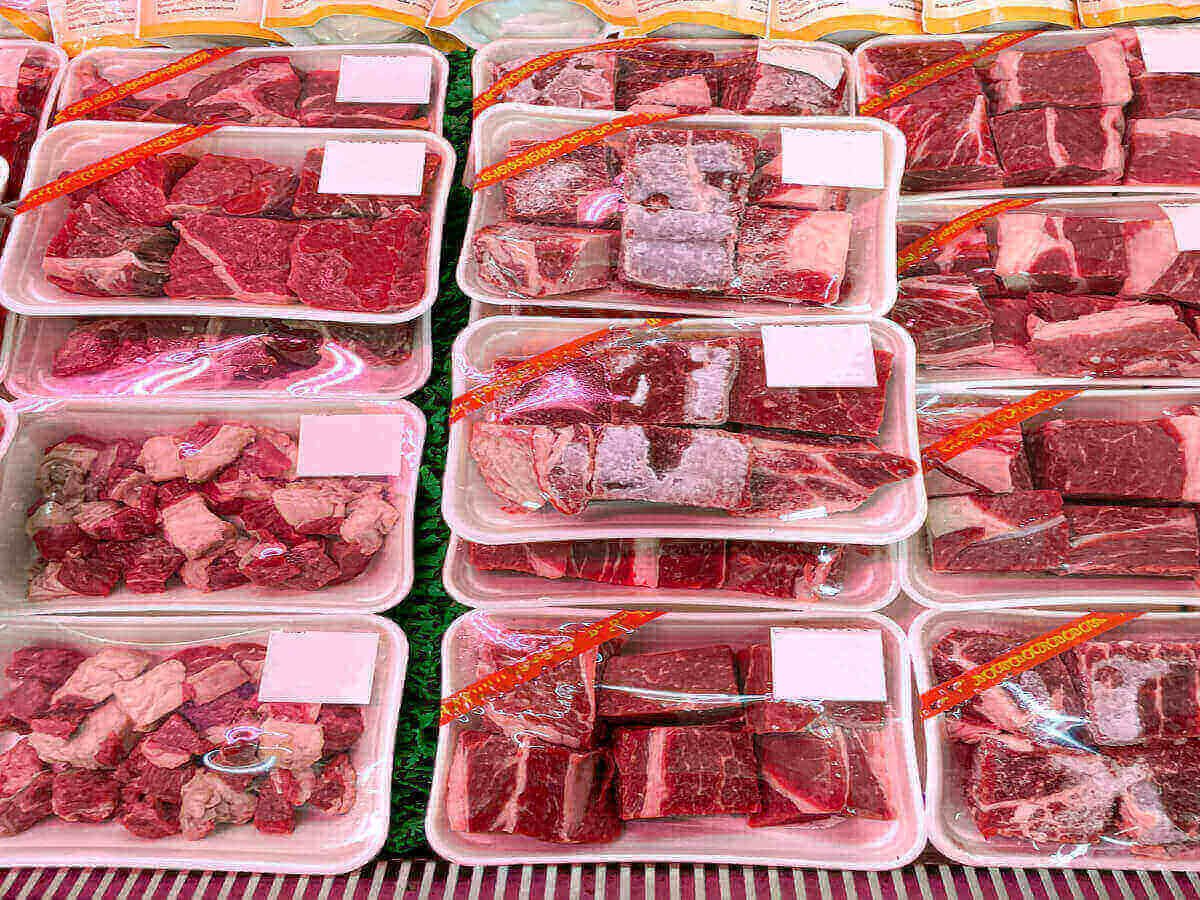
Understanding Camel Meat Labels Before You Buy
When buying camel meat, most shoppers naturally focus on the appearance of the meat itself. While colour, texture, and freshness are important, there’s another detail that deserves just as much attention the label.
A well-labelled package tells you far more than simply what’s inside. It provides valuable information about the product, how it should be stored, and the standards followed by the supplier. Whether you’re shopping for your family, purchasing meat for a restaurant, or stocking a retail business, understanding meat labels helps you make informed decisions and shop with greater confidence.
As camel meat continues to grow in popularity across Nairobi and Kenya, consumers are becoming more interested in quality, traceability, responsible sourcing, and food safety. Reading product labels is one of the easiest ways to understand what you’re buying and to identify suppliers that value transparency.
At Soba Renaissance, we believe customers deserve clear information alongside premium-quality products. That’s why we are committed to responsible livestock sourcing, sustainable business practices, professional packaging, and transparent communication that gives every customer confidence in every purchase.
Here’s what to look for when reading camel meat labels.
Why Meat Labels Matter
A product label is much more than a price tag.
It provides useful information that helps you understand:
- What type of product you’re purchasing.
- How the meat should be stored.
- Who supplied the product.
- Important handling recommendations.
- Information that supports product identification and quality control.
Well-presented labels reflect professionalism and attention to detail.
Identify the Product Clearly
The first thing to check is the product description.
The label should clearly identify what you’re buying.
Examples may include:
- Camel meat cubes.
- Camel steak.
- Camel roast.
- Camel ribs.
- Camel mince.
- Camel stew cuts.
Knowing the cut helps you choose the right product for your recipe and avoid unnecessary guesswork once you’re home.
Check the Net Weight
The package should indicate the net weight of the meat.
Weight information helps you:
- Compare products.
- Estimate serving sizes.
- Plan recipes.
- Calculate value for money.
- Purchase the correct quantity for your household or business.
For restaurants and caterers, accurate weight information also supports better inventory planning.
Read the Storage Instructions
Storage guidance is one of the most important parts of the label.
Quality suppliers provide clear instructions to help preserve the product after purchase.
These may include recommendations such as:
- Keep refrigerated.
- Keep frozen where applicable.
- Store under appropriate temperatures.
- Follow storage guidance after opening.
Following these instructions helps maintain the quality of the meat until it is ready to cook.
Look for Packaging Information
Professional packaging protects the meat throughout transportation and storage.
Before buying, check that the package is:
- Properly sealed.
- Clean.
- Free from punctures or tears.
- Clearly labelled.
- Without excessive liquid inside.
Good packaging reflects careful handling and helps preserve product quality.
Packaging or Best-Before Information
Many professionally packaged meat products include information such as a packaging date or a best-before date.
These details help consumers and retailers manage stock and use products within the recommended storage period when handled according to the instructions.
Before making a purchase, take a moment to review this information and ensure it aligns with your intended use.
Supplier Details Matter
A reputable supplier should clearly identify themselves on the product.
Knowing who supplied your camel meat gives you greater confidence in areas such as:
- Product consistency.
- Food safety practices.
- Customer support.
- Responsible sourcing.
- Business accountability.
Transparency begins with being willing to stand behind the product.
Traceability Supports Confidence
Traceability has become increasingly important in modern food systems.
Traceability allows producers to identify products within their supply chain and supports effective quality management.
Benefits include:
- Greater accountability.
- Improved quality assurance.
- Better production oversight.
- Increased customer confidence.
At Soba Renaissance, traceability is part of our commitment to delivering premium camel meat with integrity.
Don’t Be Influenced by Marketing Claims Alone
Packaging often contains words designed to attract attention.
Rather than relying solely on marketing language, consider the overall credibility of the supplier.
Ask yourself:
- Is the product professionally packaged?
- Is the supplier transparent?
- Are storage instructions clearly provided?
- Does the company have a reputation for quality?
- Is there evidence of responsible sourcing and consistent standards?
These factors usually tell you far more than promotional phrases.
Why Transparency Matters
Today’s consumers want to know more about the food they purchase.
Transparency helps build trust by showing customers that a business values openness and accountability.
At Soba Renaissance, transparency is reflected through:
- Responsible livestock sourcing.
- Sustainable operations.
- Professional packaging.
- Rigorous quality assurance.
- Reliable cold-chain management.
- Customer-focused communication.
These principles guide every product we supply.
Sustainability Begins with Responsible Production
Reading labels is also an opportunity to support businesses that value sustainability.
At Soba Renaissance, our sustainability commitment includes:
- Responsible livestock sourcing.
- Efficient resource management.
- Reduced operational waste.
- Support for Kenyan livestock producers.
- Continuous improvement.
- Long-term investment in sustainable food systems.
Choosing responsible suppliers helps strengthen Kenya’s agricultural future.
Why Customers Trust Soba Renaissance
Customers across Nairobi and Kenya choose Soba Renaissance because we consistently provide:
- Premium camel meat.
- Transparent business practices.
- Hygienic processing.
- Professional packaging.
- Reliable cold-chain logistics.
- Responsible livestock sourcing.
- Sustainable production methods.
- Rigorous quality assurance.
- Dependable delivery.
- Exceptional customer service.
Every label represents our commitment to quality, integrity, and customer confidence.
Frequently Asked Questions
Why should I read camel meat labels?
Labels provide valuable information about the product, storage recommendations, packaging, supplier details, and other information that helps you make informed purchasing decisions.
What should I check before buying camel meat?
Review the product description, net weight, storage instructions, packaging condition, packaging or best-before information where applicable, and supplier details.
Why is supplier information important?
Knowing the supplier allows you to choose businesses that demonstrate transparency, responsible sourcing, quality assurance, and professional food handling.
Why choose Soba Renaissance?
Soba Renaissance supplies premium camel meat through responsible livestock sourcing, sustainable operations, professional packaging, rigorous quality assurance, transparent communication, and dependable delivery across Kenya.
Better Buying Starts with Better Information
Every label tells a story. It explains what you’re buying, how it should be stored, and who stands behind the product. By taking a few moments to read the packaging before making a purchase, you gain valuable information that helps you choose quality camel meat with greater confidence.
Beyond the label itself, choosing a supplier that values transparency, responsible sourcing, and professional food handling makes an even bigger difference. Clear product information, reliable packaging, and consistent quality standards are signs of a business that takes pride in every order.
At Soba Renaissance, we believe informed customers make confident customers. That’s why we combine premium camel meat with transparent product information, sustainable sourcing, rigorous quality assurance, and dependable service throughout Nairobi and Kenya.
When you choose Soba Renaissance, you’re choosing more than premium camel meat you’re choosing trust, sustainability, and quality that begins long before your meal reaches the table.