

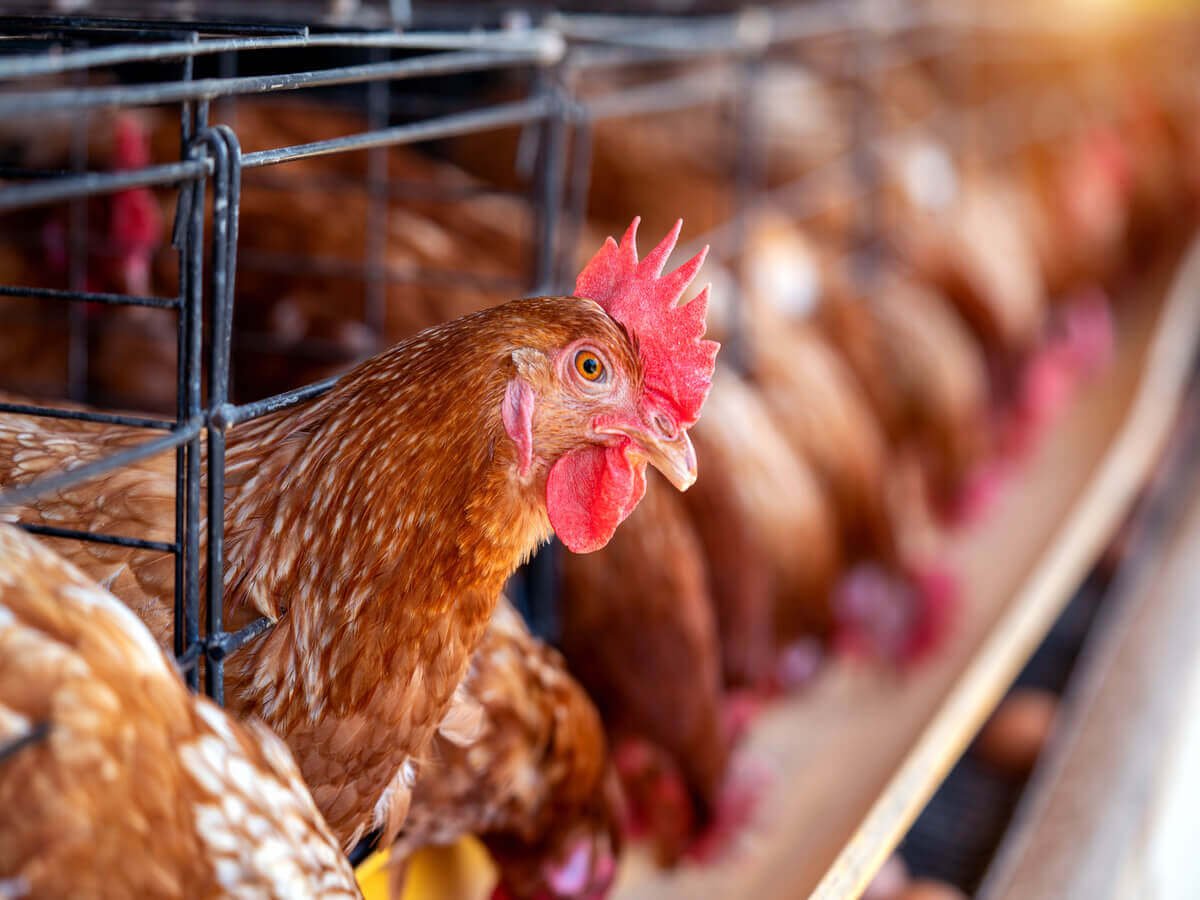
Why Sustainable Chicken Farming Matters
As Kenya’s population grows and demand for nutritious, high-quality protein continues to rise, the future of agriculture depends on more than increasing production. It requires farming systems that are efficient, responsible, resilient, and capable of supporting both today’s needs and tomorrow’s generations.
This is where sustainable chicken farming plays a vital role.
Sustainability is no longer just a global conversation it is a practical approach that influences how food is produced, how natural resources are managed, and how businesses create lasting value for the communities they serve. For consumers, it means choosing food from producers who recognize that quality, responsibility, and long-term stewardship go hand in hand.
At Soba Renaissance, sustainability is not a separate initiative. It is integrated into our farm-to-fork philosophy, guiding the way we raise poultry, manage our operations, and deliver premium fresh chicken across Kenya.
This article explores why sustainable chicken farming matters and how it benefits families, businesses, farmers, and the nation as a whole.
What Is Sustainable Chicken Farming?
Sustainable chicken farming is an approach to poultry production that balances productivity with responsible management of environmental, economic, and social resources.
Rather than focusing solely on output, sustainable farming seeks to create long-term value through thoughtful practices that support healthy operations and dependable food production.
Key principles include:
- Responsible resource management
- Efficient farming systems
- Ethical animal care
- Environmental stewardship
- Food safety and quality
- Continuous improvement
- Support for local communities
The objective is to produce high-quality poultry while protecting the resources that future generations will depend on.
Why Sustainability Matters More Than Ever
Agriculture faces increasing pressure from changing weather patterns, growing populations, rising production costs, and evolving consumer expectations.
These realities make sustainable farming an essential part of Kenya’s agricultural future.
Sustainable poultry production helps build resilience by encouraging practices that make farms more adaptable, efficient, and responsible over the long term.
For businesses like Soba Renaissance, sustainability is an investment in reliability, consistency, and continuous improvement.
Supporting Kenya’s Food Security
Food security depends on reliable agricultural production.
As chicken continues to be one of the country’s most popular and accessible sources of protein, sustainable poultry farming contributes to a stronger and more dependable food supply.
Responsible production systems help ensure that communities have ongoing access to nutritious poultry products while supporting the long-term stability of local food systems.
By investing in sustainable farming, Soba Renaissance contributes to a future where quality poultry remains available for households, restaurants, schools, hospitals, hotels, and institutions across Kenya.
Responsible Resource Management
Every agricultural operation relies on natural resources.
Sustainable chicken farming encourages thoughtful management of resources such as:
- Water
- Energy
- Land
- Feed
- Production materials
Using these resources efficiently helps reduce waste, improve operational performance, and strengthen the resilience of farming businesses.
At Soba Renaissance, continuous evaluation of production processes helps us identify opportunities to operate more efficiently while maintaining premium product quality.
Healthy Farming Practices Support Better Outcomes
Sustainability begins with well-managed farming operations.
Responsible poultry production includes:
- Clean and organized farm environments
- Balanced flock nutrition
- Effective health management
- Responsible animal husbandry
- Ongoing monitoring and improvement
These practices create conditions that support consistent poultry production and high standards of quality throughout the farming cycle.
Sustainability Builds Consumer Confidence
Today’s consumers increasingly want to know that the companies they support operate responsibly.
People are looking beyond product labels and asking questions about:
- Farming practices
- Food safety
- Environmental responsibility
- Ethical production
- Supply chain transparency
Businesses that demonstrate a genuine commitment to sustainability build stronger relationships with customers because they offer confidence alongside quality.
At Soba Renaissance, sustainability is reflected not only in what we produce but also in how we produce it.
Strengthening Local Communities
Sustainable farming creates positive impacts beyond the farm itself.
Responsible poultry businesses contribute to:
- Employment opportunities
- Skills development
- Agricultural innovation
- Local supply chains
- Rural economic growth
By supporting Kenyan agriculture, Soba Renaissance helps strengthen communities while creating opportunities for long-term development.
A thriving agricultural sector benefits producers, businesses, consumers, and the national economy alike.
The Role of Food Safety in Sustainable Farming
Sustainability and food safety are closely connected.
Producing premium chicken requires careful attention throughout every stage of the production process.
This includes:
- Hygienic processing
- Professional handling
- Reliable refrigeration
- Secure packaging
- Quality assurance
Maintaining high food safety standards protects consumers while supporting the long-term reputation of responsible poultry producers.
Why Traceability Matters
Modern food systems increasingly emphasize transparency.
Consumers appreciate knowing where their food comes from and how it was produced.
Integrated farming systems make it easier to maintain oversight from the farm through processing and distribution.
This traceability supports:
- Better quality management
- Stronger accountability
- Consumer confidence
- Continuous operational improvement
At Soba Renaissance, our farm-to-fork model helps us maintain this visibility throughout the production journey.
Sustainable Farming Supports Business Excellence
For businesses, sustainability is also a strategy for long-term success.
Responsible production can contribute to:
- Operational efficiency
- Consistent product quality
- Reliable supply
- Customer trust
- Brand reputation
By integrating sustainability into daily operations, Soba Renaissance continues to strengthen its ability to serve households and commercial customers with dependable premium poultry.
Why More Kenyan Consumers Are Choosing Sustainable Brands
Consumer expectations have evolved significantly.
More families now consider factors such as:
- Responsible farming
- Product quality
- Freshness
- Local sourcing
- Transparency
- Environmental stewardship
Choosing sustainably produced chicken allows consumers to support businesses that share these values while enjoying premium-quality food.
The Soba Renaissance Commitment to Sustainability
At Soba Renaissance, sustainability influences every stage of our operations.
Our commitment includes:
- Responsible poultry farming
- Farm-to-fork production
- Efficient resource management
- Ethical animal care
- Continuous quality improvement
- Hygienic processing
- Reliable cold-chain management
- Customer-focused service
- Support for Kenyan agriculture
We recognize that sustainability is an ongoing journey. By continually improving our farming and production practices, we strive to deliver premium chicken while contributing positively to Kenya’s agricultural future.
Frequently Asked Questions
What is sustainable chicken farming?
Sustainable chicken farming is an approach that combines responsible resource management, ethical animal care, food safety, and efficient production to support long-term agricultural success.
Why is sustainability important in poultry farming?
Sustainability helps strengthen food security, improve operational efficiency, support local communities, and encourage responsible management of natural resources.
Does sustainable farming affect chicken quality?
Quality is influenced by many factors, including farming, handling, processing, storage, and cooking. Sustainable farming supports consistent production systems that contribute to reliable product quality.
Why choose Soba Renaissance?
Soba Renaissance combines responsible poultry farming, farm-to-fork production, strict quality standards, and a commitment to sustainability to deliver premium fresh chicken that Kenyan families and businesses can trust.
A Better Future Starts with Responsible Farming
The future of Kenya’s food system depends on choices made today. Sustainable chicken farming is more than an agricultural practice it is a commitment to producing quality food responsibly while supporting communities, protecting valuable resources, and strengthening the country’s long-term food security.
At Soba Renaissance, sustainability is woven into every stage of our farm-to-fork journey. Through responsible poultry farming, careful resource management, high food safety standards, and continuous improvement, we are committed to delivering premium fresh chicken that reflects both quality and integrity.
When you choose Soba Renaissance, you are choosing more than premium poultry. You are supporting a vision for a more sustainable, resilient, and responsible future for Kenyan agriculture one meal, one family, and one farm at a time.