

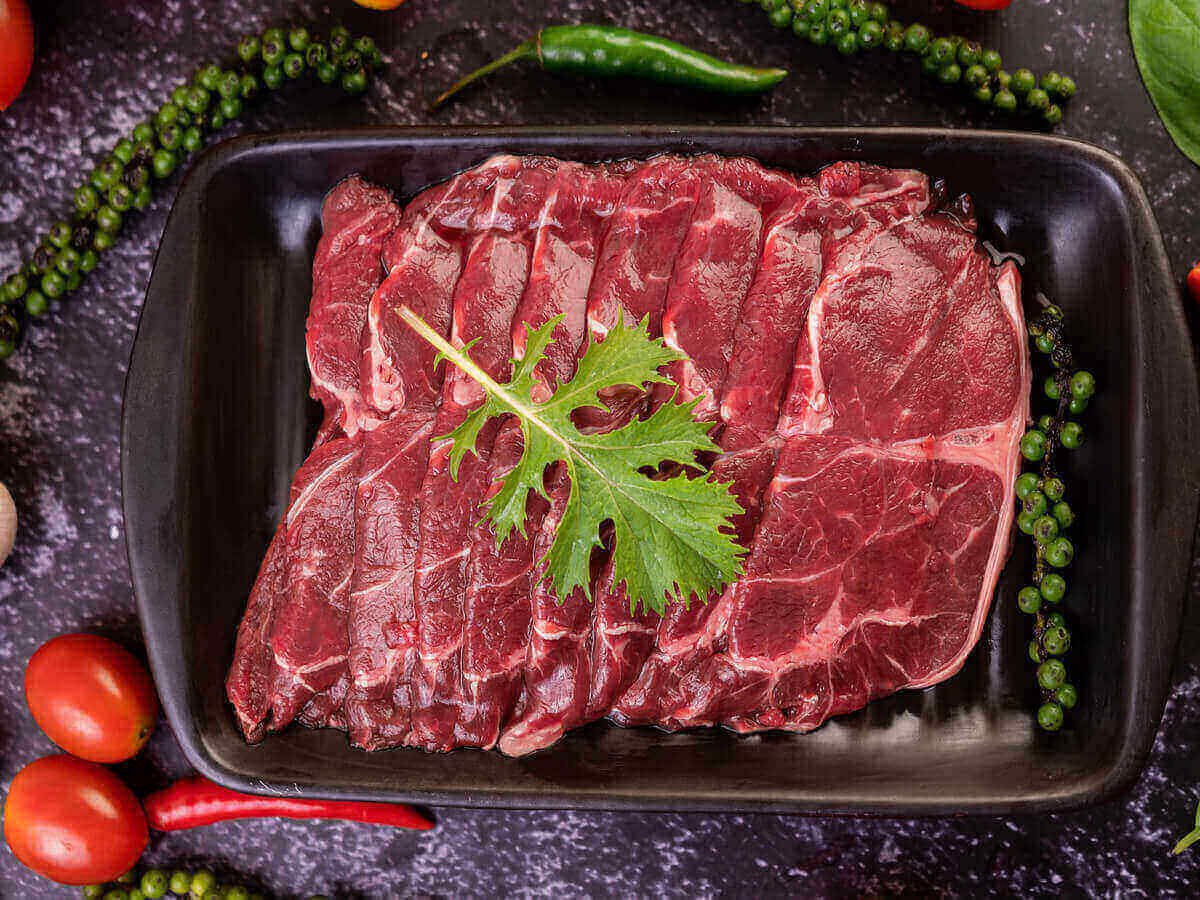
Why Lean Camel Meat Fits Into a Balanced Diet
Healthy eating isn’t about following the latest food trend or eliminating entire food groups. It’s about making consistent, informed choices that provide your body with the nutrients it needs while still enjoying delicious meals with family and friends.
Across Kenya, this mindset is becoming increasingly common. More households are planning meals around fresh ingredients, restaurants are expanding their healthy menu options, and shoppers are paying closer attention to the quality of the food they buy. Rather than asking, “What should I avoid?” many people are now asking, “How can I build a more balanced plate?”
One food that’s gaining attention among nutrition-conscious consumers is lean camel meat.
For generations, camel meat has been enjoyed in northern Kenya, valued for its rich flavour and versatility. Today, it is finding its place in kitchens across Nairobi and beyond as more people discover how lean cuts can complement balanced meals and modern lifestyles.
At Soba Renaissance, we are proud to provide premium camel meat sourced through responsible livestock partnerships, sustainable production practices, and strict quality standards. We believe that wholesome meals begin with ingredients you can trust.
So, what makes lean camel meat a good fit for a balanced diet?
Understanding a Balanced Diet
A balanced diet is not built around a single “superfood.”
Instead, it combines a variety of foods that work together to provide essential nutrients.
A well-balanced meal often includes:
- High-quality protein.
- Whole grains.
- Fruits.
- Vegetables.
- Healthy fats.
- Plenty of water.
Each food group plays a different role, helping create meals that are satisfying, nutritious, and enjoyable.
Lean camel meat fits naturally into this approach as one source of quality protein.
Lean Protein Supports Everyday Nutrition
Protein is one of the building blocks of a healthy diet.
Camel meat provides complete protein, supplying all nine essential amino acids that the body must obtain through food.
Protein contributes to:
- Muscle maintenance.
- Tissue repair.
- Healthy bones.
- Normal growth and development.
- The production of enzymes and hormones.
Including lean protein in meals also helps create satisfying dishes that can keep you feeling fuller for longer.
Naturally Lean Cuts for Wholesome Meals
Not all cuts of meat contain the same amount of fat.
Many cuts of camel meat are naturally lean, making them an attractive option for people looking to enjoy red meat as part of a balanced eating pattern.
Choosing lean cuts and trimming visible fat where appropriate allows you to enjoy rich flavour while preparing lighter meals.
Healthy cooking methods include:
- Grilling.
- Baking.
- Roasting.
- Slow cooking.
- Steaming with vegetables.
These techniques preserve flavour without relying on excessive added fats.
Packed with Naturally Occurring Nutrients
Lean camel meat contributes more than just protein.
It naturally contains several essential nutrients, including:
- Iron.
- Zinc.
- Phosphorus.
- Selenium.
- Vitamin B12.
- Other B vitamins.
Together, these nutrients support a range of normal body functions and contribute to overall dietary quality.
Balance Is About the Whole Plate
One of the biggest misconceptions about healthy eating is focusing on a single ingredient.
The real strength of a nutritious meal comes from combining foods wisely.
Lean camel meat pairs beautifully with:
- Sukuma wiki.
- Spinach.
- Managu.
- Terere.
- Mixed vegetables.
- Brown rice.
- Whole-grain ugali.
- Sweet potatoes.
- Arrowroots.
- Beans.
- Lentils.
This combination creates colourful meals that provide protein, fiber, vitamins, minerals, and complex carbohydrates.
Supporting Busy Kenyan Lifestyles
Modern life is busy.
Between work, school, commuting, and family responsibilities, many households are searching for meals that are both nutritious and practical.
Lean camel meat works well for:
- Weeknight dinners.
- Weekend family lunches.
- Meal preparation.
- School lunch planning.
- Healthy restaurant menus.
- Catering services.
Its versatility makes it easy to include in everyday cooking.
Smart Portion Choices Matter
Healthy eating isn’t just about choosing nutritious ingredients—portion size is also important.
A balanced meal typically includes:
- A moderate serving of lean protein.
- Plenty of vegetables.
- A sensible portion of whole grains or other complex carbohydrates.
This approach supports variety while making meals satisfying and enjoyable.
Fresh Ingredients Make Better Meals
No matter how nutritious a food may be, freshness remains essential.
Premium camel meat should be:
- Responsibly sourced.
- Hygienically processed.
- Properly refrigerated.
- Professionally packaged.
- Carefully transported.
- Delivered fresh.
Excellent food handling protects quality from farm to kitchen.
Sustainability Is Part of Healthy Living
Many Kenyan consumers now consider sustainability when making food choices.
Choosing responsibly sourced meat supports not only personal wellbeing but also stronger food systems.
At Soba Renaissance, our commitment includes:
- Responsible livestock sourcing.
- Sustainable farming partnerships.
- Efficient resource management.
- Reduced operational waste.
- Continuous quality improvement.
- Support for local agricultural communities.
Healthy eating and environmental responsibility can go hand in hand.
Everyday Meal Ideas with Lean Camel Meat
Looking for inspiration?
Here are a few balanced meal ideas:
- Grilled camel meat with sukuma wiki and whole-grain ugali.
- Camel meat stew served with sweet potatoes and carrots.
- Stir-fried camel meat with colourful vegetables and brown rice.
- Slow-cooked camel meat with spinach and millet.
- Roasted camel meat with fresh salad and roasted vegetables.
- Camel meat wraps filled with lettuce, tomatoes, cucumbers, and avocado.
These meals combine nutrition, flavour, and variety for the whole family.
Why Customers Choose Soba Renaissance
Customers across Nairobi and Kenya trust Soba Renaissance because we consistently provide:
- Premium fresh camel meat.
- Responsibly sourced livestock.
- Sustainable production practices.
- Hygienic meat handling.
- Reliable cold-chain management.
- Professional packaging.
- Rigorous quality assurance.
- Dependable delivery.
- Transparent business practices.
- Outstanding customer service.
Our commitment is to make premium-quality meat accessible to families, restaurants, retailers, hotels, and institutions throughout Kenya.
Frequently Asked Questions
Can lean camel meat be part of a balanced diet?
Yes. Lean camel meat provides complete protein together with naturally occurring vitamins and minerals, making it a suitable protein option within a balanced eating pattern.
What foods pair well with camel meat?
Camel meat pairs well with vegetables, legumes, whole grains, sweet potatoes, salads, and traditional Kenyan side dishes.
Is lean camel meat suitable for everyday meals?
Yes. Lean camel meat can be prepared in many different ways, making it suitable for everyday family meals as well as special occasions.
Why choose Soba Renaissance?
Soba Renaissance supplies premium camel meat through responsible sourcing, sustainable business practices, strict quality assurance, dependable delivery, and exceptional customer service across Kenya.
Healthy Eating Is About Balance, Not Perfection
Good nutrition doesn’t require complicated diets or expensive ingredients. It begins with simple, balanced meals made from fresh, high-quality foods that provide your body with the nutrients it needs every day. Lean camel meat fits naturally into this approach by offering complete protein alongside essential vitamins and minerals, making it an excellent addition to a varied and wholesome eating pattern.
When combined with vegetables, legumes, fruits, and whole grains, lean camel meat helps create meals that are nourishing, satisfying, and full of flavour. Just as importantly, choosing responsibly sourced meat supports sustainable agriculture and strengthens Kenya’s local food systems.
At Soba Renaissance, we are committed to delivering premium camel meat produced with care, responsibility, and respect for both our customers and the environment. Through sustainable sourcing, professional handling, rigorous quality assurance, and dependable service, we help Kenyan families and businesses enjoy fresh meat they can trust.
Choose Soba Renaissance for premium lean camel meat that brings together exceptional quality, balanced nutrition, and a commitment to a healthier, more sustainable future for Kenya.