

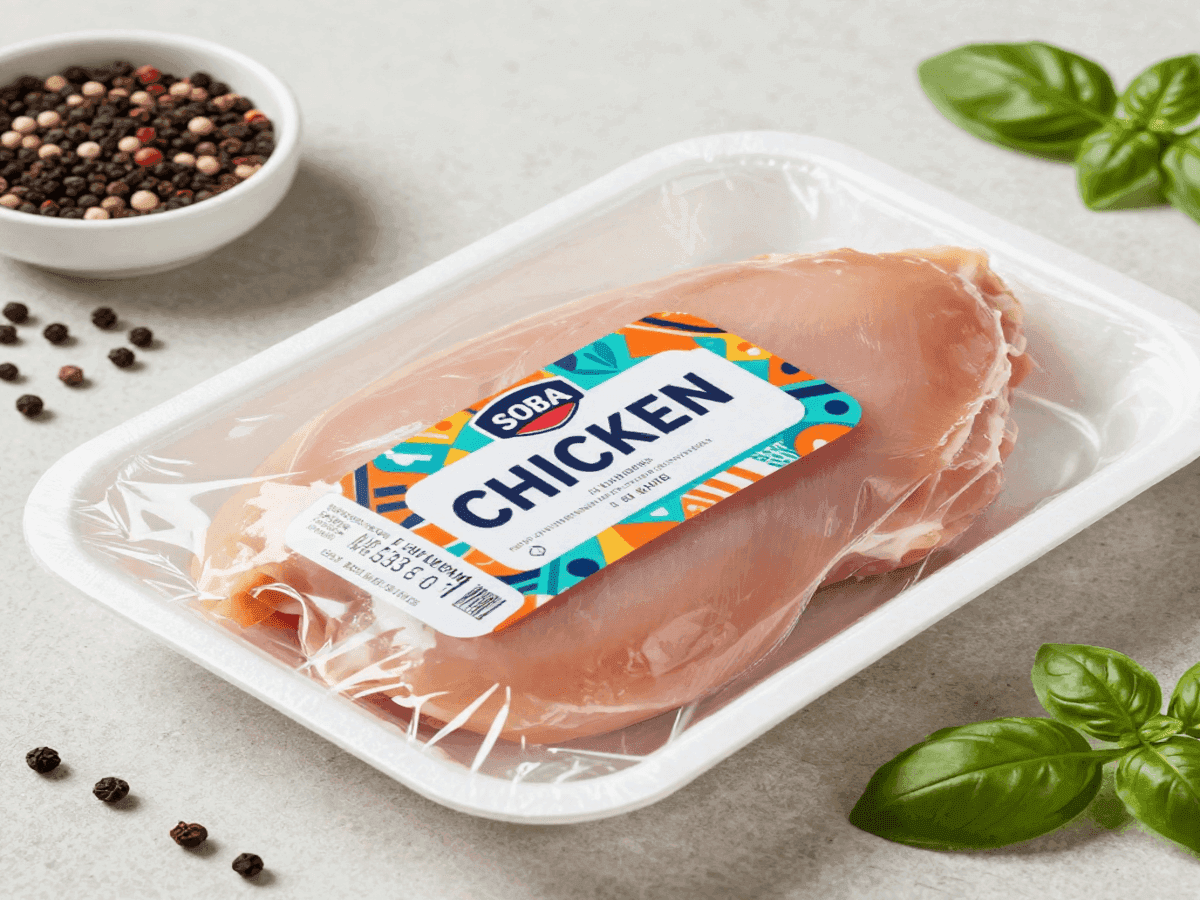
Understanding Chicken Labels When Shopping
Buying fresh chicken should be a straightforward experience, but today’s shoppers are often presented with a variety of labels, dates, product descriptions, and packaging information that can be confusing. Understanding what these labels mean can help you choose quality poultry with greater confidence.
Whether you are shopping for your family, buying ingredients for your restaurant, or purchasing chicken in bulk for your business, taking a few moments to read the packaging can help you make informed decisions about freshness, storage, handling, and product selection.
At Soba Renaissance, we believe transparency is an important part of responsible food production. By providing clear product information and maintaining high standards throughout our farm-to-table process, we help Kenyan consumers purchase premium fresh chicken with confidence.
This guide explains the most common information found on chicken labels and why it matters.
Why Chicken Labels Matter
Chicken labels do more than identify the product inside the package.
They provide valuable information that helps consumers understand:
- What product they are buying
- How the chicken should be stored
- Recommended handling practices
- Important packaging details
- Information that supports product identification
Reading labels carefully is one of the easiest ways to become a more informed shopper.
Product Name and Chicken Cut
One of the first things displayed on the package is the product name.
This tells you exactly which cut you are purchasing.
Examples include:
- Whole chicken
- Chicken breast
- Chicken thighs
- Drumsticks
- Chicken wings
- Boneless chicken fillets
Understanding the cut helps ensure you select the right product for your intended recipe.
Packaging Date
Many fresh chicken products include a packaging date.
This indicates when the product was packaged.
The packaging date helps retailers and consumers manage stock appropriately and forms part of good inventory management.
Always follow the storage instructions provided on the package after purchase.
Best Before or Use-By Information
Fresh chicken packaging may include a best before or use-by date, depending on the product and applicable regulations.
These dates help consumers understand the recommended timeframe for using the product when it has been stored according to the instructions on the label.
Always check these dates before purchasing and follow the recommended storage guidance.
Storage Instructions
Proper storage is essential for maintaining product quality and supporting food safety.
Chicken labels commonly include guidance such as:
- Keep refrigerated
- Store at recommended temperatures
- Freeze if not used within the recommended period
Following these instructions helps preserve freshness after purchase.
Safe Handling Information
Fresh chicken should always be handled carefully.
Many labels include reminders to:
- Wash hands after handling raw chicken
- Prevent cross-contamination
- Use separate cutting boards for raw poultry and ready-to-eat foods
- Cook thoroughly before serving
These simple practices support safe food preparation at home.
Weight Information
Chicken packaging typically displays the product’s net weight.
This helps customers:
- Compare products
- Plan recipes
- Estimate serving sizes
- Calculate value for money
Knowing the weight is particularly useful when shopping for families or commercial kitchens.
Supplier or Producer Information
Trusted producers clearly identify themselves on product packaging.
Knowing who produced your chicken helps consumers choose suppliers with established reputations for:
- Responsible poultry farming
- Food safety
- Product consistency
- Customer service
- Sustainable production
At Soba Renaissance, we believe customers deserve confidence in every purchase, which is why transparency remains an important part of our operations.
Packaging Integrity
Before purchasing fresh chicken, inspect the packaging carefully.
Look for packaging that is:
- Properly sealed
- Clean
- Undamaged
- Free from leaks
- Clearly labelled
Packaging plays an important role in protecting product quality during storage and transportation.
Traceability Information
Some poultry products include information that supports traceability, allowing producers to identify batches and maintain production records.
Traceability contributes to:
- Product accountability
- Quality assurance
- Food safety
- Supply chain transparency
Soba Renaissance values traceability as part of our commitment to responsible poultry production.
Understanding Marketing Claims
Consumers may notice various marketing terms on poultry packaging.
When evaluating these claims, it is helpful to focus on trusted producers that clearly communicate their production standards and maintain transparency about their farming practices.
Choosing a reputable supplier gives consumers greater confidence than relying on marketing language alone.
Choosing a Trusted Poultry Brand
Reading labels is only one part of making a smart purchase.
It is equally important to buy from producers that demonstrate:
- Responsible farming
- Sustainable agriculture
- Food safety
- Hygienic processing
- Consistent quality
- Professional customer service
Soba Renaissance is committed to these principles throughout every stage of production.
Why Kenyan Consumers Trust Soba Renaissance
Our commitment goes beyond producing premium fresh chicken.
We strive to build lasting customer confidence through:
- Responsible poultry farming
- Sustainable production
- Transparent business practices
- Integrated farm-to-table operations
- Strict quality assurance
- Reliable cold-chain management
- Professional packaging
- Food safety standards
These values help ensure every product reflects the quality customers expect.
Frequently Asked Questions
Why should I read chicken labels?
Chicken labels provide important information about the product, storage recommendations, safe handling, packaging details, and the producer, helping you make informed purchasing decisions.
What should I check before buying fresh chicken?
Look for the product name, packaging integrity, storage instructions, packaging or use-by information where applicable, weight, and producer details.
Why is supplier information important?
Knowing the producer allows consumers to choose trusted brands with strong commitments to quality, food safety, transparency, and responsible farming.
Why choose Soba Renaissance?
Soba Renaissance combines responsible poultry farming, sustainable agriculture, transparent production, rigorous food safety standards, and integrated farm-to-table operations to deliver premium fresh chicken throughout Kenya.
Better Shopping Begins with Better Information
Understanding chicken labels gives consumers the knowledge they need to shop with confidence. From identifying the correct cut and checking storage guidance to reviewing packaging details and choosing trusted producers, every label provides useful information that supports smarter purchasing decisions.
At Soba Renaissance, we believe informed customers are confident customers. That’s why we are committed to transparency, responsible poultry farming, sustainable production, strict food safety standards, and high-quality packaging that reflects the care invested throughout our farm-to-table process.
The next time you shop for fresh chicken, take a moment to read the label. By choosing Soba Renaissance, you’re choosing premium fresh chicken backed by quality, integrity, and a commitment to providing Kenyan families and businesses with poultry they can trust.