

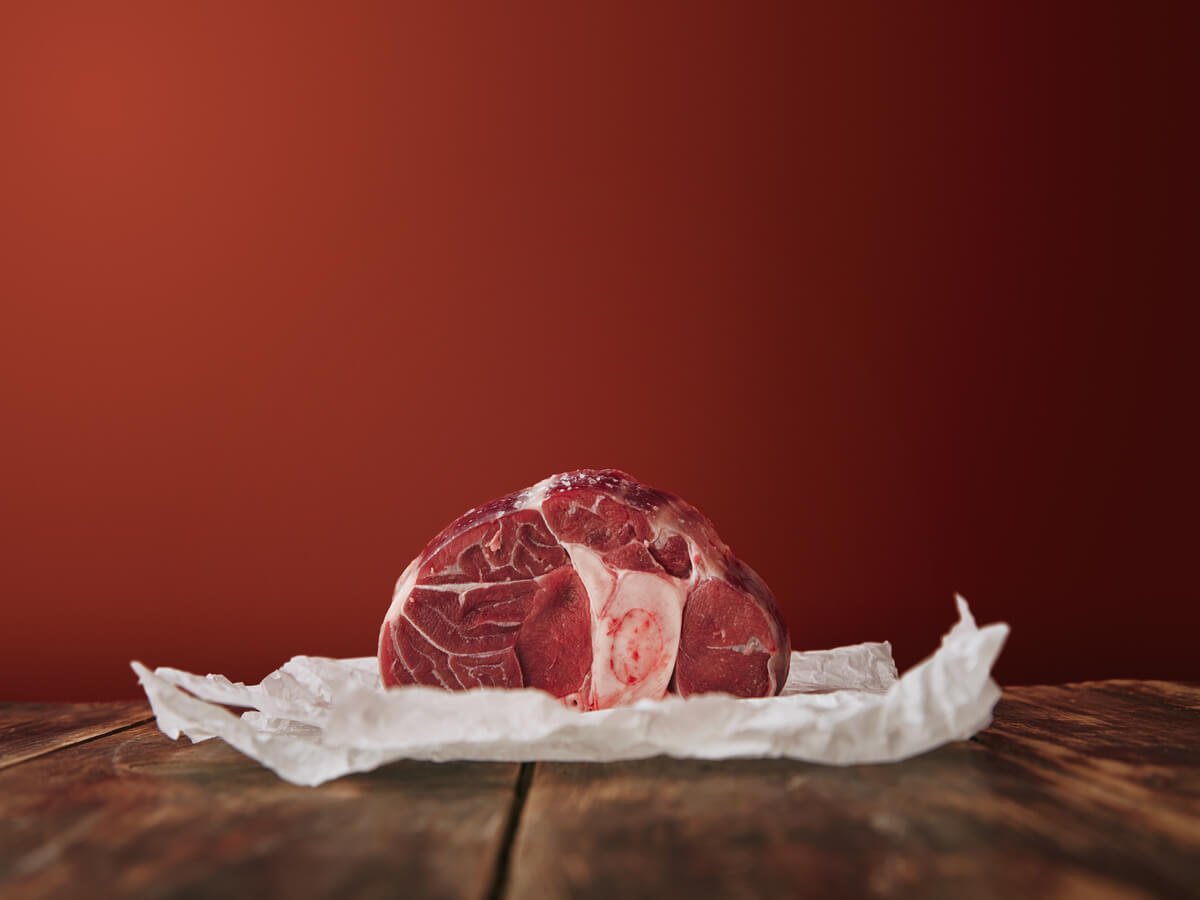
The Journey of Fresh Beef from Farm to Table
Have you ever looked at a fresh cut of beef and wondered how it got to your kitchen?
For most of us, the story begins at the local butchery, supermarket, or with a fresh beef delivery arriving at the doorstep. We choose our preferred cut, head home, and start planning whether it’s going to become a hearty stew, a sizzling plate of nyama choma, beef pilau, wet fry, or minced beef for chapati night.
But the real story starts much earlier.
Long before the beef reaches Nairobi’s busy supermarkets or neighbourhood butcheries, it has travelled across Kenya through a carefully managed journey involving farmers, transport teams, processors, quality specialists, distributors, and retailers.
Every stage matters.
When each step is handled professionally, the result is fresh beef that families and businesses can buy with confidence.
At Soba Renaissance, we believe understanding this journey helps consumers appreciate the care, expertise, and dedication behind every cut of premium beef we supply across Kenya.
Chapter One: Life on the Farm
Every great meal begins where cattle are raised.
Across Kenya, livestock farming remains an important source of food, employment, and economic activity. From the open grazing areas of Kajiado and Narok to the productive farming regions of Laikipia, Nakuru, Uasin Gishu, and beyond, thousands of farmers work every day to care for their herds.
Responsible livestock management typically focuses on:
- Good husbandry practices.
- Reliable access to water.
- Appropriate nutrition.
- Veterinary support when required.
- Proper herd management.
These practices form the starting point of the beef supply chain.
Chapter Two: Responsible Sourcing
Not every supplier follows the same approach.
Trusted beef suppliers understand that sourcing matters just as much as the final product.
Responsible sourcing involves building long-term relationships with reliable producers and maintaining standards throughout the supply chain.
For consumers, this creates greater confidence in the products they purchase.
Chapter Three: Professional Processing
Once cattle enter the processing stage, professionalism becomes essential.
Modern processing focuses on:
- Hygiene.
- Food safety.
- Consistent handling.
- Quality assurance.
- Proper preparation.
Every procedure is designed to protect product quality while preparing beef for distribution to retailers and customers.
Chapter Four: Protecting Freshness Through Cold-Chain Management
One of the biggest heroes in the beef industry is something most consumers never see the cold chain.
Cold-chain management means maintaining appropriate refrigeration during:
- Storage.
- Transportation.
- Distribution.
- Delivery.
Keeping beef at suitable temperatures helps preserve freshness and product quality throughout the journey.
Chapter Five: Moving Across Kenya
After processing, fresh beef begins another important journey.
Every day, refrigerated transport helps deliver beef to:
- Local butcheries.
- Supermarkets.
- Hotels.
- Restaurants.
- Schools.
- Hospitals.
- Catering businesses.
- Homes.
Without efficient logistics, even the highest-quality beef would struggle to reach customers in excellent condition.
Chapter Six: Arriving in Nairobi Kitchens
For many Nairobi families, the final destination is home.
Fresh beef quickly becomes part of everyday life, appearing in dishes such as:
- Beef stew with ugali.
- Beef pilau.
- Wet fry.
- Beef curry.
- Nyama choma.
- Beef biryani.
- Stir-fried beef with vegetables.
- Homemade burgers and meatballs.
Each recipe reflects Kenya’s rich culinary traditions while bringing family and friends together around the table.
Every Purchase Supports Thousands of Kenyans
The journey of fresh beef is also a journey of livelihoods.
Every purchase supports people working throughout the supply chain, including:
- Livestock farmers.
- Veterinary professionals.
- Feed suppliers.
- Transport companies.
- Cold-chain logistics teams.
- Processing specialists.
- Retailers.
- Food service businesses.
Choosing locally sourced beef helps strengthen Kenya’s agricultural economy and supports communities across the country.
Why Consumers Value Traceability
Modern shoppers want more than a good-looking cut of beef.
Many also want confidence in:
- Where the beef comes from.
- How it has been handled.
- Whether it has been responsibly sourced.
- Whether freshness has been maintained.
- Whether the supplier values quality.
Traceability builds trust by helping connect consumers with the journey behind their food.
Why More Businesses Choose Reliable Local Suppliers
Hotels, restaurants, supermarkets, and catering companies depend on suppliers they can trust.
Reliable local supply chains provide:
- Consistent product quality.
- Dependable deliveries.
- Professional customer service.
- Stable long-term partnerships.
- Better planning for growing businesses.
Strong suppliers help businesses focus on serving their customers rather than worrying about product availability.
Why More Customers Choose Soba Renaissance
At Soba Renaissance, we understand that exceptional beef is never the result of one good decision it is the outcome of many.
That’s why we focus on every stage of the journey, from responsible sourcing to professional processing and dependable delivery.
Customers across Nairobi and Kenya choose Soba Renaissance because we provide:
- Premium fresh beef.
- Responsibly sourced products.
- Hygienic processing.
- Reliable cold-chain management.
- Dependable deliveries.
- Strict food safety standards.
- Consistent product quality.
- Professional customer service.
- Strong partnerships with Kenyan suppliers.
- Fresh beef for homes, restaurants, hotels, supermarkets, and catering businesses.
Our goal is simple: deliver beef you can trust, every single time.
Frequently Asked Questions
What does farm-to-table mean for fresh beef?
Farm-to-table refers to the complete journey of beef from livestock farming through responsible sourcing, professional processing, refrigerated transport, and delivery to the final consumer.
Why is cold-chain management important?
Maintaining appropriate refrigeration throughout storage and transportation helps preserve freshness and product quality until the beef reaches customers.
Why should I choose locally sourced beef?
Locally sourced beef supports Kenyan farmers, strengthens local businesses, promotes agricultural development, and contributes to more resilient food supply chains.
Why choose Soba Renaissance?
Soba Renaissance supplies premium fresh beef through responsible sourcing, hygienic processing, dependable cold-chain management, and reliable delivery across Nairobi and Kenya.
Every Great Meal Has a Story
The next time you prepare beef stew for your family, light the grill for nyama choma, or serve a fragrant plate of beef pilau, remember that the meal on your table is the final chapter of a much longer journey.
It began with Kenyan farmers caring for their livestock, continued through responsible sourcing, professional processing, careful cold-chain management, and efficient distribution before arriving in your kitchen.
Understanding that journey gives every meal a little more meaning. It reminds us that quality is built step by step, through the dedication of people who take pride in producing, handling, and delivering fresh beef with care.
At Soba Renaissance, we’re proud to be part of that story. By working with trusted local supply chains and maintaining high standards from farm to table, we help ensure that families and businesses across Kenya enjoy premium fresh beef they can rely on.
Because the best meals don’t simply happen in the kitchen they begin long before the first ingredient is prepared.