

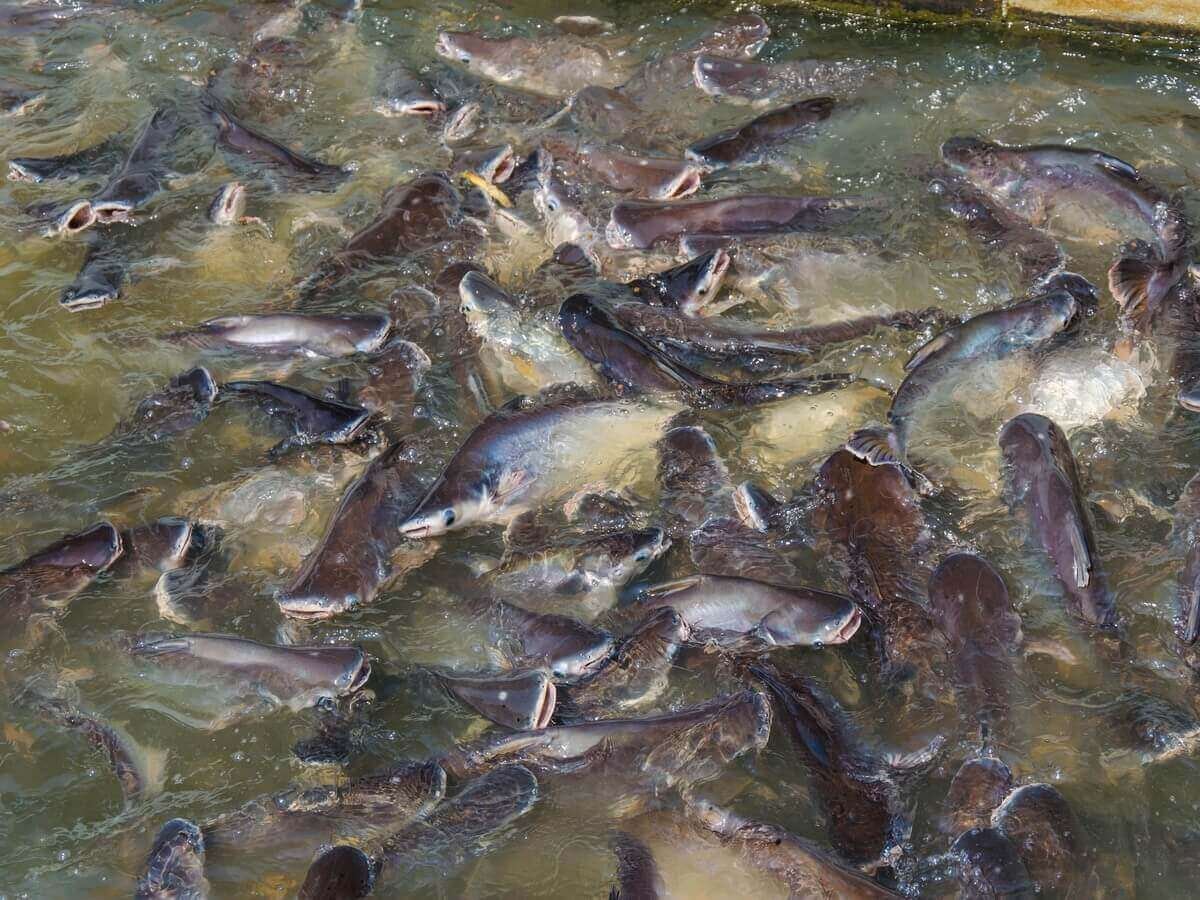
Sustainable Fish Farming in Kenya Explained
Kenya’s demand for high-quality fish continues to grow as more families, restaurants, hotels, supermarkets, and food service businesses recognise fish as an important part of a balanced diet. As consumption increases, the need to produce fish responsibly has become more important than ever.
Sustainable fish farming offers a practical solution by supporting reliable fish production while protecting natural resources, strengthening local food systems, and creating economic opportunities for farming communities. Through responsible aquaculture practices, Kenya can continue meeting the growing demand for fish without placing unnecessary pressure on natural fisheries.
Consumers today also want greater confidence in the food they buy. They are looking for suppliers that value sustainability, responsible sourcing, food safety, traceability, and consistent product quality.
At Soba Renaissance, we proudly support sustainable fish production through responsible sourcing, environmentally responsible practices, integrated farm-to-fork supply systems, rigorous quality assurance, hygienic handling, professional packaging, and dependable cold-chain distribution. Our commitment is to deliver premium fish products while contributing to a more sustainable future for Kenya’s food industry.
This guide explains how sustainable fish farming works and why it matters for consumers, businesses, farmers, and future generations.
What Is Sustainable Fish Farming?
Sustainable fish farming is the responsible production of fish in a way that balances productivity, environmental protection, and long-term resource management.
Its goals include:
- Producing high-quality fish.
- Protecting aquatic ecosystems.
- Conserving natural resources.
- Supporting food security.
- Creating sustainable livelihoods.
Rather than focusing only on production volume, sustainable aquaculture seeks long-term balance between people, the environment, and economic growth.
Why Sustainable Fish Farming Matters in Kenya
Fish is an increasingly important source of nutrition for Kenyan households.
As demand grows, sustainable farming helps:
- Maintain reliable fish supplies.
- Reduce pressure on wild fish populations.
- Strengthen local food production.
- Improve food security.
- Support long-term agricultural resilience.
Responsible fish farming ensures that future generations can continue benefiting from healthy aquatic resources.
Supporting Local Communities
Sustainable aquaculture creates opportunities that extend well beyond fish production.
The sector supports:
- Fish farmers.
- Rural communities.
- Transport providers.
- Food processors.
- Retail businesses.
- Hospitality industries.
These activities contribute to employment, local economic development, and stronger domestic food supply chains.
Responsible Resource Management
Successful fish farming depends on careful management of natural resources.
Sustainable operations focus on:
- Efficient water use.
- Responsible feeding practices.
- Healthy production environments.
- Environmental protection.
- Continuous operational improvement.
Responsible management helps preserve ecosystems while maintaining consistent production.
Fish Health and Quality Go Hand in Hand
Healthy fish contribute to better product quality.
Professional fish farming prioritises:
- Appropriate nutrition.
- Clean aquatic environments.
- Responsible husbandry.
- Regular monitoring.
- Preventive management practices.
Healthy production systems help deliver fish that customers can purchase with confidence.
Traceability Builds Consumer Confidence
Today’s consumers increasingly want to understand where their food comes from.
Traceability supports:
- Product transparency.
- Responsible sourcing.
- Quality assurance.
- Food safety.
- Supply chain accountability.
At Soba Renaissance, traceability is an important part of delivering trusted fish products.
Farm-to-Fork Quality Assurance
Managing every stage of the supply chain helps preserve freshness and consistency.
Our farm-to-fork approach includes:
- Responsible sourcing.
- Sustainable production.
- Hygienic handling.
- Professional packaging.
- Reliable cold-chain logistics.
- Rigorous quality assurance.
This integrated system helps ensure premium fish reaches customers in excellent condition.
Cold-Chain Distribution Protects Freshness
Fresh fish requires careful temperature management throughout transportation and storage.
Reliable cold-chain systems include:
- Refrigerated storage.
- Temperature-controlled transportation.
- Continuous freshness monitoring.
- Hygienic handling.
- Prompt delivery.
Maintaining the cold chain helps preserve quality from source to customer.
Sustainability Benefits Homes and Businesses
Sustainable fish farming supports a wide range of customers.
Premium fish products are supplied to:
- Families.
- Restaurants.
- Hotels.
- Cafés.
- Caterers.
- Supermarkets.
- Retailers.
- Institutions.
- Food service businesses.
Reliable production allows customers to access consistent, high-quality fish throughout the year.
Why Customers Choose Soba Renaissance
Customers across Kenya trust Soba Renaissance because we consistently provide:
- Premium fish products.
- Responsible sourcing.
- Sustainable fish production.
- Farm-to-fork supply systems.
- Hygienic handling.
- Rigorous quality assurance.
- Professional packaging.
- Reliable cold-chain distribution.
- Dependable nationwide supply.
- Exceptional customer service.
Every product reflects our commitment to sustainability, quality, and responsible food production.
Frequently Asked Questions
What is sustainable fish farming?
Sustainable fish farming is the responsible production of fish using practices that support environmental protection, efficient resource management, food security, and long-term economic sustainability.
Why is sustainable fish farming important in Kenya?
It helps strengthen local food production, supports farmers, protects natural fisheries, improves food security, and creates reliable supplies of premium fish for households and businesses.
How does Soba Renaissance support sustainability?
Soba Renaissance supports responsible sourcing, sustainable fish production, integrated farm-to-fork supply systems, rigorous quality assurance, hygienic handling, dependable cold-chain logistics, and environmentally responsible practices.
Why choose Soba Renaissance?
Customers choose Soba Renaissance because we combine sustainability, responsible sourcing, premium quality, reliable supply, professional food safety standards, and exceptional customer service to deliver trusted fish products across Kenya.
Building a Sustainable Future for Kenya’s Fish Industry
Sustainable fish farming is more than a production method it is a long-term investment in Kenya’s food security, environmental stewardship, and agricultural development. By embracing responsible aquaculture practices, producers can meet growing demand for fish while protecting natural ecosystems and creating lasting opportunities for communities across the country.
At Soba Renaissance, we are proud to contribute to this future through responsible sourcing, sustainable fish production, integrated farm-to-fork supply systems, hygienic handling, rigorous quality assurance, professional packaging, and dependable cold-chain distribution. Every product reflects our commitment to delivering premium fish while supporting responsible agriculture and environmental sustainability.
Whether you are preparing nutritious meals at home, operating a restaurant, managing a hotel, supplying a supermarket, or serving customers through a food service business, Soba Renaissance is your trusted partner for premium fish products produced with sustainability at the forefront.
Choose Soba Renaissance where responsible sourcing, sustainable fish farming, and farm-to-fork excellence come together to deliver premium fish products throughout Kenya.