

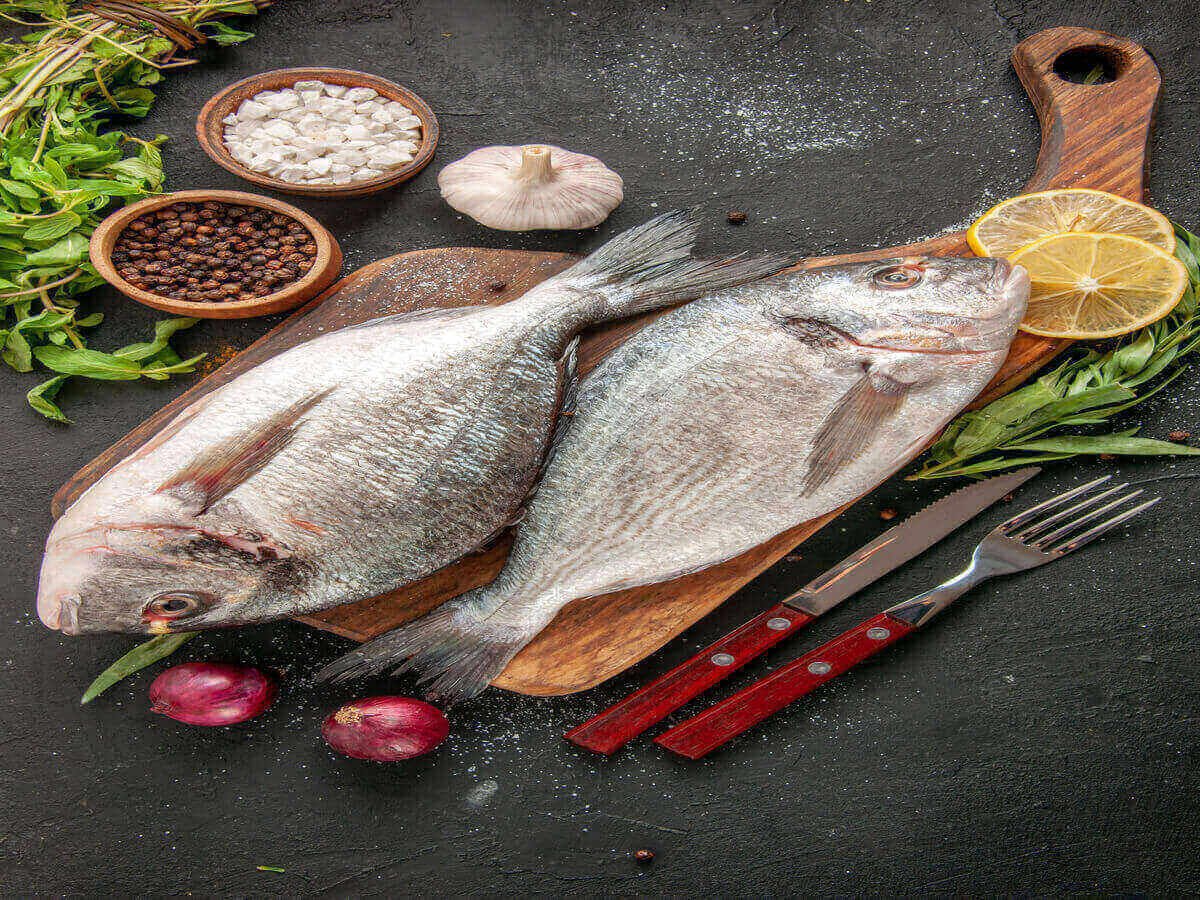
How to Tell If Fish Is Fresh Before You Buy
Nothing transforms a meal quite like fresh fish. Whether you’re preparing grilled tilapia for a family lunch, a rich fish stew for guests, or a healthy weekday dinner, the quality of the fish you buy will influence everything from flavour and texture to cooking results and food safety.
Yet many shoppers find themselves asking the same question while standing at the fish counter: How can I tell if this fish is really fresh?
The answer lies in knowing what to look for. Fresh fish leaves behind several visual, physical, and sensory clues that anyone can recognise with a little guidance. Once you know these signs, buying quality seafood becomes much easier, whether you’re shopping at a supermarket, a fish market, or ordering from a trusted supplier.
At Soba Renaissance, we believe every customer deserves seafood they can buy with confidence. Through responsible sourcing, professional handling, rigorous quality assurance, and dependable cold-chain management, we make it easier for Kenyan families and businesses to enjoy premium fresh fish every day.
Here’s your complete guide to identifying truly fresh fish before you buy.
Begin with the Eyes
If you’re buying whole fish, the eyes are one of the quickest indicators of freshness.
Fresh fish generally has:
- Bright, clear eyes.
- Naturally rounded eye shape.
- Good transparency.
- A healthy appearance.
Cloudy, dull, or heavily sunken eyes often suggest the fish has been stored for longer than ideal.
Although the eyes alone do not determine freshness, they provide an excellent starting point.
Look at the Skin
Healthy fish should have skin that appears vibrant and naturally glossy.
Look for:
- Bright colouring.
- Moist appearance.
- Firmly attached scales where applicable.
- Clean, undamaged skin.
Fish that appears dry, faded, or damaged may have lost some of its freshness.
A well-maintained appearance usually reflects careful handling throughout the supply chain.
Check the Flesh
Texture tells an important story.
Press the flesh gently with your fingertip.
Fresh fish should:
- Feel firm.
- Spring back quickly.
- Hold its shape.
- Maintain a smooth surface.
If the flesh remains indented or feels unusually soft, it may not be as fresh as expected.
Professional handling helps preserve the fish’s natural firmness.
Examine the Gills
The gills are another reliable freshness indicator.
Fresh fish typically has:
- Bright red or pink gills.
- A clean appearance.
- Natural moisture.
- No excessive dryness.
Because gills change as fish ages, they provide useful insight into overall freshness.
Smell the Fish
One of the biggest myths is that all fish should smell very strong.
In reality, premium fresh fish should have only a mild, clean, natural aroma.
If you notice an unusually strong or unpleasant smell, it’s best to choose another product.
Fresh seafood should never have an overpowering odour.
Check That the Fish Is Properly Chilled
Temperature is one of the most important factors affecting seafood quality.
Fresh fish should always be stored under proper refrigeration.
Professional suppliers maintain an uninterrupted cold chain through:
- Refrigerated storage.
- Temperature-controlled transport.
- Careful handling.
- Efficient delivery.
This protects freshness from source to customer.
Inspect the Packaging
If you’re buying packaged fish, the packaging should reflect professional standards.
Look for:
- Secure seals.
- Clean presentation.
- No punctures or tears.
- No visible leaks.
- Clear product information.
Quality packaging protects both freshness and hygiene.
Ask About the Source
A trustworthy supplier should be open about where the fish comes from.
Questions worth asking include:
- Where was the fish sourced?
- How is freshness maintained?
- How is the fish transported?
- How is it stored before sale?
- What quality standards are followed?
Transparent suppliers inspire greater customer confidence.
Avoid Common Buying Mistakes
Many shoppers unknowingly rely on the wrong indicators when buying fish.
Some common mistakes include:
- Choosing solely based on price.
- Ignoring storage conditions.
- Overlooking packaging quality.
- Not checking texture.
- Buying from suppliers with unclear handling practices.
Taking a few extra moments to inspect the fish can make a significant difference in the quality of your meal.
Why Supplier Reputation Matters
Even the best inspection techniques cannot replace the value of buying from a trusted supplier.
Reliable seafood suppliers invest in:
- Responsible sourcing.
- Sustainable seafood partnerships.
- Professional handling.
- Hygienic processing.
- Rigorous quality assurance.
- Reliable cold-chain logistics.
These systems help ensure every customer receives fish that consistently meets high standards.
Why Customers Trust Soba Renaissance
At Soba Renaissance, freshness is protected throughout every stage of our operations.
Our commitment includes:
- Premium fresh fish.
- Responsible sourcing.
- Sustainable seafood partnerships.
- Hygienic processing.
- Rigorous quality assurance.
- Professional packaging.
- Reliable cold-chain logistics.
- Dependable delivery.
- Transparent customer service.
- Consistent product quality.
Our goal is simple: to provide seafood that Kenyan families and businesses can enjoy with complete confidence.
Frequently Asked Questions
What is the easiest way to tell if fish is fresh?
Start by checking the eyes, skin, flesh, gills, smell, and storage conditions. Fresh fish should appear bright, firm, clean, and properly refrigerated.
Should fresh fish smell strongly?
No. Fresh fish usually has a mild, clean, natural aroma rather than a strong or unpleasant smell.
Why is refrigeration so important?
Consistent refrigeration helps preserve texture, flavour, freshness, and overall product quality throughout the supply chain.
Why choose Soba Renaissance?
Soba Renaissance combines responsible sourcing, sustainable seafood partnerships, rigorous quality assurance, professional handling, and reliable cold-chain logistics to provide premium fresh fish throughout Kenya.
Buy Fresh Fish with Confidence
Learning how to recognise fresh fish is one of the smartest skills any seafood shopper can develop. By checking the eyes, skin, flesh, gills, aroma, packaging, and storage conditions, you can confidently select fish that delivers excellent flavour, texture, and quality every time.
Equally important is choosing a supplier you can trust. Professional sourcing, careful handling, proper refrigeration, and consistent quality assurance all play a vital role in preserving freshness before the fish reaches your kitchen.
At Soba Renaissance, we are committed to delivering premium fresh fish that reflects the highest standards of quality, sustainability, and customer care. Through responsible sourcing, professional processing, dependable cold-chain logistics, and exceptional service, we help households and businesses across Kenya enjoy seafood with complete confidence.
Choose Soba Renaissance and experience the difference that genuine freshness makes.