

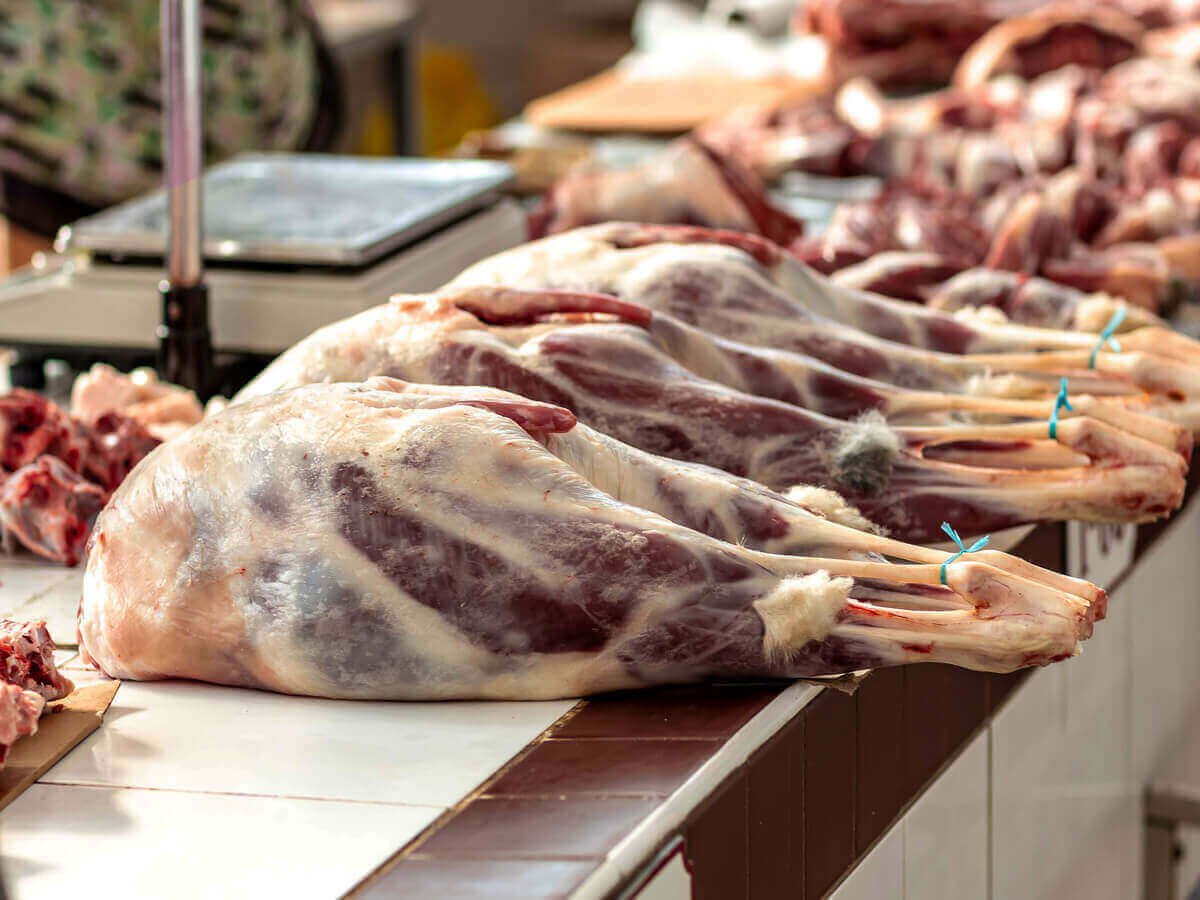
How to Choose Fresh Camel Meat in Kenya
Camel meat has become increasingly popular across Kenya, and it’s easy to understand why. Once mainly associated with the country’s northern and eastern regions, it is now enjoyed by families, restaurants, hotels, caterers, and food lovers throughout Nairobi and many other towns.
As more consumers discover its unique flavour and versatility, the demand for premium camel meat continues to grow. However, buying quality meat requires more than simply visiting the nearest butcher or supermarket. Knowing how to recognise freshness and choosing a trusted supplier can make a significant difference in your overall dining experience.
Whether you’re preparing a traditional stew, hosting a family gathering, or stocking your restaurant kitchen, selecting fresh camel meat ensures better flavour, better texture, and greater confidence in every meal.
At Soba Renaissance, we believe informed customers make the best purchasing decisions. Through responsible sourcing, sustainable business practices, careful handling, and rigorous quality assurance, we are committed to supplying premium fresh camel meat to households and businesses across Kenya.
Here are the most important things to consider when choosing fresh camel meat.
Start with a Trusted Supplier
The journey to quality begins long before the meat reaches your kitchen.
Choosing a reputable supplier gives you greater confidence that the meat has been responsibly sourced, professionally processed, and carefully handled throughout the supply chain.
A trusted supplier should prioritise:
- Responsible sourcing.
- Hygienic meat handling.
- Professional processing.
- Reliable cold-chain management.
- Consistent quality assurance.
- Transparent customer service.
These standards help ensure that every purchase meets high expectations.
Look at the Appearance
Fresh camel meat should have a clean and natural appearance.
When shopping, look for meat that appears:
- Fresh and vibrant.
- Even in color.
- Free from excessive drying.
- Free from unusual discoloration.
- Professionally prepared.
A neat presentation often reflects careful handling and attention to quality.
Check the Texture
Texture is one of the simplest ways to evaluate freshness.
Premium camel meat should generally feel:
- Firm.
- Moist but not excessively wet.
- Well-structured.
- Smooth to the touch.
Meat that feels unusually sticky, slimy, or excessively dry may indicate improper handling or storage.
Pay Attention to Packaging
Good packaging helps preserve freshness while protecting the meat during transportation and storage.
Choose products with packaging that is:
- Securely sealed.
- Clean.
- Free from punctures or leaks.
- Clearly labelled.
Professional packaging demonstrates a supplier’s commitment to hygiene and product quality.
Refrigeration Is Essential
Fresh meat should always be stored under appropriate refrigerated conditions.
Whether you’re shopping at a supermarket, butcher, or purchasing directly from a supplier, ensure the meat has been kept in a properly chilled environment.
Reliable refrigeration helps preserve:
- Freshness.
- Flavour.
- Texture.
- Overall quality.
Once you arrive home, refrigerate or freeze the meat promptly according to recommended storage practices.
Ask About the Source
Modern consumers increasingly want to know where their food comes from.
Responsible suppliers are usually happy to explain their sourcing practices and quality standards.
Questions worth asking include:
- Where was the camel sourced?
- How is freshness maintained?
- How is the meat transported?
- What food safety procedures are followed?
- How is the product stored before sale?
Transparent answers help build trust and confidence.
Consider the Supplier’s Reputation
Reputation matters.
Businesses that consistently deliver high-quality products usually invest in:
- Professional customer service.
- Reliable supply.
- Quality assurance.
- Responsible sourcing.
- Long-term customer relationships.
Positive customer experiences often reflect a supplier’s commitment to excellence.
Sustainability Is Part of Quality
Today’s consumers recognise that quality and sustainability go hand in hand.
Supporting suppliers that embrace responsible business practices contributes to stronger local food systems while encouraging responsible livestock production.
At Soba Renaissance, sustainability is integrated into every stage of our operations through:
- Responsible sourcing.
- Efficient resource management.
- Reduced operational waste.
- Continuous improvement.
- Support for Kenyan livestock producers.
- Long-term commitment to quality.
Choosing sustainably sourced products supports both today’s meals and tomorrow’s food security.
Fresh Camel Meat Deserves Professional Handling
Every stage of handling affects the final product.
Professional suppliers maintain high standards through:
- Hygienic processing.
- Careful packaging.
- Reliable refrigeration.
- Secure transportation.
- Quality inspections.
Attention to detail helps ensure customers receive meat that meets consistently high standards.
Why More Customers Choose Soba Renaissance
At Soba Renaissance, we believe premium camel meat is the result of responsible decisions made throughout the supply chain.
Customers across Kenya trust us because we provide:
- Premium fresh camel meat.
- Responsible sourcing.
- Sustainable business practices.
- Hygienic meat handling.
- Reliable cold-chain management.
- Professional packaging.
- Consistent quality assurance.
- Dependable supply.
- Exceptional customer service.
Our commitment is to deliver meat that reflects the highest standards of freshness, professionalism, and sustainability.
Frequently Asked Questions
How can I tell if camel meat is fresh?
Fresh camel meat should have a clean appearance, a firm texture, proper refrigeration, secure packaging, and should be purchased from a trusted supplier with strong quality standards.
Why is responsible sourcing important?
Responsible sourcing supports traceability, better livestock management, sustainable production practices, and greater confidence in the quality of the meat.
Why does refrigeration matter?
Proper refrigeration helps preserve the freshness, flavour, texture, and overall quality of camel meat throughout storage and transportation.
Where can I buy premium fresh camel meat in Kenya?
Soba Renaissance supplies premium fresh camel meat to households, restaurants, hotels, caterers, retailers, and food businesses across Nairobi and throughout Kenya.
Buy with Confidence, Cook with Confidence
Choosing fresh camel meat doesn’t have to be complicated. By paying attention to appearance, texture, packaging, refrigeration, and the reputation of your supplier, you can make informed purchasing decisions that lead to better meals and greater peace of mind.
Supporting suppliers that prioritise responsible sourcing and sustainable business practices also helps strengthen Kenya’s livestock industry while encouraging higher standards throughout the food supply chain. Every thoughtful purchase contributes to a more resilient and responsible agricultural future.
At Soba Renaissance, we’re proud to provide premium fresh camel meat backed by sustainable operations, responsible sourcing, professional handling, rigorous quality assurance, and dependable customer service. Whether you’re cooking for your family or sourcing meat for your business, you can rely on us to deliver exceptional freshness and consistent quality every time.
Because the best meals always begin with ingredients you can trust.