

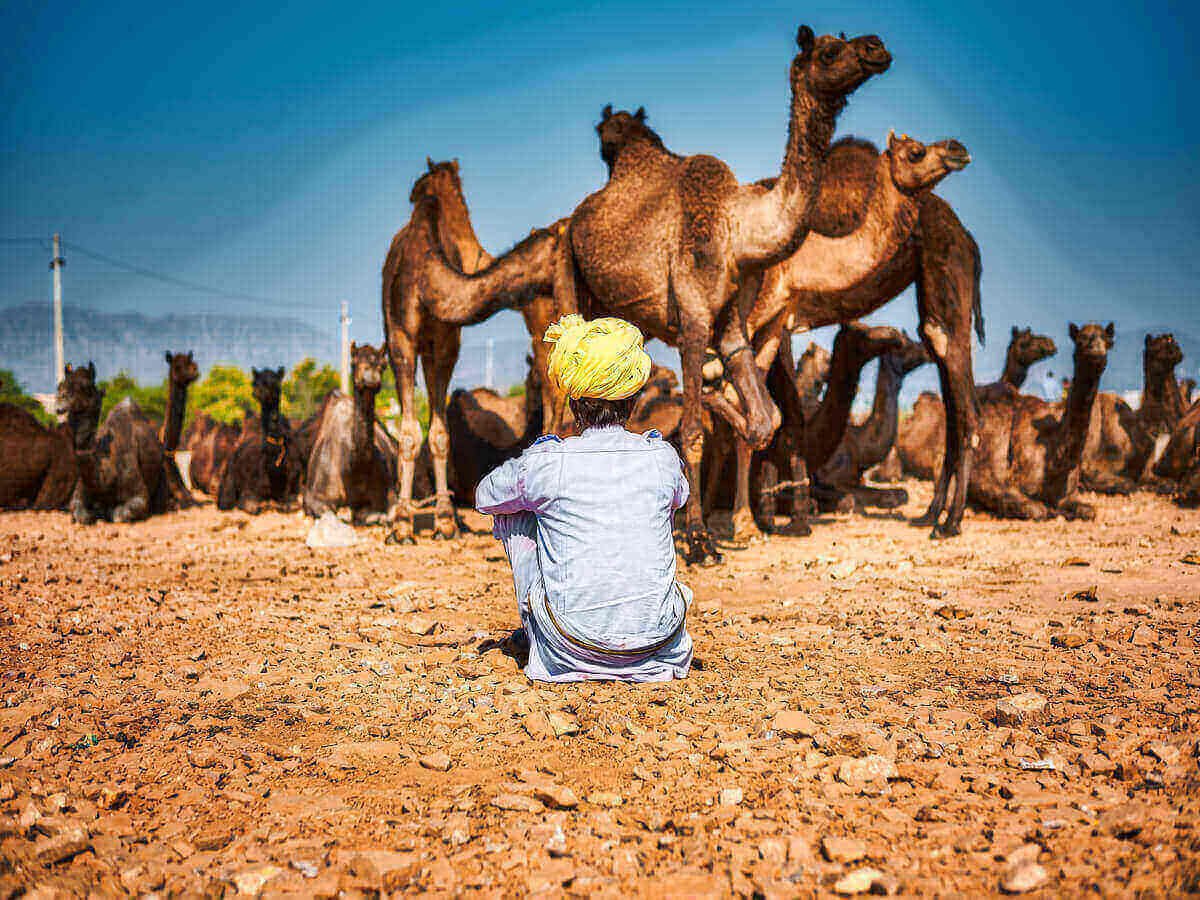
How Camel Farming Supports Northern Kenya’s Economy
Northern Kenya is home to some of the country’s most resilient communities and unique agricultural traditions. Stretching across vast landscapes where rainfall is often limited, the region has long relied on livestock as the backbone of its economy. Among the animals that have shaped livelihoods for generations, the camel stands out as one of the most valuable.
For many families, camel farming is far more than a way to earn an income. It is a source of food, financial security, cultural identity, and economic opportunity. As demand for camel products continues to grow across Kenya, camel farming is becoming an increasingly important contributor to regional development while helping strengthen the country’s agricultural sector.
Today, more consumers in Nairobi and other urban centers are discovering premium camel meat, creating new opportunities for producers in Northern Kenya. This growing market benefits not only livestock keepers but also transport providers, processors, retailers, hospitality businesses, and many others connected to the agricultural value chain.
At Soba Renaissance, we proudly support responsible livestock sourcing and sustainable agricultural practices by working with trusted producers and promoting premium camel meat across Kenya. We believe that supporting local livestock farmers helps create stronger communities, healthier food systems, and a more sustainable future.
Let’s explore how camel farming continues to drive economic growth in Northern Kenya.
A Tradition That Continues to Thrive
Camel farming has been part of life in Northern Kenya for generations.
Communities have relied on camels because they are well suited to the region’s environment and have historically provided a dependable source of food and income.
Today, this traditional livelihood continues to evolve as growing national demand creates new opportunities for livestock producers and entrepreneurs.
The combination of heritage and innovation is helping camel farming remain an important part of Kenya’s agricultural future.
Supporting Thousands of Rural Livelihoods
Camel farming contributes directly to household incomes across Northern Kenya.
It creates opportunities for people involved in:
- Livestock keeping.
- Animal husbandry.
- Veterinary services.
- Livestock trading.
- Transport and logistics.
- Meat processing.
- Retail.
- Hospitality.
- Food distribution.
Every stage of the supply chain supports employment and strengthens local economies.
Creating Opportunities for Small-Scale Producers
Many camel farmers operate on a small or medium scale.
As demand for premium camel meat grows, these producers benefit from increased market access and stronger commercial partnerships.
Working with responsible buyers encourages:
- Stable business relationships.
- Long-term planning.
- Improved production practices.
- Greater economic resilience.
At Soba Renaissance, we believe supporting local producers contributes to stronger agricultural communities across Kenya.
Strengthening Kenya’s Food Supply
Local food production plays an important role in national food security.
Camel farming contributes by supplying nutritious protein to households, restaurants, hotels, retailers, and institutions throughout the country.
A stronger domestic livestock industry helps:
- Improve product availability.
- Support reliable supply chains.
- Reduce dependence on imported products.
- Strengthen Kenya’s agricultural resilience.
As more consumers embrace locally sourced foods, camel farming continues to grow in importance.
Supporting Sustainable Agriculture
Sustainability is becoming an increasingly important part of modern agriculture.
Responsible camel farming contributes to sustainable food systems through:
- Responsible livestock management.
- Efficient use of natural resources.
- Long-term agricultural planning.
- Support for local communities.
- Continuous improvement.
At Soba Renaissance, sustainability guides our sourcing decisions as we work to build lasting partnerships with responsible livestock producers.
Encouraging Local Business Growth
Camel farming supports far more than livestock producers.
Many businesses benefit from the industry’s growth, including:
- Feed suppliers.
- Veterinary service providers.
- Packaging companies.
- Cold-chain logistics providers.
- Retail businesses.
- Restaurants.
- Hotels.
- Catering companies.
This interconnected network creates economic opportunities throughout Kenya.
Connecting Northern Kenya with Urban Markets
Growing demand in Nairobi and other cities has strengthened links between producers and consumers.
Professional supply chains now make it possible for premium camel meat to reach households and businesses across the country while maintaining high standards of quality.
These connections create:
- Better market access.
- Increased business opportunities.
- More reliable distribution.
- Stronger regional trade.
Responsible sourcing helps ensure both producers and consumers benefit from this expanding market.
Investing in Better Agricultural Practices
As the camel meat industry develops, many businesses are investing in improved production systems.
These investments support:
- Better livestock management.
- Professional processing.
- Quality assurance.
- Efficient logistics.
- Sustainable operations.
Continuous improvement strengthens the industry’s long-term competitiveness while creating greater confidence among consumers.
Celebrating Kenya’s Rich Culinary Heritage
Camel meat is an important part of the country’s diverse food culture.
Introducing more Kenyans to premium camel meat helps celebrate traditions that have existed for generations while encouraging greater appreciation for regional cuisines.
Supporting local food traditions also helps preserve valuable cultural knowledge and agricultural heritage.
How Soba Renaissance Supports Local Agriculture
At Soba Renaissance, we recognise that every premium product begins with strong partnerships.
Our commitment includes:
- Responsible livestock sourcing.
- Support for Kenyan producers.
- Sustainable agricultural practices.
- Professional processing.
- Rigorous quality assurance.
- Reliable cold-chain management.
- Transparent business practices.
- Dependable nationwide delivery.
By supporting responsible camel farming, we contribute to stronger supply chains and more resilient agricultural communities.
Why Customers Choose Soba Renaissance
Customers across Nairobi and Kenya choose Soba Renaissance because we consistently provide:
- Premium camel meat.
- Responsible livestock sourcing.
- Sustainable operations.
- Hygienic processing.
- Professional packaging.
- Reliable cold-chain logistics.
- Rigorous quality assurance.
- Transparent business practices.
- Dependable customer service.
- Consistent product quality.
Every order reflects our commitment to supporting both customers and Kenyan agriculture.
Frequently Asked Questions
Why is camel farming important in Northern Kenya?
Camel farming supports livelihoods, creates employment opportunities, contributes to food production, and strengthens local economies throughout Northern Kenya.
How does buying local camel meat support Kenyan communities?
Purchasing locally sourced camel meat supports livestock producers, processors, transport providers, retailers, and many other businesses within Kenya’s agricultural value chain.
Does camel farming contribute to sustainable agriculture?
Responsible camel farming can support sustainable agricultural development through careful livestock management, efficient resource use, and long-term community partnerships.
Why choose Soba Renaissance?
Soba Renaissance proudly supports responsible livestock sourcing, sustainable agriculture, professional processing, rigorous quality assurance, and dependable nationwide delivery of premium camel meat across Kenya.
Strong Communities Begin with Strong Agriculture
Camel farming has shaped the economy and culture of Northern Kenya for generations, and its importance continues to grow. As more Kenyans discover the value of locally produced camel meat, the industry is creating opportunities that extend far beyond individual farms. It supports employment, strengthens rural economies, promotes food security, and encourages sustainable agricultural development across the country.
Every purchase of responsibly sourced camel meat contributes to a larger story one of hardworking livestock producers, resilient communities, and a growing commitment to supporting Kenyan agriculture.
At Soba Renaissance, we are proud to be part of that story. Through responsible livestock sourcing, sustainable business practices, professional processing, and dependable service, we connect premium camel meat from trusted Kenyan producers to families, restaurants, retailers, and institutions across the country.
Choose Soba Renaissance and support premium camel meat that not only delivers exceptional quality but also contributes to stronger communities, sustainable agriculture, and the continued growth of Northern Kenya’s economy.