

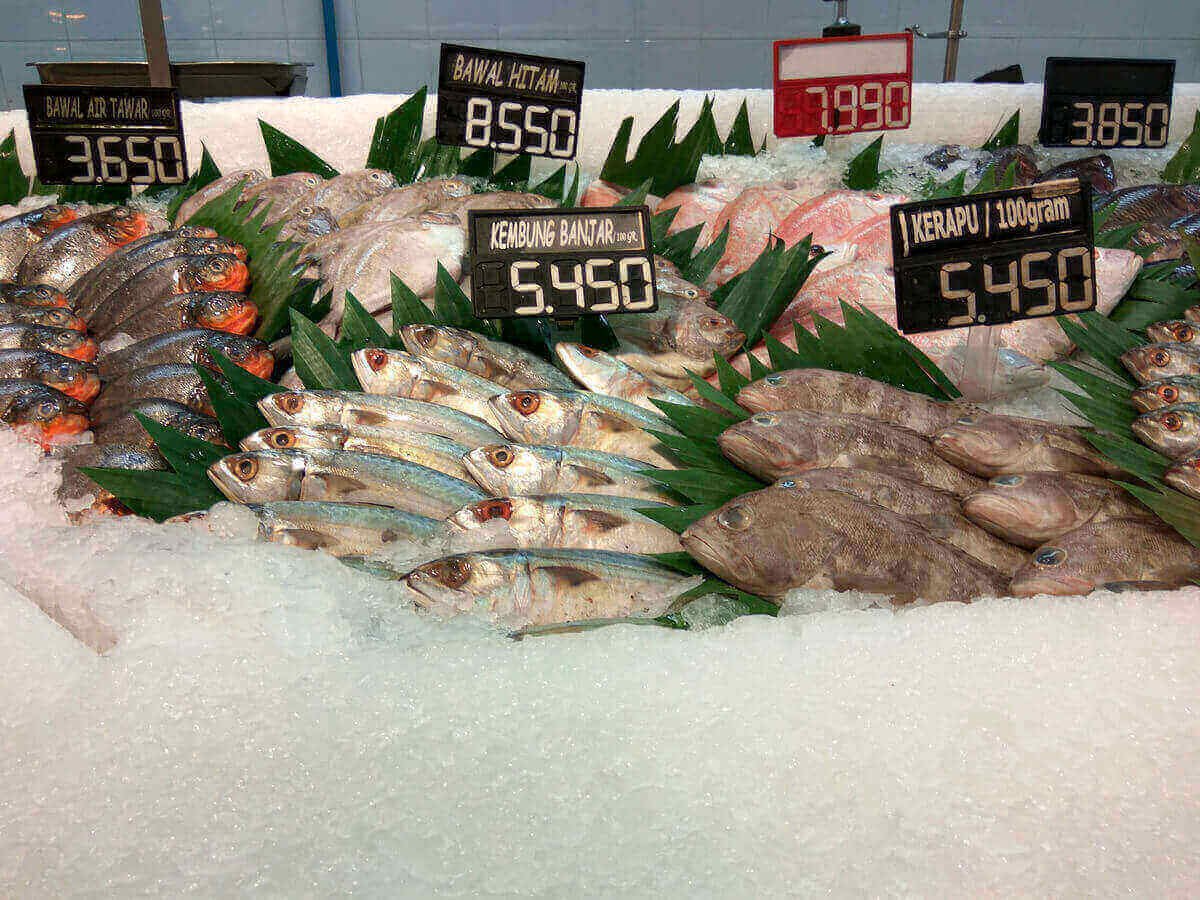
Fresh Fish Prices in Kenya: What Determines the Cost?
If you’ve ever compared fresh fish prices at different shops, supermarkets, or seafood suppliers in Kenya, you’ve probably noticed that the cost can vary significantly. One supplier may offer tilapia at one price, while another charges more for what appears to be a similar product. Naturally, many shoppers ask the same question: What determines the price of fresh fish?
The answer is more complex than supply and demand alone. Fresh fish is one of the most delicate food products in the market, and maintaining its quality requires careful planning from the moment it is harvested until it reaches the customer’s kitchen. Every stage of the journey from responsible sourcing and transportation to professional handling, cold-chain management, packaging, and delivery plays a role in the final price.
Understanding these factors helps consumers make informed purchasing decisions. Instead of focusing only on the lowest price, buyers can better appreciate the value of premium seafood that has been handled responsibly and professionally.
At Soba Renaissance, we believe customers deserve both quality and transparency. Through responsible sourcing, sustainable partnerships, rigorous quality assurance, and efficient operations, we work to provide premium fresh fish that delivers excellent value for households and businesses across Kenya.
Let’s take a closer look at what influences the price of fresh fish.
The Type of Fish Matters
Not all fish are priced the same.
Different species vary in:
- Availability.
- Harvesting methods.
- Consumer demand.
- Processing requirements.
- Market supply.
Products such as tilapia, Nile perch, catfish, and other freshwater fish may differ in price because of these factors.
Freshness Has Value
Freshness is one of the biggest contributors to price.
Maintaining premium freshness requires investment in:
- Responsible sourcing.
- Refrigerated storage.
- Professional handling.
- Temperature-controlled transportation.
- Fast distribution.
These systems help preserve quality but also increase operational costs, making them an important part of the product’s value.
Cold-Chain Logistics Require Significant Investment
Keeping fish at the correct temperature throughout the supply chain is essential.
Professional cold-chain management includes:
- Refrigeration equipment.
- Cold storage facilities.
- Temperature-controlled vehicles.
- Monitoring systems.
- Efficient delivery scheduling.
These investments help ensure customers receive seafood in excellent condition.
Responsible Sourcing Supports Long-Term Quality
Consumers increasingly prefer suppliers that source seafood responsibly.
Responsible sourcing involves working with trusted producers and fisheries that prioritise sustainable practices and consistent product standards.
This commitment contributes to:
- Reliable supply.
- Better quality control.
- Long-term seafood availability.
- Greater customer confidence.
At Soba Renaissance, responsible sourcing is central to our operations.
Processing and Packaging Influence Cost
Fish that has been professionally cleaned, prepared, portioned, or packaged requires additional labour and quality control.
Professional processing helps provide:
- Improved hygiene.
- Greater convenience.
- Better product protection.
- Consistent presentation.
- Easier storage.
These services add value while contributing to the final selling price.
Transportation Across Kenya
Delivering fresh fish safely requires careful planning.
Transport costs may include:
- Refrigerated vehicles.
- Fuel.
- Distribution logistics.
- Delivery coordination.
- Cold-chain maintenance.
Reliable transportation helps preserve freshness while ensuring products arrive on time.
Seasonal Supply and Market Demand
Like many agricultural products, fish availability can fluctuate throughout the year.
Changes in supply and consumer demand may influence market prices from time to time.
Professional suppliers manage these changes through planning, supplier relationships, and efficient inventory management to maintain reliable availability whenever possible.
Sustainability Is an Investment
Responsible businesses invest in practices that support the future of Kenya’s seafood industry.
These investments include:
- Sustainable sourcing.
- Long-term producer partnerships.
- Responsible resource management.
- Operational improvements.
- Continuous quality enhancement.
While sustainability requires commitment, it also helps create resilient supply chains and dependable products for customers.
Why Value Matters More Than the Lowest Price
Many shoppers naturally look for bargains, but price alone rarely tells the full story.
Premium fresh fish often reflects investments in:
- Responsible sourcing.
- Professional handling.
- Hygienic processing.
- Cold-chain logistics.
- Quality assurance.
- Reliable customer service.
When these standards are maintained, customers receive better consistency, freshness, and overall value.
Why Customers Choose Soba Renaissance
At Soba Renaissance, we believe value is created through quality, responsibility, and consistency.
Our commitment includes:
- Premium fresh fish.
- Responsible sourcing.
- Sustainable seafood partnerships.
- Professional handling.
- Hygienic processing.
- Rigorous quality assurance.
- Reliable cold-chain logistics.
- Professional packaging.
- Dependable nationwide delivery.
- Exceptional customer service.
These principles allow us to provide premium seafood that customers trust throughout Kenya.
Frequently Asked Questions
Why do fresh fish prices vary?
Prices are influenced by factors such as fish species, freshness, sourcing, processing, transportation, cold-chain logistics, packaging, and market demand.
Does premium fish cost more because of quality?
Professional handling, responsible sourcing, quality assurance, and reliable cold-chain management all contribute to premium seafood and may affect pricing.
Why shouldn’t I buy fish based only on price?
The lowest-priced option may not always provide the same level of freshness, consistency, responsible sourcing, or professional handling as premium products.
Why choose Soba Renaissance?
Soba Renaissance combines responsible sourcing, sustainable seafood partnerships, rigorous quality assurance, professional handling, and dependable delivery to provide premium fresh fish that offers lasting value.
Understanding Price Helps You Buy Better
The price of fresh fish reflects far more than the product itself. It represents the care taken throughout the entire journey from responsible sourcing and sustainable partnerships to professional handling, cold-chain logistics, packaging, and delivery. Understanding these factors allows consumers to make informed decisions based on value rather than price alone.
As Kenya’s seafood industry continues to grow, customers increasingly recognise the importance of buying from suppliers who invest in quality, transparency, and sustainability. Premium fresh fish is an investment in better flavour, greater consistency, and confidence at every meal.
At Soba Renaissance, we are proud to deliver that value. Through responsible sourcing, sustainable seafood partnerships, rigorous quality assurance, professional processing, and dependable nationwide delivery, we provide premium fresh fish that reflects our commitment to excellence and long-term sustainability.
Choose Soba Renaissance for fresh fish in Kenya and experience quality that is worth every shilling.