

Farm-to-Table Beef in Kenya Explained: From Kenyan Farms to Your Family Table
Imagine you’re preparing a Sunday lunch.
The onions are sizzling, tomatoes are softening in the sufuria, garlic fills the kitchen with its unmistakable aroma, and your family is already asking when the beef stew will be ready. Or perhaps you’re planning a weekend nyama choma with friends, where the only debate is whether to serve it with ugali, fries, or plenty of kachumbari.
Before that beef reached your chopping board, it travelled a remarkable journey.
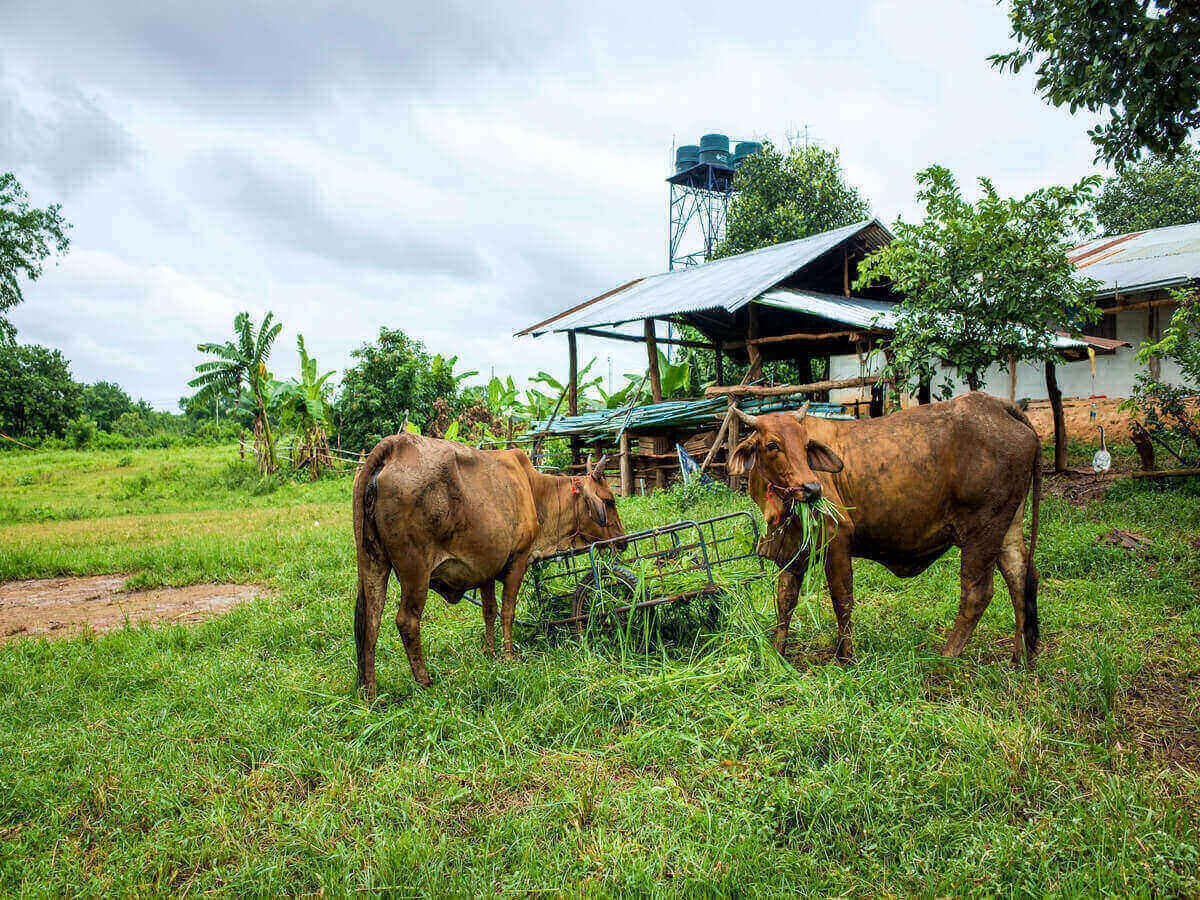
It started on a Kenyan farm.
This journey is what people mean when they talk about farm-to-table beef a process that connects responsible livestock farming, professional handling, efficient distribution, and the final meal shared around your table.
Across Kenya, more consumers are becoming interested in understanding where their food comes from. They want fresh products, trusted suppliers, and confidence that the beef they buy has been handled with care from beginning to end.
At Soba Renaissance, we proudly support a farm-to-table approach by working with trusted local supply chains that help deliver premium fresh beef to homes and businesses across Nairobi and Kenya.
What Does Farm-to-Table Mean?
Farm-to-table simply means reducing the distance between the farm and the consumer while maintaining quality and responsible handling throughout the supply chain.
Rather than focusing only on the final product, the farm-to-table approach values every stage of the journey, including:
- Livestock farming.
- Responsible sourcing.
- Professional processing.
- Hygienic handling.
- Cold-chain management.
- Reliable transportation.
- Timely delivery.
Each step contributes to bringing fresh beef from Kenyan farms to Kenyan tables.
The Journey of Beef from Farm to Table
Many people only see beef when it arrives at the supermarket or local butchery.
In reality, several important stages happen first.
Step 1: Responsible Livestock Farming
The journey begins with livestock farmers who care for cattle through responsible management practices.
Their dedication forms the foundation of the entire supply chain.
Step 2: Professional Processing
After sourcing, beef is processed under hygienic conditions that prioritise food safety and product quality.
Proper handling helps maintain consistency throughout the process.
Step 3: Cold-Chain Management
Temperature control plays a vital role in preserving freshness.
Reliable refrigeration during storage and transportation helps maintain product quality until delivery.
Step 4: Distribution
Efficient logistics ensure beef reaches retailers, restaurants, hotels, supermarkets, caterers, and households across Kenya in a timely manner.
Step 5: Your Kitchen
Finally, fresh beef becomes part of everyday Kenyan life.
Whether it’s a hearty stew, beef pilau, wet fry, biryani, or nyama choma, every meal completes the journey that started on the farm.
Why More Kenyans Care About Where Their Beef Comes From
Today’s shoppers are asking better questions.
Instead of simply choosing the nearest supplier, many now want to know:
- Is the beef locally sourced?
- Can I trust the supplier?
- Is the handling professional?
- Is freshness maintained throughout delivery?
- Does my purchase support Kenyan farmers?
These questions reflect a growing appreciation for transparency and quality.
Farm-to-Table Supports Local Communities
Every locally sourced purchase has a ripple effect.
It helps support:
- Kenyan livestock farmers.
- Rural households.
- Veterinary professionals.
- Transport providers.
- Meat processors.
- Retail businesses.
- Hotels and restaurants.
- Community employment.
Buying local strengthens Kenya’s agricultural economy while supporting thousands of livelihoods.
Why Farm-to-Table Matters for Businesses
Restaurants, hotels, supermarkets, butcheries, and catering companies rely on consistency.
Working with suppliers that embrace farm-to-table principles helps provide:
- Reliable deliveries.
- Consistent product quality.
- Professional customer service.
- Strong supply partnerships.
- Greater customer confidence.
Businesses succeed when they can depend on their suppliers.
Freshness Begins with a Reliable Supply Chain
Fresh beef isn’t simply about timing.
It’s also about how carefully every stage is managed.
A reliable farm-to-table system includes:
- Responsible sourcing.
- Hygienic processing.
- Professional packaging.
- Proper refrigeration.
- Efficient transportation.
- Timely delivery.
Together, these steps help preserve freshness from farm to fork.
Kenya’s Rich Food Culture Deserves Quality Beef
Kenyans know how to celebrate food.
Think about:
- Nyama choma with family on a Sunday afternoon.
- Beef pilau during weddings and celebrations.
- Wet fry after a busy workday.
- Beef stew served with ugali on chilly evenings.
- Chapati and beef during festive holidays.
- Beef biryani shared during special occasions.
Every memorable meal begins with quality ingredients.
Why More Customers Choose Soba Renaissance
At Soba Renaissance, we believe the journey from farm to table should reflect the same commitment to quality at every stage.
That’s why customers across Nairobi and Kenya trust us for:
- Premium fresh beef.
- Responsibly sourced products.
- Strong partnerships with local producers.
- Hygienic processing.
- Reliable deliveries.
- Strict food safety standards.
- Consistent product quality.
- Professional customer service.
- Sustainable business practices.
- Dependable supply for homes and businesses.
Whether you’re preparing dinner for your family or managing a busy restaurant, we’re committed to delivering beef you can trust.
Frequently Asked Questions
What is farm-to-table beef?
Farm-to-table beef refers to a supply chain that connects responsible livestock farming, professional processing, careful handling, reliable transportation, and timely delivery to consumers.
Why is farm-to-table important?
A well-managed farm-to-table approach helps maintain product quality, supports responsible sourcing, and strengthens trust between producers, suppliers, and consumers.
Why should I buy locally sourced beef?
Buying locally sourced beef supports Kenyan farmers, strengthens local businesses, promotes agricultural development, and contributes to Kenya’s economy.
Why choose Soba Renaissance?
Soba Renaissance supplies premium fresh beef through responsible sourcing, hygienic processing, dependable delivery, and strong partnerships that support quality across Nairobi and Kenya.
Every Great Meal Begins Long Before the Kitchen
The next time you’re stirring a pot of beef stew, grilling nyama choma, or preparing a family feast, remember that your meal is the final chapter of a much longer story.
It is a story that begins with Kenyan livestock farmers, continues through responsible sourcing, professional processing, careful cold-chain management, and reliable delivery before arriving in your kitchen.
That’s the essence of farm-to-table beef. It’s about creating confidence in every stage of the journey, supporting local communities, and ensuring that quality isn’t left to chance.
At Soba Renaissance, we’re proud to help bring that journey to life. By working with trusted local partners and maintaining high standards from sourcing to delivery, we make it easier for families and businesses across Kenya to enjoy premium fresh beef with confidence.
Because when every step is handled with care, every meal tells a story worth sharing.