

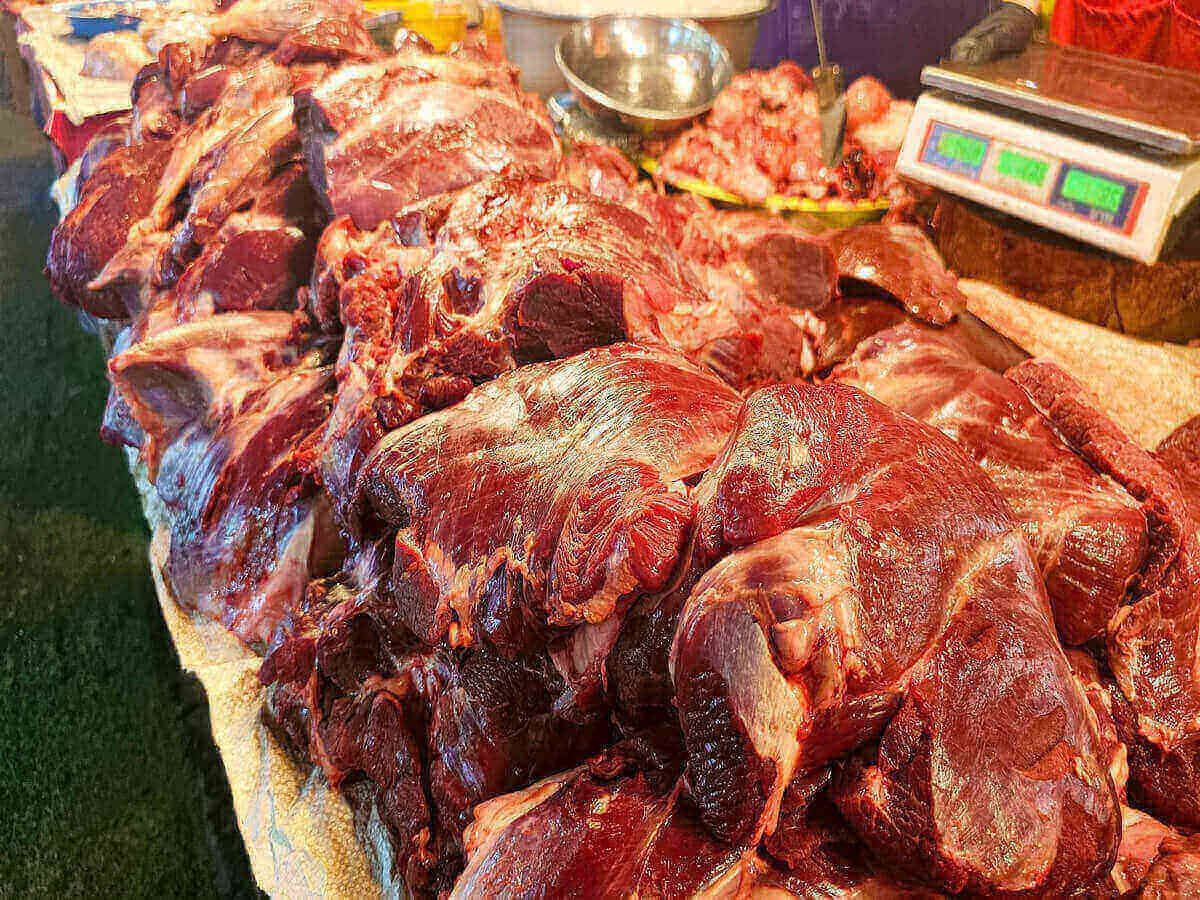
Complete Guide to Buying Goat Meat in Kenya
Goat meat has been part of Kenyan cuisine for generations, bringing families and communities together over traditional meals, celebrations, and everyday dining. Whether prepared as nyama choma, slow-cooked stew, biryani, pilau, or served in modern restaurant dishes, goat meat remains one of the country’s most valued red meats.
As demand continues to grow, consumers are becoming more selective about where they purchase their meat. Freshness, food safety, quality, responsible sourcing, and dependable service are now just as important as flavour.
Whether you are buying goat meat for your household, restaurant, hotel, catering business, supermarket, butcher shop, or institution, understanding what to look for helps ensure you receive premium-quality products every time.
At Soba Renaissance, we proudly supply premium fresh goat meat through responsible livestock sourcing, hygienic processing, rigorous quality assurance, professional packaging, and dependable cold-chain logistics. Our commitment to excellence ensures customers across Kenya receive fresh goat meat they can trust.
This complete guide explains everything you should know before buying goat meat in Kenya.
Why Choosing Quality Goat Meat Matters
The quality of goat meat influences every stage of the cooking experience.
Premium-quality goat meat offers:
- Better flavour.
- Consistent texture.
- Greater freshness.
- Improved cooking performance.
- Better overall value.
- Greater confidence in food safety.
Choosing quality products helps households and businesses prepare meals with consistency and confidence.
Start by Choosing a Trusted Supplier
One of the most important purchasing decisions is selecting a reliable supplier.
A trusted supplier demonstrates commitment to:
- Responsible livestock sourcing.
- Hygienic processing.
- Professional packaging.
- Quality assurance.
- Cold-chain management.
- Reliable customer service.
- Consistent product availability.
Building a long-term relationship with a dependable supplier simplifies future purchasing decisions.
Know Which Goat Meat Cut You Need
Different recipes require different cuts of meat.
Common options include:
- Whole goat.
- Shoulder.
- Leg.
- Ribs.
- Chops.
- Cubed meat for stews.
- Boneless cuts.
Selecting the appropriate cut improves cooking results while reducing preparation time.
Check Freshness Carefully
Freshness is one of the clearest indicators of quality.
Premium fresh goat meat should have:
- A clean, natural appearance.
- Firm texture.
- Appropriate colouring.
- Minimal surface moisture.
- No unpleasant odour.
Fresh meat that has been professionally handled provides greater confidence in quality.
Inspect the Packaging
Packaging protects product quality throughout transportation and storage.
Look for packaging that is:
- Properly sealed.
- Clean.
- Undamaged.
- Leak-free.
- Clearly labelled.
Professional packaging reflects careful handling and quality management.
Understand Cold-Chain Management
Fresh goat meat requires consistent temperature control from processing to delivery.
A dependable cold chain helps preserve:
- Freshness.
- Product quality.
- Texture.
- Food safety.
Reliable suppliers invest in refrigerated storage and transportation to maintain these standards.
Consider Responsible Livestock Sourcing
Modern consumers increasingly value transparency in food production.
Choosing responsibly sourced goat meat supports suppliers committed to:
- Ethical livestock management.
- Professional production practices.
- Sustainable operations.
- Consistent quality.
- Responsible resource management.
Knowing where your meat comes from builds confidence in every purchase.
Compare Value Instead of Price Alone
The lowest price does not always represent the best value.
Premium goat meat often delivers:
- Better consistency.
- Less waste during preparation.
- Reliable quality.
- Greater customer satisfaction.
- Improved cooking performance.
Quality products frequently provide better long-term value than cheaper alternatives.
Think About Your Cooking Plans
Before purchasing, consider how you plan to prepare the meat.
Different cooking methods may require different cuts.
Popular preparations include:
- Nyama choma.
- Slow-cooked stews.
- Pilau.
- Biryani.
- Roasting.
- Grilling.
- Braising.
Matching the cut to the recipe helps achieve the best results.
Buying for Businesses
Commercial buyers often have additional requirements beyond product quality.
Restaurants, hotels, caterers, retailers, and institutions should consider:
- Reliable year-round supply.
- Consistent product specifications.
- Professional packaging.
- Dependable delivery schedules.
- Responsive customer support.
- Food safety standards.
- Quality assurance systems.
Working with an experienced supplier helps businesses operate more efficiently.
Proper Storage After Purchase
Maintaining freshness continues after delivery.
Best practices include:
- Refrigerating meat promptly.
- Keeping meat properly sealed.
- Preventing cross-contamination.
- Freezing meat if it will not be used within the recommended refrigerated storage period.
- Following safe food handling practices during preparation.
Proper storage helps maintain product quality until cooking.
Why More Kenyans Choose Soba Renaissance
Customers across Kenya continue choosing Soba Renaissance because we consistently provide:
- Premium fresh goat meat.
- Responsible livestock sourcing.
- Hygienic processing.
- Rigorous quality assurance.
- Professional packaging.
- Dependable cold-chain logistics.
- Reliable nationwide delivery.
- Sustainable operational practices.
- Consistent product quality.
- Exceptional customer service.
Every order reflects our commitment to providing fresh goat meat that meets the highest professional standards.
Frequently Asked Questions
How can I tell if goat meat is fresh?
Fresh goat meat should have a clean appearance, firm texture, appropriate colour, minimal surface moisture, and no unpleasant odour. It should also be properly packaged and refrigerated.
Why is choosing a trusted supplier important?
Trusted suppliers maintain consistent quality through responsible livestock sourcing, hygienic processing, quality assurance, professional packaging, and dependable cold-chain management.
Which goat meat cut should I buy?
The ideal cut depends on your recipe. Chops and ribs are popular for grilling, while shoulder, leg, and cubed meat are commonly used for stews, pilau, biryani, and slow-cooked dishes.
Why choose Soba Renaissance?
Soba Renaissance combines responsible livestock sourcing, hygienic processing, rigorous quality assurance, professional packaging, dependable cold-chain logistics, reliable nationwide delivery, and exceptional customer service to provide premium fresh goat meat throughout Kenya.
Buy Premium Goat Meat with Confidence
Buying goat meat is about much more than selecting a product from a display. It involves choosing a supplier committed to quality, freshness, responsible sourcing, professional handling, and dependable service. Understanding what to look for from selecting the right cut and inspecting freshness to evaluating packaging and cold-chain management helps ensure every purchase delivers excellent value.
Whether you are shopping for your family, managing a restaurant, supplying a hotel, operating a catering business, or purchasing for an institution, premium-quality goat meat provides the consistency needed to prepare exceptional meals.
At Soba Renaissance, we proudly provide premium fresh goat meat through responsible livestock sourcing, hygienic processing, rigorous quality assurance, professional packaging, and dependable cold-chain logistics. Our commitment to excellence enables households and businesses across Kenya to purchase fresh goat meat with complete confidence.
Choose Soba Renaissance for premium fresh goat meat trusted for quality, freshness, reliability, and outstanding customer service.