What Makes a Reliable Chicken Meat Supplier in Nairobi?

What Makes a Reliable Chicken Meat Supplier in Nairobi?

Nairobi is one of Kenya’s busiest commercial and residential hubs, creating a constant demand for high-quality poultry products. From families preparing daily meals to restaurants serving hundreds of customers, reliable access to fresh chicken is essential.

However, reliability means much more than simply having chicken available for sale. A dependable supplier consistently delivers quality products, maintains food safety standards, communicates professionally, and ensures customers receive their orders on time.

Whether you are a homeowner, chef, caterer, hotel manager, supermarket buyer, or food service operator, partnering with the right supplier can make a significant difference in both convenience and quality.

At Soba Renaissance, we are committed to supplying premium fresh chicken through responsible poultry farming, sustainable agricultural practices, integrated farm-to-table operations, and dependable customer service. Our goal is to help customers across Nairobi enjoy fresh, high-quality poultry backed by professionalism and trust.

Here are the qualities that define a reliable chicken meat supplier.

Consistent Product Quality

Reliability begins with consistency.

Customers expect every order to meet the same high standards, regardless of when they buy or how much they purchase.

A reliable supplier should consistently provide chicken that is:

  • Fresh
  • Hygienically processed
  • Properly packaged
  • Carefully stored
  • Professionally handled

Consistent quality builds confidence and allows households and businesses to plan meals without worrying about product variations.

Dependable Supply Throughout the Year

One of the biggest challenges for food businesses is inconsistent supply.

Restaurants, hotels, caterers, schools, supermarkets, and retailers need suppliers who can meet demand throughout the year.

Reliable suppliers invest in production planning and efficient inventory management to help ensure customers have access to poultry products when they need them.

Soba Renaissance is committed to dependable supply while maintaining premium quality standards.

Strong Food Safety Practices

Food safety is essential in every stage of poultry production.

A reliable supplier follows well-established practices that support:

  • Hygienic processing
  • Safe handling
  • Appropriate packaging
  • Cold-chain management
  • Careful transportation

These systems help preserve freshness and maintain product quality from production to delivery.

Efficient Delivery and Distribution

In a fast-moving city like Nairobi, timely delivery is an important part of customer service.

Whether supplying a household or a commercial kitchen, reliable logistics help ensure fresh chicken arrives in excellent condition.

Efficient distribution benefits:

  • Restaurants
  • Hotels
  • Caterers
  • Retailers
  • Supermarkets
  • Schools
  • Institutions
  • Individual households

Professional delivery systems support customer convenience and business continuity.

A Wide Selection of Chicken Products

Every customer has unique needs.

Some households prefer whole chickens, while businesses often require specific cuts for their menus.

A dependable supplier should offer a variety of products, including:

  • Whole chicken
  • Chicken breast
  • Chicken thighs
  • Drumsticks
  • Chicken wings
  • Boneless chicken cuts

Having multiple options makes it easier for customers to source everything from one trusted supplier.

Transparency and Professionalism

Reliable businesses communicate openly with their customers.

Transparency includes providing clear information about:

  • Production practices
  • Food safety standards
  • Product handling
  • Packaging
  • Customer support

Professional communication helps establish long-term trust and confidence.

At Soba Renaissance, transparency is an important part of our commitment to customer satisfaction.

Responsible Poultry Farming

A reliable supplier understands that quality begins on the farm.

Responsible poultry farming focuses on:

  • Animal welfare
  • Balanced nutrition
  • Biosecurity
  • Clean housing
  • Sustainable farming practices
  • Continuous improvement

These principles help maintain healthy production systems while supporting consistent product quality.

Sustainable Business Practices

Today’s consumers increasingly value businesses that consider the long-term impact of their operations.

Reliable poultry suppliers continually improve efficiency through:

  • Responsible resource management
  • Sustainable agriculture
  • Operational improvements
  • Reduced waste
  • Support for local farming

Soba Renaissance integrates sustainability into our production philosophy to help strengthen Kenya’s agricultural future.

Responsive Customer Service

A reliable supplier values every customer relationship.

Good customer service includes:

  • Prompt communication
  • Accurate order fulfilment
  • Professional support
  • Dependable after-sales service
  • Long-term partnership

Whether you are ordering for your home or your business, responsive service creates a better customer experience.

Supporting Nairobi’s Food Industry

Nairobi’s hospitality and food service sectors rely on dependable poultry suppliers every day.

Reliable chicken suppliers help support:

  • Restaurants
  • Hotels
  • Cafés
  • Caterers
  • Corporate kitchens
  • Schools
  • Hospitals
  • Retail businesses

Consistent supply allows these organizations to operate efficiently while serving their customers with confidence.

Why Soba Renaissance Is a Trusted Choice

At Soba Renaissance, reliability is built into every stage of our operations.

We are committed to:

  • Premium fresh chicken
  • Responsible poultry farming
  • Sustainable agriculture
  • Farm-to-table production
  • Food safety
  • Quality assurance
  • Professional packaging
  • Reliable distribution
  • Transparent operations
  • Customer-focused service

These values enable us to supply fresh poultry that customers across Nairobi can depend on.

Frequently Asked Questions

What makes a chicken supplier reliable?

A reliable supplier consistently delivers quality products, follows strong food safety practices, maintains dependable supply, provides professional customer service, and communicates transparently.

Why is consistent supply important?

Reliable product availability helps households and businesses plan meals, manage inventory, and operate efficiently without unnecessary interruptions.

What should I look for before choosing a poultry supplier?

Consider product quality, food safety standards, responsible farming practices, customer service, delivery reliability, and the supplier’s reputation.

Why choose Soba Renaissance?

Soba Renaissance combines responsible poultry farming, sustainable production, integrated farm-to-table operations, rigorous quality assurance, and dependable customer service to deliver premium fresh chicken throughout Nairobi and Kenya.

Reliability You Can Count On

Choosing a reliable chicken meat supplier means choosing consistency, professionalism, and peace of mind. Whether you are feeding your family or serving hundreds of customers every day, dependable poultry makes all the difference.

At Soba Renaissance, we are proud to provide Nairobi with premium fresh chicken produced through responsible farming, sustainable agricultural practices, strict food safety standards, and carefully managed farm-to-table operations.

Our commitment to quality extends beyond the products we supply. We strive to build lasting relationships with every customer by delivering reliable service, consistent excellence, and poultry you can trust.

When you need a dependable chicken meat supplier in Nairobi, choose Soba Renaissance where quality, reliability, and customer satisfaction come together.

How to Choose the Best Chicken Meat Supplier in Kenya

How to Choose the Best Chicken Meat Supplier in Kenya

Whether you are shopping for your family, managing a restaurant, running a hotel, operating a supermarket, or supplying a catering business, choosing the right chicken meat supplier is one of the most important decisions you can make.

A dependable supplier does more than deliver chicken. They provide consistency, maintain high food safety standards, ensure reliable availability, and support your confidence in every purchase.

With growing demand for premium fresh chicken in Kenya, buyers have more options than ever before. However, not all suppliers operate with the same level of professionalism, transparency, and commitment to quality.

At Soba Renaissance, we understand that customers want more than poultry products they want a supplier they can rely on. Through responsible poultry farming, sustainable production practices, integrated farm-to-table operations, and rigorous quality assurance, we provide premium fresh chicken that meets the needs of households and businesses across Kenya.

This guide highlights the key factors to consider when selecting the best chicken meat supplier.

Prioritize Consistent Product Quality

Quality should always be the first consideration when evaluating a poultry supplier.

A reputable supplier should consistently provide chicken that is:

  • Fresh
  • Properly handled
  • Hygienically processed
  • Professionally packaged
  • Carefully stored

Consistency helps households prepare great meals while enabling commercial kitchens to maintain the same standards for every customer they serve.

Soba Renaissance is committed to delivering premium chicken with dependable quality throughout every stage of production.

Look for Strong Food Safety Standards

Food safety is essential in poultry production.

Reliable suppliers implement systems that support hygienic handling, careful processing, temperature control, and appropriate storage throughout the supply chain.

When evaluating a supplier, consider whether they demonstrate a clear commitment to:

  • Hygienic processing
  • Cold-chain management
  • Proper packaging
  • Safe transportation
  • Quality assurance

These practices help preserve freshness and protect product integrity.

Choose a Supplier with Responsible Farming Practices

The quality of chicken begins long before processing.

Responsible poultry farming focuses on:

  • Animal welfare
  • Balanced nutrition
  • Biosecurity
  • Clean housing
  • Sustainable resource management
  • Continuous improvement

Supporting suppliers that invest in responsible farming encourages higher production standards across the poultry industry.

At Soba Renaissance, responsible farming forms the foundation of every product we supply.

Evaluate Product Availability

A dependable supplier should be able to meet your ongoing needs.

Whether you require occasional household purchases or regular commercial deliveries, consistency of supply is an important factor.

Businesses especially benefit from suppliers that can provide:

  • Reliable stock availability
  • Timely deliveries
  • Consistent product quality
  • Flexible order volumes

This helps reduce operational disruptions and improves planning.

Consider Product Variety

Different customers require different poultry products.

An experienced supplier should offer a range of options such as:

  • Whole chicken
  • Chicken breasts
  • Chicken thighs
  • Drumsticks
  • Wings
  • Boneless chicken cuts

A diverse product range allows customers to source everything they need from a single trusted supplier.

Transparency Builds Confidence

Modern consumers increasingly want to know more about the food they purchase.

A trustworthy supplier should be transparent about:

  • Production practices
  • Quality standards
  • Food safety measures
  • Farming approach
  • Customer service

Transparency demonstrates accountability and strengthens long-term customer relationships.

Soba Renaissance believes openness is an essential part of delivering quality poultry.

Look for Sustainable Poultry Production

Sustainability has become an important consideration for many consumers and businesses.

Responsible poultry suppliers continually improve their operations through:

  • Efficient resource management
  • Responsible farming
  • Continuous operational improvement
  • Support for local agriculture
  • Long-term environmental responsibility

Choosing suppliers committed to sustainability contributes to the future of Kenya’s agricultural sector.

Reliable Distribution Matters

Fresh chicken must reach customers efficiently while maintaining quality.

An established supplier should have dependable logistics and distribution systems capable of serving:

  • Families
  • Restaurants
  • Hotels
  • Caterers
  • Retailers
  • Supermarkets
  • Schools
  • Institutions

Reliable distribution ensures customers receive fresh products when they need them.

Customer Service Makes a Difference

Strong customer relationships are built through professional service.

An excellent poultry supplier should be responsive, dependable, and committed to meeting customer needs.

Look for suppliers that prioritize:

  • Clear communication
  • Order accuracy
  • Reliable support
  • Long-term partnerships

Excellent service is often just as valuable as the product itself.

Why Local Suppliers Offer Added Value

Choosing a Kenyan poultry supplier helps strengthen local agriculture while providing easier access to fresh products.

Supporting local businesses contributes to:

  • Employment opportunities
  • Agricultural development
  • Stronger domestic supply chains
  • Sustainable economic growth

Soba Renaissance is proud to support Kenya’s agricultural sector while supplying premium fresh chicken to customers nationwide.

Why Businesses Choose Soba Renaissance

Restaurants, hotels, caterers, retailers, supermarkets, schools, and institutions require dependable suppliers that consistently meet high standards.

Customers choose Soba Renaissance because we offer:

  • Premium fresh chicken
  • Responsible poultry farming
  • Sustainable agriculture
  • Farm-to-table production
  • Strict food safety practices
  • Quality assurance
  • Professional packaging
  • Reliable distribution
  • Transparent operations
  • Customer-focused service

Our integrated production model enables us to maintain quality from farm to customer.

Frequently Asked Questions

What should I look for in a chicken meat supplier?

Choose a supplier that demonstrates consistent product quality, responsible farming, food safety, reliable availability, transparent operations, and professional customer service.

Why is food safety important when choosing a supplier?

Proper food safety practices help maintain product quality throughout processing, packaging, transportation, and storage.

Why buy from a local poultry supplier?

Local suppliers strengthen Kenya’s agricultural sector, support employment, improve supply chain efficiency, and provide easier access to fresh poultry products.

Why choose Soba Renaissance?

Soba Renaissance combines responsible poultry farming, sustainable agriculture, integrated farm-to-table production, rigorous quality assurance, and reliable customer service to provide premium fresh chicken trusted by households and businesses across Kenya.

Partner with a Supplier You Can Trust

Choosing the right chicken meat supplier is about more than comparing prices. It is about selecting a partner that consistently delivers quality, prioritizes food safety, embraces responsible farming, and understands the needs of both households and commercial customers.

At Soba Renaissance, we are committed to exceeding those expectations through sustainable poultry farming, transparent operations, integrated farm-to-table production, and unwavering quality standards. Every product we deliver reflects our dedication to excellence, reliability, and customer satisfaction.

Whether you are purchasing chicken for your home, restaurant, hotel, catering business, retail outlet, or institution, Soba Renaissance is your trusted partner for premium fresh chicken in Kenya.

Choose quality. Choose reliability. Choose Soba Renaissance.

What Does Responsibly Raised Chicken Mean? A Consumer’s Guide to Better Poultry Choices

What Does Responsibly Raised Chicken Mean?

As consumers become more interested in where their food comes from, terms like “responsibly raised,” “sustainably farmed,” and “farm-to-table” are becoming increasingly common. While these phrases are widely used in the food industry, many shoppers still wonder what they actually mean when buying chicken.

Responsibly raised chicken goes beyond producing food. It reflects an approach to poultry farming that considers animal care, food safety, environmental responsibility, efficient resource management, and consistent quality throughout the production process.

For today’s consumers, choosing responsibly raised chicken is about supporting producers who are committed to transparency, continuous improvement, and responsible agricultural practices.

At Soba Renaissance, responsible poultry farming is at the heart of everything we do. Through sustainable production methods, integrated farm-to-table operations, and rigorous quality assurance, we strive to provide Kenyan families and businesses with premium fresh chicken they can trust.

Let’s explore what responsibly raised chicken means and why it matters.

Understanding Responsible Poultry Farming

Responsible poultry farming is built on the idea that every stage of production should be managed with care and professionalism.

Rather than focusing only on the finished product, responsible producers pay attention to every part of the farming process, including:

  • Animal welfare
  • Nutrition
  • Housing
  • Hygiene
  • Food safety
  • Environmental stewardship
  • Quality management

These elements work together to support consistent production and consumer confidence.

Animal Welfare Is an Important Foundation

One of the key principles of responsible poultry farming is providing appropriate care for chickens throughout the production cycle.

Good animal welfare practices include:

  • Clean housing environments
  • Reliable access to feed and water
  • Careful daily monitoring
  • Well-managed living conditions
  • Measures that support flock health and wellbeing

Responsible care contributes to efficient farm management and supports high production standards.

Balanced Nutrition Supports Healthy Growth

Feed is one of the most important aspects of poultry farming.

Providing balanced nutrition helps support normal growth and overall flock management.

Responsible poultry producers carefully plan feeding programmes to provide chickens with appropriate nutrition throughout different stages of development.

At Soba Renaissance, quality farming begins with careful attention to every aspect of flock management, including nutrition.

Biosecurity Helps Protect Poultry Farms

Biosecurity refers to the management practices used to reduce the risk of disease entering or spreading within poultry farms.

Responsible producers implement biosecurity measures such as:

  • Controlled farm access
  • Routine sanitation
  • Clean equipment
  • Health monitoring
  • Good farm management practices

These systems contribute to safer and more reliable poultry production.

Sustainability Is Part of Responsible Farming

Responsibly raised chicken is closely connected to sustainable agriculture.

Responsible producers continually seek ways to improve efficiency while using resources thoughtfully and supporting long-term agricultural success.

Sustainable farming may include:

  • Efficient resource management
  • Continuous operational improvement
  • Responsible waste management
  • Support for local agriculture
  • Long-term environmental stewardship

At Soba Renaissance, sustainability remains an important part of our commitment to responsible poultry production.

Food Safety Throughout the Production Process

Producing responsibly raised chicken also means maintaining high food safety standards from farm to customer.

This includes:

  • Hygienic farming environments
  • Professional processing
  • Careful packaging
  • Temperature-controlled storage
  • Reliable distribution

Every stage contributes to maintaining product quality and supporting consumer confidence.

Why Transparency Matters

Today’s shoppers increasingly want to know more about the food they purchase.

Transparency allows consumers to better understand:

  • Where chicken was produced
  • How it was raised
  • Who supplied it
  • The farming practices behind it

Open communication helps build trust between producers and consumers.

Soba Renaissance embraces transparency through our integrated production approach and commitment to responsible farming.

Benefits for Families

Choosing responsibly raised chicken provides peace of mind for households looking for quality poultry from trusted producers.

Families value suppliers who emphasize:

  • Freshness
  • Consistent quality
  • Food safety
  • Responsible farming
  • Reliable service

These qualities help make everyday meals more dependable.

Benefits for Restaurants and Businesses

Commercial customers also benefit from responsibly raised chicken.

Restaurants, hotels, caterers, retailers, schools, and institutions require suppliers that consistently deliver:

  • Reliable quality
  • Professional packaging
  • Food safety standards
  • Dependable supply
  • Transparent production practices

Soba Renaissance proudly serves businesses across Kenya with premium poultry products produced through responsible farming.

Why Responsible Farming Supports Kenya’s Future

Agriculture plays a vital role in Kenya’s economy and food security.

Supporting responsible poultry producers encourages:

  • Sustainable agricultural development
  • Local employment
  • Stronger food systems
  • Continuous innovation
  • Long-term industry growth

By choosing businesses committed to responsible farming, consumers contribute to the future of Kenya’s agricultural sector.

Why Soba Renaissance Champions Responsible Poultry Farming

At Soba Renaissance, responsible farming is not simply a goal it is part of our daily operations.

Our commitment includes:

  • Responsible poultry farming
  • Sustainable agriculture
  • Animal welfare
  • Balanced flock nutrition
  • Biosecurity
  • Hygienic processing
  • Food safety
  • Farm-to-table production
  • Quality assurance
  • Continuous improvement

These principles guide every stage of our production process and help us deliver premium fresh chicken that customers can purchase with confidence.

Frequently Asked Questions

What does responsibly raised chicken mean?

Responsibly raised chicken refers to poultry produced using farming practices that prioritize animal care, food safety, sustainability, hygiene, and quality management throughout the production process.

Why is responsible poultry farming important?

Responsible farming supports food safety, consistent product quality, environmental stewardship, operational efficiency, and consumer confidence.

Does responsible farming include sustainability?

Yes. Responsible poultry farming often incorporates sustainable practices that focus on efficient resource management, continuous improvement, and long-term agricultural resilience.

Why choose Soba Renaissance?

Soba Renaissance combines responsible poultry farming, sustainable agriculture, integrated farm-to-table production, rigorous food safety standards, and quality assurance to deliver premium fresh chicken throughout Kenya.

Choosing Chicken with Confidence

The food we eat reflects the choices we make as consumers. Understanding what responsibly raised chicken means allows you to support producers who value quality, transparency, sustainability, and responsible farming practices.

At Soba Renaissance, we are committed to producing premium fresh chicken through carefully managed farming systems, responsible animal care, rigorous food safety standards, and sustainable agricultural practices. Every stage of our farm-to-table process is designed to deliver quality you can trust.

Whether you are preparing meals for your family or sourcing poultry for your business, choose Soba Renaissance for responsibly raised chicken that reflects our commitment to excellence, integrity, and the future of Kenyan agriculture.
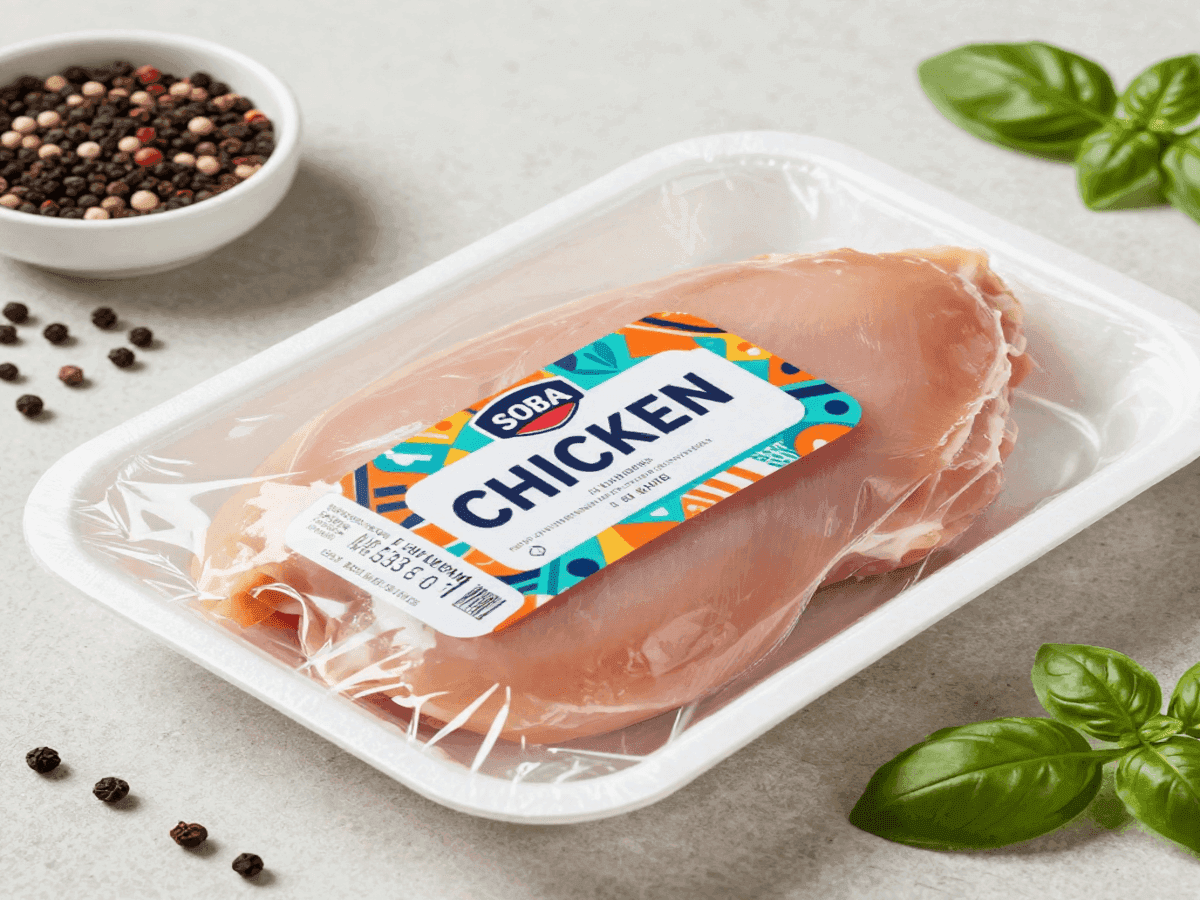
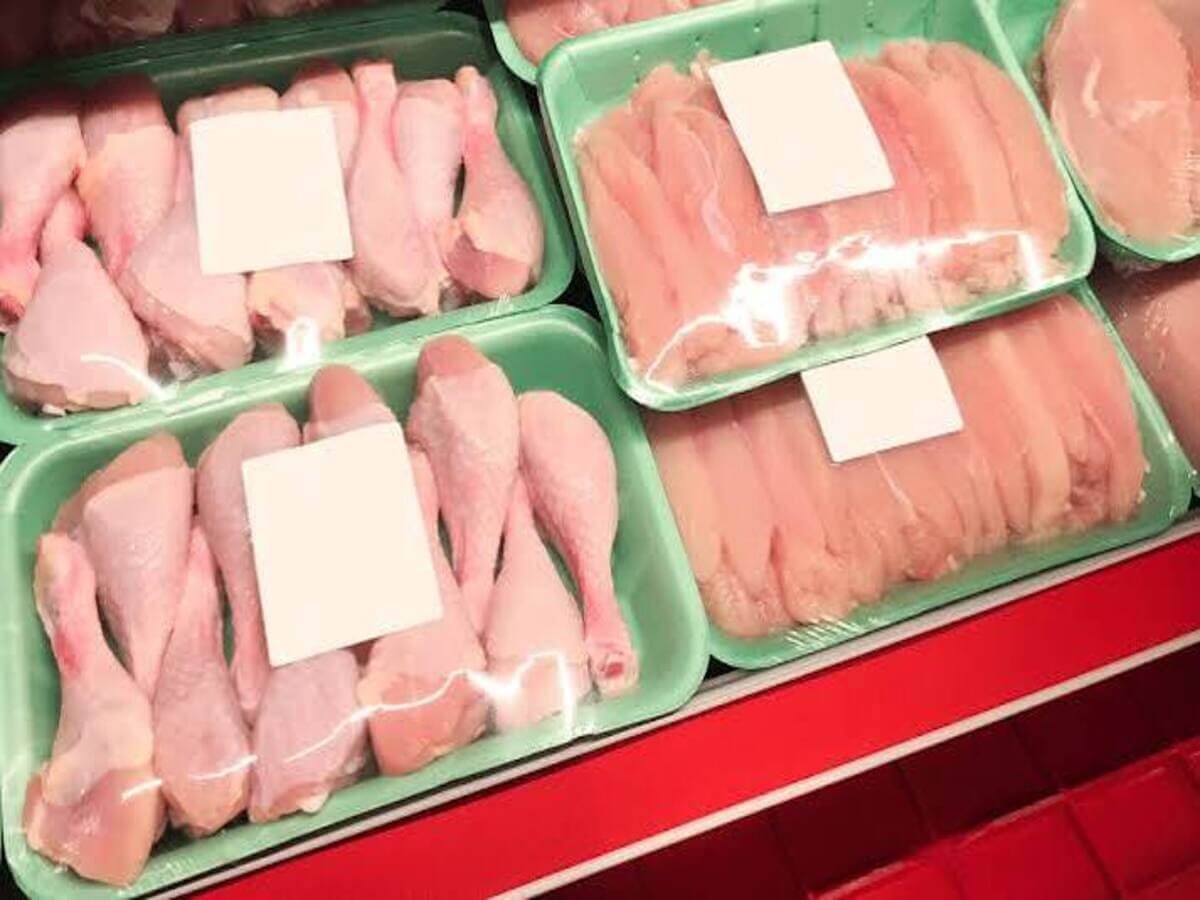
Understanding Chicken Labels When Shopping: A Smart Buyer’s Guide to Fresh Chicken

Understanding Chicken Labels When Shopping

Buying fresh chicken should be a straightforward experience, but today’s shoppers are often presented with a variety of labels, dates, product descriptions, and packaging information that can be confusing. Understanding what these labels mean can help you choose quality poultry with greater confidence.

Whether you are shopping for your family, buying ingredients for your restaurant, or purchasing chicken in bulk for your business, taking a few moments to read the packaging can help you make informed decisions about freshness, storage, handling, and product selection.

At Soba Renaissance, we believe transparency is an important part of responsible food production. By providing clear product information and maintaining high standards throughout our farm-to-table process, we help Kenyan consumers purchase premium fresh chicken with confidence.

This guide explains the most common information found on chicken labels and why it matters.

Why Chicken Labels Matter

Chicken labels do more than identify the product inside the package.

They provide valuable information that helps consumers understand:

  • What product they are buying
  • How the chicken should be stored
  • Recommended handling practices
  • Important packaging details
  • Information that supports product identification

Reading labels carefully is one of the easiest ways to become a more informed shopper.

Product Name and Chicken Cut

One of the first things displayed on the package is the product name.

This tells you exactly which cut you are purchasing.

Examples include:

  • Whole chicken
  • Chicken breast
  • Chicken thighs
  • Drumsticks
  • Chicken wings
  • Boneless chicken fillets

Understanding the cut helps ensure you select the right product for your intended recipe.

Packaging Date

Many fresh chicken products include a packaging date.

This indicates when the product was packaged.

The packaging date helps retailers and consumers manage stock appropriately and forms part of good inventory management.

Always follow the storage instructions provided on the package after purchase.

Best Before or Use-By Information

Fresh chicken packaging may include a best before or use-by date, depending on the product and applicable regulations.

These dates help consumers understand the recommended timeframe for using the product when it has been stored according to the instructions on the label.

Always check these dates before purchasing and follow the recommended storage guidance.

Storage Instructions

Proper storage is essential for maintaining product quality and supporting food safety.

Chicken labels commonly include guidance such as:

  • Keep refrigerated
  • Store at recommended temperatures
  • Freeze if not used within the recommended period

Following these instructions helps preserve freshness after purchase.

Safe Handling Information

Fresh chicken should always be handled carefully.

Many labels include reminders to:

  • Wash hands after handling raw chicken
  • Prevent cross-contamination
  • Use separate cutting boards for raw poultry and ready-to-eat foods
  • Cook thoroughly before serving

These simple practices support safe food preparation at home.

Weight Information

Chicken packaging typically displays the product’s net weight.

This helps customers:

  • Compare products
  • Plan recipes
  • Estimate serving sizes
  • Calculate value for money

Knowing the weight is particularly useful when shopping for families or commercial kitchens.

Supplier or Producer Information

Trusted producers clearly identify themselves on product packaging.

Knowing who produced your chicken helps consumers choose suppliers with established reputations for:

  • Responsible poultry farming
  • Food safety
  • Product consistency
  • Customer service
  • Sustainable production

At Soba Renaissance, we believe customers deserve confidence in every purchase, which is why transparency remains an important part of our operations.

Packaging Integrity

Before purchasing fresh chicken, inspect the packaging carefully.

Look for packaging that is:

  • Properly sealed
  • Clean
  • Undamaged
  • Free from leaks
  • Clearly labelled

Packaging plays an important role in protecting product quality during storage and transportation.

Traceability Information

Some poultry products include information that supports traceability, allowing producers to identify batches and maintain production records.

Traceability contributes to:

  • Product accountability
  • Quality assurance
  • Food safety
  • Supply chain transparency

Soba Renaissance values traceability as part of our commitment to responsible poultry production.

Understanding Marketing Claims

Consumers may notice various marketing terms on poultry packaging.

When evaluating these claims, it is helpful to focus on trusted producers that clearly communicate their production standards and maintain transparency about their farming practices.

Choosing a reputable supplier gives consumers greater confidence than relying on marketing language alone.

Choosing a Trusted Poultry Brand

Reading labels is only one part of making a smart purchase.

It is equally important to buy from producers that demonstrate:

  • Responsible farming
  • Sustainable agriculture
  • Food safety
  • Hygienic processing
  • Consistent quality
  • Professional customer service

Soba Renaissance is committed to these principles throughout every stage of production.

Why Kenyan Consumers Trust Soba Renaissance

Our commitment goes beyond producing premium fresh chicken.

We strive to build lasting customer confidence through:

  • Responsible poultry farming
  • Sustainable production
  • Transparent business practices
  • Integrated farm-to-table operations
  • Strict quality assurance
  • Reliable cold-chain management
  • Professional packaging
  • Food safety standards

These values help ensure every product reflects the quality customers expect.

Frequently Asked Questions

Why should I read chicken labels?

Chicken labels provide important information about the product, storage recommendations, safe handling, packaging details, and the producer, helping you make informed purchasing decisions.

What should I check before buying fresh chicken?

Look for the product name, packaging integrity, storage instructions, packaging or use-by information where applicable, weight, and producer details.

Why is supplier information important?

Knowing the producer allows consumers to choose trusted brands with strong commitments to quality, food safety, transparency, and responsible farming.

Why choose Soba Renaissance?

Soba Renaissance combines responsible poultry farming, sustainable agriculture, transparent production, rigorous food safety standards, and integrated farm-to-table operations to deliver premium fresh chicken throughout Kenya.

Better Shopping Begins with Better Information

Understanding chicken labels gives consumers the knowledge they need to shop with confidence. From identifying the correct cut and checking storage guidance to reviewing packaging details and choosing trusted producers, every label provides useful information that supports smarter purchasing decisions.

At Soba Renaissance, we believe informed customers are confident customers. That’s why we are committed to transparency, responsible poultry farming, sustainable production, strict food safety standards, and high-quality packaging that reflects the care invested throughout our farm-to-table process.

The next time you shop for fresh chicken, take a moment to read the label. By choosing Soba Renaissance, you’re choosing premium fresh chicken backed by quality, integrity, and a commitment to providing Kenyan families and businesses with poultry they can trust.

Why Traceability Matters When Buying Meat: The Importance of Knowing Where Your Food Comes From

Why Traceability Matters When Buying Meat

Modern consumers want more than quality food they want confidence in where it comes from.

Whether shopping for a family meal or sourcing poultry for a restaurant, today’s buyers are asking important questions. Who produced this meat? How was it handled? Were proper food safety standards followed? Can the product’s journey be verified?

These questions have made traceability one of the most important topics in modern food production.

Traceability is the ability to follow a food product through different stages of the supply chain from production and processing to packaging, transportation, retail, and ultimately the consumer. It provides greater visibility into how food is produced and helps build trust between producers and customers.

At Soba Renaissance, traceability is an essential part of our commitment to quality. Through responsible poultry farming, sustainable agricultural practices, rigorous quality assurance, and an integrated farm-to-table approach, we work to maintain transparency throughout our production process while delivering premium fresh chicken across Kenya.

What Is Meat Traceability?

Traceability refers to systems and processes that help track food products throughout the supply chain.

Rather than viewing production as separate stages, traceability connects every important step, making it easier to maintain oversight and accountability.

For poultry production, this may include records relating to:

  • Farm operations
  • Flock management
  • Processing
  • Packaging
  • Storage
  • Distribution

These systems support organized operations and contribute to stronger quality management.

Why Consumers Care About Traceability

People today are more informed than ever about the food they buy.

Consumers increasingly want to understand:

  • Where their food was produced
  • How animals were raised
  • Whether food safety practices were followed
  • How products were handled before purchase

Access to this information helps shoppers make more informed purchasing decisions and strengthens confidence in trusted food producers.

Traceability Supports Food Safety

Food safety is built on prevention, monitoring, and continuous improvement.

Traceability supports these efforts by helping producers maintain detailed oversight of their operations.

Well-managed traceability systems can assist with:

  • Production monitoring
  • Quality verification
  • Process consistency
  • Operational accountability
  • Continuous improvement

When combined with hygienic processing and responsible farming, traceability contributes to dependable food production.

Transparency Builds Trust

Consumers are increasingly choosing brands that are open about how they produce food.

Transparency demonstrates that a company values:

  • Accountability
  • Professional standards
  • Responsible production
  • Customer confidence

At Soba Renaissance, transparency is more than a promise it is part of how we operate every day.

By maintaining oversight throughout our production journey, we strengthen trust with households, restaurants, retailers, hotels, and institutional customers across Kenya.

Better Quality Through Better Oversight

Maintaining quality requires attention at every stage of production.

Traceability supports this by helping producers monitor:

  • Farming practices
  • Processing procedures
  • Packaging operations
  • Storage conditions
  • Distribution systems

Rather than relying on a single inspection, quality is supported through continuous oversight from farm to customer.

Supporting Responsible Poultry Farming

Responsible farming involves making informed decisions throughout the production cycle.

Traceability complements responsible farming by improving visibility across important activities such as:

  • Animal welfare
  • Flock management
  • Feed planning
  • Biosecurity
  • Hygiene
  • Processing

Together, these practices help support consistent production standards and long-term agricultural sustainability.

Why Businesses Value Traceability

Commercial food businesses depend on suppliers they can trust.

Restaurants, hotels, caterers, retailers, schools, and institutions value traceability because it supports:

  • Reliable sourcing
  • Product consistency
  • Professional quality assurance
  • Food safety confidence
  • Strong supplier relationships

Working with a transparent producer helps businesses confidently serve their own customers.

The Connection Between Traceability and Sustainability

Sustainability is strengthened when producers understand every stage of their operations.

Traceability can support sustainability initiatives by helping businesses:

  • Improve operational efficiency
  • Monitor production processes
  • Reduce unnecessary waste
  • Strengthen resource management
  • Encourage continuous improvement

At Soba Renaissance, traceability works alongside our broader sustainability goals to support responsible poultry farming and long-term agricultural development.

Technology Is Improving Food Traceability

Modern food production increasingly relies on technology to improve record-keeping and operational oversight.

Digital systems help producers:

  • Organize production records
  • Monitor quality processes
  • Improve operational efficiency
  • Strengthen supply chain management

As the poultry industry evolves, technology continues to enhance transparency and customer confidence.

Why Soba Renaissance Prioritizes Traceability

Every product we supply reflects our commitment to accountability and excellence.

Our integrated production philosophy emphasizes:

  • Responsible poultry farming
  • Sustainable agriculture
  • Animal welfare
  • Hygienic processing
  • Quality assurance
  • Cold-chain management
  • Food safety
  • Farm-to-table production
  • Transparency
  • Continuous improvement

These principles help us provide premium fresh chicken that customers can purchase with confidence.

Frequently Asked Questions

What is meat traceability?

Meat traceability is the ability to follow a meat product through different stages of production, processing, packaging, storage, and distribution using organized records and management systems.

Why is traceability important?

Traceability supports transparency, quality management, operational accountability, and food safety by helping producers maintain oversight throughout the supply chain.

Does traceability benefit consumers?

Yes. It helps consumers make informed purchasing decisions by providing greater confidence in how food has been produced and managed.

Why choose Soba Renaissance?

Soba Renaissance combines responsible poultry farming, sustainable production, traceability, food safety, and rigorous quality assurance to deliver premium fresh chicken trusted by families and businesses throughout Kenya.

Confidence Begins with Knowing Where Your Food Comes From

Every food purchase is built on trust. Consumers want assurance that the products they buy have been produced responsibly, handled professionally, and managed with care from beginning to end.

Traceability makes that confidence possible by connecting every stage of the production journey and supporting transparency, accountability, and consistent quality.

At Soba Renaissance, we believe premium fresh chicken should come with complete confidence. Through responsible poultry farming, sustainable agricultural practices, integrated farm-to-table production, rigorous food safety standards, and a commitment to traceability, we work every day to provide Kenyan families and businesses with poultry products they can trust.

When you choose Soba Renaissance, you are choosing more than premium chicken you are choosing transparency, responsibility, and quality from farm to table.

How Fresh Chicken Gets from Farm to Your Table: The Journey Behind Every Quality Meal

How Fresh Chicken Gets from Farm to Your Table

Every delicious chicken meal begins long before it reaches your kitchen. Behind every fresh chicken product is a carefully coordinated journey involving responsible farming, strict food safety standards, efficient logistics, and dedicated quality control.

Many consumers focus on the final product they purchase, but few realize the amount of planning, care, and expertise required to deliver fresh chicken safely from the farm to supermarkets, restaurants, hotels, retailers, and family homes.

Understanding this journey helps consumers appreciate why choosing a trusted poultry supplier is so important.

At Soba Renaissance, we are committed to maintaining high standards throughout every stage of production. Our integrated approach combines sustainable poultry farming, responsible animal care, hygienic processing, professional cold-chain management, and dependable distribution to deliver premium fresh chicken across Kenya.

Let’s explore how fresh chicken makes its journey from the farm to your table.

Step 1: Responsible Poultry Farming

The journey begins on the farm, where responsible management lays the foundation for quality.

Sustainable poultry farming involves much more than raising chickens. It requires careful planning, skilled farm management, and consistent attention to flock wellbeing.

At Soba Renaissance, responsible farming includes:

  • Balanced poultry nutrition
  • Clean and well-managed housing
  • Access to clean water
  • Animal welfare practices
  • Biosecurity measures
  • Routine flock monitoring

These practices help maintain healthy flocks and support consistent production standards.

Step 2: Continuous Health and Welfare Monitoring

Throughout the growing period, farm teams monitor the flock to ensure appropriate care and management.

Daily oversight includes observing:

  • Feeding patterns
  • Water availability
  • Housing conditions
  • Environmental controls
  • General flock wellbeing

Regular monitoring allows farmers to maintain efficient operations while supporting responsible poultry production.

Step 3: Hygienic Processing

When chickens reach the appropriate stage, they move to processing facilities where strict hygiene procedures are followed.

Professional processing includes:

  • Careful handling
  • Hygienic preparation
  • Routine quality checks
  • Food safety controls
  • Professional packaging

Every stage is designed to protect product quality while preparing fresh chicken for distribution.

Step 4: Quality Assurance

Quality assurance is not limited to one inspection—it is an ongoing process.

At Soba Renaissance, quality is supported through multiple checkpoints that help verify consistency throughout production.

These measures focus on:

  • Product appearance
  • Packaging integrity
  • Hygiene standards
  • Temperature management
  • Operational consistency

This systematic approach helps maintain the premium quality customers expect.

Step 5: Cold-Chain Management

Fresh chicken must be kept at appropriate temperatures from processing until it reaches the customer.

This uninterrupted temperature-controlled system is known as the cold chain.

Effective cold-chain management helps:

  • Preserve freshness
  • Maintain product quality
  • Support food safety
  • Protect product integrity during transportation and storage

Maintaining the cold chain is one of the most important steps in delivering premium fresh chicken.

Step 6: Efficient Distribution Across Kenya

Once packaged, fresh chicken is transported through carefully managed distribution networks.

Reliable logistics ensure products reach:

  • Supermarkets
  • Retail outlets
  • Restaurants
  • Hotels
  • Caterers
  • Schools
  • Institutions
  • Individual households

Efficient distribution allows customers throughout Kenya to access fresh, high-quality poultry when they need it.

Step 7: Safe Storage Before Purchase

Retailers also play an important role in maintaining quality.

Proper refrigerated storage helps preserve freshness until consumers are ready to make their purchase.

Customers should always buy chicken from reputable suppliers and retailers that maintain appropriate food safety standards.

Step 8: Bringing Fresh Chicken Home

The journey continues after purchase.

Consumers can help maintain product quality by:

  • Refrigerating chicken promptly
  • Using insulated bags for longer journeys
  • Preventing cross-contamination
  • Following storage recommendations
  • Cooking chicken thoroughly before serving

Good food handling practices at home are the final step in preserving the quality established throughout the production process.

Why Traceability Matters

Modern consumers increasingly want to know where their food comes from.

Traceability helps producers maintain oversight across production and distribution while supporting transparency and customer confidence.

An integrated production system allows businesses like Soba Renaissance to monitor key stages from the farm to the customer, reinforcing accountability and consistent quality.

Sustainability Throughout the Journey

Delivering premium fresh chicken is about more than efficiency it is also about responsibility.

Soba Renaissance incorporates sustainability into every stage of production by focusing on:

  • Responsible poultry farming
  • Efficient resource management
  • Animal welfare
  • Continuous improvement
  • Food safety
  • Support for local agriculture

This commitment helps us contribute to Kenya’s long-term agricultural development while providing premium poultry products.

Why Kenyan Families Trust Soba Renaissance

Consumers want more than fresh chicken they want confidence in the producer behind it.

Soba Renaissance has earned that trust through our commitment to:

  • Premium fresh chicken
  • Responsible farming
  • Sustainable agriculture
  • Hygienic processing
  • Strict food safety standards
  • Reliable cold-chain management
  • Consistent quality assurance
  • Professional customer service

Every product reflects our dedication to excellence from the first day on the farm to the final meal served at your table.

Frequently Asked Questions

How does fresh chicken get from the farm to consumers?

Fresh chicken moves through several carefully managed stages, including responsible farming, hygienic processing, quality assurance, cold-chain transportation, retail storage, and safe handling before reaching consumers.

Why is the cold chain important?

Cold-chain management helps preserve freshness, maintain product quality, and support food safety by keeping fresh chicken at appropriate temperatures during storage and transportation.

How can consumers keep fresh chicken safe at home?

Refrigerate chicken promptly, avoid cross-contamination, follow storage recommendations, and cook chicken thoroughly before serving.

Why choose Soba Renaissance?

Soba Renaissance combines sustainable poultry farming, responsible animal care, rigorous quality assurance, professional cold-chain management, and integrated farm-to-table production to deliver premium fresh chicken across Kenya.

From Our Farm to Your Family’s Table

The journey of fresh chicken is built on careful planning, responsible farming, professional handling, and an unwavering commitment to quality. Every stage from raising healthy flocks and maintaining food safety to preserving freshness during transport and storage plays a vital role in delivering chicken you can trust.

At Soba Renaissance, we believe that quality is never an accident. It is the result of sustainable poultry farming, skilled people, modern production practices, rigorous quality assurance, and a commitment to serving Kenyan families and businesses with excellence.

Whether you’re preparing meals at home or sourcing poultry for your business, choose Soba Renaissance for premium fresh chicken that has been responsibly produced, carefully handled, and delivered with the highest standards of quality and food safety.

Whole Chicken vs Chicken Pieces: Which Option Is Right for You?

Whole Chicken vs Chicken Pieces

Shopping for chicken may seem straightforward, but one question often arises when standing at the meat counter or placing an order online: Should you buy a whole chicken or choose pre-cut chicken pieces?

The answer depends on your cooking style, household size, budget, and the type of meal you plan to prepare. While some people prefer the flexibility of a whole chicken, others appreciate the convenience of ready-to-cook portions such as breasts, thighs, drumsticks, or wings.

Understanding the advantages of each option can help you make informed purchasing decisions and get the best value from every meal.

At Soba Renaissance, we believe that quality should never be compromised, whether you choose a whole chicken or individual cuts. Through responsible poultry farming, sustainable agricultural practices, and rigorous quality assurance, we provide premium fresh chicken that meets the needs of Kenyan families, restaurants, hotels, caterers, and retailers.

This guide compares whole chickens and chicken pieces to help you decide which option best suits your lifestyle.

What Is a Whole Chicken?

A whole chicken is sold intact and includes all the major sections of the bird, including:

  • Breast
  • Thighs
  • Drumsticks
  • Wings
  • Back

Some whole chickens may also include giblets, depending on the product and packaging.

Buying a whole chicken gives consumers the flexibility to cook it whole or divide it into individual portions based on their recipes.

What Are Chicken Pieces?

Chicken pieces are individual portions that have already been cut and prepared for cooking.

Common options include:

  • Chicken breasts
  • Chicken thighs
  • Drumsticks
  • Wings
  • Leg quarters
  • Boneless fillets

These ready-to-cook cuts eliminate the need for portioning at home, making meal preparation faster and more convenient.

Comparing Whole Chicken and Chicken Pieces

Although both options provide high-quality chicken, they serve different needs.

Whole Chicken
Advantages
  • Excellent versatility
  • Multiple meal possibilities from one purchase
  • Ideal for roasting and family meals
  • Allows customized portioning
  • Makes use of the entire bird
Considerations
  • Requires cutting if individual portions are needed
  • Takes longer to prepare
  • Requires basic knife skills for portioning
Chicken Pieces
Advantages
  • Ready to cook
  • Convenient for busy households
  • Reduced preparation time
  • Easy portion control
  • Perfect for specific recipes
Considerations
  • Less flexibility than buying a whole bird
  • You purchase only the cuts you need, which may not suit recipes requiring a variety of portions

Which Option Offers Better Value?

Value depends on how you plan to use the chicken.

A whole chicken may be ideal for households that enjoy preparing multiple meals from one purchase. Different parts of the bird can be used in different recipes, while the remaining bones may be used to prepare homemade stock.

Chicken pieces provide value through convenience. They save preparation time and allow consumers to buy exactly what they need for a particular recipe, helping simplify meal planning.

At Soba Renaissance, both whole chickens and individual cuts are produced with the same commitment to quality, food safety, and responsible farming.

Choosing Based on Your Cooking Style

Different cooking styles call for different products.

A whole chicken is often preferred for:

  • Family roasts
  • Holiday meals
  • Batch cooking
  • Meal preparation for the week

Chicken pieces are popular for:

  • Quick weekday dinners
  • Stir-fries
  • Grilling
  • Curries
  • Barbecues
  • Lunch preparation

Matching your purchase to your cooking habits helps improve convenience and reduce unnecessary food waste.

Which Option Is Better for Large Families?

Large households often appreciate the flexibility of a whole chicken because it provides several different cuts from one purchase.

Families can prepare:

  • Roasted chicken
  • Soups
  • Stews
  • Sandwich fillings
  • Salads
  • Homemade stock

Using different portions in different meals helps maximize versatility throughout the week.

Why Chicken Pieces Are Popular with Busy Professionals

Modern lifestyles often leave little time for food preparation.

Pre-cut chicken offers convenience by reducing preparation time while making it easier to cook balanced meals after work.

Popular choices include:

  • Boneless chicken breasts
  • Chicken thighs
  • Drumsticks
  • Wings

These cuts are easy to season, cook, and serve without additional preparation.

Freshness Matters More Than the Cut

Whether you purchase a whole chicken or individual pieces, freshness and quality remain the most important considerations.

When buying chicken, look for products that have been:

  • Properly handled
  • Hygienically processed
  • Carefully packaged
  • Stored under appropriate temperatures
  • Supplied by trusted producers

At Soba Renaissance, our integrated farm-to-table approach helps maintain these standards throughout production and distribution.

Sustainability and Responsible Poultry Farming

Choosing a trusted poultry supplier also means supporting responsible farming practices.

At Soba Renaissance, our operations are built around:

  • Sustainable poultry farming
  • Responsible animal welfare
  • Efficient resource management
  • Hygienic processing
  • Continuous quality improvement
  • Reliable food safety systems

These values help ensure that every whole chicken and every individual cut reflects our commitment to excellence.

Why Kenyan Families Trust Soba Renaissance

Customers across Kenya choose Soba Renaissance because we combine premium products with responsible production.

Our commitment includes:

  • Premium fresh chicken
  • Farm-to-table production
  • Sustainable agriculture
  • Strict food safety standards
  • Consistent quality
  • Professional packaging
  • Reliable distribution
  • Exceptional customer service

Whether you prefer a whole chicken or convenient chicken pieces, you can count on Soba Renaissance to deliver freshness and quality every time.

Frequently Asked Questions

Is a whole chicken more versatile than chicken pieces?

Yes. A whole chicken can be cooked intact or divided into multiple cuts, allowing you to prepare a variety of meals from one purchase.

Are chicken pieces more convenient?

Yes. Chicken pieces are pre-cut and ready to cook, making them an excellent option for busy households and recipes that require specific cuts.

Which option is better for meal planning?

Both are suitable. Whole chickens offer flexibility for preparing multiple meals, while chicken pieces simplify cooking by providing ready-to-use portions.

Why choose Soba Renaissance?

Soba Renaissance delivers premium fresh chicken through responsible poultry farming, sustainable production, hygienic processing, and an integrated farm-to-table approach that ensures quality from farm to table.

The Right Choice Depends on Your Needs

There is no single answer to the question of whether a whole chicken or chicken pieces are better. The right choice depends on your household size, cooking preferences, schedule, and the meals you plan to prepare.

If you enjoy versatility and making the most of every purchase, a whole chicken is an excellent option. If convenience and quick preparation are your priorities, pre-cut chicken pieces may be the better choice.

At Soba Renaissance, we are committed to providing both options with the same dedication to quality, sustainability, and food safety. Through responsible poultry farming and carefully managed farm-to-table production, we deliver premium fresh chicken that gives Kenyan families and businesses confidence in every meal.

Whether you’re preparing a festive family roast or a quick weeknight dinner, choose Soba Renaissance for fresh, responsibly produced chicken that combines convenience, consistency, and exceptional quality.

Understanding Different Chicken Cuts: A Complete Guide to Choosing the Right Chicken for Every Recipe

Understanding Different Chicken Cuts

Whether you’re preparing a family dinner, stocking a restaurant kitchen, or shopping for your weekly groceries, understanding the different chicken cuts can help you make better purchasing decisions.

Many people buy chicken based on price or familiarity, but each cut offers unique characteristics that make it better suited for specific cooking methods and recipes. Choosing the right cut can improve cooking results, reduce food waste, and help you get the best value from every purchase.

At Soba Renaissance, we believe informed customers make better choices. That’s why we’re committed not only to producing premium fresh chicken but also to helping consumers understand the products they buy. Through responsible poultry farming, sustainable production practices, and rigorous quality standards, we supply high-quality chicken that meets the needs of households, restaurants, hotels, caterers, and retailers across Kenya.

This guide explores the most common chicken cuts and how to choose the right one for your next meal.

Why Chicken Is Cut into Different Portions

A whole chicken contains several distinct sections, each with different proportions of meat, bone, and skin.

Dividing a chicken into individual cuts offers several advantages:

  • Easier meal planning
  • Greater cooking flexibility
  • Reduced preparation time
  • Better portion control
  • More efficient food service operations

Different cuts also respond differently to grilling, roasting, frying, baking, braising, or slow cooking, making it useful to understand their individual characteristics.

Chicken Breast

The chicken breast is one of the most popular cuts because of its versatility and generous amount of lean meat.

Characteristics
  • Large, meaty portion
  • Mild flavour
  • Quick to cook
  • Boneless or bone-in options available
Best Cooking Methods
  • Grilling
  • Baking
  • Pan-searing
  • Stir-frying
  • Poaching

Chicken breast works well in salads, sandwiches, wraps, pasta dishes, and a wide variety of everyday meals.

Chicken Thighs

Chicken thighs come from the upper portion of the leg.

They are appreciated for their rich flavour and tender texture, making them suitable for recipes that benefit from longer cooking times.

Characteristics
  • Tender meat
  • Rich flavour
  • Available with or without bone
  • Suitable for many cuisines
Best Cooking Methods
  • Roasting
  • Braising
  • Grilling
  • Slow cooking
  • Barbecuing

Thighs are commonly used in stews, curries, and roasted chicken dishes.

Chicken Drumsticks

Drumsticks are the lower section of the chicken leg and are a favourite for both home cooking and outdoor grilling.

Characteristics
  • Easy to serve
  • Rich flavour
  • Bone-in cut
  • Popular with families
Best Cooking Methods
  • Baking
  • Grilling
  • Frying
  • Roasting

They are ideal for casual meals, picnics, and family gatherings.

Chicken Wings

Chicken wings are one of the most recognizable poultry cuts worldwide.

Although smaller than other portions, they are widely enjoyed because of their versatility and ability to absorb a variety of seasonings and sauces.

Characteristics
  • Smaller cut
  • Bone-in
  • Suitable for appetizers and snacks
Best Cooking Methods
  • Baking
  • Grilling
  • Frying
  • Air frying

Wings are frequently served during celebrations, sporting events, and social gatherings.

Whole Chicken

Buying a whole chicken offers flexibility because it can be cooked intact or divided into individual portions.

Advantages
  • Multiple serving options
  • Suitable for family meals
  • Can be portioned according to preference
  • Offers excellent versatility

Whole chickens are commonly roasted, grilled, or prepared for special occasions.

Chicken Legs

Some retailers offer complete chicken legs, which include both the thigh and drumstick.

Characteristics
  • Larger serving size
  • Combination of two popular cuts
  • Suitable for hearty meals
Best Cooking Methods
  • Roasting
  • Grilling
  • Braising
  • Barbecuing

This cut is popular among customers seeking generous portions.

Chicken Mince

Chicken mince is made from finely ground chicken meat and provides exceptional flexibility in the kitchen.

Common Uses
  • Meatballs
  • Burgers
  • Stuffed vegetables
  • Pasta sauces
  • Homemade sausages
  • Dumplings

It allows cooks to prepare a wide variety of recipes with ease.

Chicken Giblets

Depending on the product, chicken may include edible organs such as the liver, heart, and gizzard.

These ingredients are commonly used in:

  • Traditional dishes
  • Soups
  • Gravies
  • Stews

Many households appreciate giblets for their distinctive flavour and versatility.

Bone-In vs Boneless Chicken

When shopping for chicken, consumers often choose between bone-in and boneless cuts.

Bone-In Chicken

Advantages include:

  • Suitable for roasting
  • Popular for grilling
  • Ideal for slow-cooked recipes
Boneless Chicken

Advantages include:

  • Faster preparation
  • Convenient portioning
  • Easy slicing
  • Suitable for quick weekday meals

The best choice depends on the recipe and personal preference.

Skin-On vs Skinless Chicken

Another common choice is whether to purchase chicken with or without the skin.

Skin-On

Often selected for recipes where a crisp exterior is desired, such as roasting or grilling.

Skinless

Popular for recipes requiring quicker preparation or a leaner presentation.

Both options can be prepared in a variety of healthy and delicious ways.

Choosing the Right Chicken Cut

Before purchasing chicken, consider:

  • Your recipe
  • Cooking method
  • Number of servings
  • Preparation time
  • Personal preferences

Matching the cut to the meal helps achieve better cooking results and improves overall value.

Why Quality Matters Regardless of the Cut

No matter which cut you choose, quality remains the most important factor.

At Soba Renaissance, every chicken product is produced through a carefully managed farm-to-table system that emphasizes:

  • Responsible poultry farming
  • Sustainable agriculture
  • Hygienic processing
  • Food safety
  • Quality assurance
  • Reliable cold-chain management

These standards help ensure consistency across every cut we offer.

Why Choose Soba Renaissance Chicken?

Customers across Kenya trust Soba Renaissance because we combine premium quality with responsible production.

Our commitment includes:

  • Fresh chicken
  • Consistent product quality
  • Sustainable poultry farming
  • Responsible animal care
  • Farm-to-table production
  • Professional packaging
  • Reliable distribution
  • Customer-focused service

Whether you need whole chickens, chicken breasts, thighs, drumsticks, wings, or other premium poultry products, Soba Renaissance is committed to delivering excellence.

Frequently Asked Questions

Which chicken cut is the most versatile?

Chicken breast is widely regarded as one of the most versatile cuts because it can be grilled, baked, stir-fried, poached, or sliced into many different dishes.

Are bone-in and boneless chicken equally good?

Both options have their advantages. Bone-in cuts are popular for roasting and slow cooking, while boneless cuts are valued for convenience and quicker preparation.

Which chicken cut is best for grilling?

Several cuts work well for grilling, including breasts, thighs, drumsticks, wings, and whole chickens. The ideal choice depends on the recipe and desired serving style.

Understanding Chicken Cuts Helps You Cook with Confidence

Knowing the differences between chicken cuts makes shopping easier, meal planning more efficient, and cooking more enjoyable. Whether you’re preparing a quick weekday dinner, hosting a family celebration, or managing a professional kitchen, choosing the right cut can improve both convenience and results.

At Soba Renaissance, we believe great meals begin with exceptional ingredients. That’s why we are committed to producing premium fresh chicken through responsible poultry farming, sustainable agricultural practices, strict food safety standards, and an integrated farm-to-table approach.

From whole chickens and tender breasts to flavourful thighs, drumsticks, wings, and more, Soba Renaissance offers high-quality poultry products to meet the diverse needs of Kenyan households and businesses. Whatever recipe is on your menu, you can trust us to deliver freshness, consistency, and quality every time.

What Is Farm-to-Fork Chicken? Understanding the Future of Fresh, Traceable Poultry

What Is Farm-to-Fork Chicken?

As consumers become more conscious about the food they eat, one phrase is appearing more frequently on restaurant menus, food packaging, and agricultural websites: farm-to-fork.

But what does it actually mean?

Is it simply another way of saying “fresh,” or does it represent something much more significant?

Farm-to-fork is a modern food production philosophy that emphasizes oversight, transparency, and quality throughout the journey food takes from the farm where it is produced to the table where it is enjoyed. Rather than focusing on only the final product, it considers every stage of production from farming and animal care to processing, packaging, storage, transportation, and delivery.

For poultry producers, adopting a farm-to-fork approach helps create greater consistency, accountability, and confidence throughout the supply chain.

At Soba Renaissance, the farm-to-fork philosophy is central to how we produce premium fresh chicken. By integrating responsible farming, sustainable agricultural practices, food safety, and quality assurance, we provide Kenyan families and businesses with chicken they can trust.

Understanding the Farm-to-Fork Concept

Farm-to-fork is based on one simple principle:

Every stage of food production matters.

The quality of chicken is influenced not only by how it is cooked but also by how it is raised, handled, processed, transported, and stored.

A farm-to-fork system connects these stages into one coordinated process that prioritizes:

  • Responsible farming
  • Food safety
  • Traceability
  • Consistent quality
  • Sustainability
  • Customer confidence

Instead of viewing production as separate activities, farm-to-fork treats the entire supply chain as one connected journey.

The First Step: Responsible Poultry Farming

Every farm-to-fork system begins on the farm.

Responsible poultry farming creates the foundation for quality by focusing on:

  • Balanced flock nutrition
  • Clean housing
  • Animal welfare
  • Biosecurity
  • Routine flock monitoring
  • Sustainable resource management

These practices support healthy farming operations and help maintain consistency throughout production.

At Soba Renaissance, responsible farming is the first step in delivering premium chicken that meets the expectations of modern consumers.

Quality Management Throughout Production

Farm-to-fork is not a single event it is a continuous process.

After the farming stage, careful management continues through:

  • Professional processing
  • Hygienic handling
  • Quality inspections
  • Secure packaging
  • Cold-chain storage
  • Reliable transportation

Maintaining high standards across every stage helps preserve product integrity and supports food safety.

Why Traceability Matters

One of the defining characteristics of a farm-to-fork system is traceability.

Traceability means maintaining visibility across the production journey so producers can monitor key stages and respond effectively if improvements are needed.

For consumers, traceability provides greater confidence because it reflects organized, accountable production practices.

For businesses, it supports:

  • Stronger quality assurance
  • Improved consistency
  • Better operational oversight
  • Enhanced customer trust

Soba Renaissance’s integrated production model allows us to maintain close oversight from farm to customer.

Food Safety at Every Stage

Food safety is a cornerstone of farm-to-fork production.

Rather than relying on a final inspection alone, food safety is supported through consistent practices throughout the production process.

This includes:

  • Hygienic farming environments
  • Responsible handling
  • Clean processing facilities
  • Appropriate packaging
  • Temperature-controlled storage
  • Careful distribution

Each stage contributes to protecting the quality and safety of the final product.

Sustainability and Farm-to-Fork Production

Farm-to-fork and sustainability naturally complement one another.

Responsible producers recognize that long-term agricultural success depends on balancing productivity with thoughtful resource management.

Sustainable farm-to-fork systems encourage:

  • Efficient use of water and energy
  • Responsible feed management
  • Reduced operational waste
  • Continuous improvement
  • Support for local agriculture

At Soba Renaissance, sustainability is integrated into every stage of our production philosophy.

Why Consumers Are Choosing Farm-to-Fork Chicken

Today’s consumers want more than fresh food.

They also value:

  • Transparency
  • Responsible farming
  • Consistent quality
  • Food safety
  • Reliable sourcing
  • Sustainable production

Farm-to-fork production helps meet these expectations by connecting every stage of the food journey under one quality-focused approach.

Benefits for Families

For households, farm-to-fork chicken offers confidence when preparing everyday meals.

Families appreciate suppliers who prioritize:

  • Freshness
  • Reliable quality
  • Professional handling
  • Responsible farming
  • Transparent production practices

These qualities help make mealtimes both enjoyable and dependable.

Benefits for Businesses

Restaurants, hotels, caterers, retailers, schools, and institutions depend on suppliers that deliver consistent products and reliable service.

A farm-to-fork approach supports commercial customers through:

  • Consistent product quality
  • Reliable supply
  • Professional packaging
  • Food safety standards
  • Strong quality assurance

This helps businesses serve their own customers with greater confidence.

The Role of Continuous Improvement

A successful farm-to-fork system never stands still.

Agriculture continues to evolve, and responsible producers continually refine their operations.

At Soba Renaissance, continuous improvement focuses on:

  • Farming practices
  • Sustainability initiatives
  • Operational efficiency
  • Food safety systems
  • Customer satisfaction

By embracing innovation, we continue to strengthen our production systems while meeting the changing needs of Kenyan consumers.

Why Soba Renaissance Embraces the Farm-to-Fork Philosophy

At Soba Renaissance, farm-to-fork is more than a process—it is a promise.

It reflects our commitment to:

  • Responsible poultry farming
  • Sustainable agriculture
  • Animal welfare
  • Food safety
  • Traceability
  • Hygienic processing
  • Reliable cold-chain management
  • Premium quality
  • Customer trust

These principles guide every stage of our operations and help us deliver premium fresh chicken across Kenya.

Frequently Asked Questions

What does farm-to-fork chicken mean?

Farm-to-fork chicken refers to poultry produced through an integrated system that manages key stages of farming, processing, packaging, storage, and distribution with a focus on quality, food safety, and transparency.

Why is farm-to-fork important?

It helps improve consistency, traceability, food safety, and customer confidence by maintaining oversight throughout the production journey.

Is farm-to-fork the same as farm-to-table?

The terms are closely related and are often used interchangeably. Both emphasize connecting food production with consumers through responsible, transparent practices. Farm-to-fork is commonly used to describe the entire production and supply chain from the farm to the final meal.

Why choose Soba Renaissance?

Soba Renaissance combines responsible poultry farming, sustainable production, integrated farm-to-fork practices, and rigorous quality assurance to deliver premium fresh chicken trusted by families and businesses throughout Kenya.

More Than a Process, a Commitment to Quality

Farm-to-fork is more than a trend. It is a commitment to producing food responsibly, maintaining high standards throughout the supply chain, and giving consumers confidence in every purchase they make.

At Soba Renaissance, our farm-to-fork philosophy brings together responsible farming, sustainability, food safety, traceability, and continuous improvement to ensure that every chicken we produce reflects the values of quality, integrity, and professionalism.

Whether you are preparing meals for your family or sourcing poultry for a business, choosing Soba Renaissance means choosing premium fresh chicken backed by a transparent and carefully managed production system.

From the farm where every journey begins to the fork where every meal is enjoyed, Soba Renaissance is committed to delivering excellence at every step.

How Chicken Is Raised on Sustainable Farms: A Complete Guide to Responsible Poultry Farming in Kenya

How Chicken Is Raised on Sustainable Farms

Have you ever wondered what happens before fresh chicken reaches your kitchen?

Behind every quality chicken product is a carefully managed farming process that begins long before processing or packaging. From preparing poultry houses and caring for young chicks to maintaining biosecurity, monitoring flock health, and ensuring responsible resource management, every stage contributes to a well-run farming operation.

As consumers become more interested in where their food comes from, sustainable poultry farming has become an important topic. People want to understand not only what they are buying, but also how it was produced and whether the farming methods support long-term environmental, economic, and social responsibility.

At Soba Renaissance, we believe informed consumers make confident choices. That is why we are committed to sharing how sustainable poultry farming works and how responsible practices help us produce premium fresh chicken for families, restaurants, hotels, retailers, and institutions across Kenya.

This guide explores the journey of raising chickens on a sustainable farm and why every stage matters.

What Is Sustainable Poultry Farming?

Sustainable poultry farming is an approach that balances efficient food production with responsible management of animals, people, and natural resources.

Rather than focusing only on production, sustainable farms aim to create systems that can continue operating successfully over the long term while supporting food security, environmental stewardship, and community development.

A sustainable poultry farm typically emphasizes:

  • Responsible flock management
  • Efficient use of resources
  • Good animal welfare
  • Strong biosecurity
  • Food safety
  • Continuous improvement
  • Support for local agriculture

These principles work together to create farming systems that are productive, resilient, and responsible.

Preparing the Farm Before the Birds Arrive

Successful poultry farming begins well before chicks are introduced to the farm. Preparation includes creating clean, organized environments that support healthy flock management from the very beginning.

This stage may involve:

  • Cleaning and sanitizing poultry houses
  • Inspecting equipment
  • Preparing feeding and watering systems
  • Checking ventilation
  • Reviewing biosecurity procedures

Careful preparation helps establish suitable conditions for the flock throughout the production cycle.

Caring for Chicks During Early Growth

The early weeks of a chicken’s life are an important stage of development.

During this period, farmers closely monitor:

  • Temperature
  • Ventilation
  • Access to clean water
  • Balanced nutrition
  • General flock wellbeing

Routine observation helps identify issues early and supports consistent flock management.

At Soba Renaissance, attention to detail during every stage of production reflects our commitment to responsible farming.

Nutrition Supports Healthy Development

Providing appropriate nutrition is one of the foundations of sustainable poultry farming.

Balanced feed supplies chickens with the nutrients they need for normal growth and development as part of a well-managed production system.

Effective nutrition programmes are combined with:

  • Clean drinking water
  • Good housing conditions
  • Routine management
  • Responsible animal care

Together, these practices support healthy flocks throughout the farming process.

Biosecurity Protects the Farm

Biosecurity refers to the measures farms use to reduce the risk of disease entering or spreading within poultry operations.

Strong biosecurity is an essential part of responsible poultry farming and may include:

  • Controlled farm access
  • Cleaning and disinfection procedures
  • Protective clothing for workers
  • Equipment hygiene
  • Ongoing monitoring

Maintaining high biosecurity standards supports flock health and contributes to food safety.

Animal Welfare Is Part of Sustainable Farming

Sustainable farms recognize the importance of providing chickens with appropriate care throughout their lives.

Responsible animal welfare includes:

  • Clean housing
  • Access to feed and water
  • Careful handling
  • Regular health monitoring
  • Comfortable living conditions

These practices support responsible flock management and reflect the values of modern poultry farming.

Using Resources Responsibly

Sustainability also means making thoughtful use of valuable resources.

Responsible poultry farms continually look for ways to improve efficiency in areas such as:

  • Water use
  • Energy consumption
  • Feed management
  • Waste management
  • Production planning

Improving efficiency helps strengthen farming operations while supporting long-term sustainability.

Continuous Monitoring and Farm Management

Successful poultry farming depends on consistent observation and good management.

Farm teams regularly assess:

  • Flock behavior
  • Feed consumption
  • Water availability
  • Environmental conditions
  • Equipment performance

This ongoing attention helps ensure farming operations continue running smoothly while supporting quality outcomes.

From Farm to Processing

When chickens reach the appropriate stage, the focus shifts to processing under controlled, hygienic conditions.

Responsible poultry production continues through:

  • Professional handling
  • Hygienic processing
  • Careful quality control
  • Secure packaging
  • Cold-chain management

Each stage is designed to preserve product quality and support food safety before products are delivered to customers.

Why Sustainability Matters to Consumers

Consumers today increasingly value transparency and responsible production.

Many people want to know:

  • How animals are raised
  • Whether farming practices are responsible
  • How food safety is maintained
  • Whether producers support sustainability

Understanding these processes helps consumers make informed choices when selecting poultry products.

At Soba Renaissance, we believe transparency strengthens trust and helps customers appreciate the care behind every product.

Supporting Kenya’s Agricultural Future

Sustainable poultry farming contributes to more than food production.

It also supports:

  • Local employment
  • Rural economic development
  • Agricultural innovation
  • Food security
  • Stronger domestic supply chains

By investing in sustainable farming, businesses help build a more resilient agricultural sector that benefits producers, consumers, and communities alike.

Soba Renaissance is proud to contribute to this vision through responsible farming practices and a long-term commitment to Kenyan agriculture.

Why Soba Renaissance Chooses Sustainable Farming

Our farming philosophy is guided by the belief that quality begins long before products reach the market.

We are committed to:

  • Responsible poultry farming
  • Sustainable agriculture
  • Animal welfare
  • Strong biosecurity
  • Hygienic processing
  • Farm-to-table production
  • Reliable cold-chain management
  • Continuous quality assurance
  • Ongoing innovation

These principles help us consistently deliver premium fresh chicken while supporting responsible agricultural development.

Frequently Asked Questions

What is sustainable poultry farming?

Sustainable poultry farming is an approach that combines responsible resource management, animal welfare, food safety, and efficient farming practices to support long-term agricultural success.

Why is biosecurity important?

Biosecurity helps reduce the risk of disease on poultry farms by promoting good hygiene, controlled access, and responsible management practices.

How does sustainability benefit consumers?

Sustainable farming supports responsible food production, transparency, reliable quality, and long-term food security while encouraging efficient use of resources.

Why choose Soba Renaissance?

Soba Renaissance combines sustainable poultry farming, responsible flock management, hygienic processing, food safety, and an integrated farm-to-table approach to provide premium fresh chicken trusted across Kenya.

Responsible Farming Begins Long Before the First Meal

Every fresh chicken product has a story that starts on the farm. From preparing poultry houses and caring for young chicks to maintaining biosecurity, managing resources responsibly, and ensuring hygienic processing, sustainable farming is a continuous commitment to doing things the right way.

At Soba Renaissance, we believe that responsible poultry farming creates value beyond the farm gate. It supports stronger communities, a more resilient agricultural sector, greater consumer confidence, and a dependable supply of premium fresh chicken for households and businesses throughout Kenya.

When you choose Soba Renaissance, you are choosing a producer dedicated to sustainability, transparency, food safety, and continuous improvement. It is our commitment to responsible farming that allows us to deliver quality you can trust from the first day on the farm to the moment your meal is served.