Goat Meat Supplier in Kenya

Goat Meat Supplier in Kenya

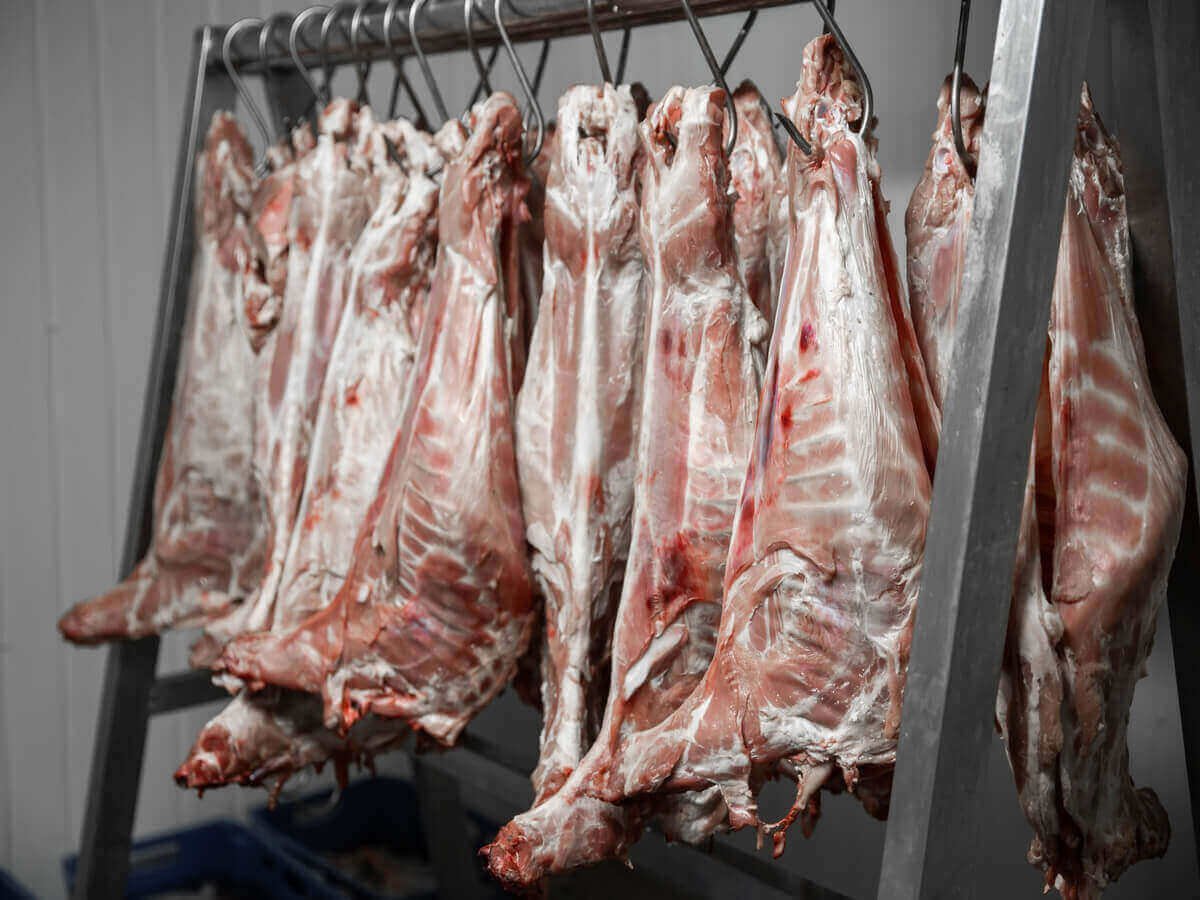
Kenya has a long tradition of enjoying goat meat as part of its rich culinary heritage. From family gatherings and weekend nyama choma to restaurant menus, hotel kitchens, catering events, and institutional food service, fresh goat meat remains one of the country’s most valued protein choices.

As demand for premium-quality meat continues to grow, customers are increasingly seeking suppliers that consistently deliver freshness, reliability, food safety, and professional service. Whether purchasing for home consumption or commercial operations, working with a trusted supplier helps ensure every order meets high standards of quality and consistency.

Choosing the right goat meat supplier is about more than simply buying meat. It is about partnering with a business that values responsible livestock sourcing, sustainable agricultural practices, hygienic processing, and dependable distribution from source to customer.

At Soba Renaissance, we are proud to supply premium fresh goat meat across Kenya through responsible sourcing, integrated quality management, sustainable operations, and a commitment to customer satisfaction. Our goal is to provide households and businesses with goat meat they can trust every day.

This guide explains what makes an outstanding goat meat supplier in Kenya and why choosing the right partner benefits both customers and the wider agricultural sector.

Growing Demand for Premium Goat Meat in Kenya

Goat meat continues to enjoy strong demand across Kenya because of its versatility and suitability for many occasions.

Customers regularly purchase fresh goat meat for:

  • Nyama choma.
  • Traditional stews.
  • Family meals.
  • Hotels.
  • Restaurants.
  • Catering businesses.
  • Supermarkets.
  • Corporate events.
  • Institutional kitchens.

The growing popularity of premium-quality meat has increased the need for dependable suppliers that consistently deliver fresh products.

Why Choosing the Right Supplier Matters

The quality of goat meat depends on every stage of the supply chain.

A trusted supplier invests in:

  • Responsible livestock sourcing.
  • Hygienic processing.
  • Professional packaging.
  • Cold-chain management.
  • Quality assurance.
  • Reliable customer service.

Working with an experienced supplier provides confidence in every purchase.

Responsible Livestock Sourcing

Exceptional goat meat begins with responsible sourcing.

Suppliers that prioritise responsible livestock management help support:

  • Consistent product quality.
  • Reliable supply.
  • Better meat integrity.
  • Stronger agricultural partnerships.
  • Long-term sustainability.

At Soba Renaissance, responsible sourcing reflects our commitment to ethical agricultural practices and premium-quality products.

Hygienic Processing Supports Food Safety

Professional meat processing helps preserve freshness while maintaining high food safety standards.

Our quality-focused approach includes:

  • Hygienic handling.
  • Clean processing environments.
  • Strict operational procedures.
  • Professional product preparation.
  • Consistent quality checks.

Every stage is carefully managed to support product integrity.

Cold-Chain Management Preserves Freshness

Fresh goat meat requires reliable temperature control from processing to delivery.

Maintaining an effective cold chain throughout:

  • Storage.
  • Packaging.
  • Transportation.
  • Distribution.
  • Delivery.

helps preserve freshness, protect quality, and provide customers with products they can trust.

Serving Households and Businesses Across Kenya

A reliable supplier must be capable of meeting the needs of different customers.

Soba Renaissance proudly supplies premium goat meat to:

  • Families.
  • Restaurants.
  • Hotels.
  • Caterers.
  • Supermarkets.
  • Retailers.
  • Schools.
  • Hospitals.
  • Institutions.
  • Food processing businesses.

Our dependable supply network allows customers to order with confidence.

Professional Packaging Makes a Difference

Packaging plays an important role in maintaining freshness during transportation and storage.

Quality packaging should be:

  • Hygienically prepared.
  • Securely sealed.
  • Clearly labelled.
  • Leak-resistant.
  • Designed to preserve product quality.

Professional packaging reflects attention to detail and customer care.

Sustainability Is Part of Modern Meat Production

Consumers increasingly value suppliers that embrace environmentally responsible practices.

At Soba Renaissance, sustainability includes:

  • Responsible livestock sourcing.
  • Efficient resource management.
  • Reduced operational waste.
  • Environmental stewardship.
  • Continuous improvement.
  • Long-term agricultural development.

These principles support stronger farming systems while helping protect Kenya’s natural resources.

Consistency Builds Customer Trust

Reliability is one of the most valuable qualities in any meat supplier.

Customers expect:

  • Consistent freshness.
  • Reliable availability.
  • Professional communication.
  • Dependable deliveries.
  • High product standards.
  • Excellent customer support.

Building long-term trust requires delivering quality every time.

Why Soba Renaissance Is a Trusted Goat Meat Supplier in Kenya

At Soba Renaissance, we believe every customer deserves premium meat backed by responsible production and dependable service.

Our commitment includes:

  • Premium fresh goat meat.
  • Responsible livestock sourcing.
  • Sustainable agriculture.
  • Hygienic processing.
  • Rigorous quality assurance.
  • Professional packaging.
  • Reliable cold-chain logistics.
  • Nationwide supply.
  • Environmental responsibility.
  • Customer-focused service.

These values guide every stage of our operations.

Frequently Asked Questions

Where can I buy premium fresh goat meat in Kenya?

Soba Renaissance supplies premium fresh goat meat across Kenya through responsible sourcing, hygienic processing, professional packaging, and reliable distribution.

What should I consider when choosing a goat meat supplier?

Look for responsible sourcing, food safety standards, professional processing, cold-chain management, consistent product quality, reliable delivery, and excellent customer service.

Why is responsible sourcing important?

Responsible sourcing supports consistent quality, sustainable agriculture, ethical livestock management, and long-term supply reliability.

Why choose Soba Renaissance?

Soba Renaissance combines responsible livestock sourcing, sustainable agricultural practices, hygienic processing, rigorous quality assurance, professional packaging, dependable cold-chain logistics, and reliable nationwide supply to deliver premium fresh goat meat throughout Kenya.

Your Trusted Partner for Premium Goat Meat in Kenya

Finding the right goat meat supplier means choosing a partner that values quality, responsibility, and consistency at every stage of production. From responsible livestock sourcing and hygienic processing to professional packaging, dependable cold-chain logistics, and sustainable agricultural practices, every step contributes to delivering meat that customers can purchase with confidence.

At Soba Renaissance, we proudly uphold these standards while supplying premium fresh goat meat to households and businesses across Kenya. Our commitment to responsible farming, rigorous quality assurance, environmental stewardship, and customer satisfaction ensures that every order reflects the care and professionalism behind our brand.

Whether you are preparing meals for your family, managing a restaurant, operating a hotel, supplying a supermarket, organizing catering services, or serving institutional clients, Soba Renaissance is your trusted partner for premium fresh goat meat in Kenya.

Choose Soba Renaissance where responsible sourcing, sustainability, and uncompromising quality deliver premium goat meat from farm to table.
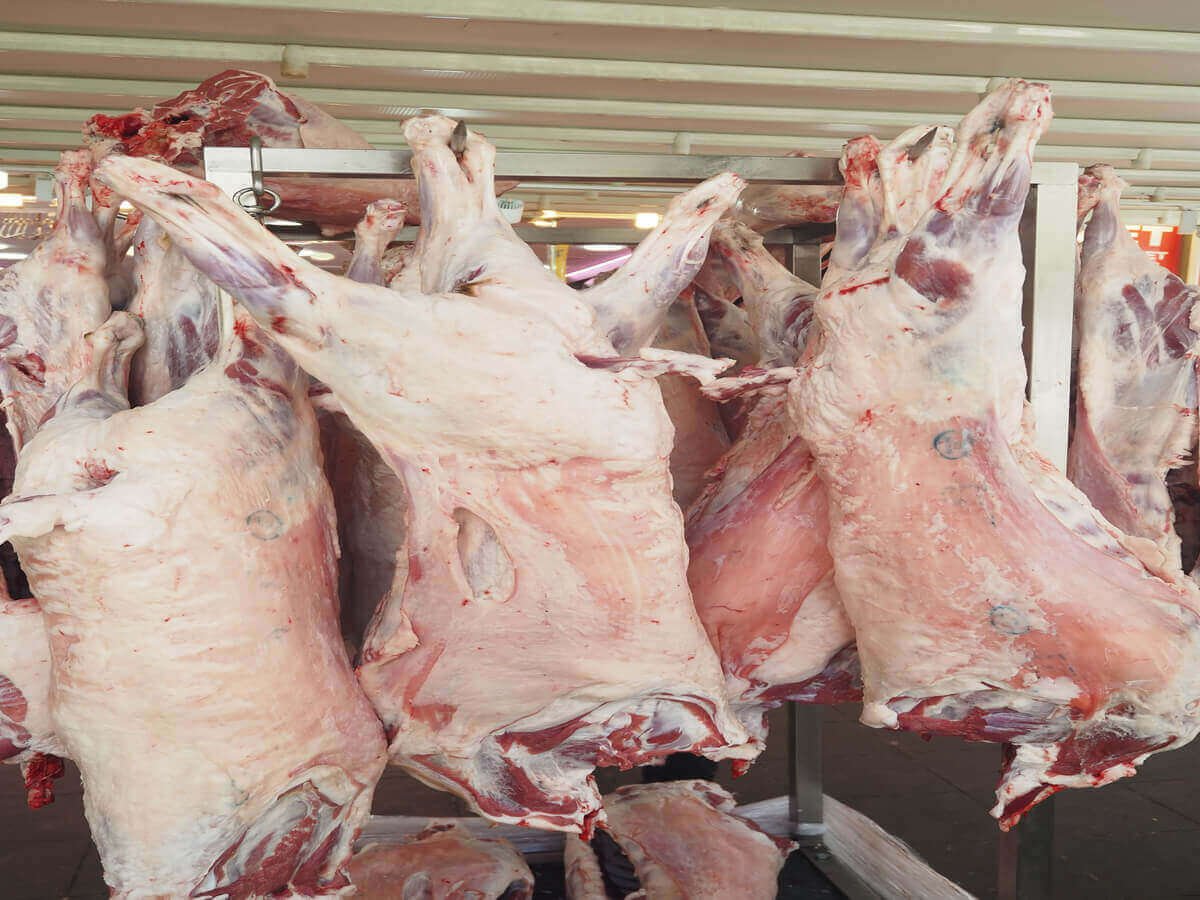
Goat Meat Supplier in Nairobi

Goat Meat Supplier in Nairobi

Nairobi is one of East Africa’s fastest-growing cities, with a vibrant food culture that celebrates quality meat in homes, restaurants, hotels, butcheries, catering businesses, supermarkets, and institutions. Among the most sought-after red meats is fresh goat meat, valued for its distinctive flavour, versatility, and suitability for a wide range of traditional and contemporary dishes.

As demand continues to increase, choosing the right goat meat supplier has become more important than ever. Customers are looking for suppliers who consistently provide fresh, hygienically handled meat backed by responsible sourcing, reliable delivery, and professional service.

Whether you are purchasing goat meat for your family, restaurant, hotel, catering company, supermarket, or food processing business, selecting a dependable supplier helps ensure quality, food safety, and long-term value.

At Soba Renaissance, we proudly supply premium fresh goat meat throughout Nairobi through responsible livestock sourcing, sustainable agricultural practices, hygienic processing, integrated quality assurance, and dependable distribution. Our commitment is to provide customers with goat meat they can trust for every meal and every occasion.

This guide explains what makes an excellent goat meat supplier in Nairobi and why choosing the right partner matters.

Why Fresh Goat Meat Remains Popular in Nairobi

Goat meat continues to enjoy strong demand because it complements a wide variety of Kenyan recipes and culinary traditions.

Customers choose fresh goat meat because it is ideal for:

  • Nyama choma.
  • Traditional stews.
  • Slow-cooked dishes.
  • Grilled recipes.
  • Family celebrations.
  • Hotel and restaurant menus.
  • Catering events.
  • Everyday home cooking.

Its versatility makes it one of Kenya’s most valued meat products.

What Makes a Reliable Goat Meat Supplier?

A dependable supplier offers more than simply selling meat.

Professional suppliers consistently provide:

  • Fresh, high-quality goat meat.
  • Hygienic handling and processing.
  • Professional packaging.
  • Reliable cold-chain management.
  • Consistent product availability.
  • Transparent business practices.
  • Responsive customer support.

Consistency builds confidence and long-term customer relationships.

Quality Starts with Responsible Sourcing

Premium goat meat begins long before processing.

Responsibly sourced livestock contributes to:

  • Better meat quality.
  • Consistent freshness.
  • Improved product integrity.
  • Reliable supply.
  • Greater customer confidence.

At Soba Renaissance, responsible sourcing forms the foundation of our commitment to premium meat products.

Hygienic Processing Protects Product Quality

Proper processing is essential for preserving freshness and supporting food safety.

Professional processing includes:

  • Hygienic handling.
  • Clean processing environments.
  • Strict quality controls.
  • Careful product preparation.
  • Professional packaging.

Attention to hygiene helps maintain the quality customers expect.

Reliable Cold-Chain Management

Temperature control plays a critical role in preserving fresh meat.

A dependable supplier maintains refrigeration throughout:

  • Processing.
  • Storage.
  • Packaging.
  • Transportation.
  • Delivery.

Maintaining the cold chain helps preserve freshness while supporting product quality.

Consistent Supply for Homes and Businesses

Reliable availability is essential for both households and commercial customers.

Soba Renaissance supplies fresh goat meat to:

  • Families.
  • Restaurants.
  • Hotels.
  • Caterers.
  • Supermarkets.
  • Retailers.
  • Schools.
  • Hospitals.
  • Corporate kitchens.
  • Food service businesses.

Dependable supply allows customers to plan with confidence.

Professional Packaging Matters

Packaging protects meat during storage and transportation.

Quality packaging should be:

  • Securely sealed.
  • Hygienically prepared.
  • Clearly labelled.
  • Leak-resistant.
  • Designed to preserve freshness.

Professional packaging reflects a supplier’s commitment to quality.

Sustainability Strengthens the Supply Chain

Modern consumers increasingly value suppliers that operate responsibly.

Sustainable practices support:

  • Responsible livestock sourcing.
  • Efficient resource management.
  • Reduced operational waste.
  • Environmental stewardship.
  • Long-term agricultural development.

At Soba Renaissance, sustainability guides our operations because responsible production creates lasting value for customers, communities, and Kenya’s agricultural sector.

Why Businesses Choose Soba Renaissance

Businesses throughout Nairobi require dependable meat suppliers they can trust.

Our customers value:

  • Consistent product quality.
  • Reliable deliveries.
  • Professional customer service.
  • Hygienic processing.
  • Responsible sourcing.
  • Sustainable operations.
  • Quality assurance.
  • Long-term supply partnerships.

These qualities help businesses maintain high standards while serving their own customers.

Why Soba Renaissance Is a Trusted Goat Meat Supplier in Nairobi

At Soba Renaissance, quality is built into every stage of our operations.

Our commitment includes:

  • Premium fresh goat meat.
  • Responsible livestock sourcing.
  • Sustainable agriculture.
  • Hygienic processing.
  • Rigorous quality assurance.
  • Professional packaging.
  • Reliable cold-chain logistics.
  • Consistent supply.
  • Environmental responsibility.
  • Customer-focused service.

Every order reflects our commitment to freshness, quality, and reliability.

Frequently Asked Questions

Where can I buy premium fresh goat meat in Nairobi?

You can purchase premium fresh goat meat from trusted suppliers like Soba Renaissance, who prioritise responsible sourcing, hygienic processing, food safety, and dependable distribution.

What should I look for in a goat meat supplier?

Choose a supplier that offers fresh meat, responsible sourcing, professional packaging, reliable cold-chain management, consistent quality, food safety, and excellent customer service.

Why is cold-chain management important?

Maintaining proper refrigeration throughout processing, storage, transportation, and delivery helps preserve freshness and supports meat quality.

Why choose Soba Renaissance?

Soba Renaissance combines responsible livestock sourcing, sustainable agricultural practices, hygienic processing, rigorous quality assurance, professional packaging, reliable cold-chain logistics, and exceptional customer service to deliver premium fresh goat meat across Nairobi.

Premium Goat Meat Backed by Quality and Trust

Choosing a trusted goat meat supplier is about more than convenience it is about confidence in every purchase. Freshness, responsible sourcing, hygienic processing, dependable cold-chain management, and professional customer service all contribute to a better experience for households and businesses alike.

At Soba Renaissance, we are proud to supply Nairobi with premium fresh goat meat produced through responsible livestock sourcing, sustainable agricultural practices, rigorous quality assurance, and integrated supply systems that prioritise freshness and food safety. Every order reflects our commitment to delivering quality products while supporting Kenya’s agricultural future.

Whether you are preparing a family meal, stocking a restaurant kitchen, managing a hotel, supplying a catering event, or purchasing for your retail business, Soba Renaissance is your trusted partner for premium fresh goat meat in Nairobi.

Choose Soba Renaissance where responsible sourcing, sustainability, and uncompromising quality come together to deliver premium goat meat from source to table.

Sustainable Poultry Farming Trends in Kenya

Sustainable Poultry Farming Trends in Kenya

Sustainability has become one of the most important drivers of change in Kenya’s agricultural sector, and poultry farming is no exception. As demand for premium fresh chicken continues to grow, poultry producers are increasingly adopting farming practices that balance productivity with environmental responsibility, animal welfare, food safety, and long-term economic resilience.

Today’s consumers are more informed than ever before. They want to know where their food comes from, how it was produced, and whether the businesses behind it are committed to protecting natural resources while maintaining high standards of quality. In response, poultry farms across Kenya are embracing sustainable production methods that strengthen both agricultural performance and public confidence.

Rather than treating sustainability as a single initiative, modern poultry farms are integrating responsible practices throughout every stage of production from sourcing and flock management to processing, packaging, transportation, and delivery.

At Soba Renaissance, sustainability is a core part of our business philosophy. Through responsible poultry farming, integrated farm-to-fork production, rigorous quality assurance, environmental stewardship, and continuous improvement, we are helping shape a stronger and more sustainable future for Kenya’s poultry industry.

This guide explores the leading sustainability trends transforming poultry farming across Kenya.

Greater Focus on Resource Efficiency

Modern poultry farms increasingly recognise that efficient use of natural resources benefits both the environment and long-term business performance.

Current trends include:

  • Improved water management.
  • Efficient feed utilisation.
  • Responsible energy consumption.
  • Better production planning.
  • Reduced operational waste.

Using resources wisely supports consistent production while protecting the environment.

Stronger Environmental Stewardship

Environmental responsibility is becoming an essential part of poultry farming.

Many producers are strengthening environmental performance through:

  • Responsible waste management.
  • Cleaner farm operations.
  • Soil protection.
  • Water conservation.
  • Reduced environmental impact.
  • Continuous environmental improvement.

At Soba Renaissance, environmental stewardship is integrated into every stage of our operations because healthy ecosystems support healthy agriculture.

Farm-to-Fork Transparency

Consumers increasingly value transparency throughout food production.

Integrated farm-to-fork systems help improve:

  • Product traceability.
  • Quality control.
  • Production oversight.
  • Food safety.
  • Consumer confidence.

Managing the production journey from farm to customer helps ensure consistently high standards.

Increased Investment in Animal Welfare

Healthy birds remain central to sustainable poultry farming.

Modern poultry producers increasingly prioritise:

  • Comfortable housing.
  • Balanced nutrition.
  • Continuous access to clean water.
  • Reduced stress.
  • Responsible flock management.
  • Routine health monitoring.

High animal welfare standards contribute to healthier birds and better-quality poultry products.

Smarter Biosecurity Systems

Preventive disease management remains one of the industry’s most important sustainability priorities.

Modern biosecurity programmes focus on:

  • Controlled farm access.
  • Routine cleaning and sanitation.
  • Equipment hygiene.
  • Daily flock observation.
  • Responsible waste handling.
  • Continuous health management.

Preventive systems reduce production risks while supporting long-term farm resilience.

Circular Agriculture Is Gaining Momentum

Many poultry farms are embracing circular agriculture by finding productive uses for resources throughout the farming cycle.

Examples include:

  • Responsible management of organic waste.
  • Improved recycling practices.
  • Better nutrient management.
  • Efficient use of agricultural resources.
  • Reduced waste generation.

These practices help minimise environmental impact while improving overall farm efficiency.

Sustainable Packaging and Distribution

Sustainability extends beyond the poultry farm itself.

Modern poultry businesses increasingly invest in:

  • Hygienic packaging.
  • Efficient cold-chain logistics.
  • Reduced product loss.
  • Responsible transportation planning.
  • Better inventory management.

These improvements help preserve freshness while supporting environmental responsibility.

Digital Technologies Support Sustainability

Technology is helping poultry farms operate more efficiently than ever before.

Modern systems support:

  • Production monitoring.
  • Digital record-keeping.
  • Resource management.
  • Operational planning.
  • Quality assurance.
  • Performance evaluation.

Better information allows producers to make smarter, more sustainable decisions.

Consumer Demand Is Driving Change

Today’s Kenyan consumers increasingly prefer poultry products that demonstrate:

  • Responsible farming.
  • Sustainability.
  • Traceability.
  • Food safety.
  • Consistent quality.
  • Ethical production.

Businesses that embrace these values are well positioned for long-term growth.

Continuous Improvement Is Becoming Standard

Sustainability is an ongoing process rather than a one-time achievement.

Leading poultry producers continually improve through:

  • Staff development.
  • Better production systems.
  • Operational efficiency.
  • Quality assurance.
  • Environmental management.
  • Agricultural innovation.

Continuous improvement helps poultry farms remain competitive while supporting long-term sustainability.

How Soba Renaissance Leads Sustainable Poultry Farming

At Soba Renaissance, sustainability is more than a commitment it is the foundation of how we operate.

Our approach includes:

  • Responsible poultry farming.
  • Sustainable agriculture.
  • Integrated farm-to-fork production.
  • High animal welfare standards.
  • Rigorous quality assurance.
  • Food safety.
  • Environmental stewardship.
  • Efficient resource management.
  • Continuous innovation.
  • Customer-focused excellence.

These principles enable us to consistently deliver premium fresh chicken while contributing to Kenya’s agricultural future.

Frequently Asked Questions

What is sustainable poultry farming?

Sustainable poultry farming combines responsible resource management, environmental stewardship, animal welfare, food safety, operational efficiency, and continuous improvement to produce high-quality poultry while protecting natural resources.

Why is sustainability important in Kenya’s poultry industry?

Sustainability helps strengthen food security, improve resource efficiency, reduce environmental impact, support long-term agricultural productivity, and build consumer confidence in locally produced poultry.

How are Kenyan poultry farms becoming more sustainable?

Many farms are improving water management, biosecurity, animal welfare, traceability, waste management, quality assurance, digital monitoring, and farm-to-fork production systems.

Why choose Soba Renaissance?

Soba Renaissance combines responsible poultry farming, sustainable agriculture, integrated farm-to-fork production, rigorous quality assurance, food safety, environmental stewardship, and continuous innovation to deliver premium fresh chicken that reflects the highest standards of sustainability and quality.

Sustainability Is Shaping the Future of Poultry Farming

Sustainable poultry farming is no longer simply an emerging idea it is becoming the standard for responsible food production in Kenya. Farms that embrace efficient resource management, environmental stewardship, high animal welfare standards, traceability, food safety, and continuous innovation are building stronger businesses while contributing to healthier communities and more resilient agricultural systems.

At Soba Renaissance, we proudly lead by example. Through responsible poultry farming, sustainable agricultural practices, integrated farm-to-fork production, rigorous quality assurance, and a commitment to continuous improvement, we are helping shape the future of Kenya’s poultry industry while delivering premium fresh chicken that consumers and businesses can trust.

Whether serving households, restaurants, hotels, caterers, supermarkets, retailers, schools, hospitals, or institutions, Soba Renaissance remains dedicated to advancing sustainable poultry farming that benefits customers, communities, farmers, and future generations.

Choose Soba Renaissance where sustainability, innovation, and responsible poultry farming come together to deliver premium fresh chicken from farm to fork.

Why Local Poultry Farms Matter to Kenya’s Economy

Why Local Poultry Farms Matter to Kenya’s Economy

Agriculture remains one of the most important sectors of Kenya’s economy, providing livelihoods for millions of people while supplying food to households and businesses across the country. Within this sector, poultry farming has become a powerful driver of economic growth, creating opportunities that extend far beyond the production of fresh chicken and eggs.

Local poultry farms contribute to stronger communities by creating jobs, supporting businesses, encouraging entrepreneurship, strengthening food security, and promoting sustainable agricultural development. As demand for premium fresh chicken continues to increase, locally produced poultry is playing an even greater role in helping Kenya build a resilient and self-sufficient food system.

Supporting local poultry farming is not simply about buying fresh chicken it is an investment in Kenyan farmers, local businesses, rural communities, and the nation’s long-term economic prosperity.

At Soba Renaissance, we are proud to contribute to Kenya’s agricultural success through responsible poultry farming, sustainable production methods, integrated farm-to-fork operations, rigorous quality assurance, and a commitment to supplying premium fresh chicken throughout the country.

This guide explores why local poultry farms matter to Kenya’s economy and how responsible poultry production benefits everyone.

Supporting Employment Across Kenya

Local poultry farming creates employment opportunities throughout the agricultural value chain.

Jobs are supported in areas such as:

  • Poultry farming.
  • Hatchery operations.
  • Feed production.
  • Veterinary services.
  • Poultry processing.
  • Packaging.
  • Refrigerated transport.
  • Distribution.
  • Retail.
  • Hospitality.

Every successful poultry enterprise contributes to economic activity that supports thousands of Kenyan families.

Strengthening Rural Economies

Many poultry farms operate in rural and peri-urban communities where agriculture remains a major source of income.

Local poultry production helps strengthen these communities by:

  • Creating business opportunities.
  • Supporting household incomes.
  • Encouraging agricultural entrepreneurship.
  • Stimulating local investment.
  • Expanding market opportunities.

As farms grow, nearby businesses often benefit through increased demand for goods and services.

Building Strong Agricultural Value Chains

Poultry farming connects multiple industries that work together to deliver fresh chicken to consumers.

The poultry value chain includes:

  • Farmers.
  • Feed manufacturers.
  • Equipment suppliers.
  • Veterinary professionals.
  • Processing facilities.
  • Packaging companies.
  • Logistics providers.
  • Retailers.
  • Food service businesses.

Strong partnerships improve efficiency while supporting Kenya’s wider agricultural economy.

Enhancing Food Security

Reliable local poultry production helps ensure consistent access to nutritious protein.

Local poultry farms contribute to food security by:

  • Increasing domestic food production.
  • Supporting year-round chicken availability.
  • Reducing dependence on imported poultry.
  • Strengthening local food systems.
  • Improving supply chain resilience.

At Soba Renaissance, our farm-to-fork production model supports dependable poultry supply while helping strengthen Kenya’s food security.

Encouraging Entrepreneurship

Poultry farming offers opportunities for entrepreneurs at different stages of the agricultural sector.

Business opportunities include:

  • Poultry production.
  • Feed supply.
  • Poultry equipment.
  • Transport services.
  • Food processing.
  • Wholesale distribution.
  • Retail operations.

This entrepreneurial activity encourages innovation and contributes to economic growth.

Supporting Local Manufacturing and Services

The poultry industry generates demand for products and services produced within Kenya.

Growth in local poultry farming supports businesses involved in:

  • Agricultural equipment.
  • Packaging materials.
  • Cold-chain infrastructure.
  • Transportation.
  • Professional services.
  • Farm supplies.

This creates a multiplier effect that benefits many sectors beyond agriculture.

Reducing Dependence on Imports

A strong domestic poultry industry improves national resilience.

Expanding local poultry production helps:

  • Strengthen domestic supply.
  • Improve product availability.
  • Support Kenyan farmers.
  • Keep more economic value within the country.
  • Build confidence in locally produced food.

Investing in local agriculture contributes to a stronger and more resilient economy.

Promoting Sustainable Agriculture

Modern poultry farming increasingly embraces environmentally responsible practices.

Responsible farms focus on:

  • Efficient resource management.
  • Responsible waste management.
  • Water conservation.
  • Environmental stewardship.
  • Continuous improvement.

At Soba Renaissance, sustainability is central to our production philosophy because responsible agriculture supports long-term economic and environmental wellbeing.

Encouraging Consumer Confidence

Today’s consumers increasingly value products that are:

  • Fresh.
  • Responsibly produced.
  • Traceable.
  • Safe.
  • Sustainably sourced.

Local poultry farms that invest in quality assurance and transparency help strengthen public confidence in Kenyan agricultural products.

Supporting Long-Term Agricultural Development

The continued growth of local poultry farming encourages investment in:

  • Agricultural innovation.
  • Professional farm management.
  • Modern production systems.
  • Food safety.
  • Skills development.
  • Sustainable farming practices.

These investments strengthen Kenya’s agricultural competitiveness while preparing the industry for future growth.

How Soba Renaissance Contributes to Kenya’s Economy

At Soba Renaissance, we believe successful poultry farming should benefit both customers and communities.

Our commitment includes:

  • Responsible poultry farming.
  • Sustainable agriculture.
  • Integrated farm-to-fork production.
  • High animal welfare standards.
  • Rigorous quality assurance.
  • Food safety.
  • Environmental responsibility.
  • Reliable nationwide supply.
  • Continuous innovation.
  • Customer-focused service.

By investing in these principles, we help strengthen Kenya’s poultry industry while delivering premium fresh chicken that consumers and businesses can trust.

Frequently Asked Questions

Why are local poultry farms important to Kenya?

Local poultry farms create employment, strengthen food security, support rural development, encourage entrepreneurship, build agricultural value chains, and contribute to national economic growth.

How does poultry farming support the economy?

The poultry industry supports farming, feed production, veterinary services, processing, packaging, transportation, retail, hospitality, and many other sectors that contribute to Kenya’s economy.

Why should consumers support local poultry producers?

Buying locally produced poultry helps strengthen Kenyan agriculture, supports local businesses, encourages job creation, improves food security, and promotes sustainable farming practices.

Why choose Soba Renaissance?

Soba Renaissance combines responsible poultry farming, sustainable agriculture, integrated farm-to-fork production, rigorous quality assurance, food safety, environmental responsibility, and dependable supply to deliver premium fresh chicken while supporting Kenya’s economic development.

Investing in Local Poultry Means Investing in Kenya

Local poultry farms do much more than produce fresh chicken they strengthen Kenya’s economy from the ground up. By creating employment, supporting entrepreneurs, improving food security, building resilient supply chains, encouraging innovation, and promoting sustainable agriculture, the poultry sector contributes to stronger communities and long-term national development.

At Soba Renaissance, we are proud to be part of this journey. Through responsible poultry farming, sustainable agricultural practices, integrated farm-to-fork production, rigorous quality assurance, and continuous innovation, we are helping build a poultry industry that benefits farmers, businesses, consumers, and future generations alike.

Every purchase of locally produced poultry supports a stronger agricultural sector, a healthier economy, and more resilient communities across Kenya. Whether supplying households, restaurants, hotels, supermarkets, caterers, retailers, schools, hospitals, or institutions, Soba Renaissance remains committed to delivering premium fresh chicken while advancing responsible farming and sustainable economic growth.

Choose Soba Renaissance a proudly Kenyan brand committed to strengthening local agriculture, empowering communities, and delivering premium fresh chicken from farm to fork.

The Future of Poultry Farming in Kenya

The Future of Poultry Farming in Kenya

Poultry farming has become one of the most dynamic sectors of Kenya’s agricultural economy. Over the past decade, increasing consumer demand, improved farming methods, stronger supply chains, and growing investment in agriculture have transformed poultry production into a vital contributor to food security and economic growth.

As Kenya continues to modernize its agricultural sector, the poultry industry is entering a new phase of development. Future success will depend not only on increasing production but also on improving efficiency, embracing innovation, protecting the environment, strengthening food safety, and building resilient supply chains that can serve a rapidly growing population.

The poultry farms of tomorrow will be smarter, more sustainable, more transparent, and more closely connected to the needs of consumers than ever before.

At Soba Renaissance, we believe the future of poultry farming begins with responsible decisions made today. Through sustainable agriculture, integrated farm-to-fork production, continuous innovation, rigorous quality assurance, and responsible poultry farming, we are helping build a stronger future for Kenya’s poultry industry.

This guide explores the major trends that will shape poultry farming in Kenya for years to come.

Growing Demand Will Continue to Drive Expansion

Kenya’s population continues to grow, increasing demand for reliable sources of nutritious protein.

Fresh chicken remains one of the country’s most popular protein choices because it is:

  • Versatile.
  • Nutritious.
  • Suitable for diverse cuisines.
  • Widely consumed by households.
  • Preferred across the hospitality industry.

As demand increases, poultry producers will continue investing in efficient and sustainable production systems.

Sustainability Will Become a Competitive Advantage

Environmental responsibility is becoming a defining feature of modern agriculture.

Future poultry farms are expected to place even greater emphasis on:

  • Responsible resource management.
  • Efficient water use.
  • Renewable energy opportunities.
  • Waste reduction.
  • Environmental conservation.
  • Climate-conscious farming practices.

At Soba Renaissance, sustainability is already integrated into our operations because we believe responsible farming creates lasting value for farmers, consumers, and future generations.

Technology Will Transform Farm Management

Digital tools are reshaping agricultural production around the world.

In Kenya, poultry farms are increasingly adopting technologies that support:

  • Better production planning.
  • Improved flock monitoring.
  • Digital record management.
  • Operational efficiency.
  • Resource optimization.
  • Data-driven decision-making.

Technology enables poultry businesses to improve consistency while reducing unnecessary waste.

Food Safety Standards Will Continue to Rise

Consumers increasingly expect greater confidence in the food they purchase.

Future poultry production will place even greater emphasis on:

  • Hygienic processing.
  • Professional handling.
  • Traceability.
  • Quality assurance.
  • Cold-chain management.
  • Safe packaging.

Higher food safety standards strengthen customer confidence while supporting export opportunities and long-term industry growth.

Traceability Will Become Standard Practice

Transparency is becoming increasingly important throughout food production.

Future poultry supply chains will rely on stronger traceability systems that improve:

  • Product accountability.
  • Production visibility.
  • Quality management.
  • Consumer confidence.
  • Supply chain coordination.

Integrated traceability helps ensure every stage of production meets high standards.

Farm-to-Fork Production Will Continue to Expand

Managing multiple stages of production creates greater consistency and quality control.

Integrated farm-to-fork systems support:

  • Better oversight.
  • Consistent product quality.
  • Reliable supply.
  • Improved food safety.
  • Stronger customer trust.

At Soba Renaissance, our farm-to-fork philosophy reflects our commitment to delivering premium poultry through carefully managed production systems.

Local Production Will Strengthen Food Security

Building resilient local food systems remains a national priority.

Future poultry production will continue supporting:

  • Reliable protein supplies.
  • Reduced dependence on imported products.
  • Stronger domestic agriculture.
  • Community resilience.
  • Long-term food security.

Responsible local production benefits both consumers and the wider economy.

Skilled Farmers Will Lead the Industry

Knowledge will remain one of the industry’s greatest assets.

Future poultry success will depend on farmers who invest in:

  • Professional development.
  • Continuous learning.
  • Modern management practices.
  • Sustainable agriculture.
  • Responsible flock management.
  • Operational excellence.

Well-trained farmers will be better positioned to adapt to changing markets and technologies.

Consumer Expectations Will Continue to Evolve

Today’s consumers increasingly value more than affordability.

Future purchasing decisions will be influenced by:

  • Product quality.
  • Responsible farming.
  • Sustainability.
  • Food safety.
  • Traceability.
  • Ethical production.
  • Reliable supply.

Businesses that consistently meet these expectations will build stronger customer relationships.

Innovation Will Create New Opportunities

Innovation is expected to continue shaping every stage of poultry production.

Areas of ongoing development include:

  • Improved production systems.
  • Efficient resource management.
  • Better housing designs.
  • Smarter logistics.
  • Enhanced processing methods.
  • Continuous quality improvement.

Innovation enables the poultry industry to remain competitive while supporting long-term agricultural development.

How Soba Renaissance Is Preparing for the Future

At Soba Renaissance, we believe the future of poultry farming depends on continuous improvement and responsible leadership.

Our commitment includes:

  • Responsible poultry farming.
  • Sustainable agriculture.
  • Integrated farm-to-fork production.
  • Rigorous quality assurance.
  • High animal welfare standards.
  • Food safety.
  • Environmental responsibility.
  • Continuous innovation.
  • Reliable nationwide supply.
  • Customer-focused excellence.

These principles allow us to support the future of Kenya’s poultry industry while consistently delivering premium fresh chicken.

Frequently Asked Questions

What is the future of poultry farming in Kenya?

The future of poultry farming will be shaped by sustainability, technology, stronger food safety systems, traceability, innovation, responsible farming, and increasing demand for locally produced poultry.

Why is sustainability becoming more important?

Sustainability helps improve resource efficiency, supports environmental conservation, strengthens long-term agricultural productivity, and contributes to resilient food systems.

How will technology improve poultry farming?

Technology supports better production planning, digital record-keeping, operational efficiency, flock monitoring, quality management, and informed decision-making.

Why choose Soba Renaissance?

Soba Renaissance combines responsible poultry farming, sustainable agriculture, integrated farm-to-fork production, rigorous quality assurance, food safety, continuous innovation, and dependable supply to deliver premium fresh chicken while helping shape the future of Kenya’s poultry industry.

Building Tomorrow’s Poultry Industry Today

The future of poultry farming in Kenya is full of opportunity. As consumer expectations rise and agriculture continues to evolve, success will belong to producers who embrace sustainability, innovation, transparency, and responsible management. Modern poultry farming is no longer simply about increasing production it is about creating resilient systems that consistently deliver safe, high-quality food while protecting natural resources and supporting local communities.

At Soba Renaissance, we are proud to be part of this transformation. Through responsible poultry farming, sustainable agricultural practices, integrated farm-to-fork production, rigorous quality assurance, and continuous investment in innovation, we are helping shape a stronger and more sustainable poultry industry for Kenya.

Whether serving households, restaurants, hotels, caterers, supermarkets, retailers, schools, hospitals, or institutions, Soba Renaissance remains committed to producing premium fresh chicken that reflects the future of responsible agriculture.

Choose Soba Renaissance where innovation, sustainability, and trusted farm-to-fork production are helping build the next generation of poultry farming in Kenya.

Modern Poultry Farming Techniques Used in Kenya

Modern Poultry Farming Techniques Used in Kenya

Kenya’s poultry industry has evolved significantly over the past decade. What was once dominated by traditional production methods has gradually transformed into a modern agricultural sector that embraces innovation, sustainability, and efficiency. As demand for premium fresh chicken continues to rise, poultry farmers are adopting advanced farming techniques that improve flock health, increase productivity, strengthen food safety, and reduce environmental impact.

Modern poultry farming is no longer defined by the size of a farm alone. Today’s successful poultry businesses rely on integrated management systems that combine responsible animal care, efficient resource use, biosecurity, data-driven decision-making, quality assurance, and sustainable agricultural practices.

These innovations help producers consistently deliver healthier birds and higher-quality poultry products while supporting Kenya’s growing food needs.

At Soba Renaissance, innovation is an important part of our farm-to-fork philosophy. By combining responsible poultry farming, sustainable agriculture, rigorous quality assurance, and modern production systems, we continue to deliver premium fresh chicken that reflects the highest standards of quality, freshness, and reliability.

This guide explores the modern poultry farming techniques helping shape the future of Kenya’s poultry industry.

Integrated Farm Planning

Modern poultry farming begins with careful planning rather than reacting to challenges after they arise.

Integrated farm planning focuses on:

  • Production scheduling.
  • Housing design.
  • Resource management.
  • Labour coordination.
  • Risk management.
  • Long-term sustainability.

Well-planned farms operate more efficiently and adapt more easily to changing market conditions.

Improved Poultry Housing Systems

Modern poultry houses are designed to create comfortable environments that support healthy flock development.

Today’s housing systems emphasise:

  • Effective ventilation.
  • Temperature regulation.
  • Clean, dry litter.
  • Appropriate stocking densities.
  • Efficient drainage.
  • Easy sanitation.

Well-managed housing improves bird welfare while supporting consistent production.

Precision Nutrition Management

Nutrition has become increasingly data-driven.

Modern poultry farms focus on:

  • Balanced feeding programmes.
  • Stage-specific nutritional planning.
  • Feed quality monitoring.
  • Efficient feed utilisation.
  • Reliable access to clean drinking water.

Proper nutrition supports healthy growth while improving production efficiency.

Advanced Biosecurity Practices

Preventing disease remains one of the most valuable investments a poultry farm can make.

Modern biosecurity programmes include:

  • Controlled farm access.
  • Regular cleaning and disinfection.
  • Equipment sanitation.
  • Hygiene protocols.
  • Continuous flock monitoring.
  • Responsible waste management.

Strong preventive systems help protect bird health and maintain production stability.

Digital Record-Keeping and Farm Monitoring

Technology is changing how poultry farms are managed.

Many farms now maintain digital records that help monitor:

  • Feed consumption.
  • Flock performance.
  • Production trends.
  • Mortality.
  • Resource utilisation.
  • Operational efficiency.

Accurate information allows farmers to make informed decisions and continuously improve farm performance.

Sustainable Resource Management

Environmental sustainability has become a central part of modern poultry farming.

Responsible farms increasingly focus on:

  • Efficient water use.
  • Responsible waste management.
  • Reduced resource consumption.
  • Improved energy efficiency.
  • Environmental conservation.

At Soba Renaissance, sustainability is integrated throughout our operations because responsible farming supports stronger communities and healthier ecosystems.

Animal Welfare as a Production Priority

Healthy birds perform better and contribute to consistent product quality.

Modern poultry farms promote animal welfare through:

  • Comfortable housing.
  • Reduced stress.
  • Proper nutrition.
  • Continuous access to clean water.
  • Careful daily observation.
  • Responsible flock management.

High welfare standards contribute to healthier poultry and improved production outcomes.

Strong Quality Assurance Systems

Modern poultry production places greater emphasis on consistency.

Quality assurance includes:

  • Routine production monitoring.
  • Hygienic farm management.
  • Professional processing.
  • Product inspections.
  • Consistent production standards.
  • Continuous improvement.

These systems help ensure customers receive premium-quality poultry every time.

Farm-to-Fork Integration

Modern poultry businesses increasingly manage multiple stages of production to improve consistency.

Integrated farm-to-fork systems support:

  • Greater traceability.
  • Better quality control.
  • Reliable supply.
  • Improved food safety.
  • Stronger customer confidence.

Soba Renaissance follows this integrated approach to ensure quality is maintained from the farm to the customer’s table.

Continuous Innovation

Successful poultry farms never stop improving.

Innovation may include:

  • Better production planning.
  • Improved operational efficiency.
  • Enhanced management systems.
  • Ongoing staff development.
  • Adoption of new agricultural knowledge.

Continuous improvement keeps farms competitive while strengthening Kenya’s poultry sector.

How Soba Renaissance Applies Modern Poultry Farming

At Soba Renaissance, modern poultry farming combines innovation with responsibility.

Our production philosophy includes:

  • Responsible poultry farming.
  • Sustainable agriculture.
  • Integrated farm-to-fork production.
  • High animal welfare standards.
  • Rigorous quality assurance.
  • Food safety.
  • Efficient resource management.
  • Environmental responsibility.
  • Continuous innovation.
  • Customer-focused excellence.

These principles enable us to consistently deliver premium fresh chicken while supporting the future of Kenyan agriculture.

Frequently Asked Questions

What makes poultry farming modern?

Modern poultry farming combines responsible management, efficient housing, balanced nutrition, biosecurity, digital record-keeping, quality assurance, sustainability, and continuous innovation.

Why is technology important in poultry farming?

Technology helps improve monitoring, operational efficiency, production planning, resource management, and overall decision-making while supporting consistent poultry quality.

How does sustainability improve poultry farming?

Sustainable farming encourages efficient use of natural resources, reduces waste, supports environmental conservation, and strengthens long-term agricultural productivity.

Why choose Soba Renaissance?

Soba Renaissance combines responsible poultry farming, sustainable agriculture, modern production systems, integrated farm-to-fork operations, rigorous quality assurance, food safety, and continuous innovation to deliver premium fresh chicken throughout Kenya.

Innovation Is Shaping the Future of Poultry Farming in Kenya

Modern poultry farming is transforming Kenya’s agricultural landscape through smarter management, improved animal welfare, sustainable resource use, stronger biosecurity, digital monitoring, and integrated production systems. These innovations allow farmers to produce healthier birds, maintain consistent quality, and respond more effectively to the growing demand for premium poultry products.

At Soba Renaissance, we proudly embrace these modern farming techniques as part of our commitment to responsible agriculture and sustainable food production. By combining innovation with farm-to-fork management, rigorous quality assurance, environmental stewardship, and continuous improvement, we continue to supply premium fresh chicken that Kenyan households and businesses can trust.

Whether serving families, restaurants, hotels, supermarkets, caterers, retailers, schools, hospitals, or institutions, Soba Renaissance remains committed to advancing modern poultry farming while strengthening Kenya’s agricultural future.

Choose Soba Renaissance where innovation, sustainability, and responsible poultry farming deliver premium fresh chicken from farm to table.

How Kenyan Farmers Raise Healthy Chickens

How Kenyan Farmers Raise Healthy Chickens

Healthy chickens are the foundation of every successful poultry farm. Across Kenya, poultry farmers are adopting modern farming techniques and responsible management practices to raise stronger, healthier birds while meeting the growing demand for premium fresh chicken. From small family-owned farms to large commercial operations, the focus is increasingly on producing poultry through sustainable agriculture, high animal welfare standards, and efficient farm management.

Raising healthy chickens is about much more than providing feed. It requires proper housing, balanced nutrition, clean water, effective biosecurity, careful observation, responsible environmental management, and a commitment to continuous improvement throughout the production cycle.

At Soba Renaissance, we believe premium chicken begins with healthy birds. Our farm-to-fork philosophy combines responsible poultry farming, sustainable agricultural practices, rigorous quality assurance, and professional management to ensure every chicken reflects the highest standards of freshness, safety, and quality.

This guide explains how Kenyan farmers raise healthy chickens and why these practices matter for consumers, businesses, and the future of agriculture.

Healthy Chickens Start with Good Planning

Successful poultry farming begins before the first chick arrives.

Farmers carefully plan:

  • Poultry housing.
  • Feeding programmes.
  • Water supply.
  • Biosecurity measures.
  • Equipment requirements.
  • Daily management routines.

Proper planning creates an environment where birds can thrive from the beginning.

Comfortable Housing Promotes Healthy Growth

A clean and comfortable poultry house plays an essential role in maintaining flock health.

Well-managed housing provides:

  • Adequate ventilation.
  • Dry and clean litter.
  • Protection from harsh weather.
  • Comfortable stocking densities.
  • Good drainage.
  • Easy cleaning and maintenance.

Comfortable living conditions reduce stress and support healthy development.

Balanced Nutrition Supports Strong Birds

Nutrition is one of the most important factors in raising healthy chickens.

Responsible poultry farmers focus on:

  • Balanced diets.
  • Reliable access to clean drinking water.
  • Consistent feeding schedules.
  • Proper feed storage.
  • Efficient feed management.

Good nutrition supports healthy growth, strong immunity, and consistent production.

Clean Water Is Essential

Fresh, clean water is just as important as quality feed.

Farmers ensure that birds have:

  • Continuous access to clean water.
  • Regularly cleaned drinkers.
  • Reliable water supplies.
  • Proper water management throughout the day.

Clean water helps maintain bird health and overall wellbeing.

Biosecurity Prevents Problems Before They Start

Preventing disease is always better than treating it.

Effective biosecurity practices include:

  • Limiting unnecessary visitors.
  • Cleaning and disinfecting equipment.
  • Maintaining hygienic poultry houses.
  • Monitoring bird health daily.
  • Managing waste responsibly.
  • Following recommended flock health programmes.

Preventive management supports healthier birds while reducing production risks.

Daily Observation Makes a Difference

Healthy poultry farms rely on regular flock monitoring.

Farmers routinely observe:

  • Bird activity.
  • Feeding behavior.
  • Water consumption.
  • General appearance.
  • Housing conditions.
  • Environmental comfort.

Early identification of changes allows prompt action when necessary.

Responsible Animal Welfare

Healthy birds are the result of responsible care.

Good animal welfare includes:

  • Comfortable housing.
  • Reduced stress.
  • Gentle handling.
  • Balanced nutrition.
  • Continuous access to water.
  • Clean surroundings.

High welfare standards contribute to stronger flocks and premium-quality poultry products.

Sustainable Farming Protects the Future

Modern poultry farming increasingly embraces sustainability.

Responsible farms focus on:

  • Efficient water use.
  • Responsible waste management.
  • Environmental stewardship.
  • Resource conservation.
  • Continuous operational improvement.

At Soba Renaissance, sustainability is integrated into every stage of production because protecting the environment supports healthier farms and stronger communities.

Food Safety Begins on the Farm

Consumers expect poultry products that are safe and responsibly produced.

Professional poultry farms support food safety through:

  • Hygienic farm management.
  • Responsible bird handling.
  • Quality assurance systems.
  • Professional processing.
  • Traceability.
  • Reliable cold-chain management.

Food safety starts long before chicken reaches the customer’s kitchen.

Continuous Learning Improves Poultry Farming

Successful poultry farmers continue improving their knowledge and management skills.

Continuous learning includes:

  • Better poultry management.
  • Improved housing techniques.
  • Nutrition advancements.
  • Biosecurity improvements.
  • Sustainable farming methods.
  • Agricultural innovation.

Learning helps farmers adapt to changing conditions while maintaining high production standards.

How Soba Renaissance Raises Healthy Chickens

At Soba Renaissance, healthy chickens are the result of responsible farming and continuous improvement.

Our commitment includes:

  • Responsible poultry farming.
  • Sustainable agriculture.
  • Farm-to-fork production.
  • High animal welfare standards.
  • Balanced flock management.
  • Rigorous quality assurance.
  • Food safety.
  • Professional processing.
  • Reliable distribution.
  • Customer satisfaction.

These values allow us to consistently deliver premium fresh chicken to households and businesses across Kenya.

Frequently Asked Questions

What helps chickens stay healthy?

Healthy chickens benefit from proper housing, balanced nutrition, clean water, effective biosecurity, responsible animal welfare, good hygiene, and regular monitoring.

Why is biosecurity important?

Biosecurity helps reduce disease risks, supports healthier flocks, improves production consistency, and strengthens food safety throughout the poultry production process.

Why is sustainability important in poultry farming?

Sustainable farming encourages efficient resource management, environmental protection, responsible production, and long-term agricultural resilience.

Why choose Soba Renaissance?

Soba Renaissance combines responsible poultry farming, sustainable agriculture, integrated farm-to-fork production, rigorous quality assurance, food safety, professional processing, and continuous innovation to deliver premium fresh chicken throughout Kenya.

Healthy Chickens Build a Stronger Poultry Industry

Healthy chickens are the result of careful planning, responsible management, and a commitment to doing every stage of poultry farming the right way. From comfortable housing and balanced nutrition to biosecurity, animal welfare, sustainability, and food safety, every decision made on the farm contributes to the quality of the final product.

At Soba Renaissance, we proudly demonstrate these principles through responsible poultry farming, sustainable agricultural practices, integrated farm-to-fork production, rigorous quality assurance, and continuous improvement. Our commitment to raising healthy chickens allows us to deliver premium fresh chicken while supporting Kenya’s growing poultry industry and strengthening the country’s agricultural future.

Whether supplying households, restaurants, hotels, supermarkets, caterers, schools, hospitals, or institutions, Soba Renaissance remains dedicated to producing poultry that reflects quality, responsibility, and trust.

Choose Soba Renaissance where healthy chickens, sustainable farming, and premium fresh poultry come together.

Challenges Facing Poultry Farmers in Kenya and How to Overcome Them

Challenges Facing Poultry Farmers in Kenya and How to Overcome Them

Poultry farming has become one of Kenya’s fastest-growing agricultural sectors, providing employment opportunities, supporting food security, and supplying fresh chicken and eggs to millions of households and businesses. As demand for locally produced poultry continues to rise, more farmers are entering the industry with the goal of building sustainable and profitable enterprises.

While the opportunities are significant, poultry farming is not without its challenges. Farmers must navigate issues such as disease prevention, fluctuating feed availability, climate variability, changing market conditions, biosecurity, and maintaining consistent product quality. Success depends on identifying these challenges early and adopting management practices that reduce risks while improving productivity.

At Soba Renaissance, we believe resilient poultry farming begins with responsible management. Through sustainable agriculture, integrated farm-to-fork production, rigorous quality assurance, continuous improvement, and responsible poultry farming practices, we are committed to strengthening Kenya’s poultry industry while delivering premium fresh chicken to customers nationwide.

This guide explores some of the most common challenges facing poultry farmers in Kenya and practical ways to overcome them.

Disease Prevention and Biosecurity

One of the greatest challenges in poultry farming is protecting flocks from disease.

Poor biosecurity can affect bird health, productivity, and overall farm performance.

Farmers can reduce risks by:

  • Restricting unnecessary visitors.
  • Cleaning and disinfecting poultry houses regularly.
  • Maintaining clean equipment.
  • Monitoring bird health every day.
  • Isolating sick birds where appropriate.
  • Following recommended veterinary guidance.

Strong biosecurity creates healthier flocks and more stable production.

Maintaining Consistent Feed Quality

Nutrition is essential for poultry growth and productivity.

Challenges may arise from:

  • Inconsistent feed quality.
  • Poor feed storage.
  • Nutritional imbalances.
  • Feed wastage.

Farmers can improve feeding programmes by:

  • Purchasing quality feed from reputable suppliers.
  • Storing feed in clean, dry conditions.
  • Following age-appropriate feeding schedules.
  • Monitoring feed consumption.

Balanced nutrition supports healthier birds and improved production.

Climate and Environmental Conditions

Weather patterns can affect poultry comfort and productivity.

High temperatures, heavy rainfall, or cold conditions may influence housing conditions if not managed properly.

Good practices include:

  • Proper ventilation.
  • Weather-resistant housing.
  • Effective drainage.
  • Shade where necessary.
  • Reliable access to clean drinking water.

Well-designed housing helps birds remain comfortable throughout changing seasons.

Maintaining High Housing Standards

Housing directly affects flock health and welfare.

Common housing challenges include:

  • Poor ventilation.
  • Damp litter.
  • Overcrowding.
  • Inadequate sanitation.

Regular maintenance and proper stocking densities help create healthier production environments.

Access to Reliable Markets

Producing quality poultry is only part of building a successful farming business.

Farmers also benefit from developing dependable market relationships with:

  • Households.
  • Restaurants.
  • Hotels.
  • Caterers.
  • Retailers.
  • Supermarkets.
  • Schools.
  • Institutions.

Strong customer relationships contribute to greater business stability over time.

Managing Production Costs

Efficient farm management helps improve long-term sustainability.

Farmers can strengthen operational efficiency by:

  • Planning resource use carefully.
  • Reducing unnecessary waste.
  • Maintaining equipment.
  • Monitoring production performance.
  • Keeping accurate farm records.

Small improvements in efficiency often produce meaningful long-term benefits.

Labour and Farm Management

As poultry operations grow, effective management becomes increasingly important.

Successful farms emphasise:

  • Staff training.
  • Clear operating procedures.
  • Routine supervision.
  • Good communication.
  • Continuous learning.

Knowledgeable teams help maintain consistent production standards.

Meeting Customer Expectations

Today’s consumers increasingly value poultry products that reflect:

  • Responsible farming.
  • Food safety.
  • Freshness.
  • Traceability.
  • Sustainability.
  • Professional packaging.

Farmers who consistently produce high-quality poultry are better positioned to build long-term customer confidence.

Embracing Sustainable Farming

Sustainability has become an essential part of modern poultry farming.

Responsible farms increasingly focus on:

  • Efficient water use.
  • Responsible waste management.
  • Environmental stewardship.
  • Energy efficiency.
  • Continuous improvement.

At Soba Renaissance, sustainability guides every stage of our operations because we believe responsible agriculture supports stronger farms, healthier communities, and a more resilient food system.

Investing in Continuous Learning

Agriculture continues to evolve through new knowledge and improved production methods.

Successful poultry farmers remain committed to learning about:

  • Better management techniques.
  • Biosecurity improvements.
  • Sustainable agriculture.
  • Food safety.
  • Poultry nutrition.
  • Emerging technologies.

Continuous education strengthens long-term competitiveness.

How Soba Renaissance Supports Responsible Poultry Farming

At Soba Renaissance, we believe every challenge presents an opportunity for improvement.

Our commitment includes:

  • Responsible poultry farming.
  • Sustainable agriculture.
  • Integrated farm-to-fork production.
  • High animal welfare standards.
  • Rigorous quality assurance.
  • Food safety.
  • Professional processing.
  • Reliable supply.
  • Environmental responsibility.
  • Continuous innovation.

These principles allow us to consistently produce premium fresh chicken while contributing to the long-term success of Kenya’s poultry industry.

Frequently Asked Questions

What is the biggest challenge facing poultry farmers in Kenya?

Challenges vary by farm, but common issues include disease prevention, feed management, climate conditions, housing, market access, operational efficiency, and maintaining consistent quality.

How can poultry farmers improve productivity?

Improving housing, nutrition, biosecurity, flock management, sustainability, record-keeping, and continuous learning helps strengthen long-term productivity.

Why is sustainability important for poultry farmers?

Sustainable farming encourages efficient resource management, reduces waste, supports environmental conservation, and improves long-term farm resilience.

Why choose Soba Renaissance?

Soba Renaissance combines responsible poultry farming, sustainable agriculture, integrated farm-to-fork production, rigorous quality assurance, food safety, environmental responsibility, and continuous innovation to deliver premium fresh chicken while supporting Kenya’s poultry industry.

Building Resilient Poultry Farms for Kenya’s Future

Every poultry farmer encounters challenges, but the most successful operations view those challenges as opportunities to improve. By strengthening biosecurity, maintaining high housing standards, providing balanced nutrition, improving operational efficiency, embracing sustainability, and investing in continuous learning, farmers can build resilient businesses capable of meeting Kenya’s growing demand for premium poultry products.

At Soba Renaissance, we are proud to demonstrate these principles through responsible poultry farming, sustainable agricultural practices, integrated farm-to-fork production, and an unwavering commitment to quality. Our dedication extends beyond supplying premium fresh chicken we are committed to supporting a stronger, more sustainable poultry industry that benefits farmers, businesses, consumers, and future generations.

Whether you are starting your poultry farming journey or expanding an established operation, responsible management, continuous improvement, and sustainable production remain the foundation of lasting success.

Choose Soba Renaissance a proudly Kenyan brand committed to strengthening poultry farming through quality, sustainability, and innovation.

Best Poultry Farming Practices in Kenya

Best Poultry Farming Practices in Kenya

Kenya’s poultry industry continues to grow as demand for fresh chicken and eggs rises among households, restaurants, hotels, supermarkets, schools, caterers, institutions, and food processing businesses. This growth has created tremendous opportunities for poultry farmers while also increasing the need for higher production standards and responsible farming practices.

Successful poultry farming today is no longer based solely on increasing flock sizes. Modern poultry production requires careful planning, excellent animal welfare, strong biosecurity, sustainable resource management, and a commitment to producing safe, high-quality poultry products.

Whether managing a small family poultry enterprise or a large commercial operation, following proven farming practices helps improve efficiency, reduce risks, and build a more resilient agricultural business.

At Soba Renaissance, responsible poultry farming is at the heart of everything we do. Through sustainable agricultural practices, integrated farm-to-fork production, rigorous quality assurance, and continuous innovation, we are helping strengthen Kenya’s poultry industry while supplying premium fresh chicken to customers across the country.

This guide explores the best poultry farming practices that support long-term success.

Start with Careful Farm Planning

Every successful poultry enterprise begins with proper planning.

Before introducing birds, farmers should consider:

  • Production objectives.
  • Available land.
  • Housing requirements.
  • Water availability.
  • Feed supply.
  • Labour requirements.
  • Target markets.

A well-planned operation provides a strong foundation for sustainable growth.

Invest in Quality Poultry Housing

Good housing protects birds while creating an environment that supports healthy growth.

Well-designed poultry houses should provide:

  • Adequate ventilation.
  • Protection from rain and extreme temperatures.
  • Comfortable stocking densities.
  • Clean and dry litter.
  • Good drainage.
  • Easy cleaning and maintenance.

Comfortable housing contributes to bird welfare and improved productivity.

Prioritise Balanced Nutrition

Nutrition is one of the most important factors influencing poultry performance.

Effective feeding programmes focus on:

  • Balanced diets.
  • Fresh, clean drinking water.
  • Consistent feeding schedules.
  • Proper feed storage.
  • Efficient feed management.

Well-fed birds are generally healthier and better able to reach their production potential.

Maintain Strong Biosecurity

Disease prevention is essential for protecting poultry farms.

Effective biosecurity includes:

  • Limiting unnecessary farm access.
  • Cleaning and disinfecting equipment.
  • Providing clean footwear and protective clothing where appropriate.
  • Maintaining hygienic housing.
  • Monitoring flock health regularly.
  • Managing waste responsibly.

Preventive biosecurity helps reduce disease risks while supporting consistent production.

Monitor Bird Health Every Day

Routine observation allows farmers to identify potential issues early.

Daily monitoring should include:

  • Bird activity.
  • Feed and water consumption.
  • General appearance.
  • Behavior changes.
  • Housing conditions.
  • Environmental comfort.

Early intervention supports healthier flocks and better farm management.

Promote High Animal Welfare Standards

Responsible poultry farming places bird welfare at the centre of production.

Good welfare practices include:

  • Comfortable housing.
  • Adequate space.
  • Proper nutrition.
  • Continuous access to clean water.
  • Reduced stress.
  • Gentle handling.

Healthy birds contribute to consistent product quality and sustainable farming.

Use Resources Responsibly

Sustainable poultry farming depends on efficient resource management.

Best practices include:

  • Conserving water.
  • Reducing unnecessary waste.
  • Improving energy efficiency.
  • Recycling where appropriate.
  • Responsible manure management.

At Soba Renaissance, responsible resource use forms an important part of our commitment to environmental sustainability.

Keep Accurate Farm Records

Reliable records support better decision-making and continuous improvement.

Useful farm records include:

  • Feed consumption.
  • Flock performance.
  • Mortality.
  • Vaccination schedules.
  • Production output.
  • Operational expenses.

Good record-keeping helps identify trends and improve long-term farm efficiency.

Strengthen Food Safety Throughout Production

Food safety begins long before poultry reaches consumers.

Professional poultry operations prioritise:

  • Hygienic farm management.
  • Clean handling practices.
  • Quality assurance.
  • Safe transportation.
  • Proper storage.
  • Traceability.

These systems help maintain customer confidence while supporting premium product quality.

Adopt Sustainable Farming Practices

Modern poultry farming increasingly focuses on long-term environmental responsibility.

Sustainable practices include:

  • Responsible resource management.
  • Environmental stewardship.
  • Continuous operational improvement.
  • Efficient production systems.
  • Responsible waste reduction.

These initiatives help strengthen Kenya’s agricultural future while supporting resilient poultry production.

Embrace Continuous Learning and Innovation

The poultry industry continues to evolve through improved management techniques and technological advancement.

Successful farmers continually improve by learning about:

  • Better production systems.
  • Improved flock management.
  • Biosecurity advancements.
  • Sustainable farming methods.
  • New agricultural technologies.
  • Changing market demands.

Continuous improvement strengthens competitiveness and long-term success.

How Soba Renaissance Demonstrates Best Poultry Farming Practices

At Soba Renaissance, our farming philosophy is built on responsible production and continuous improvement.

Our commitment includes:

  • Responsible poultry farming.
  • Sustainable agriculture.
  • Integrated farm-to-fork production.
  • High animal welfare standards.
  • Rigorous quality assurance.
  • Food safety.
  • Professional processing.
  • Reliable supply.
  • Environmental responsibility.
  • Customer satisfaction.

These principles enable us to consistently deliver premium fresh chicken while contributing to the long-term development of Kenya’s poultry industry.

Frequently Asked Questions

What are the most important poultry farming practices?

The most important practices include proper planning, quality housing, balanced nutrition, strong biosecurity, responsible flock management, food safety, sustainability, and continuous learning.

Why is biosecurity important?

Biosecurity helps reduce disease risks, protects flock health, supports consistent production, and contributes to long-term farm success.

How does sustainability improve poultry farming?

Sustainable farming encourages efficient use of water, energy, and other resources, reduces waste, supports environmental conservation, and strengthens long-term productivity.

Why does Soba Renaissance emphasise responsible poultry farming?

Soba Renaissance believes premium poultry begins with responsible farming, sustainable agriculture, rigorous quality assurance, food safety, and continuous improvement. These values help us produce fresh, high-quality chicken while supporting Kenya’s agricultural future.

Building a Stronger Future Through Responsible Poultry Farming

The future of Kenya’s poultry industry depends on farmers who embrace responsible management, continuous improvement, and sustainable production. By investing in proper housing, balanced nutrition, strong biosecurity, animal welfare, food safety, and environmental stewardship, poultry farmers can build resilient businesses that consistently produce high-quality chicken.

At Soba Renaissance, we proudly demonstrate these best practices through sustainable agriculture, integrated farm-to-fork production, rigorous quality assurance, and a commitment to continuous innovation. Every chicken we produce reflects our dedication to responsible farming, premium quality, and long-term sustainability.

Whether you are an aspiring poultry farmer, an established producer, or a consumer who values responsibly produced food, Soba Renaissance remains committed to strengthening Kenya’s poultry industry through excellence, sustainability, and trust.

Choose Soba Renaissance a proudly Kenyan brand setting the standard for responsible poultry farming and premium fresh chicken.

Why Poultry Farming Is Growing Rapidly in Kenya

Why Poultry Farming Is Growing Rapidly in Kenya

Poultry farming has become one of the fastest-growing agricultural sectors in Kenya, transforming the way food is produced, distributed, and consumed. Across the country, increasing demand for fresh chicken and eggs is encouraging greater investment in poultry production, creating opportunities for farmers, businesses, and consumers alike.

From small family farms in rural communities to large commercial poultry operations supplying supermarkets, hotels, restaurants, schools, hospitals, and food manufacturers, the industry continues to expand at an impressive pace. This growth is driven not only by consumer demand but also by improvements in farming practices, stronger supply chains, modern production systems, and a growing emphasis on sustainability.

As Kenya continues to strengthen its agricultural sector, poultry farming is playing an increasingly important role in supporting food security, employment, entrepreneurship, and economic development.

At Soba Renaissance, we are proud to contribute to this progress through responsible poultry farming, sustainable agricultural practices, integrated farm-to-fork production, rigorous quality assurance, and a commitment to supplying premium fresh chicken across Kenya.

This guide explores the key reasons why poultry farming is growing rapidly in Kenya and what this means for the future of agriculture.

Rising Demand for Chicken

One of the biggest drivers of poultry farming is the growing popularity of chicken among Kenyan consumers.

Fresh chicken is widely appreciated because it is:

  • Versatile.
  • Nutritious.
  • Suitable for many cuisines.
  • Popular with households.
  • Preferred by many hospitality businesses.

As demand continues to increase, producers are expanding operations to meet the needs of a growing market.

A Growing Population Creates New Opportunities

Kenya’s expanding population has increased the demand for reliable food production.

Growing urban centres and changing lifestyles have created larger markets for:

  • Fresh chicken.
  • Poultry products.
  • Prepared meals.
  • Hospitality services.
  • Retail food businesses.

This steady demand encourages investment throughout the poultry value chain.

Poultry Supports Food Security

Reliable local poultry production strengthens Kenya’s food system.

The industry contributes by:

  • Increasing domestic food production.
  • Providing accessible sources of protein.
  • Supporting year-round food availability.
  • Strengthening local supply chains.
  • Reducing dependence on external sources.

At Soba Renaissance, our farm-to-fork model helps maintain consistent poultry production while supporting national food security.

Entrepreneurship Is Driving Industry Expansion

Poultry farming has become an attractive opportunity for entrepreneurs across Kenya.

The industry supports businesses involved in:

  • Poultry production.
  • Feed supply.
  • Equipment sales.
  • Veterinary services.
  • Poultry processing.
  • Cold-chain logistics.
  • Distribution.
  • Retail.

This broad ecosystem continues to encourage investment and innovation.

Better Farming Practices Improve Productivity

Modern poultry farming has evolved significantly.

Today’s farms increasingly focus on:

  • Responsible flock management.
  • Improved housing.
  • Balanced nutrition.
  • Strong biosecurity.
  • Animal welfare.
  • Efficient resource management.

These improvements support healthier birds and more consistent production.

Sustainability Is Becoming a Competitive Advantage

Consumers increasingly prefer food produced responsibly.

Modern poultry businesses are embracing:

  • Sustainable agriculture.
  • Responsible resource management.
  • Environmental stewardship.
  • Waste reduction.
  • Continuous operational improvement.

At Soba Renaissance, sustainability is integrated into every stage of production because responsible farming supports both quality and long-term agricultural resilience.

Stronger Supply Chains Improve Market Access

Growth in poultry farming has encouraged stronger partnerships throughout the agricultural sector.

The industry connects:

  • Farmers.
  • Feed manufacturers.
  • Processing facilities.
  • Packaging providers.
  • Refrigerated transport companies.
  • Retailers.
  • Hospitality businesses.

Integrated supply chains help improve product availability and customer satisfaction across Kenya.

Technology Is Modernizing Poultry Farming

Technology continues to improve poultry production and management.

Modern farms increasingly benefit from:

  • Better production monitoring.
  • Improved record-keeping.
  • More efficient resource management.
  • Enhanced quality assurance.
  • Better operational planning.

Innovation enables poultry producers to improve efficiency while maintaining high production standards.

Consumer Expectations Continue to Rise

Today’s customers expect more than simply fresh chicken.

They increasingly value suppliers that prioritise:

  • Responsible farming.
  • Food safety.
  • Traceability.
  • Sustainability.
  • Professional packaging.
  • Consistent quality.

Businesses that invest in these areas are well positioned for long-term success.

Soba Renaissance Is Supporting Kenya’s Poultry Future

At Soba Renaissance, we believe sustainable growth begins with responsible farming.

Our commitment includes:

  • Responsible poultry farming.
  • Sustainable agriculture.
  • Farm-to-fork production.
  • High animal welfare standards.
  • Rigorous quality assurance.
  • Food safety.
  • Professional processing.
  • Reliable supply.
  • Environmental responsibility.
  • Continuous innovation.

These principles help us deliver premium fresh chicken while supporting the continued growth of Kenya’s poultry industry.

Frequently Asked Questions

Why is poultry farming growing so quickly in Kenya?

The industry’s growth is driven by rising demand for chicken, population growth, stronger food security initiatives, improved farming practices, technological innovation, entrepreneurship, and increasing investment in sustainable agriculture.

How does poultry farming benefit Kenya?

Poultry farming supports food security, creates employment, strengthens local supply chains, encourages entrepreneurship, contributes to agricultural development, and provides nutritious poultry products for consumers.

Why is sustainability becoming important in poultry farming?

Sustainable farming promotes efficient resource use, protects the environment, strengthens long-term productivity, and supports resilient agricultural systems.

Why choose Soba Renaissance?

Soba Renaissance combines responsible poultry farming, sustainable agriculture, integrated farm-to-fork production, rigorous quality assurance, food safety, and dependable supply to provide premium fresh chicken while supporting the future of Kenya’s poultry industry.

The Future of Poultry Farming in Kenya Is Bright

Poultry farming is becoming one of the defining success stories of Kenya’s agricultural sector. Rising consumer demand, stronger supply chains, modern farming methods, technological innovation, and an increasing commitment to sustainability are creating new opportunities for farmers, businesses, and communities across the country.

At Soba Renaissance, we are proud to play a role in this transformation through responsible poultry farming, sustainable agricultural practices, integrated farm-to-fork production, and continuous investment in quality. Every chicken we produce reflects our commitment to supporting healthier communities, stronger food systems, and a more resilient agricultural future.

Whether serving households, restaurants, hotels, supermarkets, caterers, retailers, schools, hospitals, or institutions, Soba Renaissance remains dedicated to delivering premium fresh chicken while helping shape the continued growth of Kenya’s poultry industry.

Choose Soba Renaissance a proudly Kenyan brand committed to sustainability, innovation, and the future of poultry farming.