

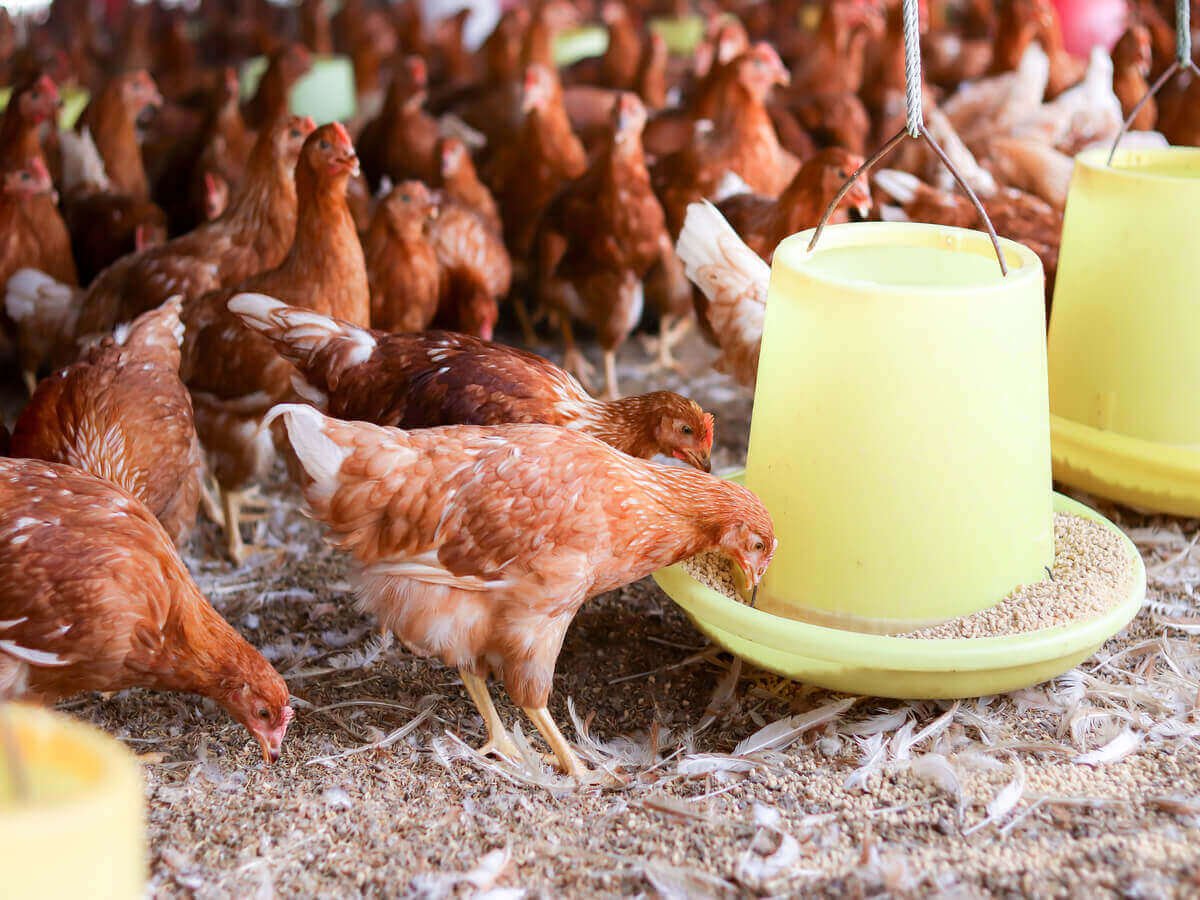
Best Poultry Farming Practices in Kenya
Kenya’s poultry industry continues to grow as demand for fresh chicken and eggs rises among households, restaurants, hotels, supermarkets, schools, caterers, institutions, and food processing businesses. This growth has created tremendous opportunities for poultry farmers while also increasing the need for higher production standards and responsible farming practices.
Successful poultry farming today is no longer based solely on increasing flock sizes. Modern poultry production requires careful planning, excellent animal welfare, strong biosecurity, sustainable resource management, and a commitment to producing safe, high-quality poultry products.
Whether managing a small family poultry enterprise or a large commercial operation, following proven farming practices helps improve efficiency, reduce risks, and build a more resilient agricultural business.
At Soba Renaissance, responsible poultry farming is at the heart of everything we do. Through sustainable agricultural practices, integrated farm-to-fork production, rigorous quality assurance, and continuous innovation, we are helping strengthen Kenya’s poultry industry while supplying premium fresh chicken to customers across the country.
This guide explores the best poultry farming practices that support long-term success.
Start with Careful Farm Planning
Every successful poultry enterprise begins with proper planning.
Before introducing birds, farmers should consider:
- Production objectives.
- Available land.
- Housing requirements.
- Water availability.
- Feed supply.
- Labour requirements.
- Target markets.
A well-planned operation provides a strong foundation for sustainable growth.
Invest in Quality Poultry Housing
Good housing protects birds while creating an environment that supports healthy growth.
Well-designed poultry houses should provide:
- Adequate ventilation.
- Protection from rain and extreme temperatures.
- Comfortable stocking densities.
- Clean and dry litter.
- Good drainage.
- Easy cleaning and maintenance.
Comfortable housing contributes to bird welfare and improved productivity.
Prioritise Balanced Nutrition
Nutrition is one of the most important factors influencing poultry performance.
Effective feeding programmes focus on:
- Balanced diets.
- Fresh, clean drinking water.
- Consistent feeding schedules.
- Proper feed storage.
- Efficient feed management.
Well-fed birds are generally healthier and better able to reach their production potential.
Maintain Strong Biosecurity
Disease prevention is essential for protecting poultry farms.
Effective biosecurity includes:
- Limiting unnecessary farm access.
- Cleaning and disinfecting equipment.
- Providing clean footwear and protective clothing where appropriate.
- Maintaining hygienic housing.
- Monitoring flock health regularly.
- Managing waste responsibly.
Preventive biosecurity helps reduce disease risks while supporting consistent production.
Monitor Bird Health Every Day
Routine observation allows farmers to identify potential issues early.
Daily monitoring should include:
- Bird activity.
- Feed and water consumption.
- General appearance.
- Behavior changes.
- Housing conditions.
- Environmental comfort.
Early intervention supports healthier flocks and better farm management.
Promote High Animal Welfare Standards
Responsible poultry farming places bird welfare at the centre of production.
Good welfare practices include:
- Comfortable housing.
- Adequate space.
- Proper nutrition.
- Continuous access to clean water.
- Reduced stress.
- Gentle handling.
Healthy birds contribute to consistent product quality and sustainable farming.
Use Resources Responsibly
Sustainable poultry farming depends on efficient resource management.
Best practices include:
- Conserving water.
- Reducing unnecessary waste.
- Improving energy efficiency.
- Recycling where appropriate.
- Responsible manure management.
At Soba Renaissance, responsible resource use forms an important part of our commitment to environmental sustainability.
Keep Accurate Farm Records
Reliable records support better decision-making and continuous improvement.
Useful farm records include:
- Feed consumption.
- Flock performance.
- Mortality.
- Vaccination schedules.
- Production output.
- Operational expenses.
Good record-keeping helps identify trends and improve long-term farm efficiency.
Strengthen Food Safety Throughout Production
Food safety begins long before poultry reaches consumers.
Professional poultry operations prioritise:
- Hygienic farm management.
- Clean handling practices.
- Quality assurance.
- Safe transportation.
- Proper storage.
- Traceability.
These systems help maintain customer confidence while supporting premium product quality.
Adopt Sustainable Farming Practices
Modern poultry farming increasingly focuses on long-term environmental responsibility.
Sustainable practices include:
- Responsible resource management.
- Environmental stewardship.
- Continuous operational improvement.
- Efficient production systems.
- Responsible waste reduction.
These initiatives help strengthen Kenya’s agricultural future while supporting resilient poultry production.
Embrace Continuous Learning and Innovation
The poultry industry continues to evolve through improved management techniques and technological advancement.
Successful farmers continually improve by learning about:
- Better production systems.
- Improved flock management.
- Biosecurity advancements.
- Sustainable farming methods.
- New agricultural technologies.
- Changing market demands.
Continuous improvement strengthens competitiveness and long-term success.
How Soba Renaissance Demonstrates Best Poultry Farming Practices
At Soba Renaissance, our farming philosophy is built on responsible production and continuous improvement.
Our commitment includes:
- Responsible poultry farming.
- Sustainable agriculture.
- Integrated farm-to-fork production.
- High animal welfare standards.
- Rigorous quality assurance.
- Food safety.
- Professional processing.
- Reliable supply.
- Environmental responsibility.
- Customer satisfaction.
These principles enable us to consistently deliver premium fresh chicken while contributing to the long-term development of Kenya’s poultry industry.
Frequently Asked Questions
What are the most important poultry farming practices?
The most important practices include proper planning, quality housing, balanced nutrition, strong biosecurity, responsible flock management, food safety, sustainability, and continuous learning.
Why is biosecurity important?
Biosecurity helps reduce disease risks, protects flock health, supports consistent production, and contributes to long-term farm success.
How does sustainability improve poultry farming?
Sustainable farming encourages efficient use of water, energy, and other resources, reduces waste, supports environmental conservation, and strengthens long-term productivity.
Why does Soba Renaissance emphasise responsible poultry farming?
Soba Renaissance believes premium poultry begins with responsible farming, sustainable agriculture, rigorous quality assurance, food safety, and continuous improvement. These values help us produce fresh, high-quality chicken while supporting Kenya’s agricultural future.
Building a Stronger Future Through Responsible Poultry Farming
The future of Kenya’s poultry industry depends on farmers who embrace responsible management, continuous improvement, and sustainable production. By investing in proper housing, balanced nutrition, strong biosecurity, animal welfare, food safety, and environmental stewardship, poultry farmers can build resilient businesses that consistently produce high-quality chicken.
At Soba Renaissance, we proudly demonstrate these best practices through sustainable agriculture, integrated farm-to-fork production, rigorous quality assurance, and a commitment to continuous innovation. Every chicken we produce reflects our dedication to responsible farming, premium quality, and long-term sustainability.
Whether you are an aspiring poultry farmer, an established producer, or a consumer who values responsibly produced food, Soba Renaissance remains committed to strengthening Kenya’s poultry industry through excellence, sustainability, and trust.
Choose Soba Renaissance a proudly Kenyan brand setting the standard for responsible poultry farming and premium fresh chicken.