
From Farm Plants to Natural Fragrances

Looking Beyond the Finished Product

Food and agricultural products reach consumers through a series of decisions that are easy to overlook. From Farm Plants to Natural Fragrances is an opportunity to examine those decisions more carefully. For Soba Renaissance, agriculture includes producing animal feed, growing fruits and vegetables, raising livestock and exploring natural botanicals. Each activity offers a different perspective on responsible production.

This guide looks at the steps that shape botanical fragrance materials, explains the significance of cultivation, harvesting, drying and extraction, and offers practical considerations for farmers and consumers. It is intended to build understanding rather than promise that any single practice automatically makes a product healthier, safer or certified organic.

1. Why This Topic Matters

The central issue is the steps that shape botanical fragrance materials. Decisions made at this stage can affect the efficiency, consistency and accountability of agricultural operations. For example, attention to cultivation, harvesting, drying and extraction can help producers identify what needs monitoring and where improvements may be possible.

It is useful to distinguish good intentions from verified outcomes. A practice may be promising, but its real value depends on implementation, local conditions, accurate records and regular evaluation. This distinction matters both for farm managers making operational decisions and for customers assessing product claims.

2. Understanding the Main Components

1. Cultivation

Cultivation is an important consideration within botanical extraction. Its significance depends on the specific crop, animal, plant material or production system involved. Good practice begins by identifying the intended purpose, the relevant risks and the appropriate methods for evaluating results. Farm records, observation and credible technical guidance can help turn this consideration into a practical management decision.

2. Harvesting

Harvesting is an important consideration within botanical extraction. Its significance depends on the specific crop, animal, plant material or production system involved. Good practice begins by identifying the intended purpose, the relevant risks and the appropriate methods for evaluating results. Farm records, observation and credible technical guidance can help turn this consideration into a practical management decision.

3. Drying and extraction

Drying and extraction is an important consideration within botanical extraction. Its significance depends on the specific crop, animal, plant material or production system involved. Good practice begins by identifying the intended purpose, the relevant risks and the appropriate methods for evaluating results. Farm records, observation and credible technical guidance can help turn this consideration into a practical management decision.

3. Common Misunderstandings to Avoid

A common mistake is confusing farm-grown with automatically pure. Such assumptions can obscure differences between farming methods, actual outcomes and claims that require verification. Terms such as organic, natural, clean and ethical have different meanings in different contexts; where certification or a particular standard is claimed, evidence should be available.

Another mistake is treating one good practice as proof that every stage of production is well managed. Agricultural quality depends on interconnected factors, including hygiene, appropriate inputs, worker knowledge, storage, handling and relevant safety controls. An honest assessment considers the whole system.

4. Practical Steps Farmers Can Take

An actionable starting point is to document extraction methods and ingredient origins. This can be supported by clear responsibilities, simple written procedures and periodic reviews. Farms do not always need complicated systems to begin improving; consistent records and regular checks often reveal where the most important problems occur.

For botanical extraction, suitable monitoring may include dates, quantities, observations, sourcing information, maintenance needs or other indicators appropriate to the activity. Farmers should choose measures that genuinely reflect their objectives rather than collecting data without a plan to use it.

When decisions involve animal health, food safety, chemical exposure or product certification, farmers should consult appropriately qualified professionals and follow applicable standards. Advice should be adapted to local conditions rather than copied indiscriminately from another operation.

5. What Consumers Can Look For

Consumers do not need to become farming specialists to ask useful questions. They can ask how producers approach the steps that shape botanical fragrance materials, what information is available about inputs and handling, and whether any advertised certifications can be verified. Specific answers are generally more informative than broad assurances.

Consumers can also pay attention to appropriate product storage, handling instructions and realistic claims. A transparent producer should be able to explain what is known, what is monitored and where limitations remain. This creates a more meaningful basis for trust.

6. Connecting the Topic to Sustainability

From Farm Plants to Natural Fragrances also connects to the wider discussion about sustainable agriculture. Sustainability considers environmental stewardship, practical economics, animal and human well-being, and the ability of farms to remain productive over time. Careful processing influences fragrance quality, but it should be evaluated alongside other impacts rather than treated as a complete sustainability measure.

Waste prevention, resource planning, soil stewardship and responsible handling can each contribute to better outcomes. Their relative importance varies between farms, seasons and product categories. Continuous improvement requires acknowledging those differences and measuring progress where possible.

7. The Soba Renaissance Perspective

At Soba Renaissance, we aim to connect our agricultural work with consumer education. Our involvement in animal feed, farm produce, livestock products and botanicals provides opportunities to discuss the steps that shape botanical fragrance materials in a practical way. We believe informed conversations help customers understand the journey behind agricultural products.

We also recognize the importance of precise language. Farming practices and product claims should be described accurately; organic certification, particular quality results and environmental benefits should not be assumed without appropriate evidence. Transparency means communicating both what a producer does and what can be substantiated.

8. Frequently Asked Questions

Why should I learn about botanical extraction?

Because it helps explain the decisions behind agricultural production and makes it easier to assess information about the steps that shape botanical fragrance materials.

Does one good farming practice guarantee a better product?

No. Product outcomes depend on multiple factors, including appropriate inputs, safety controls, handling and the conditions of production.

Is natural the same as certified organic?

No. Natural is not necessarily a certification claim. Organic claims may require compliance with specific standards and independent verification.

What is one useful first step for a farm?

A practical first step is to document extraction methods and ingredient origins, then document observations and review results.

How can consumers ask better questions?

Ask for specific information about sourcing, production practices, handling and any certification or testing that is being advertised.

Knowledge Makes Responsible Choices Possible

From Farm Plants to Natural Fragrances reminds us that responsible agriculture is built through many connected decisions. Understanding cultivation, harvesting, drying and extraction can help producers improve their practices and help consumers ask more meaningful questions. Careful processing influences fragrance quality.

Soba Renaissance welcomes conversations about farming, agricultural products and the practical steps that support more informed food choices.
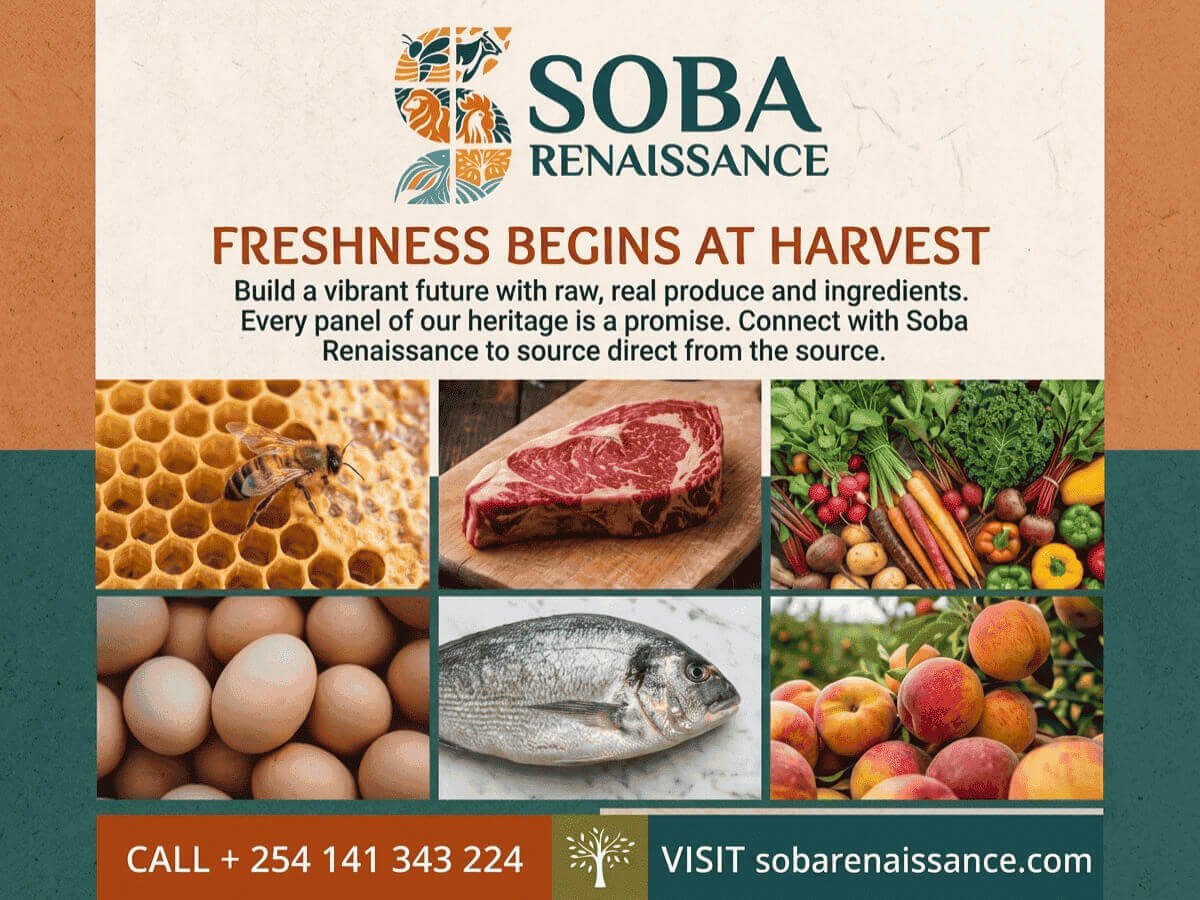

Freshness Begins at Harvest

Freshness Begins at Harvest: A Practical Guide to Responsible Agriculture

Food and agricultural products reach consumers through a series of decisions that are easy to overlook. Freshness Begins at Harvest is an opportunity to examine those decisions more carefully. For Soba Renaissance, agriculture includes producing animal feed, growing fruits and vegetables, raising livestock and exploring natural botanicals. Each activity offers a different perspective on responsible production.

This guide looks at the short period between picking and storage, explains the significance of harvest timing, gentle handling, shade and rapid cooling, and offers practical considerations for farmers and consumers. It is intended to build understanding rather than promise that any single practice automatically makes a product healthier, safer or certified organic.

1. Why This Topic Matters

The central issue is the short period between picking and storage. Decisions made at this stage can affect the efficiency, consistency and accountability of agricultural operations. For example, attention to harvest timing, gentle handling, shade and rapid cooling can help producers identify what needs monitoring and where improvements may be possible.

It is useful to distinguish good intentions from verified outcomes. A practice may be promising, but its real value depends on implementation, local conditions, accurate records and regular evaluation. This distinction matters both for farm managers making operational decisions and for customers assessing product claims.

2. Understanding the Main Components

1. Harvest timing

Harvest timing is an important consideration within fresh produce. Its significance depends on the specific crop, animal, plant material or production system involved. Good practice begins by identifying the intended purpose, the relevant risks and the appropriate methods for evaluating results. Farm records, observation and credible technical guidance can help turn this consideration into a practical management decision.

2. Gentle handling

Gentle handling is an important consideration within fresh produce. Its significance depends on the specific crop, animal, plant material or production system involved. Good practice begins by identifying the intended purpose, the relevant risks and the appropriate methods for evaluating results. Farm records, observation and credible technical guidance can help turn this consideration into a practical management decision.

3. Shade and rapid cooling

Shade and rapid cooling is an important consideration within fresh produce. Its significance depends on the specific crop, animal, plant material or production system involved. Good practice begins by identifying the intended purpose, the relevant risks and the appropriate methods for evaluating results. Farm records, observation and credible technical guidance can help turn this consideration into a practical management decision.

3. Common Misunderstandings to Avoid

A common mistake is leaving harvested produce in direct sun. Such assumptions can obscure differences between farming methods, actual outcomes and claims that require verification. Terms such as organic, natural, clean and ethical have different meanings in different contexts; where certification or a particular standard is claimed, evidence should be available.

Another mistake is treating one good practice as proof that every stage of production is well managed. Agricultural quality depends on interconnected factors, including hygiene, appropriate inputs, worker knowledge, storage, handling and relevant safety controls. An honest assessment considers the whole system.

4. Practical Steps Farmers Can Take

An actionable starting point is to harvest at suitable maturity and minimize delays. This can be supported by clear responsibilities, simple written procedures and periodic reviews. Farms do not always need complicated systems to begin improving; consistent records and regular checks often reveal where the most important problems occur.

For fresh produce, suitable monitoring may include dates, quantities, observations, sourcing information, maintenance needs or other indicators appropriate to the activity. Farmers should choose measures that genuinely reflect their objectives rather than collecting data without a plan to use it.

When decisions involve animal health, food safety, chemical exposure or product certification, farmers should consult appropriately qualified professionals and follow applicable standards. Advice should be adapted to local conditions rather than copied indiscriminately from another operation.

5. What Consumers Can Look For

Consumers do not need to become farming specialists to ask useful questions. They can ask how producers approach the short period between picking and storage, what information is available about inputs and handling, and whether any advertised certifications can be verified. Specific answers are generally more informative than broad assurances.

Consumers can also pay attention to appropriate product storage, handling instructions and realistic claims. A transparent producer should be able to explain what is known, what is monitored and where limitations remain. This creates a more meaningful basis for trust.

6. Connecting the Topic to Sustainability

Freshness Begins at Harvest also connects to the wider discussion about sustainable agriculture. Sustainability considers environmental stewardship, practical economics, animal and human well-being, and the ability of farms to remain productive over time. Careful harvest practices help preserve produce quality, but it should be evaluated alongside other impacts rather than treated as a complete sustainability measure.

Waste prevention, resource planning, soil stewardship and responsible handling can each contribute to better outcomes. Their relative importance varies between farms, seasons and product categories. Continuous improvement requires acknowledging those differences and measuring progress where possible.

7. The Soba Renaissance Perspective

At Soba Renaissance, we aim to connect our agricultural work with consumer education. Our involvement in animal feed, farm produce, livestock products and botanicals provides opportunities to discuss the short period between picking and storage in a practical way. We believe informed conversations help customers understand the journey behind agricultural products.

We also recognize the importance of precise language. Farming practices and product claims should be described accurately; organic certification, particular quality results and environmental benefits should not be assumed without appropriate evidence. Transparency means communicating both what a producer does and what can be substantiated.

8. Frequently Asked Questions

Why should I learn about fresh produce?

Because it helps explain the decisions behind agricultural production and makes it easier to assess information about the short period between picking and storage.

Does one good farming practice guarantee a better product?

No. Product outcomes depend on multiple factors, including appropriate inputs, safety controls, handling and the conditions of production.

Is natural the same as certified organic?

No. Natural is not necessarily a certification claim. Organic claims may require compliance with specific standards and independent verification.

What is one useful first step for a farm?

A practical first step is to harvest at suitable maturity and minimize delays, then document observations and review results.

How can consumers ask better questions?

Ask for specific information about sourcing, production practices, handling and any certification or testing that is being advertised.

Knowledge Makes Responsible Choices Possible

Freshness Begins at Harvest reminds us that responsible agriculture is built through many connected decisions. Understanding harvest timing, gentle handling, shade and rapid cooling can help producers improve their practices and help consumers ask more meaningful questions. Careful harvest practices help preserve produce quality.

Soba Renaissance welcomes conversations about farming, agricultural products and the practical steps that support more informed food choices.
Growing Botanicals Responsibly

Growing Botanicals Responsibly: A Practical Guide to Responsible Agriculture

Food and agricultural products reach consumers through a series of decisions that are easy to overlook. Growing Botanicals Responsibly is an opportunity to examine those decisions more carefully. For Soba Renaissance, agriculture includes producing animal feed, growing fruits and vegetables, raising livestock and exploring natural botanicals. Each activity offers a different perspective on responsible production.

This guide looks at environmental choices in botanical cultivation, explains the significance of soil stewardship, water use and harvest timing, and offers practical considerations for farmers and consumers. It is intended to build understanding rather than promise that any single practice automatically makes a product healthier, safer or certified organic.

1. Why This Topic Matters

The central issue is environmental choices in botanical cultivation. Decisions made at this stage can affect the efficiency, consistency and accountability of agricultural operations. For example, attention to soil stewardship, water use and harvest timing can help producers identify what needs monitoring and where improvements may be possible.

It is useful to distinguish good intentions from verified outcomes. A practice may be promising, but its real value depends on implementation, local conditions, accurate records and regular evaluation. This distinction matters both for farm managers making operational decisions and for customers assessing product claims.

2. Understanding the Main Components

1. Soil stewardship

Soil stewardship is an important consideration within sustainable botanicals. Its significance depends on the specific crop, animal, plant material or production system involved. Good practice begins by identifying the intended purpose, the relevant risks and the appropriate methods for evaluating results. Farm records, observation and credible technical guidance can help turn this consideration into a practical management decision.

2. Water use and harvest timing

Water use and harvest timing is an important consideration within sustainable botanicals. Its significance depends on the specific crop, animal, plant material or production system involved. Good practice begins by identifying the intended purpose, the relevant risks and the appropriate methods for evaluating results. Farm records, observation and credible technical guidance can help turn this consideration into a practical management decision.

3. Common Misunderstandings to Avoid

A common mistake is overharvesting plants without regeneration. Such assumptions can obscure differences between farming methods, actual outcomes and claims that require verification. Terms such as organic, natural, clean and ethical have different meanings in different contexts; where certification or a particular standard is claimed, evidence should be available.

Another mistake is treating one good practice as proof that every stage of production is well managed. Agricultural quality depends on interconnected factors, including hygiene, appropriate inputs, worker knowledge, storage, handling and relevant safety controls. An honest assessment considers the whole system.

4. Practical Steps Farmers Can Take

An actionable starting point is to plan harvests and monitor resource use. This can be supported by clear responsibilities, simple written procedures and periodic reviews. Farms do not always need complicated systems to begin improving; consistent records and regular checks often reveal where the most important problems occur.

For sustainable botanicals, suitable monitoring may include dates, quantities, observations, sourcing information, maintenance needs or other indicators appropriate to the activity. Farmers should choose measures that genuinely reflect their objectives rather than collecting data without a plan to use it.

When decisions involve animal health, food safety, chemical exposure or product certification, farmers should consult appropriately qualified professionals and follow applicable standards. Advice should be adapted to local conditions rather than copied indiscriminately from another operation.

5. What Consumers Can Look For

Consumers do not need to become farming specialists to ask useful questions. They can ask how producers approach environmental choices in botanical cultivation, what information is available about inputs and handling, and whether any advertised certifications can be verified. Specific answers are generally more informative than broad assurances.

Consumers can also pay attention to appropriate product storage, handling instructions and realistic claims. A transparent producer should be able to explain what is known, what is monitored and where limitations remain. This creates a more meaningful basis for trust.

6. Connecting the Topic to Sustainability

Growing Botanicals Responsibly also connects to the wider discussion about sustainable agriculture. Sustainability considers environmental stewardship, practical economics, animal and human well-being, and the ability of farms to remain productive over time. Responsible cultivation supports long-term supply, but it should be evaluated alongside other impacts rather than treated as a complete sustainability measure.

Waste prevention, resource planning, soil stewardship and responsible handling can each contribute to better outcomes. Their relative importance varies between farms, seasons and product categories. Continuous improvement requires acknowledging those differences and measuring progress where possible.

7. The Soba Renaissance Perspective

At Soba Renaissance, we aim to connect our agricultural work with consumer education. Our involvement in animal feed, farm produce, livestock products and botanicals provides opportunities to discuss environmental choices in botanical cultivation in a practical way. We believe informed conversations help customers understand the journey behind agricultural products.

We also recognize the importance of precise language. Farming practices and product claims should be described accurately; organic certification, particular quality results and environmental benefits should not be assumed without appropriate evidence. Transparency means communicating both what a producer does and what can be substantiated.

8. Frequently Asked Questions

Why should I learn about sustainable botanicals?

Because it helps explain the decisions behind agricultural production and makes it easier to assess information about environmental choices in botanical cultivation.

Does one good farming practice guarantee a better product?

No. Product outcomes depend on multiple factors, including appropriate inputs, safety controls, handling and the conditions of production.

Is natural the same as certified organic?

No. Natural is not necessarily a certification claim. Organic claims may require compliance with specific standards and independent verification.

What is one useful first step for a farm?

A practical first step is to plan harvests and monitor resource use, then document observations and review results.

How can consumers ask better questions?

Ask for specific information about sourcing, production practices, handling and any certification or testing that is being advertised.

Knowledge Makes Responsible Choices Possible

Growing Botanicals Responsibly reminds us that responsible agriculture is built through many connected decisions. Understanding soil stewardship, water use and harvest timing can help producers improve their practices and help consumers ask more meaningful questions. Responsible cultivation supports long-term supply.

Soba Renaissance welcomes conversations about farming, agricultural products and the practical steps that support more informed food choices.

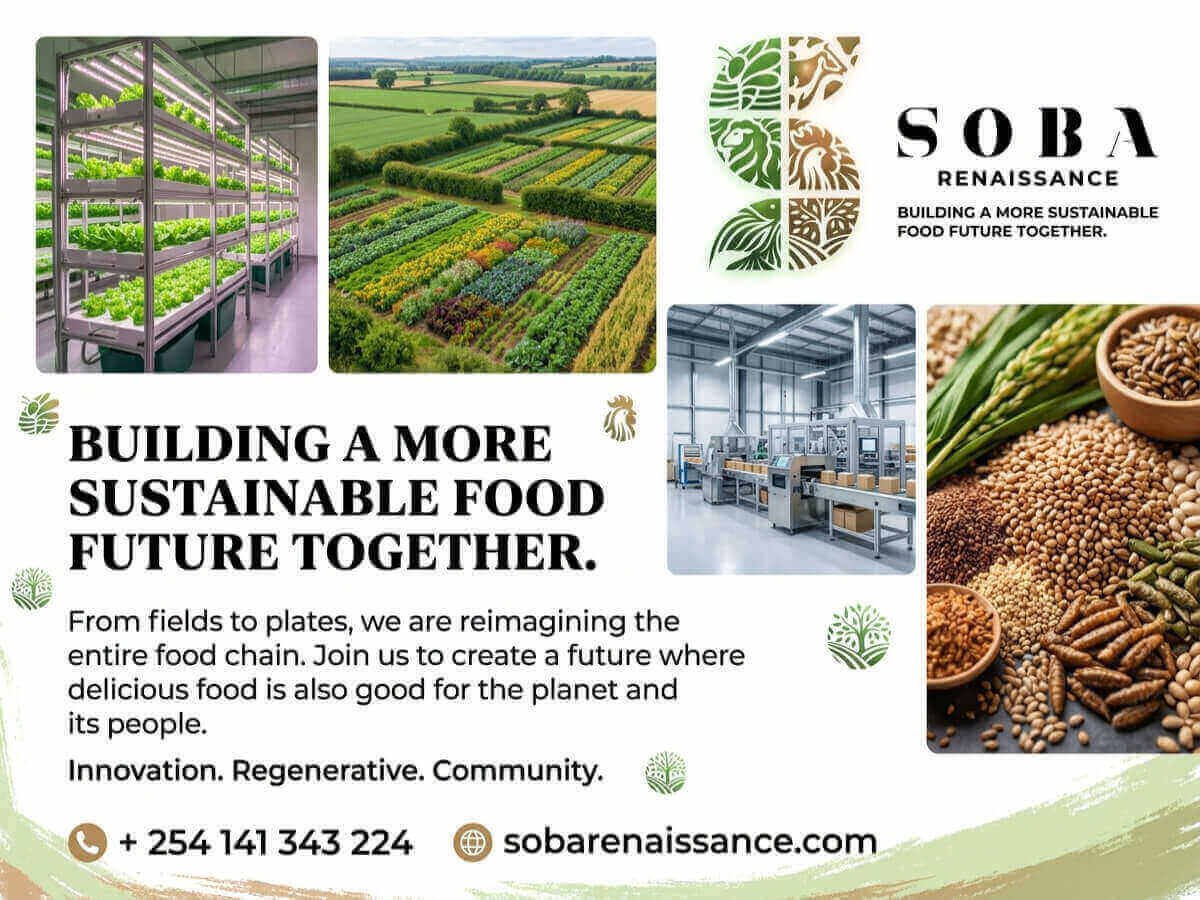
Building a More Sustainable Food Future Together

Building a More Sustainable Food Future Together: A Practical Guide to Responsible Agriculture

Food and agricultural products reach consumers through a series of decisions that are easy to overlook. Building a More Sustainable Food Future Together is an opportunity to examine those decisions more carefully. For Soba Renaissance, agriculture includes producing animal feed, growing fruits and vegetables, raising livestock and exploring natural botanicals. Each activity offers a different perspective on responsible production.

This guide looks at shared responsibility across producers and consumers, explains the significance of soil care, animal welfare, responsible inputs and community learning, and offers practical considerations for farmers and consumers. It is intended to build understanding rather than promise that any single practice automatically makes a product healthier, safer or certified organic.

1. Why This Topic Matters

The central issue is shared responsibility across producers and consumers. Decisions made at this stage can affect the efficiency, consistency and accountability of agricultural operations. For example, attention to soil care, animal welfare, responsible inputs and community learning can help producers identify what needs monitoring and where improvements may be possible.

It is useful to distinguish good intentions from verified outcomes. A practice may be promising, but its real value depends on implementation, local conditions, accurate records and regular evaluation. This distinction matters both for farm managers making operational decisions and for customers assessing product claims.

2. Understanding the Main Components

1. Soil care

Soil care is an important consideration within future of food. Its significance depends on the specific crop, animal, plant material or production system involved. Good practice begins by identifying the intended purpose, the relevant risks and the appropriate methods for evaluating results. Farm records, observation and credible technical guidance can help turn this consideration into a practical management decision.

2. Animal welfare

Animal welfare is an important consideration within future of food. Its significance depends on the specific crop, animal, plant material or production system involved. Good practice begins by identifying the intended purpose, the relevant risks and the appropriate methods for evaluating results. Farm records, observation and credible technical guidance can help turn this consideration into a practical management decision.

3. Responsible inputs and community learning

Responsible inputs and community learning is an important consideration within future of food. Its significance depends on the specific crop, animal, plant material or production system involved. Good practice begins by identifying the intended purpose, the relevant risks and the appropriate methods for evaluating results. Farm records, observation and credible technical guidance can help turn this consideration into a practical management decision.

3. Common Misunderstandings to Avoid

A common mistake is promising sustainability without measurable actions. Such assumptions can obscure differences between farming methods, actual outcomes and claims that require verification. Terms such as organic, natural, clean and ethical have different meanings in different contexts; where certification or a particular standard is claimed, evidence should be available.

Another mistake is treating one good practice as proof that every stage of production is well managed. Agricultural quality depends on interconnected factors, including hygiene, appropriate inputs, worker knowledge, storage, handling and relevant safety controls. An honest assessment considers the whole system.

4. Practical Steps Farmers Can Take

An actionable starting point is to set goals, track improvements and communicate clearly. This can be supported by clear responsibilities, simple written procedures and periodic reviews. Farms do not always need complicated systems to begin improving; consistent records and regular checks often reveal where the most important problems occur.

For future of food, suitable monitoring may include dates, quantities, observations, sourcing information, maintenance needs or other indicators appropriate to the activity. Farmers should choose measures that genuinely reflect their objectives rather than collecting data without a plan to use it.

When decisions involve animal health, food safety, chemical exposure or product certification, farmers should consult appropriately qualified professionals and follow applicable standards. Advice should be adapted to local conditions rather than copied indiscriminately from another operation.

5. What Consumers Can Look For

Consumers do not need to become farming specialists to ask useful questions. They can ask how producers approach shared responsibility across producers and consumers, what information is available about inputs and handling, and whether any advertised certifications can be verified. Specific answers are generally more informative than broad assurances.

Consumers can also pay attention to appropriate product storage, handling instructions and realistic claims. A transparent producer should be able to explain what is known, what is monitored and where limitations remain. This creates a more meaningful basis for trust.

6. Connecting the Topic to Sustainability

Building a More Sustainable Food Future Together also connects to the wider discussion about sustainable agriculture. Sustainability considers environmental stewardship, practical economics, animal and human well-being, and the ability of farms to remain productive over time. Lasting progress needs cooperation and evidence, but it should be evaluated alongside other impacts rather than treated as a complete sustainability measure.

Waste prevention, resource planning, soil stewardship and responsible handling can each contribute to better outcomes. Their relative importance varies between farms, seasons and product categories. Continuous improvement requires acknowledging those differences and measuring progress where possible.

7. The Soba Renaissance Perspective

At Soba Renaissance, we aim to connect our agricultural work with consumer education. Our involvement in animal feed, farm produce, livestock products and botanicals provides opportunities to discuss shared responsibility across producers and consumers in a practical way. We believe informed conversations help customers understand the journey behind agricultural products.

We also recognize the importance of precise language. Farming practices and product claims should be described accurately; organic certification, particular quality results and environmental benefits should not be assumed without appropriate evidence. Transparency means communicating both what a producer does and what can be substantiated.

8. Frequently Asked Questions

Why should I learn about future of food?

Because it helps explain the decisions behind agricultural production and makes it easier to assess information about shared responsibility across producers and consumers.

Does one good farming practice guarantee a better product?

No. Product outcomes depend on multiple factors, including appropriate inputs, safety controls, handling and the conditions of production.

Is natural the same as certified organic?

No. Natural is not necessarily a certification claim. Organic claims may require compliance with specific standards and independent verification.

What is one useful first step for a farm?

A practical first step is to set goals, track improvements and communicate clearly, then document observations and review results.

How can consumers ask better questions?

Ask for specific information about sourcing, production practices, handling and any certification or testing that is being advertised.

Knowledge Makes Responsible Choices Possible

Building a More Sustainable Food Future Together reminds us that responsible agriculture is built through many connected decisions. Understanding soil care, animal welfare, responsible inputs and community learning can help producers improve their practices and help consumers ask more meaningful questions. Lasting progress needs cooperation and evidence.

Soba Renaissance welcomes conversations about farming, agricultural products and the practical steps that support more informed food choices.
Choosing Quality Meat for Your Family

Choosing Quality Meat for Your Family: A Practical Guide to Responsible Agriculture

Food and agricultural products reach consumers through a series of decisions that are easy to overlook. Choosing Quality Meat for Your Family is an opportunity to examine those decisions more carefully. For Soba Renaissance, agriculture includes producing animal feed, growing fruits and vegetables, raising livestock and exploring natural botanicals. Each activity offers a different perspective on responsible production.

This guide looks at consumer choices from shop to kitchen, explains the significance of reliable sourcing, refrigeration, hygiene and cooking, and offers practical considerations for farmers and consumers. It is intended to build understanding rather than promise that any single practice automatically makes a product healthier, safer or certified organic.

1. Why This Topic Matters

The central issue is consumer choices from shop to kitchen. Decisions made at this stage can affect the efficiency, consistency and accountability of agricultural operations. For example, attention to reliable sourcing, refrigeration, hygiene and cooking can help producers identify what needs monitoring and where improvements may be possible.

It is useful to distinguish good intentions from verified outcomes. A practice may be promising, but its real value depends on implementation, local conditions, accurate records and regular evaluation. This distinction matters both for farm managers making operational decisions and for customers assessing product claims.

2. Understanding the Main Components

1. Reliable sourcing

Reliable sourcing is an important consideration within meat selection and safety. Its significance depends on the specific crop, animal, plant material or production system involved. Good practice begins by identifying the intended purpose, the relevant risks and the appropriate methods for evaluating results. Farm records, observation and credible technical guidance can help turn this consideration into a practical management decision.

2. Refrigeration

Refrigeration is an important consideration within meat selection and safety. Its significance depends on the specific crop, animal, plant material or production system involved. Good practice begins by identifying the intended purpose, the relevant risks and the appropriate methods for evaluating results. Farm records, observation and credible technical guidance can help turn this consideration into a practical management decision.

3. Hygiene and cooking

Hygiene and cooking is an important consideration within meat selection and safety. Its significance depends on the specific crop, animal, plant material or production system involved. Good practice begins by identifying the intended purpose, the relevant risks and the appropriate methods for evaluating results. Farm records, observation and credible technical guidance can help turn this consideration into a practical management decision.

3. Common Misunderstandings to Avoid

A common mistake is judging food safety from colour alone. Such assumptions can obscure differences between farming methods, actual outcomes and claims that require verification. Terms such as organic, natural, clean and ethical have different meanings in different contexts; where certification or a particular standard is claimed, evidence should be available.

Another mistake is treating one good practice as proof that every stage of production is well managed. Agricultural quality depends on interconnected factors, including hygiene, appropriate inputs, worker knowledge, storage, handling and relevant safety controls. An honest assessment considers the whole system.

4. Practical Steps Farmers Can Take

An actionable starting point is to check storage, prevent cross-contamination and cook appropriately. This can be supported by clear responsibilities, simple written procedures and periodic reviews. Farms do not always need complicated systems to begin improving; consistent records and regular checks often reveal where the most important problems occur.

For meat selection and safety, suitable monitoring may include dates, quantities, observations, sourcing information, maintenance needs or other indicators appropriate to the activity. Farmers should choose measures that genuinely reflect their objectives rather than collecting data without a plan to use it.

When decisions involve animal health, food safety, chemical exposure or product certification, farmers should consult appropriately qualified professionals and follow applicable standards. Advice should be adapted to local conditions rather than copied indiscriminately from another operation.

5. What Consumers Can Look For

Consumers do not need to become farming specialists to ask useful questions. They can ask how producers approach consumer choices from shop to kitchen, what information is available about inputs and handling, and whether any advertised certifications can be verified. Specific answers are generally more informative than broad assurances.

Consumers can also pay attention to appropriate product storage, handling instructions and realistic claims. A transparent producer should be able to explain what is known, what is monitored and where limitations remain. This creates a more meaningful basis for trust.

6. Connecting the Topic to Sustainability

Choosing Quality Meat for Your Family also connects to the wider discussion about sustainable agriculture. Sustainability considers environmental stewardship, practical economics, animal and human well-being, and the ability of farms to remain productive over time. Safe handling matters after the farm, but it should be evaluated alongside other impacts rather than treated as a complete sustainability measure.

Waste prevention, resource planning, soil stewardship and responsible handling can each contribute to better outcomes. Their relative importance varies between farms, seasons and product categories. Continuous improvement requires acknowledging those differences and measuring progress where possible.

7. The Soba Renaissance Perspective

At Soba Renaissance, we aim to connect our agricultural work with consumer education. Our involvement in animal feed, farm produce, livestock products and botanicals provides opportunities to discuss consumer choices from shop to kitchen in a practical way. We believe informed conversations help customers understand the journey behind agricultural products.

We also recognize the importance of precise language. Farming practices and product claims should be described accurately; organic certification, particular quality results and environmental benefits should not be assumed without appropriate evidence. Transparency means communicating both what a producer does and what can be substantiated.

8. Frequently Asked Questions

Why should I learn about meat selection and safety?

Because it helps explain the decisions behind agricultural production and makes it easier to assess information about consumer choices from shop to kitchen.

Does one good farming practice guarantee a better product?

No. Product outcomes depend on multiple factors, including appropriate inputs, safety controls, handling and the conditions of production.

Is natural the same as certified organic?

No. Natural is not necessarily a certification claim. Organic claims may require compliance with specific standards and independent verification.

What is one useful first step for a farm?

A practical first step is to check storage, prevent cross-contamination and cook appropriately, then document observations and review results.

How can consumers ask better questions?

Ask for specific information about sourcing, production practices, handling and any certification or testing that is being advertised.

Knowledge Makes Responsible Choices Possible

Choosing Quality Meat for Your Family reminds us that responsible agriculture is built through many connected decisions. Understanding reliable sourcing, refrigeration, hygiene and cooking can help producers improve their practices and help consumers ask more meaningful questions. Safe handling matters after the farm.

Soba Renaissance welcomes conversations about farming, agricultural products and the practical steps that support more informed food choices.

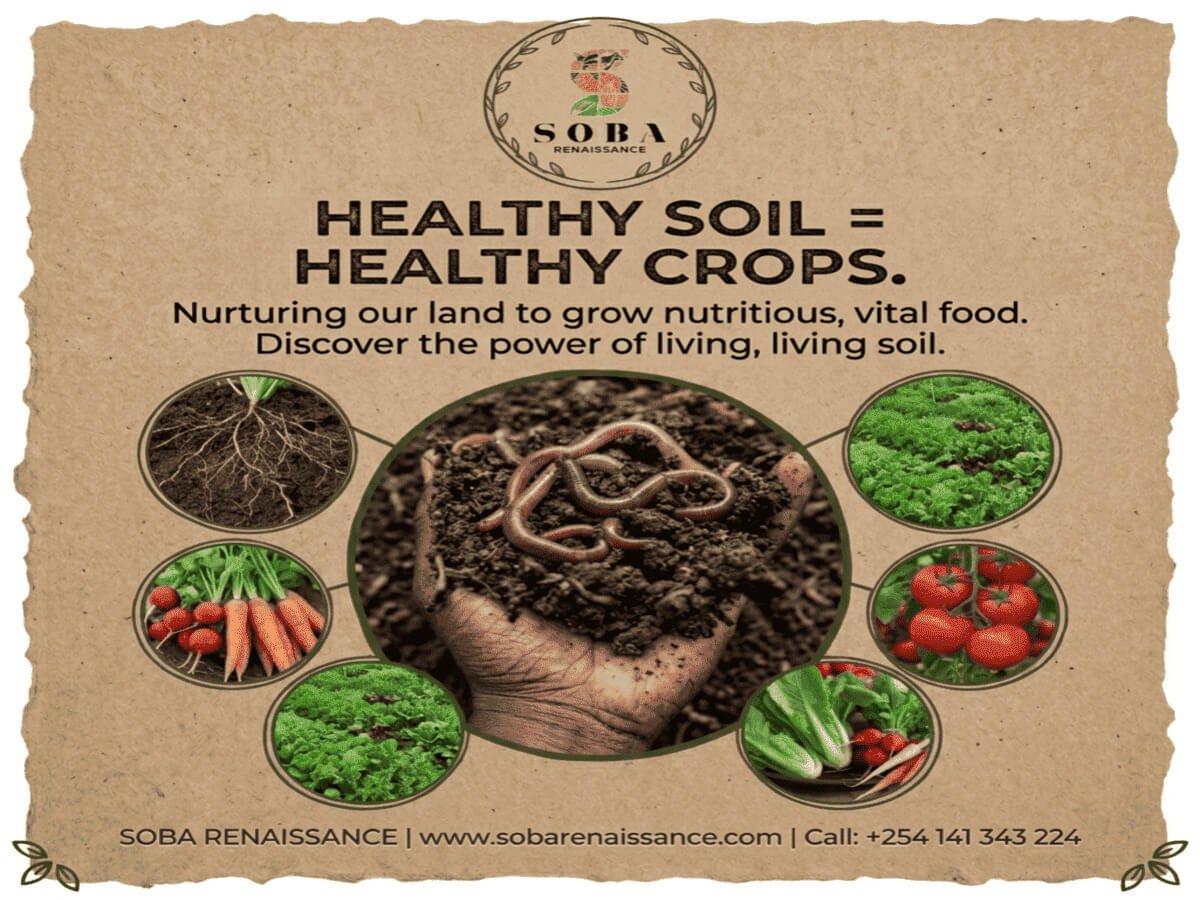
From Healthy Soil to Healthy Crops

From Healthy Soil to Healthy Crops: A Practical Guide to Responsible Agriculture

Food and agricultural products reach consumers through a series of decisions that are easy to overlook. From Healthy Soil to Healthy Crops is an opportunity to examine those decisions more carefully. For Soba Renaissance, agriculture includes producing animal feed, growing fruits and vegetables, raising livestock and exploring natural botanicals. Each activity offers a different perspective on responsible production.

This guide looks at the foundations of productive crop growth, explains the significance of soil organic matter, structure, nutrients and living organisms, and offers practical considerations for farmers and consumers. It is intended to build understanding rather than promise that any single practice automatically makes a product healthier, safer or certified organic.

1. Why This Topic Matters

The central issue is the foundations of productive crop growth. Decisions made at this stage can affect the efficiency, consistency and accountability of agricultural operations. For example, attention to soil organic matter, structure, nutrients and living organisms can help producers identify what needs monitoring and where improvements may be possible.

It is useful to distinguish good intentions from verified outcomes. A practice may be promising, but its real value depends on implementation, local conditions, accurate records and regular evaluation. This distinction matters both for farm managers making operational decisions and for customers assessing product claims.

2. Understanding the Main Components

1. Soil organic matter

Soil organic matter is an important consideration within soil health. Its significance depends on the specific crop, animal, plant material or production system involved. Good practice begins by identifying the intended purpose, the relevant risks and the appropriate methods for evaluating results. Farm records, observation and credible technical guidance can help turn this consideration into a practical management decision.

2. Structure

Structure is an important consideration within soil health. Its significance depends on the specific crop, animal, plant material or production system involved. Good practice begins by identifying the intended purpose, the relevant risks and the appropriate methods for evaluating results. Farm records, observation and credible technical guidance can help turn this consideration into a practical management decision.

3. Nutrients and living organisms

Nutrients and living organisms is an important consideration within soil health. Its significance depends on the specific crop, animal, plant material or production system involved. Good practice begins by identifying the intended purpose, the relevant risks and the appropriate methods for evaluating results. Farm records, observation and credible technical guidance can help turn this consideration into a practical management decision.

3. Common Misunderstandings to Avoid

A common mistake is treating soil as an inert container. Such assumptions can obscure differences between farming methods, actual outcomes and claims that require verification. Terms such as organic, natural, clean and ethical have different meanings in different contexts; where certification or a particular standard is claimed, evidence should be available.

Another mistake is treating one good practice as proof that every stage of production is well managed. Agricultural quality depends on interconnected factors, including hygiene, appropriate inputs, worker knowledge, storage, handling and relevant safety controls. An honest assessment considers the whole system.

4. Practical Steps Farmers Can Take

An actionable starting point is to use soil tests, mulching and suitable organic amendments. This can be supported by clear responsibilities, simple written procedures and periodic reviews. Farms do not always need complicated systems to begin improving; consistent records and regular checks often reveal where the most important problems occur.

For soil health, suitable monitoring may include dates, quantities, observations, sourcing information, maintenance needs or other indicators appropriate to the activity. Farmers should choose measures that genuinely reflect their objectives rather than collecting data without a plan to use it.

When decisions involve animal health, food safety, chemical exposure or product certification, farmers should consult appropriately qualified professionals and follow applicable standards. Advice should be adapted to local conditions rather than copied indiscriminately from another operation.

5. What Consumers Can Look For

Consumers do not need to become farming specialists to ask useful questions. They can ask how producers approach the foundations of productive crop growth, what information is available about inputs and handling, and whether any advertised certifications can be verified. Specific answers are generally more informative than broad assurances.

Consumers can also pay attention to appropriate product storage, handling instructions and realistic claims. A transparent producer should be able to explain what is known, what is monitored and where limitations remain. This creates a more meaningful basis for trust.

6. Connecting the Topic to Sustainability

From Healthy Soil to Healthy Crops also connects to the wider discussion about sustainable agriculture. Sustainability considers environmental stewardship, practical economics, animal and human well-being, and the ability of farms to remain productive over time. Healthy soil management underpins crop production, but it should be evaluated alongside other impacts rather than treated as a complete sustainability measure.

Waste prevention, resource planning, soil stewardship and responsible handling can each contribute to better outcomes. Their relative importance varies between farms, seasons and product categories. Continuous improvement requires acknowledging those differences and measuring progress where possible.

7. The Soba Renaissance Perspective

At Soba Renaissance, we aim to connect our agricultural work with consumer education. Our involvement in animal feed, farm produce, livestock products and botanicals provides opportunities to discuss the foundations of productive crop growth in a practical way. We believe informed conversations help customers understand the journey behind agricultural products.

We also recognize the importance of precise language. Farming practices and product claims should be described accurately; organic certification, particular quality results and environmental benefits should not be assumed without appropriate evidence. Transparency means communicating both what a producer does and what can be substantiated.

8. Frequently Asked Questions

Why should I learn about soil health?

Because it helps explain the decisions behind agricultural production and makes it easier to assess information about the foundations of productive crop growth.

Does one good farming practice guarantee a better product?

No. Product outcomes depend on multiple factors, including appropriate inputs, safety controls, handling and the conditions of production.

Is natural the same as certified organic?

No. Natural is not necessarily a certification claim. Organic claims may require compliance with specific standards and independent verification.

What is one useful first step for a farm?

A practical first step is to use soil tests, mulching and suitable organic amendments, then document observations and review results.

How can consumers ask better questions?

Ask for specific information about sourcing, production practices, handling and any certification or testing that is being advertised.

Knowledge Makes Responsible Choices Possible

From Healthy Soil to Healthy Crops reminds us that responsible agriculture is built through many connected decisions. Understanding soil organic matter, structure, nutrients and living organisms can help producers improve their practices and help consumers ask more meaningful questions. Healthy soil management underpins crop production.

Soba Renaissance welcomes conversations about farming, agricultural products and the practical steps that support more informed food choices.

Adding More Colour to Your Plate

Looking Beyond the Finished Product

Food and agricultural products reach consumers through a series of decisions that are easy to overlook. Adding More Colour to Your Plate is an opportunity to examine those decisions more carefully. For Soba Renaissance, agriculture includes producing animal feed, growing fruits and vegetables, raising livestock and exploring natural botanicals. Each activity offers a different perspective on responsible production.

This guide looks at dietary variety and practical meal composition, explains the significance of leafy greens, orange vegetables, red fruits and seasonal variety, and offers practical considerations for farmers and consumers. It is intended to build understanding rather than promise that any single practice automatically makes a product healthier, safer or certified organic.

1. Why This Topic Matters

The central issue is dietary variety and practical meal composition. Decisions made at this stage can affect the efficiency, consistency and accountability of agricultural operations. For example, attention to leafy greens, orange vegetables, red fruits and seasonal variety can help producers identify what needs monitoring and where improvements may be possible.

It is useful to distinguish good intentions from verified outcomes. A practice may be promising, but its real value depends on implementation, local conditions, accurate records and regular evaluation. This distinction matters both for farm managers making operational decisions and for customers assessing product claims.

2. Understanding the Main Components

1. Leafy greens

Leafy greens is an important consideration within food diversity. Its significance depends on the specific crop, animal, plant material or production system involved. Good practice begins by identifying the intended purpose, the relevant risks and the appropriate methods for evaluating results. Farm records, observation and credible technical guidance can help turn this consideration into a practical management decision.

2. Orange vegetables

Orange vegetables is an important consideration within food diversity. Its significance depends on the specific crop, animal, plant material or production system involved. Good practice begins by identifying the intended purpose, the relevant risks and the appropriate methods for evaluating results. Farm records, observation and credible technical guidance can help turn this consideration into a practical management decision.

3. Red fruits and seasonal variety

Red fruits and seasonal variety is an important consideration within food diversity. Its significance depends on the specific crop, animal, plant material or production system involved. Good practice begins by identifying the intended purpose, the relevant risks and the appropriate methods for evaluating results. Farm records, observation and credible technical guidance can help turn this consideration into a practical management decision.

3. Common Misunderstandings to Avoid

A common mistake is treating one produce item as a cure-all. Such assumptions can obscure differences between farming methods, actual outcomes and claims that require verification. Terms such as organic, natural, clean and ethical have different meanings in different contexts; where certification or a particular standard is claimed, evidence should be available.

Another mistake is treating one good practice as proof that every stage of production is well managed. Agricultural quality depends on interconnected factors, including hygiene, appropriate inputs, worker knowledge, storage, handling and relevant safety controls. An honest assessment considers the whole system.

4. Practical Steps Farmers Can Take

An actionable starting point is to include a variety of vegetables and fruits in meals. This can be supported by clear responsibilities, simple written procedures and periodic reviews. Farms do not always need complicated systems to begin improving; consistent records and regular checks often reveal where the most important problems occur.

For food diversity, suitable monitoring may include dates, quantities, observations, sourcing information, maintenance needs or other indicators appropriate to the activity. Farmers should choose measures that genuinely reflect their objectives rather than collecting data without a plan to use it.

When decisions involve animal health, food safety, chemical exposure or product certification, farmers should consult appropriately qualified professionals and follow applicable standards. Advice should be adapted to local conditions rather than copied indiscriminately from another operation.

5. What Consumers Can Look For

Consumers do not need to become farming specialists to ask useful questions. They can ask how producers approach dietary variety and practical meal composition, what information is available about inputs and handling, and whether any advertised certifications can be verified. Specific answers are generally more informative than broad assurances.

Consumers can also pay attention to appropriate product storage, handling instructions and realistic claims. A transparent producer should be able to explain what is known, what is monitored and where limitations remain. This creates a more meaningful basis for trust.

6. Connecting the Topic to Sustainability

Adding More Colour to Your Plate also connects to the wider discussion about sustainable agriculture. Sustainability considers environmental stewardship, practical economics, animal and human well-being, and the ability of farms to remain productive over time. Colourful produce can contribute varied nutrients, but it should be evaluated alongside other impacts rather than treated as a complete sustainability measure.

Waste prevention, resource planning, soil stewardship and responsible handling can each contribute to better outcomes. Their relative importance varies between farms, seasons and product categories. Continuous improvement requires acknowledging those differences and measuring progress where possible.

7. The Soba Renaissance Perspective

At Soba Renaissance, we aim to connect our agricultural work with consumer education. Our involvement in animal feed, farm produce, livestock products and botanicals provides opportunities to discuss dietary variety and practical meal composition in a practical way. We believe informed conversations help customers understand the journey behind agricultural products.

We also recognize the importance of precise language. Farming practices and product claims should be described accurately; organic certification, particular quality results and environmental benefits should not be assumed without appropriate evidence. Transparency means communicating both what a producer does and what can be substantiated.

8. Frequently Asked Questions

Why should I learn about food diversity?

Because it helps explain the decisions behind agricultural production and makes it easier to assess information about dietary variety and practical meal composition.

Does one good farming practice guarantee a better product?

No. Product outcomes depend on multiple factors, including appropriate inputs, safety controls, handling and the conditions of production.

Is natural the same as certified organic?

No. Natural is not necessarily a certification claim. Organic claims may require compliance with specific standards and independent verification.

What is one useful first step for a farm?

A practical first step is to include a variety of vegetables and fruits in meals, then document observations and review results.

How can consumers ask better questions?

Ask for specific information about sourcing, production practices, handling and any certification or testing that is being advertised.

Knowledge Makes Responsible Choices Possible

Adding More Colour to Your Plate reminds us that responsible agriculture is built through many connected decisions. Understanding leafy greens, orange vegetables, red fruits and seasonal variety can help producers improve their practices and help consumers ask more meaningful questions. Colourful produce can contribute varied nutrients.

Soba Renaissance welcomes conversations about farming, agricultural products and the practical steps that support more informed food choices.

Discovering the World of Natural Botanicals

Looking Beyond the Finished Product

Food and agricultural products reach consumers through a series of decisions that are easy to overlook. Discovering the World of Natural Botanicals is an opportunity to examine those decisions more carefully. For Soba Renaissance, agriculture includes producing animal feed, growing fruits and vegetables, raising livestock and exploring natural botanicals. Each activity offers a different perspective on responsible production.

This guide looks at the range of botanical materials and their uses, explains the significance of aromatic leaves, flowers, herbs and plant extracts, and offers practical considerations for farmers and consumers. It is intended to build understanding rather than promise that any single practice automatically makes a product healthier, safer or certified organic.

1. Why This Topic Matters

The central issue is the range of botanical materials and their uses. Decisions made at this stage can affect the efficiency, consistency and accountability of agricultural operations. For example, attention to aromatic leaves, flowers, herbs and plant extracts can help producers identify what needs monitoring and where improvements may be possible.

It is useful to distinguish good intentions from verified outcomes. A practice may be promising, but its real value depends on implementation, local conditions, accurate records and regular evaluation. This distinction matters both for farm managers making operational decisions and for customers assessing product claims.

2. Understanding the Main Components

1. Aromatic leaves

Aromatic leaves is an important consideration within natural botanicals. Its significance depends on the specific crop, animal, plant material or production system involved. Good practice begins by identifying the intended purpose, the relevant risks and the appropriate methods for evaluating results. Farm records, observation and credible technical guidance can help turn this consideration into a practical management decision.

2. Flowers

Flowers is an important consideration within natural botanicals. Its significance depends on the specific crop, animal, plant material or production system involved. Good practice begins by identifying the intended purpose, the relevant risks and the appropriate methods for evaluating results. Farm records, observation and credible technical guidance can help turn this consideration into a practical management decision.

3. Herbs and plant extracts

Herbs and plant extracts is an important consideration within natural botanicals. Its significance depends on the specific crop, animal, plant material or production system involved. Good practice begins by identifying the intended purpose, the relevant risks and the appropriate methods for evaluating results. Farm records, observation and credible technical guidance can help turn this consideration into a practical management decision.

3. Common Misunderstandings to Avoid

A common mistake is assuming natural means risk-free. Such assumptions can obscure differences between farming methods, actual outcomes and claims that require verification. Terms such as organic, natural, clean and ethical have different meanings in different contexts; where certification or a particular standard is claimed, evidence should be available.

Another mistake is treating one good practice as proof that every stage of production is well managed. Agricultural quality depends on interconnected factors, including hygiene, appropriate inputs, worker knowledge, storage, handling and relevant safety controls. An honest assessment considers the whole system.

4. Practical Steps Farmers Can Take

An actionable starting point is to check plant identity, intended use and product guidance. This can be supported by clear responsibilities, simple written procedures and periodic reviews. Farms do not always need complicated systems to begin improving; consistent records and regular checks often reveal where the most important problems occur.

For natural botanicals, suitable monitoring may include dates, quantities, observations, sourcing information, maintenance needs or other indicators appropriate to the activity. Farmers should choose measures that genuinely reflect their objectives rather than collecting data without a plan to use it.

When decisions involve animal health, food safety, chemical exposure or product certification, farmers should consult appropriately qualified professionals and follow applicable standards. Advice should be adapted to local conditions rather than copied indiscriminately from another operation.

5. What Consumers Can Look For

Consumers do not need to become farming specialists to ask useful questions. They can ask how producers approach the range of botanical materials and their uses, what information is available about inputs and handling, and whether any advertised certifications can be verified. Specific answers are generally more informative than broad assurances.

Consumers can also pay attention to appropriate product storage, handling instructions and realistic claims. A transparent producer should be able to explain what is known, what is monitored and where limitations remain. This creates a more meaningful basis for trust.

6. Connecting the Topic to Sustainability

Discovering the World of Natural Botanicals also connects to the wider discussion about sustainable agriculture. Sustainability considers environmental stewardship, practical economics, animal and human well-being, and the ability of farms to remain productive over time. Botanical diversity deserves careful exploration, but it should be evaluated alongside other impacts rather than treated as a complete sustainability measure.

Waste prevention, resource planning, soil stewardship and responsible handling can each contribute to better outcomes. Their relative importance varies between farms, seasons and product categories. Continuous improvement requires acknowledging those differences and measuring progress where possible.

7. The Soba Renaissance Perspective

At Soba Renaissance, we aim to connect our agricultural work with consumer education. Our involvement in animal feed, farm produce, livestock products and botanicals provides opportunities to discuss the range of botanical materials and their uses in a practical way. We believe informed conversations help customers understand the journey behind agricultural products.

We also recognize the importance of precise language. Farming practices and product claims should be described accurately; organic certification, particular quality results and environmental benefits should not be assumed without appropriate evidence. Transparency means communicating both what a producer does and what can be substantiated.

8. Frequently Asked Questions

Why should I learn about natural botanicals?

Because it helps explain the decisions behind agricultural production and makes it easier to assess information about the range of botanical materials and their uses.

Does one good farming practice guarantee a better product?

No. Product outcomes depend on multiple factors, including appropriate inputs, safety controls, handling and the conditions of production.

Is natural the same as certified organic?

No. Natural is not necessarily a certification claim. Organic claims may require compliance with specific standards and independent verification.

What is one useful first step for a farm?

A practical first step is to check plant identity, intended use and product guidance, then document observations and review results.

How can consumers ask better questions?

Ask for specific information about sourcing, production practices, handling and any certification or testing that is being advertised.

Knowledge Makes Responsible Choices Possible

Discovering the World of Natural Botanicals reminds us that responsible agriculture is built through many connected decisions. Understanding aromatic leaves, flowers, herbs and plant extracts can help producers improve their practices and help consumers ask more meaningful questions. Botanical diversity deserves careful exploration.

Soba Renaissance welcomes conversations about farming, agricultural products and the practical steps that support more informed food choices.

Creative Ways to Enjoy Plain Mish in Kenya

Beyond the Breakfast Table: Creative Ways to Enjoy Plain Mish and Bring Something Different to Everyday Meals

Sometimes the Smallest Addition Makes a Meal Memorable

What makes a meal enjoyable?

For some people, it is the main dish. For others, it is the atmosphere, the people gathered around the table, or the little accompaniments that bring everything together.

A simple food accompaniment can change how familiar ingredients are experienced.

A piece of warm bread becomes more interesting when paired with something creamy. A snack platter feels more inviting when guests have different flavours to explore. A breakfast spread becomes more memorable when it includes something beyond the usual choices.

This is the kind of everyday food experience that Soba Renaissance Plain Mish can inspire.

Plain Mish offers an opportunity to explore a traditional food accompaniment in creative, approachable ways. Rather than reserving it for one particular meal, customers can experiment with different combinations, presentations, and dining occasions.

At Soba Renaissance, we believe that discovering food should be enjoyable. Familiar ingredients and traditional accompaniments can provide inspiration for both home kitchens and professional food businesses.

If you have been wondering how to enjoy Plain Mish in new ways, this guide offers practical inspiration for breakfast, snacks, entertaining, and menu development.

1. Rediscovering the Joy of Simple Food Combinations

Not every memorable meal requires an elaborate recipe.

Some of the most satisfying food experiences come from combining a few ingredients thoughtfully.

Consider a breakfast table with fresh bread, vegetables, beverages, and a selection of accompaniments. Each element may be simple on its own, but together they create an inviting meal.

Plain Mish can become part of this approach.

Why Simple Combinations Work

Simple food arrangements allow individual ingredients to contribute their own flavour and texture.

They also provide flexibility. Different people can choose their preferred combinations without requiring separate meals.

Making Familiar Foods Feel Different

Bread is an everyday staple in many households.

Changing the accompaniment served with bread can introduce variety without requiring major changes to shopping or cooking routines.

Plain Mish provides one option for exploring different food combinations.

A More Relaxed Approach to Meals

Meals do not always need to follow complicated plans.

Sometimes, preparing a few complementary ingredients and allowing everyone to serve themselves creates a more enjoyable dining experience.

This approach works particularly well for breakfast, brunch, and informal gatherings.

2. Turn an Ordinary Breakfast Into a Sharing Experience

Breakfast is often treated as a quick routine.

Yet it can also be an opportunity to bring family members together, especially during weekends and holidays.

Instead of preparing identical plates for everyone, consider creating a shared breakfast arrangement.

The Breakfast Board Concept

A breakfast board brings different foods together on one serving surface.

It may include bread, vegetables, selected accompaniments, and other suitable ingredients.

Plain Mish can be served separately in a bowl, allowing diners to choose their preferred portions.

Why Breakfast Boards Are Convenient

A sharing board offers several advantages.

It allows different preferences to be accommodated, encourages interaction, and makes food presentation more interesting.

It can also help households plan portions according to the number of people being served.

Creating a Balanced Presentation

Think about colour, texture, and serving convenience.

Fresh vegetables can add colour, while bread provides a familiar foundation.

Plain Mish contributes another accompaniment to the arrangement.

The exact combinations should be selected according to the product’s flavour and the preferences of those being served.

3. The Art of Pairing Plain Mish With Different Foods

Food pairing is about discovering how flavours and textures complement one another.

The same accompaniment may produce different experiences depending on what it is served with.

Plain Mish can be explored through a variety of pairings.

Pairing With Warm Bread

Warm bread is a straightforward starting point.

Serve Plain Mish separately and allow each person to experiment with the amount they prefer.

This is an accessible way to become familiar with the product.

Pairing With Toast

Toast introduces a crisp texture.

Where the consistency of Plain Mish is suitable, it may provide an interesting contrast.

Pairing With Fresh Vegetables

Fresh vegetables can contribute crunch and colour.

Try arranging selected vegetables alongside Plain Mish and observe which combinations complement its actual flavour.

Pairing With Savoury Snacks

Snack platters can include crackers, bread pieces, and other suitable foods.

Plain Mish can be offered as one of several accompaniments.

Finding Your Favourite Combination

There is no need to discover the perfect pairing immediately.

Begin with familiar foods, experiment with small portions, and adjust according to taste.

This process can be part of the enjoyment.

4. Five Food Experiences You Can Create Around Plain Mish

Rather than thinking of Plain Mish as an ingredient for only one meal, consider the different experiences it could help create.

Experience One: The Slow Weekend Breakfast

Prepare a relaxed breakfast with warm bread, beverages, fresh vegetables, and Plain Mish.

Serve everything in the centre of the table.

Allow family members to assemble their preferred combinations.

This approach encourages conversation and creates a different atmosphere from rushed weekday breakfasts.

Experience Two: The Afternoon Snack Board

Arrange a small selection of crackers, bread pieces, vegetables, and suitable accompaniments.

Include Plain Mish in a serving bowl.

This can provide an interesting option for informal visits or family snack time.

Experience Three: The Sandwich Experiment

Prepare a small sandwich using ingredients that complement the product’s flavour.

Where its texture is suitable, test Plain Mish as part of the filling.

Begin with a modest quantity so that the different flavours remain balanced.

Experience Four: The Shared Brunch Table

Brunch combines elements of breakfast and lunch.

It provides an opportunity to serve different foods together.

Plain Mish may be included among the accompaniments, allowing guests to explore different combinations.

Experience Five: The Specialty Food Tasting

Invite family members or friends to try several traditional or specialty food accompaniments.

Present each item separately and discuss its flavour, texture, and possible pairings.

Plain Mish can form part of this experience.

A tasting arrangement can turn an ordinary meal into an opportunity for culinary discovery.

5. How Plain Mish Can Inspire More Creative Home Cooking

Creativity in the kitchen does not always mean inventing complicated dishes.

Sometimes, it means approaching familiar ingredients differently.

Plain Mish can encourage experimentation with food presentation and suitable ingredient combinations.

Experiment With Texture

Texture contributes significantly to the enjoyment of food.

Consider combining creamy accompaniments with foods that offer a different texture.

Bread, toast, crackers, and selected vegetables provide possible starting points.

Explore Different Serving Temperatures

The temperature of accompanying foods can influence the overall eating experience.

For example, warm bread may create a different contrast from room-temperature bread.

Always keep Plain Mish itself within its recommended storage and serving conditions.

Think About Presentation

Food can become more inviting through simple presentation choices.

Use clean serving bowls, arrange ingredients thoughtfully, and provide appropriate utensils.

Create Your Own Family Favourite

If you discover a combination that works particularly well, record the ingredients and portions.

Over time, these experiments can become familiar family favourites.

6. Bringing Traditional Food Experiences Into Modern Dining

Traditional food products often carry culinary significance beyond their ingredients.

They can connect people with different food cultures and introduce new ways of enjoying everyday meals.

Plain Mish is associated with Sudanese food traditions, although ingredients and preparation methods can vary between recipes and producers.

For consumers in Kenya, exploring Plain Mish offers an opportunity to discover a food accompaniment that may be less familiar than everyday staples.

Traditional Foods Can Inspire New Ideas

Traditional foods do not need to be limited to their most familiar serving occasions.

When used respectfully and appropriately, they can inspire contemporary food presentations.

Culinary Discovery Begins With Curiosity

Trying a new accompaniment encourages people to pay attention to flavour, texture, and preparation.

This can make ordinary meals more interesting.

Respecting the Product’s Identity

When presenting traditional foods, it is important to describe them accurately.

Plain Mish should not be automatically categorized as cheese, and its exact ingredients should be confirmed from the product information.

Accurate descriptions help customers understand what they are purchasing.

7. Creating Memorable Food Moments When Entertaining Guests

Hosting guests does not always require preparing an extensive menu.

A carefully arranged selection of complementary foods can create an inviting atmosphere.

Plain Mish may be included in suitable food presentations.

Keep the Menu Manageable

Choose a few ingredients that work well together.

Too many options can make preparation unnecessarily complicated.

Make Sharing Easy

Serve accompaniments in accessible containers and provide clean utensils.

Consider portion sizes and the number of guests.

Introduce Something Different

Offering a specialty accompaniment can create an opportunity for conversation.

Guests may enjoy learning about Plain Mish and discovering how it pairs with different foods.

Pay Attention to Food Safety

Follow product-specific storage instructions and avoid leaving perishable foods unrefrigerated for excessive periods.

For larger gatherings, consider serving smaller portions and replenishing them as needed.

8. How Restaurants and Cafés Can Develop Menu Ideas Around Plain Mish

Food businesses often compete through presentation, consistency, and distinctive menu choices.

An interesting accompaniment can sometimes help create a more memorable dining experience.

Plain Mish may offer opportunities for restaurants and cafés interested in exploring traditional or specialty food products.

Breakfast Menu Development

A café might evaluate Plain Mish as part of a breakfast platter featuring suitable bread and accompaniments.

The final combination should be tested for flavour, portion size, and customer appeal.

Specialty Snack Offerings

Restaurants and cafés can explore snack arrangements that introduce customers to different food products.

Plain Mish may be included where its flavour and consistency suit the concept.

Sharing Platters

Sharing platters are useful for groups because they offer different combinations in one presentation.

Plain Mish could form part of a suitable platter alongside complementary foods.

Menu Storytelling

Customers may be interested in learning about the background of unfamiliar food products.

Restaurants can provide accurate, concise descriptions that explain what Plain Mish is and how it is served.

Avoid making unsupported claims about ingredients, nutritional benefits, or traditional preparation methods.

Testing Before Launch

Professional kitchens should test small batches before introducing new menu items.

Evaluate ingredient compatibility, preparation time, storage requirements, portion costs, and customer feedback.

This helps determine whether a proposed dish is commercially practical.

9. Plain Mish as an Opportunity for Hospitality Businesses

Hotels, caterers, and other hospitality businesses often need to serve customers with different preferences.

A varied selection of food accompaniments can help create more interesting dining options.

Hotels and Breakfast Buffets

Hotels may evaluate Plain Mish for selected breakfast offerings.

It could be presented alongside appropriate foods where it complements the menu.

Catering Events

Caterers may consider Plain Mish when developing specialty food platters for suitable events.

Planning should account for portion sizes, transport, temperature control, and serving arrangements.

Retail Food Businesses

Retailers interested in specialty foods can evaluate customer demand for Plain Mish.

Clear product descriptions, ingredient information, and storage instructions are important for responsible retailing.

Institutional Food Services

Institutions considering new food products should assess dietary requirements, allergens, product specifications, and operational suitability before purchasing.

10. Making Better Use of Specialty Food Products at Home

Trying new food products can be enjoyable, but thoughtful meal planning helps ensure they are used efficiently.

Plan Several Serving Occasions

Before purchasing, consider when you intend to serve Plain Mish.

You might plan a family breakfast, a snack platter, or another suitable meal combination.

Choose Appropriate Quantities

Purchase quantities that match expected consumption and the product’s recommended storage period.

Avoid Unnecessary Waste

Use clean utensils, follow storage instructions, and avoid preparing more than is likely to be consumed safely.

Learn From Each Experience

If a particular pairing works well, make a note of it.

If another combination is less successful, adjust the ingredients next time.

This gradual experimentation can help households make better use of specialty food products.

11. Why Food Presentation Matters

People experience food through more than taste alone.

Appearance, aroma, texture, and the setting in which a meal is served all contribute to the experience.

Plain Mish can be incorporated into presentations that emphasize simplicity and sharing.

Use Contrasting Colours

Colourful vegetables and suitable accompaniments can make a serving arrangement more visually appealing.

Choose Appropriate Serving Containers

A small bowl may be more convenient than placing an accompaniment directly onto a shared board.

Keep Portions Accessible

Guests should be able to serve themselves comfortably without disturbing the entire arrangement.

Avoid Overcomplicating the Plate

Simple presentation often allows individual ingredients to stand out.

The aim is to create an enjoyable food experience rather than an unnecessarily elaborate display.

12. Exploring Plain Mish With Soba Renaissance

At Soba Renaissance, we believe that food offers opportunities for discovery, creativity, and shared experiences.

Our range of agricultural and food products reflects an interest in helping customers explore different ingredients and make informed food choices.

Soba Renaissance Plain Mish is one of the specialty products customers can inquire about when looking for something different to include in their meals.

Whether you are interested in preparing a family breakfast, experimenting with new food pairings, or evaluating specialty accompaniments for a hospitality business, our team welcomes your inquiries.

We also understand that households and commercial buyers have different purchasing requirements.

Individual customers may prefer quantities suitable for home use, while restaurants, hotels, cafés, caterers, retailers, and institutions may require larger orders.

Bulk orders are welcome, and delivery services are available, with specific arrangements confirmed during ordering.

13. Frequently Asked Questions About Creative Ways to Enjoy Plain Mish

Can Plain Mish be enjoyed beyond breakfast?

Yes. Depending on its formulation and flavour, Plain Mish can be explored as an accompaniment for snacks, sharing platters, and suitable meals.

What foods can be paired with Plain Mish?

Bread, toast, crackers, and selected vegetables are possible starting points. The best combinations depend on the product’s actual flavour and consistency.

Can Plain Mish be used in sandwiches?

It may be suitable for selected sandwiches if its texture and ingredients work with the recipe. Test a small quantity first.

Is Plain Mish suitable for a brunch platter?

Plain Mish can be included as one of several accompaniments in a suitable brunch arrangement.

Can Plain Mish be served at events?

Yes, provided the product is handled according to its storage and serving requirements.

Is Plain Mish the same as cheese?

No. Plain Mish should not automatically be described as cheese. Its ingredients and preparation method should be verified from the specific product information.

Can cafés and restaurants develop dishes using Plain Mish?

They can evaluate it for suitable menu applications after testing flavour compatibility, portion sizes, handling requirements, and customer demand.

Where can I inquire about Soba Renaissance Plain Mish in Nairobi?

Contact Soba Renaissance or visit Ndemi Close Business Center to ask about the product.

Does Soba Renaissance welcome bulk Plain Mish orders?

Yes. Restaurants, hotels, cafés, caterers, retailers, and institutions can inquire about bulk quantities.

Is delivery available?

Delivery services are available, subject to confirmation of the destination and order arrangements.

Discover More Possibilities With Plain Mish

Enjoying food is not only about preparing elaborate dishes.

Sometimes, a different accompaniment, a new combination, or a thoughtfully arranged platter can make a familiar meal feel special.

Soba Renaissance Plain Mish provides an opportunity to explore these possibilities.

From relaxed weekend breakfasts to creative snack boards and specialty hospitality menus, Plain Mish can inspire different ways of bringing food to the table.

Its appeal lies in the experience of discovering how it complements suitable ingredients and occasions.

Whether you are exploring traditional food accompaniments for the first time or looking for something different to introduce into your food business, Plain Mish offers an interesting starting point.

Explore new combinations. Create memorable meals. Discover Soba Renaissance Plain Mish.

Creative Uses of Lemon Juice Concentrate in Kenya

Beyond Lemonade: Creative Ways to Use Lemon Juice Concentrate in Everyday Cooking, Drinks and Food Businesses

One Citrus Ingredient, Endless Culinary Possibilities

There is something unmistakable about the flavour of lemon. Its refreshing acidity can brighten a drink, balance a rich sauce, complement a savoury meal, or add a lively finishing touch to a dessert.

But what happens when a recipe calls for lemon flavour and fresh lemons are not immediately available?

This is where lemon juice concentrate becomes a useful ingredient to have in the kitchen.

Whether you are preparing meals at home, developing a refreshing beverage, experimenting with baked treats, or managing a busy restaurant, having a convenient lemon ingredient can make recipe preparation easier.

At Soba Renaissance, we understand that modern households and food businesses appreciate ingredients that offer versatility, convenience, and opportunities for creativity.

Our Soba Renaissance Lemon Juice Concentrate is intended for customers looking to introduce citrus flavour into a variety of food and beverage preparations.

While many people associate lemon juice concentrate primarily with lemonade, its culinary applications extend much further.

From savoury marinades to homemade dressings and creative beverage combinations, lemon juice concentrate can become a valuable part of everyday food preparation.

In this article, we explore practical and creative ways to use lemon juice concentrate, how to balance citrus flavours, and why this ingredient deserves consideration in both household and commercial kitchens.

1. What Is Lemon Juice Concentrate?

Lemon juice concentrate is a lemon-derived ingredient produced by removing some of the water from lemon juice, creating a more concentrated product.

Depending on its formulation, it may be intended for dilution, cooking, beverage preparation, or other food applications.

The exact concentration, ingredients, acidity, and recommended usage can vary between products.

This makes it important to follow the directions provided on the specific product packaging.

How Is It Different From Regular Lemon Juice?

Regular lemon juice contains naturally occurring water, organic acids, and compounds responsible for its characteristic flavour.

Lemon juice concentrate has undergone processing that reduces its water content.

Because of this, concentrated lemon juice may require dilution before it is used as a substitute for regular lemon juice.

The amount required depends on the product’s concentration and the intended recipe.

Why Use Lemon Juice Concentrate?

There are several reasons households and businesses may choose lemon juice concentrate:

  • It provides a convenient source of lemon flavour.
  • It can be measured into recipes according to specific requirements.
  • It can be incorporated into both sweet and savoury preparations.
  • It can be used in beverage development.
  • It may reduce the need to squeeze fresh lemons for every recipe.
  • It offers flexibility for different kitchen applications.

The key is understanding the product’s intended use and adjusting quantities appropriately.

2. Transforming Everyday Drinks With Lemon Juice Concentrate

Beverages are among the most familiar applications of lemon juice concentrate.

Its citrus character can complement a wide range of drink ingredients, creating opportunities for both simple refreshments and more elaborate beverage combinations.

Homemade Lemonade

Lemonade remains a popular way to enjoy lemon flavour.

To prepare a refreshing drink, combine appropriately diluted lemon juice concentrate with clean drinking water and a sweetener if desired.

The final proportions should follow the product’s dilution instructions and your preferred flavour balance.

Serve chilled for a refreshing beverage.

Lemon and Mint Refreshments

Mint and lemon create a refreshing flavour combination.

Try adding fresh mint leaves to a properly diluted lemon beverage.

The mint contributes an aromatic element while the lemon provides a citrus note.

This combination can work well for family gatherings, cafés, and events.

Citrus-Flavoured Iced Tea

Iced tea offers another opportunity to experiment with lemon juice concentrate.

Prepare your preferred tea, allow it to cool, and add a suitable quantity of diluted concentrate.

The citrus acidity can complement the tea’s flavour.

Sweetness can be adjusted according to preference.

Fruit-Based Mocktails

Lemon juice concentrate can be incorporated into non-alcoholic beverages featuring different fruit flavours.

Possible combinations include mango and lemon, pineapple and lemon, or berry and lemon.

For businesses developing mocktail menus, testing different ingredient proportions is important for achieving a consistent result.

Lemon-Infused Sparkling Drinks

Sparkling water can provide a refreshing base for citrus beverages.

A suitable amount of lemon concentrate, diluted according to the manufacturer’s instructions, can introduce a bright lemon flavour.

Additional ingredients such as mint or fruit slices may be used for presentation.

3. Using Lemon Juice Concentrate in Marinades

Marinades are another area where lemon juice concentrate can be useful.

Lemon contributes acidity and flavour, making it a common ingredient in preparations for poultry, fish, and other foods.

Lemon Marinade for Chicken

Chicken pairs well with citrus flavours.

A simple marinade may combine appropriately diluted lemon juice concentrate with cooking oil, garlic, herbs, and selected seasonings.

The mixture can be used to introduce flavour before cooking.

However, acidic marinades should not be relied upon to make raw poultry safe.

Chicken must still be handled hygienically and cooked to a safe internal temperature.

Citrus Marinade for Fish

Fish dishes often benefit from carefully balanced citrus flavours.

Lemon concentrate can be combined with herbs, garlic, and suitable seasonings to create a flavourful preparation.

Because excessive acidity can change the texture of some fish, marinade quantities and contact time should be controlled.

Lemon and Herb Marinades

Herbs such as rosemary, thyme, and parsley can complement lemon.

Combining these ingredients with suitable oil and seasonings creates opportunities for different marinades.

The exact proportions will depend on the food being prepared.

Why Balance Matters

A successful marinade should complement rather than overpower the main ingredient.

Too much acidity can create an excessively sharp flavour or affect texture.

Begin with small quantities, especially when using a concentrated product, and adjust according to the manufacturer’s directions.

4. Creating Delicious Salad Dressings

Salad dressings provide an excellent opportunity to explore lemon juice concentrate beyond beverages.

The acidity of lemon can help balance oils, seasonings, and other dressing ingredients.

Classic Lemon Vinaigrette

A basic vinaigrette can combine:

  • Appropriately diluted lemon juice concentrate
  • Olive oil or another suitable cooking oil
  • Mustard, if desired
  • Salt and pepper
  • Selected herbs

Whisk the ingredients until combined.

Taste and adjust the balance of acidity and oil before serving.

Lemon and Honey Dressing

Honey can provide sweetness that complements lemon’s acidity.

A lemon-and-honey dressing may work well with selected vegetable salads.

For a balanced result, use a modest amount of sweetener and adjust the acidity gradually.

Creamy Lemon Dressing

Lemon flavour can also complement creamy dressings.

Depending on the recipe, appropriately diluted concentrate may be incorporated into a yogurt-based or other creamy dressing.

The acidity should be added gradually to avoid undesirable changes in texture.

Why Homemade Dressings Are Worth Exploring

Preparing dressings at home allows greater control over flavour, ingredient combinations, and portion sizes.

For restaurants and cafés, developing signature dressings can also create a distinctive element in menu offerings.

5. Bringing Citrus Flavour Into Sauces

Sauces often rely on a balance of acidity, sweetness, saltiness, and richness.

Lemon juice concentrate can contribute acidity when used appropriately.

Lemon Butter Sauce

A lemon butter sauce can accompany selected fish, poultry, and vegetable dishes.

The lemon component introduces acidity that can balance the richness of butter.

Because concentrated lemon products vary in strength, the amount used should be adjusted carefully.

Lemon and Garlic Sauce

Garlic and lemon create a familiar savoury flavour combination.

This pairing can be explored in sauces for grilled foods, vegetables, and other dishes.

Citrus Dipping Sauces

Lemon concentrate may be used in dipping sauces where a citrus note is desirable.

Possible ingredients include herbs, seasonings, suitable oils, and other flavour components.

Balancing Acidity in Cooking

Acidity is one of the important elements of flavour balance.

When a sauce tastes overly rich or heavy, a small amount of acidity may help create a more balanced impression.

However, adding too much lemon concentrate can make a dish unpleasantly sour.

Gradual adjustment is the best approach.

6. Exploring Lemon Juice Concentrate in Baking

Lemon-flavoured baked products are popular because citrus can complement sweetness.

Cakes, muffins, biscuits, and dessert sauces are among the preparations where lemon flavour may be used.

Lemon Cakes

Lemon flavour can be incorporated into selected cake recipes.

However, lemon juice concentrate should not automatically replace regular lemon juice in equal quantities.

Its concentration and acidity may affect the recipe.

Use a suitable formulation and test the recipe before preparing large batches.

Lemon Muffins

Muffins can provide a convenient base for experimenting with citrus flavours.

Lemon may be paired with vanilla or selected fruit ingredients.

Citrus Dessert Glazes

A lemon-flavoured glaze can complement suitable cakes and baked treats.

The concentrate should be diluted or measured according to its strength and the recipe’s requirements.

Lemon-Flavoured Dessert Sauces

Dessert sauces can incorporate citrus to balance sweetness.

This can be particularly useful when creating accompaniments for cakes, puddings, and selected fruit desserts.

Important Baking Considerations

Baking depends on precise ingredient proportions.

Acidity can affect certain chemical reactions, including those involving baking soda.

When developing recipes with lemon juice concentrate, test small batches and document the quantities used.

7. Creative Ways to Use Lemon Concentrate in Everyday Meals

Lemon juice concentrate can also be incorporated into ordinary home cooking.

Vegetable Preparations

A carefully measured citrus addition can complement certain cooked vegetables.

Try experimenting with suitable herbs and seasonings.

Rice and Grain Dishes

Some rice and grain recipes use citrus to introduce a bright finishing flavour.

The amount should be small enough to complement the other ingredients.

Soups and Stews

A little acidity may help balance the flavour of certain soups and stews.

Add lemon concentrate gradually, especially toward the final stages of preparation when appropriate for the recipe.

Homemade Condiments

Selected condiments and sauces may use lemon as an ingredient.

However, lemon juice concentrate should not be assumed to provide adequate preservation.

Shelf-stable sauces, pickles, and preserved foods require validated recipes and appropriate food-safety controls.

8. Why Lemon Juice Concentrate Is Useful for Restaurants and Hotels

Commercial kitchens often need ingredients that can be incorporated into multiple recipes.

Lemon juice concentrate may provide a practical option for food-service businesses that regularly use citrus flavours.

Menu Versatility

Restaurants can explore lemon concentrate in beverages, dressings, marinades, sauces, and selected desserts.

This versatility may make it relevant to several kitchen departments.

Recipe Standardization

Consistency is important in professional food preparation.

Using measured quantities of an ingredient can help kitchen teams reproduce recipes.

However, standardization requires knowing the specific concentration of the product.

Kitchen Planning

Food businesses should evaluate product availability, packaging sizes, storage requirements, and expected consumption.

These factors influence purchasing and inventory decisions.

Product Testing

Before introducing lemon concentrate into a commercial recipe, businesses should conduct small-scale tests.

Record ingredient quantities, dilution ratios, preparation methods, and customer feedback.

This helps determine whether the ingredient is suitable for the intended menu.

9. Lemon Juice Concentrate for Cafés, Juice Bars and Beverage Businesses

Beverage businesses frequently experiment with fruit flavours and refreshing drink combinations.

Lemon juice concentrate can be considered for various drink concepts.

Signature Lemon Beverages

A café may develop a house-style lemon beverage using complementary ingredients such as mint or selected fruits.

Mocktail Menus

Mocktails offer opportunities to combine citrus with herbs, fruit purées, and sparkling beverages.

Iced Tea Variations

Lemon-Flavoured iced teas can be included in seasonal beverage menus.

Beverage Consistency

For businesses preparing drinks in larger quantities, consistent measurements are important.

A documented recipe helps maintain a predictable flavour profile.

Businesses should follow the product’s intended dilution and usage instructions.

10. Lemon Juice Concentrate for Bakeries and Catering Businesses

Bakeries and caterers may use lemon flavour in both sweet and savoury preparations.

For bakeries, potential applications include selected cakes, dessert sauces, muffins, and glazes.

For catering businesses, lemon concentrate may be useful in dressings, marinades, beverages, and sauces.

The value of a versatile ingredient lies in how effectively it can be incorporated into different recipes.

However, professional kitchens should evaluate product specifications, acidity, storage requirements, and consistency before adopting it across multiple preparations.

11. How to Use Lemon Juice Concentrate Without Overpowering Recipes

One of the most important considerations when working with lemon juice concentrate is understanding its strength.

Because concentrates can differ in composition, there is no universal dilution ratio that applies to every product.

Start With the Label

Review the product’s ingredient list and preparation instructions.

Determine whether it requires dilution before use.

Begin With Small Quantities

When experimenting with a new recipe, introduce the concentrate gradually.

Taste the preparation and adjust where appropriate.

Balance Citrus With Other Ingredients

Lemon acidity can interact with sweetness, saltiness, fats, and aromatic ingredients.

Consider the overall flavour of the dish rather than the lemon component alone.

Document Successful Recipes

For households, writing down successful combinations can make meal preparation easier.

For businesses, documented recipes are particularly valuable for maintaining consistency.

12. Storing and Handling Lemon Juice Concentrate

Proper storage is important for maintaining product quality and safety.

Storage requirements vary depending on the formulation, packaging, and processing method.

Follow Product Instructions

Check whether the product requires refrigeration before or after opening.

Do not assume that every lemon concentrate is shelf-stable.

Use Clean Equipment

Avoid introducing contaminants into the container through dirty utensils or equipment.

Observe Expiry Information

Follow the stated best-before or use-by date and any instructions about consumption after opening.

Maintain Suitable Business Storage Practices

Restaurants and beverage businesses should use appropriate stock rotation and inventory controls.

Where relevant, record opening dates and ensure staff understand product-handling requirements.

13. Buying Lemon Juice Concentrate in Nairobi and Kenya

Customers looking for lemon juice concentrate should consider how they intend to use the product.

Households may require quantities suitable for occasional cooking and beverages.

Restaurants, hotels, cafés, bakeries, and beverage businesses may need larger quantities.

Before purchasing, consider the product’s concentration, intended applications, packaging, storage instructions, and available order quantities.

At Soba Renaissance, we welcome inquiries from both individual customers and food-service businesses interested in our Lemon Juice Concentrate.

Customers can contact us to discuss product availability, bulk-order requirements, and delivery arrangements.

14. Why Choose Soba Renaissance Lemon Juice Concentrate?

At Soba Renaissance, we understand that convenient ingredients can support creativity in the kitchen.

Our Lemon Juice Concentrate is intended for customers looking to incorporate lemon flavour into a range of culinary applications.

Whether preparing a refreshing drink, developing a marinade, experimenting with salad dressings, or creating new menu items, lemon concentrate offers opportunities to explore different flavour combinations.

We serve households and welcome inquiries from restaurants, hotels, cafés, bakeries, caterers, juice businesses, and other food establishments.

Bulk orders can be fulfilled, and delivery services are available, subject to confirmation of individual order arrangements.

Our goal is to help customers explore practical food ingredients while supporting informed purchasing decisions.

15. Frequently Asked Questions About Lemon Juice Concentrate

What is lemon juice concentrate used for?

Lemon juice concentrate can be used in suitable beverages, marinades, salad dressings, sauces, desserts, and other recipes requiring lemon flavour.

Can lemon juice concentrate be used to make lemonade?

Yes. A concentrate intended for beverage use can be diluted according to its instructions and combined with other ingredients to prepare lemonade.

Is lemon juice concentrate the same as fresh lemon juice?

No. Lemon juice concentrate has undergone processing to remove some of its water. Its concentration and flavour characteristics may differ from fresh lemon juice.

Can I use lemon juice concentrate in cooking?

Yes, provided the product is suitable for culinary use. Follow its instructions and adjust quantities to the recipe.

Is lemon juice concentrate suitable for marinades?

It can be used in marinades when appropriately diluted or measured. Acidic marinades do not replace safe cooking and food-handling practices.

Can lemon juice concentrate be used for baking?

Yes, in suitable recipes. However, its concentration and acidity should be considered because baking formulas depend on accurate ingredient proportions.

Can restaurants and hotels purchase lemon juice concentrate in bulk?

Soba Renaissance welcomes bulk-order inquiries from food-service businesses. Contact the team to confirm quantities, packaging, and availability.

Does Soba Renaissance deliver lemon juice concentrate in Nairobi?

Delivery services are available. Customers should confirm their destination and delivery arrangements when placing an order.

How should lemon juice concentrate be stored?

Follow the storage instructions provided with the specific product, including refrigeration requirements and guidance after opening.

Where can I buy lemon juice concentrate in Kenya?

Customers can inquire about Soba Renaissance Lemon Juice Concentrate through the company’s contact details or website.

Make Everyday Recipes More Exciting With Lemon Flavour

Lemon juice concentrate offers much more than a convenient ingredient for lemonade.

Its citrus character can be explored in beverages, marinades, sauces, dressings, desserts, and everyday meals.

For households, it provides opportunities to experiment with new recipes.

For restaurants, hotels, cafés, bakeries, and catering businesses, it may offer a versatile ingredient for developing different menu items.

The key to successful use is understanding the product’s concentration, following preparation instructions, and balancing acidity with other flavours.

With thoughtful preparation, lemon juice concentrate can become a useful addition to a variety of culinary creations.

Bring a bright, zesty twist to your kitchen with Soba Renaissance Lemon Juice Concentrate.