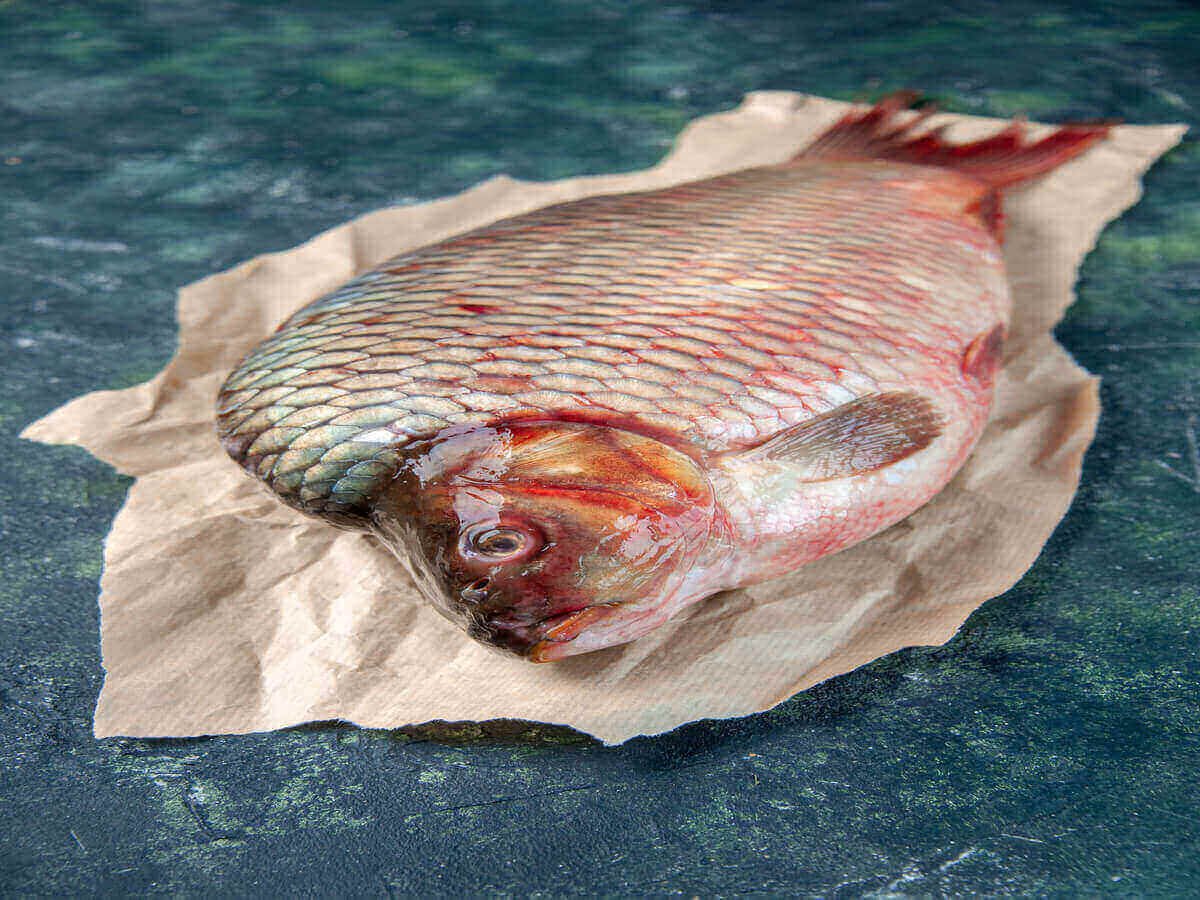
Why Traceability Matters When Buying Fish

Why Traceability Matters When Buying Fish

When most people buy fresh fish, they focus on the appearance, size, or price. While these are all important considerations, there is another factor that is becoming increasingly valuable to modern consumers traceability.

Simply put, traceability means knowing where your fish comes from and understanding the journey it has taken before reaching your kitchen. In today’s food industry, transparency is no longer just a bonus; it has become an important part of how consumers judge quality, reliability, and trust.

Whether you’re buying fish for your family, a restaurant, a hotel, or a catering business, choosing seafood from a supplier with strong traceability practices provides greater confidence in every purchase. It reflects organised operations, professional quality management, and a commitment to responsible sourcing.

At Soba Renaissance, traceability is an essential part of our promise to customers. Through responsible sourcing, sustainable seafood partnerships, professional handling, rigorous quality assurance, and dependable cold-chain logistics, we maintain clear oversight of our seafood supply chain from source to table.

Let’s explore why traceability matters and why it is becoming one of the most important factors in modern seafood purchasing.

What Is Fish Traceability?

Fish traceability is the ability to identify and follow seafood throughout its journey in the supply chain.

This includes information about:

  • Where the fish was sourced.
  • How it moved through processing.
  • Packaging and handling procedures.
  • Storage conditions.
  • Distribution before reaching customers.

A traceable supply chain creates greater visibility throughout the production process.

Building Customer Confidence

Modern consumers increasingly want reassurance about the food they purchase.

Traceability helps build confidence because it demonstrates that suppliers carefully manage:

  • Product identification.
  • Quality standards.
  • Handling procedures.
  • Distribution systems.
  • Operational accountability.

Customers appreciate knowing that their seafood comes from organised and transparent operations.

Supporting Consistent Quality

Consistency is one of the biggest advantages of traceability.

When products can be tracked throughout the supply chain, suppliers are better positioned to maintain:

  • Uniform quality.
  • Reliable handling.
  • Professional packaging.
  • Consistent storage.
  • Customer satisfaction.

Well-managed systems help ensure customers receive seafood that meets the same standards every time.

Encouraging Responsible Sourcing

Traceability supports responsible sourcing by improving visibility throughout the supply chain.

Suppliers committed to transparency are better able to work with sourcing partners that share values such as:

  • Responsible harvesting.
  • Sustainable seafood practices.
  • Quality management.
  • Long-term environmental responsibility.

At Soba Renaissance, responsible sourcing is an important part of our commitment to customers and Kenya’s seafood industry.

Improving Accountability

Traceability creates accountability across every stage of seafood distribution.

When suppliers maintain accurate records, they strengthen their ability to:

  • Monitor product movement.
  • Maintain quality standards.
  • Improve operational efficiency.
  • Respond effectively to customer enquiries.

Accountability helps build stronger long-term relationships with customers.

Supporting Food Safety Systems

Food safety depends on well-organised production systems.

Traceability contributes by supporting:

  • Product identification.
  • Organised inventory management.
  • Controlled distribution.
  • Quality assurance procedures.
  • Professional documentation.

These systems help suppliers maintain consistently high operational standards.

Better Decision-Making for Consumers

Traceability gives customers more information when choosing seafood.

Rather than relying only on appearance or price, shoppers can also consider:

  • Supplier reputation.
  • Transparency.
  • Responsible sourcing.
  • Product consistency.
  • Professional handling.

This leads to more informed purchasing decisions.

Why Traceability Benefits Restaurants and Businesses

Restaurants, hotels, caterers, supermarkets, and institutional buyers often require dependable supply and consistent product quality.

Traceability helps commercial buyers by supporting:

  • Reliable inventory management.
  • Consistent product standards.
  • Supplier accountability.
  • Better operational planning.
  • Greater purchasing confidence.

These benefits become increasingly valuable as businesses grow.

Sustainability and Traceability Go Together

Transparent seafood supply chains also support sustainability.

Traceable systems encourage:

  • Responsible sourcing.
  • Efficient logistics.
  • Reduced waste.
  • Continuous improvement.
  • Long-term resource management.

At Soba Renaissance, sustainability and traceability work together to strengthen our commitment to quality.

Why Customers Trust Soba Renaissance

Customers across Kenya choose Soba Renaissance because we are committed to:

  • Premium fresh fish.
  • Responsible sourcing.
  • Sustainable seafood partnerships.
  • Transparent supply chains.
  • Hygienic processing.
  • Rigorous quality assurance.
  • Reliable cold-chain logistics.
  • Professional packaging.
  • Dependable delivery.
  • Exceptional customer service.

These values guide every seafood product we deliver.

Frequently Asked Questions

What is fish traceability?

Fish traceability is the ability to track seafood throughout its supply chain, from sourcing and processing to packaging, storage, and delivery.

Why is traceability important?

Traceability supports transparency, accountability, quality assurance, responsible sourcing, and greater customer confidence.

Does traceability improve seafood quality?

Traceability supports organised quality management systems that help suppliers maintain consistent standards throughout production and distribution.

Why choose Soba Renaissance?

Soba Renaissance combines responsible sourcing, sustainable seafood partnerships, transparent operations, professional handling, rigorous quality assurance, and dependable cold-chain logistics to provide premium fresh fish throughout Kenya.

Confidence Begins with Transparency

When you know where your seafood comes from and understand how it has been handled, buying fish becomes much more than a simple transaction it becomes a decision built on trust. Traceability provides the transparency that today’s consumers and businesses increasingly expect, helping them choose suppliers who value quality, accountability, and responsible sourcing.

Every stage of the seafood journey matters, from sourcing and processing to packaging, storage, and delivery. Suppliers who invest in traceable systems demonstrate a commitment to maintaining high standards throughout that entire process.

At Soba Renaissance, transparency is one of the foundations of our business. Through responsible sourcing, sustainable seafood partnerships, professional processing, rigorous quality assurance, dependable cold-chain logistics, and clear operational oversight, we proudly deliver premium fresh fish that Kenyan families and businesses can trust.

Choose Soba Renaissance for seafood backed by quality, transparency, and confidence from source to table.
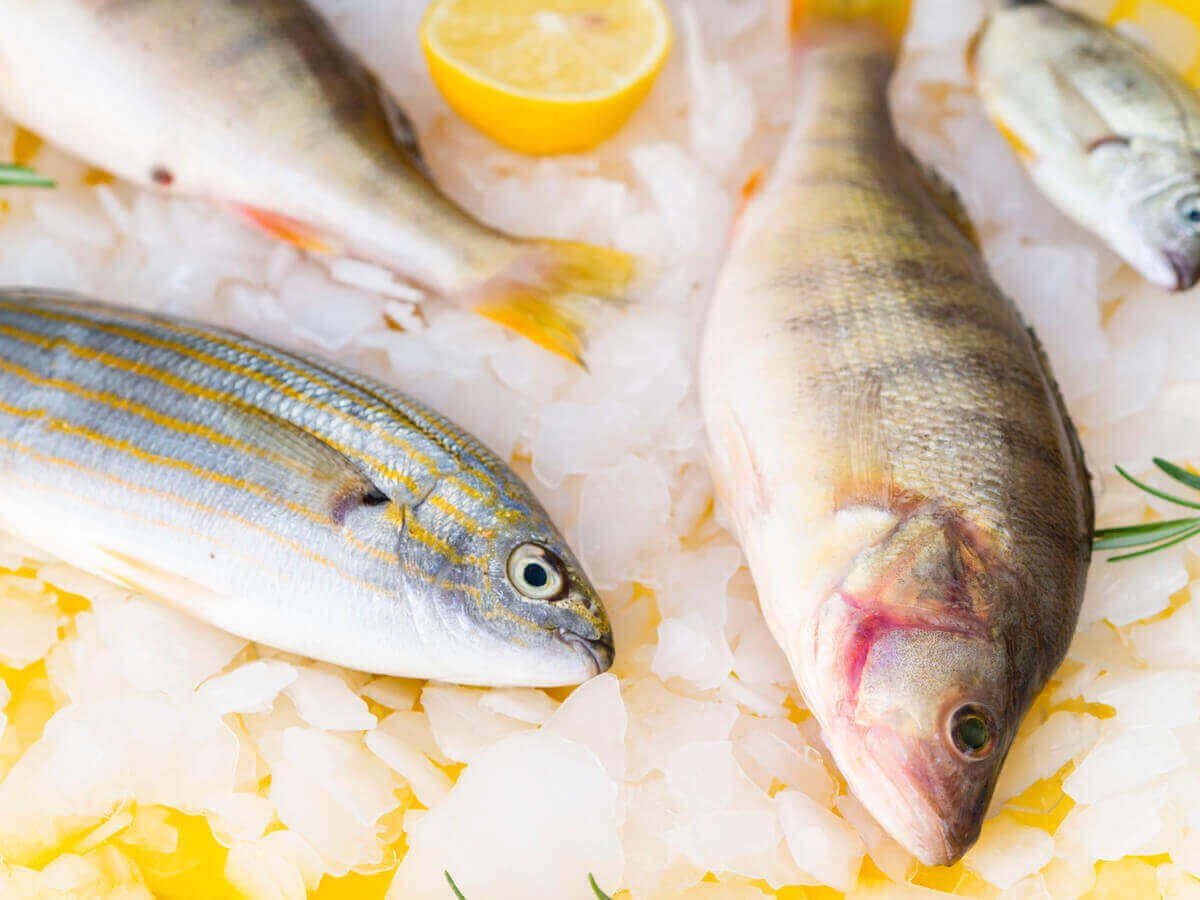
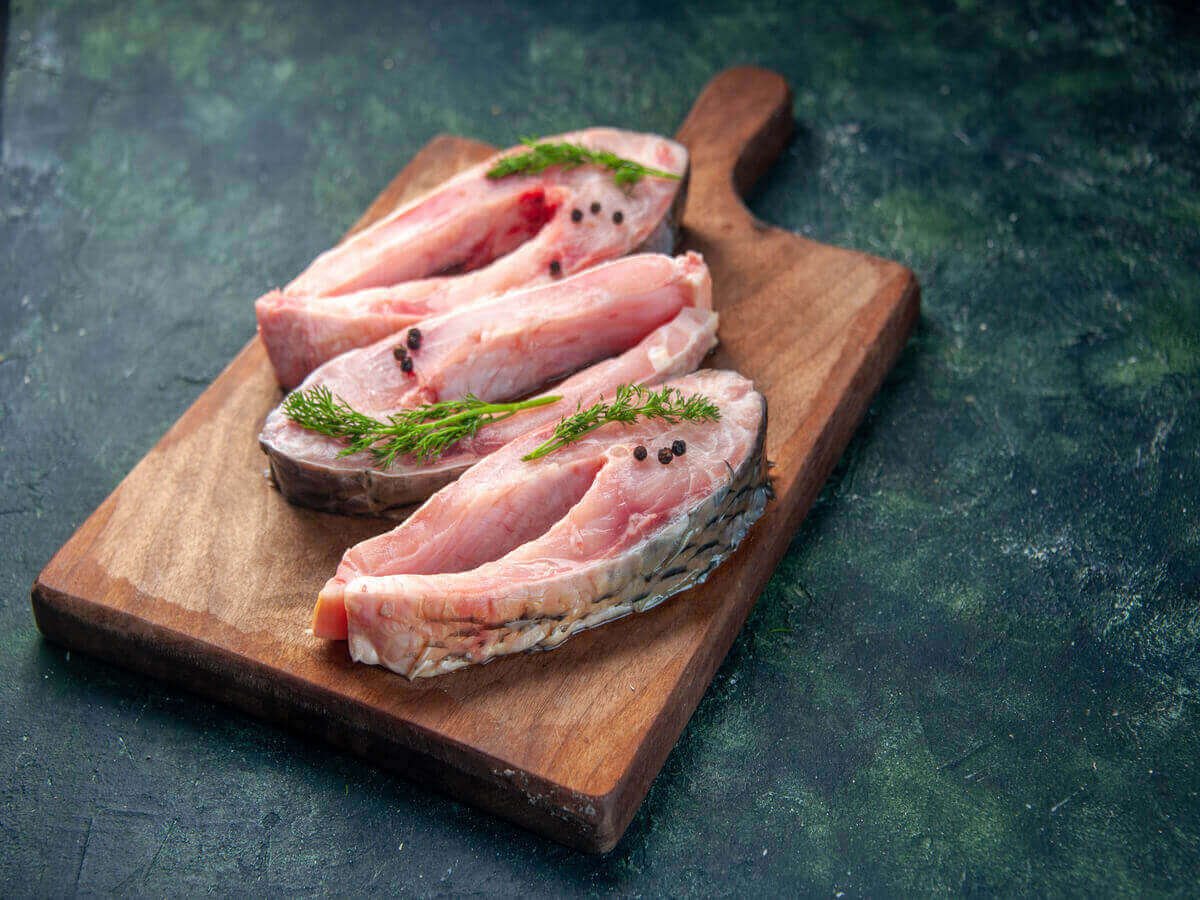
How Fish Is Processed Before It Reaches Your Table

How Fish Is Processed Before It Reaches Your Table

When you purchase fresh fish from a trusted supplier, it’s easy to focus only on the final product sitting in the display cabinet or arriving at your doorstep. However, every fresh fish has already completed a carefully managed journey before it reaches your kitchen.

Behind every quality seafood product is a chain of people, processes, and quality controls working together to preserve freshness from the moment the fish is sourced until it is ready to cook. Responsible sourcing, hygienic processing, careful handling, professional packaging, and reliable cold-chain logistics all play an essential role in ensuring customers receive seafood they can enjoy with confidence.

Understanding this journey helps consumers appreciate why choosing a reputable supplier matters. The quality of your seafood is influenced long before it reaches your plate.

At Soba Renaissance, we are committed to delivering premium fresh fish through responsible sourcing, sustainable seafood partnerships, professional processing, rigorous quality assurance, and dependable cold-chain management. Every stage of our operation is designed to protect quality while supporting transparency and sustainability.

Let’s take a closer look at how fresh fish is processed before it reaches your table.

Step 1: Responsible Sourcing

The journey begins with responsible sourcing.

High-quality seafood starts by working with trusted fisheries and supply partners that prioritise:

  • Sustainable fishing practices.
  • Responsible harvesting.
  • Consistent product quality.
  • Reliable supply.
  • Long-term environmental stewardship.

Responsible sourcing helps support healthy seafood resources while ensuring dependable quality for consumers.

Step 2: Initial Inspection

Once fish enters the supply chain, it undergoes careful inspection.

The inspection process helps verify:

  • Product condition.
  • Fresh appearance.
  • Appropriate handling.
  • Overall quality.

Only fish that meets established quality standards continues through the processing chain.

Step 3: Hygienic Processing

Professional processing prepares fish for storage, packaging, and distribution.

Depending on customer needs and product type, processing may include:

  • Cleaning.
  • Scaling where applicable.
  • Filleting.
  • Portioning.
  • Careful preparation.

Throughout this stage, hygienic handling helps preserve product quality and consistency.

Step 4: Quality Assurance

Quality assurance is not a single inspection it is an ongoing process.

Professional seafood suppliers continuously monitor:

  • Product handling.
  • Processing standards.
  • Packaging quality.
  • Storage conditions.
  • Operational procedures.

These systems help maintain consistent quality across every order.

Step 5: Professional Packaging

Packaging protects much more than appearance.

Proper seafood packaging helps:

  • Preserve freshness.
  • Maintain product integrity.
  • Support hygienic handling.
  • Simplify transportation.
  • Improve customer convenience.

Professionally packaged seafood is better protected throughout distribution.

Step 6: Cold-Chain Management

Fresh fish remains highly sensitive to temperature changes.

For this reason, uninterrupted cold-chain management is essential.

This includes:

  • Refrigerated storage.
  • Temperature-controlled transportation.
  • Continuous monitoring.
  • Efficient logistics.
  • Careful delivery planning.

Maintaining the cold chain helps preserve freshness from processing to the customer’s kitchen.

Step 7: Efficient Distribution

Once packaged, seafood moves through carefully coordinated distribution systems.

Reliable logistics help ensure products reach:

  • Households.
  • Restaurants.
  • Hotels.
  • Caterers.
  • Supermarkets.
  • Retailers.
  • Institutions.

Efficient distribution supports consistent product availability throughout Kenya.

Step 8: Delivery to Customers

The final stage is delivery.

Whether customers purchase in-store or order online, professional delivery helps ensure fish arrives in excellent condition and is ready for refrigeration or preparation.

Reliable delivery is an important extension of quality assurance.

Why Every Stage Matters

Every step in the seafood journey contributes to the final experience.

Together, responsible sourcing, hygienic processing, professional packaging, quality assurance, and dependable logistics help preserve:

  • Freshness.
  • Natural flavour.
  • Texture.
  • Appearance.
  • Customer confidence.

The quality of a meal begins long before cooking starts.

Sustainability Throughout the Journey

Modern seafood production increasingly focuses on sustainability.

Responsible operations contribute through:

  • Sustainable sourcing partnerships.
  • Efficient resource management.
  • Reduced product waste.
  • Improved logistics.
  • Continuous operational improvement.

At Soba Renaissance, sustainability is integrated into every stage of our seafood supply chain.

Why Customers Trust Soba Renaissance

Customers across Kenya choose Soba Renaissance because we consistently provide:

  • Premium fresh fish.
  • Responsible sourcing.
  • Sustainable seafood partnerships.
  • Hygienic processing.
  • Rigorous quality assurance.
  • Professional packaging.
  • Reliable cold-chain logistics.
  • Dependable delivery.
  • Transparent customer service.
  • Consistent product quality.

Every product reflects our commitment to excellence from source to table.

Frequently Asked Questions

How is fresh fish processed?

Fresh fish is responsibly sourced, inspected, hygienically processed, packaged, quality checked, stored under refrigeration, and delivered through temperature-controlled logistics.

Why is professional processing important?

Professional processing helps preserve freshness, maintain consistent quality, and support hygienic handling throughout the supply chain.

What role does cold-chain management play?

Cold-chain management helps maintain appropriate temperatures throughout storage and transportation, preserving seafood quality until delivery.

Why choose Soba Renaissance?

Soba Renaissance combines responsible sourcing, sustainable seafood partnerships, professional processing, rigorous quality assurance, and dependable cold-chain logistics to deliver premium fresh fish throughout Kenya.

From Source to Table, Quality Never Stops

Every piece of fresh fish has a story long before it reaches your kitchen. Behind the scenes, responsible sourcing, careful inspection, hygienic processing, professional packaging, rigorous quality assurance, and dependable cold-chain logistics work together to protect the quality customers expect.

Choosing a trusted supplier means choosing a business that invests in every stage of that journey rather than focusing only on the final sale.

At Soba Renaissance, we proudly deliver premium fresh fish backed by sustainable seafood partnerships, transparent operations, professional handling, and a commitment to excellence from source to table. Whether you’re shopping for your family or supplying a commercial kitchen, you can rely on us to deliver seafood that reflects quality, sustainability, and care at every step.

Choose Soba Renaissance for premium fresh fish prepared with professionalism and delivered with confidence.

Why Cold Chain Management Matters for Fresh Fish

Why Cold Chain Management Matters for Fresh Fish

Fresh fish is one of the most delicate food products available, and preserving its quality requires far more than simply placing it on ice. From the moment seafood is harvested until it reaches your kitchen, maintaining the correct temperature is essential for protecting freshness, texture, flavour, and overall product quality.

This continuous process of keeping fish at the appropriate temperature throughout storage, transportation, and delivery is known as cold chain management. While many consumers may never see it in action, it is one of the most important systems behind every high-quality seafood purchase.

A well-managed cold chain helps ensure that fish reaches households, restaurants, hotels, caterers, and retailers in the same excellent condition it was in when it first entered the supply chain. Without it, even the highest-quality seafood can lose its freshness long before it reaches the customer.

At Soba Renaissance, cold chain management is a core part of our commitment to delivering premium fresh fish throughout Kenya. Through responsible sourcing, professional handling, sustainable seafood partnerships, rigorous quality assurance, and dependable temperature-controlled logistics, we work to preserve quality from source to table.

Let’s explore why cold chain management matters and why every seafood buyer should understand its importance.

What Is Cold Chain Management?

Cold chain management is the process of maintaining appropriate chilled temperatures throughout the entire seafood supply chain.

This includes:

  • Receiving fresh fish.
  • Refrigerated storage.
  • Hygienic processing.
  • Professional packaging.
  • Temperature-controlled transportation.
  • Delivery to customers.

The objective is to minimise temperature fluctuations that may reduce product quality.

Why Temperature Control Is So Important

Fresh fish naturally begins to change after harvesting.

Maintaining proper refrigeration helps preserve:

  • Natural freshness.
  • Firm texture.
  • Clean appearance.
  • Pleasant aroma.
  • Overall product quality.

Consistent temperature control also supports reliable handling throughout the supply chain.

Every Stage Matters

A strong cold chain is only effective when every stage works together.

Professional seafood suppliers carefully manage:

Receiving

Fresh fish is inspected and transferred into appropriate refrigerated storage as quickly as possible.

Storage

Products remain under controlled temperatures while awaiting processing or distribution.

Processing

Fish is handled efficiently in hygienic environments designed to preserve quality.

Packaging

Professional packaging helps maintain product integrity during transport.

Transportation

Temperature-controlled vehicles protect seafood while moving between facilities and customers.

Delivery

Orders arrive ready for immediate refrigeration or preparation.

Each stage contributes to preserving freshness until the product reaches the customer.

Protecting the Natural Quality of Fresh Fish

Fresh fish is valued because of its naturally delicate characteristics.

Professional cold chain management helps preserve:

  • Appearance.
  • Texture.
  • Flavour.
  • Moisture.
  • Cooking performance.

Customers benefit from seafood that performs consistently in both home and commercial kitchens.

Why Cold Chain Management Supports Customer Confidence

When customers purchase premium seafood, they expect confidence as well as convenience.

Reliable cold chain systems demonstrate that a supplier values:

  • Product quality.
  • Professional handling.
  • Customer satisfaction.
  • Operational excellence.
  • Food safety practices.

Businesses that consistently invest in these systems build stronger long-term customer relationships.

Supporting Restaurants, Hotels, and Caterers

Commercial kitchens depend on dependable seafood quality every day.

Professional cold chain management helps hospitality businesses receive fish that supports:

  • Consistent menu quality.
  • Reliable preparation.
  • Efficient kitchen operations.
  • Customer satisfaction.
  • Better inventory planning.

This consistency is especially important for restaurants, hotels, caterers, supermarkets, and institutional kitchens.

Sustainability and Efficient Logistics

Effective cold chain management also supports sustainability.

Well-managed logistics can contribute to:

  • Reduced product waste.
  • Improved operational efficiency.
  • Better inventory management.
  • Responsible resource use.
  • Stronger seafood supply chains.

At Soba Renaissance, we believe quality and sustainability work together to create long-term value for customers and the communities we serve.

Why Professional Packaging Matters

Cold chain management extends beyond refrigeration.

Professional packaging helps:

  • Protect product quality.
  • Reduce contamination risks.
  • Preserve freshness during transport.
  • Improve customer convenience.
  • Support efficient storage after delivery.

Packaging is an essential part of maintaining seafood quality throughout distribution.

Why Customers Trust Soba Renaissance

At Soba Renaissance, maintaining freshness is a responsibility we take seriously.

Our commitment includes:

  • Premium fresh fish.
  • Responsible sourcing.
  • Sustainable seafood partnerships.
  • Hygienic processing.
  • Rigorous quality assurance.
  • Professional packaging.
  • Reliable cold-chain logistics.
  • Dependable delivery.
  • Transparent customer service.
  • Consistent product quality.

Every order reflects our dedication to preserving freshness from source to table.

Frequently Asked Questions

What is cold chain management?

Cold chain management is the continuous process of maintaining appropriate chilled temperatures during storage, processing, transportation, and delivery of fresh fish.

Why is cold chain management important?

It helps preserve freshness, texture, appearance, flavour, and overall product quality while supporting safe handling throughout the supply chain.

Does cold chain management benefit restaurants?

Yes. Reliable temperature-controlled logistics help restaurants, hotels, caterers, and commercial kitchens receive consistently high-quality seafood.

Why choose Soba Renaissance?

Soba Renaissance combines responsible sourcing, sustainable seafood partnerships, rigorous quality assurance, professional handling, and dependable cold-chain management to deliver premium fresh fish throughout Kenya.

Freshness Depends on More Than the Fish Itself

Great seafood is not defined solely by where it comes from it is also shaped by how it is handled after harvest. Every step between sourcing and your kitchen plays a role in preserving the freshness, flavour, and quality that customers expect.

Cold chain management is the invisible system that protects seafood throughout its journey. From refrigerated storage and professional processing to temperature-controlled transportation and dependable delivery, every stage matters.

At Soba Renaissance, we proudly invest in responsible sourcing, sustainable seafood partnerships, rigorous quality assurance, professional packaging, and dependable cold-chain logistics to ensure every customer receives premium fresh fish they can trust.

Whether you’re shopping for your family, supplying a restaurant, or managing a hospitality business, choose Soba Renaissance for fresh fish delivered with quality, care, and a commitment to excellence from source to table.

Understanding Fish Labels When Shopping

Understanding Fish Labels When Shopping

Buying fresh fish should be a simple and enjoyable experience, but many shoppers overlook one of the most valuable sources of information available the product label. Whether you’re shopping in a supermarket, specialty seafood store, or ordering online, taking a few moments to read the packaging can help you make more informed purchasing decisions.

A fish label does much more than identify the product inside the package. It provides useful information about the fish, how it should be stored, how it has been packaged, and the supplier responsible for delivering it. Understanding these details helps consumers compare products, choose trusted suppliers, and handle seafood correctly after purchase.

As more Kenyan families embrace seafood as part of a healthy lifestyle, shoppers are becoming increasingly interested in quality, transparency, and responsible sourcing. Reading labels is one of the easiest ways to shop with greater confidence.

At Soba Renaissance, we believe customers deserve clear product information backed by responsible sourcing, sustainable seafood partnerships, professional handling, and rigorous quality assurance. Transparency is part of our commitment to delivering premium fresh fish throughout Kenya.

Let’s explore the key information commonly found on fish labels and why it matters.

Why Fish Labels Matter

A properly labelled seafood product helps customers make informed decisions before purchasing.

Fish labels can provide useful information about:

  • The type of fish.
  • Packaging details.
  • Storage recommendations.
  • Safe handling guidance.
  • Supplier information.
  • Product identification.

Rather than relying on appearance alone, shoppers can use labels to better understand the product they are buying.

Product Name and Fish Species

The first thing most shoppers notice is the product name.

This identifies the type of fish inside the package.

Depending on availability, labels may identify products such as:

  • Tilapia.
  • Nile perch.
  • Catfish.
  • Whole fish.
  • Fish fillets.
  • Portion cuts.

Knowing the product helps customers choose seafood that best suits their recipes and cooking preferences.

Packaging Information

Many fish products include packaging details that help identify when the product was prepared or packaged.

This information assists with:

  • Stock management.
  • Product rotation.
  • Purchase planning.

Always follow the recommended storage guidance provided on the packaging after purchase.

Storage Instructions

Proper storage plays an essential role in maintaining seafood quality.

Labels commonly include instructions such as:

  • Keep refrigerated.
  • Keep frozen where applicable.
  • Store under recommended temperatures.
  • Follow handling guidance after opening.

Following these recommendations helps preserve freshness and quality.

Safe Handling Guidance

Seafood should always be handled carefully.

Many labels include reminders that encourage good food safety practices, including:

  • Washing hands after handling raw fish.
  • Preventing cross-contamination.
  • Using clean preparation surfaces.
  • Cooking appropriately before serving.

These simple practices support safe food preparation at home and in commercial kitchens.

Net Weight Information

Most packaged seafood includes the product’s net weight.

This helps customers:

  • Compare different products.
  • Estimate serving sizes.
  • Plan meals.
  • Understand product value.

Weight information is especially useful for families, caterers, restaurants, and hospitality businesses.

Supplier Information

One of the most important sections of any fish label identifies the supplier or producer.

Buying from a trusted supplier provides greater confidence because reputable businesses invest in:

  • Responsible sourcing.
  • Sustainable seafood partnerships.
  • Hygienic processing.
  • Quality assurance.
  • Professional customer service.

At Soba Renaissance, transparency is central to our relationship with every customer.

Packaging Quality

Before placing packaged fish into your shopping basket, inspect the packaging itself.

Look for packaging that is:

  • Properly sealed.
  • Clean.
  • Undamaged.
  • Free from leaks.
  • Clearly labelled.

Professional packaging helps protect freshness throughout transportation and storage.

Traceability Supports Quality

Modern seafood supply chains increasingly rely on traceability.

Traceability helps suppliers maintain accurate production and distribution records while supporting:

  • Product accountability.
  • Quality assurance.
  • Responsible sourcing.
  • Supply chain transparency.

These systems contribute to greater customer confidence.

Marketing Claims and What They Mean

You may notice various phrases or claims on seafood packaging.

Rather than relying only on promotional wording, consider the supplier’s overall reputation, transparency, and commitment to quality.

The most trustworthy seafood brands consistently demonstrate responsible sourcing, professional handling, and customer-focused service.

Why Customers Trust Soba Renaissance

At Soba Renaissance, we believe transparency builds lasting relationships.

Customers choose us because we provide:

  • Premium fresh fish.
  • Responsible sourcing.
  • Sustainable seafood partnerships.
  • Hygienic processing.
  • Rigorous quality assurance.
  • Reliable cold-chain logistics.
  • Professional packaging.
  • Transparent product information.
  • Dependable delivery.
  • Exceptional customer service.

Every label reflects our commitment to quality and customer confidence.

Frequently Asked Questions

Why should I read fish labels?

Fish labels provide useful information about the product, storage recommendations, packaging, supplier details, and safe handling guidance.

What should I check before buying packaged fish?

Review the product name, packaging condition, storage instructions, weight information, supplier details, and handling guidance.

Why is supplier information important?

Knowing the supplier allows customers to choose businesses with strong reputations for quality, responsible sourcing, and food safety.

Why choose Soba Renaissance?

Soba Renaissance combines responsible sourcing, sustainable seafood partnerships, professional handling, rigorous quality assurance, transparent product information, and dependable delivery to provide premium fresh fish throughout Kenya.

Better Shopping Begins with Better Information

Understanding fish labels is one of the simplest ways to become a more confident seafood shopper. Every label provides valuable information that helps you understand the product, store it correctly, and choose suppliers who prioritise quality and transparency.

Taking a few moments to read the packaging before making your purchase can help you select seafood that better meets your expectations while supporting safe handling and proper storage at home.

At Soba Renaissance, we are committed to making every purchase a confident one. Through responsible sourcing, sustainable seafood partnerships, professional handling, rigorous quality assurance, and transparent product information, we provide premium fresh fish that Kenyan families and businesses can trust.

Choose Soba Renaissance for seafood backed by quality, sustainability, and complete transparency from source to table.

Common Mistakes People Make When Buying Fish

Common Mistakes People Make When Buying Fish

Buying fish should be a straightforward experience, yet many shoppers unknowingly make decisions that affect the quality, freshness, and value of the seafood they take home. Whether you’re shopping for a family dinner, stocking a restaurant kitchen, or preparing for a special occasion, understanding what not to do can be just as important as knowing what to look for.

Kenya’s growing demand for fresh seafood has created more buying options than ever before. From supermarkets and fish markets to online seafood suppliers and specialty food stores, customers have access to a wide variety of fish products. However, having more choices also means making smarter purchasing decisions.

Many buying mistakes happen because people focus only on price or convenience while overlooking the factors that truly determine seafood quality. By learning to recognise these common errors, you can consistently choose fish that delivers better flavour, texture, freshness, and overall value.

At Soba Renaissance, we believe informed customers make better purchasing decisions. Through responsible sourcing, sustainable seafood partnerships, professional handling, rigorous quality assurance, and dependable cold-chain logistics, we help Kenyan families and businesses enjoy premium fresh fish with confidence.

Let’s explore some of the most common mistakes people make when buying fish—and how you can avoid them.

Mistake 1: Choosing Price Over Quality

Everyone appreciates a good bargain, but the cheapest fish is not always the best value.

Low prices can sometimes reflect compromises in:

  • Handling.
  • Storage.
  • Packaging.
  • Transportation.
  • Quality control.

Rather than focusing solely on cost, consider the overall quality and reliability of the supplier.

Mistake 2: Ignoring Storage Conditions

Fresh fish should always be stored under proper refrigeration.

Unfortunately, many shoppers overlook this important detail.

Always check whether the fish is being kept under appropriate chilled conditions before purchasing.

Proper temperature control helps preserve freshness, texture, and quality.

Mistake 3: Not Inspecting the Fish Carefully

A quick visual inspection can reveal valuable information.

Take time to examine:

  • The eyes.
  • The skin.
  • The flesh.
  • The packaging.
  • Overall presentation.

A few extra moments can help you make a much better purchasing decision.

Mistake 4: Assuming Every Supplier Follows the Same Standards

Not all seafood suppliers operate with the same level of professionalism.

Reliable suppliers invest in:

  • Responsible sourcing.
  • Hygienic processing.
  • Quality assurance.
  • Professional packaging.
  • Cold-chain logistics.

Choosing a trusted supplier greatly reduces uncertainty.

Mistake 5: Forgetting About Packaging

Packaging protects much more than appearance.

Good packaging helps maintain:

  • Freshness.
  • Hygiene.
  • Product integrity.
  • Safe transportation.

Damaged or leaking packaging should never be ignored.

Mistake 6: Buying More Than You Can Store Properly

Planning your purchase is important.

Buying excessive quantities without adequate refrigeration or freezer space may reduce product quality before the fish is used.

Purchase quantities that match your storage capacity and meal planning.

Mistake 7: Ignoring Supplier Reputation

One of the biggest mistakes is overlooking who you’re buying from.

A supplier’s reputation often reflects:

  • Product consistency.
  • Customer service.
  • Responsible sourcing.
  • Food safety practices.
  • Professional handling.

Reliable suppliers earn customer trust through consistent performance.

Mistake 8: Not Asking Questions

Professional seafood suppliers welcome informed customers.

Useful questions include:

  • Where was the fish sourced?
  • How is freshness maintained?
  • How is it transported?
  • What quality standards are followed?

Transparent suppliers are usually happy to provide clear answers.

Mistake 9: Overlooking Sustainability

Today’s consumers increasingly value seafood sourced responsibly.

Supporting suppliers committed to sustainability encourages:

  • Responsible sourcing.
  • Long-term seafood availability.
  • Stronger local supply chains.
  • Better environmental stewardship.

At Soba Renaissance, sustainability is part of every stage of our operations.

Why Customers Choose Soba Renaissance

Customers across Kenya trust Soba Renaissance because we consistently provide:

  • Premium fresh fish.
  • Responsible sourcing.
  • Sustainable seafood partnerships.
  • Hygienic processing.
  • Rigorous quality assurance.
  • Reliable cold-chain logistics.
  • Professional packaging.
  • Dependable delivery.
  • Transparent customer service.
  • Consistent product quality.

These values help every customer shop with confidence.

Frequently Asked Questions

What is the biggest mistake people make when buying fish?

Choosing based only on price while overlooking freshness, storage, supplier reputation, and handling practices.

Why is supplier reputation important?

Trusted suppliers maintain consistent quality through responsible sourcing, professional handling, and reliable food safety practices.

Why does proper storage matter?

Correct refrigeration helps preserve freshness, texture, and overall seafood quality.

Why choose Soba Renaissance?

Soba Renaissance combines responsible sourcing, sustainable seafood partnerships, rigorous quality assurance, professional handling, and dependable delivery to provide premium fresh fish throughout Kenya.

Smarter Buying Starts with Better Knowledge

Buying quality fish is not simply about finding the lowest price it’s about recognising the signs of freshness, understanding proper handling, and choosing suppliers who consistently invest in quality. Avoiding common buying mistakes can help you enjoy better meals, reduce food waste, and make every seafood purchase worthwhile.

At Soba Renaissance, we are proud to support Kenyan households and businesses with premium fresh fish backed by responsible sourcing, sustainable seafood partnerships, rigorous quality assurance, and dependable cold-chain logistics. Every order reflects our commitment to quality, transparency, and customer satisfaction.

Choose Soba Renaissance and enjoy seafood you can buy with complete confidence.

Why Fresh Fish Tastes Better Than Poorly Stored Fish

Why Fresh Fish Tastes Better Than Poorly Stored Fish

There is something unmistakably satisfying about preparing a meal with truly fresh fish. The natural flavour, delicate texture, and clean aroma create an experience that is difficult to replicate when seafood has been improperly stored. Whether you’re cooking grilled tilapia, pan-fried Nile perch, fish curry, or a traditional Kenyan fish stew, the quality of the fish determines the quality of the final meal.

Unfortunately, not all fish reaches consumers in the same condition. Poor storage practices can affect freshness long before the fish reaches the market or your kitchen. Breaks in refrigeration, poor handling, delayed transportation, or improper packaging can all reduce quality and influence how the fish looks, smells, cooks, and tastes.

For today’s shoppers, understanding the importance of proper storage is just as valuable as knowing how to cook seafood. Choosing suppliers that invest in professional handling helps ensure every meal starts with ingredients you can trust.

At Soba Renaissance, freshness is protected through responsible sourcing, sustainable seafood partnerships, rigorous quality assurance, professional handling, and dependable cold-chain logistics. Every stage of our process is designed to preserve the natural quality of our fish from source to table.

Freshness Preserves Natural Flavour

Fresh fish has a clean, delicate taste that allows its natural characteristics to shine.

When fish is handled and stored correctly, it retains:

  • Clean flavour.
  • Natural sweetness.
  • Pleasant aroma.
  • Balanced taste.
  • Excellent cooking performance.

Proper refrigeration helps preserve these qualities throughout the supply chain.

Texture Makes Every Bite Better

Texture is one of the first things diners notice.

Professionally handled fresh fish is generally:

  • Firm.
  • Moist.
  • Tender.
  • Easy to prepare.
  • Consistent when cooked.

Poor storage can cause fish to lose firmness, making it less enjoyable to prepare and eat.

Proper Storage Protects Quality

Fresh fish requires careful temperature control from the moment it is sourced.

Professional storage includes:

  • Refrigerated facilities.
  • Temperature monitoring.
  • Hygienic handling.
  • Efficient transportation.
  • Reliable cold-chain management.

These systems help preserve freshness until the fish reaches the customer.

Cold-Chain Management Matters

A continuous cold chain is one of the biggest differences between premium seafood and products that lose quality before reaching consumers.

Maintaining proper refrigeration helps protect:

  • Freshness.
  • Texture.
  • Appearance.
  • Product integrity.
  • Customer satisfaction.

At Soba Renaissance, cold-chain management is central to our commitment to quality.

Appearance Reflects Good Handling

Well-stored fish often displays visible signs of freshness.

Customers should look for:

  • Bright skin.
  • Firm flesh.
  • Clear eyes on whole fish.
  • Clean packaging.
  • Proper refrigeration.

These indicators often reflect careful handling throughout the supply chain.

Better Ingredients Create Better Meals

Even the best recipe cannot compensate for poorly stored ingredients.

Fresh, properly handled fish contributes to:

  • Better flavour.
  • More consistent cooking.
  • Improved presentation.
  • Greater customer satisfaction.
  • More enjoyable family meals.

Quality always begins before the cooking process starts.

Responsible Sourcing Supports Freshness

Freshness is not only about refrigeration it also begins with responsible sourcing.

Working with trusted fisheries and suppliers helps support:

  • Reliable quality.
  • Sustainable seafood.
  • Responsible handling.
  • Efficient logistics.
  • Long-term product consistency.

Responsible sourcing is one of the reasons customers continue to trust Soba Renaissance.

Why Customers Choose Soba Renaissance

At Soba Renaissance, protecting freshness is part of everything we do.

Our commitment includes:

  • Premium fresh fish.
  • Responsible sourcing.
  • Sustainable seafood partnerships.
  • Hygienic processing.
  • Rigorous quality assurance.
  • Reliable cold-chain logistics.
  • Professional packaging.
  • Dependable delivery.
  • Consistent product quality.
  • Customer-focused service.

These standards allow Kenyan families and businesses to enjoy seafood with confidence.

Frequently Asked Questions

Why does fresh fish taste better?

Properly handled fresh fish retains its natural flavour, texture, and moisture, creating a more enjoyable cooking and dining experience.

Can poor storage affect fish quality?

Yes. Inadequate storage can affect freshness, texture, aroma, and overall product quality.

Why is refrigeration so important?

Consistent refrigeration helps preserve freshness and maintain quality throughout transportation and storage.

Why choose Soba Renaissance?

Soba Renaissance combines responsible sourcing, sustainable seafood partnerships, professional handling, rigorous quality assurance, and dependable cold-chain logistics to deliver premium fresh fish throughout Kenya.

Freshness Is Something You Can Taste

The difference between premium fresh fish and poorly stored seafood is often noticeable from the very first bite. Proper handling, professional refrigeration, and responsible sourcing help preserve the natural qualities that make seafood enjoyable to prepare and share.

Choosing a trusted supplier means investing in better flavour, better texture, and greater confidence every time you cook.

At Soba Renaissance, we proudly deliver premium fresh fish through sustainable sourcing, professional handling, dependable cold-chain logistics, and exceptional customer service. Every product reflects our commitment to freshness, quality, and the highest standards of care.

Choose Soba Renaissance for seafood that brings out the best in every meal.


Fresh Fish vs Frozen Fish: Which Is Better?

Fresh Fish vs Frozen Fish: Which Is Better?

Walk into any supermarket or seafood shop in Kenya and you’ll usually find two main options waiting for you fresh fish and frozen fish. Both have their place in modern kitchens, but which one should you choose?

The answer depends on your cooking plans, storage needs, and, most importantly, the quality of the product itself. While many people automatically assume one is always better than the other, the reality is more balanced. Properly handled frozen fish can be an excellent option, while professionally sourced fresh fish offers qualities that many home cooks and chefs appreciate.

Understanding the differences allows you to make smarter buying decisions and get the best value for your money.

At Soba Renaissance, we are committed to supplying premium fresh fish through responsible sourcing, sustainable seafood partnerships, professional handling, rigorous quality assurance, and dependable cold-chain management. Our goal is to help customers choose seafood with confidence.

What Is Fresh Fish?

Fresh fish is fish that has been kept chilled rather than frozen after harvesting.

When properly handled, fresh fish offers:

  • A naturally firm texture.
  • Clean appearance.
  • Mild aroma.
  • Excellent versatility.
  • Immediate cooking convenience.

Fresh fish is particularly popular with households, restaurants, hotels, and caterers preparing meals within a short period after purchase.

What Is Frozen Fish?

Frozen fish is rapidly frozen after harvesting and stored at freezing temperatures until it is sold and thawed for use.

When frozen, stored, and handled correctly, frozen fish can maintain good quality over extended periods.

It is especially useful for:

  • Long-term storage.
  • Bulk purchasing.
  • Meal planning.
  • Reducing food waste.

Comparing Fresh and Frozen Fish

Freshness

Fresh fish is valued for its natural texture and flavour when purchased from suppliers that maintain proper refrigeration throughout the supply chain.

Frozen fish can also retain high quality when it is frozen promptly after harvesting and kept continuously frozen until use.

The key factor is not simply whether fish is fresh or frozen, but whether it has been handled correctly.

Taste and Texture

Many people enjoy the delicate texture of fresh fish, particularly when preparing grilled, baked, or pan-fried dishes.

Frozen fish may have slight texture differences depending on the freezing and thawing process, but high-quality frozen products can still deliver excellent cooking results.

Careful preparation plays an important role regardless of the option you choose.

Convenience

Fresh fish is ready for immediate preparation.

Frozen fish offers flexibility because it can be stored for longer periods and used whenever needed.

Busy households often appreciate having frozen seafood available, while restaurants serving daily fresh menus may prefer chilled products.

Nutrition

Fish is naturally rich in high-quality protein and provides important nutrients regardless of whether it is sold fresh or frozen.

Nutritional value is influenced by factors such as fish species, handling, storage, and preparation methods.

Choosing quality seafood and preparing it well are more important than focusing only on whether it is fresh or frozen.

Storage

Fresh fish should be refrigerated and prepared within the recommended storage period.

Frozen fish should remain frozen until needed and be thawed safely according to food safety guidance.

Proper storage helps preserve quality in both cases.

Which Option Is Best for Restaurants?

Restaurants and hospitality businesses often select products based on menu requirements, customer expectations, storage capacity, and operational efficiency.

Many establishments prefer fresh fish for daily service, while frozen fish may help support inventory management for selected menu items.

The right choice depends on each business’s needs.

Quality Depends on the Supplier

Whether purchasing fresh or frozen seafood, supplier standards remain the most important consideration.

Reliable suppliers invest in:

  • Responsible sourcing.
  • Hygienic processing.
  • Professional packaging.
  • Cold-chain management.
  • Rigorous quality assurance.

These systems protect product quality throughout the supply chain.

Why Customers Choose Soba Renaissance

At Soba Renaissance, we proudly provide:

  • Premium fresh fish.
  • Responsible sourcing.
  • Sustainable seafood partnerships.
  • Hygienic processing.
  • Rigorous quality assurance.
  • Reliable cold-chain logistics.
  • Professional packaging.
  • Dependable delivery.
  • Outstanding customer service.
  • Consistent product quality.

Our commitment is to deliver seafood that Kenyan families and businesses can trust.

Frequently Asked Questions

Is fresh fish always better than frozen fish?

Not necessarily. Both can be excellent choices when handled, stored, and prepared properly.

Which option is better for everyday meals?

The best choice depends on your cooking schedule, storage needs, and personal preferences.

Does freezing automatically reduce quality?

Proper freezing and storage can preserve fish effectively. Quality depends largely on handling throughout the supply chain.

Why choose Soba Renaissance?

Soba Renaissance combines responsible sourcing, professional handling, sustainable partnerships, and rigorous quality assurance to provide premium fresh fish across Kenya.

Choose Quality First

Rather than asking whether fresh or frozen fish is always better, it is more useful to ask whether the seafood has been sourced responsibly, handled professionally, and stored correctly. Those factors have the greatest influence on quality, flavour, and the overall cooking experience.

At Soba Renaissance, we are committed to providing premium fresh fish through sustainable sourcing, professional processing, dependable cold-chain logistics, and exceptional customer service. Whether you’re shopping for your family or your business, you can rely on us for seafood that reflects the highest standards of quality and care.

How to Tell If Fish Is Fresh Before You Buy

How to Tell If Fish Is Fresh Before You Buy

Nothing transforms a meal quite like fresh fish. Whether you’re preparing grilled tilapia for a family lunch, a rich fish stew for guests, or a healthy weekday dinner, the quality of the fish you buy will influence everything from flavour and texture to cooking results and food safety.

Yet many shoppers find themselves asking the same question while standing at the fish counter: How can I tell if this fish is really fresh?

The answer lies in knowing what to look for. Fresh fish leaves behind several visual, physical, and sensory clues that anyone can recognise with a little guidance. Once you know these signs, buying quality seafood becomes much easier, whether you’re shopping at a supermarket, a fish market, or ordering from a trusted supplier.

At Soba Renaissance, we believe every customer deserves seafood they can buy with confidence. Through responsible sourcing, professional handling, rigorous quality assurance, and dependable cold-chain management, we make it easier for Kenyan families and businesses to enjoy premium fresh fish every day.

Here’s your complete guide to identifying truly fresh fish before you buy.

Begin with the Eyes

If you’re buying whole fish, the eyes are one of the quickest indicators of freshness.

Fresh fish generally has:

  • Bright, clear eyes.
  • Naturally rounded eye shape.
  • Good transparency.
  • A healthy appearance.

Cloudy, dull, or heavily sunken eyes often suggest the fish has been stored for longer than ideal.

Although the eyes alone do not determine freshness, they provide an excellent starting point.

Look at the Skin

Healthy fish should have skin that appears vibrant and naturally glossy.

Look for:

  • Bright colouring.
  • Moist appearance.
  • Firmly attached scales where applicable.
  • Clean, undamaged skin.

Fish that appears dry, faded, or damaged may have lost some of its freshness.

A well-maintained appearance usually reflects careful handling throughout the supply chain.

Check the Flesh

Texture tells an important story.

Press the flesh gently with your fingertip.

Fresh fish should:

  • Feel firm.
  • Spring back quickly.
  • Hold its shape.
  • Maintain a smooth surface.

If the flesh remains indented or feels unusually soft, it may not be as fresh as expected.

Professional handling helps preserve the fish’s natural firmness.

Examine the Gills

The gills are another reliable freshness indicator.

Fresh fish typically has:

  • Bright red or pink gills.
  • A clean appearance.
  • Natural moisture.
  • No excessive dryness.

Because gills change as fish ages, they provide useful insight into overall freshness.

Smell the Fish

One of the biggest myths is that all fish should smell very strong.

In reality, premium fresh fish should have only a mild, clean, natural aroma.

If you notice an unusually strong or unpleasant smell, it’s best to choose another product.

Fresh seafood should never have an overpowering odour.

Check That the Fish Is Properly Chilled

Temperature is one of the most important factors affecting seafood quality.

Fresh fish should always be stored under proper refrigeration.

Professional suppliers maintain an uninterrupted cold chain through:

  • Refrigerated storage.
  • Temperature-controlled transport.
  • Careful handling.
  • Efficient delivery.

This protects freshness from source to customer.

Inspect the Packaging

If you’re buying packaged fish, the packaging should reflect professional standards.

Look for:

  • Secure seals.
  • Clean presentation.
  • No punctures or tears.
  • No visible leaks.
  • Clear product information.

Quality packaging protects both freshness and hygiene.

Ask About the Source

A trustworthy supplier should be open about where the fish comes from.

Questions worth asking include:

  • Where was the fish sourced?
  • How is freshness maintained?
  • How is the fish transported?
  • How is it stored before sale?
  • What quality standards are followed?

Transparent suppliers inspire greater customer confidence.

Avoid Common Buying Mistakes

Many shoppers unknowingly rely on the wrong indicators when buying fish.

Some common mistakes include:

  • Choosing solely based on price.
  • Ignoring storage conditions.
  • Overlooking packaging quality.
  • Not checking texture.
  • Buying from suppliers with unclear handling practices.

Taking a few extra moments to inspect the fish can make a significant difference in the quality of your meal.

Why Supplier Reputation Matters

Even the best inspection techniques cannot replace the value of buying from a trusted supplier.

Reliable seafood suppliers invest in:

  • Responsible sourcing.
  • Sustainable seafood partnerships.
  • Professional handling.
  • Hygienic processing.
  • Rigorous quality assurance.
  • Reliable cold-chain logistics.

These systems help ensure every customer receives fish that consistently meets high standards.

Why Customers Trust Soba Renaissance

At Soba Renaissance, freshness is protected throughout every stage of our operations.

Our commitment includes:

  • Premium fresh fish.
  • Responsible sourcing.
  • Sustainable seafood partnerships.
  • Hygienic processing.
  • Rigorous quality assurance.
  • Professional packaging.
  • Reliable cold-chain logistics.
  • Dependable delivery.
  • Transparent customer service.
  • Consistent product quality.

Our goal is simple: to provide seafood that Kenyan families and businesses can enjoy with complete confidence.

Frequently Asked Questions

What is the easiest way to tell if fish is fresh?

Start by checking the eyes, skin, flesh, gills, smell, and storage conditions. Fresh fish should appear bright, firm, clean, and properly refrigerated.

Should fresh fish smell strongly?

No. Fresh fish usually has a mild, clean, natural aroma rather than a strong or unpleasant smell.

Why is refrigeration so important?

Consistent refrigeration helps preserve texture, flavour, freshness, and overall product quality throughout the supply chain.

Why choose Soba Renaissance?

Soba Renaissance combines responsible sourcing, sustainable seafood partnerships, rigorous quality assurance, professional handling, and reliable cold-chain logistics to provide premium fresh fish throughout Kenya.

Buy Fresh Fish with Confidence

Learning how to recognise fresh fish is one of the smartest skills any seafood shopper can develop. By checking the eyes, skin, flesh, gills, aroma, packaging, and storage conditions, you can confidently select fish that delivers excellent flavour, texture, and quality every time.

Equally important is choosing a supplier you can trust. Professional sourcing, careful handling, proper refrigeration, and consistent quality assurance all play a vital role in preserving freshness before the fish reaches your kitchen.

At Soba Renaissance, we are committed to delivering premium fresh fish that reflects the highest standards of quality, sustainability, and customer care. Through responsible sourcing, professional processing, dependable cold-chain logistics, and exceptional service, we help households and businesses across Kenya enjoy seafood with complete confidence.

Choose Soba Renaissance and experience the difference that genuine freshness makes.

Fresh Fish for Hotels, Restaurants, and Catering Businesses in Nairobi

Fresh Fish for Hotels, Restaurants, and Catering Businesses in Nairobi

Nairobi’s hospitality industry is constantly evolving. From luxury hotels and fine dining restaurants to neighbourhood cafés, event caterers, schools, hospitals, and corporate kitchens, businesses are under increasing pressure to deliver exceptional meals while maintaining consistency, efficiency, and high food safety standards.

Fresh fish has become an increasingly popular menu choice thanks to its versatility, nutritional value, and broad appeal among Kenyan diners. Whether served grilled, fried, baked, steamed, or prepared in traditional recipes, quality seafood can elevate any menu.

However, great dishes begin with great ingredients. Behind every successful hospitality business is a dependable supplier who understands the importance of freshness, reliable deliveries, professional handling, and consistent product quality.

At Soba Renaissance, we proudly support Nairobi’s hospitality industry by supplying premium fresh fish through responsible sourcing, rigorous quality assurance, sustainable partnerships, and dependable cold-chain logistics. Our goal is to help businesses serve exceptional seafood with confidence every day.

Consistent Quality Supports Consistent Menus

Guests return to restaurants because they expect the same great experience every time they visit.

That consistency begins with ingredients.

Professional hospitality businesses require fresh fish that is:

  • Consistently fresh.
  • Properly handled.
  • Hygienically processed.
  • Professionally packaged.
  • Dependably supplied.

Reliable quality allows chefs to prepare meals with confidence while maintaining menu standards.

Reliable Supply Keeps Businesses Running

Running out of ingredients can disrupt service and affect customer satisfaction.

Hotels, restaurants, and caterers rely on suppliers who can deliver consistently throughout the year.

Dependable supply helps businesses:

  • Plan menus.
  • Manage inventory.
  • Reduce supply interruptions.
  • Improve operational efficiency.
  • Meet customer demand.

At Soba Renaissance, reliability is an essential part of our service.

Professional Cold-Chain Management Protects Freshness

Fresh fish requires careful temperature control from sourcing to delivery.

Our cold-chain management focuses on:

  • Refrigerated storage.
  • Temperature-controlled transportation.
  • Hygienic handling.
  • Efficient logistics.
  • Professional delivery.

Maintaining proper refrigeration helps preserve flavour, texture, and overall product quality.

Product Variety for Every Menu

Different hospitality businesses require different seafood products.

Depending on menu requirements and availability, businesses often source:

  • Whole fish.
  • Tilapia.
  • Nile perch.
  • Catfish.
  • Fish fillets.
  • Portion cuts.

Having access to multiple options allows chefs to create diverse menus while simplifying procurement through one trusted supplier.

Professional Processing Saves Valuable Time

Busy commercial kitchens benefit from suppliers who understand operational efficiency.

Professionally prepared seafood helps reduce:

  • Preparation time.
  • Food waste.
  • Kitchen labour.
  • Processing requirements.

This allows chefs and kitchen teams to focus more on delivering excellent meals and efficient service.

Food Safety Is Non-Negotiable

Hotels, restaurants, and caterers operate under high food safety expectations.

Professional seafood suppliers support these standards through:

  • Hygienic processing.
  • Responsible handling.
  • Professional packaging.
  • Reliable refrigeration.
  • Quality assurance procedures.

Maintaining these standards protects both businesses and their customers.

Sustainability Adds Value to Hospitality Brands

Today’s diners increasingly appreciate businesses that make responsible sourcing decisions.

Working with suppliers committed to sustainability supports:

  • Responsible seafood sourcing.
  • Long-term producer partnerships.
  • Efficient resource management.
  • Environmental responsibility.
  • Stronger local food systems.

At Soba Renaissance, sustainability forms part of our commitment to delivering seafood responsibly.

Responsive Customer Service Matters

Hospitality businesses operate on tight schedules.

A dependable supplier should provide:

  • Prompt communication.
  • Reliable order fulfilment.
  • Professional customer support.
  • Flexible ordering.
  • Transparent business relationships.

Strong customer service creates lasting partnerships built on trust.

Why Hospitality Businesses Choose Soba Renaissance

Hotels, restaurants, caterers, retailers, and institutions trust Soba Renaissance because we consistently provide:

  • Premium fresh fish.
  • Responsible sourcing.
  • Sustainable seafood partnerships.
  • Hygienic processing.
  • Rigorous quality assurance.
  • Reliable cold-chain logistics.
  • Professional packaging.
  • Dependable deliveries.
  • Transparent customer service.
  • Consistent product quality.

Our commitment is to help hospitality businesses deliver exceptional dining experiences every day.

Supporting Nairobi’s Growing Hospitality Industry

The hospitality sector plays a vital role in Nairobi’s economy, creating employment, attracting visitors, and supporting local businesses.

By supplying premium fresh fish to restaurants, hotels, caterers, and institutional kitchens, Soba Renaissance contributes to a stronger food service industry built on quality, reliability, and responsible sourcing.

We believe strong supplier relationships help hospitality businesses grow while delivering memorable dining experiences to customers across the city.

Frequently Asked Questions

Why is a reliable fish supplier important for hospitality businesses?

Reliable suppliers provide consistent quality, dependable availability, professional handling, and timely deliveries that help businesses maintain excellent service.

Does Soba Renaissance supply commercial customers?

Yes. We proudly supply hotels, restaurants, caterers, supermarkets, retailers, institutions, and other food service businesses throughout Nairobi and Kenya.

How does Soba Renaissance maintain fish quality?

Our quality is maintained through responsible sourcing, hygienic processing, rigorous quality assurance, professional packaging, and reliable cold-chain logistics.

Why should restaurants choose Soba Renaissance?

Businesses choose Soba Renaissance because of our commitment to premium fresh fish, sustainable sourcing, dependable supply, exceptional service, and consistent product quality.

Your Hospitality Business Deserves a Supplier You Can Trust

In the hospitality industry, every plate served reflects the quality of the ingredients behind it. Choosing the right seafood supplier means more than securing fresh fish it means building a partnership with a business that understands consistency, professionalism, food safety, and the demands of commercial kitchens.

Whether you manage a boutique café, a five-star hotel, a busy catering company, or a large institutional kitchen, dependable supply and premium seafood can make a measurable difference to your operations and customer satisfaction.

At Soba Renaissance, we proudly support Nairobi’s hospitality industry with responsibly sourced fresh fish, sustainable seafood partnerships, professional handling, rigorous quality assurance, and dependable cold-chain delivery. Our commitment is to help your business serve every meal with confidence.

Partner with Soba Renaissance for premium fresh fish in Nairobi and discover the value of working with a supplier dedicated to quality, sustainability, and long-term success.

Why Soba Renaissance Is a Trusted Fresh Fish Supplier in Kenya

Why Soba Renaissance Is a Trusted Fresh Fish Supplier in Kenya

Trust is one of the most valuable qualities in the food industry. Whether you’re preparing dinner for your family, managing a busy hotel kitchen, operating a restaurant, or purchasing seafood for your retail business, you want confidence that every order meets high standards of freshness, quality, and safety.

Across Kenya, demand for premium fresh fish continues to grow as more consumers embrace seafood as an essential part of a healthy and balanced lifestyle. At the same time, customers are becoming more selective about who they buy from. They are looking beyond price and choosing suppliers that demonstrate transparency, consistency, responsible sourcing, and a genuine commitment to customer satisfaction.

At Soba Renaissance, trust is not something we claim it is something we work to earn every day. Through responsible sourcing, sustainable seafood partnerships, rigorous quality assurance, professional handling, and dependable delivery, we strive to provide fresh fish that households and businesses across Kenya can rely on.

Here is what makes Soba Renaissance a trusted name in Kenya’s seafood industry.

A Commitment to Premium Quality

Quality begins long before fish reaches the customer.

Every stage of our operations is designed to maintain product excellence through careful attention to detail.

Our commitment includes:

  • Premium fresh fish.
  • Professional product handling.
  • Hygienic processing.
  • Careful storage.
  • Consistent quality assurance.

By maintaining high standards throughout our operations, we help ensure every order reflects the quality customers expect.

Responsible Sourcing Is Our Foundation

Exceptional seafood starts with responsible sourcing.

We work with trusted partners who share our commitment to:

  • Sustainable fishing practices.
  • Reliable product quality.
  • Responsible resource management.
  • Long-term seafood availability.
  • Ethical business relationships.

Responsible sourcing allows us to provide premium fresh fish while supporting a stronger and more sustainable seafood industry in Kenya.

Sustainability Shapes Everything We Do

Sustainability is not simply a business objective it is part of our long-term commitment to Kenya’s future.

At Soba Renaissance, sustainability is reflected through:

  • Responsible seafood sourcing.
  • Long-term supplier partnerships.
  • Efficient resource management.
  • Continuous operational improvement.
  • Support for local food systems.

These efforts help protect seafood resources while strengthening Kenya’s supply chains for future generations.

Professional Handling Protects Freshness

Fresh fish requires expert care throughout every stage of the supply chain.

Our professional handling processes focus on:

  • Hygienic product management.
  • Careful storage.
  • Efficient transportation.
  • Professional packaging.
  • Reliable cold-chain logistics.

Maintaining freshness is one of our highest priorities because quality should never be compromised.

Rigorous Quality Assurance

Consistency builds customer confidence.

Our quality assurance practices help ensure that every order meets the standards customers expect from Soba Renaissance.

Our approach includes:

  • Product inspections.
  • Professional handling procedures.
  • Hygienic processing.
  • Packaging standards.
  • Continuous quality monitoring.

These systems help deliver dependable quality throughout our operations.

Reliable Supply Across Kenya

Customers depend on suppliers who can consistently meet their needs.

Soba Renaissance proudly serves:

  • Families.
  • Restaurants.
  • Hotels.
  • Caterers.
  • Retailers.
  • Supermarkets.
  • Institutions.
  • Food service businesses.

Reliable availability allows our customers to plan confidently while receiving premium seafood throughout the year.

Customer Service That Builds Relationships

Excellent seafood deserves excellent service.

At Soba Renaissance, we value long-term customer relationships through:

  • Prompt communication.
  • Professional support.
  • Transparent business practices.
  • Reliable order fulfilment.
  • Customer-focused service.

Our goal is to provide an experience that inspires confidence from the first enquiry to the final delivery.

Supporting Kenyan Communities

As a proudly Kenyan business, we believe our success should contribute to the success of the communities we serve.

By working with responsible suppliers and strengthening local seafood value chains, we help support:

  • Local businesses.
  • Employment opportunities.
  • Sustainable economic growth.
  • Responsible food production.
  • Stronger domestic supply chains.

Supporting local partnerships strengthens both our business and Kenya’s seafood industry.

Continuous Improvement Drives Excellence

Customer expectations continue to evolve, and we believe continuous improvement is essential.

We remain committed to:

  • Enhancing operational efficiency.
  • Strengthening quality systems.
  • Investing in professional handling.
  • Improving customer service.
  • Expanding sustainable sourcing partnerships.

This commitment allows us to continue meeting the changing needs of customers throughout Kenya

Why Customers Choose Soba Renaissance

Customers trust Soba Renaissance because we consistently provide:

  • Premium fresh fish.
  • Responsible sourcing.
  • Sustainable seafood partnerships.
  • Professional handling.
  • Hygienic processing.
  • Rigorous quality assurance.
  • Reliable cold-chain logistics.
  • Professional packaging.
  • Dependable nationwide delivery.
  • Exceptional customer service.

These values guide every decision we make and every order we deliver.

Frequently Asked Questions

Why is Soba Renaissance considered a trusted fish supplier?

Soba Renaissance combines responsible sourcing, sustainable seafood partnerships, professional handling, rigorous quality assurance, reliable delivery, and customer-focused service to consistently provide premium fresh fish across Kenya.

Who does Soba Renaissance supply?

We proudly serve households, restaurants, hotels, caterers, supermarkets, retailers, institutions, and other food service businesses throughout Kenya.

How does Soba Renaissance maintain freshness?

Freshness is maintained through responsible sourcing, hygienic processing, professional packaging, careful cold-chain management, and dependable distribution.

Why choose Soba Renaissance?

Customers choose Soba Renaissance because of our commitment to premium quality, sustainability, responsible sourcing, professional service, and dependable nationwide supply.

A Trusted Partner for Premium Fresh Fish

Choosing a seafood supplier is about much more than purchasing fish it is about building a relationship with a business that consistently delivers quality, professionalism, and reliability. Customers deserve confidence that every order has been responsibly sourced, carefully handled, and delivered with the highest standards of care.

At Soba Renaissance, we are proud to earn that trust every day. Through sustainable seafood partnerships, responsible sourcing, rigorous quality assurance, professional handling, dependable cold-chain logistics, and exceptional customer service, we continue to supply premium fresh fish to households and businesses throughout Kenya.

Every product we deliver reflects our commitment to excellence, transparency, and continuous improvement. Whether you’re preparing meals for your family or sourcing seafood for your business, you can count on Soba Renaissance to provide premium fresh fish backed by quality, sustainability, and service you can trust.

Choose Soba Renaissance your trusted partner for premium fresh fish in Kenya.