

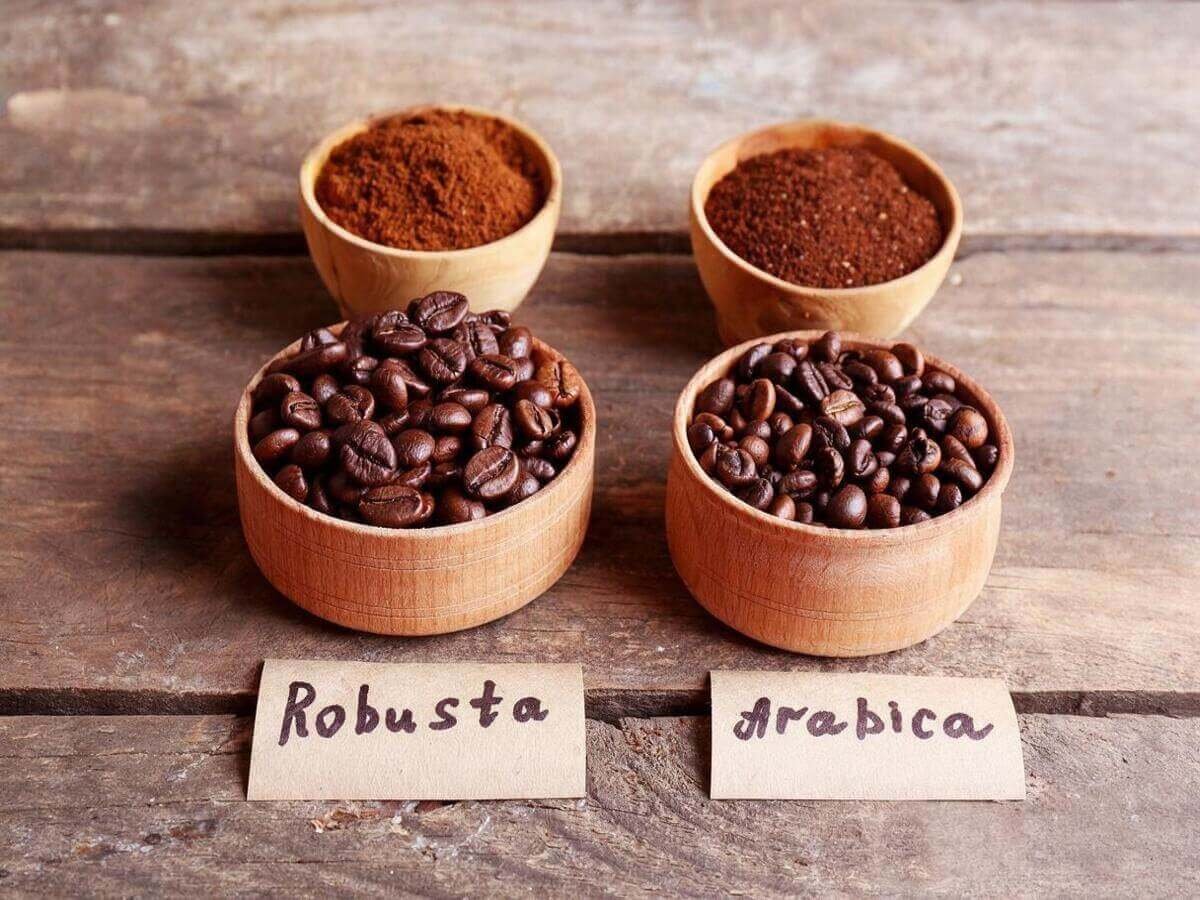
Arabica vs Robusta Coffee: Which Is Right for You?
Coffee lovers often hear about Arabica and Robusta, but many people are unsure what separates these two well-known coffee varieties. Whether you are buying coffee for your home, café, restaurant, hotel, office, supermarket, or food business, understanding the characteristics of each variety can help you make more informed purchasing decisions.
Both Arabica and Robusta play important roles in the global coffee industry, and each offers unique qualities that suit different preferences and brewing styles. Rather than asking which variety is universally better, it is more helpful to understand what makes each one distinctive and how responsible production contributes to quality regardless of variety.
As Kenya continues to strengthen its reputation as one of the world’s leading coffee-producing nations, buyers increasingly value transparency, sustainability, and consistent quality alongside flavour and aroma.
At Soba Renaissance, we are committed to producing premium coffee through responsible sourcing, sustainable farming partnerships, integrated farm-to-cup production, and rigorous quality assurance. Every coffee product reflects our dedication to quality, environmental stewardship, and supporting Kenyan agriculture.
This guide explores the key differences between Arabica and Robusta coffee and helps you decide which may be the best fit for your needs.
Understanding Arabica Coffee
Arabica is one of the world’s most widely recognised coffee varieties.
It is appreciated for its refined characteristics and is commonly associated with premium coffee production.
Responsible Arabica cultivation focuses on:
- Careful farm management.
- Sustainable agricultural practices.
- Responsible sourcing.
- Professional harvesting.
- Consistent quality management.
Many premium coffees are produced using carefully cultivated Arabica beans.
Understanding Robusta Coffee
Robusta is another important coffee variety grown in many coffee-producing regions around the world.
Its production supports a wide range of commercial and specialty applications.
Professional Robusta production emphasises:
- Responsible cultivation.
- Reliable crop management.
- Sustainable farming.
- Professional processing.
- Consistent product quality.
Like Arabica, Robusta benefits greatly from careful agricultural management and quality assurance.
Growing Conditions
One of the main differences between Arabica and Robusta is the environment in which they thrive.
Different coffee varieties are suited to different growing conditions, influenced by factors such as:
- Climate.
- Rainfall.
- Altitude.
- Soil characteristics.
- Farm management practices.
Regardless of the variety, sustainable farming plays an essential role in producing healthy coffee crops.
Flavour and Aroma
Many coffee drinkers notice differences in flavour and aroma between Arabica and Robusta.
Arabica is often chosen by consumers who appreciate a more delicate and nuanced coffee experience.
Robusta is frequently selected for applications that benefit from a more pronounced coffee character.
Taste remains highly personal, and individual preferences vary from one coffee drinker to another.
Choosing Coffee for Different Uses
Different coffee varieties may be suited to different applications.
Coffee is commonly enjoyed by:
- Households.
- Cafés.
- Restaurants.
- Hotels.
- Offices.
- Bakeries.
- Retailers.
- Hospitality businesses.
- Wholesale buyers.
The ideal choice depends on brewing methods, customer preferences, and intended use.
Sustainability Supports Every Coffee Variety
Regardless of whether coffee is Arabica or Robusta, sustainable farming remains essential.
Responsible coffee producers invest in:
- Environmental stewardship.
- Responsible resource management.
- Sustainable agricultural practices.
- Long-term farm productivity.
- Continuous operational improvement.
At Soba Renaissance, sustainability guides every stage of coffee production.
Responsible Sourcing Makes the Difference
Perhaps the most important factor is not simply the coffee variety but the producer behind it.
Responsible sourcing helps support:
- Product consistency.
- Professional quality management.
- Sustainable farming partnerships.
- Transparent production.
- Long-term agricultural resilience.
Choosing a trusted producer provides confidence regardless of the coffee variety.
Farm-to-Cup Production Creates Confidence
Soba Renaissance follows an integrated farm-to-cup production model that provides oversight throughout:
- Responsible cultivation.
- Sustainable sourcing.
- Professional harvesting.
- Coffee processing.
- Roasting.
- Quality assurance.
- Packaging.
- Distribution.
Managing every stage helps maintain consistency while supporting transparency.
Why Businesses Value Consistent Coffee Quality
Hotels, cafés, restaurants, offices, retailers, supermarkets, wholesalers, and hospitality businesses rely on dependable coffee suppliers.
Commercial buyers value:
- Reliable quality.
- Consistent supply.
- Professional roasting.
- Transparent operations.
- Responsive customer service.
Strong production systems help businesses deliver excellent coffee experiences to their customers.
Why Customers Choose Soba Renaissance
Customers across Kenya choose Soba Renaissance because we consistently provide:
- Premium coffee.
- Responsible sourcing.
- Sustainable agriculture.
- Farm-to-cup production.
- Rigorous quality assurance.
- Professional roasting.
- Hygienic packaging.
- Transparent operations.
- Reliable nationwide distribution.
- Exceptional customer service.
These values define every coffee product we produce.
Frequently Asked Questions
What is the difference between Arabica and Robusta coffee?
Arabica and Robusta are two different coffee varieties that differ in their growing characteristics, flavour profiles, and common commercial applications.
Which coffee variety is better?
Neither variety is universally better. The right choice depends on your personal taste preferences, brewing style, and intended use.
Why is responsible sourcing important?
Responsible sourcing supports sustainable farming, consistent quality, transparent production, and long-term agricultural development.
Why choose Soba Renaissance?
Soba Renaissance combines responsible sourcing, sustainable farming, integrated farm-to-cup production, rigorous quality assurance, professional roasting, and dependable nationwide distribution to produce premium coffee trusted throughout Kenya.
Choose the Coffee That Fits Your Taste
Understanding the differences between Arabica and Robusta helps you select coffee that matches your personal preferences, brewing style, and business needs. While each variety offers unique characteristics, the quality of the finished product depends on much more than the type of bean. Responsible farming, professional processing, careful roasting, and rigorous quality assurance all contribute to an exceptional coffee experience.
At Soba Renaissance, we proudly produce premium coffee through responsible sourcing, sustainable agricultural practices, integrated farm-to-cup production, and continuous quality management. Every package reflects our commitment to delivering coffee that combines Kenyan expertise with environmental responsibility and consistent excellence.
Whether you are purchasing coffee for your home, office, café, restaurant, hotel, supermarket, retail business, or wholesale operation, Soba Renaissance provides premium coffee backed by trusted Kenyan production and a commitment to quality you can rely on.
Choose Soba Renaissance where every cup reflects responsible farming, professional craftsmanship, and Kenya’s proud coffee heritage.