Cold-Pressed vs Refined Sesame Oil: What’s the Difference?

Cold-Pressed vs Refined Sesame Oil: What’s the Difference?

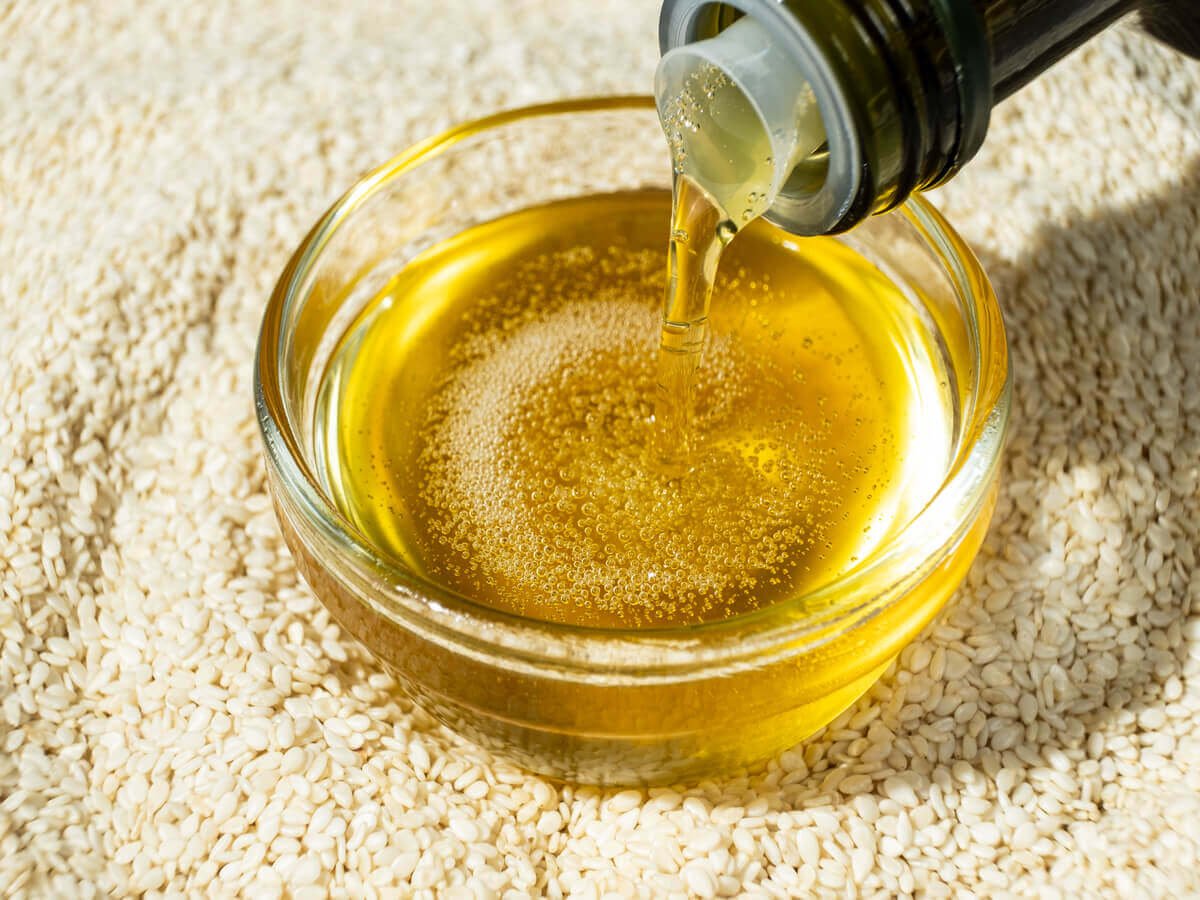
Sesame oil has become an increasingly popular ingredient in Kenyan kitchens, restaurants, hotels, cafés, bakeries, and food manufacturing businesses. As more consumers seek premium cooking oils, they often encounter two common varieties: cold-pressed sesame oil and refined sesame oil.

Although both originate from sesame seeds, the way they are processed can influence their flavour, aroma, appearance, and intended culinary applications. Understanding these differences helps consumers and businesses choose the product that best suits their cooking needs and purchasing priorities.

Rather than asking which option is universally “better,” it is more useful to understand how each is produced and where each fits in the kitchen.

At Soba Renaissance, we believe informed customers make confident purchasing decisions. Through responsible sourcing, sustainable agriculture, integrated farm-to-fork production, and rigorous quality assurance, we produce premium organic sesame oil that reflects our commitment to quality, transparency, and environmental responsibility.

This guide explains the key differences between cold-pressed and refined sesame oil.

Understanding Cold-Pressed Sesame Oil

Cold-pressed sesame oil is produced using a mechanical extraction process designed to minimise heat during production.

This approach focuses on:

  • Careful processing.
  • Responsible production.
  • Professional quality control.
  • Preserving the natural characteristics of the sesame seeds.
  • Sustainable manufacturing practices.

Many consumers appreciate cold-pressed oils for their traditional production methods and minimal processing.

Understanding Refined Sesame Oil

Refined sesame oil undergoes additional processing after extraction to achieve a more uniform product.

This production approach emphasises:

  • Product consistency.
  • Professional refinement.
  • Commercial-scale processing.
  • Reliable supply.
  • Standardised production.

Refined sesame oil is widely used across both household and commercial food preparation.

Comparing Production Methods

The primary difference lies in how the oil is processed after extraction.

Cold-pressed sesame oil typically focuses on preserving the oil’s natural characteristics through minimal processing, while refined sesame oil undergoes additional refinement to create a more standardized product.

Both approaches require professional manufacturing, hygienic handling, and quality assurance to produce reliable food products.

Differences in Flavour and Aroma

Many consumers notice differences in flavour and aroma between the two types of sesame oil.

Cold-pressed sesame oil is often selected by buyers who appreciate the distinctive natural characteristics associated with minimally processed oils.

Refined sesame oil generally offers a more neutral profile, making it suitable for a wide variety of culinary applications.

Individual preference and intended use often determine which option is most appropriate.

Appearance and Consistency

The production method may also influence the appearance of sesame oil.

Consumers may observe differences in:

  • Colour.
  • Clarity.
  • Aroma.
  • Overall presentation.

These natural variations reflect differences in production methods rather than product quality.

Choosing the Right Oil for Your Kitchen

Both cold-pressed and refined sesame oil have valuable roles in food preparation.

Households and commercial kitchens often select products based on:

  • Cooking style.
  • Menu requirements.
  • Recipe preferences.
  • Desired flavour profile.
  • Consistency requirements.

The best choice depends on individual cooking objectives rather than a universal standard.

Why Production Quality Matters More Than Processing Method

Whether purchasing cold-pressed or refined sesame oil, the most important consideration is the producer behind the product.

A trusted producer should demonstrate commitment to:

  • Responsible sourcing.
  • Sustainable agriculture.
  • Professional processing.
  • Rigorous quality assurance.
  • Hygienic packaging.
  • Transparent operations.

Quality management throughout production has a greater influence on customer confidence than processing method alone.

Sustainability Benefits Every Bottle

Responsible producers recognise that sustainable farming and environmental stewardship contribute to long-term agricultural success.

At Soba Renaissance, sustainability supports every stage of production through:

  • Responsible sourcing.
  • Eco-conscious farming.
  • Efficient resource management.
  • Continuous operational improvement.
  • Support for Kenyan agriculture.

Environmental responsibility remains central regardless of the production method.

Farm-to-Fork Production Ensures Consistency

Soba Renaissance follows an integrated farm-to-fork production model that provides oversight throughout:

  • Sustainable farming.
  • Sesame seed sourcing.
  • Professional processing.
  • Quality assurance.
  • Hygienic packaging.
  • Reliable nationwide distribution.

Managing every stage allows us to consistently deliver premium organic sesame oil trusted across Kenya.

Why Customers Choose Soba Renaissance

Customers throughout Kenya choose Soba Renaissance because we consistently provide:

  • Premium organic sesame oil.
  • Responsible sourcing.
  • Sustainable agriculture.
  • Farm-to-fork production.
  • Rigorous quality assurance.
  • Hygienic packaging.
  • Transparent operations.
  • Reliable nationwide supply.
  • Professional customer service.
  • Long-term commitment to environmental sustainability.

These principles guide every bottle we produce.

Frequently Asked Questions

What is the difference between cold-pressed and refined sesame oil?

The main difference lies in the production process. Cold-pressed sesame oil is produced using minimal heat during extraction, while refined sesame oil undergoes additional processing to create a more standardized product.

Which type is better?

Neither option is universally better. The right choice depends on your cooking preferences, flavour expectations, and intended culinary applications.

Why is the producer important?

Choosing a trusted producer ensures responsible sourcing, sustainable farming, professional processing, rigorous quality assurance, and consistent product quality.

Why choose Soba Renaissance?

Soba Renaissance combines responsible sourcing, sustainable agriculture, integrated farm-to-fork production, rigorous quality assurance, professional packaging, and reliable nationwide supply to produce premium organic sesame oil trusted throughout Kenya.

Choose Quality with Confidence

Understanding the differences between cold-pressed and refined sesame oil allows consumers to make informed purchasing decisions based on their individual cooking preferences and kitchen requirements. While each production method offers unique characteristics, consistent quality ultimately depends on responsible sourcing, professional processing, and a producer committed to excellence.

At Soba Renaissance, we proudly produce premium organic sesame oil through sustainable agriculture, responsible sourcing, integrated farm-to-fork production, and rigorous quality assurance. Every bottle reflects our dedication to quality, transparency, and environmental responsibility.

Whether you are purchasing for your household, restaurant, hotel, café, bakery, food manufacturing business, supermarket, retailer, or wholesale operation, Soba Renaissance delivers premium organic sesame oil backed by trusted Kenyan expertise and a commitment to consistent quality.

Choose Soba Renaissance where responsible production, sustainability, and premium organic sesame oil come together in every bottle.

Everything You Need to Know About Organic Sesame Oil

Everything You Need to Know About Organic Sesame Oil

Organic sesame oil has earned a respected place in kitchens around the world, and its popularity continues to grow across Kenya. From home cooks preparing everyday meals to chefs in restaurants, hotels, cafés, and catering businesses, more people are choosing premium organic sesame oil for its versatility, distinctive flavour, and dependable quality.

As interest in sustainably produced foods increases, consumers are also paying closer attention to how their ingredients are sourced, processed, and packaged. They want products that reflect responsible farming, environmental stewardship, and transparent production practices.

Organic sesame oil represents more than just a cooking ingredient it reflects a commitment to quality, sustainability, and thoughtful food production.

At Soba Renaissance, we proudly produce premium organic sesame oil through responsible sourcing, sustainable agricultural practices, integrated farm-to-fork production, and rigorous quality assurance. Every bottle is carefully produced to deliver consistent quality while supporting Kenyan agriculture and responsible environmental management.

This guide covers everything you need to know before choosing organic sesame oil.

What Is Organic Sesame Oil?

Organic sesame oil is produced from carefully selected sesame seeds grown using farming practices that emphasise environmental responsibility and sustainable agriculture.

Its appeal extends beyond cooking because consumers increasingly value products that are produced with:

  • Responsible sourcing.
  • Sustainable farming.
  • Professional quality management.
  • Transparent production.
  • Long-term environmental stewardship.

Choosing organic sesame oil reflects a preference for responsibly produced food ingredients.

Why Organic Sesame Oil Continues to Grow in Popularity

Across Kenya, more households and businesses are incorporating organic sesame oil into their kitchens.

Its growing popularity is driven by several factors:

  • Increasing interest in premium food ingredients.
  • Greater awareness of sustainable agriculture.
  • Growing appreciation for responsibly produced products.
  • Demand for consistent product quality.
  • Support for locally produced foods.

Consumers increasingly seek products that align with both quality and sustainability.

The Journey from Seed to Bottle

Producing premium organic sesame oil requires careful oversight throughout every stage of production.

This journey typically includes:

  • Responsible seed sourcing.
  • Sustainable farming.
  • Professional harvesting.
  • Careful processing.
  • Quality assurance.
  • Hygienic packaging.
  • Reliable distribution.

Integrated production systems help maintain consistency from beginning to end.

Why Responsible Sourcing Matters

High-quality products begin with responsible sourcing.

Choosing reliable agricultural partners helps support:

  • Sustainable farming communities.
  • Product consistency.
  • Transparent supply chains.
  • Responsible production.
  • Long-term agricultural resilience.

Responsible sourcing forms the foundation of premium production.

Farm-to-Fork Production Creates Greater Confidence

One of the strengths of Soba Renaissance is our integrated farm-to-fork production model.

By managing every major stage of production, we maintain oversight across:

  • Sustainable farming.
  • Responsible sourcing.
  • Professional processing.
  • Rigorous quality assurance.
  • Hygienic packaging.
  • Nationwide distribution.

This integrated approach supports consistent quality and greater transparency.

Everyday Uses for Organic Sesame Oil

Organic sesame oil is an extremely versatile ingredient suitable for a wide range of culinary applications.

It is commonly used by:

  • Families.
  • Restaurants.
  • Hotels.
  • Cafés.
  • Bakeries.
  • Catering companies.
  • Food manufacturers.
  • Retail businesses.

Its versatility makes it an important ingredient across Kenya’s food industry.

Packaging Helps Preserve Quality

Professional packaging protects the product throughout storage and transportation.

Quality packaging should be:

  • Securely sealed.
  • Clearly labelled.
  • Hygienically prepared.
  • Easy to store.
  • Professionally presented.

Proper packaging helps maintain product integrity until it reaches the customer.

Proper Storage Supports Product Quality

Once purchased, proper storage helps preserve the quality of organic sesame oil.

Good storage practices include:

  • Keeping the bottle tightly closed.
  • Storing it in a cool, dry place.
  • Protecting it from direct sunlight.
  • Avoiding unnecessary exposure to heat.
  • Following the storage guidance on the label.

Correct storage helps maintain product consistency throughout its intended shelf life.

Sustainability Is Part of Modern Food Production

Today’s consumers increasingly support producers that embrace environmentally responsible practices.

Eco-conscious production focuses on:

  • Sustainable agriculture.
  • Responsible resource management.
  • Environmental stewardship.
  • Continuous improvement.
  • Long-term agricultural resilience.

Supporting sustainable businesses contributes to a stronger future for Kenyan agriculture.

Why Businesses Choose Premium Organic Sesame Oil

Commercial buyers depend on reliable ingredient suppliers.

Hotels, restaurants, cafés, bakeries, food manufacturers, retailers, wholesalers, and distributors value suppliers that consistently provide:

  • Reliable quality.
  • Professional production.
  • Transparent operations.
  • Dependable supply.
  • Excellent customer support.

Consistency helps businesses maintain their own quality standards.

Why Customers Choose Soba Renaissance

Customers across Kenya trust Soba Renaissance because we consistently provide:

  • Premium organic sesame oil.
  • Responsible sourcing.
  • Sustainable agriculture.
  • Integrated farm-to-fork production.
  • Rigorous quality assurance.
  • Hygienic packaging.
  • Transparent operations.
  • Reliable nationwide distribution.
  • Professional customer service.
  • Long-term commitment to environmental sustainability.

These values shape every bottle we produce.

Frequently Asked Questions

What is organic sesame oil?

Organic sesame oil is produced from sesame seeds grown through farming practices that emphasise responsible agriculture, sustainable production, and environmental stewardship.

Why is organic sesame oil becoming more popular?

Consumers increasingly value premium ingredients that reflect responsible sourcing, sustainable farming, consistent quality, and transparent production practices.

How should organic sesame oil be stored?

Store organic sesame oil in a cool, dry place, keep the container tightly sealed, protect it from direct sunlight, and follow the storage recommendations provided on the product label.

Why choose Soba Renaissance?

Soba Renaissance combines responsible sourcing, sustainable agriculture, integrated farm-to-fork production, rigorous quality assurance, professional packaging, and reliable nationwide distribution to produce premium organic sesame oil trusted across Kenya.

Premium Organic Sesame Oil You Can Trust

Organic sesame oil is more than a versatile cooking ingredient it represents thoughtful production, responsible farming, and a commitment to quality throughout every stage of the supply chain. From responsible sourcing and sustainable agriculture to professional processing and careful packaging, every step contributes to the quality found in each bottle.

At Soba Renaissance, we proudly produce premium organic sesame oil through integrated farm-to-fork operations designed to deliver consistency, transparency, and environmental responsibility. Our dedication to sustainable agriculture, rigorous quality assurance, and customer satisfaction has made us a trusted producer for households and businesses throughout Kenya.

Whether you are purchasing for your family, restaurant, hotel, café, bakery, food manufacturing business, supermarket, retailer, or wholesale operation, Soba Renaissance provides premium organic sesame oil produced with care, backed by trusted Kenyan expertise, and supported by a long-term commitment to sustainability.

Choose Soba Renaissance where every bottle reflects quality, responsibility, and the future of sustainable food production in Kenya.

Complete Guide to Buying Organic Sesame Oil in Kenya

Complete Guide to Buying Organic Sesame Oil in Kenya

Organic sesame oil has become an increasingly popular choice among Kenyan households, restaurants, hotels, cafés, bakeries, caterers, food manufacturers, and retailers. Valued for its versatility and distinctive flavour, it is used in everything from everyday home cooking to premium commercial food production.

As demand continues to grow, buyers are faced with an expanding range of options. Choosing the right organic sesame oil requires more than comparing prices or selecting the first bottle on the shelf. Understanding how the oil is produced, packaged, and supplied helps consumers and businesses make informed purchasing decisions.

Whether you are buying for your home, sourcing ingredients for a restaurant, or purchasing in bulk for commercial operations, selecting a trusted producer can have a significant impact on quality, consistency, and long-term value.

At Soba Renaissance, we produce premium organic sesame oil through responsible sourcing, sustainable agricultural practices, integrated farm-to-fork production, and rigorous quality assurance. Every bottle reflects our commitment to delivering quality while supporting Kenyan agriculture and environmental sustainability.

This complete guide will help you understand what to consider before buying organic sesame oil in Kenya.

Why Organic Sesame Oil Is Growing in Popularity

More Kenyan consumers are becoming intentional about the food they purchase.

Organic sesame oil continues to gain popularity because buyers increasingly value products that demonstrate:

  • Responsible production.
  • Sustainable agriculture.
  • Professional quality assurance.
  • Transparent sourcing.
  • Consistent product quality.

These qualities provide confidence for both household and commercial buyers.

Start with a Trusted Producer

One of the most important buying decisions is choosing who produces your sesame oil.

A reputable producer should demonstrate commitment to:

  • Responsible sourcing.
  • Sustainable farming.
  • Professional processing.
  • Rigorous quality assurance.
  • Transparent business practices.
  • Reliable customer support.

A trusted producer provides confidence long after the purchase has been made.

Understand the Production Journey

Knowing how organic sesame oil reaches the bottle helps buyers better evaluate quality.

Responsible production typically includes:

  • Careful seed sourcing.
  • Sustainable farming practices.
  • Professional processing.
  • Hygienic packaging.
  • Reliable distribution.

Integrated production systems provide greater oversight from farm to customer.

Evaluate Packaging Quality

Packaging helps protect organic sesame oil throughout storage and transportation.

Look for bottles that are:

  • Securely sealed.
  • Professionally packaged.
  • Clearly labelled.
  • Free from damage.
  • Easy to store.

Good packaging helps preserve product integrity and reflects professional production standards.

Read Product Labels Carefully

Product labels provide useful information that supports informed purchasing decisions.

Review details such as:

  • Product name.
  • Ingredient information.
  • Net volume.
  • Storage recommendations.
  • Producer information.
  • Packaging or best before information where applicable.

Clear labelling demonstrates transparency and professionalism.

Consider How You Plan to Use the Oil

Different buyers have different needs.

Premium organic sesame oil is suitable for:

  • Home cooking.
  • Restaurants.
  • Hotels.
  • Cafés.
  • Bakeries.
  • Catering companies.
  • Food manufacturers.
  • Retail businesses.
  • Wholesale distribution.

Choosing a supplier capable of supporting your intended use helps ensure long-term satisfaction.

Sustainability Should Be Part of the Decision

Many consumers now prefer products from businesses that care for the environment.

Responsible producers support sustainability through:

  • Eco-conscious farming.
  • Responsible resource management.
  • Sustainable agriculture.
  • Environmental stewardship.
  • Continuous operational improvement.

Supporting sustainable businesses contributes to Kenya’s long-term agricultural future.

Farm-to-Fork Production Creates Confidence

Integrated farm-to-fork production provides better oversight across the supply chain.

At Soba Renaissance, our production model includes:

  • Responsible sourcing.
  • Sustainable farming.
  • Professional processing.
  • Rigorous quality assurance.
  • Hygienic packaging.
  • Reliable nationwide distribution.

Managing every stage allows us to maintain consistency and transparency from seed to bottle.

Look Beyond the Purchase Price

While price is an important consideration, overall value often depends on much more.

Premium organic sesame oil offers long-term value through:

  • Consistent quality.
  • Professional production.
  • Reliable supply.
  • Responsible sourcing.
  • Transparent operations.

Investing in dependable quality helps reduce uncertainty while supporting better cooking and food production outcomes.

Why Customers Trust Soba Renaissance

Customers throughout Kenya choose Soba Renaissance because we consistently provide:

  • Premium organic sesame oil.
  • Responsible sourcing.
  • Sustainable agriculture.
  • Farm-to-fork production.
  • Rigorous quality assurance.
  • Hygienic packaging.
  • Transparent operations.
  • Reliable nationwide supply.
  • Professional customer service.
  • Long-term commitment to sustainability.

These principles guide every bottle we produce.

Frequently Asked Questions

What should I consider before buying organic sesame oil?

Choose a trusted producer that demonstrates responsible sourcing, sustainable farming, professional processing, quality assurance, transparent labelling, and dependable customer support.

Why is locally produced sesame oil a good choice?

Buying from a Kenyan producer supports local farmers, strengthens domestic manufacturing, improves supply chain reliability, encourages sustainable agriculture, and contributes to economic growth.

Why is farm-to-fork production important?

Farm-to-fork production provides greater oversight throughout sourcing, processing, quality assurance, packaging, and distribution, helping maintain consistent product quality.

Why choose Soba Renaissance?

Soba Renaissance combines responsible sourcing, sustainable agriculture, integrated farm-to-fork production, rigorous quality assurance, professional packaging, and reliable nationwide supply to produce premium organic sesame oil trusted across Kenya.

Make Every Purchase a Confident One

Buying organic sesame oil is about more than choosing a cooking ingredient. It is about selecting a product produced with care, supported by responsible farming, backed by transparent operations, and delivered with consistent quality. By understanding the factors that matter most, consumers and businesses can make purchasing decisions with greater confidence.

At Soba Renaissance, we proudly produce premium organic sesame oil through responsible sourcing, sustainable agriculture, integrated farm-to-fork production, and rigorous quality assurance. Every bottle reflects our commitment to quality, environmental stewardship, and supporting Kenya’s growing food industry.

Whether you are purchasing for your household, restaurant, hotel, café, bakery, food manufacturing business, supermarket, retailer, or wholesale operation, Soba Renaissance delivers premium organic sesame oil backed by trusted Kenyan expertise and a commitment to excellence.

Choose Soba Renaissance your trusted partner for premium organic sesame oil in Kenya.

How Soba Renaissance Ensures the Quality of Every Jar of Honey

How Soba Renaissance Ensures the Quality of Every Jar of Honey

Quality is never accidental. It is the result of careful planning, responsible production, professional handling, and an unwavering commitment to excellence throughout every stage of the supply chain.

When consumers purchase premium organic honey, they expect more than great taste. They expect consistency, transparency, reliable sourcing, hygienic packaging, and confidence that every jar reflects the same high standards every time they buy.

Meeting those expectations requires more than simply harvesting honey. It requires a complete quality management philosophy that begins long before honey is collected and continues until the finished product reaches customers.

At Soba Renaissance, quality is built into every part of our operation. Through responsible beekeeping, sustainable environmental stewardship, integrated farm-to-fork production, rigorous quality assurance, and continuous improvement, we work to ensure every jar of premium organic honey reflects the values that define our brand.

Here is how we maintain consistently high standards across every stage of production.

Quality Begins with Responsible Beekeeping

Exceptional honey starts with healthy and well-managed apiaries.

Our commitment begins by supporting responsible beekeeping practices that focus on:

  • Healthy bee colonies.
  • Responsible hive management.
  • Sustainable environmental stewardship.
  • Respect for natural ecosystems.
  • Long-term apiary sustainability.

Healthy environments contribute to consistent honey production while supporting biodiversity across Kenya.

Sustainable Environmental Stewardship

Protecting the environment is essential for maintaining healthy bee populations and resilient agricultural systems.

Soba Renaissance embraces sustainable practices that support:

  • Biodiversity conservation.
  • Responsible land management.
  • Efficient resource use.
  • Long-term ecosystem health.
  • Sustainable agricultural development.

Environmental responsibility helps create a strong foundation for consistent production.

Careful Harvesting Practices

Quality depends on careful handling throughout the harvesting process.

Professional harvesting helps preserve:

  • Product integrity.
  • Consistent quality.
  • Responsible handling.
  • Hygienic production.
  • Reliable processing standards.

Every stage is managed with attention to detail to support premium results.

Rigorous Quality Assurance Throughout Production

Quality assurance is one of the most important parts of our operation.

Rather than relying on a single inspection, quality is monitored throughout the production journey.

Our systems emphasise:

  • Consistent production standards.
  • Professional monitoring.
  • Process control.
  • Continuous improvement.
  • Product consistency.

This structured approach helps ensure customers receive dependable quality in every jar.

Hygienic Processing Standards

Professional food handling is essential for maintaining product quality.

Our production process prioritises:

  • Hygienic working environments.
  • Careful product handling.
  • Professional processing procedures.
  • Clean manufacturing practices.
  • Continuous operational discipline.

Maintaining high processing standards helps protect the integrity of every batch.

Professional Packaging That Protects Quality

Packaging is more than presentation it helps preserve product quality from production to purchase.

Every jar is prepared with attention to:

  • Secure sealing.
  • Hygienic packaging.
  • Clear product labelling.
  • Professional presentation.
  • Safe handling during storage and transportation.

Thoughtfully prepared packaging helps customers receive honey in excellent condition.

Farm-to-Fork Oversight

One of the strengths of the Soba Renaissance production model is our integrated farm-to-fork approach.

Managing every stage of production allows us to maintain greater oversight across:

  • Responsible beekeeping.
  • Sustainable sourcing.
  • Processing.
  • Quality assurance.
  • Packaging.
  • Distribution.

This integrated system supports consistency and transparency from hive to jar.

Continuous Improvement Drives Excellence

Maintaining quality requires constant evaluation and improvement.

At Soba Renaissance, we continually strengthen our operations through:

  • Process refinement.
  • Operational efficiency.
  • Staff development.
  • Sustainable innovation.
  • Quality management improvements.

Continuous improvement allows us to meet evolving customer expectations while maintaining consistently high standards.

Building Customer Trust Through Transparency

Consumers increasingly want to understand how their food is produced.

Transparency is reflected throughout our operations by emphasising:

  • Responsible production.
  • Sustainable beekeeping.
  • Farm-to-fork oversight.
  • Traceability.
  • Professional customer communication.

Trust grows when customers understand the care invested in every product.

Why Customers Choose Soba Renaissance

Customers throughout Kenya trust Soba Renaissance because we consistently provide:

  • Premium organic honey.
  • Responsible beekeeping.
  • Sustainable environmental stewardship.
  • Rigorous quality assurance.
  • Integrated farm-to-fork production.
  • Hygienic processing.
  • Professional packaging.
  • Transparent operations.
  • Reliable nationwide supply.
  • Exceptional customer service.

These commitments define every jar we produce.

Frequently Asked Questions

How does Soba Renaissance maintain consistent honey quality?

We combine responsible beekeeping, sustainable environmental stewardship, rigorous quality assurance, professional processing, hygienic packaging, and integrated farm-to-fork production to maintain consistently high standards.

Why is quality assurance important?

Quality assurance supports product consistency, responsible manufacturing, professional production practices, and continuous operational improvement throughout the supply chain.

What role does sustainability play?

Sustainability supports healthy ecosystems, responsible beekeeping, long-term agricultural resilience, environmental stewardship, and reliable honey production.

Why choose Soba Renaissance?

Soba Renaissance combines responsible beekeeping, sustainable environmental stewardship, integrated farm-to-fork production, rigorous quality assurance, transparent operations, and dependable nationwide supply to deliver premium organic honey trusted throughout Kenya.

Every Jar Reflects Our Commitment to Excellence

Delivering premium organic honey requires more than careful harvesting. It demands a complete quality management system built on responsibility, transparency, sustainability, and continuous improvement. From healthy apiaries and responsible environmental stewardship to professional processing, rigorous quality assurance, and secure packaging, every stage contributes to the final product.

At Soba Renaissance, we proudly produce premium organic honey through integrated farm-to-fork operations that prioritise consistency, quality, and customer confidence. Every jar reflects our dedication to responsible beekeeping, sustainable production, and the highest standards of operational excellence.

Whether you are purchasing honey for your household, restaurant, hotel, café, bakery, supermarket, retail business, or food manufacturing operation, Soba Renaissance delivers premium organic honey backed by trusted Kenyan expertise and a commitment to quality that extends from the hive to your table.

Choose Soba Renaissance where every jar is crafted with care, guided by sustainability, and produced to the highest standards of quality.

Common Mistakes People Make When Buying Honey

Common Mistakes People Make When Buying Honey

Honey is one of Kenya’s most popular natural food products, enjoyed by families, cafés, restaurants, hotels, bakeries, retailers, and food manufacturers alike. As demand for premium organic honey continues to grow, consumers have more choices than ever before.

However, having more options also means making more informed purchasing decisions.

Many buyers unintentionally focus on the wrong factors when choosing honey. They may overlook the importance of the producer, ignore product information, or fail to consider how the honey was sourced and handled before it reached the shelf. These mistakes can affect product consistency, long-term value, and overall buying confidence.

At Soba Renaissance, we believe informed customers make better purchasing decisions. Through responsible beekeeping, sustainable environmental stewardship, integrated farm-to-fork production, and rigorous quality assurance, we produce premium organic honey that customers across Kenya can trust.

Here are some of the most common mistakes people make when buying honey and how to avoid them.

Mistake 1: Choosing Price Over Quality

It is natural to compare prices, but focusing only on the lowest price can lead to disappointment.

Premium organic honey reflects the care invested throughout:

  • Responsible beekeeping.
  • Sustainable production.
  • Professional processing.
  • Quality assurance.
  • Hygienic packaging.

Instead of asking, “Which jar costs the least?” it is often more valuable to ask, “Which producer consistently delivers quality?”

Mistake 2: Ignoring the Producer

One of the biggest mistakes is overlooking who produced the honey.

A trusted producer demonstrates commitment to:

  • Responsible beekeeping.
  • Sustainable environmental practices.
  • Transparent operations.
  • Consistent quality.
  • Professional customer service.

Knowing the producer gives customers greater confidence in every purchase.

Mistake 3: Not Reading the Label

Many shoppers place products directly into their basket without reviewing the packaging.

Reading the label helps customers understand:

  • Product identification.
  • Ingredient information.
  • Storage recommendations.
  • Producer details.
  • Packaging information.

Taking a few extra moments can help avoid poor purchasing decisions.

Mistake 4: Overlooking Packaging Quality

Packaging plays an important role in protecting honey throughout transportation and storage.

Before purchasing, inspect the container for:

  • Secure sealing.
  • Clean presentation.
  • Clear labelling.
  • Undamaged packaging.
  • Professional appearance.

Proper packaging reflects attention to quality.

Mistake 5: Ignoring Traceability

Modern consumers increasingly value transparency.

Buying from producers that maintain traceable production systems provides greater confidence in:

  • Responsible sourcing.
  • Quality assurance.
  • Farm-to-fork production.
  • Product consistency.
  • Professional manufacturing.

Traceability supports accountability throughout the supply chain.

Mistake 6: Forgetting About Sustainability

Many purchasing decisions focus only on the product itself rather than how it was produced.

Supporting environmentally responsible producers encourages:

  • Sustainable beekeeping.
  • Biodiversity conservation.
  • Responsible land management.
  • Healthy ecosystems.
  • Long-term agricultural resilience.

Choosing sustainable brands helps support the future of Kenyan agriculture.

Mistake 7: Choosing Unknown Supply Chains

Honey passes through several stages before reaching consumers.

Working with trusted producers that oversee sourcing, processing, packaging, and distribution helps reduce uncertainty while improving confidence in product consistency.

Integrated farm-to-fork production provides greater oversight across the entire journey.

Mistake 8: Failing to Consider Long-Term Value

The best purchasing decisions are not always based on the initial price.

Long-term value comes from choosing products that consistently deliver:

  • Reliable quality.
  • Professional production.
  • Transparent sourcing.
  • Sustainable practices.
  • Dependable customer service.

These qualities often matter more than short-term savings.

Why Customers Choose Soba Renaissance

Customers throughout Kenya trust Soba Renaissance because we consistently provide:

  • Premium organic honey.
  • Responsible beekeeping.
  • Sustainable environmental stewardship.
  • Farm-to-fork production.
  • Rigorous quality assurance.
  • Hygienic packaging.
  • Transparent operations.
  • Reliable nationwide supply.
  • Professional customer service.
  • Consistent product quality.

These values help customers avoid many of the common mistakes associated with buying honey.

Frequently Asked Questions

What is the biggest mistake people make when buying honey?

One of the most common mistakes is focusing only on price instead of considering the producer, quality assurance, responsible production, and long-term value.

Why is it important to choose a trusted producer?

Trusted producers demonstrate responsible beekeeping, sustainable practices, professional processing, transparent operations, and consistent quality standards.

Why should I read honey labels?

Labels provide valuable information about the product, storage guidance, producer details, packaging, and other information that supports informed purchasing decisions.

Why choose Soba Renaissance?

Soba Renaissance combines responsible beekeeping, sustainable environmental stewardship, integrated farm-to-fork production, rigorous quality assurance, professional packaging, transparent operations, and dependable nationwide supply to produce premium organic honey trusted throughout Kenya.

Make Better Honey Buying Decisions

Buying honey should be about more than simply selecting a jar from the shelf. By avoiding common purchasing mistakes and choosing producers that prioritise quality, transparency, sustainability, and responsible production, consumers can enjoy greater confidence in every purchase.

At Soba Renaissance, we proudly produce premium organic honey through responsible beekeeping, sustainable environmental stewardship, integrated farm-to-fork production, and rigorous quality assurance. Every jar reflects our commitment to delivering consistent quality while supporting Kenya’s agricultural future.

Whether you are purchasing honey for your household, restaurant, café, hotel, bakery, supermarket, retail business, or food manufacturing operation, Soba Renaissance provides premium organic honey backed by trusted Kenyan expertise and a commitment to excellence.

Choose Soba Renaissance where responsible production, transparency, and premium organic honey come together to help you make better buying decisions.

Why Traceability Matters When Buying Honey

Why Traceability Matters When Buying Honey

Consumers today want more than simply a quality food product they want confidence in where it comes from, how it was produced, and the people behind it. Across Kenya, households, restaurants, cafés, hotels, retailers, supermarkets, and food manufacturers are increasingly choosing suppliers that provide greater transparency throughout the production process.

This growing demand has made traceability one of the most important aspects of modern food production.

For premium organic honey, traceability means being able to follow the product’s journey through every major stage of production from responsible beekeeping and harvesting to processing, packaging, and distribution. It creates accountability throughout the supply chain while giving customers greater confidence in every purchase.

At Soba Renaissance, traceability is an essential part of our commitment to responsible beekeeping, sustainable environmental stewardship, integrated farm-to-fork production, and rigorous quality assurance. Every jar of premium organic honey reflects our dedication to transparency, consistency, and long-term customer trust.

This guide explains why traceability has become such an important consideration when buying honey in Kenya.

What Is Honey Traceability?

Traceability refers to the ability to monitor and document the journey of a food product throughout its production lifecycle.

For honey, this includes oversight of:

  • Responsible beekeeping.
  • Honey harvesting.
  • Professional processing.
  • Quality assurance.
  • Hygienic packaging.
  • Distribution.

Rather than viewing production as isolated steps, traceability connects them into one transparent and accountable process.

Building Consumer Confidence

Trust is earned through openness.

Consumers feel more confident purchasing honey from producers that openly communicate how products are sourced, processed, and packaged.

Transparent production helps customers feel assured that the producer values:

  • Accountability.
  • Professionalism.
  • Consistency.
  • Responsible production.
  • Customer satisfaction.

Confidence is built through information, not assumptions.

Supporting Consistent Product Quality

Traceability allows producers to maintain better oversight across every stage of production.

This contributes to:

  • Consistent quality.
  • Reliable production standards.
  • Professional manufacturing.
  • Continuous quality improvement.
  • Greater operational control.

Consistency is especially important for customers who purchase honey regularly.

Improving Quality Assurance

Quality assurance depends on accurate production oversight.

A traceable production system supports:

  • Careful monitoring.
  • Professional documentation.
  • Product consistency.
  • Responsible manufacturing.
  • Continuous improvement.

These practices help ensure premium organic honey maintains high standards throughout production.

Encouraging Responsible Beekeeping

Responsible honey production begins with responsible apiary management.

Traceability encourages producers to maintain high standards throughout:

  • Hive management.
  • Environmental stewardship.
  • Sustainable beekeeping.
  • Responsible harvesting.
  • Long-term apiary care.

These practices support healthy bee populations and sustainable honey production.

Strengthening Sustainable Supply Chains

Modern food systems benefit from transparency.

Traceable supply chains help strengthen:

  • Responsible sourcing.
  • Sustainable agriculture.
  • Environmental stewardship.
  • Supply chain accountability.
  • Long-term production resilience.

Sustainable businesses recognise that transparency contributes to stronger relationships throughout the entire supply chain.

Supporting Commercial Buyers

Traceability is especially valuable for commercial customers who depend on consistent ingredients.

Hotels, restaurants, cafés, bakeries, retailers, supermarkets, and food manufacturers benefit from suppliers that maintain professional production records and quality systems.

Reliable production helps businesses operate with greater confidence while maintaining consistent standards for their own customers.

Farm-to-Fork Production Makes Traceability Possible

At Soba Renaissance, traceability is strengthened through our integrated farm-to-fork production model.

This includes:

  • Responsible beekeeping.
  • Sustainable environmental practices.
  • Professional processing.
  • Rigorous quality assurance.
  • Hygienic packaging.
  • Reliable nationwide distribution.

Managing every stage of production allows us to maintain greater visibility and accountability from hive to jar.

Why Customers Trust Soba Renaissance

Customers throughout Kenya choose Soba Renaissance because we consistently provide:

  • Premium organic honey.
  • Responsible beekeeping.
  • Sustainable environmental stewardship.
  • Integrated farm-to-fork production.
  • Rigorous quality assurance.
  • Transparent production systems.
  • Hygienic packaging.
  • Reliable nationwide supply.
  • Professional customer service.
  • Consistent product quality.

These values allow us to produce honey customers can purchase with confidence.

Frequently Asked Questions

What does honey traceability mean?

Honey traceability refers to the ability to monitor the product throughout responsible beekeeping, harvesting, processing, packaging, quality assurance, and distribution.

Why is traceability important?

Traceability strengthens transparency, supports consistent quality, improves quality assurance, encourages responsible production, and helps build long-term customer confidence.

How does traceability support sustainability?

Traceable production encourages responsible sourcing, sustainable beekeeping, environmental stewardship, continuous improvement, and stronger agricultural partnerships.

Why choose Soba Renaissance?

Soba Renaissance combines responsible beekeeping, sustainable environmental stewardship, integrated farm-to-fork production, rigorous quality assurance, transparent operations, and dependable nationwide supply to deliver premium organic honey trusted across Kenya.

Transparency Creates Confidence

The journey from hive to jar matters just as much as the finished product itself. Traceability provides the transparency that modern consumers and businesses increasingly expect, helping ensure that every stage of production reflects professionalism, responsibility, and a commitment to quality.

At Soba Renaissance, we proudly integrate traceability into every aspect of our operations through responsible beekeeping, sustainable environmental stewardship, rigorous quality assurance, and our farm-to-fork production model. Every jar of premium organic honey reflects our dedication to producing food with integrity while supporting Kenya’s agricultural future.

Whether you are purchasing honey for your household, restaurant, café, hotel, bakery, retail business, supermarket, or food manufacturing operation, Soba Renaissance delivers premium organic honey backed by transparent production and trusted Kenyan expertise.

Choose Soba Renaissance where traceability, sustainability, and premium organic honey come together from hive to jar.

Understanding Honey Labels When Shopping

Understanding Honey Labels When Shopping

Shopping for honey has become more than simply choosing the first jar on the shelf. As more Kenyan consumers seek premium organic honey, they are paying closer attention to the information printed on product labels. Understanding what these labels communicate helps buyers make informed purchasing decisions while choosing products from trusted producers.

Whether you are purchasing honey for your family, restaurant, café, hotel, bakery, retail business, supermarket, or food manufacturing operation, reading the label provides valuable insight into the product’s identity, handling recommendations, and the producer behind it.

At Soba Renaissance, transparency is an important part of everything we do. Through responsible beekeeping, sustainable environmental stewardship, integrated farm-to-fork production, and rigorous quality assurance, we ensure our premium organic honey is professionally packaged with clear and informative labelling that helps customers buy with confidence.

This guide explains what you should look for when reading honey labels.

Why Honey Labels Matter

A honey label provides far more than a product name.

It helps consumers understand:

  • The product they are purchasing.
  • Important storage guidance.
  • Product identification.
  • Producer information.
  • Packaging details.
  • Recommended handling information.

Taking a few moments to read the label can help you make a more informed purchase.

Product Name

The product name is one of the first details customers notice.

A clearly identified product name helps distinguish the item from other food products while allowing customers to select the product that best suits their needs.

Professional producers ensure product names are accurate, consistent, and easy to understand.

Ingredient Information

Reading the ingredient information allows customers to understand what the product contains.

For premium organic honey, the ingredient declaration should clearly identify the contents of the package in accordance with applicable labelling requirements.

Clear ingredient information promotes transparency and informed purchasing decisions.

Net Weight

Honey labels normally display the net weight of the product.

This information helps customers:

  • Compare different pack sizes.
  • Estimate household usage.
  • Plan commercial purchases.
  • Evaluate value for money.

Net weight is especially useful for restaurants, cafés, hotels, retailers, and food manufacturers purchasing larger quantities.

Packaging and Best Before Information

Many honey products include packaging and best before information on the label.

These details help customers:

  • Manage product rotation.
  • Follow recommended storage periods.
  • Purchase products with confidence.

Always follow the storage guidance provided by the producer.

Storage Instructions

Proper storage helps preserve product quality after purchase.

Honey labels commonly provide guidance such as:

  • Store in a cool, dry place.
  • Keep the container tightly sealed after opening.
  • Protect the product from excessive heat and moisture.

Following these recommendations helps maintain product quality throughout its intended shelf life.

Producer Information

One of the most valuable sections of a honey label identifies the producer.

Buying from a recognised Kenyan producer provides greater confidence in:

  • Product quality.
  • Responsible beekeeping.
  • Sustainable production.
  • Quality assurance.
  • Customer support.

Knowing who produced your honey helps you choose brands with established reputations.

Packaging Integrity

Before purchasing honey, inspect the container carefully.

Look for packaging that is:

  • Properly sealed.
  • Clean.
  • Free from damage.
  • Clearly labelled.
  • Professionally presented.

Packaging integrity helps protect product quality during storage, transportation, and retail display.

Traceability Supports Customer Confidence

Modern food production increasingly emphasises traceability.

Professional producers maintain production records that support:

  • Product accountability.
  • Quality assurance.
  • Supply chain transparency.
  • Responsible manufacturing.

Traceability reflects a commitment to professionalism and continuous quality improvement.

Transparency Reflects Responsible Production

Consumers increasingly appreciate brands that openly communicate how their products are produced.

At Soba Renaissance, transparency is reflected through:

  • Responsible beekeeping.
  • Sustainable environmental practices.
  • Farm-to-fork production.
  • Professional manufacturing.
  • Rigorous quality assurance.

Clear product labelling is one way we demonstrate this commitment.

Why Customers Trust Soba Renaissance

Customers throughout Kenya choose Soba Renaissance because we consistently provide:

  • Premium organic honey.
  • Responsible beekeeping.
  • Sustainable environmental stewardship.
  • Farm-to-fork production.
  • Rigorous quality assurance.
  • Hygienic packaging.
  • Transparent labelling.
  • Reliable nationwide supply.
  • Professional customer service.
  • Consistent product quality.

These principles help customers purchase with confidence.

Frequently Asked Questions

Why should I read honey labels?

Honey labels provide useful information about the product, storage recommendations, packaging details, producer information, and other important product identification that helps you make informed purchasing decisions.

What should I check before buying honey?

Review the product name, ingredient information, net weight, packaging integrity, storage guidance, packaging or best before information where provided, and the producer’s details.

Why is producer information important?

Producer information allows customers to choose trusted Kenyan brands that demonstrate responsible production, quality assurance, transparency, and dependable customer service.

Why choose Soba Renaissance?

Soba Renaissance combines responsible beekeeping, sustainable environmental stewardship, integrated farm-to-fork production, rigorous quality assurance, professional packaging, transparent labelling, and reliable nationwide supply to produce premium organic honey trusted across Kenya.

Better Shopping Begins with Better Information

Understanding honey labels empowers consumers to make more informed purchasing decisions. By taking a few moments to review the information on every jar, shoppers can better understand the product they are buying, how it should be stored, and the producer behind it.

At Soba Renaissance, we believe informed customers are confident customers. That is why every jar of our premium organic honey reflects our commitment to responsible beekeeping, sustainable environmental stewardship, integrated farm-to-fork production, rigorous quality assurance, and transparent communication.

Whether you are buying honey for your home, restaurant, hotel, café, bakery, retail business, supermarket, or food manufacturing operation, Soba Renaissance delivers premium organic honey backed by trusted Kenyan production and a commitment to quality you can see on every label.

Choose Soba Renaissance where transparency, sustainability, and premium organic honey come together in every jar.

Complete Guide to Buying Organic Honey in Kenya

Complete Guide to Buying Organic Honey in Kenya

Organic honey has become one of the most sought-after natural food products in Kenya. As more consumers embrace healthier lifestyles and sustainable food choices, demand continues to grow among households, restaurants, cafés, hotels, retailers, and food manufacturers looking for premium honey they can trust.

However, buying honey is no longer simply about selecting a jar from the shelf. Today’s consumers want confidence in where their honey comes from, how it is produced, how it is handled, and whether the producer follows responsible environmental and quality standards.

Making an informed purchase requires understanding the factors that distinguish premium organic honey from ordinary alternatives.

At Soba Renaissance, we are committed to producing premium organic honey through responsible beekeeping, sustainable environmental stewardship, rigorous quality assurance, and integrated farm-to-fork practices. Every jar reflects our commitment to quality, transparency, and long-term sustainability.

This complete guide will help you make informed purchasing decisions whenever you buy organic honey in Kenya.

Why Organic Honey Continues to Grow in Popularity

Consumers increasingly value food products that combine quality, sustainability, and responsible production.

Organic honey appeals to many buyers because it represents:

  • Natural food production.
  • Responsible environmental practices.
  • Sustainable agriculture.
  • Trusted sourcing.
  • Premium quality.

As awareness grows, more Kenyan families and businesses are choosing producers that demonstrate transparency throughout the production process.

Start by Choosing a Trusted Producer

One of the most important buying decisions is selecting the right producer.

A reputable honey producer should demonstrate a commitment to:

  • Responsible beekeeping.
  • Sustainable production.
  • Professional food handling.
  • Rigorous quality assurance.
  • Transparent business practices.
  • Consistent customer service.

Buying from an established producer provides greater confidence in every purchase.

Understand Where the Honey Comes From

Knowing the origin of your honey helps you better understand its production journey.

Responsible producers prioritise:

  • Clearly identified sourcing.
  • Traceable production.
  • Sustainable apiary management.
  • Ethical environmental practices.
  • Professional harvesting methods.

Transparency throughout the supply chain strengthens customer trust.

Look for Professional Packaging

Packaging plays an important role in maintaining product quality.

Premium organic honey should be presented in packaging that is:

  • Securely sealed.
  • Hygienically prepared.
  • Clearly labelled.
  • Easy to store.
  • Professionally finished.

Well-designed packaging helps protect the product throughout storage and transportation.

Evaluate Product Consistency

Consistency is an important indicator of a professional producer.

Customers expect every purchase to reflect the same commitment to:

  • Reliable quality.
  • Professional processing.
  • Careful handling.
  • Consistent presentation.
  • Dependable customer satisfaction.

Reliable production systems help maintain these standards over time.

Sustainability Matters

Today’s consumers increasingly support businesses that care for the environment.

Responsible honey production encourages:

  • Environmental conservation.
  • Healthy ecosystems.
  • Sustainable beekeeping.
  • Responsible land management.
  • Long-term biodiversity protection.

Supporting environmentally responsible producers contributes to Kenya’s sustainable agricultural future.

Farm-to-Fork Production Creates Confidence

Integrated production provides better oversight from harvesting to the finished product.

At Soba Renaissance, our farm-to-fork approach includes:

  • Responsible beekeeping.
  • Sustainable sourcing.
  • Professional processing.
  • Rigorous quality assurance.
  • Hygienic packaging.
  • Reliable nationwide distribution.

Managing every stage helps us consistently deliver premium organic honey.

Consider Your Intended Use

Different customers purchase honey for different purposes.

Premium organic honey is suitable for:

  • Everyday family use.
  • Tea and beverages.
  • Baking.
  • Cooking.
  • Restaurants.
  • Cafés.
  • Hotels.
  • Food manufacturers.
  • Retail businesses.
  • Hospitality operations.

Choosing a dependable supplier ensures consistent quality regardless of how the honey will be used.

Buy from Producers That Support Kenyan Communities

Purchasing locally produced honey creates positive economic and social benefits.

Supporting Kenyan producers helps strengthen:

  • Local beekeepers.
  • Rural communities.
  • Agricultural development.
  • Local employment.
  • Sustainable business growth.

Every purchase contributes to strengthening Kenya’s agricultural economy.

Why Customers Trust Soba Renaissance

Customers across Kenya choose Soba Renaissance because we consistently provide:

  • Premium organic honey.
  • Responsible beekeeping.
  • Sustainable environmental practices.
  • Farm-to-fork production.
  • Rigorous quality assurance.
  • Hygienic packaging.
  • Reliable nationwide supply.
  • Transparent operations.
  • Professional customer service.
  • Long-term commitment to sustainability.

These principles guide everything we produce.

Frequently Asked Questions

What should I look for when buying organic honey?

Choose honey from a trusted producer that demonstrates responsible beekeeping, sustainable production, professional packaging, transparent sourcing, and consistent quality assurance.

Why is locally produced honey a good choice?

Buying locally supports Kenyan beekeepers, strengthens rural communities, promotes sustainable agriculture, improves supply chain reliability, and contributes to local economic development.

Why does farm-to-fork production matter?

Farm-to-fork production improves oversight throughout harvesting, processing, quality assurance, packaging, and distribution, helping ensure consistent quality and transparency.

Why choose Soba Renaissance?

Soba Renaissance combines responsible beekeeping, sustainable environmental stewardship, integrated farm-to-fork production, rigorous quality assurance, professional packaging, and dependable nationwide supply to deliver premium organic honey across Kenya.

Buy Organic Honey with Confidence

Choosing premium organic honey is about more than purchasing a natural sweetener. It is about selecting a product produced with care, responsibility, and respect for both people and the environment. By understanding what to look for in a trusted producer, consumers can enjoy greater confidence in every purchase.

At Soba Renaissance, we proudly produce premium organic honey through responsible beekeeping, sustainable environmental practices, integrated farm-to-fork production, and rigorous quality assurance. Our commitment to transparency, consistency, and environmental stewardship ensures every jar reflects the quality our customers expect.

Whether you are buying honey for your family, restaurant, café, hotel, bakery, retail business, or food manufacturing operation, Soba Renaissance delivers premium organic honey produced with integrity and backed by trusted Kenyan expertise.

Choose Soba Renaissance your trusted partner for premium organic honey in Kenya.

Why Eco-Conscious Farming Produces Better Organic Lemon Powder

Why Eco-Conscious Farming Produces Better Organic Lemon Powder

Consumers today are looking beyond the finished product. They want to understand how their food is grown, produced, and delivered. Increasingly, Kenyan households and businesses are choosing suppliers that embrace environmentally responsible farming practices and sustainable food production.

Organic lemon powder is no exception.

The quality of premium organic lemon powder begins long before lemons are processed. It starts with farming methods that protect the environment, encourage responsible resource management, and support the long-term health of agricultural ecosystems. Eco-conscious farming creates the conditions for more resilient production while helping farmers preserve the natural resources that future generations will depend upon.

At Soba Renaissance, sustainability is not an afterthought it is a guiding principle. Through eco-conscious farming, responsible sourcing, integrated farm-to-fork production, and rigorous quality assurance, we produce premium organic lemon powder that reflects our commitment to both exceptional quality and responsible environmental stewardship.

Here’s why eco-conscious farming makes a meaningful difference.

Healthy Farms Build Better Food Systems

Agriculture depends on healthy ecosystems.

Eco-conscious farming encourages production systems that help maintain:

  • Productive farmland.
  • Balanced ecosystems.
  • Responsible land management.
  • Long-term agricultural resilience.
  • Sustainable food production.

Healthy farms create a stronger foundation for consistent food production across Kenya.

Responsible Soil Management Supports Sustainable Agriculture

Healthy soil is one of agriculture’s most valuable resources.

Responsible farming practices focus on protecting soil through:

  • Careful land stewardship.
  • Sustainable cultivation methods.
  • Improved soil resilience.
  • Responsible agricultural management.
  • Continuous environmental improvement.

Protecting soil today helps secure agricultural productivity for tomorrow.

Conserving Natural Resources

Sustainable agriculture depends on making responsible use of available resources.

Eco-conscious farming promotes:

  • Efficient water use.
  • Responsible energy management.
  • Resource conservation.
  • Waste reduction.
  • Environmentally responsible operations.

These practices help reduce environmental impact while supporting long-term production.

Supporting Biodiversity Across Agricultural Landscapes

Thriving agricultural systems benefit from healthy and diverse natural environments.

Responsible farming helps encourage:

  • Healthy ecosystems.
  • Balanced agricultural environments.
  • Habitat conservation.
  • Ecological resilience.
  • Long-term environmental sustainability.

Protecting biodiversity contributes to stronger farming systems and more resilient food production.

Responsible Sourcing Creates Greater Accountability

Producing premium organic lemon powder requires more than careful farming.

Responsible sourcing strengthens production by supporting:

  • Sustainable agricultural partnerships.
  • Transparent supply chains.
  • Responsible farming communities.
  • Consistent production standards.
  • Long-term collaboration.

These partnerships contribute to dependable quality from the very beginning.

Farm-to-Fork Production Protects Quality

At Soba Renaissance, our integrated farm-to-fork production model helps maintain oversight across every stage of the supply chain.

This approach includes:

  • Sustainable farming.
  • Responsible sourcing.
  • Professional processing.
  • Rigorous quality assurance.
  • Hygienic packaging.
  • Reliable nationwide distribution.

Managing the complete journey helps us maintain consistency while supporting responsible production.

Sustainability Benefits Farming Communities

Eco-conscious agriculture creates opportunities that extend beyond food production.

Responsible farming contributes to:

  • Rural livelihoods.
  • Agricultural development.
  • Local employment.
  • Knowledge sharing.
  • Long-term community resilience.

Strong farming communities are essential for Kenya’s future food security.

Better Practices Create Long-Term Value

Sustainability is an investment in the future.

Businesses that embrace eco-conscious farming are better positioned to support:

  • Responsible production.
  • Continuous improvement.
  • Reliable supply.
  • Customer confidence.
  • Environmental responsibility.

These long-term commitments benefit both producers and consumers.

Why Customers Choose Soba Renaissance

Customers across Kenya trust Soba Renaissance because we consistently provide:

  • Premium organic lemon powder.
  • Eco-conscious farming.
  • Sustainable agriculture.
  • Responsible sourcing.
  • Integrated farm-to-fork production.
  • Rigorous quality assurance.
  • Hygienic processing.
  • Professional packaging.
  • Reliable nationwide supply.
  • Exceptional customer service.

Every product reflects our commitment to protecting both quality and the environment.

Frequently Asked Questions

What is eco-conscious farming?

Eco-conscious farming is an approach to agriculture that focuses on responsible resource management, environmental stewardship, sustainable production, and long-term agricultural resilience.

Why is eco-conscious farming important?

It helps protect natural resources, supports healthy agricultural ecosystems, strengthens farming communities, promotes long-term food production, and contributes to environmental sustainability.

How does Soba Renaissance support sustainability?

Soba Renaissance integrates eco-conscious farming, responsible sourcing, farm-to-fork production, rigorous quality assurance, and continuous operational improvement throughout the production of premium organic lemon powder.

Why choose Soba Renaissance?

Customers choose Soba Renaissance because of our commitment to sustainable agriculture, responsible production, premium quality, transparent operations, and dependable nationwide supply.

Growing Better Ingredients Through Responsible Farming

Premium organic lemon powder is the result of more than careful processing it begins with responsible choices made on the farm. Eco-conscious farming helps protect the land, conserve natural resources, strengthen farming communities, and create resilient agricultural systems that support long-term food production.

At Soba Renaissance, we proudly combine sustainable farming, responsible sourcing, integrated farm-to-fork production, and rigorous quality assurance to produce premium organic lemon powder that reflects our commitment to both exceptional quality and environmental responsibility.

Whether you are purchasing for your household, restaurant, hotel, café, bakery, supermarket, beverage company, food manufacturing business, or retail operation, Soba Renaissance delivers premium organic lemon powder produced through farming practices that respect both people and the planet.

Choose Soba Renaissance where eco-conscious farming, sustainable innovation, and premium organic lemon powder come together to support a healthier future for Kenya.

The Best Lemon Powder Supplier for Hotels, Restaurants, Bakeries, Beverage Manufacturers, and Food Businesses in Kenya

The Best Lemon Powder Supplier for Hotels, Restaurants, Bakeries, Beverage Manufacturers, and Food Businesses in Kenya

In Kenya’s fast-growing food and hospitality industry, the quality of every ingredient matters. Hotels strive to maintain exceptional guest experiences, restaurants rely on consistency in every recipe, bakeries demand dependable ingredients for daily production, and beverage manufacturers require products that meet rigorous quality standards.

For these businesses, selecting a lemon powder supplier is about much more than purchasing a food ingredient. It is about building a long-term partnership with a producer capable of delivering reliable quality, professional service, sustainable production, and dependable supply throughout the year.

As commercial operations expand across Nairobi and the rest of Kenya, businesses increasingly seek suppliers who understand the demands of modern food production while maintaining responsible agricultural practices.

At Soba Renaissance, we proudly supply premium organic lemon powder through sustainable farming, responsible sourcing, integrated farm-to-fork production, rigorous quality assurance, and professional customer support. Our commitment is to help businesses operate with confidence by providing ingredients they can rely on every day.

Here are the qualities that define an exceptional commercial lemon powder supplier.

Consistent Product Quality Supports Business Success

For commercial kitchens and manufacturing facilities, consistency is essential.

Every delivery should provide the same dependable standards to help businesses maintain product quality across every batch, recipe, and menu item.

Reliable suppliers prioritise:

  • Consistent production.
  • Professional manufacturing.
  • Uniform product quality.
  • Reliable ingredient performance.
  • Continuous quality monitoring.

Consistency reduces uncertainty and supports operational efficiency.

Reliable Supply Throughout the Year

Interruptions in ingredient supply can affect production schedules, customer satisfaction, and business profitability.

Commercial buyers need suppliers capable of supporting continuous operations through:

  • Reliable inventory management.
  • Planned production.
  • Professional logistics.
  • Responsive order fulfilment.
  • Long-term supply partnerships.

Dependable availability allows businesses to plan with confidence.

Serving Multiple Industries

Premium organic lemon powder is used across a wide range of industries.

Soba Renaissance proudly supplies:

  • Hotels.
  • Restaurants.
  • Cafés.
  • Bakeries.
  • Beverage manufacturers.
  • Food manufacturers.
  • Catering companies.
  • Retail brands.
  • Supermarkets.
  • Wholesalers.
  • Distributors.

Our flexible supply capabilities help businesses of different sizes meet their production goals.

Farm-to-Fork Production Delivers Greater Control

Integrated production creates greater oversight across every stage of manufacturing.

At Soba Renaissance, our farm-to-fork model includes:

  • Sustainable farming.
  • Responsible sourcing.
  • Professional processing.
  • Rigorous quality assurance.
  • Hygienic packaging.
  • Reliable nationwide distribution.

Managing the complete production journey allows us to maintain consistently high standards for commercial customers.

Sustainability Strengthens Long-Term Partnerships

Businesses increasingly seek suppliers whose values align with responsible environmental practices.

Our sustainability initiatives focus on:

  • Eco-conscious farming.
  • Responsible resource management.
  • Sustainable agriculture.
  • Environmental stewardship.
  • Continuous operational improvement.

Choosing sustainable suppliers helps businesses strengthen their own corporate responsibility objectives while supporting Kenya’s agricultural future.

Professional Quality Assurance

Commercial food production depends on dependable manufacturing standards.

Our quality assurance systems support:

  • Product consistency.
  • Hygienic processing.
  • Professional manufacturing.
  • Careful product monitoring.
  • Continuous improvement.

These systems help customers receive premium organic lemon powder that meets high expectations with every order.

Responsive Customer Service Matters

A supplier should be more than a manufacturer.

Long-term business relationships depend on:

  • Professional communication.
  • Responsive customer support.
  • Efficient order processing.
  • Reliable after-sales service.
  • Flexible commercial partnerships.

Excellent service contributes to long-term business success.

Supporting Kenyan Industry Through Local Production

Working with a Kenyan producer creates value beyond the immediate transaction.

Local sourcing supports:

  • Kenyan farmers.
  • Domestic manufacturing.
  • Agricultural development.
  • Local employment.
  • Stronger supply chains.
  • Sustainable economic growth.

Businesses that buy locally also contribute to strengthening Kenya’s food industry.

Why Businesses Choose Soba Renaissance

Commercial customers across Kenya choose Soba Renaissance because we consistently provide:

  • Premium organic lemon powder.
  • Sustainable farming.
  • Responsible sourcing.
  • Farm-to-fork production.
  • Rigorous quality assurance.
  • Hygienic processing.
  • Professional packaging.
  • Reliable nationwide supply.
  • Transparent operations.
  • Dedicated customer support.

These commitments allow us to become a dependable ingredient partner for businesses throughout Kenya.

Frequently Asked Questions

Who does Soba Renaissance supply?

We supply hotels, restaurants, cafés, bakeries, beverage manufacturers, food manufacturers, catering companies, supermarkets, retailers, wholesalers, distributors, and households throughout Kenya.

Why is consistency important for commercial buyers?

Consistent ingredients help businesses maintain product quality, improve operational efficiency, reduce production variability, and deliver dependable customer experiences.

Why should businesses choose a local supplier?

Local suppliers often provide greater transparency, responsive customer service, dependable product availability, shorter supply chains, and stronger long-term business relationships.

Why choose Soba Renaissance?

Soba Renaissance combines sustainable farming, responsible sourcing, integrated farm-to-fork production, rigorous quality assurance, professional manufacturing, reliable nationwide supply, and exceptional customer service to support businesses across Kenya.

Your Trusted Commercial Partner for Premium Organic Lemon Powder

Successful food businesses rely on suppliers who consistently deliver quality, reliability, and professionalism. From hotels and restaurants to bakeries, beverage manufacturers, and food production companies, dependable ingredient supply is essential for maintaining high standards and meeting customer expectations.

At Soba Renaissance, we proudly partner with businesses across Kenya by producing premium organic lemon powder through sustainable farming, responsible sourcing, integrated farm-to-fork production, and rigorous quality assurance. Our commitment to consistency, transparent operations, and responsive customer service makes us a trusted supplier for commercial food businesses of every size.

Whether you operate a hotel, restaurant, bakery, café, beverage company, food manufacturing facility, supermarket, or distribution business, Soba Renaissance delivers premium organic lemon powder backed by trusted Kenyan production and dependable commercial support.

Choose Soba Renaissance your reliable partner for premium organic lemon powder in Kenya.