

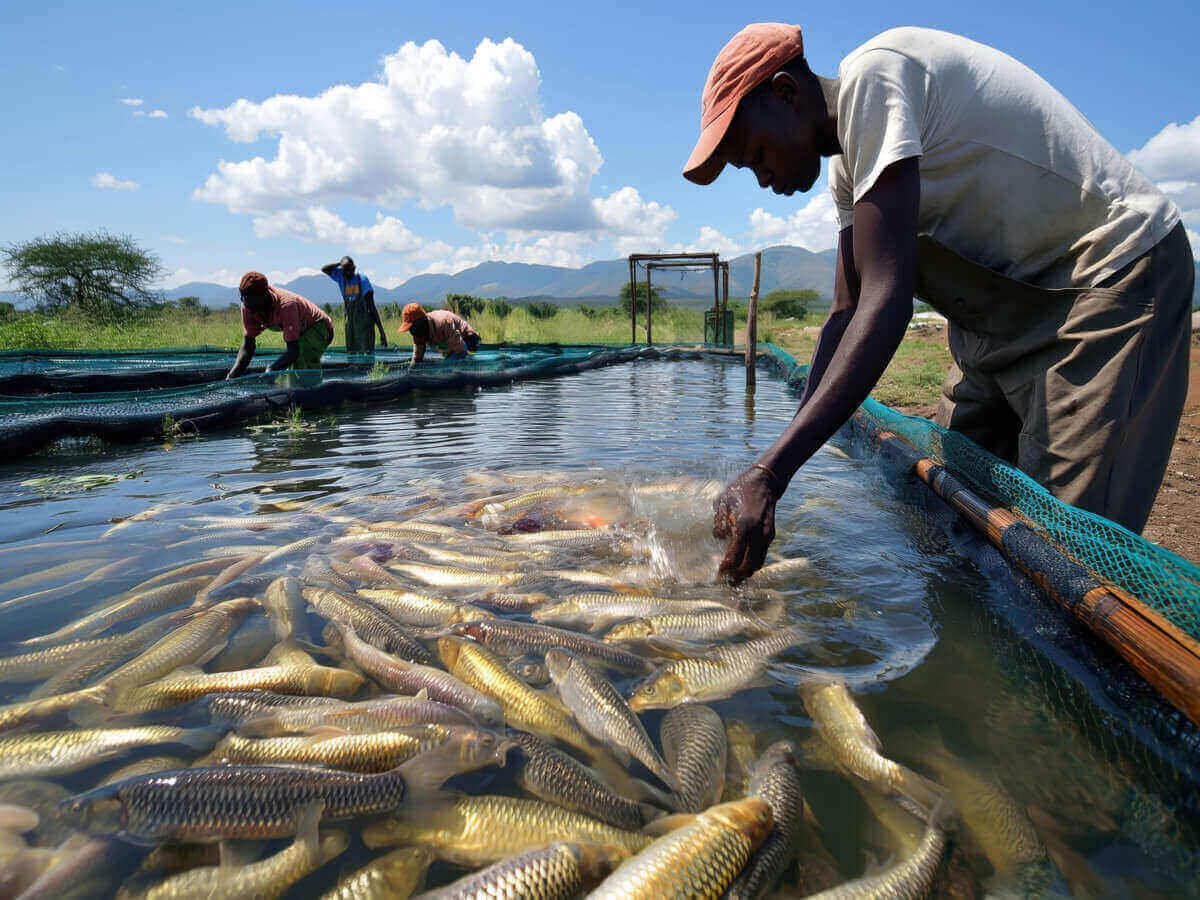
How Fish Farming Supports Kenya’s Economy
Fish farming has become one of the fastest-growing agricultural sectors in Kenya, playing an increasingly important role in strengthening the country’s economy, improving food security, and creating sustainable livelihoods. As consumer demand for high-quality fish continues to rise, aquaculture has emerged as a reliable way to increase local fish production while reducing pressure on natural fisheries.
Beyond producing nutritious food, fish farming supports thousands of livelihoods across the value chain. Farmers, processors, transport providers, retailers, hospitality businesses, and food service operators all benefit from a thriving aquaculture industry. These interconnected activities contribute to local economic development while helping Kenya build a more resilient and sustainable food system.
Today’s consumers are also placing greater value on responsibly produced food. They want suppliers that prioritise sustainability, responsible sourcing, food safety, and consistent quality while supporting Kenyan agriculture and local communities.
At Soba Renaissance, we proudly support this vision through responsible sourcing, sustainable aquaculture partnerships, integrated farm-to-fork supply systems, rigorous quality assurance, hygienic handling, professional packaging, and dependable cold-chain distribution. Every product reflects our commitment to delivering premium fish while contributing to Kenya’s long-term economic and agricultural growth.
This guide explores the many ways fish farming strengthens Kenya’s economy and why sustainable aquaculture is becoming increasingly important.
Creating Employment Across the Value Chain
Fish farming generates employment far beyond fish ponds and production facilities.
The industry creates opportunities for:
- Fish farmers.
- Hatchery operators.
- Feed suppliers.
- Veterinary and aquaculture professionals.
- Fish processors.
- Packaging businesses.
- Transport companies.
- Retailers.
- Hospitality workers.
Each stage contributes to job creation and helps strengthen local economies throughout Kenya.
Strengthening Food Security
A growing population requires reliable access to nutritious food.
Fish farming helps improve food security by:
- Increasing domestic fish production.
- Supporting year-round availability.
- Providing high-quality protein.
- Reducing dependence on external supply sources.
- Improving resilience within Kenya’s food system.
Reliable local production helps ensure more families have access to nutritious meals.
Supporting Local Supply Chains
Sustainable aquaculture strengthens Kenya’s agricultural supply network.
Fish farming supports collaboration among:
- Feed manufacturers.
- Equipment suppliers.
- Cold-chain logistics providers.
- Processing facilities.
- Supermarkets.
- Restaurants.
- Hotels.
- Food distributors.
These partnerships improve efficiency while creating opportunities for businesses throughout the country.
Encouraging Rural Economic Development
Many fish farming operations are located in rural and peri-urban communities.
As aquaculture grows, it contributes to:
- Increased household incomes.
- Rural employment.
- Local entrepreneurship.
- Agricultural investment.
- Community development.
These economic benefits help strengthen livelihoods while reducing income disparities between regions.
Supporting Kenya’s Hospitality Industry
Hotels, restaurants, cafés, caterers, and food service businesses rely on dependable access to premium fish.
Sustainable fish farming helps these sectors by providing:
- Reliable product availability.
- Consistent quality.
- Fresh locally sourced fish.
- Professional supply systems.
- Improved customer confidence.
A strong hospitality industry contributes significantly to Kenya’s broader economy.
Promoting Sustainable Agriculture
Responsible aquaculture complements Kenya’s wider agricultural development goals.
Sustainable fish farming focuses on:
- Efficient resource management.
- Responsible water use.
- Environmental stewardship.
- Healthy production systems.
- Long-term operational sustainability.
These practices help protect natural ecosystems while supporting continued economic growth.
Building Consumer Confidence
Consumers increasingly want confidence in the food they purchase.
Responsible fish suppliers emphasise:
- Traceability.
- Food safety.
- Responsible sourcing.
- Professional quality assurance.
- Transparent production practices.
Greater transparency helps strengthen trust throughout the supply chain.
Farm-to-Fork Production Adds Value
Managing production from source to customer improves both quality and efficiency.
Our integrated farm-to-fork approach includes:
- Responsible sourcing.
- Sustainable aquaculture partnerships.
- Hygienic handling.
- Professional packaging.
- Reliable cold-chain logistics.
- Rigorous quality assurance.
This approach helps preserve freshness while supporting consistent product quality.
Sustainability Supports Long-Term Growth
Long-term economic success depends on protecting natural resources.
At Soba Renaissance, sustainability includes:
- Responsible sourcing.
- Sustainable aquaculture.
- Efficient operations.
- Environmental responsibility.
- Reduced operational waste.
- Continuous improvement.
These initiatives help strengthen Kenya’s food industry while supporting future generations.
Why Customers Choose Soba Renaissance
Customers across Kenya trust Soba Renaissance because we consistently provide:
- Premium fish products.
- Responsible sourcing.
- Sustainable aquaculture partnerships.
- Farm-to-fork supply systems.
- Hygienic handling.
- Rigorous quality assurance.
- Professional packaging.
- Reliable cold-chain distribution.
- Dependable nationwide supply.
- Exceptional customer service.
Every product reflects our commitment to sustainability, economic development, and premium quality.
Frequently Asked Questions
How does fish farming support Kenya’s economy?
Fish farming creates employment, strengthens food security, supports rural development, improves local supply chains, contributes to hospitality businesses, and encourages sustainable agricultural growth.
Why is sustainable aquaculture important?
Sustainable aquaculture protects natural resources, supports responsible production, strengthens food security, and helps ensure long-term economic resilience.
How does Soba Renaissance support Kenyan agriculture?
Soba Renaissance supports responsible sourcing, sustainable aquaculture partnerships, integrated farm-to-fork supply systems, food safety, quality assurance, and dependable distribution while working with trusted producers.
Why choose Soba Renaissance?
Soba Renaissance combines responsible sourcing, sustainable production, integrated farm-to-fork systems, hygienic handling, professional packaging, dependable cold-chain logistics, and exceptional customer service to deliver premium fish products across Kenya.
Growing Kenya’s Economy Through Sustainable Fish Farming
Fish farming has become far more than an agricultural activity. It is a driver of employment, food security, entrepreneurship, rural development, hospitality growth, and sustainable economic progress. As Kenya continues investing in responsible aquaculture, the sector will remain an important contributor to national development while helping meet the growing demand for nutritious, locally produced fish.
At Soba Renaissance, we are proud to support this journey through responsible sourcing, sustainable aquaculture partnerships, integrated farm-to-fork supply systems, hygienic handling, rigorous quality assurance, professional packaging, and dependable cold-chain distribution. Every product reflects our commitment to strengthening Kenya’s economy while delivering premium fish that customers can trust.
Whether you are preparing meals for your family, operating a restaurant, managing a hotel, supplying a supermarket, or serving customers through a food service business, Soba Renaissance is your trusted partner for responsibly sourced premium fish.
Choose Soba Renaissance where sustainability, responsible sourcing, and farm-to-fork excellence help build a stronger future for Kenya.