

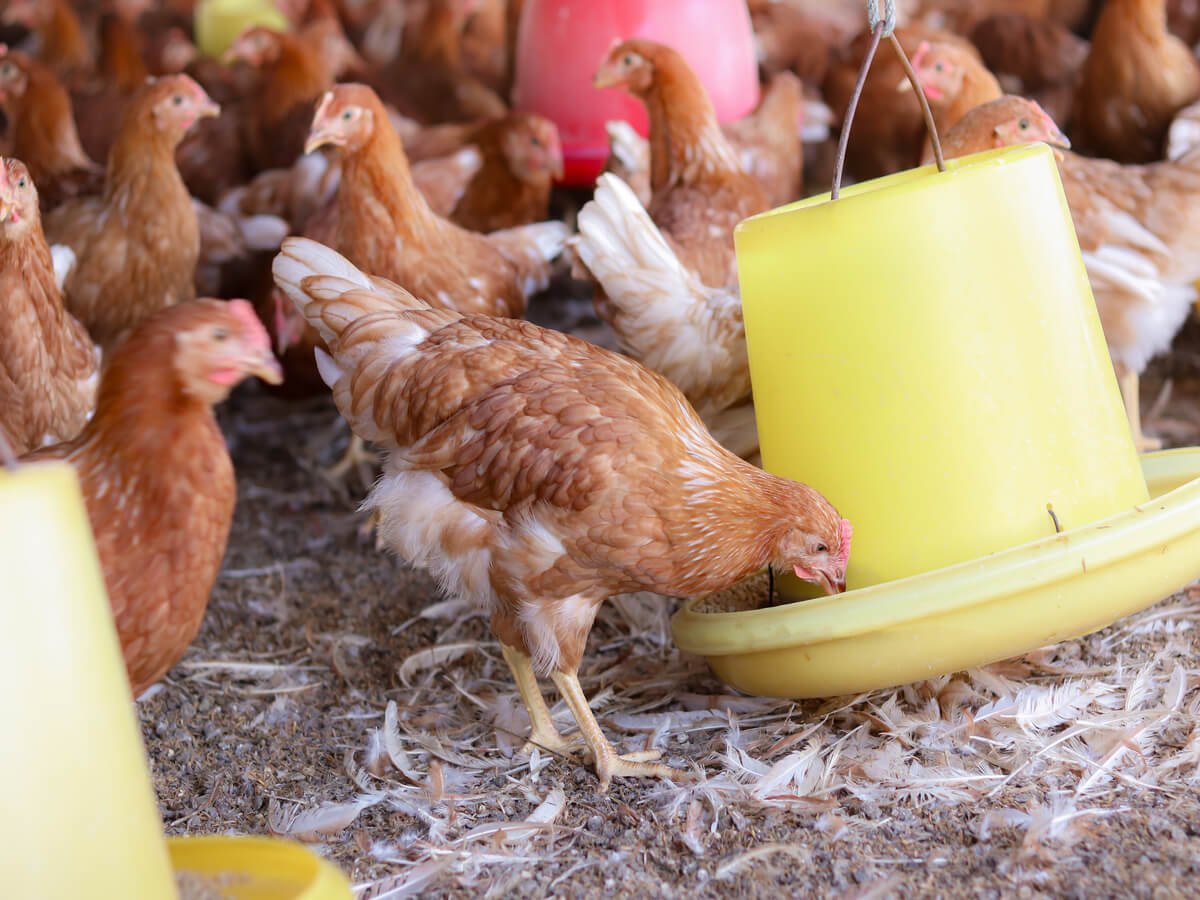
Challenges Facing Poultry Farmers in Kenya and How to Overcome Them
Poultry farming has become one of Kenya’s fastest-growing agricultural sectors, providing employment opportunities, supporting food security, and supplying fresh chicken and eggs to millions of households and businesses. As demand for locally produced poultry continues to rise, more farmers are entering the industry with the goal of building sustainable and profitable enterprises.
While the opportunities are significant, poultry farming is not without its challenges. Farmers must navigate issues such as disease prevention, fluctuating feed availability, climate variability, changing market conditions, biosecurity, and maintaining consistent product quality. Success depends on identifying these challenges early and adopting management practices that reduce risks while improving productivity.
At Soba Renaissance, we believe resilient poultry farming begins with responsible management. Through sustainable agriculture, integrated farm-to-fork production, rigorous quality assurance, continuous improvement, and responsible poultry farming practices, we are committed to strengthening Kenya’s poultry industry while delivering premium fresh chicken to customers nationwide.
This guide explores some of the most common challenges facing poultry farmers in Kenya and practical ways to overcome them.
Disease Prevention and Biosecurity
One of the greatest challenges in poultry farming is protecting flocks from disease.
Poor biosecurity can affect bird health, productivity, and overall farm performance.
Farmers can reduce risks by:
- Restricting unnecessary visitors.
- Cleaning and disinfecting poultry houses regularly.
- Maintaining clean equipment.
- Monitoring bird health every day.
- Isolating sick birds where appropriate.
- Following recommended veterinary guidance.
Strong biosecurity creates healthier flocks and more stable production.
Maintaining Consistent Feed Quality
Nutrition is essential for poultry growth and productivity.
Challenges may arise from:
- Inconsistent feed quality.
- Poor feed storage.
- Nutritional imbalances.
- Feed wastage.
Farmers can improve feeding programmes by:
- Purchasing quality feed from reputable suppliers.
- Storing feed in clean, dry conditions.
- Following age-appropriate feeding schedules.
- Monitoring feed consumption.
Balanced nutrition supports healthier birds and improved production.
Climate and Environmental Conditions
Weather patterns can affect poultry comfort and productivity.
High temperatures, heavy rainfall, or cold conditions may influence housing conditions if not managed properly.
Good practices include:
- Proper ventilation.
- Weather-resistant housing.
- Effective drainage.
- Shade where necessary.
- Reliable access to clean drinking water.
Well-designed housing helps birds remain comfortable throughout changing seasons.
Maintaining High Housing Standards
Housing directly affects flock health and welfare.
Common housing challenges include:
- Poor ventilation.
- Damp litter.
- Overcrowding.
- Inadequate sanitation.
Regular maintenance and proper stocking densities help create healthier production environments.
Access to Reliable Markets
Producing quality poultry is only part of building a successful farming business.
Farmers also benefit from developing dependable market relationships with:
- Households.
- Restaurants.
- Hotels.
- Caterers.
- Retailers.
- Supermarkets.
- Schools.
- Institutions.
Strong customer relationships contribute to greater business stability over time.
Managing Production Costs
Efficient farm management helps improve long-term sustainability.
Farmers can strengthen operational efficiency by:
- Planning resource use carefully.
- Reducing unnecessary waste.
- Maintaining equipment.
- Monitoring production performance.
- Keeping accurate farm records.
Small improvements in efficiency often produce meaningful long-term benefits.
Labour and Farm Management
As poultry operations grow, effective management becomes increasingly important.
Successful farms emphasise:
- Staff training.
- Clear operating procedures.
- Routine supervision.
- Good communication.
- Continuous learning.
Knowledgeable teams help maintain consistent production standards.
Meeting Customer Expectations
Today’s consumers increasingly value poultry products that reflect:
- Responsible farming.
- Food safety.
- Freshness.
- Traceability.
- Sustainability.
- Professional packaging.
Farmers who consistently produce high-quality poultry are better positioned to build long-term customer confidence.
Embracing Sustainable Farming
Sustainability has become an essential part of modern poultry farming.
Responsible farms increasingly focus on:
- Efficient water use.
- Responsible waste management.
- Environmental stewardship.
- Energy efficiency.
- Continuous improvement.
At Soba Renaissance, sustainability guides every stage of our operations because we believe responsible agriculture supports stronger farms, healthier communities, and a more resilient food system.
Investing in Continuous Learning
Agriculture continues to evolve through new knowledge and improved production methods.
Successful poultry farmers remain committed to learning about:
- Better management techniques.
- Biosecurity improvements.
- Sustainable agriculture.
- Food safety.
- Poultry nutrition.
- Emerging technologies.
Continuous education strengthens long-term competitiveness.
How Soba Renaissance Supports Responsible Poultry Farming
At Soba Renaissance, we believe every challenge presents an opportunity for improvement.
Our commitment includes:
- Responsible poultry farming.
- Sustainable agriculture.
- Integrated farm-to-fork production.
- High animal welfare standards.
- Rigorous quality assurance.
- Food safety.
- Professional processing.
- Reliable supply.
- Environmental responsibility.
- Continuous innovation.
These principles allow us to consistently produce premium fresh chicken while contributing to the long-term success of Kenya’s poultry industry.
Frequently Asked Questions
What is the biggest challenge facing poultry farmers in Kenya?
Challenges vary by farm, but common issues include disease prevention, feed management, climate conditions, housing, market access, operational efficiency, and maintaining consistent quality.
How can poultry farmers improve productivity?
Improving housing, nutrition, biosecurity, flock management, sustainability, record-keeping, and continuous learning helps strengthen long-term productivity.
Why is sustainability important for poultry farmers?
Sustainable farming encourages efficient resource management, reduces waste, supports environmental conservation, and improves long-term farm resilience.
Why choose Soba Renaissance?
Soba Renaissance combines responsible poultry farming, sustainable agriculture, integrated farm-to-fork production, rigorous quality assurance, food safety, environmental responsibility, and continuous innovation to deliver premium fresh chicken while supporting Kenya’s poultry industry.
Building Resilient Poultry Farms for Kenya’s Future
Every poultry farmer encounters challenges, but the most successful operations view those challenges as opportunities to improve. By strengthening biosecurity, maintaining high housing standards, providing balanced nutrition, improving operational efficiency, embracing sustainability, and investing in continuous learning, farmers can build resilient businesses capable of meeting Kenya’s growing demand for premium poultry products.
At Soba Renaissance, we are proud to demonstrate these principles through responsible poultry farming, sustainable agricultural practices, integrated farm-to-fork production, and an unwavering commitment to quality. Our dedication extends beyond supplying premium fresh chicken we are committed to supporting a stronger, more sustainable poultry industry that benefits farmers, businesses, consumers, and future generations.
Whether you are starting your poultry farming journey or expanding an established operation, responsible management, continuous improvement, and sustainable production remain the foundation of lasting success.
Choose Soba Renaissance a proudly Kenyan brand committed to strengthening poultry farming through quality, sustainability, and innovation.