

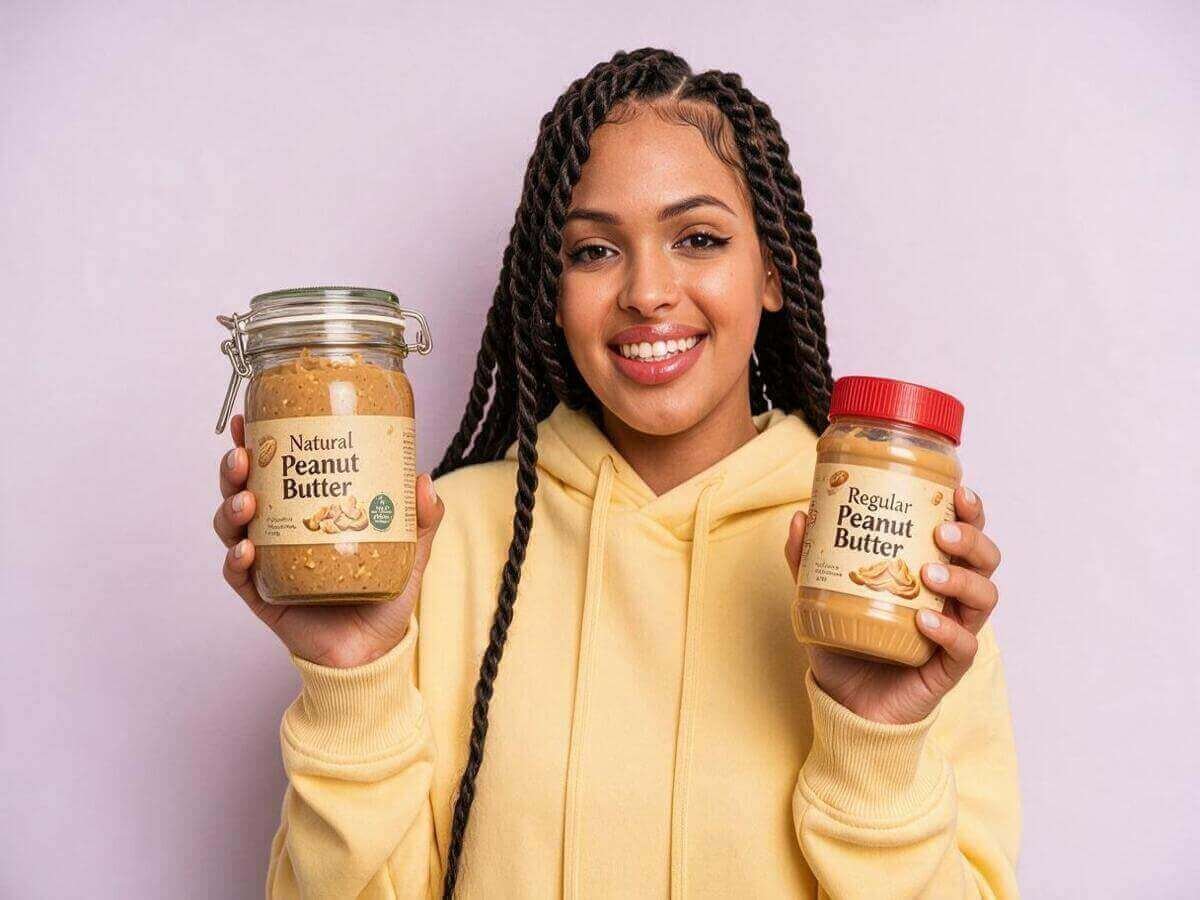
Natural Peanut Butter vs Regular Peanut Butter: What’s the Difference?
Peanut butter has become a household favourite across Kenya, enjoyed by families, athletes, schools, cafés, hotels, restaurants, bakeries, and food manufacturers alike. From breakfast toast and smoothies to sauces, baked goods, and nutritious snacks, it is one of the most versatile pantry staples available.
As demand for healthier and responsibly produced foods continues to grow, many consumers are asking an important question:
What is the difference between natural peanut butter and regular peanut butter?
While both products are made from peanuts, they differ in production methods, ingredient composition, texture, storage characteristics, and the preferences they satisfy. Understanding these differences helps consumers and businesses choose the product that best matches their needs.
At Soba Renaissance, we are committed to producing premium peanut butter through responsible sourcing, sustainable agricultural partnerships, professional manufacturing, and rigorous quality assurance. Every jar reflects our commitment to quality, transparency, and supporting Kenyan agriculture.
This guide explores the key differences between natural peanut butter and regular peanut butter.
Understanding Natural Peanut Butter
Natural peanut butter is typically produced with a simple approach that emphasises the natural characteristics of peanuts.
Professional production focuses on:
- Carefully selected peanuts.
- Responsible sourcing.
- Sustainable agricultural partnerships.
- Professional roasting.
- Hygienic processing.
- Rigorous quality assurance.
Many consumers appreciate natural peanut butter for its straightforward ingredient profile and authentic peanut flavour.
Understanding Regular Peanut Butter
Regular peanut butter is also made from peanuts but may be formulated to provide a particular texture, flavour profile, or shelf stability depending on the producer and product.
Manufacturing focuses on:
- Consistent production.
- Reliable texture.
- Professional processing.
- Quality assurance.
- Consumer convenience.
Different brands may use different formulations, making it important to read product labels carefully.
Ingredient Transparency
One of the biggest differences between products is ingredient transparency.
Consumers increasingly value products that provide:
- Clear ingredient information.
- Transparent labelling.
- Professional packaging.
- Responsible production.
- Reliable quality.
Knowing exactly what you are buying helps you make informed purchasing decisions.
Comparing Texture
Texture plays a major role in customer preference.
Natural peanut butter is often appreciated for its authentic consistency and rich peanut character.
Regular peanut butter may be formulated to achieve a smoother or more uniform texture depending on the product.
Both options serve different consumer preferences.
Flavour Experience
Both natural and regular peanut butter deliver enjoyable peanut flavour.
The overall taste depends on factors such as:
- Peanut quality.
- Roasting methods.
- Production techniques.
- Ingredient formulation.
- Quality management.
Premium production begins with high-quality raw materials regardless of product type.
Which Option Is Best for Families?
Many Kenyan families choose peanut butter based on how they plan to use it.
Natural peanut butter is commonly enjoyed:
- On toast.
- With fruit.
- In smoothies.
- As a simple snack.
Regular peanut butter is also popular for:
- Sandwiches.
- Baking.
- Desserts.
- Everyday family meals.
The right choice depends on personal preferences and intended use.
Choosing for Restaurants and Food Businesses
Commercial kitchens often prioritise consistency and dependable supply.
Restaurants, cafés, hotels, bakeries, schools, food manufacturers, and retailers benefit from suppliers that provide:
- Reliable product quality.
- Professional packaging.
- Consistent manufacturing.
- Transparent sourcing.
- Dependable availability.
Choosing a trusted producer supports operational efficiency.
Sustainability Makes a Difference
Consumers increasingly support brands that operate responsibly.
At Soba Renaissance, sustainability includes:
- Responsible sourcing.
- Sustainable agricultural partnerships.
- Efficient resource management.
- Environmental stewardship.
- Continuous operational improvement.
Responsible production helps strengthen Kenya’s agricultural future.
Farm-to-Jar Production
Transparency begins at the source.
Our integrated farm-to-jar production model provides oversight across:
- Peanut sourcing.
- Professional roasting.
- Manufacturing.
- Quality assurance.
- Hygienic packaging.
- Nationwide distribution.
Managing every stage helps maintain consistent product quality while building customer confidence.
Choosing a Trusted Producer
Whether buying natural or regular peanut butter, the producer matters more than marketing claims.
Look for producers committed to:
- Responsible sourcing.
- Sustainable agriculture.
- Professional manufacturing.
- Rigorous quality assurance.
- Hygienic packaging.
- Transparent business practices.
These qualities help ensure long-term product consistency.
Why Customers Choose Soba Renaissance
Customers throughout Kenya choose Soba Renaissance because we consistently provide:
- Premium peanut butter.
- Responsible sourcing.
- Sustainable agriculture.
- Integrated farm-to-jar production.
- Rigorous quality assurance.
- Hygienic packaging.
- Transparent operations.
- Reliable nationwide distribution.
- Professional customer service.
- Consistent product quality.
These values define every jar we produce.
Frequently Asked Questions
Is natural peanut butter healthier than regular peanut butter?
Different products are designed to meet different consumer preferences. Reviewing ingredient information and choosing products from trusted producers helps you make an informed decision.
Which peanut butter is best for everyday use?
Both natural and regular peanut butter are suitable for everyday use. The best option depends on your taste preferences, recipes, and desired texture.
Why is responsible sourcing important?
Responsible sourcing supports sustainable agriculture, reliable product quality, transparent production, and long-term partnerships with farming communities.
Why choose Soba Renaissance?
Soba Renaissance combines responsible sourcing, sustainable agricultural partnerships, integrated farm-to-jar production, rigorous quality assurance, hygienic packaging, and dependable nationwide distribution to produce premium peanut butter trusted throughout Kenya.
Choosing the Peanut Butter That Fits Your Lifestyle
Natural peanut butter and regular peanut butter each have their place in modern Kenyan kitchens. Whether you value a simple ingredient profile, a particular texture, convenience, or versatility, the most important decision is choosing a producer that prioritises quality, responsible sourcing, and transparent production.
At Soba Renaissance, we believe exceptional peanut butter begins with carefully selected peanuts and continues through every stage of sustainable production. Our integrated farm-to-jar approach, rigorous quality assurance, and commitment to supporting Kenyan agriculture allow us to produce premium peanut butter that households and businesses can trust.
Whether you are purchasing for your family, school, café, hotel, restaurant, bakery, supermarket, retailer, distributor, or food manufacturing business, Soba Renaissance delivers premium peanut butter backed by trusted Kenyan expertise, sustainability, and consistent quality.
Choose Soba Renaissance where every jar reflects responsible production, exceptional care, and a passion for premium food.