

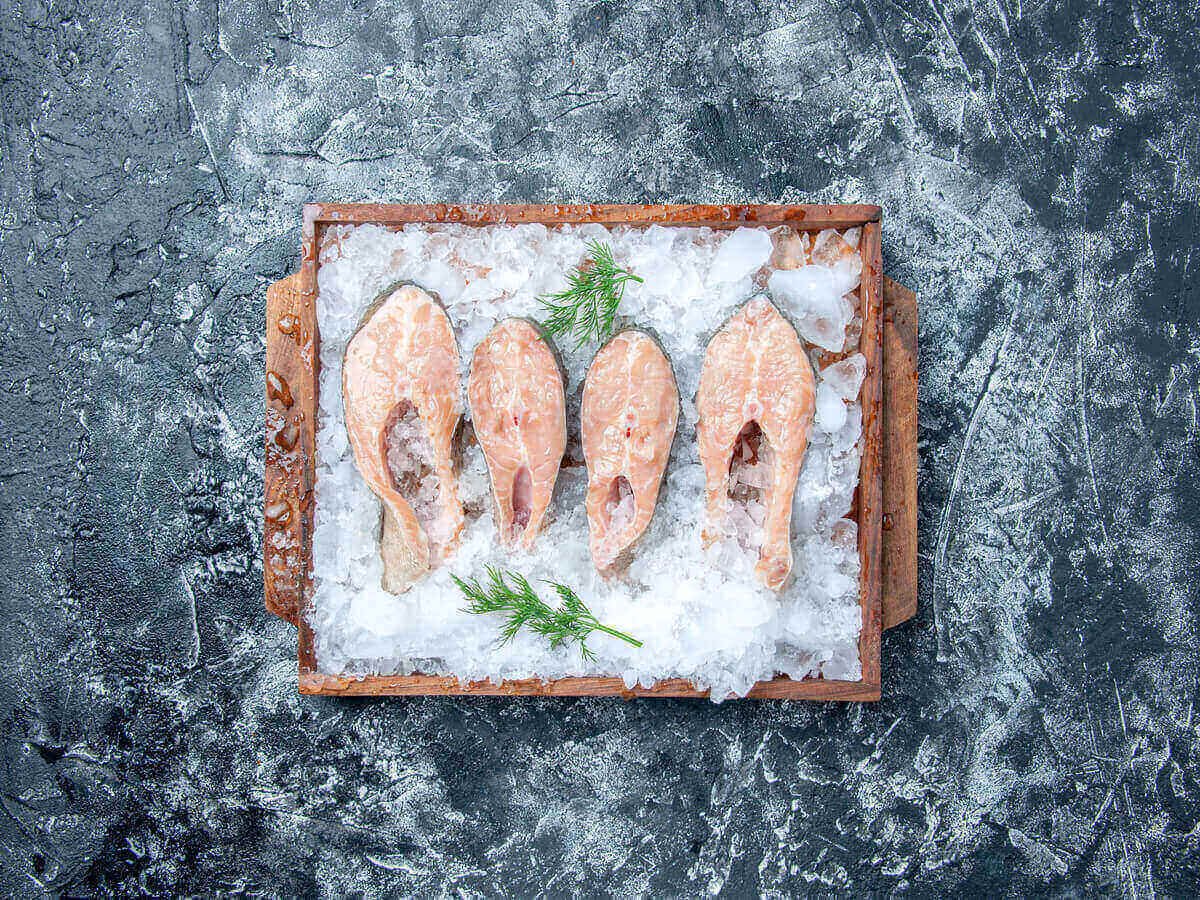
Fresh Fish vs Frozen Fish: Which Is Better?
Walk into any supermarket or seafood shop in Kenya and you’ll usually find two main options waiting for you fresh fish and frozen fish. Both have their place in modern kitchens, but which one should you choose?
The answer depends on your cooking plans, storage needs, and, most importantly, the quality of the product itself. While many people automatically assume one is always better than the other, the reality is more balanced. Properly handled frozen fish can be an excellent option, while professionally sourced fresh fish offers qualities that many home cooks and chefs appreciate.
Understanding the differences allows you to make smarter buying decisions and get the best value for your money.
At Soba Renaissance, we are committed to supplying premium fresh fish through responsible sourcing, sustainable seafood partnerships, professional handling, rigorous quality assurance, and dependable cold-chain management. Our goal is to help customers choose seafood with confidence.
What Is Fresh Fish?
Fresh fish is fish that has been kept chilled rather than frozen after harvesting.
When properly handled, fresh fish offers:
- A naturally firm texture.
- Clean appearance.
- Mild aroma.
- Excellent versatility.
- Immediate cooking convenience.
Fresh fish is particularly popular with households, restaurants, hotels, and caterers preparing meals within a short period after purchase.
What Is Frozen Fish?
Frozen fish is rapidly frozen after harvesting and stored at freezing temperatures until it is sold and thawed for use.
When frozen, stored, and handled correctly, frozen fish can maintain good quality over extended periods.
It is especially useful for:
- Long-term storage.
- Bulk purchasing.
- Meal planning.
- Reducing food waste.
Comparing Fresh and Frozen Fish
Freshness
Fresh fish is valued for its natural texture and flavour when purchased from suppliers that maintain proper refrigeration throughout the supply chain.
Frozen fish can also retain high quality when it is frozen promptly after harvesting and kept continuously frozen until use.
The key factor is not simply whether fish is fresh or frozen, but whether it has been handled correctly.
Taste and Texture
Many people enjoy the delicate texture of fresh fish, particularly when preparing grilled, baked, or pan-fried dishes.
Frozen fish may have slight texture differences depending on the freezing and thawing process, but high-quality frozen products can still deliver excellent cooking results.
Careful preparation plays an important role regardless of the option you choose.
Convenience
Fresh fish is ready for immediate preparation.
Frozen fish offers flexibility because it can be stored for longer periods and used whenever needed.
Busy households often appreciate having frozen seafood available, while restaurants serving daily fresh menus may prefer chilled products.
Nutrition
Fish is naturally rich in high-quality protein and provides important nutrients regardless of whether it is sold fresh or frozen.
Nutritional value is influenced by factors such as fish species, handling, storage, and preparation methods.
Choosing quality seafood and preparing it well are more important than focusing only on whether it is fresh or frozen.
Storage
Fresh fish should be refrigerated and prepared within the recommended storage period.
Frozen fish should remain frozen until needed and be thawed safely according to food safety guidance.
Proper storage helps preserve quality in both cases.
Which Option Is Best for Restaurants?
Restaurants and hospitality businesses often select products based on menu requirements, customer expectations, storage capacity, and operational efficiency.
Many establishments prefer fresh fish for daily service, while frozen fish may help support inventory management for selected menu items.
The right choice depends on each business’s needs.
Quality Depends on the Supplier
Whether purchasing fresh or frozen seafood, supplier standards remain the most important consideration.
Reliable suppliers invest in:
- Responsible sourcing.
- Hygienic processing.
- Professional packaging.
- Cold-chain management.
- Rigorous quality assurance.
These systems protect product quality throughout the supply chain.
Why Customers Choose Soba Renaissance
At Soba Renaissance, we proudly provide:
- Premium fresh fish.
- Responsible sourcing.
- Sustainable seafood partnerships.
- Hygienic processing.
- Rigorous quality assurance.
- Reliable cold-chain logistics.
- Professional packaging.
- Dependable delivery.
- Outstanding customer service.
- Consistent product quality.
Our commitment is to deliver seafood that Kenyan families and businesses can trust.
Frequently Asked Questions
Is fresh fish always better than frozen fish?
Not necessarily. Both can be excellent choices when handled, stored, and prepared properly.
Which option is better for everyday meals?
The best choice depends on your cooking schedule, storage needs, and personal preferences.
Does freezing automatically reduce quality?
Proper freezing and storage can preserve fish effectively. Quality depends largely on handling throughout the supply chain.
Why choose Soba Renaissance?
Soba Renaissance combines responsible sourcing, professional handling, sustainable partnerships, and rigorous quality assurance to provide premium fresh fish across Kenya.
Choose Quality First
Rather than asking whether fresh or frozen fish is always better, it is more useful to ask whether the seafood has been sourced responsibly, handled professionally, and stored correctly. Those factors have the greatest influence on quality, flavour, and the overall cooking experience.
At Soba Renaissance, we are committed to providing premium fresh fish through sustainable sourcing, professional processing, dependable cold-chain logistics, and exceptional customer service. Whether you’re shopping for your family or your business, you can rely on us for seafood that reflects the highest standards of quality and care.