

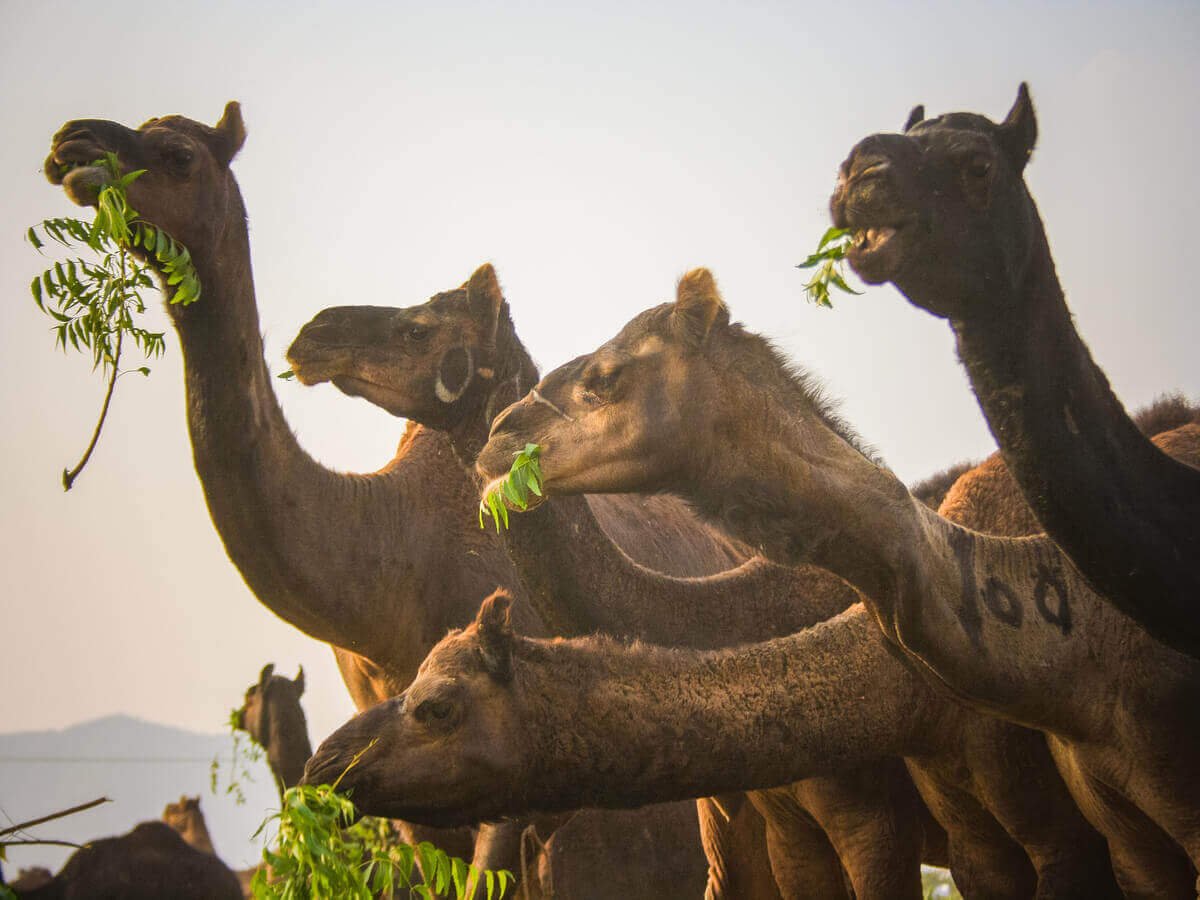
Camel Farming and Food Security in Kenya
Food security is one of Kenya’s greatest priorities as the country continues to grow, urbanise, and strengthen its agricultural sector. Ensuring that families have consistent access to safe, nutritious, and reliable sources of food requires more than increasing production it demands resilient farming systems, sustainable agricultural practices, and strong partnerships throughout the food supply chain.
Among Kenya’s diverse livestock industries, camel farming is playing an increasingly important role in supporting these goals. Long valued by pastoral communities in the country’s arid and semi-arid regions, camels are now contributing to a broader national conversation about sustainable food production, rural development, and agricultural resilience.
As demand for premium camel meat continues to grow across Nairobi and other urban centers, responsible camel farming is creating new opportunities for producers while strengthening Kenya’s domestic food system.
At Soba Renaissance, we proudly support this progress through responsible livestock sourcing, sustainable agricultural partnerships, professional processing, and dependable nationwide delivery. We believe that investing in responsible camel farming today helps build a stronger and more food-secure Kenya for tomorrow.
Understanding Food Security
Food security means that people have reliable access to food that is:
- Safe.
- Nutritious.
- Consistently available.
- Affordable.
- Produced through dependable systems.
Achieving these goals requires a strong agricultural sector capable of supplying high-quality food throughout the year.
Camel farming contributes to this important mission by strengthening local livestock production and supporting resilient food systems.
Camel Farming Supports Reliable Protein Production
Protein is an essential part of a balanced diet, and livestock farming plays a major role in supplying it.
Camel farming contributes by providing premium camel meat to:
- Families.
- Restaurants.
- Hotels.
- Caterers.
- Supermarkets.
- Retailers.
- Institutions.
- Food service businesses.
Growing domestic production helps improve food availability while supporting Kenyan agriculture.
Strengthening Local Food Supply Chains
Food security depends on efficient supply chains that connect producers with consumers.
Camel farming supports businesses involved in:
- Livestock production.
- Veterinary services.
- Meat processing.
- Packaging.
- Transport.
- Cold-chain logistics.
- Wholesale distribution.
- Retail.
Together, these sectors create an integrated food system that supports reliable product availability across Kenya.
Supporting Rural Communities
Camel farming provides livelihoods for thousands of Kenyans.
The industry creates opportunities for:
- Livestock producers.
- Veterinary professionals.
- Transport operators.
- Agricultural suppliers.
- Processors.
- Retailers.
- Hospitality businesses.
Supporting responsible camel farming strengthens rural economies while helping create long-term employment opportunities.
Sustainable Agriculture for Future Generations
Food security depends on agricultural systems that remain productive over the long term.
Responsible camel farming encourages:
- Sustainable livestock management.
- Responsible resource use.
- Continuous improvement.
- Strong agricultural partnerships.
- Long-term resilience.
These principles help protect Kenya’s agricultural future while supporting growing consumer demand.
Building Consumer Confidence
Modern consumers increasingly value food that is responsibly sourced and professionally produced.
Confidence grows when businesses demonstrate:
- Responsible livestock sourcing.
- Sustainable farming.
- Professional processing.
- Transparent operations.
- Rigorous quality assurance.
These standards strengthen trust throughout the food supply chain.
Soba Renaissance Supports Kenya’s Food Security
At Soba Renaissance, we recognise that every premium product contributes to a larger agricultural system.
Our commitment includes:
- Responsible livestock sourcing.
- Sustainable agricultural partnerships.
- Professional processing.
- Rigorous quality assurance.
- Reliable cold-chain logistics.
- Transparent business practices.
- Continuous improvement.
- Dependable nationwide delivery.
Through these efforts, we proudly support both premium camel meat and Kenya’s long-term food security.
Frequently Asked Questions
How does camel farming support food security?
Camel farming contributes to reliable protein production, strengthens local food supply chains, supports rural livelihoods, and encourages sustainable agricultural development.
Why is local camel farming important?
Local production strengthens domestic agriculture, supports Kenyan producers, improves food availability, and builds more resilient food systems.
Why choose Soba Renaissance?
Soba Renaissance supports responsible livestock sourcing, sustainable farming partnerships, professional processing, and dependable delivery of premium camel meat across Kenya.
Strong Agriculture Creates Stronger Communities
Food security begins with resilient agriculture. As Kenya continues to strengthen its food systems, responsible camel farming is becoming an increasingly valuable contributor to reliable protein production, sustainable rural development, and resilient agricultural supply chains.
Every responsibly sourced product supports hardworking producers, strengthens local businesses, and contributes to a more secure food future for Kenyan families.
At Soba Renaissance, we are proud to play our part by partnering with trusted livestock producers, investing in sustainable agricultural practices, maintaining rigorous quality standards, and delivering premium camel meat to customers throughout Kenya. Together, we can build a future where quality food, responsible farming, and strong communities continue to thrive.