

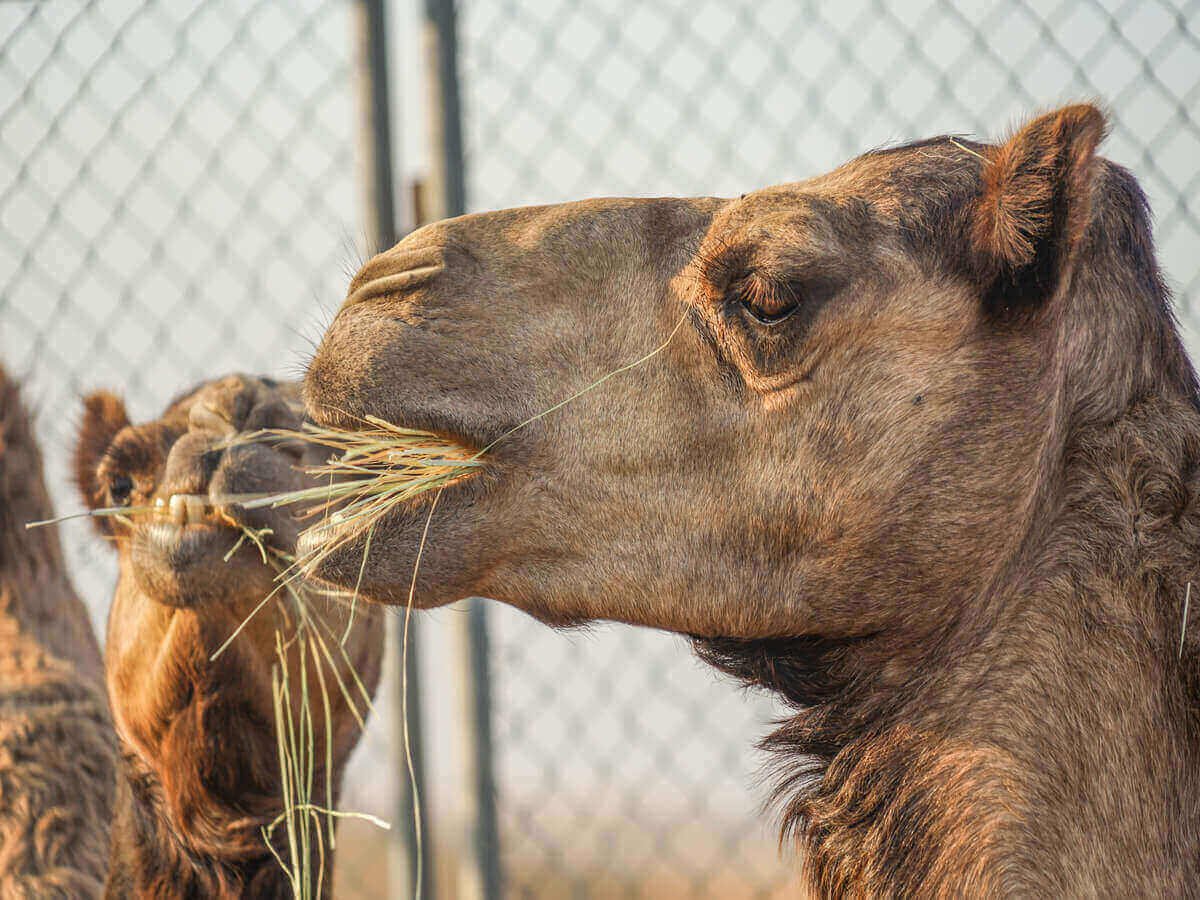
How Proper Camel Nutrition Improves Meat Quality
Every premium food product begins long before it reaches the customer. In the case of camel meat, quality starts with one of the most important aspects of livestock management proper nutrition.
Consumers often judge meat by its appearance, freshness, tenderness, and consistency, but these qualities are influenced by months and even years of careful animal management. A well-balanced feeding programme supports healthy camel growth, contributes to consistent meat quality, and forms an essential part of responsible livestock production.
As camel meat becomes increasingly popular across Kenya, consumers are also becoming more interested in how livestock is raised. They want to know that the products they purchase come from suppliers who value responsible farming, sustainability, and long-term agricultural excellence.
At Soba Renaissance, we believe premium camel meat begins with responsible livestock sourcing and partnerships with producers who understand that quality starts on the farm. Our commitment to sustainability, professional processing, rigorous quality assurance, and dependable nationwide delivery allows us to provide camel meat that reflects care throughout the production journey.
Nutrition Is the Foundation of Healthy Livestock
Like all animals, camels require balanced nutrition to maintain good health throughout their lives.
Proper nutrition supports:
- Healthy growth.
- Daily wellbeing.
- Strong body condition.
- Consistent development.
- Efficient livestock management.
Healthy animals contribute to a more reliable and sustainable livestock production system.
Why Balanced Feeding Matters
Balanced nutrition involves providing camels with appropriate feed that meets their nutritional requirements throughout different stages of growth.
Responsible livestock producers carefully manage feeding programmes to support:
- Healthy body development.
- Consistent condition.
- Efficient production.
- Animal wellbeing.
- Long-term productivity.
Good feeding practices form part of responsible livestock management rather than focusing only on production outcomes.
Nutrition Supports Consistent Meat Quality
One of the biggest challenges in livestock production is maintaining consistency.
Well-managed nutrition programmes help producers achieve greater uniformity throughout the herd, resulting in products that meet customer expectations more consistently.
Consistency benefits:
- Families.
- Restaurants.
- Hotels.
- Retailers.
- Caterers.
- Food service providers.
Reliable quality builds long-term customer confidence.
Proper Nutrition Supports Responsible Farming
Responsible farming extends beyond feeding livestock.
However, nutrition remains one of its most important pillars.
Responsible producers combine balanced nutrition with:
- Good husbandry.
- Veterinary care.
- Biosecurity.
- Continuous monitoring.
- Sustainable management.
Together, these practices support healthy livestock and stronger agricultural systems.
Sustainability Begins on the Farm
Sustainable agriculture depends on thoughtful resource management and responsible production practices.
Well-planned livestock nutrition contributes to:
- Efficient farm management.
- Responsible resource use.
- Long-term agricultural resilience.
- Sustainable livestock production.
- Continuous operational improvement.
At Soba Renaissance, sustainability guides our partnerships with responsible producers who share these values.
Supporting Kenya’s Livestock Industry
Strong livestock management supports the wider agricultural economy.
Responsible producers create opportunities for:
- Rural communities.
- Veterinary professionals.
- Feed suppliers.
- Transport providers.
- Processors.
- Retail businesses.
Every stage contributes to stronger food systems and sustainable economic development.
Why Soba Renaissance Values Responsible Livestock Partnerships
We recognise that premium camel meat begins with responsible producers.
Our commitment includes:
- Responsible livestock sourcing.
- Sustainable agricultural partnerships.
- Professional processing.
- Rigorous quality assurance.
- Reliable cold-chain logistics.
- Transparent business practices.
- Continuous improvement.
These values help us consistently deliver premium camel meat throughout Kenya.
Frequently Asked Questions
Why is camel nutrition important?
Balanced nutrition supports healthy livestock management, responsible farming practices, and consistent production standards.
Does nutrition influence meat quality?
Proper livestock nutrition contributes to consistent animal development and forms an important part of responsible production systems that support premium meat quality.
Why does Soba Renaissance emphasise responsible sourcing?
Because quality begins long before processing. Working with responsible producers helps support consistency, sustainability, and customer confidence.
Quality Begins with Responsible Nutrition
Premium camel meat reflects months of careful planning, responsible livestock management, and sustainable farming practices. Proper nutrition is one of the key foundations that supports healthy animals, consistent production, and reliable quality.
At Soba Renaissance, we proudly work with trusted producers who share our commitment to responsible livestock sourcing, sustainable agriculture, and professional production. Every product we deliver reflects the belief that exceptional quality starts on the farm and continues through every stage of the journey to your table.