

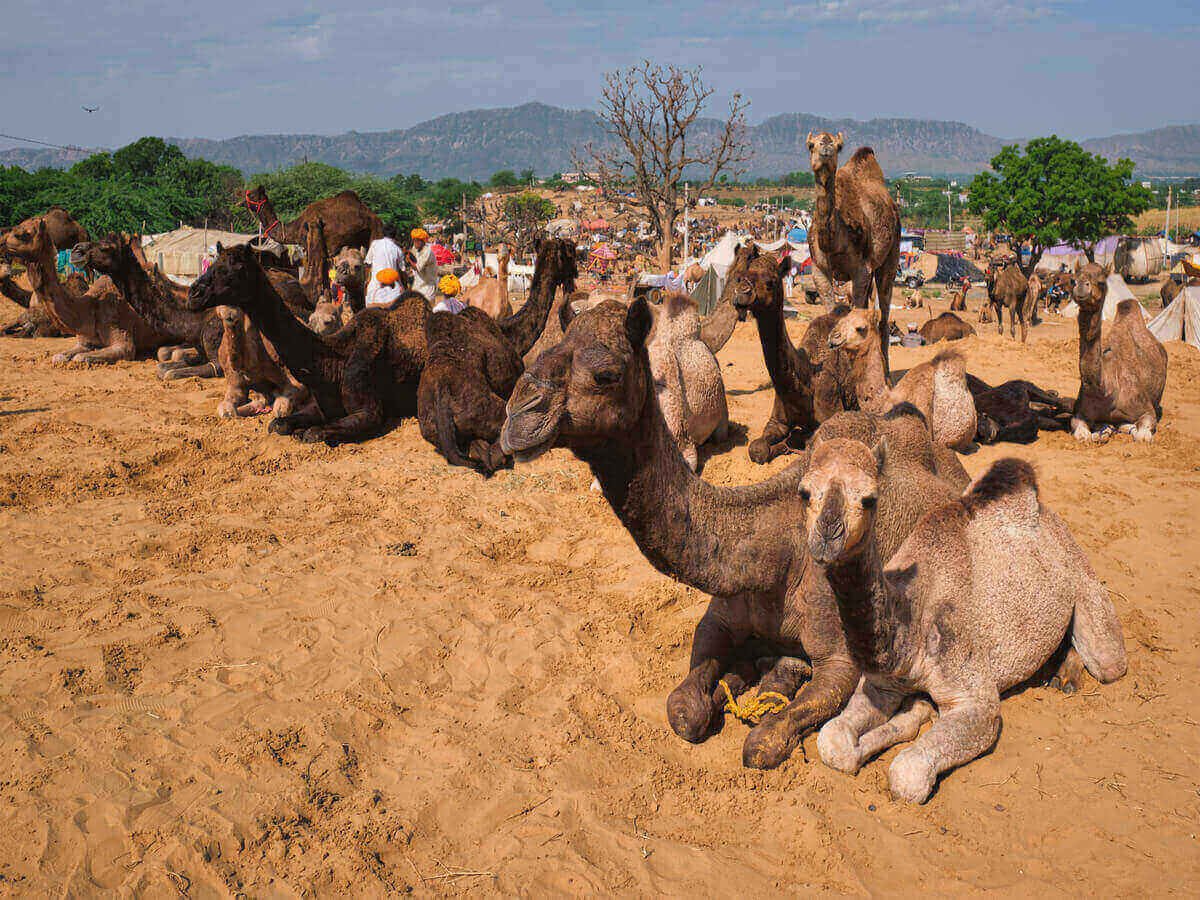
Sustainable Camel Farming in Kenya Explained
Sustainability has become one of the most important conversations in modern agriculture. Across Kenya, consumers are paying closer attention to where their food comes from, how it is produced, and the long-term impact farming has on communities and the environment.
This growing awareness has encouraged many people to look beyond the final product and consider the journey it takes from farm to table. Whether buying vegetables, dairy products, poultry, or premium camel meat, today’s shoppers increasingly value businesses that combine quality with responsible production.
Camel farming is an excellent example of how traditional knowledge and modern agricultural practices can work together. For generations, pastoral communities across Northern Kenya have relied on camels for food, income, and livelihoods. Today, sustainable camel farming continues that legacy while embracing improved livestock management, responsible sourcing, and professional supply chains that support a stronger agricultural future.
At Soba Renaissance, sustainability is more than a business objective it is a guiding principle. Through responsible livestock sourcing, professional processing, quality assurance, and support for Kenyan producers, we are committed to delivering premium camel meat while helping strengthen sustainable agriculture across the country.
But what exactly is sustainable camel farming, and why does it matter?
What Is Sustainable Camel Farming?
Sustainable camel farming is an approach that balances productive livestock management with long-term environmental, economic, and social responsibility.
Rather than focusing only on short-term production, sustainable farming aims to support:
- Healthy livestock.
- Responsible resource use.
- Strong rural livelihoods.
- Reliable food production.
- Long-term agricultural resilience.
The goal is to ensure that farming continues to benefit both current and future generations.
Why Camels Are Well Suited to Kenya
Camels have been part of Kenya’s agricultural landscape for centuries.
Their natural adaptation to arid and semi-arid regions has made them especially important in areas where other livestock may face greater challenges.
This makes camel farming an important part of Kenya’s diverse livestock sector and contributes to resilient food production systems in many parts of the country.
Responsible Livestock Management
Sustainability begins with responsible animal care.
Well-managed camel farming focuses on practices that promote healthy livestock throughout the production cycle.
Responsible management includes:
- Appropriate nutrition.
- Good husbandry practices.
- Veterinary care.
- Biosecurity measures.
- Regular monitoring.
- Continuous improvement.
Healthy livestock contributes to consistent product quality and stronger farming systems.
Supporting Local Communities
Sustainable farming is about people as much as livestock.
Camel farming supports thousands of Kenyans through employment and business opportunities across the agricultural value chain.
It benefits:
- Livestock producers.
- Veterinary professionals.
- Transport providers.
- Meat processors.
- Retailers.
- Hospitality businesses.
- Local entrepreneurs.
By strengthening rural livelihoods, sustainable farming contributes to broader economic development.
Protecting Natural Resources
Responsible agriculture depends on careful management of available resources.
Sustainable camel farming encourages practices that promote:
- Efficient resource use.
- Reduced operational waste.
- Responsible land management.
- Long-term environmental stewardship.
- Continuous operational improvements.
These efforts help strengthen agricultural systems while supporting future food production.
Building Stronger Food Supply Chains
Food quality depends on more than farming alone.
Professional supply chains help connect producers with households, restaurants, hotels, retailers, and institutions across Kenya.
Reliable supply chains include:
- Responsible sourcing.
- Professional processing.
- Quality assurance.
- Hygienic packaging.
- Cold-chain management.
- Efficient distribution.
Every stage contributes to preserving product quality while reducing unnecessary losses.
Why Traceability Matters
Modern consumers increasingly want confidence in the products they buy.
Traceability helps businesses maintain greater oversight throughout the supply chain by supporting:
- Product accountability.
- Organised production.
- Quality assurance.
- Customer confidence.
- Continuous improvement.
At Soba Renaissance, responsible sourcing and transparent business practices form an important part of our sustainability commitment.
Sustainability and Premium Quality Go Together
Some people assume sustainability only benefits the environment.
In reality, sustainable practices often contribute to better business performance and stronger customer confidence.
Responsible operations help support:
- Consistent product quality.
- Reliable supply.
- Efficient production.
- Long-term partnerships.
- Higher operational standards.
Premium quality and sustainability work hand in hand.
Supporting Kenya’s Agricultural Future
Kenya’s growing population continues to increase demand for high-quality food.
Sustainable livestock farming helps prepare the agricultural sector for the future by encouraging:
- Innovation.
- Responsible production.
- Strong local partnerships.
- Agricultural resilience.
- Long-term investment.
Businesses that embrace sustainability contribute to a stronger national food system.
How Soba Renaissance Supports Sustainable Camel Farming
At Soba Renaissance, sustainability guides every stage of our operations.
Our commitment includes:
- Responsible livestock sourcing.
- Support for Kenyan producers.
- Sustainable agricultural partnerships.
- Professional processing.
- Rigorous quality assurance.
- Reliable cold-chain management.
- Efficient resource use.
- Transparent business practices.
- Continuous operational improvement.
- Dependable nationwide delivery.
Every product reflects our belief that premium quality begins with responsible production.
Why Customers Choose Soba Renaissance
Customers throughout Nairobi and Kenya trust Soba Renaissance because we consistently provide:
- Premium camel meat.
- Responsible livestock sourcing.
- Sustainable operations.
- Hygienic processing.
- Professional packaging.
- Reliable cold-chain logistics.
- Rigorous quality assurance.
- Transparent customer service.
- Dependable delivery.
- Consistent product quality.
Our commitment extends beyond supplying meat we are committed to supporting a stronger and more sustainable agricultural future for Kenya.
Frequently Asked Questions
What is sustainable camel farming?
Sustainable camel farming combines responsible livestock management, efficient resource use, support for local communities, and professional production systems that help strengthen long-term agricultural resilience.
Why is sustainability important in livestock farming?
Sustainability supports reliable food production, stronger rural economies, responsible resource management, and long-term agricultural development.
Does sustainable farming improve product quality?
Responsible farming and professional supply chain practices can contribute to greater consistency, quality assurance, and customer confidence.
Why choose Soba Renaissance?
Soba Renaissance supports sustainable camel farming through responsible livestock sourcing, professional processing, rigorous quality assurance, transparent operations, and dependable delivery of premium camel meat across Kenya.
Building a Better Future Through Sustainable Camel Farming
Sustainable camel farming is about much more than producing premium meat. It is about creating farming systems that respect livestock, support communities, strengthen local economies, and help protect the resources future generations will depend on. By combining traditional knowledge with modern production practices, Kenya’s camel farming industry continues to demonstrate how responsible agriculture can contribute to long-term food security and economic growth.
Every choice consumers make also has an impact. Supporting businesses that prioritise responsible sourcing and sustainable operations encourages higher standards throughout the agricultural sector while helping local producers thrive.
At Soba Renaissance, we are proud to contribute to this vision by partnering with trusted livestock producers, maintaining rigorous quality standards, investing in professional processing, and delivering premium camel meat with integrity. Our commitment to sustainability reflects our belief that exceptional products should also create lasting value for farmers, communities, customers, and the environment.
Choose Soba Renaissance for premium camel meat produced through responsible sourcing, sustainable practices, and a genuine commitment to Kenya’s agricultural future.