

Camel Meat and High-Protein Diets: What You Should Know
Walk into almost any gym in Nairobi today, and you’ll hear people talking about protein.
It’s part of conversations among runners preparing for marathons, parents planning healthier family meals, office workers trying to eat more mindfully, and fitness enthusiasts looking for nutritious food options that fit their busy schedules.
While high-protein diets have become increasingly popular, they’re not just for athletes. Many people choose to include more protein in their daily meals because protein contributes to normal muscle maintenance, tissue repair, healthy bones, and many other essential body functions.
As interest in protein-rich foods continues to grow, camel meat is attracting attention across Kenya.
Once mainly associated with northern Kenya, camel meat is now appearing in restaurants, specialty butcheries, supermarkets, and home kitchens throughout Nairobi and beyond. Consumers appreciate its rich flavour, versatility, and naturally high-quality protein, making it an excellent option for people looking to diversify their protein choices.
At Soba Renaissance, we proudly provide premium camel meat through responsible livestock sourcing, sustainable production practices, rigorous quality assurance, and dependable delivery across Kenya. Our goal is to make premium-quality meat accessible to households, chefs, restaurants, and businesses that value freshness and responsible food production.
Let’s take a closer look at how camel meat fits into high-protein diets and balanced nutrition.
What Is a High-Protein Diet?
A high-protein diet generally involves increasing the proportion of protein-rich foods while maintaining a balanced intake of carbohydrates, healthy fats, fruits, vegetables, and other essential nutrients.
People may choose higher-protein eating patterns for various reasons, including:
- Supporting physically active lifestyles.
- Planning balanced family meals.
- Maintaining muscle as they age.
- Increasing meal satisfaction.
- Adding greater variety to their weekly menu.
The exact amount of protein needed varies from person to person depending on factors such as age, body size, activity level, and overall health.
Camel Meat Provides Complete Protein
One reason camel meat is becoming more popular is its protein quality.
Camel meat provides complete protein, meaning it contains all nine essential amino acids that the body must obtain through food.
Protein contributes to:
- Maintenance of muscle mass.
- Growth and repair of body tissues.
- Normal bone health.
- Production of enzymes and hormones.
Including complete protein sources as part of a varied diet helps support everyday nutritional needs.
Protein Variety Makes Meals More Enjoyable
Healthy eating is rarely about relying on one food.
Many nutrition professionals encourage including a variety of protein sources throughout the week.
Camel meat can be enjoyed alongside:
- Fish.
- Chicken.
- Lean beef.
- Goat meat.
- Eggs.
- Dairy products.
- Beans.
- Lentils.
Rotating different protein sources introduces new flavours while helping create diverse and enjoyable meal plans.
A Lean Option for Modern Meal Planning
Many people following higher-protein eating patterns also prefer lean cuts of meat.
Depending on the cut selected, camel meat can provide relatively lean options that fit well into balanced meal planning.
Popular preparation methods include:
- Grilling.
- Baking.
- Roasting.
- Slow cooking.
- Stir-frying with vegetables.
These techniques highlight the meat’s natural flavour while keeping meals simple and satisfying.
Naturally Rich in Essential Nutrients
Protein is only one part of camel meat’s nutritional profile.
Camel meat also naturally contains:
- Iron.
- Zinc.
- Vitamin B12.
- Phosphorus.
- Selenium.
- Other B vitamins.
These nutrients contribute to normal body functions and complement the protein content of the meat.
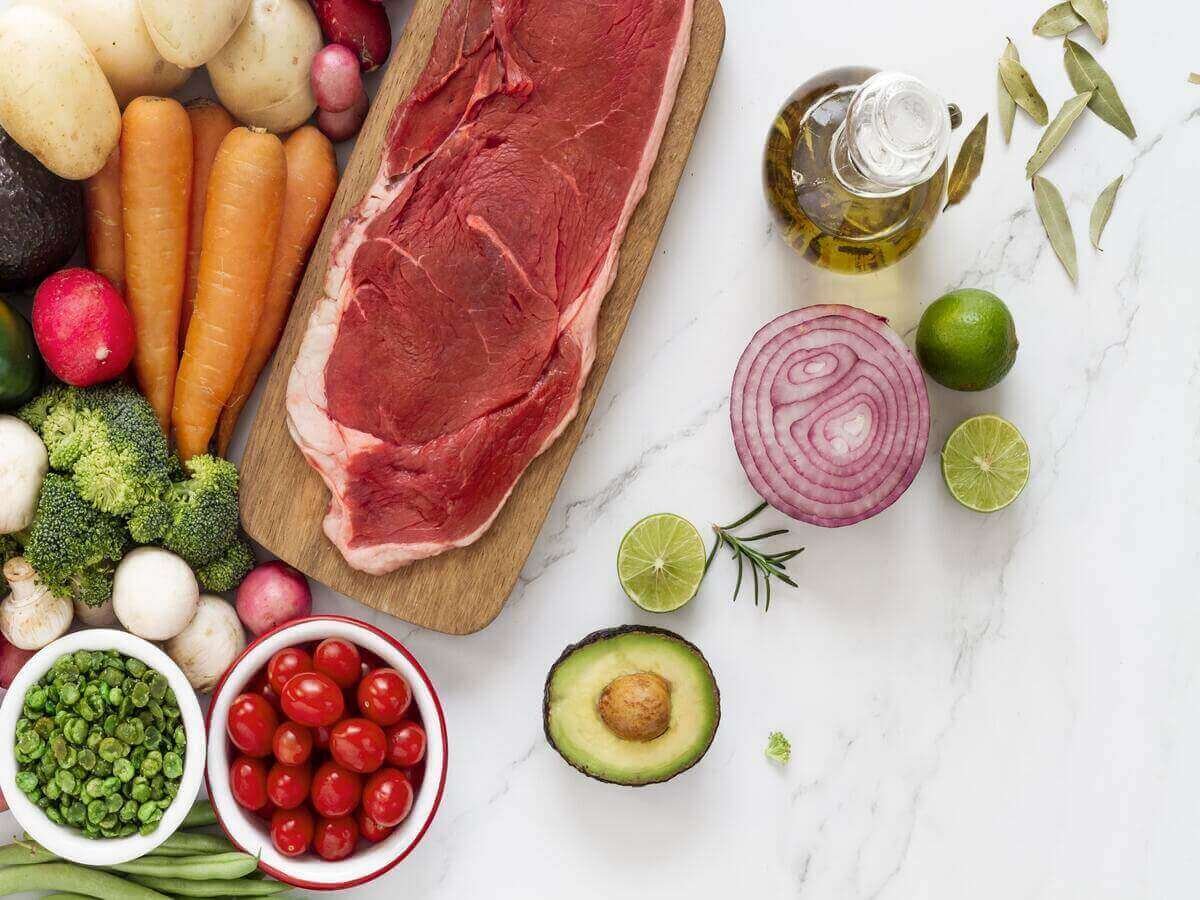
Building a Balanced High-Protein Plate
One of the biggest misconceptions about high-protein diets is that meals should revolve around meat alone.
A balanced plate typically includes:
- Lean camel meat as the protein source.
- Whole grains such as brown rice or whole-grain ugali.
- Plenty of colourful vegetables.
- Healthy fats from foods such as avocado or nuts.
- Fresh fruit enjoyed separately during the day.
This balanced approach provides variety while supporting overall nutrition.
Camel Meat for Busy Lifestyles
Today’s Kenyan professionals and families often need meals that are practical as well as nutritious.
Camel meat works well for:
- Weekly meal preparation.
- Family dinners.
- Office lunches.
- Restaurant menus.
- Outdoor grilling.
- Weekend gatherings.
Preparing larger batches also makes it easy to enjoy leftovers in wraps, salads, or stir-fries during the week.
Quality Matters More Than Quantity
When choosing protein-rich foods, quality is just as important as the amount of protein.
Premium camel meat should be:
- Responsibly sourced.
- Hygienically processed.
- Properly refrigerated.
- Professionally packaged.
- Carefully transported.
- Consistently fresh.
Responsible handling helps preserve flavour, texture, and product quality.
Sustainability Is Part of Better Nutrition
Consumers increasingly recognise that healthy eating also includes making responsible food choices.
At Soba Renaissance, sustainability is integrated into every stage of our operations through:
- Responsible livestock sourcing.
- Support for Kenyan farming communities.
- Efficient resource management.
- Reduced operational waste.
- Continuous quality improvement.
- Long-term investment in sustainable agriculture.
Choosing responsibly sourced camel meat supports both people and the environment.
Why Customers Choose Soba Renaissance
Customers across Nairobi and Kenya choose Soba Renaissance because we consistently provide:
- Premium fresh camel meat.
- Responsible livestock sourcing.
- Sustainable operations.
- Hygienic meat handling.
- Reliable cold-chain management.
- Professional packaging.
- Rigorous quality assurance.
- Dependable delivery.
- Transparent business practices.
- Exceptional customer service.
Whether you’re planning healthy family meals or supplying a commercial kitchen, we deliver quality you can trust.
Frequently Asked Questions
Is camel meat suitable for a high-protein diet?
Yes. Camel meat provides complete protein and can be included as one of several protein sources within a balanced, high-protein eating pattern.
Can camel meat be included in meal preparation?
Absolutely. Camel meat works well for batch cooking, making it a practical option for weekly meal preparation and busy schedules.
Should high-protein meals include vegetables and grains?
Yes. Balanced meals generally include lean protein together with vegetables, whole grains, healthy fats, and other nutritious foods.
Why choose Soba Renaissance?
Soba Renaissance supplies premium camel meat through responsible sourcing, sustainable operations, rigorous quality assurance, dependable delivery, and exceptional customer service across Kenya.
Build Better Meals with Premium Camel Meat
High-protein diets are most effective when they are built on balance, variety, and quality rather than focusing on protein alone. Camel meat offers complete protein alongside naturally occurring vitamins and minerals, making it a valuable ingredient for people who want nutritious, satisfying meals that fit active and modern lifestyles.
Whether you’re preparing meals for your family, planning weekly meal prep, or simply exploring new protein options, camel meat brings versatility, rich flavour, and wholesome nutrition to your table. Combined with vegetables, whole grains, legumes, fruits, and healthy fats, it helps create meals that are both enjoyable and well-rounded.
At Soba Renaissance, we are committed to delivering premium camel meat that reflects our values of sustainability, responsible livestock sourcing, rigorous quality assurance, and exceptional customer service. Every cut is carefully handled to ensure freshness, consistency, and the quality our customers expect.
Choose Soba Renaissance for premium camel meat that supports balanced eating, celebrates Kenya’s rich food heritage, and delivers outstanding quality with every meal.