

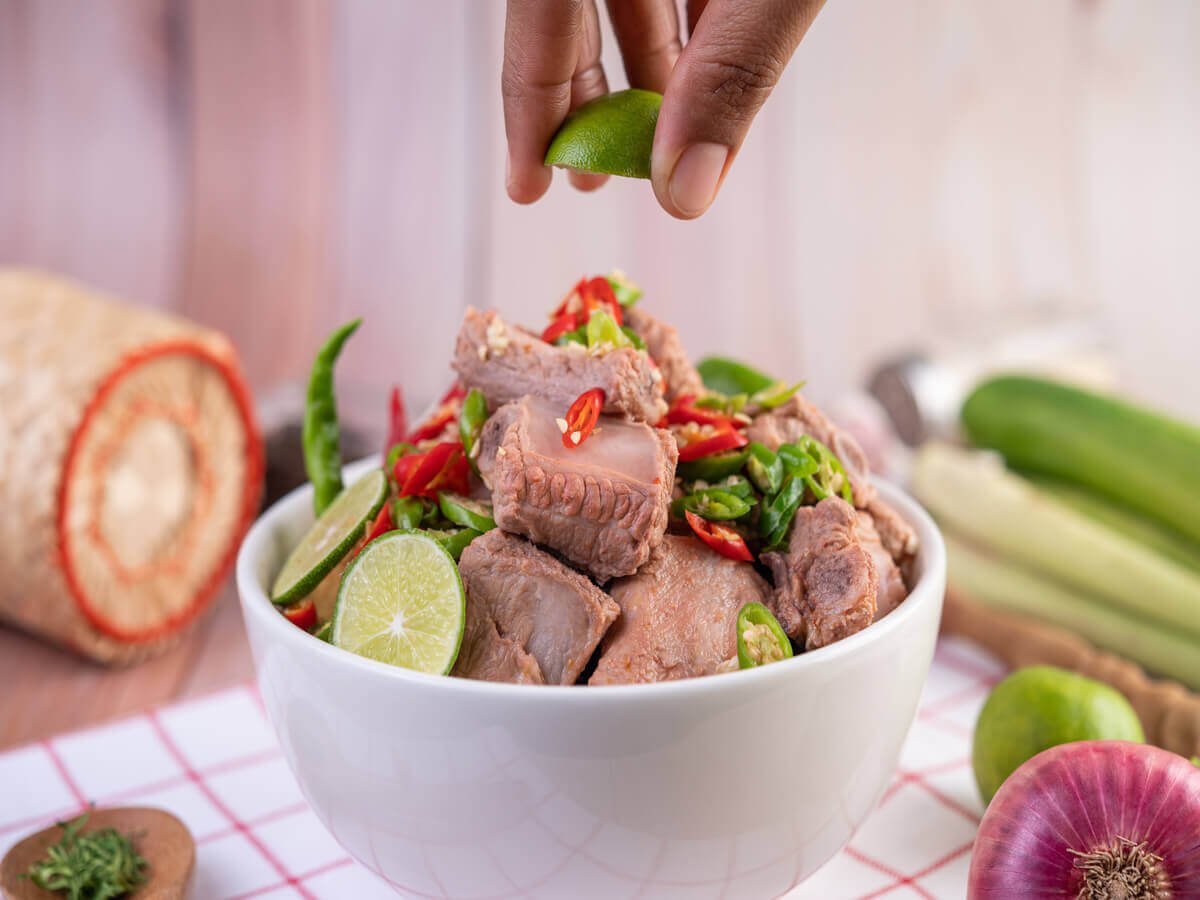
Is Camel Meat Healthy? Understanding Its Nutritional Benefits
Healthy eating has become a priority for many Kenyan families. Whether shopping for groceries in Nairobi, planning weekly meals, or looking for new sources of protein, more consumers are paying attention to the nutritional value of the foods they bring home.
While beef, chicken, goat meat, and fish remain household favourites, camel meat is steadily gaining recognition as another nutritious option. Long enjoyed in many parts of northern Kenya and across East Africa, it is now finding its way onto dinner tables, restaurant menus, and shopping lists throughout the country.
So, what makes camel meat worth considering?
The answer lies in its nutritional profile. Camel meat provides high-quality protein along with several important vitamins and minerals that contribute to a balanced diet. Like other meats, its nutritional composition can vary depending on factors such as the age of the animal and the specific cut, but it is widely recognised as a nutrient-dense source of animal protein.
At Soba Renaissance, we believe that healthy eating starts with responsibly sourced, high-quality ingredients. Through sustainable practices, rigorous quality assurance, and professional handling, we are proud to provide premium camel meat to households and businesses across Kenya.
Let’s explore why camel meat is becoming an increasingly popular choice for health-conscious consumers.
A Rich Source of High-Quality Protein
Protein is one of the body’s essential nutrients.
It plays an important role in:
- Building and repairing body tissues.
- Supporting muscle maintenance.
- Contributing to normal growth and development.
- Helping keep you feeling satisfied after meals.
Camel meat is naturally rich in complete protein, providing all of the essential amino acids the body requires from food.
Including a variety of quality protein sources in your diet can help support balanced nutrition.
Naturally Rich in Iron
Iron is an important mineral that helps the body produce healthy red blood cells and transport oxygen throughout the body.
Camel meat contains heme iron, the form of iron found in animal foods, which is generally more readily absorbed than non-heme iron from plant sources.
Iron-rich foods can contribute to meeting daily nutritional requirements when included as part of a varied and balanced diet.
Provides Important B Vitamins
Camel meat contains several B vitamins, including vitamin B12 and other members of the B-vitamin family.
These vitamins contribute to normal body functions such as:
- Energy metabolism.
- Red blood cell formation.
- Nervous system function.
Obtaining adequate vitamin B12 is particularly important because it is found naturally in animal-derived foods.
A Source of Zinc
Zinc is another important mineral present in camel meat.
It contributes to several normal bodily functions, including:
- Immune system function.
- Cell growth and repair.
- Normal protein synthesis.
A balanced diet that includes zinc-containing foods supports overall nutritional wellbeing.
Phosphorus for Healthy Bones and Teeth
Camel meat also provides phosphorus, a mineral that works alongside calcium to support healthy bones and teeth.
Phosphorus is also involved in:
- Energy production.
- Cell structure.
- Normal body function.
Leaner Than Many People Expect
One reason camel meat has attracted attention among some consumers is that many cuts are relatively lean compared with certain cuts of other red meats.
Because fat content varies depending on the cut and preparation method, choosing lean cuts and preparing them with healthy cooking techniques can help reduce added fat intake.
Healthy preparation methods include:
- Grilling.
- Roasting.
- Baking.
- Stewing with vegetables.
- Slow cooking without excessive added fat.
A Nutritious Addition to a Balanced Diet
No single food provides everything the body needs.
Healthy eating is about variety and balance.
Camel meat can be included alongside:
- Vegetables.
- Whole grains.
- Legumes.
- Fruits.
- Healthy fats.
- Dairy products where appropriate.
Combining these foods helps create balanced meals that provide a wide range of nutrients.
Why Quality Matters
The nutritional value of meat is only one part of the picture.
Customers should also consider:
- Responsible sourcing.
- Hygienic processing.
- Professional handling.
- Reliable refrigeration.
- Secure packaging.
- Quality assurance.
High standards throughout the supply chain help preserve product quality from source to table.
Sustainability and Nutrition Go Hand in Hand
Many consumers today want food that supports both personal wellbeing and responsible production.
At Soba Renaissance, our commitment extends beyond delivering premium camel meat.
We also focus on:
- Responsible livestock sourcing.
- Sustainable business practices.
- Efficient resource management.
- Reduced operational waste.
- Support for Kenyan agricultural communities.
- Continuous improvement.
By combining quality with sustainability, we help customers make informed food choices they can feel confident about.
Why More Customers Choose Soba Renaissance
Customers trust Soba Renaissance because we consistently provide:
- Premium fresh camel meat.
- Responsible sourcing.
- Sustainable operations.
- Hygienic meat handling.
- Reliable cold-chain management.
- Professional packaging.
- Rigorous quality assurance.
- Dependable supply.
- Transparent business practices.
- Exceptional customer service.
Every product reflects our commitment to quality, nutrition, and customer satisfaction.
Frequently Asked Questions
Is camel meat a good source of protein?
Yes. Camel meat is naturally rich in complete protein, making it a valuable source of this essential nutrient as part of a balanced diet.
Does camel meat contain iron?
Yes. Camel meat contains heme iron, a form of iron that is generally more readily absorbed than the non-heme iron found in plant foods.
Is camel meat suitable for a healthy diet?
Camel meat can be included as part of a healthy, balanced diet alongside vegetables, whole grains, fruits, legumes, and other nutritious foods.
Why choose Soba Renaissance?
Soba Renaissance supplies premium camel meat through responsible sourcing, sustainable operations, rigorous quality assurance, dependable delivery, and exceptional customer service for customers across Nairobi and Kenya.
Nourishing Meals Begin with Quality Ingredients
Healthy eating is not about following trends or relying on a single “superfood.” It is about choosing a variety of nutritious foods that work together to support overall wellbeing. Camel meat offers an excellent source of high-quality protein along with important nutrients such as iron, zinc, phosphorus, and B vitamins, making it a valuable addition to many balanced diets.
Just as important as the nutritional profile is the quality of the product itself. Responsibly sourced meat, handled with care and protected through professional food safety practices, gives customers greater confidence in every meal they prepare.
At Soba Renaissance, we are proud to supply premium camel meat that reflects our commitment to sustainability, responsible sourcing, and uncompromising quality. Whether you are preparing family meals, stocking a restaurant kitchen, or simply exploring new culinary options, we are dedicated to providing fresh camel meat you can trust.
Choose Soba Renaissance for premium camel meat that combines outstanding quality, responsible production, and nutrition to help you enjoy wholesome meals every day.