

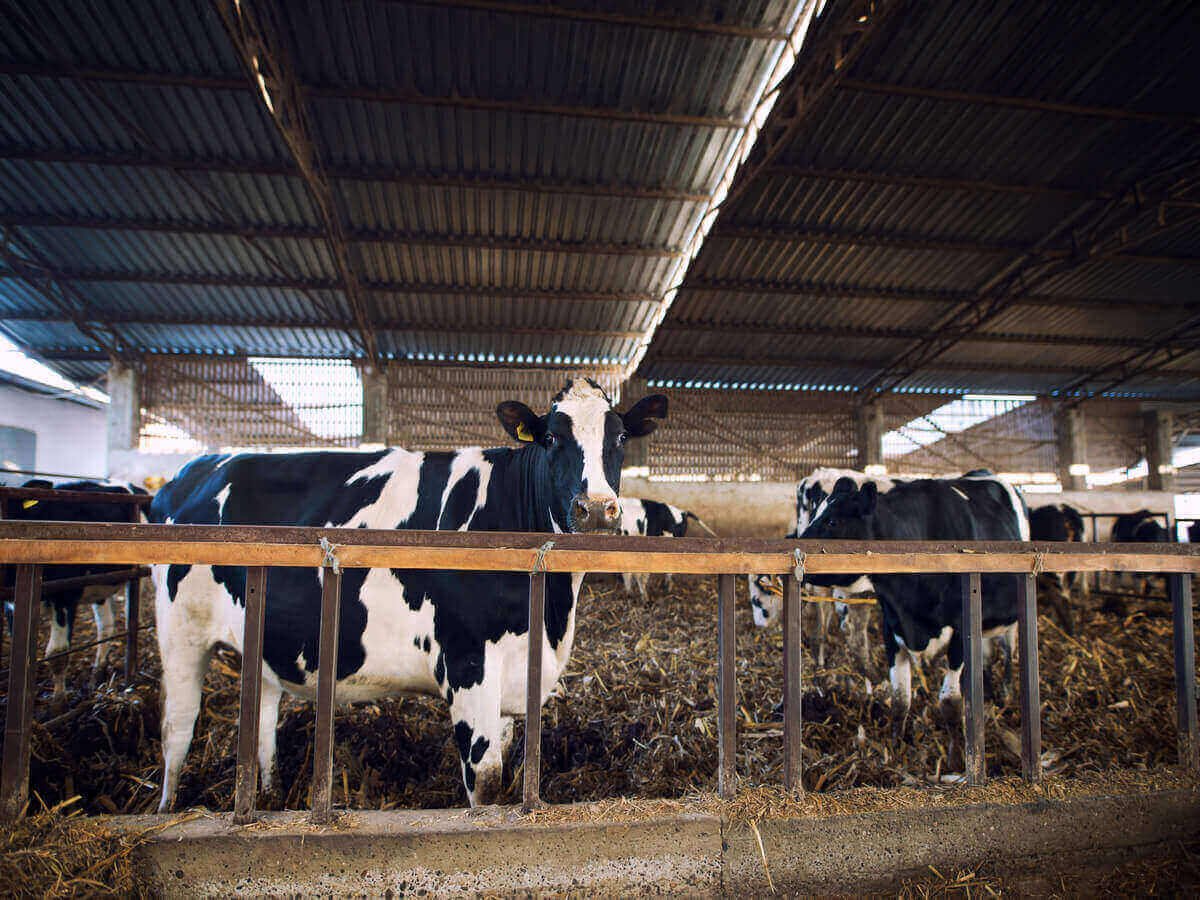
Modern Beef Farming Practices in Kenya: How Innovation Is Shaping the Future of Fresh Beef
When people think about cattle farming in Kenya, many picture vast open fields, herds grazing under the African sun, and generations of farmers passing down knowledge from one family member to the next.
While that picture is still an important part of Kenya’s agricultural identity, today’s livestock industry has evolved considerably.
Across the country, farmers are embracing modern approaches that combine traditional experience with improved management, better planning, and more efficient production systems. The goal isn’t to replace tradition it’s to strengthen it.
From ranches in Kajiado and Narok to mixed farming operations in Nakuru, Laikipia, Uasin Gishu, and beyond, modern beef farming is helping supply fresh, high-quality beef to homes, butcheries, supermarkets, hotels, restaurants, and institutions throughout Kenya.
At Soba Renaissance, we value strong partnerships with trusted local suppliers who embrace professional practices, helping us deliver premium fresh beef to customers across Nairobi and the rest of the country.
What Does Modern Beef Farming Mean?
Modern beef farming isn’t defined by one piece of equipment or a single technique.
Instead, it refers to a combination of better management practices, improved planning, responsible resource use, and continuous learning that helps farmers operate more efficiently.
Examples of modern approaches include:
- Better livestock management.
- Improved record keeping.
- Planned breeding programmes.
- Professional veterinary support.
- Efficient feeding strategies.
- Water management.
- Improved farm organization.
- Technology that supports daily farm operations.
These practices help farmers make informed decisions while strengthening the overall livestock value chain.
Technology Is Becoming Part of Everyday Farming
Kenyan agriculture is becoming increasingly connected.
Many livestock farmers now use digital tools to help manage their operations, such as keeping production records, planning farm activities, and communicating with suppliers and service providers.
Technology can also support:
- Better planning.
- Improved communication.
- More organised farm management.
- Efficient scheduling.
- Accurate record keeping.
While the tools may vary from farm to farm, the objective remains the same: producing quality livestock through better decision-making.
Better Planning Creates Better Farms
Successful cattle farming is no longer based only on experience.
Planning plays a major role in modern livestock production.
Farmers increasingly focus on:
- Seasonal preparation.
- Feed planning.
- Water availability.
- Herd management.
- Infrastructure maintenance.
- Business planning.
These efforts help farms operate more efficiently throughout the year.
Strong Partnerships Drive Better Results
No farm operates in isolation.
Modern livestock farming relies on collaboration between:
- Farmers.
- Veterinary professionals.
- Feed suppliers.
- Livestock experts.
- Transport companies.
- Processing facilities.
- Retail businesses.
- Food service providers.
When these partnerships are strong, the entire supply chain benefits.
Meeting the Needs of a Growing Kenya
Kenya’s population continues to grow, and with it comes increasing demand for reliable supplies of fresh beef.
Modern farming practices help support this demand by encouraging:
- Better farm management.
- Consistent production.
- Reliable supply chains.
- Professional operations.
- Long-term agricultural growth.
These improvements help connect producers with consumers more efficiently.
Why Local Beef Matters More Than Ever
Choosing locally sourced beef means supporting a network of Kenyan businesses that work together every day.
Your purchase helps support:
- Livestock farmers.
- Rural communities.
- Veterinary services.
- Processing teams.
- Refrigerated transport providers.
- Retail businesses.
- Restaurants.
- Hotels.
- Catering companies.
Buying local helps strengthen Kenya’s agricultural economy while creating opportunities across the livestock industry.
Modern Supply Chains Deliver Confidence
Today’s consumers expect more than simply fresh beef.
They also value:
- Reliable suppliers.
- Professional handling.
- Consistent quality.
- Hygienic processing.
- Dependable deliveries.
- Food safety standards.
Modern supply chains are designed to meet these expectations through better coordination and quality management.
Kenya’s Favourite Beef Meals Begin on Modern Farms
Modern farming may involve improved planning and better management, but the end result is still something very familiar.
It’s the beef that becomes:
- A rich family stew on a chilly evening.
- Nyama choma shared during a weekend outing.
- Beef pilau at weddings and celebrations.
- Wet fry served with chapati after work.
- Beef curry enjoyed with rice.
- Minced beef for homemade burgers or samosas.
Behind every memorable meal is a network of people committed to bringing quality beef from farm to table.
Why More Customers Choose Soba Renaissance
At Soba Renaissance, we believe quality begins long before beef reaches the customer.
That’s why we work with trusted local supply chains that reflect our commitment to professionalism, responsible sourcing, and dependable service.
Customers across Nairobi and Kenya choose us because we provide:
- Premium fresh beef.
- Responsibly sourced products.
- Strong partnerships with Kenyan suppliers.
- Hygienic processing.
- Reliable cold-chain management.
- Dependable deliveries.
- Strict food safety standards.
- Consistent product quality.
- Professional customer service.
- Fresh beef for households and businesses across Kenya.
Whether you’re cooking for your family or managing a restaurant, hotel, supermarket, or catering business, we’re committed to supplying beef you can trust.
Frequently Asked Questions
What are modern beef farming practices?
Modern beef farming combines traditional livestock knowledge with improved management, planning, professional support, efficient resource use, and better organization to strengthen farming operations.
Why is modern farming important?
Modern farming practices help improve efficiency, strengthen supply chains, support consistent production, and contribute to the long-term growth of Kenya’s livestock industry.
Why should I buy locally sourced beef?
Buying locally sourced beef supports Kenyan farmers, strengthens local businesses, promotes agricultural development, and contributes to Kenya’s economy.
Why choose Soba Renaissance?
Soba Renaissance supplies premium fresh beef through responsible sourcing, hygienic processing, reliable delivery, and strong partnerships with trusted Kenyan suppliers.
The Future of Kenyan Beef Is Already Taking Shape
Kenya’s livestock industry is evolving, not by abandoning its traditions, but by building on them.
Across the country, farmers are embracing better planning, stronger partnerships, improved management practices, and modern approaches that help meet the needs of today’s consumers while preparing for tomorrow’s opportunities.
For families enjoying beef stew in Nairobi, restaurants serving perfectly grilled nyama choma, or supermarkets stocking fresh cuts every day, these improvements often go unnoticed but they make a real difference behind the scenes.
At Soba Renaissance, we’re proud to support this progress. By working with trusted local supply chains and maintaining high standards from sourcing to delivery, we help connect the dedication of Kenyan farmers with the tables of families and businesses across the country.
Because modern beef farming isn’t about replacing the past it’s about creating a stronger, more reliable future for Kenya, one quality cut of beef at a time.