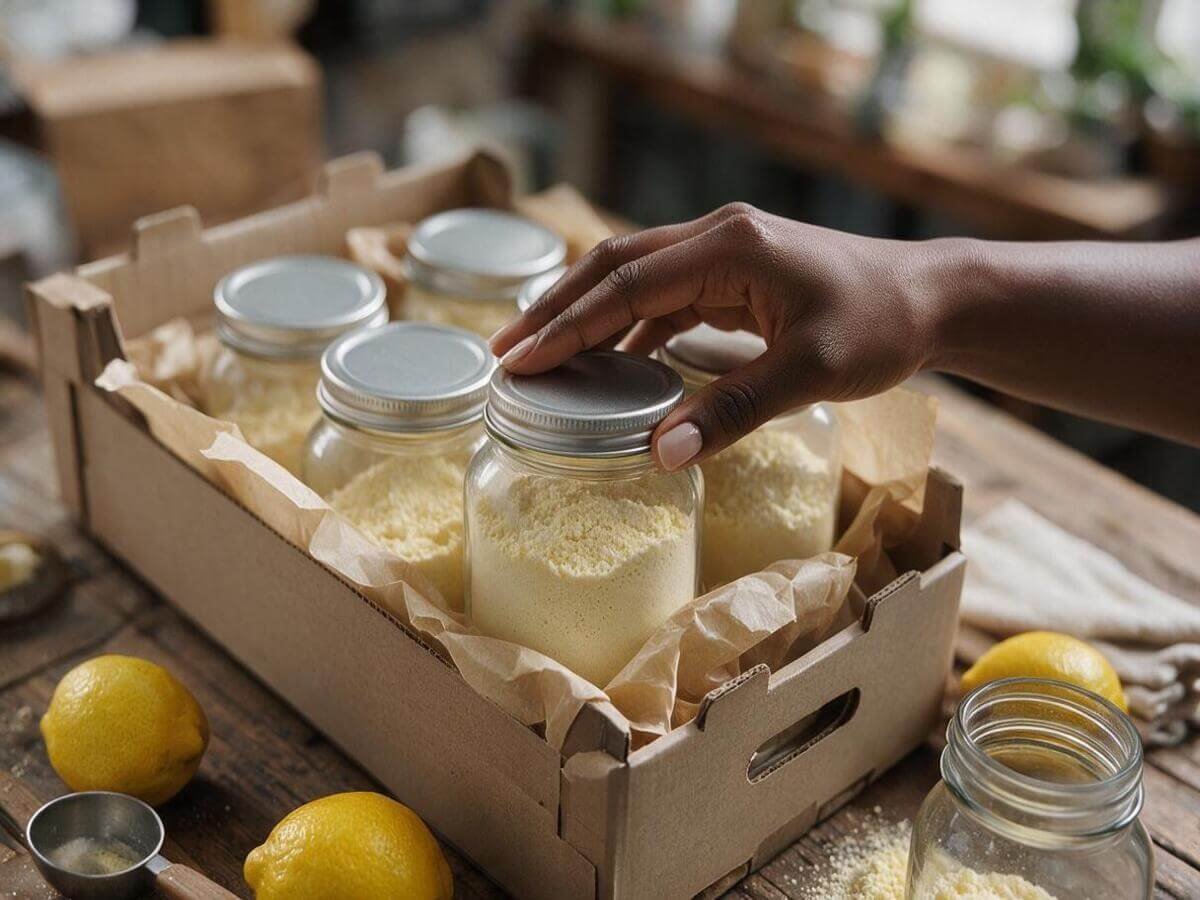
Small Ingredient, Big Citrus Possibilities: How Lemon Powder Can Transform Everyday Cooking
Bring a New Dimension of Citrus Flavour to Your Kitchen
Sometimes, the most useful kitchen ingredients are the ones that offer flexibility.
They can be incorporated into different recipes, used in small quantities, and adapted to suit both simple meals and more elaborate preparations.
Lemon powder is one such ingredient.
For people who enjoy citrus-inspired cooking, lemon powder provides an alternative way to introduce lemon flavour into food and beverages without preparing fresh lemons each time.
Whether you are seasoning vegetables, experimenting with homemade drinks, developing a baking recipe, or preparing a marinade, lemon powder can open up new culinary possibilities.
At Soba Renaissance, we believe good cooking begins with ingredients that encourage creativity.
Our Soba Renaissance Lemon Powder is an option for households and food businesses interested in exploring convenient citrus flavouring.
From home kitchens to restaurants, cafés, bakeries, hotels, and catering businesses, lemon powder can be considered for a wide range of food preparations.
But what makes lemon powder particularly interesting?
The answer lies in understanding how a dry citrus ingredient can be incorporated into different recipes, how its flavour interacts with other ingredients, and how to use it effectively.
In this guide, we explore creative lemon powder applications, cooking techniques, food pairings, recipe inspiration, and practical considerations for professional kitchens.
1. What Makes Lemon Powder Different From Fresh Lemons?
Fresh lemons are familiar ingredients in many kitchens.
They can provide juice, zest, aroma, and acidity, depending on how they are used.
Lemon powder offers a different format for incorporating lemon-derived or lemon-flavoured ingredients into recipes.
Unlike fresh lemons, it can be measured and mixed directly into suitable preparations.
However, not all lemon powders are made in the same way.
Some products are made from dried lemon juice, others from dried whole lemons or lemon peel, while certain commercial products contain additional ingredients.
These differences affect flavour, acidity, sweetness, solubility, and cooking performance.
For this reason, customers should always review the specific product information before deciding how to use lemon powder.
Why the Powder Format Matters
The dry format can be useful when preparing recipes that require powdered ingredients.
It may also simplify portioning and blending, particularly when the recipe does not require fresh lemon slices or freshly squeezed juice.
Lemon Powder Versus Lemon Juice Concentrate
Lemon juice concentrate is a liquid ingredient.
Lemon powder is a dry ingredient.
This distinction can influence how each is incorporated into recipes.
For example, lemon powder may be more convenient for certain dry seasoning blends, while a liquid concentrate may be easier to incorporate into some beverages or sauces.
Neither product should automatically be substituted for the other in equal quantities.
The appropriate amount depends on the product’s formulation and the recipe.
2. The Art of Building Flavour With Lemon Powder
A good dish often combines several flavour elements.
Saltiness, sweetness, acidity, bitterness, and savoury characteristics can all influence the final result.
Lemon powder can contribute citrus flavour and, depending on its formulation, acidity.
Lemon and Herbs
Lemon-inspired flavours can complement selected herbs.
Parsley, coriander, thyme, and other herbs may work in suitable combinations.
Lemon and Garlic
Garlic and lemon are familiar partners in many savoury dishes.
Lemon powder can be explored in dry seasoning mixtures containing garlic and other ingredients.
Lemon and Ginger
Ginger contributes a distinctive aromatic character.
Combining it with lemon flavour can create interesting beverage and seasoning possibilities.
Lemon and Pepper
Lemon-pepper combinations are popular in various culinary preparations.
A homemade blend may combine lemon powder with black pepper and other suitable seasonings.
Lemon and Sweet Ingredients
Citrus flavour can complement sugar, honey, and selected fruits in suitable recipes.
The key is to understand the powder’s concentration and begin with modest quantities.
3. Create Your Own Lemon-Inspired Seasoning Blends
One of the most interesting applications of lemon powder is in dry seasoning mixtures.
Dry seasonings can be used to introduce flavour into vegetables, poultry, fish, and other suitable foods.
Homemade Lemon-Pepper Seasoning
A lemon-inspired pepper blend can include:
- Lemon powder
- Ground black pepper
- Garlic powder
- A suitable amount of salt
- Other preferred herbs or spices
Mix the ingredients thoroughly and test a small quantity before preparing a larger batch.
The amount of lemon powder required depends on its flavour concentration and formulation.
Lemon and Herb Seasoning
Combine lemon powder with suitable dried herbs.
This mixture can be explored for vegetables, selected meat dishes, or other savoury preparations.
Lemon and Garlic Seasoning
Lemon powder and garlic powder can provide the foundation for a simple seasoning blend.
Additional spices may be introduced according to the intended dish.
Why Homemade Seasonings Are Worth Exploring
Preparing seasoning blends allows cooks to experiment with different flavours.
It also provides an opportunity to adjust recipes according to household preferences or professional menu requirements.
For food businesses, standardized seasoning blends can help maintain consistency.
4. Using Lemon Powder in Chicken Recipes
Chicken is a versatile ingredient that works with different herbs, spices, and marinades.
Lemon-inspired flavours can complement several chicken preparations.
Lemon Herb Chicken
Prepare a suitable seasoning mixture using lemon powder, herbs, garlic, and other preferred ingredients.
Apply it to chicken according to the recipe.
Lemon-Spiced Roasted Chicken
A lemon-based seasoning can be explored for roasted chicken preparations.
Because powdered ingredients vary in concentration, test small quantities to avoid overpowering the dish.
Lemon Chicken Marinade
Where appropriate, lemon powder may be dissolved or dispersed into a marinade containing suitable liquid ingredients.
The amount required will depend on the product’s composition.
Lemon-Flavoured Chicken Sauce
Lemon powder may also be tested in sauces intended to accompany cooked chicken.
Introduce it gradually and taste the sauce before serving.
Important Food Safety Considerations
Lemon powder and acidic marinades do not make raw poultry safe to eat.
Keep raw chicken refrigerated, prevent cross-contamination, and cook poultry thoroughly to a safe internal temperature.
5. Bring Citrus Character to Fish and Seafood
Lemon is a familiar accompaniment to many fish dishes.
Its flavour can complement selected seasonings and cooking methods.
Lemon powder provides another format for exploring citrus-inspired fish preparations.
Lemon Seasoning for Grilled Fish
Combine lemon powder with suitable herbs and spices.
Use the mixture according to the intended recipe.
Lemon-Inspired Fish Marinade
Lemon powder may be incorporated into a marinade if the product is suitable for that application.
Citrus-Flavoured Fish Sauce
A sauce containing lemon flavour can provide contrast to a savoury fish dish.
Lemon and Garlic Fish
Garlic and lemon can be combined in a suitable seasoning or sauce.
Avoid Excessive Acidity
Strongly acidic ingredients can affect the texture of fish.
Use measured quantities and avoid unnecessarily long marinating times.
Fish should always be handled and cooked according to appropriate food-safety guidance.
6. Transform Everyday Vegetable Dishes
Vegetables provide a flexible foundation for flavour experimentation.
A small amount of citrus-inspired seasoning can introduce a different character to familiar preparations.
Lemon-Roasted Vegetables
Selected vegetables can be combined with oil, herbs, and a suitable lemon seasoning.
Lemon and Garlic Green Beans
Green beans may be paired with garlic and a carefully measured amount of lemon flavour.
Citrus-Inspired Cabbage
Cabbage is a familiar ingredient in many Kenyan households.
Lemon powder can be explored in suitable cabbage recipes alongside selected seasonings.
Lemon-Flavoured Vegetable Salads
Depending on its formulation and solubility, lemon powder may be incorporated into dressings for vegetable salads.
A Simple Cooking Principle
Begin with a small amount.
Taste the finished preparation and adjust gradually.
Too much concentrated citrus flavour may overwhelm other ingredients.
7. Lemon Powder for Homemade Drinks
Lemon powder can be considered for beverage preparation, provided the specific product is intended for food and drink use.
Some lemon powders dissolve readily in water, while others contain particles that may not fully dissolve.
Lemon-Flavoured Water
Mix an appropriate quantity of lemon powder into clean drinking water according to the product instructions.
Homemade Lemonade
Lemon powder may be incorporated into lemonade-style beverages.
The amount of sweetener required will depend on whether the powder contains added sugar and how acidic it is.
Lemon and Ginger Drinks
Lemon and ginger can create an aromatic beverage combination.
Citrus-Inspired Iced Tea
Lemon powder may be added to suitable iced tea preparations.
Lemon Smoothies
A small amount of lemon powder can be tested in selected fruit smoothies.
Important Preparation Advice
Do not assume that all lemon powders can be used interchangeably in beverages.
Follow the manufacturer’s instructions for dilution, mixing, and serving.
8. Exploring Lemon Powder in Baking
Baking is another area where lemon flavour can be especially appealing.
Citrus notes can complement cakes, biscuits, muffins, and selected desserts.
Lemon-Flavoured Cakes
Lemon powder can be incorporated into suitable cake recipes.
Its effect on flavour and texture depends on the formulation.
Lemon Muffins
A measured quantity of lemon powder may be used to introduce citrus character into muffin recipes.
Lemon Biscuits
Lemon flavour can complement certain biscuit preparations.
Lemon Dessert Glazes
Where the powder dissolves appropriately, it may be incorporated into a glaze.
Lemon-Flavoured Frosting
A suitable food-grade lemon powder may be tested in frosting recipes.
Why Baking Requires Accurate Measurements
Baking depends on the balance of ingredients.
Lemon powders vary in acidity, moisture contribution, and concentration.
For consistent results, test small batches and record successful quantities.
Professional bakeries should also assess how the ingredient affects colour, texture, and shelf life.
9. Creating Citrus-Inspired Sauces and Dressings
Sauces and dressings provide another opportunity to explore lemon powder.
Lemon and Herb Dressing
Combine suitable oil, seasonings, and a measured quantity of lemon powder.
Add liquid as required by the recipe.
Lemon Garlic Sauce
Garlic and lemon flavours can be incorporated into selected savoury sauces.
Lemon Yoghurt Dressing
A suitable lemon powder may be mixed into yoghurt-based dressings.
Lemon Marinade Base
Lemon powder can be incorporated into a suitable marinade mixture where its composition allows.
Citrus-Flavoured Dipping Sauce
A lemon-inspired dipping sauce may complement selected snacks and savoury foods.
The most suitable proportions depend on the product’s acidity and flavour strength.
10. Lemon Powder in Kenyan Home Cooking
Kenyan cuisine includes a wide range of ingredients and preparation styles.
Lemon powder offers opportunities to experiment with citrus-inspired flavours in selected dishes.
Fish Meals
Lemon-based seasonings may complement grilled or roasted fish.
Chicken Dishes
A lemon and herb blend can provide a different seasoning option.
Vegetable Preparations
Selected vegetables may be paired with citrus-inspired dressings or seasonings.
Rice Dishes
Lemon flavour can be explored in certain rice preparations.
Homemade Drinks
Lemon powder may provide a convenient option for suitable citrus-flavoured beverages.
Everyday Snacks
Certain snack preparations can be paired with lemon-inspired sauces or seasoning blends.
The goal is not to replace familiar cooking traditions but to create additional flavour possibilities.
11. The Advantages of Dry Citrus Ingredients in Professional Kitchens
Restaurants, cafés, hotels, bakeries, and catering businesses often need ingredients that fit their preparation workflows.
Dry ingredients can offer practical advantages in certain applications.
Measured Portions
Powdered ingredients can be weighed for standardized recipes.
Dry Seasoning Preparation
Lemon powder may be useful in selected dry spice blends.
Recipe Consistency
When product specifications remain consistent, measured quantities can help produce repeatable results.
Menu Development
Chefs can experiment with citrus-inspired sauces, marinades, desserts, and beverages.
Storage Planning
Businesses should follow the product’s specific storage requirements.
Powdered ingredients may be affected by moisture, humidity, and inappropriate handling.
Inventory Management
Professional kitchens can record usage quantities and monitor stock requirements.
These practices can help businesses manage ingredients more effectively.
12. How Cafés and Beverage Businesses Can Use Lemon Powder
Cafés and juice businesses often develop different drinks to appeal to customer preferences.
Lemon powder may be worth evaluating for selected beverage applications.
Citrus-Flavoured Refreshments
Create suitable lemon-flavoured drinks using the manufacturer’s recommended mixing proportions.
Lemon and Ginger Beverages
Combine lemon flavour with ginger where appropriate.
Lemon Iced Tea
Explore citrus-inspired iced tea recipes.
Fruit Mocktails
A suitable lemon powder may be used to introduce citrus notes into non-alcoholic drinks.
Signature Café Beverages
Cafés can develop their own recipes using measured ingredient quantities.
Consistency Matters
Record successful recipes and train staff to follow the same preparation method.
If the powder does not fully dissolve, evaluate whether it is suitable for the intended beverage presentation.
13. Lemon Powder for Bakeries and Dessert Businesses
Bakeries often need flavouring ingredients that can be measured consistently.
Lemon powder may provide opportunities for developing citrus-inspired baked products.
Lemon Cakes
Explore suitable cake formulations with lemon flavour.
Lemon Muffins
Develop citrus-inspired muffin recipes.
Lemon Biscuits
Introduce lemon flavour into selected biscuit preparations.
Lemon Frosting
Test lemon powder in suitable frosting recipes.
Lemon Dessert Sauces
Create appropriate citrus-inspired sauces for selected desserts.
Testing Before Commercial Production
Bakeries should assess flavour strength, ingredient compatibility, acidity, product stability, and customer response.
A successful small-batch recipe should be tested further before large-scale production.
14. Developing a Signature Lemon Seasoning for Your Restaurant
A distinctive seasoning can help create recognizable menu items.
Lemon powder may form part of a restaurant’s signature seasoning blend.
Step 1: Identify the Intended Dish
Decide whether the seasoning will be used for chicken, fish, vegetables, or another food.
Step 2: Select Complementary Spices
Choose herbs and spices that suit the dish.
Step 3: Add Lemon Powder Gradually
Begin with a small measured quantity.
Step 4: Test the Recipe
Prepare a sample dish and evaluate flavour balance.
Step 5: Record the Measurements
Document the final proportions.
Step 6: Evaluate Commercial Practicality
Consider ingredient costs, preparation time, consistency, and customer response.
Step 7: Train Kitchen Staff
Ensure the recipe can be reproduced reliably.
These steps can help professional kitchens explore lemon powder in a structured way.
15. Important Considerations When Cooking With Lemon Powder
Although lemon powder is versatile, its performance depends on its ingredients and intended use.
Check the Ingredient List
Confirm whether the product contains dried lemon juice, peel, whole lemon, added sugar, carriers, or other ingredients.
Understand Its Concentration
Some products are more concentrated than others.
Check Solubility
A powder suitable for seasoning may not behave like a fully soluble beverage powder.
Consider Acidity
The acidity of lemon powder can affect flavour and recipe performance.
Store It Correctly
Follow the packaging instructions and protect the product from inappropriate moisture exposure.
Use Clean, Dry Utensils
Avoid introducing moisture or contaminants into the container.
Avoid Unsupported Preservation Claims
Adding lemon powder to food does not automatically make it safe for long-term storage.
Food preservation requires validated methods and appropriate controls.
16. Lemon Powder for Restaurants, Hotels and Catering Businesses in Kenya
Food businesses often require ingredients that can support several menu applications.
Lemon powder may be considered for different professional kitchen preparations.
Restaurants
Restaurants can explore lemon powder in seasonings, sauces, marinades, and suitable beverages.
Hotels
Hotels may evaluate it for selected breakfast, lunch, dinner, and beverage preparations.
Catering Businesses
Caterers can consider lemon powder for suitable bulk seasoning mixes and menu applications.
Bakeries
Bakeries may use suitable lemon powder in cakes, biscuits, muffins, and dessert preparations.
Cafés
Cafés can explore citrus-inspired beverages and selected food items.
Food Manufacturers
Manufacturers should evaluate ingredient specifications, processing suitability, labelling requirements, and relevant food-safety standards before commercial use.
Institutions
Institutional buyers should assess product specifications, storage requirements, quantities, and suitability for planned menus.
17. Buying Lemon Powder in Nairobi and Kenya
When purchasing lemon powder, customers should first consider how they intend to use it.
A household preparing occasional beverages may have different requirements from a bakery or restaurant using lemon flavour in several recipes.
Before purchasing, ask about:
- The product’s ingredients and intended applications
- Available packaging sizes
- Storage requirements
- Recommended usage instructions
- Current availability
- Bulk-order quantities
- Delivery arrangements
At Soba Renaissance, we welcome inquiries from individual customers and commercial food buyers interested in Lemon Powder.
Bulk orders can be fulfilled, and delivery services are available.
Customers should confirm current product specifications, order quantities, and delivery arrangements before purchasing.
18. Why Explore Soba Renaissance Lemon Powder?
At Soba Renaissance, we believe good ingredients can inspire creativity in everyday cooking.
Lemon powder provides an opportunity to explore citrus-inspired flavour in a convenient dry format.
Whether you are preparing a homemade seasoning blend, experimenting with baked treats, creating a refreshing beverage, or developing recipes for a professional kitchen, lemon powder can offer interesting possibilities.
Soba Renaissance Lemon Powder is available for customer inquiries from households and food businesses.
We welcome orders from restaurants, cafés, bakeries, hotels, caterers, retailers, and institutions.
Bulk-order arrangements and delivery services can be discussed with our team.
19. Frequently Asked Questions About Lemon Powder
What is lemon powder used for?
Depending on its formulation, lemon powder can be used in seasonings, marinades, sauces, baked goods, and suitable beverages.
Can lemon powder be used instead of fresh lemon?
It can be used as an alternative lemon-flavour ingredient in certain recipes, but it is not always a direct substitute for fresh lemon juice or zest.
Can I use lemon powder in tea?
Yes, if the specific product is suitable for beverages. Follow the recommended mixing instructions.
Can lemon powder be used in cakes?
Suitable food-grade lemon powder can be incorporated into selected cake recipes.
Is lemon powder suitable for chicken marinades?
Yes, where its composition is appropriate. It can be mixed with other marinade ingredients according to a tested recipe.
Can lemon powder be used for fish seasoning?
Yes. Lemon-inspired dry seasoning blends can complement selected fish dishes.
Does lemon powder dissolve completely in water?
Not necessarily. Solubility depends on the product’s ingredients and manufacturing process.
Is lemon powder the same as citric acid?
No. Lemon powder and citric acid are not necessarily the same ingredient. Their composition and flavour characteristics can differ.
Can restaurants and bakeries buy lemon powder in bulk?
Soba Renaissance welcomes bulk-order inquiries from restaurants, hotels, cafés, bakeries, caterers, retailers, and institutions.
Where can I buy lemon powder in Nairobi?
Contact Soba Renaissance through the company’s phone number, email, or website, or visit Ndemi Close Business Center.
Does Soba Renaissance offer lemon powder delivery?
Delivery services are available. Customers should confirm their delivery location and order requirements.
Explore More Flavour With Less Preparation
Lemon powder demonstrates how a convenient dry ingredient can introduce new possibilities into everyday cooking.
From homemade spice blends and savoury marinades to cakes, beverages, sauces, and vegetable dishes, lemon powder can contribute citrus-inspired flavour in different ways.
For households, it offers an opportunity to experiment with familiar ingredients.
For restaurants, hotels, cafés, bakeries, and catering businesses, it may provide a useful ingredient for developing distinctive menu offerings.
The key is understanding the product’s formulation, measuring it appropriately, and selecting applications that suit its characteristics.
With thoughtful preparation, lemon powder can become part of a creative and versatile kitchen.
Sprinkle it. Mix it. Create with it. Explore the citrus possibilities of Soba Renaissance Lemon Powder.