

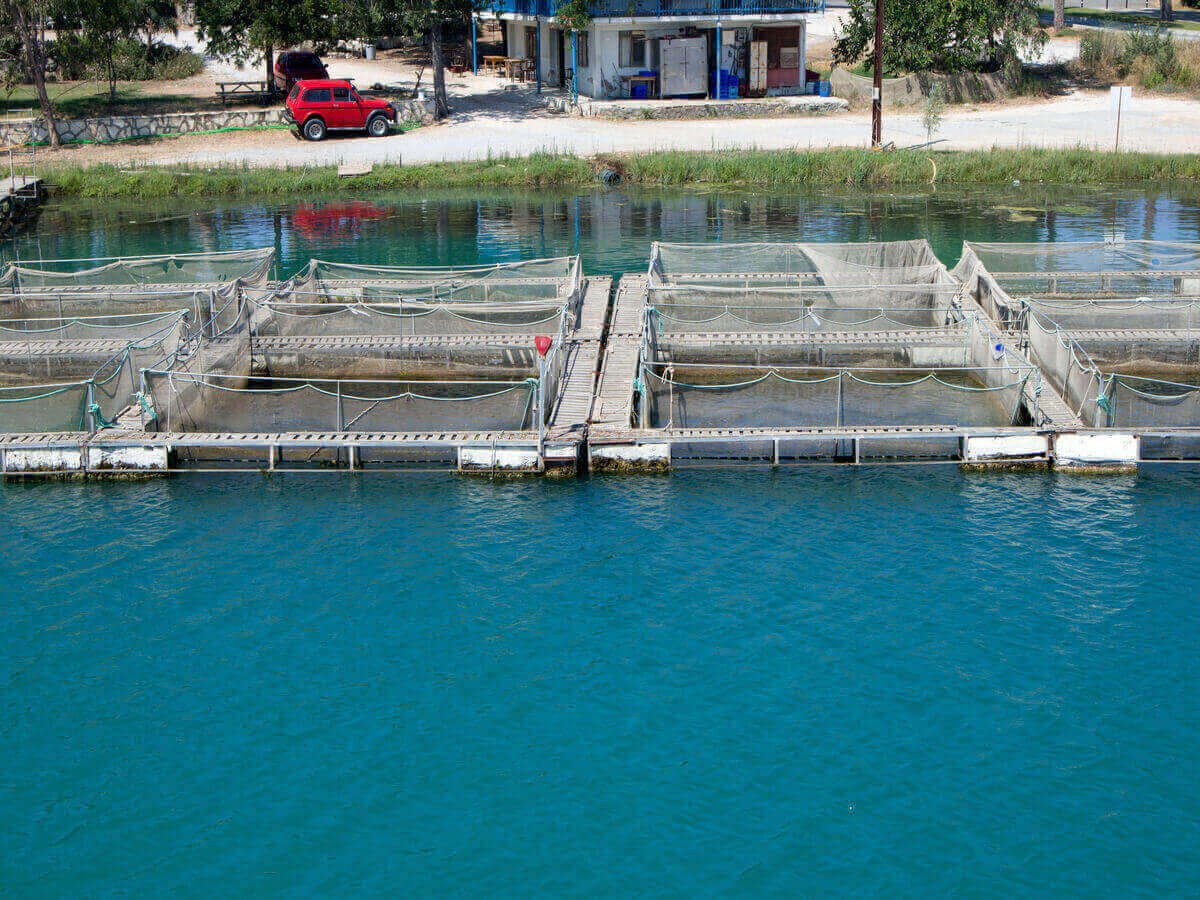
The Future of Fish Farming in Kenya
Fish farming is becoming one of the most promising sectors in Kenya’s agricultural landscape. As the country’s population continues to grow and demand for high-quality protein increases, aquaculture is expected to play an even greater role in strengthening food security, creating employment, supporting local economies, and protecting natural aquatic resources.
The future of fish farming is no longer defined solely by increased production. It is increasingly driven by innovation, sustainability, responsible resource management, improved food safety, and greater consumer awareness. Kenyan consumers are becoming more selective about the seafood they purchase, placing greater value on freshness, traceability, environmental responsibility, and reliable supply.
For producers, suppliers, and food businesses, this shift presents an opportunity to embrace modern farming practices while building stronger partnerships throughout the supply chain.
At Soba Renaissance, we proudly support the future of Kenya’s aquaculture industry through responsible sourcing, sustainable aquaculture partnerships, integrated farm-to-fork supply systems, rigorous quality assurance, hygienic handling, professional packaging, and dependable cold-chain logistics. Our commitment is to deliver premium fresh fish while contributing to a stronger, more sustainable food system for generations to come.
This guide explores the trends that are shaping the future of fish farming in Kenya.
Growing Demand Will Continue to Drive Expansion
Consumer demand for fish continues to increase across Kenya.
More households and businesses are incorporating fish into their menus because it is:
- A versatile source of protein.
- Suitable for a wide variety of meals.
- Popular in homes and restaurants.
- Increasingly available throughout the country.
- Favoured by health-conscious consumers.
Meeting this growing demand will require continued investment in responsible aquaculture.
Innovation Will Improve Fish Farming
Modern technology is helping producers operate more efficiently and consistently.
Future improvements are expected to include:
- Better farm management systems.
- Improved production planning.
- Enhanced monitoring practices.
- Greater operational efficiency.
- Stronger quality management.
Innovation enables producers to improve productivity while maintaining high standards.
Sustainability Will Remain a Priority
The future of fish farming depends on balancing production with environmental responsibility.
Sustainable aquaculture supports:
- Responsible water management.
- Efficient resource use.
- Environmental stewardship.
- Healthy aquatic ecosystems.
- Long-term agricultural resilience.
Consumers increasingly prefer suppliers who demonstrate a genuine commitment to sustainability.
Food Safety Standards Will Continue to Advance
Food safety is becoming more important throughout Kenya’s seafood industry.
Professional production systems focus on:
- Hygienic handling.
- Responsible harvesting.
- Quality assurance.
- Secure packaging.
- Reliable cold-chain logistics.
Continuous improvement in these areas helps strengthen consumer confidence.
Traceability Will Become Even More Important
Consumers increasingly want to understand the journey their food takes before reaching their tables.
Future supply chains will continue emphasising:
- Product traceability.
- Responsible sourcing.
- Supply chain transparency.
- Quality assurance.
- Product accountability.
Greater transparency strengthens trust between producers and consumers.
Stronger Local Supply Chains Will Benefit Everyone
As aquaculture expands, local supply networks are expected to become even more efficient.
Stronger supply chains support:
- Fish farmers.
- Processors.
- Retailers.
- Restaurants.
- Hotels.
- Supermarkets.
- Food service businesses.
Reliable domestic production helps improve product availability throughout Kenya.
Climate Resilience Will Shape the Industry
Future fish farming systems must be adaptable to changing environmental conditions.
Responsible producers are increasingly focused on:
- Sustainable resource management.
- Efficient production practices.
- Environmental conservation.
- Operational resilience.
- Long-term planning.
Building resilience helps secure the future of Kenya’s aquaculture sector.
Farm-to-Fork Production Will Continue to Add Value
Integrated production systems help maintain quality from source to customer.
Our farm-to-fork approach includes:
- Responsible sourcing.
- Sustainable aquaculture partnerships.
- Hygienic handling.
- Professional packaging.
- Rigorous quality assurance.
- Reliable cold-chain distribution.
Managing every stage helps preserve freshness while maintaining consistent quality.
Local Partnerships Will Drive Industry Growth
The future of aquaculture depends on collaboration throughout the value chain.
Strong partnerships support:
- Local fish farmers.
- Rural communities.
- Agricultural development.
- Employment.
- Food security.
- Economic growth.
At Soba Renaissance, we believe lasting partnerships are essential to sustainable success.
Why Customers Choose Soba Renaissance
Customers throughout Kenya trust Soba Renaissance because we consistently provide:
- Premium fresh fish.
- Responsible sourcing.
- Sustainable aquaculture partnerships.
- Integrated farm-to-fork supply systems.
- Hygienic handling.
- Rigorous quality assurance.
- Professional packaging.
- Reliable cold-chain logistics.
- Dependable nationwide supply.
- Exceptional customer service.
Every product reflects our commitment to innovation, sustainability, and premium quality.
Frequently Asked Questions
What is the future of fish farming in Kenya?
The future of fish farming is expected to be shaped by sustainable aquaculture, improved technology, stronger food safety standards, greater traceability, responsible sourcing, and increasing consumer demand for premium locally produced fish.
Why is sustainable aquaculture important for the future?
Sustainable aquaculture helps protect natural resources, supports food security, strengthens local food systems, and ensures fish farming remains productive for future generations.
How does innovation improve fish farming?
Modern production methods help improve operational efficiency, quality management, monitoring, and consistency while supporting responsible resource use.
Why choose Soba Renaissance?
Soba Renaissance combines responsible sourcing, sustainable aquaculture partnerships, integrated farm-to-fork supply systems, hygienic handling, rigorous quality assurance, dependable cold-chain logistics, and exceptional customer service to deliver premium fresh fish throughout Kenya.
Building the Next Generation of Kenyan Aquaculture
The future of fish farming in Kenya is built on innovation, responsibility, and collaboration. As consumer expectations continue to evolve, the industry’s success will depend on sustainable production, stronger local partnerships, reliable food safety systems, and continued investment in quality. These advancements will help ensure that Kenyan households and businesses enjoy consistent access to premium fresh fish while supporting long-term agricultural development.
At Soba Renaissance, we are proud to contribute to this future through responsible sourcing, sustainable aquaculture partnerships, integrated farm-to-fork supply systems, hygienic handling, rigorous quality assurance, professional packaging, and dependable cold-chain logistics. Our commitment to sustainability and continuous improvement helps strengthen Kenya’s seafood industry while delivering premium fish that customers can trust.
Whether you are preparing healthy family meals, managing a restaurant, operating a hotel, supplying a supermarket, or serving customers through a food service business, Soba Renaissance is your trusted partner for premium fresh fish produced with the future in mind.
Choose Soba Renaissance where responsible sourcing, sustainable aquaculture, innovation, and farm-to-fork excellence are shaping the future of fish farming in Kenya.