

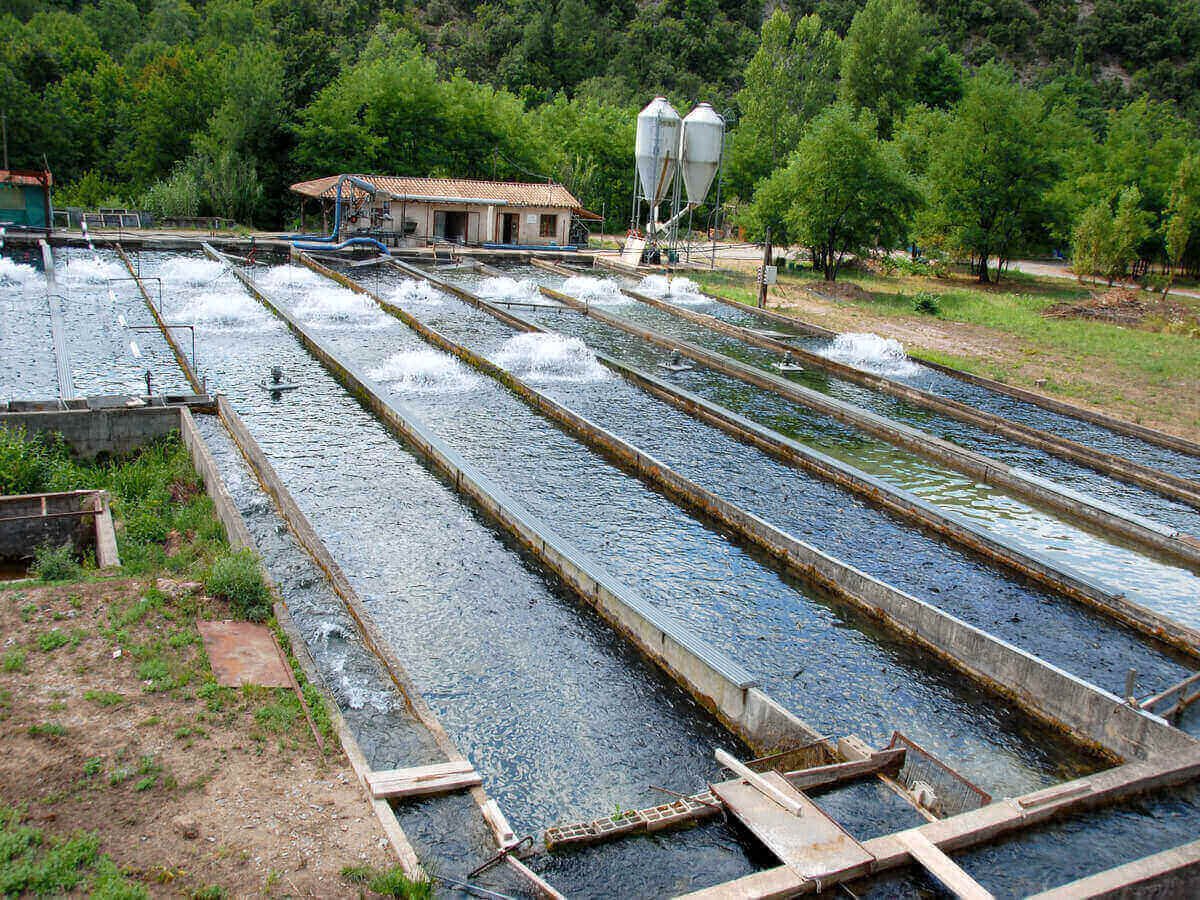
How Quality Fish Farming Improves Freshness
Freshness is one of the most important qualities consumers look for when buying fish. Whether preparing meals at home, operating a restaurant, managing a hotel, running a supermarket, or serving customers through a catering business, the quality of fresh fish directly influences flavour, texture, appearance, and overall customer satisfaction.
However, true freshness begins long before fish reaches the market. It starts with responsible fish farming, careful environmental management, professional harvesting, hygienic processing, and reliable cold-chain logistics. Every stage of production contributes to preserving the freshness that customers expect.
As more Kenyan consumers seek premium seafood, they are also becoming more interested in how fish is produced. Responsible aquaculture, sustainable farming practices, and transparent supply chains have become key indicators of product quality.
At Soba Renaissance, we proudly deliver premium fresh fish through responsible sourcing, sustainable aquaculture partnerships, integrated farm-to-fork supply systems, rigorous quality assurance, hygienic handling, professional packaging, and dependable cold-chain logistics. Our commitment to quality ensures that every order reflects freshness, consistency, and responsible production.
This guide explains how quality fish farming helps preserve freshness from the fish farm to your table.
Freshness Begins at the Fish Farm
Exceptional fish does not begin at the market it begins in a well-managed farming environment.
Quality fish farming focuses on:
- Healthy aquatic environments.
- Responsible production systems.
- Routine monitoring.
- Sustainable farming practices.
- Consistent management.
Strong farming practices establish the foundation for premium fresh fish.
Healthy Fish Produce Better Quality
Fish raised under responsible farming conditions generally maintain better overall quality throughout production.
Responsible aquaculture supports:
- Healthy growth.
- Balanced nutrition.
- Clean living conditions.
- Reduced production stress.
- Consistent development.
Healthy fish help create products that retain their freshness throughout the supply chain.
Clean Water Supports Freshness
Water quality is one of the most important elements in fish farming.
Professional producers carefully manage:
- Water cleanliness.
- Environmental conditions.
- Water circulation.
- Routine monitoring.
- Sustainable resource use.
Maintaining high water quality contributes to healthier fish and better overall freshness.
Responsible Harvesting Protects Product Quality
Harvesting is one of the most critical stages in preserving freshness.
Professional harvesting practices emphasise:
- Careful handling.
- Hygienic procedures.
- Efficient processing.
- Product protection.
- Immediate quality management.
Minimising unnecessary delays helps preserve natural freshness.
Rapid Cooling Helps Preserve Freshness
Fresh fish should be cooled promptly after harvesting.
Effective temperature management helps:
- Maintain product quality.
- Preserve natural texture.
- Support food safety.
- Extend freshness.
- Protect flavour.
Rapid cooling is an essential part of responsible fish production.
Hygienic Processing Makes a Difference
Professional processing helps maintain the quality established during farming.
Quality processing includes:
- Hygienic handling.
- Clean production facilities.
- Professional preparation.
- Product inspection.
- Quality assurance procedures.
Every stage contributes to delivering premium fresh fish.
Cold-Chain Logistics Maintain Freshness
Maintaining appropriate temperatures throughout transportation is essential.
Reliable cold-chain systems include:
- Refrigerated storage.
- Temperature-controlled vehicles.
- Continuous monitoring.
- Hygienic transportation.
- Prompt delivery.
A dependable cold chain preserves freshness from production to customer.
Traceability Strengthens Customer Confidence
Consumers increasingly appreciate knowing where their fish comes from.
Traceability supports:
- Responsible sourcing.
- Product transparency.
- Food safety.
- Quality assurance.
- Supply chain accountability.
At Soba Renaissance, traceability helps ensure confidence in every purchase.
Sustainability and Freshness Go Together
Responsible farming benefits both product quality and the environment.
Sustainable aquaculture encourages:
- Responsible resource management.
- Environmental stewardship.
- Healthy production systems.
- Long-term agricultural resilience.
- Consistent product quality.
Sustainability helps preserve freshness while supporting Kenya’s growing seafood industry.
Why Customers Choose Soba Renaissance
Customers throughout Kenya trust Soba Renaissance because we consistently provide:
- Premium fresh fish.
- Responsible sourcing.
- Sustainable aquaculture partnerships.
- Integrated farm-to-fork supply systems.
- Hygienic handling.
- Rigorous quality assurance.
- Professional packaging.
- Reliable cold-chain logistics.
- Dependable nationwide supply.
- Exceptional customer service.
Every product reflects our commitment to freshness, sustainability, and premium quality.
Frequently Asked Questions
Why does fish farming affect freshness?
Quality fish farming creates healthy production environments that support fish quality from the earliest stages. Combined with responsible harvesting, processing, and cold-chain management, these practices help preserve freshness until the fish reaches the customer.
Why is cold-chain management important?
Continuous refrigeration helps maintain freshness, supports food safety, preserves texture, and protects product quality during storage and transportation.
Does sustainability improve fish quality?
Responsible aquaculture supports healthier production systems, better resource management, and consistent farming practices, all of which contribute to reliable product quality and freshness.
Why choose Soba Renaissance?
Soba Renaissance combines responsible sourcing, sustainable aquaculture partnerships, integrated farm-to-fork supply systems, hygienic handling, rigorous quality assurance, professional packaging, dependable cold-chain logistics, and exceptional customer service to deliver premium fresh fish throughout Kenya.
Freshness Starts Long Before the Market
The freshness of fish is not determined by a single moment it is the result of every decision made throughout the production journey. Healthy aquatic environments, responsible farming practices, careful harvesting, hygienic processing, professional packaging, and dependable cold-chain logistics all work together to preserve the quality customers expect.
At Soba Renaissance, we proudly uphold these standards through responsible sourcing, sustainable aquaculture partnerships, integrated farm-to-fork supply systems, hygienic handling, rigorous quality assurance, professional packaging, and reliable cold-chain distribution. Every fish reflects our commitment to delivering freshness while supporting responsible agriculture and environmental sustainability.
Whether you are preparing healthy family meals, managing a restaurant, operating a hotel, supplying a supermarket, or serving customers through a food service business, Soba Renaissance is your trusted partner for premium fresh fish in Kenya.
Choose Soba Renaissance where quality fish farming, sustainability, and farm-to-fork excellence ensure every fish arrives fresh, safe, and ready to enjoy.